
Quick answer: You cannot choose to lose face fat on its own, because fat leaves the body in a pattern you do not control. Overall fat loss over weeks to months is the only reliable route. Facial exercises may change cheek fullness and muscle tone, but no trial shows they burn fat from the face.
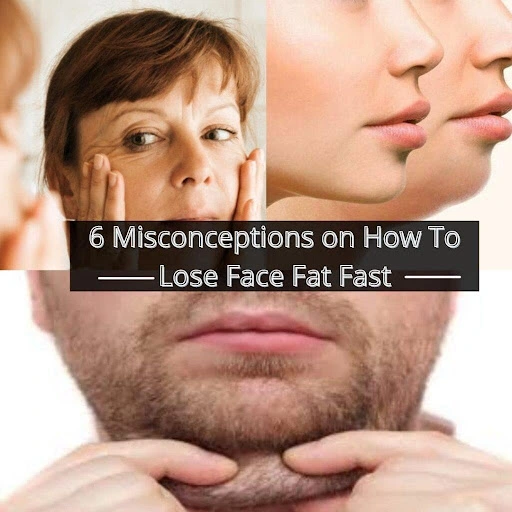
Many people want a sharper jawline and spend money on supplements, gadgets or daily face routines. Most of those products promise more than the research supports. This guide separates fat from fluid, shows what trials have tested, and flags the medical causes of a round face.
Lose Face Fat: Why Spot Exercises Do Not Work
Spot reduction is the idea that working one area burns the fat stored there. A 2021 systematic review and meta-analysis pooled 13 studies with more than 1,100 participants. It concluded that localised muscle training had no effect on localised fat deposits.
Face fat follows the same rule. Your body draws fat from stores across the whole body, and genetics help decide where you lose it first. As a result, no jaw or cheek routine can pick which fat is used.
Six Face Fat Myths Checked
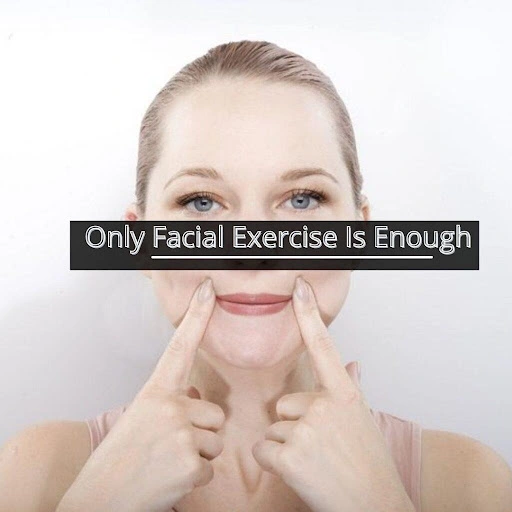
Myth 1: Facial exercise alone slims the face
The best-known trial, in JAMA Dermatology in 2018, tested a 20-week facial exercise program in women aged 40 to 65. Of 27 recruited, 16 finished. Blinded dermatologists judged photos and found improved upper and lower cheek fullness, and the women looked about three years younger on average.
However, the study did not measure fat loss. It was small, it had no control group, and it studied only middle-aged women. Fuller cheeks are the opposite of a slimmer face, so the result does not support the fat-loss claim.
Myth 2: You can spot-reduce the face
As covered above, the pooled evidence says no. A person who gains or loses weight usually sees changes across the face and body together.
Myth 3: Cardio or HIIT melts face fat
Regular activity supports overall fat loss and health. Nothing in the evidence says cardio or HIIT targets the face, or that 20 minutes a day gives quick facial results. Choose activity you can keep up.
Myth 4: You must fast or go hungry
You do not. Fibre-rich foods such as beans, vegetables, fruit, nuts and whole grains help many people feel full. The US Daily Value for fibre is 28 g, and the UK public health agencies recommend at least 30 g. UK adults average about 18 g, so most people have room to add fibre gradually.
Myth 5: Sleep does not matter
Poor sleep is linked with weight gain and with a tired, puffy look. We cover the research in our article on how sleep affects weight loss. Sleep will not remove face fat directly, though.
Myth 6: Alcohol has no effect on the face
Alcohol adds energy without much nutrition. Some people also notice temporary facial puffiness after drinking. That puffiness is usually fluid, not fat, and formal research on it is limited.
Face Fat or Puffiness: How to Tell the Difference
Most “face fat” advice assumes the problem is fat. In practice, three different things can make a face look rounder, and each has a different fix.
| What it is | Typical signs | What helps |
|---|---|---|
| Stored fat | Fullness stays the same all day and changes slowly over months with body weight | Gradual overall fat loss. You cannot target the face. |
| Temporary puffiness | Worse in the morning or after salty food, alcohol or a short night, and varies from day to day | Steady sleep, limiting alcohol and very salty meals, and ordinary hydration |
| A medical cause | A round, reddish face with other symptoms such as easy bruising, wide purple stretch marks, muscle weakness or a fatty lump at the upper back | See a doctor. Do not diet for it. |
Also, jaw shape is partly bone structure. Genes, age and tooth position all affect how defined a jawline looks, and exercise changes none of them.
How to Lose Face Fat Quickly: What Is Realistic
No credible method removes face fat in 24 hours, overnight or in a week. Fat is lost slowly, and the face is rarely the first place it shows. What can change within days is puffiness, which is fluid.
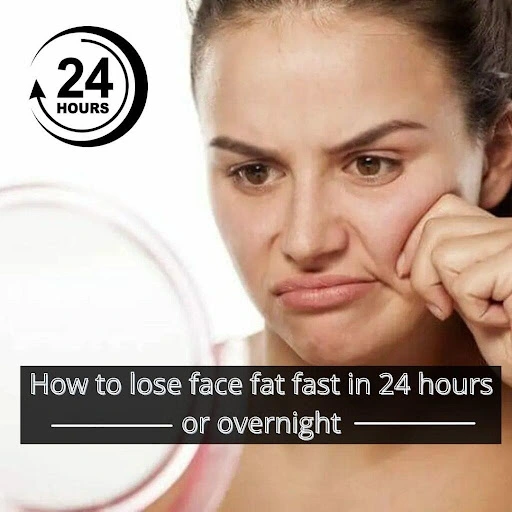
Be careful with any product that promises overnight results. Supplements and “fat burners” sold for the face are not supported by trials, and some carry real side effects.
Habits That Help You Lose Face Fat Over Time
These habits support overall fat loss and reduce temporary puffiness. None of them targets the face.
- Eat more fibre and protein. Both help many people feel full. Add them gradually, and drink fluids as you raise fibre.
- Move most days. Walking, cycling, swimming or strength work all count.
- Protect your sleep. A regular bedtime helps appetite and the morning puffiness many people notice.
- Limit alcohol and very salty snacks. Both can add to short-term puffiness for some people.
- Drink water as you normally would. Extra water does not flush fat or toxins from the body.
For more on fibre targets and food sources, read our guide on fibre in weight loss.
Facial Exercises: What They Can and Cannot Do
Fish face, “kissing the sky” and cheek-puffing are popular because they feel like work. They are low risk for most people when done gently. However, the evidence supports only modest changes in cheek fullness, not fat loss.
Chewing gum is sometimes sold as a jawline exercise. We found no trial showing it slims the face. Chewing hard for long periods can also strain the jaw joint in some people, so stop if you feel pain or clicking.
Lose Face Fat: Claims Checked
| Claim | Where it stands | What to know |
|---|---|---|
| Facial exercises remove face fat | Not supported | The main trial measured cheek fullness and apparent age, not fat. |
| You can spot-reduce fat from the face | Not supported | A 2021 pooled analysis of 13 studies found no local fat effect. |
| Face fat goes in a week | Not supported | Fat loss takes weeks to months. Only fluid shifts quickly. |
| Cardio and HIIT target the face | Not supported | They support overall fat loss like other activity. |
| Fibre helps you feel full | Supported | Targets are 28 g (US Daily Value) and 30 g (UK). |
| Alcohol causes temporary puffiness | Plausible | Common experience, but limited formal research. |
| Water flushes toxins and fat | Not supported | Normal hydration is fine, but water does not remove fat. |
| A new round face is always fat | Overstated | Fluid and some medical conditions can cause it. |
Safety: When a Round Face Needs a Doctor
See a doctor if your face became rounder over weeks, especially with other changes. The US National Institutes of Health lists a round, reddish face among the features of Cushing syndrome. Other signs include weight gain around the abdomen, a fatty lump on the upper back, muscle weakness, wide purple stretch marks, easy bruising and high blood pressure.
Long-term steroid medicines can also change the face. Never stop a prescribed medicine on your own, and ask your prescriber instead.
Teenagers and children. Young people should not diet to change face shape. A growing body needs steady nutrition, so speak with a paediatrician or family doctor first. Anyone who feels distressed about their appearance, or restricts food because of it, should talk to a doctor or counsellor.
Pregnancy and medical treatment. Facial swelling that appears suddenly during pregnancy needs urgent medical advice. So does swelling with breathing trouble or a rash.
Frequently Asked Questions
Face fat reflects overall body fat, which is shaped by genetics, age, energy intake and activity. Temporary puffiness from fluid, salty food, alcohol or poor sleep can also make the face look fuller.
No. A 2021 pooled analysis of 13 studies found that training one area did not reduce fat there. Face fat decreases as overall body fat decreases.
A small 2018 JAMA Dermatology trial of women aged 40 to 65 found improved cheek fullness and a younger apparent age after 20 weeks. It did not measure fat loss, so the exercises are not proven to slim the face.
There is no fixed timeline. Fat loss usually takes weeks to months, and the face may not be the first place it shows. Puffiness from fluid can change within days.
No. No diet, drink or exercise removes fat overnight. Overnight changes are usually fluid, such as less morning puffiness after a good night of sleep.
The US Daily Value is 28 g a day and UK public health agencies recommend at least 30 g. Add fibre gradually and drink fluids as you do.
Some people notice temporary puffiness after drinking. It is usually fluid rather than fat, though alcohol also adds energy that can affect weight over time.
See a doctor if your face became rounder over weeks, or if it comes with easy bruising, wide purple stretch marks, muscle weakness, a fatty lump on the upper back or high blood pressure. These can be signs of conditions such as Cushing syndrome.
Related Reading
- How sleep affects weight loss: what the research shows
- Fibre in weight loss: what trials show and how much
- Top 10 weight loss myths, checked against the evidence
- What is BMI and is it a good indicator of weight loss success
Sources
- Northwestern Medicine, summary of the 2018 JAMA Dermatology facial exercise trial (Alam et al.)
- University of Sydney, Spot reduction: why targeting weight loss to a specific area is a myth, citing a 2021 systematic review and meta-analysis
- NICHD (NIH), What are the symptoms of Cushing syndrome?
- Public Health Agency (Northern Ireland), Fibre: why is it so important?
- US Food and Drug Administration, Daily Value for dietary fibre (28 g), fda.gov
This article is for general information and is not medical advice. See your doctor if your face has changed shape quickly, if you have swelling, or if you feel distressed about your appearance. Last reviewed and rewritten October 2026.