

Quick answer: the best foods to eat when running are a light, carbohydrate-rich snack 2 to 3 hours before, water during, and carbohydrate plus protein soon after. No single food burns fat. Weight loss still depends on your overall eating pattern across the week, and running burns less than most people expect.
Choosing foods to eat when running is easier once you separate two jobs: fueling the run, and shaping the rest of your day. This guide covers both. It also lists 11 popular foods, with safety notes the old advice skipped.
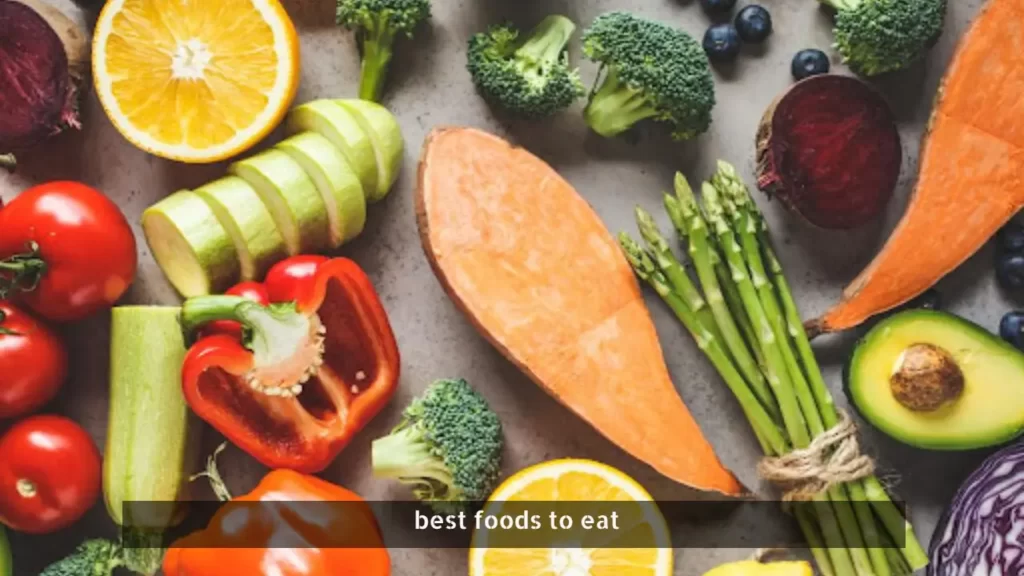
Foods to Eat When Running: Timing Beats Food Lists
Guidance from the British Dietetic Association is simple. Before a run, eat a light, low-fat, high-carbohydrate snack or meal two to three hours ahead. During exercise, carbohydrate helps if you push hard for longer than an hour. Afterwards, refuel with carbohydrate soon, and drink to replace sweat.
| When | Aim | Examples |
|---|---|---|
| 2 to 3 hours before | Light, low-fat, carbohydrate-rich | Oatmeal with fruit, toast with jam, banana |
| During (over 1 hour, hard) | Carbohydrate and fluid | Sports drink, gels, dried fruit |
| Within hours after | Carbohydrate plus protein | Yogurt with berries, eggs on toast |
| Rest of the day | Regular, balanced meals | Vegetables, protein, whole grains |
Based on British Dietetic Association sport and exercise guidance. Needs vary with distance, pace and health.
Protein needs rise a little with endurance training. The same guidance suggests about 1.4 to 2.0 g per kg of body weight per day for endurance athletes, compared with 0.75 g for people who do not train. About 20 g of protein comes from three medium eggs.
A Reality Check on Calories Burned
Runs burn less than they feel like they do. Harvard Health lists 240, 288 and 336 calories for 30 minutes of running at 5 mph for people weighing 125, 155 and 185 lb. A large snack can cancel that out.
That is why food choices matter. Calorie-dense foods such as avocado, nuts, seeds and dark chocolate are nutritious, but portions add up quickly. Therefore, treat them as small additions, not free extras. For the maths, see our guide to counting calories.
The 11 Best Foods to Eat When Running to Lose Weight
These foods are filling for their calories or useful around runs. None burns fat on its own.
1. Berries

Berries are sweet but modest in calories. They suit oatmeal and yogurt, and they are easy to eat after a run.
2. Apples
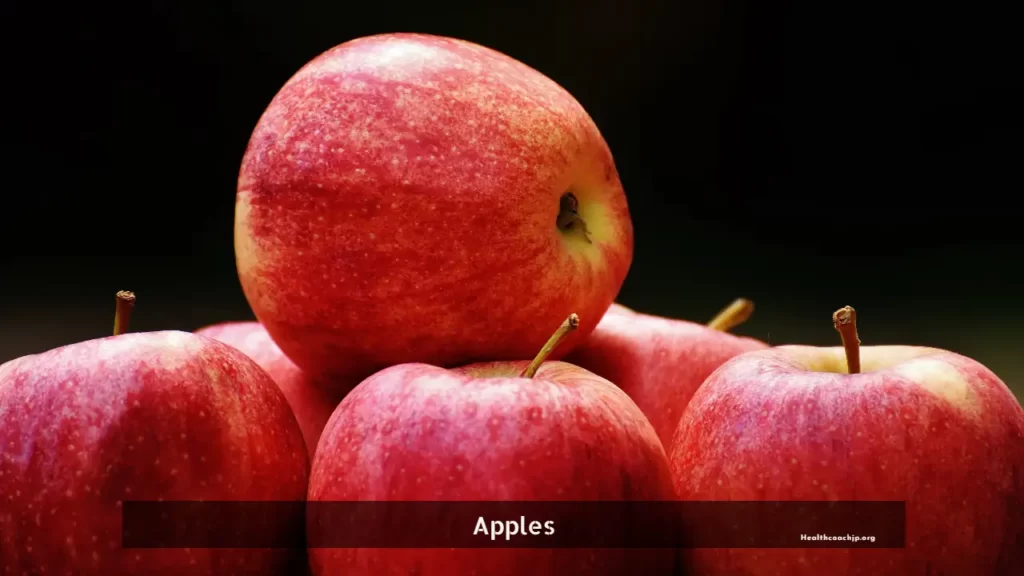
Apples offer fiber and water in a portable form. Eat one well before a run, because the fiber may unsettle some stomachs.
3. Eggs

A large egg has about 6 g of protein. Pair eggs with toast after a run so you get carbohydrate as well. See our boiled egg calories page for numbers.
4. Dark Chocolate
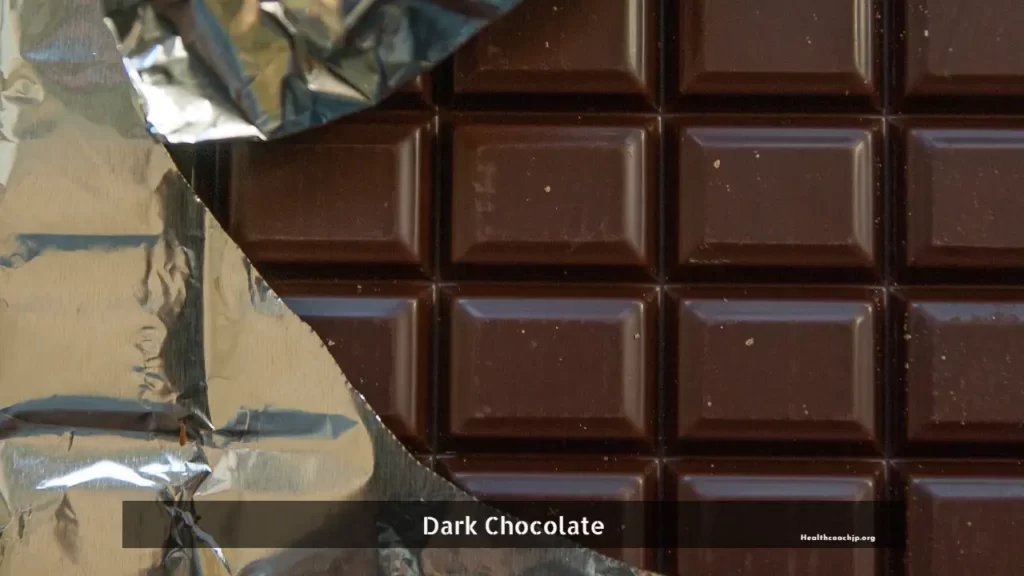
A square or two can satisfy a craving. It is calorie-dense, so keep portions small. It does not improve running performance.
5. Avocado
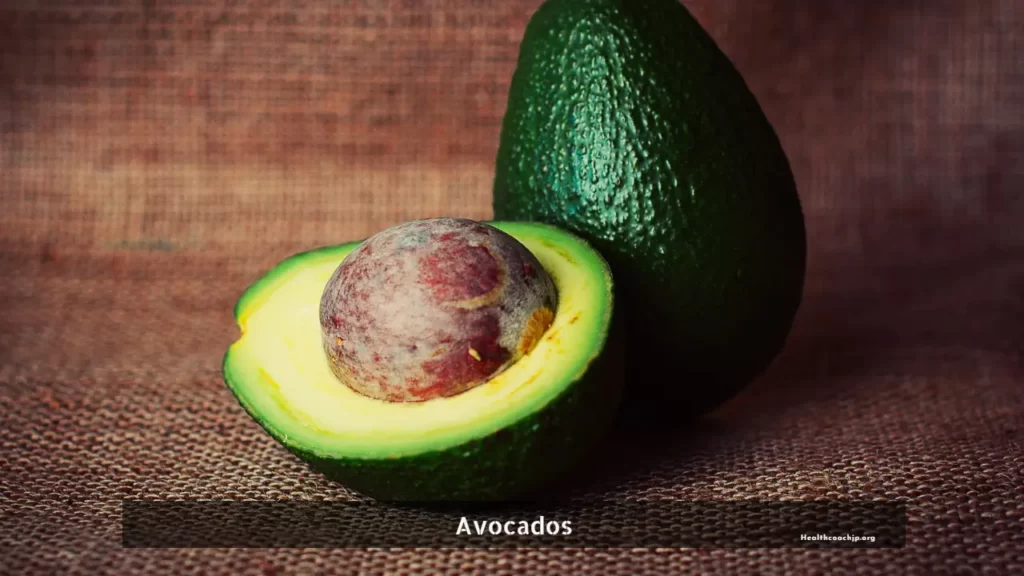
Avocado adds fiber and unsaturated fat to meals. Save it for later in the day, since fat slows digestion before a run.
6. Quinoa
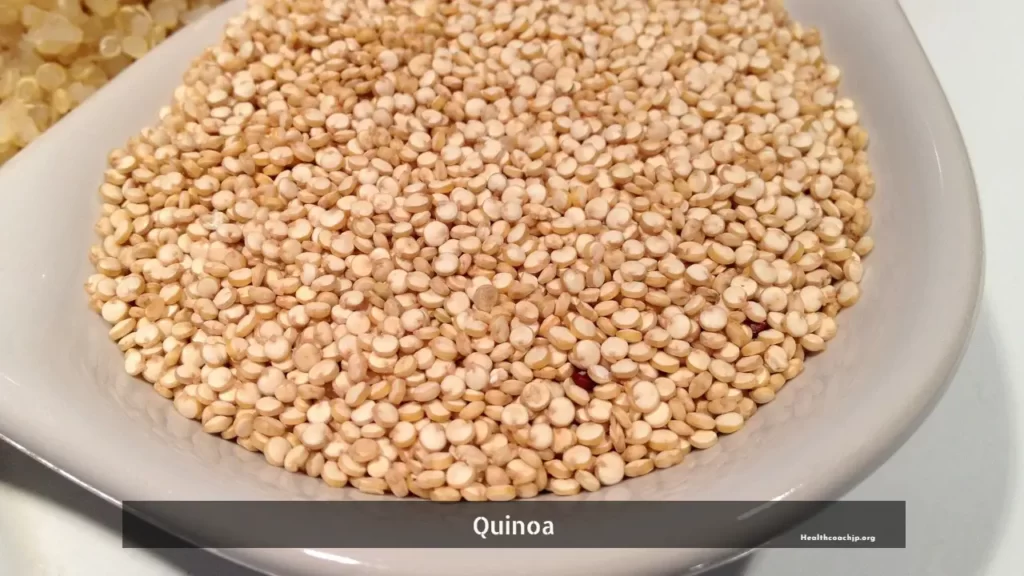
Quinoa supplies carbohydrate with some protein. It is naturally gluten-free, though check the label for cross-contact if you have celiac disease.
7. Yogurt

Greek-style yogurt is higher in protein than most. Choose plain versions and add fruit, since flavored cups often carry added sugar.
8. Grapefruit
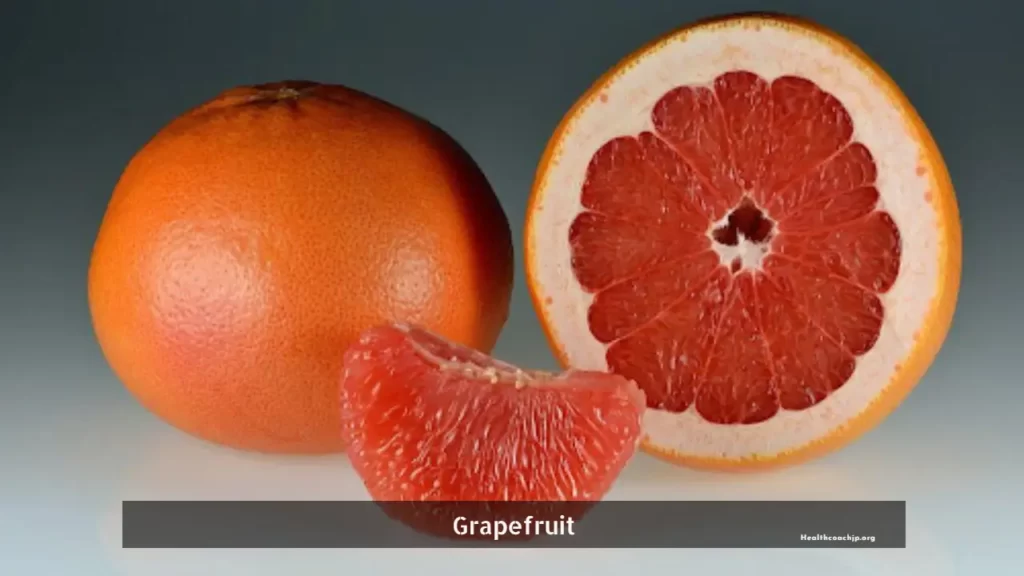
Grapefruit is a light, juicy fruit. However, it interacts with some medicines, including certain statins and blood pressure drugs. The FDA says the warning can apply to whole fruit as well as juice, so check with your pharmacist first.
9. Oats
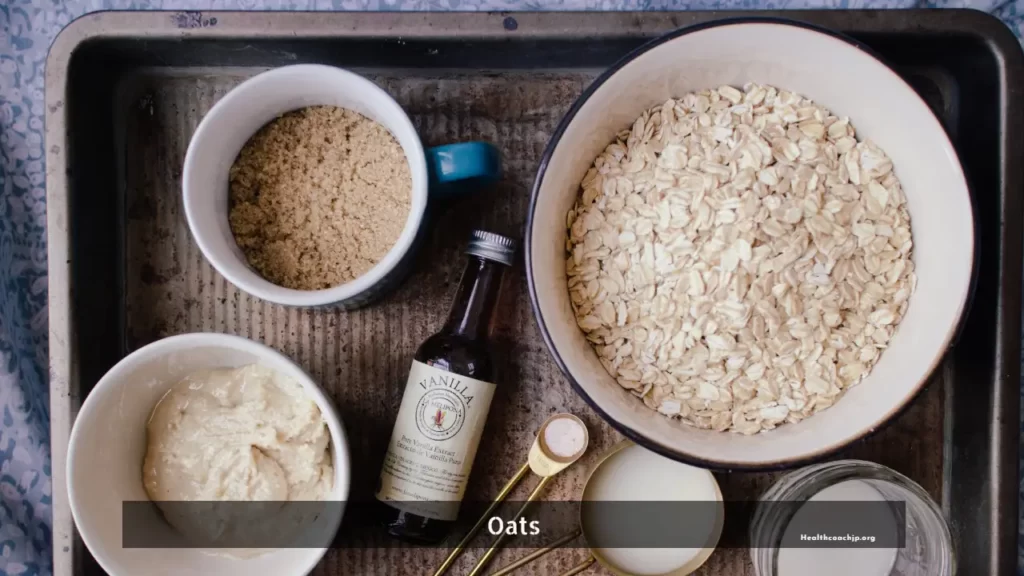
Oatmeal fits the 2 to 3 hour pre-run window well. It is carbohydrate-rich, low in fat and easy to top with fruit. Our fiber guide explains why it keeps you full.
10. Bell Peppers
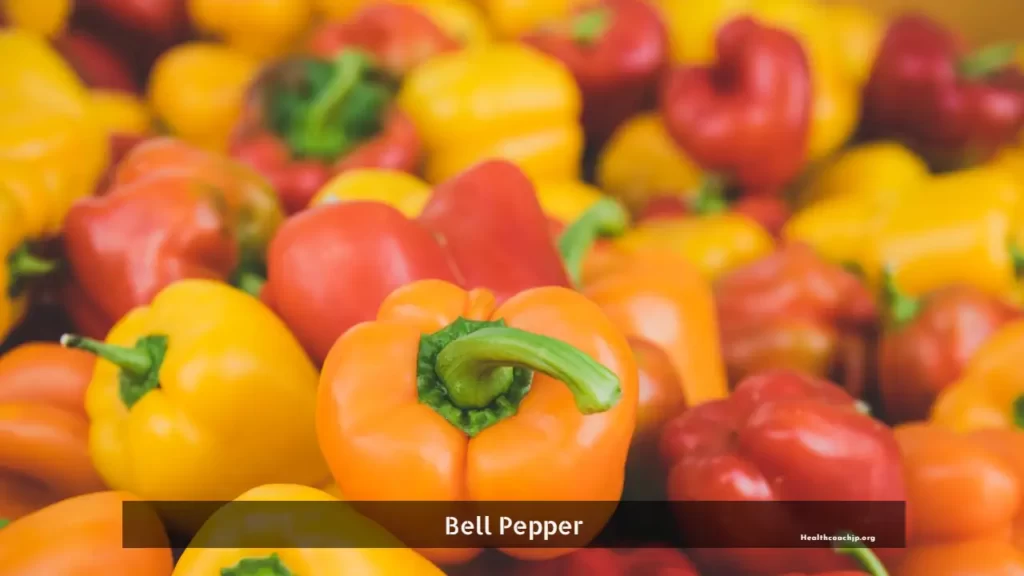
Bell peppers add crunch and volume to meals for few calories. They suit the main meals of your day better than a pre-run snack.
11. Chia Seeds
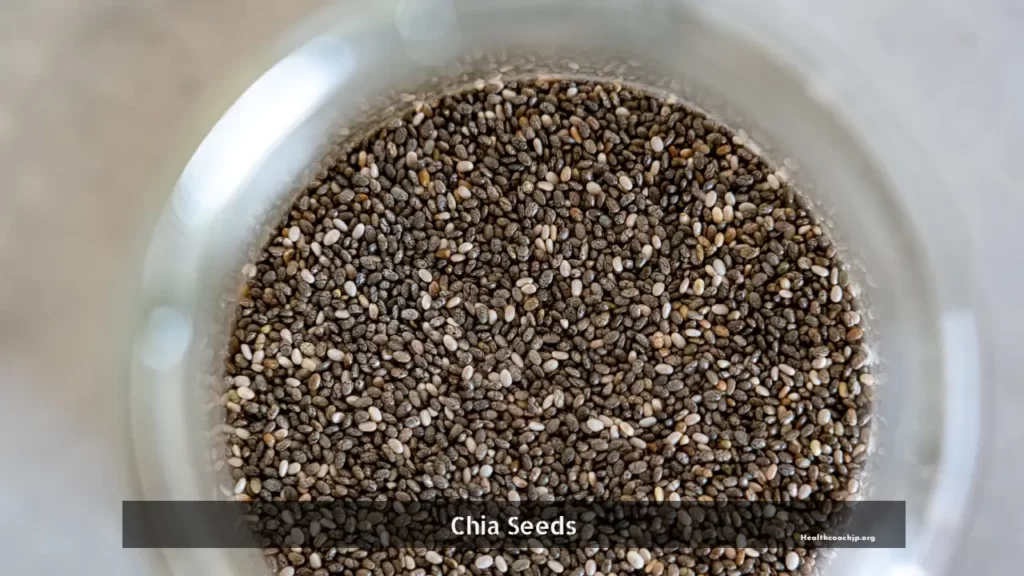
Chia adds fiber and healthy fats. Never eat the seeds dry. They can swell in the throat and block the esophagus, as one reported case showed. Soak them in liquid first.
What Holds Up: Common Running Food Claims
| Claim | Where it stands |
|---|---|
| A single food or drink burns body fat | Not supported |
| You need a strict diet to lose weight when running | Overstated: a steady, balanced pattern works better than strict rules |
| Dark chocolate improves exercise performance | Not supported |
| Grapefruit is a fat-burning food | Not supported; it can interact with medicines |
| Probiotic yogurt controls weight | Not supported as a general claim |
| Carbohydrate before a run helps performance | Supported for harder or longer runs |
| Endurance runners need more protein than non-exercisers | Supported: about 1.4 to 2.0 g per kg per day versus 0.75 g |
Safety for Runners
- Diabetes: Running can lower blood sugar. If you use insulin or similar medicine, ask your care team how to fuel and monitor.
- Medicines: Check grapefruit and other fruit with your pharmacist. Never stop a prescribed medicine yourself.
- Allergies: Eggs, dairy and nuts are common allergens. Read labels on bars and shakes.
- Eating too little: Under-fueling can cause dizziness, injury and missed periods. See a doctor or sports dietitian if this sounds familiar.
- Warning signs: Stop and seek help for chest pain, fainting or severe breathlessness. People who are pregnant should check with their clinician before starting a running plan.
Foods to Eat When Running FAQ
Aim for a light, low-fat, carbohydrate-rich snack or meal two to three hours before. Oatmeal with fruit, toast with jam or a banana all work. Avoid heavy, high-fat meals right beforehand.
Usually only if you run hard for longer than an hour. Then carbohydrate and fluid can help performance. For shorter runs, water is enough for most people.
Refuel with carbohydrate soon after, plus some protein. Yogurt with berries or eggs on toast are simple options. Drink fluids to replace sweat.
None. No single food or drink burns body fat. Weight loss depends on your overall eating pattern and activity across the week.
Harvard Health lists 240, 288 and 336 calories for 30 minutes at 5 mph for people weighing 125, 155 and 185 lb. Your own figure varies with pace and body size.
British Dietetic Association guidance gives about 1.4 to 2.0 g per kg of body weight per day for endurance athletes, compared with 0.75 g for people who do not train.
It depends on your medicines. The FDA warns that grapefruit can interact with some statins, blood pressure drugs and others, and the warning can cover whole fruit. Ask your pharmacist.
Only after soaking them. Dry chia seeds can swell in the throat and cause a blockage. Soaked seeds in oatmeal or yogurt are safer, though fiber may upset some stomachs before a run.
Related Reading
- Fiber in weight loss: what trials show
- How to balance protein, carbs and fats
- Guide to counting calories for weight loss
- The science behind fat burning
Sources
- British Dietetic Association, Sport and exercise food fact sheet
- Harvard Health, calories burned in 30 minutes
- FDA, grapefruit juice and some drugs do not mix
- WBUR CommonHealth, chia seed alert
This page is general information, not medical or dietetic advice. Speak to a doctor or registered dietitian before changing your diet or starting a running plan, especially with a health condition. Last reviewed and rewritten October 2026.