
If you’ve ever struggled with weak hips, nagging lower back pain, or tight glutes, the clamshell exercise could be your new best friend. Simple yet powerful, this movement doesn’t require fancy gym equipment, yet it targets the exact muscles that often cause pain, stiffness, or imbalance in daily life.
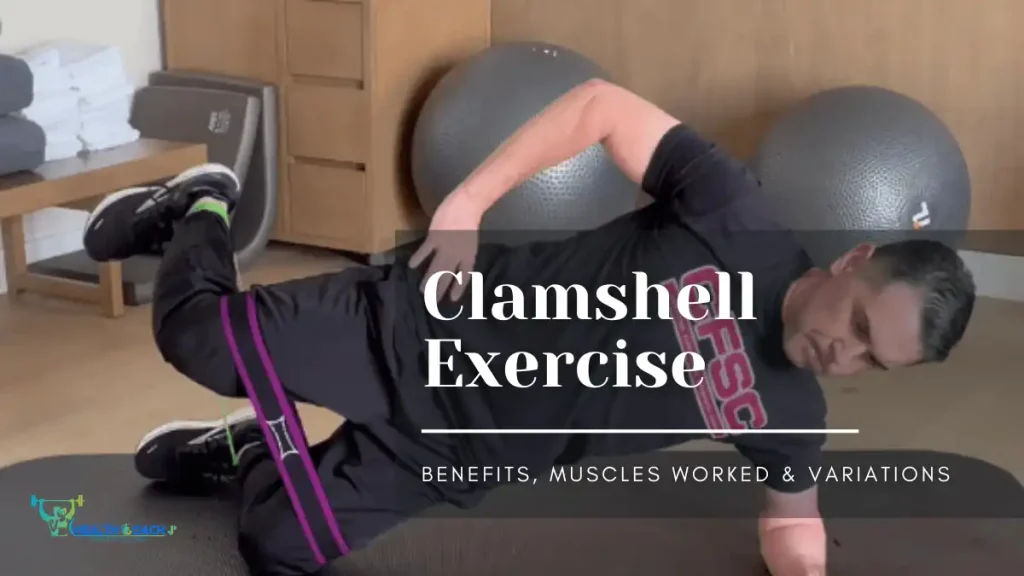
In this guide, we’ll break down everything you need to know about the clamshell exercise — including how to do it correctly, the muscles it strengthens, variations with bands and weights, common mistakes, and why physical therapists commonly recommend it.
What Is the Clamshell Exercise?
The clamshell exercise is a bodyweight strength movement that mimics the opening and closing of a clam’s shell — hence the name. It involves lying on your side, bending your knees, and lifting the top knee while keeping your feet together.
This simple action activates the gluteus medius and gluteus minimus, two key stabilizing muscles in the hip.
Unlike squats or lunges, clamshells isolate these deep hip muscles, making it a therapeutic and preventive exercise for people with:
- Weak glutes
- Hip instability
- Lower back pain
- Knee or ankle issues
Benefits of Clamshell Exercise
Why is this small, controlled movement so effective? Here are the main clamshell exercise benefits:
1. Strengthens Hip Muscles
- Targets gluteus medius and minimus, essential for pelvic stability.
- Helps improve posture and balance during walking, running, or climbing stairs.
2. Supports Lower Back Health
- By strengthening hip stabilizers, clamshells can reduce strain on the lumbar spine.
- A useful addition for people who sit long hours or experience general stiffness in the lower back.
3. Improves Athletic Performance
- Runners, athletes, and dancers use clamshells to help correct hip imbalances.
- May help reduce risk of IT band syndrome, knee pain, and ankle sprains linked to hip weakness.
4. Aids Injury Rehabilitation
- Commonly prescribed by physiotherapists for patients recovering from hip surgery, ACL injuries, or lower back issues.
- Supports a safe return to movement without overloading the joints.
5. Enhances Functional Strength
- Boosts everyday movements like bending, lifting, and standing up.
- Improves core engagement by activating deep abdominal stabilizers.
Muscles Worked in Clamshell Exercise
When done correctly, clamshells target several key muscle groups:
- Gluteus Medius – Primary stabilizer on the outer hip
- Gluteus Minimus – Assists in hip abduction
- Gluteus Maximus (partially) – Larger buttock muscle engaged in variations
- Tensor Fasciae Latae (TFL) – Small muscle near the hip that works with the glutes
- Obliques (indirectly) – Core muscles stabilize the trunk
This combination makes the clamshell exercise a genuinely useful addition for hip and core strength.
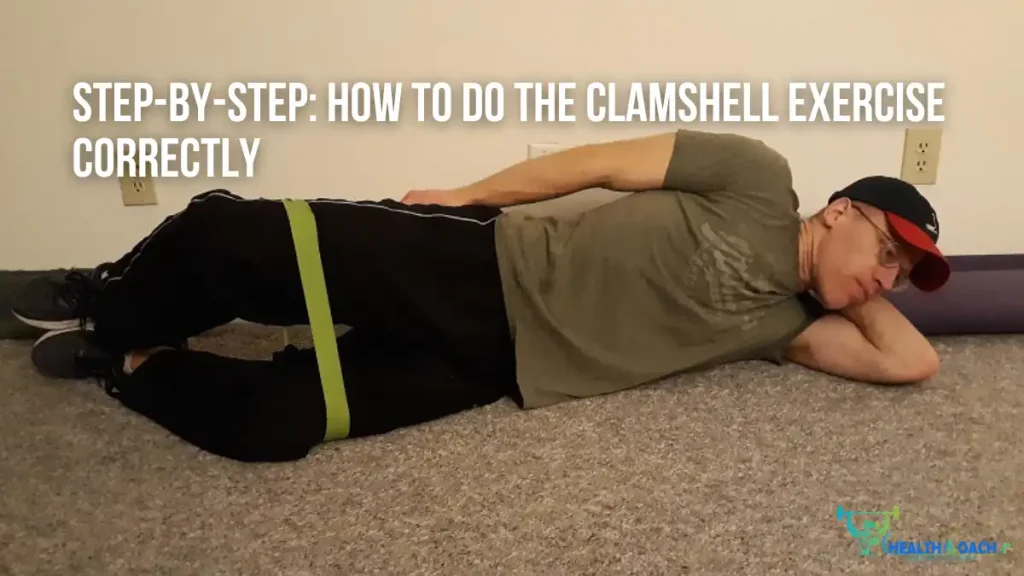
Step-by-Step: How to Do the Clamshell Exercise Correctly
Follow these instructions to avoid common mistakes and maximize results:
- Starting Position
- Lie on your side with knees bent at 45 degrees.
- Stack hips and shoulders in one line.
- Keep feet together.
- Core Engagement
- Tighten abdominal muscles to protect your spine.
- Maintain a neutral neck and back position.
- Movement
- Slowly lift your top knee upward while keeping your feet touching.
- Pause at the top (like opening a clamshell).
- Lower the knee back down with control.
- Repetitions
- Perform 10–15 reps per side for 2–3 sets.
- Focus on slow, controlled motion rather than speed.
Tip: Don’t roll your hips backward. Keep them stacked to isolate the glutes.
Common Mistakes to Avoid
- Rolling the hips backward → reduces glute activation
- Lifting the foot instead of the knee → changes muscle engagement
- Going too fast → momentum replaces muscle work
- Not engaging the core → can strain the lower back
Clamshell Exercise Variations
Once you master the basic version, try these variations to increase intensity:
1. Clamshell with Resistance Band
- Place a loop band above your knees.
- Perform the same movement with added resistance.
- Boosts glute activation and hip strength.
2. Reverse Clamshell
- Place a softball or pillow between your thighs.
- Squeeze the object by pressing your knees inward.
- Strengthens inner thighs and adductors.
3. Weighted Clamshell (Dumbbell or Plate)
- Hold a light dumbbell on your top thigh.
- Perform standard clamshells with extra resistance.
4. Elevated Clamshell
- Place feet on a step or cushion.
- Increases range of motion for deeper glute activation.
5. Side Plank Clamshell
- Combine side plank + clamshell.
- Strengthens glutes, obliques, and core simultaneously.
Who Should Do Clamshells?
Clamshells are beneficial for:
- Athletes & Runners – Prevent knee and hip injuries
- Older Adults – Improve balance and mobility
- People with Back Pain – Support lumbar stability
- Office Workers – Counteract effects of prolonged sitting
- Rehab Patients – Post-surgery or injury recovery
How Often Should You Do Clamshell Exercise?
- Beginners: 1 set of 10–12 reps per side, 3–4 times per week
- Intermediate: 2–3 sets of 15 reps, 4–5 times per week
- Advanced: Add resistance bands or side plank clamshells for intensity
For best results, include clamshells in warm-ups, rehab routines, or glute workouts.
Clamshells vs. Squats: Which Is Better?
- Squats = Compound exercise, works multiple large muscles
- Clamshells = Isolation exercise, targets deep hip stabilizers
Combine both for balanced lower-body strength — they aren’t interchangeable, they’re complementary.
Clamshell Exercise for Runners & Athletes
Runners often have weak hip stabilizers, which is linked to knee pain, shin splints, and IT band syndrome. Regular clamshell work may:
- Improve running form
- Reduce risk of overuse injuries
- Enhance stride power
Athletes in sports like soccer, basketball, and tennis also use clamshells for lateral stability and agility.
Clamshell Exercise with Bands: Step-by-Step
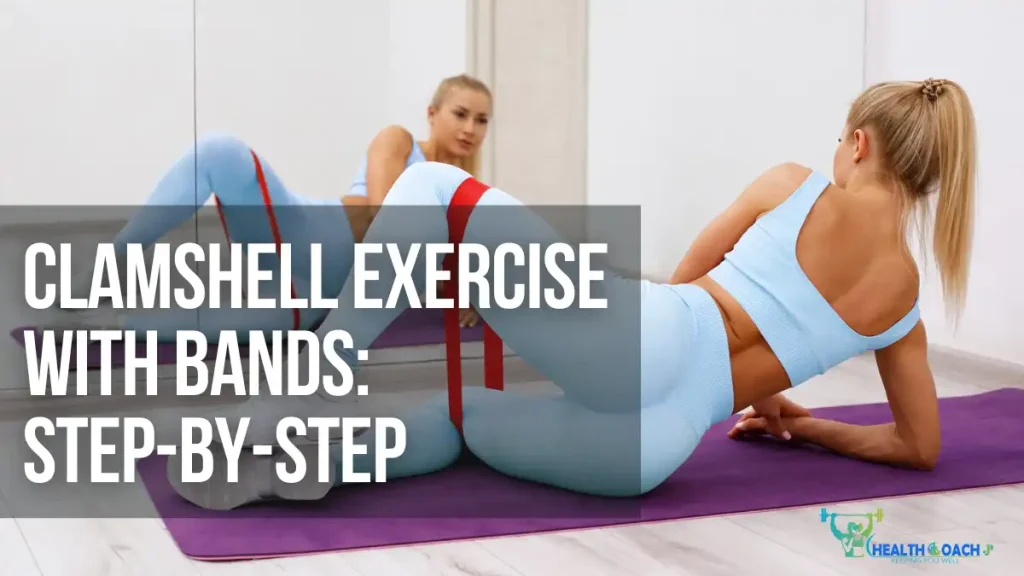
- Place the resistance band above the knees.
- Lie on your side, knees bent.
- Engage the core and lift the top knee against band tension.
- Pause at the top, then slowly lower.
- Perform 12–15 reps per side.
Tip: Use different band strengths to progressively challenge your glutes.
Advanced Variation: Side Plank Clamshell
This combines two moves for a bigger challenge:
- Side Plank: Engages obliques and core
- Clamshell: Activates glutes
Steps:
- Start in a side plank position with knees bent.
- Lift the top knee while keeping the feet together.
- Hold, then lower slowly.
This version improves core stability and hip strength simultaneously.
Final Thoughts
The clamshell exercise may look simple, but it’s one of the more useful moves for building hip stability, supporting back health, and strengthening the glutes. Whether you’re an athlete, someone recovering from injury, or just looking to improve posture, clamshells are a reasonable addition to a routine.
Start with the basic version, focus on form, and progress to resistance bands or side plank clamshells as you get stronger.
How to Do the Clamshell Exercise Correctly
FAQs About Clamshell Exercise
What is the clamshell exercise good for?
It strengthens the gluteus medius, supports lower back health, and improves hip stability.
What muscles are used in the clamshell exercise?
Primarily the gluteus medius and minimus, plus core stabilizers.
How often should I do clamshells?
3-5 times a week, 10-15 reps per side, is a reasonable target for most people.
Is clamshell exercise good for back pain?
It can help by supporting hip stability, which reduces some pressure on the lower back, though it’s not a treatment for a diagnosed back condition on its own.
Can beginners do clamshells?
Yes. It’s a safe, low-impact exercise suitable for most fitness levels.
Do I need equipment for clamshell exercise?
No, but resistance bands or small weights can make it more challenging as you progress.
Can clamshells replace squats?
No, but they complement squats by targeting different muscles – squats are a compound movement, clamshells isolate the hip stabilizers.
Are clamshells safe during pregnancy?
Generally considered a low-impact, safe exercise, but check with your doctor before starting any new exercise during pregnancy.
Do clamshells burn calories?
Not significantly on their own, but they support better muscle activation for other exercises.
Can clamshells help knee pain?
Possibly, by improving hip stability, which can reduce some stress transferred to the knees – though persistent knee pain should be assessed by a doctor or physiotherapist.
References
- American Council on Exercise (ACE) — resources on hip and glute strengthening.
- Cleveland Clinic – Glute Strengthening
- NIH – Exercise and Injury Prevention
This article is for general information and is not a substitute for medical advice.

