

You have probably heard that inflammation causes disease. That chronic inflammation sits at the root of heart disease, diabetes, arthritis, and even some cancers. What you hear less often is the practical side: which foods actually make a difference, and how quickly.
This article cuts through the noise and gives you a straightforward, research-backed list of foods that reduce inflammation with an emphasis on what is actually available and affordable in an Indian kitchen.
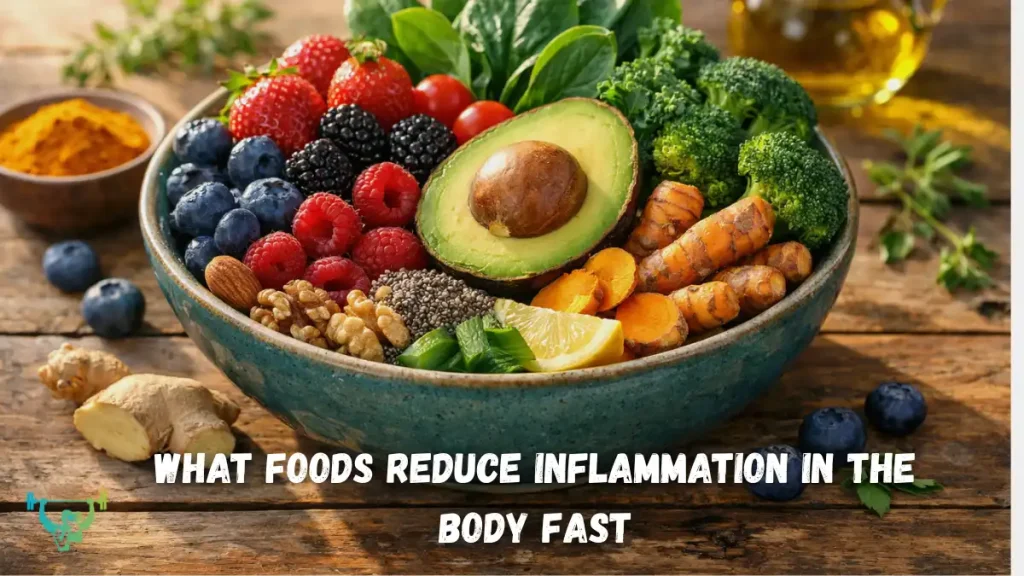
What Is Chronic Inflammation and Why Does It Matter?
Inflammation is your immune system’s first response to danger. Chronic inflammation is different – it is low-level, persistent, and often invisible. Your immune system stays switched on, quietly damaging healthy tissue over months and years. This is the kind of inflammation linked to nearly every major chronic disease. According to the NIH’s review on diet and inflammation, dietary patterns are among the most modifiable risk factors for chronic inflammatory disease.
The Best Anti-Inflammatory Foods
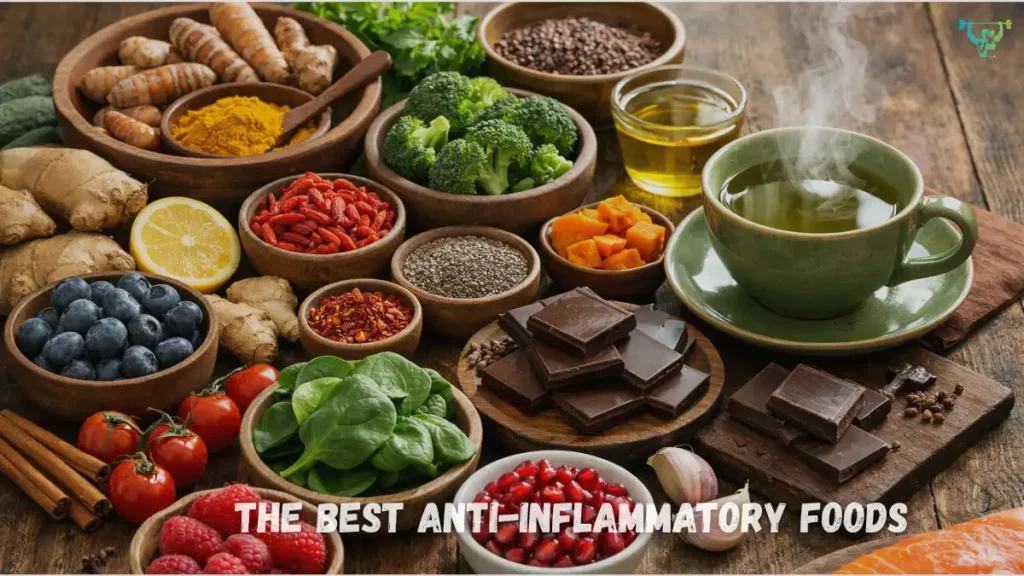
Turmeric
Curcumin, the active compound in turmeric, inhibits NF-kB – a molecular switch that activates hundreds of inflammation-promoting genes. A 2017 review in Foods journal found its effects comparable to certain anti-inflammatory drugs. Always combine turmeric with black pepper and a fat source. Read our full guide on the health benefits of turmeric milk.
Fatty Fish
Salmon, sardines, mackerel, and rohu are rich in omega-3 fatty acids – EPA and DHA which are direct precursors to anti-inflammatory compounds called resolvins and protectins. A meta-analysis in the British Medical Journal found omega-3 supplementation significantly reduced CRP, IL-6, and TNF-alpha. Aim for two to three servings of fatty fish per week.
Ginger
Fresh ginger contains gingerols and shogaols that block inflammatory enzymes similarly to how ibuprofen works, without gastrointestinal side effects. A 2015 systematic review found ginger supplementation significantly reduced CRP and TNF-alpha levels. Add fresh ginger to your dals, sabzis, chai, or smoothies daily.
Green Leafy Vegetables
Spinach, fenugreek (methi), curry leaves, and drumstick leaves are rich in vitamin K, folate, and carotenoids all of which have documented anti-inflammatory effects. According to Healthline’s guide to anti-inflammatory foods, leafy greens are among the most consistently evidence-backed dietary anti-inflammatory choices across populations.
Berries and Amla
Amla (Indian gooseberry) is one of the richest sources of vitamin C in the world and has been shown in multiple studies to reduce inflammation markers. Eat fresh amla daily if you can, or as amla powder in warm water. Blueberries and strawberries contain anthocyanins that reduce oxidative stress.
Olive Oil and Mustard Oil
Extra virgin olive oil contains oleocanthal, a compound that works similarly to ibuprofen in blocking inflammatory enzymes. For Indian cooking, cold-pressed mustard oil contains alpha-linolenic acid, a plant-based omega-3. Avoid refined vegetable oils, which are high in omega-6 fatty acids that promote inflammation when consumed in excess.
Walnuts and Flaxseeds
Both are excellent plant sources of ALA, the precursor to omega-3 fatty acids. A study in the Journal of Nutrition found walnut consumption reduced inflammatory markers in overweight adults. Add a small handful of walnuts or a tablespoon of ground flaxseeds to your morning routine.
Tomatoes
Cooked tomatoes are one of the best dietary sources of lycopene – a powerful antioxidant that reduces inflammation. Lycopene is fat-soluble, so cooking tomatoes in oil dramatically improves absorption.
Green Tea
EGCG in green tea reduces NF-kB activity and lowers CRP levels. A meta-analysis in the European Journal of Nutrition found green tea consumption significantly reduced CRP in adults with chronic disease risk factors. Two to three cups daily is the effective dose.
Dark Chocolate (Above 70%)
Flavanols in dark chocolate improve endothelial function and reduce oxidative stress. A study in Antioxidants found regular dark chocolate consumption lowered CRP levels. A small square of 70%+ dark chocolate daily is sufficient.
Foods That Drive Inflammation (Avoid These)
- Ultra-processed foods – refined flour, packaged snacks, instant noodles
- Refined sugar – directly spikes blood glucose and triggers an inflammatory response
- Trans fats – found in vanaspati and many packaged baked goods
- Refined vegetable oils – high omega-6 content disrupts your omega-3 to omega-6 ratio
- Excess alcohol – promotes gut permeability and systemic inflammation
How Quickly Do Anti-Inflammatory Foods Work?
CRP levels can drop meaningfully within two to four weeks of consistent dietary change. A study in Metabolism found an anti-inflammatory diet reduced CRP by 30 percent in three weeks. Joint pain often improves over four to eight weeks. Long-term disease risk reflects months and years of eating patterns.
A Simple Anti-Inflammatory Day on an Indian Diet
Morning: Warm water with fresh amla juice and a pinch of turmeric. A handful of walnuts.
Breakfast: Vegetable oats with methi leaves, mustard seeds, and fresh ginger. Green tea.
Lunch: Brown rice or roti, dal with turmeric and black pepper, sabzi cooked in mustard oil, tomato-based curry, raita.
Afternoon: A small piece of dark chocolate and green tea.
Dinner: Grilled fish (rohu or mackerel) or a legume-based dish, salad with leafy greens and flaxseed dressing.
Before bed: Turmeric milk with black pepper and ghee.
10 anti-inflammatory foods for more energy, less pain and better health
The Bottom Line
Reducing inflammation through food is not complicated. The most powerful anti-inflammatory diet is largely the traditional Indian diet — before packaged food took over. Prioritise turmeric, ginger, fatty fish, dark leafy greens, amla, and whole grains. Be consistent for at least four weeks and you will likely see measurable differences in how you feel.
Frequently Asked Questions
The fastest-acting anti-inflammatory foods are turmeric (with black pepper for absorption), ginger, fatty fish rich in omega-3s, and amla. These directly inhibit inflammatory enzymes or reduce pro-inflammatory cytokines. However, “fast” is relative meaningful CRP reduction typically takes 2-4 weeks of consistent intake, not a single meal.
If forced to pick one, turmeric (curcumin) is the most consistently evidence-backed single food for reducing systemic inflammation provided it is consumed with black pepper and a fat source for proper bioavailability. Fatty fish is a close second due to its direct EPA/DHA content.
The traditional Indian diet is inherently anti-inflammatory. Turmeric, ginger, methi (fenugreek), amla, curry leaves, mustard seeds, fresh coriander, dal, rajma, drumstick (moringa), and cold-pressed mustard oil are all powerful anti-inflammatory foods that most Indian kitchens already use. The shift to refined oils, white flour, and packaged foods is what drove up inflammation levels.
No, traditionally made ghee is not pro-inflammatory. It contains butyrate (which reduces gut inflammation), conjugated linoleic acid (CLA), and fat-soluble vitamins. In moderation, ghee is a better fat choice than refined vegetable oils, which are high in omega-6 fatty acids that actively promote inflammation. See our guide on ghee and cholesterol.
Yes, multiple randomised controlled trials show that omega-3 fatty acids, curcumin, and ginger reduce joint pain and stiffness in people with osteoarthritis and rheumatoid arthritis. The effect is meaningful curcumin supplementation has been shown in several studies to reduce arthritis pain comparably to ibuprofen, without gastrointestinal side effects.
Green tea (EGCG reduces NF-kB), turmeric milk (curcumin + tryptophan), amla juice (vitamin C + polyphenols), and warm water with ginger and lemon are the most evidence-backed anti-inflammatory drinks for daily Indian use. Avoid sugary drinks, fruit juices, and alcohol, which all promote inflammation.
CRP levels (a key inflammation marker) can drop by 20–30% within 2-4 weeks of consistent dietary change. Joint pain typically improves over 4-8 weeks. For full benefit on long-term disease risk (heart disease, diabetes), studies look at 3-12 months of sustained dietary patterns. Individual meals don’t move the needle consistent patterns over weeks and months do.
References
- Hewlings SJ, Kalman DS. “Curcumin: A Review of Its Effects on Human Health.” Foods, 2017.
- Calder PC. “Omega-3 fatty acids and inflammatory processes: from molecules to man.” Biochemical Society Transactions, 2017.
- Zhu J, et al. “Green tea catechins reduce inflammatory markers.” European Journal of Nutrition, 2019.
- Mayo Clinic. “Anti-inflammatory diet: What to know.”
- Wikipedia contributors. “Inflammation.” Wikipedia, The Free Encyclopedia.
- Healthline – 13 of the Most Anti-Inflammatory Foods You Can Eat
- NIH/PubMed – Dietary Interventions and Inflammation

