

If you feel like you’ve tried every acne treatment—serums, spot gels, face masks—yet still wake up to stubborn pimples, you’re not alone. There’s a trending solution everyone’s talking about on TikTok and social media: hydrocolloid bandages for acne. But do these so-called “pimple patches” truly work? This guide covers what hydrocolloid bandages for acne actually do, how to use them, and whether they are right for your skin.
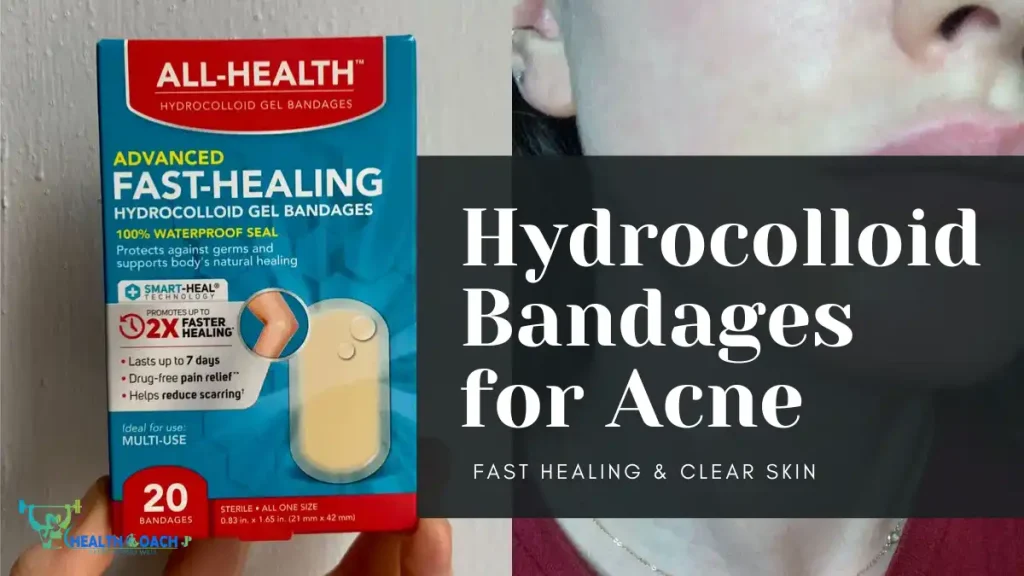
What Exactly Are Hydrocolloid Bandages for Acne?
Hydrocolloid bandages were originally developed for wound care. They are soft, gel-like pads made from materials such as gelatin or pectin that help maintain a moist environment over a wound. More recently, companies have created smaller, more discreet hydrocolloid bandages specifically for acne—commonly called “pimple patches.” These are designed to cover an individual blemish and support the healing process by absorbing fluid and debris from the surface of the pimple.
Key benefits:
- Absorb excess fluid from pimples that have come to a head
- Create a moist healing environment
- Keep dirt, bacteria, and picking fingers away
- Help reduce visible inflammation and flatten pimples
How Do Hydrocolloid Bandages Help Acne?
Hydrocolloid acne bandages work through a combination of absorption and protection:
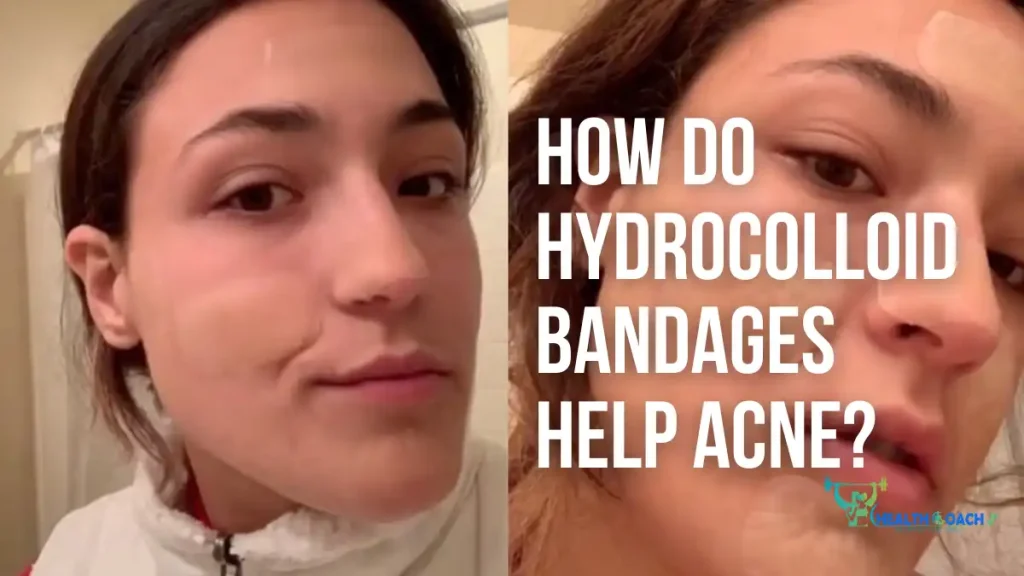
- Absorption: Applied to a pimple that has already come to a head, the hydrocolloid absorbs fluid and oil at the surface. The patch turns white as it fills, which is simply the gel swelling with absorbed fluid.
- Barrier Function: The patch acts as a shield, protecting the blemish from additional bacteria, pollution, and the urge to pick. This helps reduce the risk of infection and scarring.
- Moist Healing: By creating a moist environment, the patch supports faster healing and reduces the chance of scab formation—which in turn helps limit dark marks after acne heals.
Types of Hydrocolloid Acne Bandages
With their explosive popularity, you’ll find many types of hydrocolloid patches on the market:
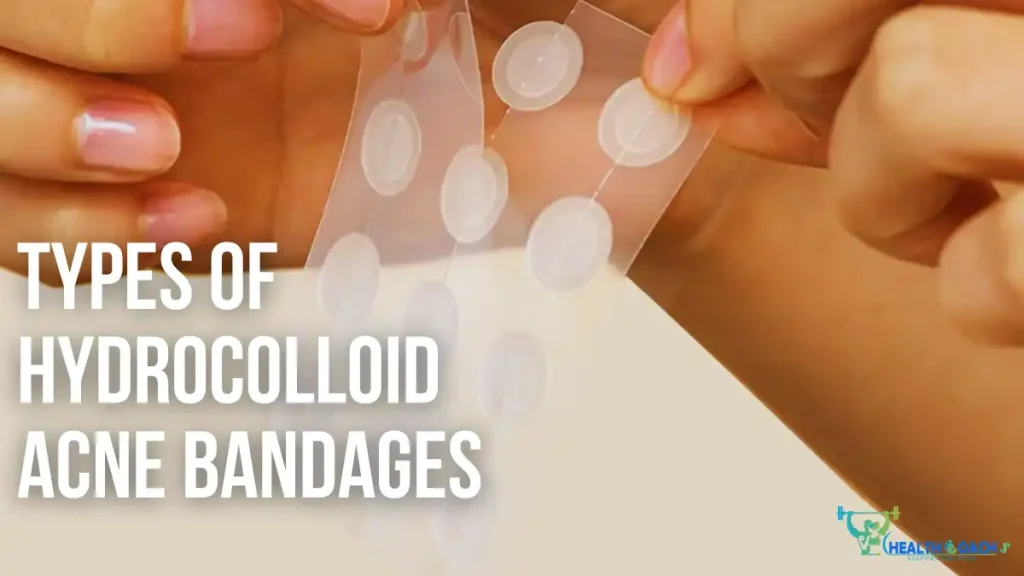
- Basic clear hydrocolloid patches: Great for day or night use
- Invisible/tinted patches: For use under makeup or during the day
- Microneedle/medicated patches: Infuse skin with acne-fighting ingredients such as salicylic acid or tea tree oil
- Larger sheets: Can be cut to size for multiple or big blemishes
Choose non-medicated or medicated versions based on your skin type and sensitivity. Those with sensitive skin may prefer pure hydrocolloid patches with no added actives.
Benefits of Hydrocolloid Bandages for Acne
1. Reduces the severity and size of pimples:
Users commonly report that surface pimples look less red, less swollen, and flatter within a few days of patch use compared with leaving the blemish uncovered. Formal clinical trial evidence for pimple patches specifically is limited, so treat this as a helpful, low-risk aid rather than a proven treatment.
2. Prevents picking and scarring:
This is the clearest benefit. The bandage acts as a physical barrier and a reminder to stop touching or picking at your skin, which reduces post-acne marks and the chance of scarring.
3. Supports recovery time:
Hydrocolloid’s moisture-locking ability supports healing—some people see improvement overnight, while more stubborn blemishes take a few days.
4. Best suited to surface blemishes:
Hydrocolloid patches work best on superficial, pus-filled pimples (whiteheads), inflamed red pimples, and popped pimples or minor skin wounds. They won’t do much for deep, closed acne that lacks a visible head, and they are not a treatment for cystic or nodular acne—see a dermatologist for those.
How to Use Hydrocolloid Bandages for Acne (Step-by-Step)
Step 1: Start with clean, dry skin
Gently cleanse your face to remove oil, dirt, and makeup, and pat the affected area dry.
Step 2: Apply the patch directly over the pimple
Peel a patch from the sheet and press it onto the blemish. Make sure it covers the entire head of the pimple for best results.
Step 3: Leave it on
Keep the patch on overnight or for at least 6 hours. Many dermatologists suggest leaving it in place until it turns white or naturally loosens, which is often somewhere between 12 and 24 hours. Follow the instructions on your specific product.
Step 4: Remove and cleanse
Once the patch turns white or detaches, gently peel it off and cleanse the area with a gentle face wash.
Tips:
- You can apply makeup over invisible patches for daytime use.
- Avoid changing patches too frequently, as this can reduce their effectiveness.
- Do not use on open wounds that are actively infected or need frequent monitoring.
- Discontinue use if you experience irritation or pain at the site.
How Do Hydrocolloid Bandages Compare to Other Acne Treatments?
| Treatment | How It Works | Pros | Cons |
|---|---|---|---|
| Hydrocolloid Bandages | Absorb surface fluid, form moisture barrier | Fast, easy, reduces picking, discreet | Little use for deep cystic acne |
| Salicylic Acid Patch | Exfoliates and unclogs pores | Targets comedones and blackheads | Can be drying or irritating |
| Benzoyl Peroxide Patch | Reduces acne bacteria | Works on inflammatory acne | Drying, can bleach fabrics |
| Traditional Creams/Gels | Varied, topical application | Diverse range for different acne types | May stain, can be irritating, slower |
| Tea Tree Oil Patches | Antibacterial and anti-inflammatory | Plant-derived option | May irritate sensitive skin |
Who Should Use Hydrocolloid Bandages for Acne?
Hydrocolloid acne patches are a good choice if you:
- Have mild to moderate acne or occasional breakouts
- Tend to pick at your pimples, worsening scars
- Want a quick fix for special events
- Prefer non-irritating, minimal-ingredient solutions
They suit most skin types, including sensitive skin, and are used by both teens and adults. Patch-test first if you have known adhesive or skin allergies.
Tips for Getting the Best Results with Hydrocolloid Acne Patches
- Use at Night: Patches work best when left on overnight. Skin is less exposed to external irritation, and the patch stays in place.
- Clean Skin: Oil or moisturizer can prevent the patch from sticking, so always apply it to clean, dry skin.
- Don’t Reuse: Never try to reuse a patch. Always apply a fresh one.
- Combine with Skincare: Hydrocolloid patches work alongside a consistent skincare routine, but shouldn’t replace regular cleansing and acne prevention habits.
What Dermatologists Say
Dermatologists generally regard hydrocolloid patches as a low-risk, inexpensive option for surface pimples, and particularly useful for people who habitually pick at acne. They are widely available in drugstores labelled as “pimple patches,” “acne stickers,” or under their original wound-care name.

Many users find the patches reduce swelling and redness overnight and offer some emotional relief by making a blemish less visible and picking less likely.
Downsides and Limitations
- Not suitable for deep cystic or nodular acne (see a dermatologist for these)
- May not stick well on very oily or sweaty skin
- Not intended for ongoing open or infected wounds
- Some people may experience mild irritation from adhesives
- They treat an individual blemish; they do not prevent new acne from forming
Conclusion: Should You Try Hydrocolloid Bandages for Acne?
If you want a fast-acting, affordable, low-risk aid for surface pimples, hydrocolloid bandages are worth a try. Used correctly, they protect the blemish, discourage picking, and can help it settle faster. Pair them with a standard skincare routine rather than treating them as a replacement for one.
If you’re new to them, start with a small pack of clear, non-medicated patches, and patch-test if you’re worried about sensitivity.
Remember: If you have persistent, painful, or severe acne, or acne that is scarring, see a dermatologist for a personalised plan. Patches are not a substitute for treatment of moderate to severe acne.
Frequently Asked Questions (FAQs)
Generally, 12-24 hours is sufficient. Leave a patch on for at least 6 hours, and replace it once it turns white or loses adhesion. Follow the instructions on your specific product.
Yes, they help absorb fluid and protect the area to minimize scarring. Ensure the area is clean before applying a patch.
Not really. Hydrocolloid works by absorbing fluid, and blackheads are plugs of oil and dead skin rather than fluid-filled. Patches are far more effective for whiteheads and inflamed pimples.
Minimal. Sensitive skin may react to the adhesive. Redness or irritation is uncommon but possible—discontinue if you notice discomfort.
You can cut large sheets to fit bigger or multiple pimples, but avoid sticking over unaffected skin to prevent irritation. Widespread acne is better addressed with a dermatologist than with patches.
Sources
Last updated: August 2026. This article is general information, not medical advice. Persistent, painful, or scarring acne should be assessed by a doctor or dermatologist.