
Quick answer: the veg protein rich foods with the most protein per serving are cooked soybeans (about 31 g per cup) and firm tofu (up to about 22 g per half cup). Next come cooked lentils (about 18 g per cup), plain nonfat Greek yogurt (about 17 g per 170 g pot) and chickpeas (about 15 g per cup). Milk, peas, almonds and chia seeds add smaller amounts.
These veg protein rich foods are ranked below using USDA FoodData Central figures, on one basis so you can compare them fairly. Most adults need about 0.8 g of protein per kilogram of body weight each day. For example, a 70 kg adult needs about 56 g. A planned vegetarian diet can meet that without meat.

Veg Protein Rich Foods Compared: Grams Per Serving
Every row below uses the same basis. First, the per-100 g figure lets you compare foods directly. Then the serving column shows what a normal portion actually delivers. All legumes are cooked, because that is how people eat them.
| Food | Protein per 100 g | kcal per 100 g | Typical serving | Protein per serving (g) | kcal per serving | % Daily Value (protein) |
|---|---|---|---|---|---|---|
| Soybeans, boiled | 18.2 | 172 | 1 cup (172 g) | 31.3 | 296 | 63% |
| Tofu, firm (calcium sulfate) | 17.3 | 144 | 1/2 cup (126 g) | 21.8 | 181 | 44% |
| Lentils, boiled | 9.0 | 116 | 1 cup (198 g) | 17.9 | 230 | 36% |
| Greek yogurt, plain nonfat | 10.2 | 59 | 1 pot (170 g) | 17.3 | 100 | 35% |
| Chickpeas, boiled | 8.9 | 164 | 1 cup (164 g) | 14.5 | 269 | 29% |
| Plain yogurt, whole milk | 3.5 | 61 | 1 cup (245 g) | 8.6 | 149 | 17% |
| Green peas, frozen, boiled | 5.2 | 78 | 1 cup (160 g) | 8.2 | 125 | 16% |
| Milk, 2% (semi-skimmed) | 3.3 | 50 | 1 cup (244 g) | 8.1 | 122 | 16% |
| Almonds | 21.2 | 579 | 1 oz (28 g) | 5.9 | 162 | 12% |
| Chia seeds, dried | 16.5 | 486 | 1 oz (28 g) | 4.7 | 138 | 9% |
| Paneer (no USDA entry) | about 17 to 21 | varies | 50 g | about 9 to 10 | varies | 17 to 21% |
| Spinach, boiled (for comparison) | 3.0 | 23 | 1 cup (180 g) | 5.3 | 41 | 11% |
| Hard-boiled egg, large (for comparison) | 12.6 | 155 | 1 egg (50 g) | 6.3 | 78 | 13% |
How we checked these figures
A note on the maths. Suppose you check calories against protein, carbs and fat at 4, 4 and 9 kcal per gram. In that case, the high-fibre foods come out 7 to 10% high. That is expected. USDA uses food-specific energy factors, and fibre yields less energy than starch. The low-fibre rows reconcile within a few calories.
The 10 Best Veg Protein Rich Foods, One by One
1. Lentils and other pulses
Cooked lentils give about 18 g of protein per cup. They also bring fibre and folate. In addition, split red lentils need no soaking and cook in about 15 to 20 minutes. Dal, soups and lentil salads all count.
2. Chickpeas, black beans and kidney beans
Most cooked beans sit close to 9 g of protein per 100 g, or roughly 15 g per cup. Chickpeas are 14.5 g per cup. However, dried kidney beans need proper boiling before you eat them, which the safety section explains.
3. Soybeans and edamame
Soybeans are the standout. A cup of boiled mature soybeans gives about 31 g of protein, roughly double most other beans. Soy is also a complete protein. In other words, it supplies all nine essential amino acids.
4. Tofu and tempeh
Firm tofu set with calcium sulfate gives about 17 g of protein per 100 g. Still, check the label, because “firm” does not mean one fixed recipe. USDA lists another firm tofu, set with nigari, at only about 9 g per 100 g. Water content drives the difference.

5. Greek yogurt and plain yogurt
Strained Greek yogurt holds about three times the protein of plain yogurt. Plain nonfat Greek yogurt gives 10.2 g per 100 g. By contrast, plain whole-milk yogurt or curd gives 3.5 g. So a cup of ordinary curd provides about 8.6 g, not the 20-plus grams often quoted for “yogurt”.

6. Paneer
Paneer is a pressed fresh cheese common in South Asian cooking. It is sold in many UK, US, Canadian and Australian supermarkets. Retail labels and Indian food-composition figures generally put it between 17 and 21 g of protein per 100 g. Some websites quote 25 g, but we could not trace that to a primary source. Paneer is also high in saturated fat, so portion size matters.
7. Milk
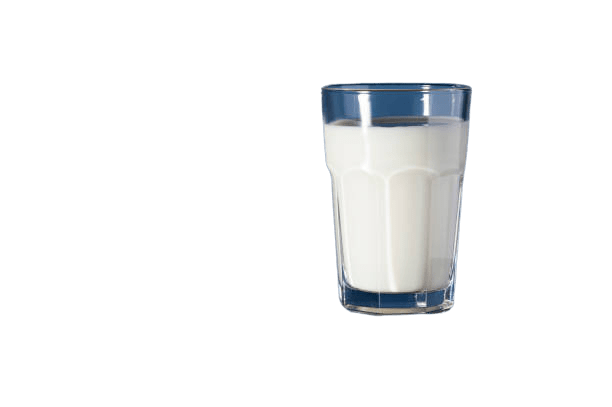
A cup of 2% milk gives about 8 g of protein, along with calcium. Whole and skimmed milk carry similar protein. Plant milks, however, vary widely. So check the protein line on the label before you swap.
8. Green peas
A cup of cooked frozen peas gives about 8 g of protein. That is modest next to beans, but peas are easy to add to rice, pasta and curries. Frozen peas are just as useful as fresh.
9. Almonds, peanuts and other nuts
Almonds give about 6 g of protein per ounce (28 g). They are energy-dense, so they work best as a top-up rather than a main source. Peanuts are legumes, not nuts, and are a common allergen.
10. Chia seeds
Chia seeds give about 4.7 g of protein per ounce, which is roughly 2 tablespoons. That is a useful extra, not a main source. Always soak them first. The safety section explains why.
Why Protein Figures for Veg Protein Rich Foods Disagree
Search the same food on five websites and you can get five numbers. Most of the gap has an ordinary explanation. Knowing it helps you read labels and charts correctly.
- Dry versus cooked. Dry lentils carry about 25 g of protein per 100 g. Cooked lentils carry about 9 g. No protein is lost; the lentils absorb water, which dilutes the figure per 100 g.
- One name, several recipes. USDA itself lists firm tofu at about 17 g per 100 g with one coagulant. Yet with another it lists about 9 g. Both are labelled “firm”.
- Database versions. Some calorie apps list cooked soybeans at 16.6 g per 100 g. By contrast, the current USDA entry says 18.2 g. Apps often run on older database copies.
- Crop and variety. A 2022 review compared lab analyses of chia seeds. Protein ranged from 16.5 g per 100 g to more than 24 g. Growing conditions change the seed.
- Serving size. “One cup” of cooked spinach weighs 180 g. A cup of raw leaves weighs a fraction of that. The per-cup numbers differ hugely even though the food is the same.
The practical rule is simple. Compare foods per 100 g of the form you eat, then scale to your own portion.
Do You Need to Combine Plant Proteins at Every Meal?
No. The old advice to pair grains and beans in the same meal has been dropped. Harvard nutrition experts say a variety of protein foods across the day covers your amino acid needs. The Academy of Nutrition and Dietetics states that planned vegetarian and vegan diets are nutritionally adequate at every life stage.
Soy and quinoa already count as complete proteins. Meanwhile, other pulses, grains, nuts and seeds fill each other’s gaps over a day. Vegans should note one real gap: vitamin B12. It needs a fortified food or a supplement.

Foods Often Oversold as High in Protein
Spinach is the classic example. A full cup of boiled spinach gives about 5.3 g of protein, close to one egg. However, that cup is a large pile of wilted leaves. A raw side salad gives far less. Steaming does not add protein; it only shrinks the leaves, so more fit in a cup.
Grains are the other case. Wholegrain pasta, oats and millet do contribute protein, and it adds up. Even so, a grain-only meal is not a protein-rich meal. Pair grains with a pulse, soy or dairy.
Common Claims and Where the Evidence Stands
| Claim | Where it stands | What to know |
|---|---|---|
| A vegetarian diet can meet protein needs | Supported | Planned vegetarian and vegan diets are adequate, according to the Academy of Nutrition and Dietetics. |
| You must combine proteins at each meal | Not supported | Variety across the day is enough. |
| A cup of curd has over 20 g of protein | Overstated | That figure fits strained Greek yogurt. Plain curd gives about 8.6 g per cup. |
| Spinach has as much protein as an egg | Overstated | Only true for a large cup of cooked spinach. A normal raw portion gives much less. |
| Steaming spinach increases its protein | Not supported | Cooking removes water; it concentrates the protein per cup but adds none. |
| Milk relieves body pain | Not supported | No evidence supports this. Milk does supply protein and calcium. |
| Almonds reduce inflammation and balance the blood | Not supported as stated | Nuts fit heart-healthy eating patterns, but these specific claims are vague and unsourced. |
| Curd keeps the body cool | Traditional belief | No clinical evidence either way. |
| Chia gives 3 to 4 g of protein per teaspoon | Overstated | About 4.7 g is per ounce, roughly 2 tablespoons. |
Safety Notes for Veg Protein Rich Foods
Kidney beans: boil them properly
Raw or undercooked red kidney beans contain a lectin that can cause vomiting and diarrhoea. As few as four or five beans can trigger it. Slow cookers are the known trap, because they may not get hot enough and can make the problem worse.
Guidance differs slightly by country. University of Illinois Extension advises soaking for at least 5 hours, then boiling briskly in fresh water for 30 minutes. Australia’s Food Safety Information Council advises at least 10 minutes of brisk boiling after soaking. Following the longer US guidance covers both. Tinned kidney beans are already cooked and safe.
Chia seeds: never eat them dry
Chia seeds absorb many times their weight in water. In one reported case, a tablespoon of dry seeds followed by water blocked a man’s oesophagus. So soak chia in liquid before eating it. People with any swallowing difficulty should take extra care.
Allergens: US and UK rules differ
Several foods on this list are major allergens. In the US, the FDA lists nine, including milk, soybeans, peanuts, tree nuts such as almonds, and sesame. In the UK, food law lists 14. The UK list also includes lupin. This high-protein legume now appears in some breads and pastas, yet US law does not single it out.
Thyroid medication and soy
Soy can reduce how well levothyroxine is absorbed. Mayo Clinic advises waiting at least an hour after taking thyroid medication before eating soy foods. You do not need to avoid soy; the timing is what matters. Do not change your medication routine without talking to your prescriber.
Kidney disease
People living with chronic kidney disease are often given a specific protein target. Eating more than your plan allows can make the kidneys work harder. Follow the amount your kidney team or dietitian sets rather than general targets.
Easy Ways to Add Plant Protein to Meals
- Breakfast: Greek yogurt with soaked chia, or a lentil-flour pancake such as moong dal chilla.
- Lunch: a bean or chickpea salad, or leftover dal with rice.
- Snacks: roasted chickpeas, a small handful of almonds, or a glass of milk or soy milk.
- Dinner: tofu stir-fry, a lentil curry, or paneer with vegetables.
Tofu with spinach
Heat a little oil, then soften garlic, mushrooms and spinach. Next, crumble in firm tofu, season, cover and cook for 3 to 4 minutes. Finish with soy sauce and lemon. Most of the protein here comes from the tofu, not the spinach.
Tofu stir-fry with mixed vegetables
Use about 250 g of firm tofu with peppers, carrot, broccoli, baby corn and tomato. Stir-fry the vegetables in 1 teaspoon of olive oil. Then add the tofu and cook for about 5 minutes on a low flame. Finish with lemon juice.

Quinoa and bean salad
Rinse and cook quinoa, then cool it. Mix with black beans, chopped peppers, onion, tomato, cucumber, coriander and avocado. Dress with lemon juice, olive oil, garlic and apple cider vinegar.
Baked tofu and vegetable skewers
Press firm tofu in a towel, then cube it. Next, marinate it with mushrooms, peppers, tomato and onion for 2 to 3 hours. Use soy sauce, peanut butter, a little oil and water. Thread onto soaked bamboo skewers and grill or bake, turning often. Leave out the peanut butter if anyone eating has a peanut allergy.

High Protein Foods || Protein Rich Foods For Weight Gain
FAQs About Veg Protein Rich Foods
Among whole foods, cooked soybeans lead at about 31 g of protein per cup. Firm tofu set with calcium sulfate gives about 22 g per half cup. Cooked lentils give about 18 g per cup, and plain nonfat Greek yogurt about 17 g per 170 g pot.
The same as anyone else. Most adults need about 0.8 g of protein per kilogram of body weight per day. For example, a 70 kg adult needs about 56 g. US food labels use a Daily Value of 50 g for protein.
About 18 g. USDA lists boiled lentils at 9 g of protein per 100 g, and a cup weighs about 198 g. Dry lentils show about 25 g per 100 g only because they have not absorbed water yet.
Yes, by about three times. Plain nonfat Greek yogurt has about 10.2 g of protein per 100 g. By contrast, plain whole-milk yogurt or curd has about 3.5 g. Straining removes whey and water, which concentrates the protein.
Not really. A full cup of boiled spinach gives about 5.3 g of protein, close to one egg. However, that cup is a large amount of cooked leaves. A raw side salad gives far less. Spinach is valuable for other nutrients.
More questions on labels, pairing and safety
No. Eating a variety of protein foods across the day is enough. Soy and quinoa are complete proteins on their own. Meanwhile, pulses, grains, nuts and seeds balance one another over the day.
Retail labels and Indian food-composition figures generally give about 17 to 21 g of protein per 100 g. USDA has no paneer entry, so figures vary by milk type and brand. Check the label on the pack you buy.
Usually because of dry versus cooked weights or different recipes under one name, such as firm tofu. Outdated databases and serving sizes also play a part. So compare foods per 100 g of the form you actually eat.
A few. Dried kidney beans must be boiled properly, and chia seeds should be soaked before eating. Also, soy, milk, peanuts, tree nuts and sesame are common allergens. People taking levothyroxine should wait at least an hour before eating soy.
Related Reading
- Chobani Nutrition Facts: Protein, Sugar and Which Cup to Buy
- Beyond Meat Nutrition Facts: Calories, Protein and Sodium by Product
- Quaker Oats Nutrition Facts: Calories, Protein and Fiber
- Calories in 2 Boiled Eggs: Full Nutrition Breakdown by Egg Size
Sources
- USDA FoodData Central: Lentils, mature seeds, cooked, boiled, without salt (FDC 172421)
- USDA FoodData Central SR Legacy entries: soybeans, boiled (174271); chickpeas, boiled (173757); tofu, firm, calcium sulfate (172475); tofu, firm, calcium sulfate and nigari (172448); Greek yogurt, plain nonfat (170894); yogurt, plain, whole milk (171284); chia seeds, dried (170554); almonds (170567); spinach, boiled (168463); milk, 2%.
- FDA: Daily Value on the Nutrition and Supplement Facts Labels
- Harvard Health Publishing: Practical pointers about protein
- Harvard T.H. Chan School of Public Health, The Nutrition Source: Choosing healthy protein foods
- Melina V, Craig W, Levin S. Position of the Academy of Nutrition and Dietetics: Vegetarian Diets. J Acad Nutr Diet. 2016;116(12):1970-1980
- Food Science and Nutrition (2022): Nutritional composition of chia seeds across studies
- University of Illinois Extension: Kidney beans and slow cookers
- Food Safety Information Council (Australia): Kidney beans
- American College of Gastroenterology: Esophageal impaction with chia seeds
- FDA: The FASTER Act, sesame is the ninth major food allergen
- UK Food Standards Agency: the 14 regulated allergens
- Mayo Clinic: Soy and hypothyroidism
- NIDDK: Eating right for chronic kidney disease
This article is general information, not medical or dietary advice. If you have a health condition, are pregnant or take regular medication, talk to your doctor or a registered dietitian first. Read how we research and check articles in our editorial process.
Last reviewed and rewritten September 2026.

