

Hydrocortisone cream is a mild topical steroid that calms itching and inflammation. It works best when used briefly and sparingly. This guide explains what hydrocortisone cream 2.5% treats and how it differs from the 1% cream sold over the counter. It also covers the safety limits.
Written and fact-checked by the HealthCoachJP editorial team. No clinician has reviewed this article. See our sources and standards.
Quick Answer
Hydrocortisone cream 2.5% is a mild, prescription-strength steroid for short-term relief of itching and inflammation, such as an eczema flare. Over-the-counter products in the US and UK are 1%. Both countries advise stopping after about seven days unless a doctor says otherwise. Do not use it on acne, infected skin, diaper rash or a baby’s face without medical advice.
What Hydrocortisone Cream Does
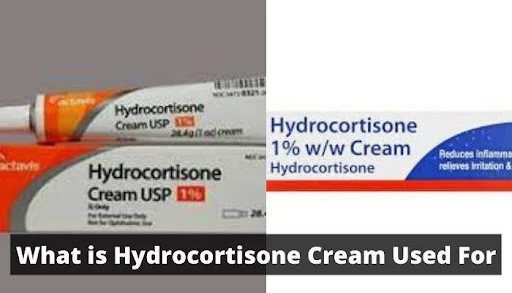
Hydrocortisone is a corticosteroid. It reduces redness, swelling and itching by dampening inflammation in the skin. According to the Merck Manuals potency table, both 1% and 2.5% hydrocortisone cream sit in Class VII. That is the least potent class of topical steroids.
In practice, hydrocortisone cream suits short flares of itchy, inflamed skin. US over-the-counter labels list eczema, insect bites, poison ivy, reactions to soaps and cosmetics, seborrheic dermatitis and psoriasis. Meanwhile, UK product information lists irritant dermatitis, contact allergic dermatitis, insect bite reactions and mild to moderate eczema. For example, see our guides to ear eczema, eczema on the lips and dry itchy scalp and dandruff.
However, it treats symptoms rather than causes. It will not clear an infection. Also, it does not help hives that come and go within hours. For hives, read our stress rash guide. For bites, see bed bug and mosquito bites.
Hydrocortisone Cream Strengths and Rules: US and UK Compared
Rules for hydrocortisone cream differ by country. The table compares the typical 1% over-the-counter instructions.
| Rule | US over-the-counter label (1%) | UK (NHS and product information, 1%) |
|---|---|---|
| Age without medical advice | 2 years and older | 10 years and older |
| How often | Up to 3 to 4 times daily | Once or twice daily |
| Time limit | Stop and ask a doctor if symptoms last over 7 days | No more than 7 days unless a pharmacist or doctor advises |
| Face | Keep away from the eyes | Avoid unless a pharmacist or doctor has checked |
| Diaper or nappy rash | Do not use; ask a doctor | Under-10s only on medical advice |
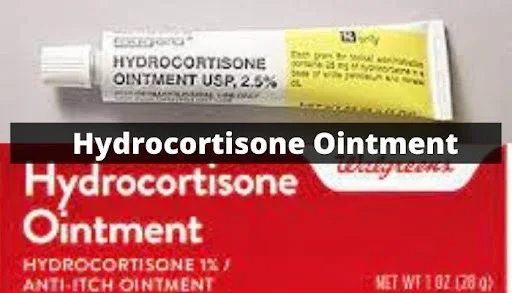
Hydrocortisone cream 2.5% is a different product. The US label reviewed for this page is marked prescription-only. It directs a thin film two to four times daily, depending on severity. Likewise, UK product information for the 1% cream says the 2.5% strength is better avoided in infants. Ask your prescriber how long to use it.
Why Hydrocortisone Cream Labels Disagree
A US box and a UK box give different instructions for the same drug. The US label allows three to four applications a day from age two. By contrast, NHS advice allows once or twice daily from age ten. Both agree on one point. After about seven days, stop and ask a professional if the skin has not settled.
When two sources differ, follow the label on your own product. If you are unsure, choose the more cautious instruction. Then ask a pharmacist.
Using too little also has a cost. The UK medicines regulator warns that using too little can prolong treatment and increase the risk of some side effects. Instead of a barely visible smear, apply a thin, even layer. As a guide, NHS advice says one fingertip unit covers an area about twice the size of your palm.
What Hydrocortisone Cream Can and Cannot Do
| Claim | Where it stands | Reader guidance |
|---|---|---|
| Calms itch and redness from eczema or insect bites | Supported (short term) | Use a thin layer for up to 7 days |
| Treats acne | Overstated | Cleveland Clinic says it will not treat acne long term and may cause rebound |
| Moisturizes dry skin | Not supported | Moisturizers (emollients) are a separate treatment |
| Relieves pain | Overstated | Labels list itching and inflammation, not pain |
| Safe to use as often as needed | Not supported | Labels cap both frequency and duration |
| Treats diaper rash | Not supported | US label says do not use for diaper rash |
| Clears bacterial skin infections | Not supported | Infections need antimicrobial treatment; steroids can suppress local defenses |
| Weakens the immune system when used as directed | Overstated | Whole-body effects relate to large areas, long use, covered skin and children |
| Treats rheumatoid arthritis | Not supported for creams | Oral and injected steroids are different products |
For acne specifically, see our guides to fungal acne and hydrocolloid bandages for acne. For other skin changes, see raised white spots.
How to Use Hydrocortisone Cream Safely
- First, wash your hands, then apply a thin layer only to the affected skin.
- Next, follow the frequency printed on your product. Never use more than directed.
- Do not wrap or bandage the area unless a doctor says so, because covering skin raises absorption.
- Stop at seven days if you bought it over the counter. Then ask a pharmacist or doctor if the skin is no better.
- Avoid smoking or naked flames. NHS advice notes that treated clothing and bedding can burn more easily.
Who Should Avoid Hydrocortisone Cream or Ask First
- Babies and children. The US label says to ask a doctor under age 2, and the NHS says under-10s only on advice. Children absorb proportionally more, so they are more prone to whole-body effects.
- People with acne, rosacea, cold sores, perioral dermatitis, bacterial skin infections, chickenpox or shingles. The NHS lists all of these as reasons to avoid it.
- Anyone applying it to the face, penis or vulva. The NHS advises checking with a pharmacist or doctor first.
- People who are pregnant or breastfeeding. The NHS says most types can be used, in small amounts for the shortest time. Wash it off the chest before feeding.
- People with diabetes or Cushing’s syndrome, who should tell their doctor before use, according to MedlinePlus.
If you develop blurred vision, see an eye specialist. UK product information links steroid use to cataract, glaucoma and related eye problems. Also call emergency services for facial or throat swelling, or trouble breathing.
Side Effects of Hydrocortisone Cream and Steroid Withdrawal
Common side effects of hydrocortisone cream include thinning skin, stretch marks, an itchy rash, lighter or darker skin and small red blood vessels. Serious effects are rare. However, they are more likely with strong prescription steroids used over large areas for a long time. Examples include blurred vision, a puffy face, muscle weakness and severe allergic reaction.
Topical steroid withdrawal is also rare but can be severe. The UK regulator says it usually follows daily use for over a year in adults. In children, it can follow as little as two months of daily use. It is more often seen after treating sensitive areas such as the face or genitals. If skin worsens within two weeks of stopping, do not restart without medical advice. The exception is when your doctor already told you to.
If side effects bother you, speak to a pharmacist or doctor. If you think they are serious, call NHS 111 in the UK or seek urgent care in the US.
Frequently Asked Questions About Hydrocortisone Cream
It has 2.5 times the concentration. Yet the Merck Manuals potency table places both strengths in Class VII, the least potent class. The 2.5% cream reviewed here is prescription-only in the US.
The NHS advises avoiding the face unless a pharmacist or doctor has checked first. UK product information warns that facial use may damage skin.
About seven days for over-the-counter products in both the US and UK. After that, stop and ask a pharmacist or doctor. A prescribed course follows your prescriber’s instructions.
Not reliably. Cleveland Clinic calls it a short-term add-on that will not treat acne long term. Rebound can follow when it stops. Do not use it alone for acne unless a clinician recommends it.
Only on medical advice. The US label says to ask a doctor for children under 2 and not to use it for diaper rash. The NHS says under-10s need advice first.
No. It is a corticosteroid and does not kill bacteria. On an infected area it can suppress local defenses, so infections need separate treatment.
No. It reduces inflammation and itch. Moisturizers, also called emollients, are a separate treatment. The NHS lists them apart from steroid creams for psoriasis.
The NHS says to check with a pharmacist or doctor first. Most types can be used, in small amounts for the shortest time.
After short use, usually nothing. After long daily use, a rebound flare or withdrawal can occur. Ask your doctor before stopping a prescribed course.
Related Reading
- Skin rashes: 8 common types, causes and when to get help
- Stress rash on the face and hands
- Eczema on the lips: causes of allergic reactions
- Ear eczema: tips for relief
Sources
- NHS: Hydrocortisone skin cream
- DailyMed: Hydrocortisone cream 1% drug facts label
- Drugs.com professional label: Hydrocortisone cream 2.5%
- Electronic medicines compendium: Hydrocortisone cream 1% product information
- MHRA: Topical corticosteroids and topical steroid withdrawal reactions
- Merck Manuals: Relative potency of selected topical corticosteroids
- Cleveland Clinic: Hydrocortisone for acne
- MedlinePlus: Hydrocortisone topical; NHS: Psoriasis (plain-text citations)
Disclaimer: This article is for general information and is not medical advice. Talk to a pharmacist or doctor before using a steroid cream, especially for children or on the face.
Last reviewed and rewritten October 2026.