
Antidepressants help many people living with depression, anxiety, or sleep problems. Side effects are a common worry, and weight gain is one of the most asked about. Trazodone is a widely prescribed antidepressant that is also used off-label for insomnia. So does trazodone cause weight gain? This article looks at what the evidence shows, why weight can change either way, and how to raise it with your prescriber.
Short answer: weight gain is not a common effect of trazodone. In clinical use both small gains and small losses are reported, and trazodone is generally considered lower risk for weight gain than many other antidepressants. Do not stop or change your dose because of weight talk to your prescriber first.
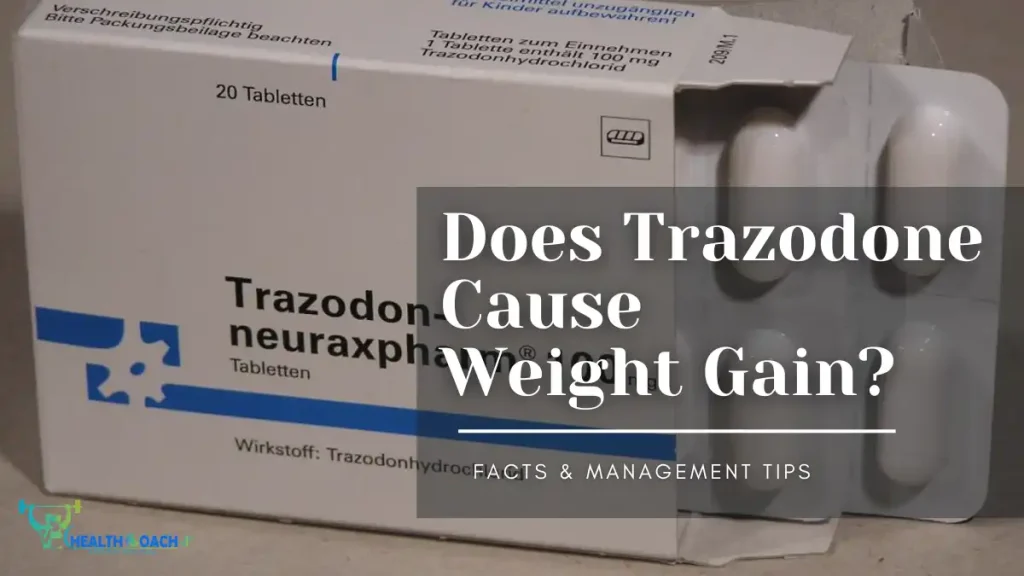
What Is Trazodone Used For?
- Primary Use: Trazodone is approved to treat major depressive disorder.
- Off-label Uses: It is commonly prescribed at lower doses for insomnia, and sometimes for anxiety.
- How It Works: Trazodone is a serotonin antagonist and reuptake inhibitor (SARI). It acts on serotonin signalling, which influences mood, sleep, and appetite.
Common Side Effects of Trazodone
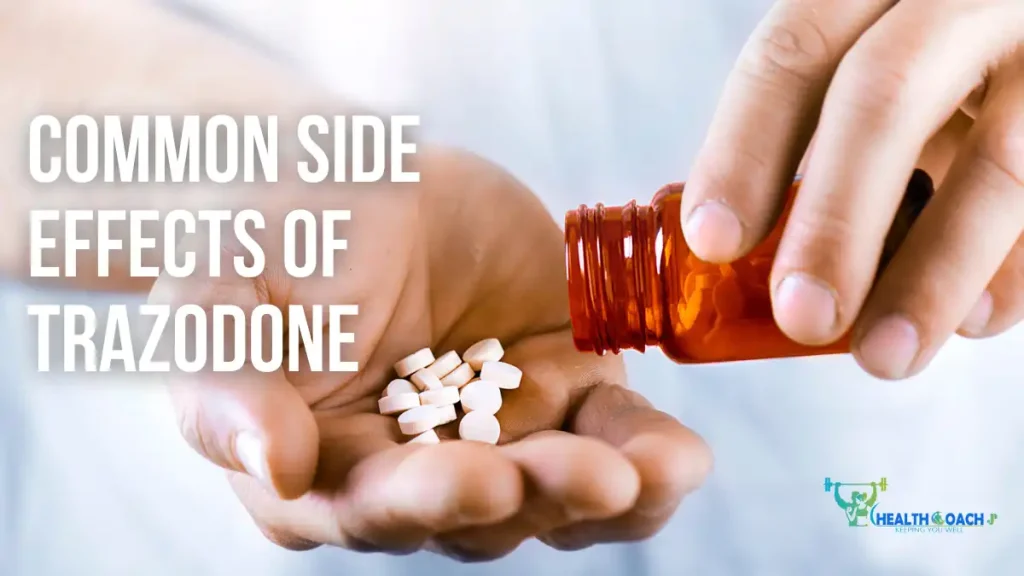
Trazodone is generally well tolerated. Reported side effects include:
- Drowsiness or sedation
- Dizziness, including light-headedness on standing
- Headache
- Nausea or vomiting
- Dry mouth
- Blurred vision
- Changes in appetite, and weight changes in either direction (uncommon)
Prescribers usually start at a low dose and adjust gradually. Your medication leaflet lists the full set of possible effects read it, and ask your pharmacist about anything that concerns you.
Safety Information You Should Not Skip
- Suicidal thoughts warning. Like all antidepressants, trazodone carries a boxed warning about an increased risk of suicidal thoughts and behaviour in children, adolescents, and young adults under 25, particularly in the first weeks of treatment or after a dose change. If you or someone you care for experiences new or worsening thoughts of self-harm, contact your prescriber or local emergency services straight away. In the US you can call or text 988.
- Do not stop suddenly. Stopping abruptly can cause withdrawal effects and a return of symptoms. Any change is made with your prescriber, usually by tapering.
- Seek urgent care for a painful erection lasting more than a few hours (priapism a rare but serious trazodone-specific effect requiring immediate treatment), fainting, an irregular heartbeat, or symptoms of serotonin syndrome such as agitation, confusion, sweating, tremor, or a racing heart.
- Interactions. Trazodone must not be combined with MAO inhibitors, and interacts with a number of other medicines and with alcohol. Tell your prescriber and pharmacist everything you take, including supplements.
Trazodone and Weight: What Does the Evidence Say?
- Not a common side effect: Weight gain is not among the frequent effects of trazodone. Both small gains and small losses are reported, and appetite change can go in either direction.
- Compared with other antidepressants: Reviews of antidepressants and weight place trazodone at lower risk for weight gain than tricyclics and than some SSRIs such as paroxetine, and well below mirtazapine, which is the class outlier for appetite increase.
- Individual variation is large: Group averages say little about any one person. Two people on the same dose can experience opposite changes.
You may see precise percentages quoted online for how many trazodone users gain or lose weight. Those figures vary between sources and are often reproduced without a traceable trial behind them, so we have not printed them here. Ask your prescriber what the current prescribing information says.
Why Might Weight Increase?
- Appetite changes: Medicines acting on serotonin can affect appetite signalling in some people, though the exact mechanism for trazodone is not well established.
- Recovery itself: Depression often suppresses appetite. As symptoms improve, appetite and enjoyment of food return a sign of recovery that can look like a drug side effect.
- Sedation: Trazodone’s sedative effect can leave some people less active during the day, especially early in treatment.
These are three of the four mechanisms behind medication-related weight change, and they produce different patterns our guide to the causes of weight gain sets out which is which, including how to tell an appetite effect from fluid retention.
Why Might Weight Decrease?
- Reduced appetite: Some people eat less, particularly in the first weeks.
- Nausea: A common early effect that can temporarily reduce intake.
- Better sleep: Improved sleep can steady appetite and energy patterns.
Antidepressants and Weight: The Broader Picture

Antidepressants differ considerably in their effect on weight, and the mechanisms are not fully understood mood, appetite, energy, sleep and activity all interact. Untreated depression also carries its own risks to physical health. If weight is a significant concern for you, that is a legitimate thing to weigh with your prescriber when choosing or changing a medication, alongside how well it treats your symptoms.
Trazodone is often prescribed for sleep alongside an SSRI, so the same question comes up about both: see does Zoloft cause weight gain? for how sertraline compares.
Practical Steps If You Are Concerned About Weight
- Raise it at your next appointment: A sustained, unexplained change in either direction is worth reporting. Your prescriber can look at dose, timing, or alternatives.
- Keep the basics steady: Regular meals, exercise you can sustain, and a consistent sleep schedule support both mood and general health.
- Take sedation into account: If daytime drowsiness is limiting your activity, mention it dose timing can sometimes be adjusted.
- Do not add restrictive dieting: Starting a strict diet while adjusting to a new antidepressant makes it harder to tell what is causing what, and under-eating can worsen mood and sleep. If you want to change how you eat, do it with your care team.
- Never adjust the medication yourself: Not the dose, not the timing, not stopping. That decision belongs with your prescriber.
Dosage and Precautions
- Dosing is individual: Doses for depression and for sleep differ substantially, and your prescriber sets and adjusts them based on your response. Follow your prescription, not figures you read online.
- Pregnancy and breastfeeding: Discuss with your doctor before starting, continuing, or stopping.
- Alcohol and driving: Trazodone causes drowsiness; take care until you know how it affects you.
Conclusion: Should You Worry About Weight Gain with Trazodone?
For most people, trazodone is unlikely to cause significant weight gain. Some people gain a little, some lose a little, and the risk is generally lower than with several other antidepressants. If you notice a change that bothers you, that is a good reason to talk to your prescriber not a reason to stop the medication on your own.

Does Trazodone Cause Weight Gain
Frequently Asked Questions
Most people see little or no change. Reported changes are generally small and go in both directions, and individual response varies widely, so no single figure is meaningful for one person. Your prescriber can tell you what to watch for.
Trazodone is generally considered less likely than several other antidepressants to interfere with weight management. Daytime sedation, if you have it, can reduce activity, which is worth mentioning to your prescriber.
It varies, and it is not a reason to stop. Any change after stopping depends on the individual and on what happens to sleep, mood, and appetite. Stopping is a decision to make with your prescriber, usually by tapering.
No. Do not stop trazodone without talking to your doctor. Stopping abruptly can cause withdrawal effects and a return of depression or insomnia. Your prescriber can assess the change and discuss options with you.
Doses used for insomnia are substantially lower than those used for depression, but there is no good evidence establishing a different weight profile at the lower dose. The sedative effect is prominent at both, so if daytime drowsiness is reducing your activity, that is the more likely route to weight change than the dose itself.
Sources
- Annals of General Psychiatry – Antidepressants and weight change: comparative review
- MedlinePlus – Trazodone
Related reading: Weight Gain Guide: causes, medications and when to see a doctor | Does Zoloft cause weight gain? | Mental Health Guide
Last updated: August 2026. This article is general information about a prescription medicine and is not medical advice, a dosing guide, or a substitute for your prescriber. Always follow the instructions you were given and read the patient information leaflet supplied with your medication. If you are having thoughts of harming yourself, contact your prescriber or emergency services now; in the US, call or text 988. See our sourcing policy.