

Knee osteoarthritis is one of the most common reasons for chronic knee pain and stiffness in adults, especially as people get older. It happens when the smooth cartilage that cushions your knee gradually breaks down, leading to pain, swelling, and difficulty with everyday activities like walking or climbing stairs.
Understanding what knee osteoarthritis is, why it develops, and which treatments actually help puts you in control of your joint health instead of feeling helpless.
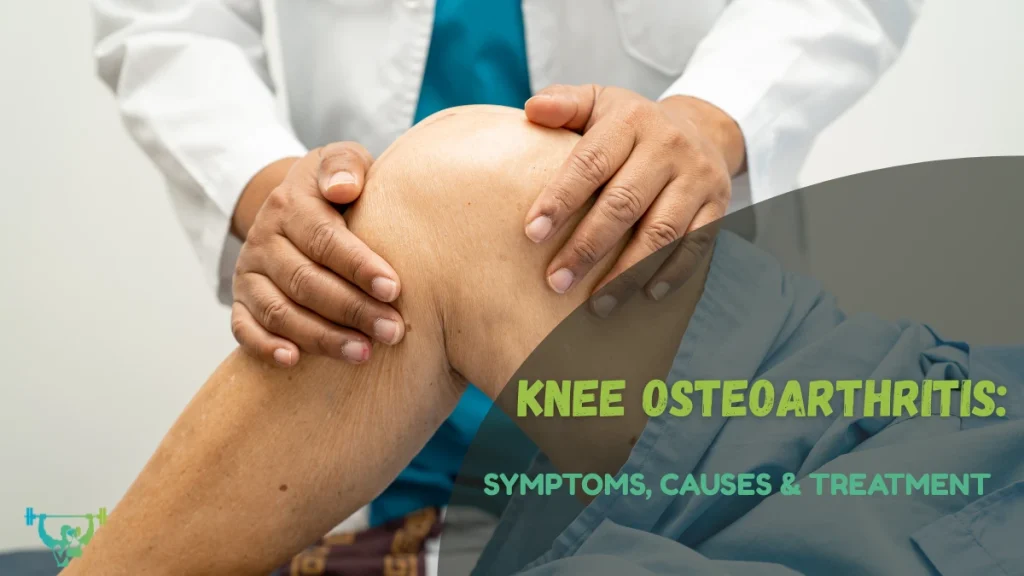
What Is Knee Osteoarthritis?
Knee osteoarthritis (knee OA) is a degenerative joint disease where the cartilage covering the ends of the thigh bone (femur), shin bone (tibia), and kneecap (patella) slowly wears away. As this cushioning breaks down, bones can start to rub together, causing pain, stiffness, and structural changes in the joint.
Specialists often distinguish two main forms:
- Primary knee osteoarthritis: Age‑related “wear and tear” without a single clear cause.
- Secondary knee osteoarthritis: OA that develops after another problem, such as injury, deformity, or a metabolic disease.
Knee osteoarthritis is extremely common and is a leading cause of disability worldwide, making early diagnosis and management very important.
Symptoms of Knee Osteoarthritis
Symptoms of knee osteoarthritis usually appear gradually and tend to worsen over time rather than starting suddenly.
Common signs and symptoms
- Pain in the knee: Often worse with activity, walking, or climbing stairs and better with rest.
- Stiffness: Especially after waking up in the morning or after sitting for a long time.
- Swelling and warmth: Due to inflammation and extra joint fluid.
- Grinding or crunching (crepitus): A feeling or sound of grinding when you move the knee.
- Reduced range of motion: Difficulty fully bending or straightening the knee.
- Instability or “giving way”: The knee may feel weak, wobbly, or unreliable.
People with knee osteoarthritis also often report that everyday tasks such as getting in and out of a chair, squatting, or walking long distances become more tiring or painful.
Causes and Aetiology of Knee Osteoarthritis
The core problem in knee osteoarthritis is progressive damage to articular cartilage, the smooth tissue that allows bones to glide over each other without friction. Over time this cartilage loses water balance, its proteins break down, and it may crack, thin, or completely wear away.
Primary knee osteoarthritis
Primary osteoarthritis of the knee develops without an obvious single trigger and is strongly linked to:
- Age‑related cartilage wear
- Cumulative joint loading over many years
- Genetic and biochemical changes in cartilage and surrounding bone
Secondary Causes of Knee Osteoarthritis
Secondary knee osteoarthritis appears when another condition or factor accelerates joint damage.
Post-traumatic causes
- Previous fractures around the knee
- Meniscus tears or ligament injuries
- Repetitive sports injuries that change joint mechanics
Congenital or structural issues
- Congenital malformations of the knee
- Malalignment such as varus (bow‑legged) or valgus (knock‑knee) deformities that increase stress on one side of the joint
Metabolic and systemic causes
- Rickets and other bone mineralization disorders
- Hemochromatosis (iron overload)
- Chondrocalcinosis (calcium crystal deposits)
- Ochronosis and other rare metabolic conditions
- Endocrine disorders such as acromegaly, hyperparathyroidism, and hyperuricemia (linked to crystal arthropathies)
In these conditions, abnormal cartilage composition or abnormal forces across the knee speed up cartilage breakdown, eventually producing osteoarthritis.
Risk Factors for Knee Osteoarthritis
Not everyone develops knee osteoarthritis to the same degree, even at similar ages. Certain risk factors make knee OA more likely or more severe.

Major risk factors
- Older age: The risk rises significantly after middle age.
- Sex: Women are more likely than men to develop osteoarthritis, particularly after menopause.
- Obesity: Extra body weight increases load on weight‑bearing joints and fat tissue also produces inflammatory chemicals that can damage cartilage.
- Previous joint injuries: Sports injuries or accidents involving the knee (even years earlier) raise the likelihood of OA later.
- Repetitive stress on the joint: Occupations or sports involving frequent squatting, kneeling, or heavy lifting can accelerate wear.
- Genetics: A family history of osteoarthritis or collagen gene changes can predispose someone to earlier cartilage breakdown.
- Bone or joint deformities: People born with abnormal joint shapes or misaligned knees are at higher risk.
- Metabolic diseases: Conditions like diabetes or hemochromatosis are associated with increased OA risk.
Understanding these risk factors helps with prevention strategies, especially weight management, joint protection, and early treatment of injuries.
Complications of Knee Osteoarthritis
For many people, knee osteoarthritis is a chronic annoyance that slowly starts to interfere with hobbies and daily tasks; in others, complications become more serious.
Potential complications
- Chondrolysis: Rapid, severe breakdown of cartilage leading to loose tissue debris in the joint.
- Osteonecrosis (bone death): Poor blood supply to bone under damaged cartilage can cause bone collapse and worsen arthritis.
- Stress fractures: Repeated overload on weakened bone can cause hairline fractures around the joint.
- Ligament and tendon weakening or tears: Chronic instability and abnormal movement can strain soft tissues, reducing joint stability.
- Joint bleeding or infection: Particularly after invasive procedures or in people on blood thinners or with immune compromise.
- Nerve compression (e.g., in spinal OA): Not specific to the knee but relevant in multi‑joint osteoarthritis.
- Severe disability and reduced quality of life: Advanced OA can significantly limit mobility, independence, and mental wellbeing.
These complications underline why early diagnosis and active management matter, even though there is currently no complete cure for osteoarthritis.
Knee Osteoarthritis and Risk of Falls
Falls are a major concern in adults living with knee osteoarthritis because pain, stiffness, and muscle weakness can affect balance and gait.
A systematic review of adults with knee OA found the following key risk factors for falls:
- Impaired balance
- Quadriceps and lower‑limb muscle weakness
- Presence of multiple comorbidities (for example, diabetes or low back pain)
- Increasing number of symptomatic joints
Knee pain itself was also identified as a potential risk factor for falls, but the evidence was rated as conflicting because not all studies agreed. Limited evidence also suggested that knee instability, impaired proprioception (joint position sense), and using walking aids may be linked to fall risk in knee osteoarthritis.
More recent observational work has also associated falls in knee OA with:
- Fear of falling
- Higher body mass index
- Reduced range of motion
- Gait impairment and reduced dynamic balance
This evidence helps clinicians and fall‑prevention program designers target modifiable factors such as strength, balance, and comorbidity management.
How Knee Osteoarthritis Is Diagnosed
A diagnosis of knee osteoarthritis usually involves a combination of history, physical examination, and imaging.
1. Medical history
Your clinician will ask about:
- Where your knee osteoarthritis pain is and when it began
- Whether symptoms worsen with activity and ease with rest
- Any history of injury, surgery, or inflammatory arthritis
- Effects on daily function, work, and sleep
2. Physical examination
- Joint line tenderness and swelling
- Bony enlargement or deformity
- Crepitus when moving the knee
- Reduced range of motion in flexion or extension
- Reduced muscle strength and possible balance deficits
3. Imaging and tests
- X‑rays: Show joint space narrowing, bone spurs (osteophytes), and changes in bone density.
- MRI: Sometimes used to assess cartilage, meniscus, or bone marrow changes if diagnosis is unclear.
- Blood tests: Mainly to rule out other causes like rheumatoid arthritis or infection.
Diagnosis is usually clinical plus radiographic, with radiographic severity not always matching the exact level of pain.
Treatment Options for Knee Osteoarthritis
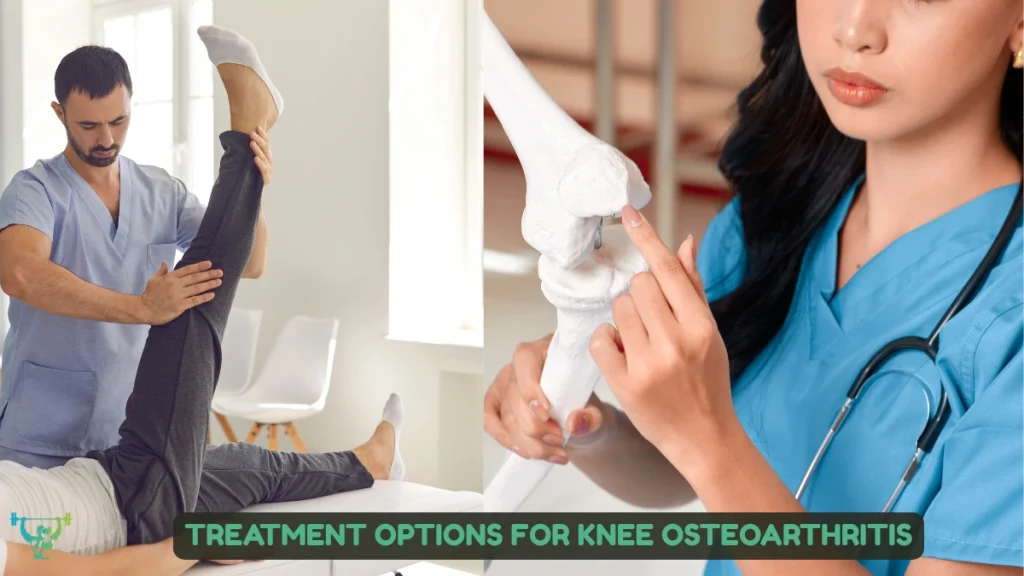
Knee osteoarthritis treatment focuses on reducing pain, improving function, and slowing progression. Management usually starts conservatively and may progress to injections or surgery if symptoms become severe.
1. Lifestyle and self‑management
- Weight management: Even modest weight loss can significantly reduce stress on knee joints and relieve pain.
- Low‑impact exercise: Activities like walking, cycling, and swimming protect joint motion and strengthen muscles without excessive impact.
- Activity modification: Reducing excessive kneeling, squatting, or heavy lifting that aggravates pain.
- Heat and cold therapy: Heat to relax stiff muscles, ice to reduce flare‑up pain and swelling.
2. Physical therapy and exercise therapy
A tailored exercise program is considered first‑line care for knee OA.
- Quadriceps and hip strengthening
- Stretching of hamstrings, calves, and hip flexors
- Balance and proprioception training to lower fall risk
- Manual therapy or joint mobilizations in some cases
Research shows that manual therapy plus exercise can reduce pain and improve function in knee osteoarthritis.
3. Medications
- Acetaminophen (paracetamol): Often used for mild pain.
- NSAIDs (nonsteroidal anti‑inflammatory drugs): Help with pain and inflammation but require caution due to gastrointestinal, kidney, and cardiovascular risks.
- Topical NSAIDs: Gels or creams applied directly to the knee can provide relief with fewer systemic side effects.
- Other agents: In selected cases, duloxetine or short‑term opioids may be considered, but long‑term opioids are generally discouraged.
There are currently no proven disease‑modifying drugs that reliably stop or reverse knee osteoarthritis.
4. Injections and procedures
- Corticosteroid injections: Short‑term pain relief during flare‑ups but not for frequent or long‑term use.
- Hyaluronic acid injections: Aim to lubricate the joint; evidence on benefit is mixed.
- Platelet‑rich plasma (PRP) and other biologics: Emerging options with evolving evidence and higher cost.
5. Surgery
When conservative treatments can no longer control pain or maintain function, surgical options may be considered.
- Arthroscopy: Limited role, mainly if mechanical symptoms from loose bodies or meniscal tears coexist.
- Osteotomy: Bone‑realigning surgery in younger patients with malalignment.
- Partial or total knee replacement (arthroplasty): Replaces damaged surfaces with implants to reduce pain and restore mobility in advanced knee osteoarthritis.
Surgical decisions depend on pain, disability, age, comorbidities, and radiographic findings, and must be individualized.
Preventing and Managing Falls in Knee Osteoarthritis
Because knee osteoarthritis increases fall risk through pain, weakness, and instability, fall‑prevention strategies are vital.
- Strengthening exercises focused on quadriceps, hips, and ankles
- Balance and coordination training such as single‑leg stance or Tai Chi
- Optimizing vision and treating comorbidities like diabetes and low back pain
- Reviewing medications that may cause dizziness
- Using walking aids properly when needed and ensuring home safety (lighting, removing loose rugs)
Targeting both physical and psychological factors (like fear of falling) can significantly reduce fall incidence in adults with knee osteoarthritis.
FAQs About Knee Osteoarthritis
Knee osteoarthritis is a “wear and tear” joint disease where the cushion between the bones in your knee slowly breaks down, causing pain, stiffness, and swelling. Over time, this can make everyday movements like walking, climbing stairs, or squatting more difficult.
Major risk factors for knee osteoarthritis include older age, being female, obesity, previous knee injuries, repetitive joint stress, genetics, and certain metabolic diseases like diabetes and hemochromatosis. Structural problems such as bow‑legs or knock‑knees also increase the chance of developing knee OA.
Yes, adults with knee osteoarthritis have a higher risk of falls due to impaired balance, quadriceps weakness, pain, comorbidities, and gait changes. Research has also linked increased body mass index, reduced knee range of motion, and fear of falling with greater fall risk in this population.
There is no single “best” treatment, but most guidelines recommend a combination of weight management, low‑impact exercise, physical therapy, pain‑relieving medications, and joint‑protection strategies. In advanced cases, injections or surgery such as total knee replacement may be considered if conservative treatment no longer helps.
References:
- CDC – Osteoarthritis overview
- Cleveland Clinic – Knee osteoarthritis
- Arthritis Foundation – Osteoarthritis
- Mayo Clinic – Osteoarthritis symptoms and causes
- NHS – Osteoarthritis treatment