

Yoga is one of the oldest forms of exercise in Indian culture. It’s been practiced for centuries as a way to keep the body active and the mind calm. Regular practice can support overall physical and mental wellbeing, though it isn’t a substitute for medical care when you have a diagnosed condition.
There are many easy poses in yoga that people use as part of a broader wellness routine. You don’t need to have any specific condition to benefit from yoga – it can be a helpful addition to daily life for most people. In today’s article, we will talk about the butterfly pose, a gentle hip-opening pose that’s popular with women in particular, including during pregnancy.

In this article we’ll cover what butterfly pose is, how to do it, and what benefits it may offer. As with any new pose, especially during pregnancy or if you have an existing health condition, check with your doctor or a qualified yoga instructor first.
What is Butterfly Exercise?
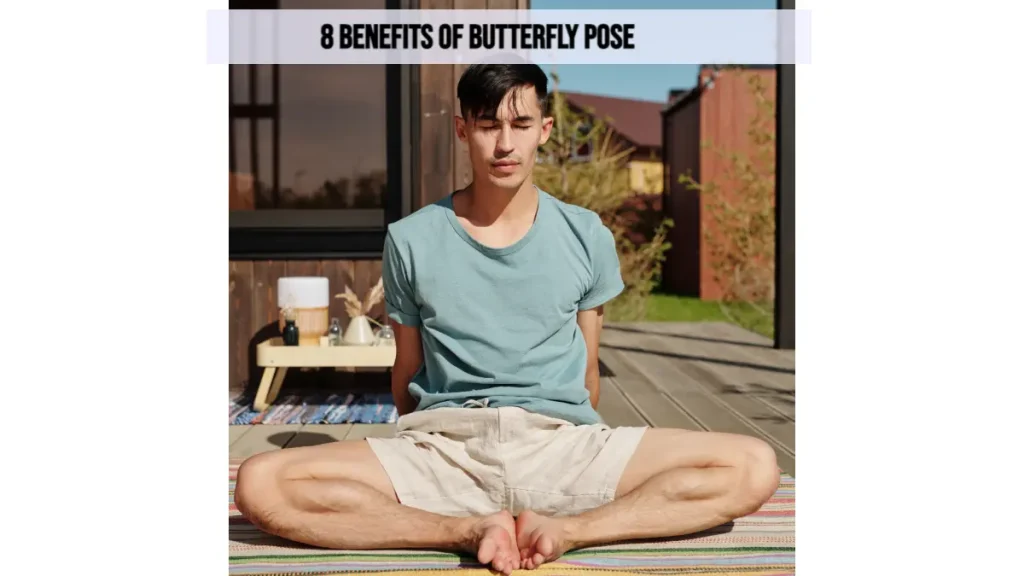
Butterfly pose is a simple seated yoga pose, also known as Baddha Konasana. Practicing it regularly may help with hip and lower back flexibility, and many people find it relaxing. The pose gets its name because you sit with the soles of your feet together and let your knees fall open and gently flap, like a butterfly’s wings.

8 Benefits of Butterfly Pose
Butterfly pose is a gentle addition to a wellness routine. Below are some of the benefits people commonly associate with it.
1. May offer some comfort with PCOS symptoms
PCOS (polycystic ovary syndrome) is a hormonal condition that affects many women, with symptoms that can include irregular periods, weight changes, and elevated androgen levels. Butterfly pose is not a treatment or cure for PCOS and cannot diagnose it – only a doctor can do that. Some women find that gentle hip-opening poses like this one help them relax and ease anxiety that can accompany chronic conditions, as part of a broader care plan.
2. May be comfortable during pregnancy
Many prenatal yoga programs include gentle poses like butterfly pose because it can help stretch the inner thighs and hips without straining the knees. Always check with your doctor or a prenatal yoga instructor before starting or continuing any pose during pregnancy, since comfort and safety can vary by trimester and individual.
3. May help some people with migraines
Some people report that gentle, relaxing poses like butterfly pose help ease tension that can contribute to migraines, though it isn’t a proven migraine treatment and results vary. If you get migraines regularly, talk to a doctor about a full treatment plan rather than relying on yoga alone.
4. May offer some relief with chronic pelvic pain
Chronic pelvic pain (CPP) is persistent pain in the lower abdomen and pelvic region that can have many different causes. Some people find that gentle hip-opening stretches like butterfly pose ease muscular tension in that area, but CPP has a wide range of possible causes and needs proper medical evaluation – yoga should be seen as a complement to care, not a replacement for it.
5. May help reduce stress
Stress is common, and left unmanaged it can affect both mood and physical health. Practicing butterfly pose daily may help release tension in the back and hips, which some people find calming. Combined with slow breathing, this kind of gentle stretching can be a useful part of a stress-management routine.
6. May support mood as part of a broader routine
Regular yoga practice, including gentle poses like this one, is sometimes used alongside other lifestyle habits to help support mood. It is not a treatment for depression, and anyone experiencing ongoing low mood or depression should speak with a doctor or mental health professional.
7. May support thigh and hip toning
Another benefit of butterfly pose is that it engages and gently stretches the inner thigh muscles. Practiced regularly as part of a broader exercise routine, it can contribute to toning the thighs and hips, though it isn’t a substitute for cardio or strength training if fat loss is your main goal.
8. May help with occasional constipation
Constipation is often linked to diet, hydration, and activity levels, and can be worsened by eating a lot of processed or outside food. Gentle movement, including yoga poses like this one, may help support regular digestion as part of an overall healthy routine, alongside adequate fiber and water intake.
5 Key Benefits of Butterfly Pose

1: Regular practice may help improve flexibility in the hips and lower back.
2: It can gently strengthen and open the lower back and hips.
3: It may help ease mental and physical tension. Stretching the back and hip muscles can bring a sense of relief, which some people find helps them relax more generally.
4: It can offer some comfort for mild knee stiffness, though it should be avoided or modified if you have a knee injury.
5: It’s a common pose in fertility and prenatal yoga programs, as part of a broader hip-opening routine.
How to do Butterfly Pose?
Butterfly pose is simple and most people can do it. Follow these steps:
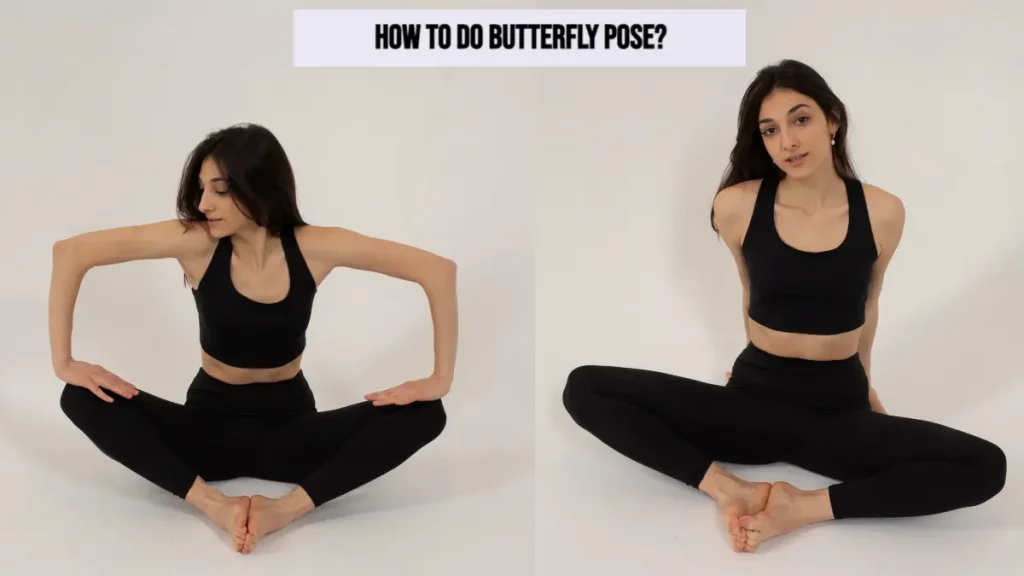
1) Sit up straight with your legs extended in front of you.
2) Bend your knees and bring the soles of your feet together, letting your knees fall out to the sides.
3) Keep your spine straight and hold your feet or ankles with both hands, as shown in the picture above.
4) Take a slow breath in, and as you exhale, gently press your knees toward the floor. You can hold this position or add a light flapping motion with your knees, whatever feels comfortable.
5 Things to Know about Butterfly Pose during Pregnancy
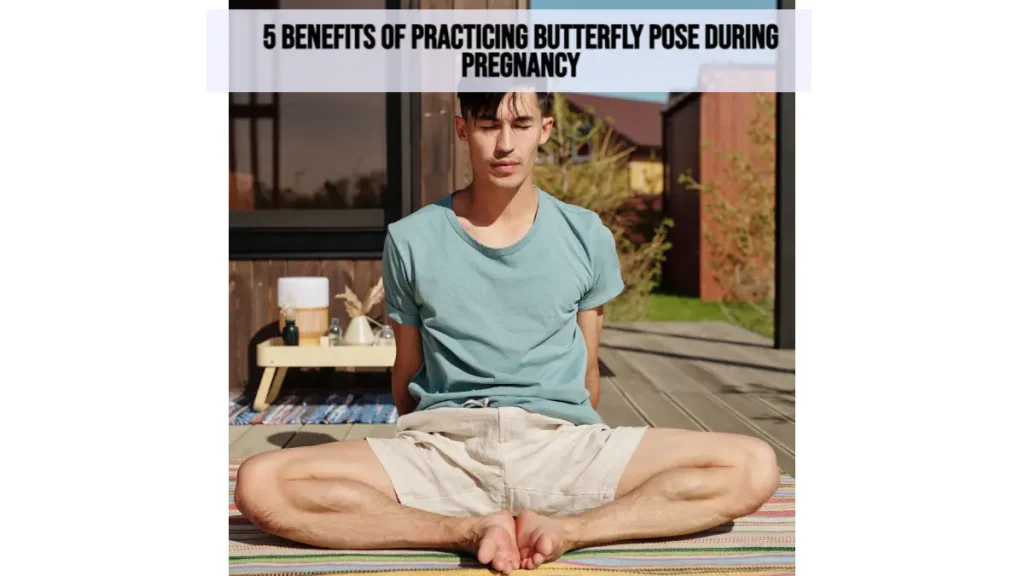
Many pregnant women include butterfly pose in their routine, since it can help gently open the muscles of the hips and inner thighs. As with any pregnancy exercise, check with your doctor or a prenatal yoga instructor first, especially later in pregnancy.
1: May ease lower back discomfort
Some pregnant women find that butterfly pose brings some relief from lower back discomfort, a common complaint as pregnancy progresses.
2: Commonly used to prepare the pelvis
Prenatal yoga instructors often include butterfly pose because it gently opens the muscles around the pelvis. It’s used as part of overall birth preparation, but it’s not a guarantee of any particular delivery outcome, and any birth plan should be discussed with your doctor or midwife.
3: May help with stress
Stress is common during pregnancy. Some women find that butterfly pose, combined with slow breathing, helps them feel calmer.
4: Helps maintain flexibility
Practicing butterfly pose can help maintain flexibility in the hips and pelvis, which many find useful as the body changes during pregnancy.
5: May help with fatigue
Fatigue is common during pregnancy. Gentle stretching like butterfly pose, done at a comfortable pace, may help some women feel a bit more energized without overexerting themselves.
Conclusion
So, now you know what butterfly pose is, how to do it, and the benefits people commonly associate with it. It’s a simple, low-impact pose that can be a useful addition to a wellness routine, including during pregnancy, but it isn’t a treatment for any medical condition. If you have a health condition or are pregnant, check with your doctor before adding new poses to your routine.
FAQs on Butterfly Pose Benefits
Ans. Butterfly pose gently stretches and engages the inner thigh muscles, and practiced regularly as part of a broader routine it may help tone the thighs over time. It’s not a spot-reduction exercise for fat loss on its own – that generally requires an overall calorie deficit.
Ans. Butterfly pose is commonly used in prenatal yoga to help gently open the pelvis and hips, which some find comfortable during pregnancy. It’s not a guarantee of a particular type of delivery – talk to your doctor or midwife about your birth plan.
Ans. As with most yoga poses, it’s best to practice on an empty stomach or wait 2-3 hours after a meal for comfort. Avoid this pose if you have a leg or knee injury, or check with a doctor first.
Ans. It doesn’t change the structure of the hip bones, but it does help stretch and loosen the muscles around the hips, which can improve flexibility and range of motion over time.

