
Quick answer: one 5.3oz (150g) cup of Chobani Non-Fat Plain Greek yogurt contains 80 calories, 0g fat, 6g carbohydrate, 5g total sugars, 0g added sugars, 14g protein and 55mg sodium. That is the highest-protein, lowest-sugar cup Chobani makes, and the 5g of sugar on the label is lactose from the milk, not sweetener. Figures below come from Chobani’s own published product spec sheets.
Chobani Non-Fat Plain vs Chobani Zero Sugar
These are the two cups people choose between when they are trying to eat well, and Chobani publishes a label for each but never places them side by side. Both are 5.3oz (150g).
| Per 5.3oz cup | Non-Fat Plain | Zero Sugar |
|---|---|---|
| Calories | 80 | 60 |
| Total fat | 0g | 0g |
| Cholesterol | 10mg | 10mg |
| Sodium | 55mg | 60mg |
| Total carbohydrate | 6g | 5g |
| Total sugars | 5g | 0g |
| Added sugars | 0g | 0g |
| Protein | 14g | 11g |
| Calcium | 10% DV | 10% DV |
| Protein per 100 cal | 17.5g | 18.3g |
The finding most people miss: both cups contain zero added sugar. Switching from plain to Zero Sugar does not remove added sugar, because plain never had any. What it removes is 5g of lactose, 20 calories, and 3g of protein. Per cup, that is a 21% cut in protein for a 25% cut in calories.
Zero Sugar is sweetened with allulose, stevia leaf extract and monk fruit extract, and made from ultra-filtered nonfat milk with the lactose removed. It is a reasonable choice if you are lactose-intolerant or counting carbohydrate closely. It is the wrong choice if your goal was protein, or if you assumed the plain cup was hiding sweetener.
How to Read the Sugar Line on a Yogurt Label
Since 2020, US labels have carried two sugar figures, and on dairy the gap between them is the whole story.
- Total sugars includes lactose, the sugar naturally present in milk. Every unsweetened yogurt on the shelf has some.
- Added sugars is the line that matters for the Dietary Guidelines limit of under 10% of daily calories. On Chobani Non-Fat Plain it reads 0g.
A plain cup showing “5g total sugars, 0g added sugars” is not a compromise. A flavored cup showing “15g total sugars, 9g added sugars” is a different food. Read the second line, not the first.
Flavored Cups, Less Sugar and Flip
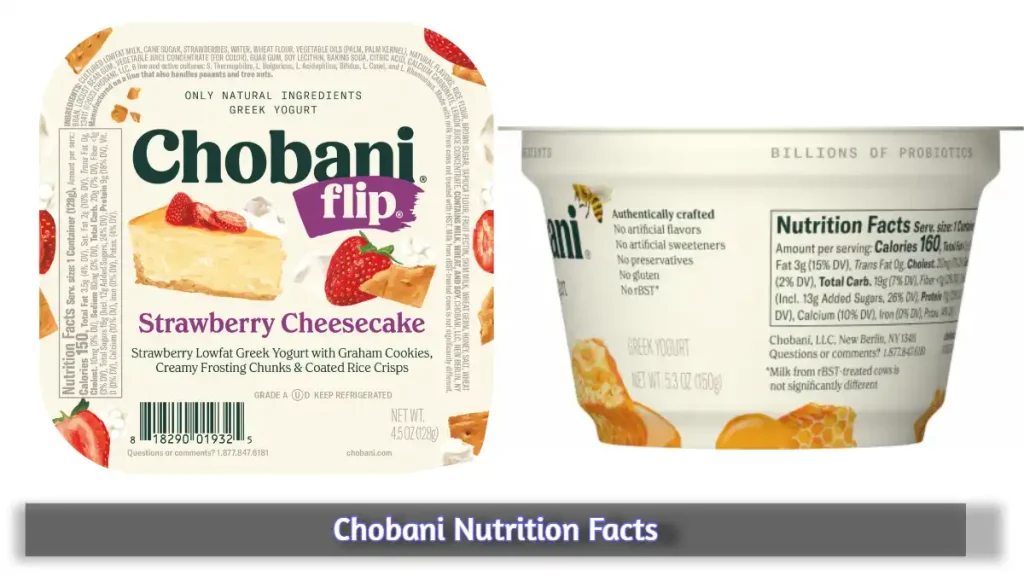
Fruit-on-the-bottom, blended and Flip cups all work the same way: cane sugar plus a fruit or confectionery prep is added, which raises sugar and calories and dilutes the protein per cup, because some of the volume is no longer yogurt.
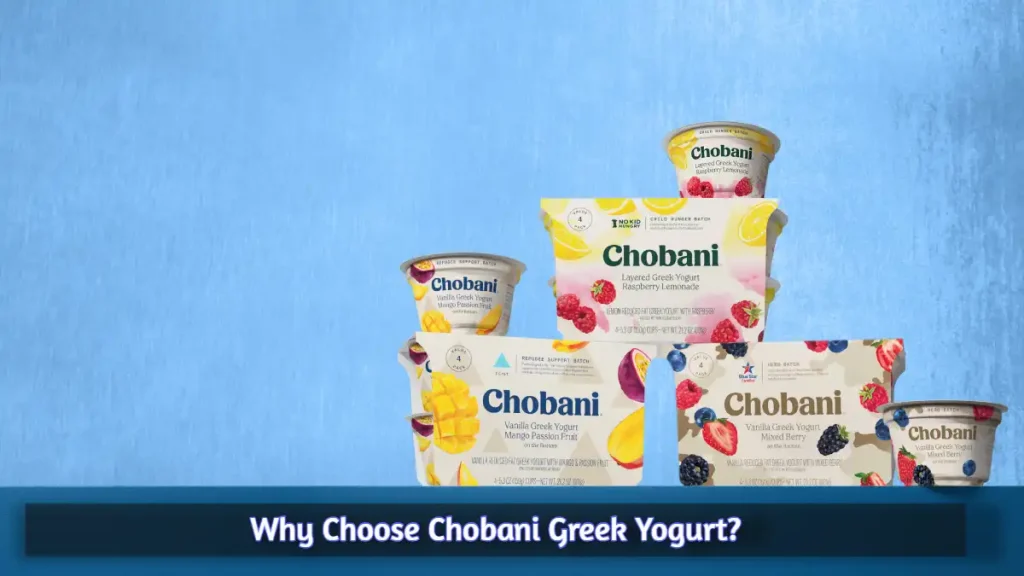
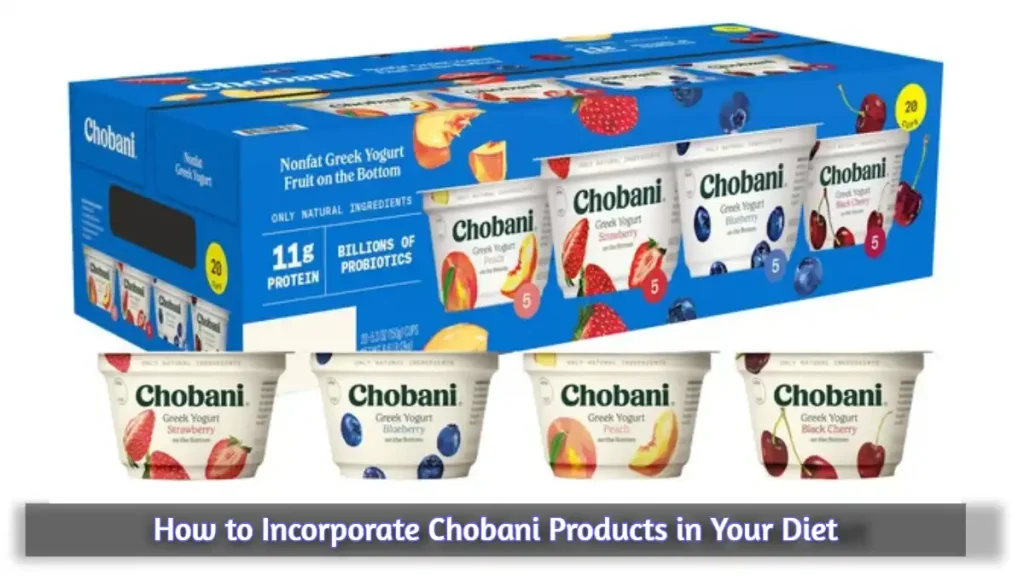
Chobani’s own published averages are the most reliable cross-flavour figures available. The brand states that its Greek yogurt averages 12g of protein per 5.3oz cup, against roughly 6g for regular non-fat or low-fat yogurt, and that its Less Sugar line averages 9g of sugar per cup, against roughly 18g for other yogurts.
Individual flavours vary too widely to generalise, and Flip cups in particular differ by mix-in, so check the panel on the cup you are holding. The two numbers worth reading are added sugars and protein. If added sugars is in double digits, you are eating dessert with a protein bonus, which is fine as long as you know that is the trade.
Is Chobani Actually Healthy?
The plain cup is a genuinely good food. Its ingredient list is one line long — cultured nonfat milk — and it delivers 14g of protein for 80 calories, plus 10% of the daily value for calcium and six live cultures. Strained yogurt concentrates protein because the liquid whey is removed, which is why Greek yogurt carries roughly double the protein of conventional yogurt at a similar calorie count.
The flavoured and Flip cups sit further along the processing spectrum. They are still better than most sweet snacks, because the protein and calcium come along with the sugar, but they are not the same product as the plain cup and should not be counted as one.
Two caveats worth knowing. Chobani yogurt contains dairy and lactose, so it is unsuitable if you avoid milk, with the exception of the Zero Sugar line, which is made without lactose. And “probiotics” on a yogurt tub is not a treatment claim; live cultures may support gut health, but the evidence is strain-specific and modest.
Which cup to buy, by goal
- Maximum protein per cup: Non-Fat Plain, 14g. Add your own fruit and you control the sugar.
- Lowest calories or lactose-free: Zero Sugar, 60 calories and 11g protein, at the cost of 3g of protein.
- Want flavour without dessert-level sugar: the Less Sugar line, which the brand puts at about 9g sugar per cup.
- Cooking: plain whole milk or non-fat substitutes 1:1 for sour cream and mayonnaise, and thins with milk to stand in for buttermilk.
Chobani Oatmilk
Chobani also makes an oat drink line, which is a different proposition entirely. Oat drinks carry roughly 1–3g of protein per cup against 8g in dairy milk, so they are a texture and lifestyle substitute rather than a nutritional one. Most versions are fortified with calcium and vitamin D. If you are drinking oatmilk for protein, you will not get it there; if you are drinking it because you avoid dairy, check whether the version you buy is the unsweetened one, since sweetened oat drinks carry added sugar that the plain version does not.
The Verdict
Chobani Non-Fat Plain at 80 calories and 14g protein is one of the better protein-per-calorie foods in an ordinary supermarket, and it contains no added sugar despite the 5g on the sugar line. If you have been buying Zero Sugar to avoid sweetener, you were already avoiding it — and giving up 3g of protein per cup to do so. Buy plain, add your own fruit, and treat the Flip cups as what they are.
Frequently Asked Questions
Non-Fat Plain has 14g per 5.3oz cup and Zero Sugar has 11g. Chobani states its Greek yogurt range averages 12g per 5.3oz cup, against roughly 6g for regular non-fat or low-fat yogurt.
No. The label reads 5g total sugars and 0g added sugars. That 5g is lactose, the sugar naturally present in milk.
Not automatically. Both have 0g added sugar. Zero Sugar saves 20 calories and 5g of lactose per cup but delivers 11g of protein against 14g in plain. It is useful if you are lactose-intolerant or counting carbohydrate, not if you are prioritising protein.
80 calories for Non-Fat Plain and 60 for Zero Sugar, both 5.3oz. Flavoured, Less Sugar and Flip cups are higher and vary by flavour, so check the panel.
The standard Greek yogurt cups contain lactose. The Zero Sugar line is made from ultra-filtered nonfat milk with the lactose removed, and the oat drink line is dairy-free.
Sources
- Chobani product spec sheets for Greek Yogurt Non-Fat Plain 5.3oz and Zero Sugar 5.3oz (chobanifoodservice.com)
- Chobani published package claims on average protein and average sugar per 5.3oz serving
- USDA FoodData Central
- US Food and Drug Administration, Nutrition Facts label requirements for added sugars
- Dietary Guidelines for Americans, added sugars limit
Last updated 31 July 2026. Nutrition figures are taken from manufacturer spec sheets current at the time of writing; formulations change and flavours vary, so check the panel on your cup. This article is general nutrition information and is not a substitute for advice from a qualified healthcare professional.

