There is no single “best” treatment for knee osteoarthritis; the ideal plan depends on your symptoms, X‑rays, age, health, and personal goals. Most guidelines recommend starting with conservative options and moving toward injections or surgery if needed.
This article walks through the full spectrum of knee osteoarthritis treatment so you can discuss informed choices with your doctor.
Knee Osteoarthritis Treatment From Lifestyle Changes to Surgery
Radiographic stage (mild, moderate, severe joint space loss).
Impact on daily life and work.
Age, activity level, and comorbidities.
Your preferences and expectations.
Treatment is usually layered, combining lifestyle changes, exercise, and medications before invasive interventions.
Lifestyle Changes: The Foundation of Knee OA Treatment
Regardless of stage, self‑management is key.
Weight management
Excess body weight adds significant load to the knee joint. Even modest weight loss can reduce pain and improve function in knee osteoarthritis.
Activity modification
Reduce heavy kneeling, deep squats, and repetitive stair climbing.
Split tasks into shorter bouts with rest periods.
Footwear and supports
Cushioned, supportive shoes.
Considering insoles if alignment issues are present.
These changes create a better baseline for other treatments to work.
Exercise Therapy and Physiotherapy
Exercise and physical therapy are central to conservative treatment.
A typical program includes:
Strengthening (quads, hips, calves).
Stretching and joint mobilization.
Balance and gait training.
Education on pacing and joint protection.
Benefits usually appear over 6–12 weeks of consistent exercise, not overnight.
Medications for Knee Osteoarthritis Pain
Always discuss medication choices with a healthcare provider.
Medications for Knee Osteoarthritis Pain
Over‑the‑counter options
Paracetamol (acetaminophen): For mild pain, though evidence of strong benefit is limited.
Topical NSAIDs (gels/creams): Can provide meaningful pain relief with fewer systemic side effects.
Prescription options
Oral NSAIDs: Effective for pain and inflammation but carry risks for stomach, kidneys, and heart.
Duloxetine: An antidepressant that can help chronic musculoskeletal pain in some patients.
Short‑term opioids: Reserved for severe pain when other options fail; not for long‑term management due to dependence and side effects.
Injections and Joint Procedures
Intra‑articular injections can provide temporary relief, particularly when pain flares.
Corticosteroid injections
Reduce inflammation and pain for weeks to a few months.
Frequency should be limited to avoid cartilage damage.
Hyaluronic acid (viscosupplementation)
Injected to improve joint lubrication.
Evidence is mixed; some patients report benefit, others do not.
Biologic injections (e.g., PRP)
Platelet‑rich plasma aims to harness growth factors.
Research is ongoing, and results vary; these are often more expensive and not always covered by insurance.
Surgical Options for Advanced Knee Osteoarthritis
Surgery is usually recommended when pain remains severe and disabling despite optimal conservative management.
Surgical Options for Advanced Knee Osteoarthritis
Arthroscopy
Cleaning out cartilage fragments is no longer routinely recommended for isolated knee OA because it does not change long‑term outcomes.
Osteotomy
Bone‑realigning surgery to offload one compartment of the knee, used in younger, active patients with varus or valgus deformity.
Partial or total knee replacement (arthroplasty)
Damaged joint surfaces are replaced with metal and plastic components.
Typically considered for severe pain, major functional loss, and radiographic end‑stage OA.
Most people experience significant pain relief and improved function, although rehab takes weeks to months and implants have a finite lifespan.
How to Choose the Right Treatment Path
Questions to discuss with your doctor:
“Which conservative treatments have I really tried and for how long?”
“What are the risks and benefits of injections for my case?”
“Am I a good candidate for knee replacement or should I wait?”
“What lifestyle changes will give me the most benefit now?”
Shared decision‑making ensures your treatment plan fits your life as well as your X‑rays.
FAQs About Knee Osteoarthritis Treatment
Q. What is the best treatment for knee osteoarthritis?
There is no single best treatment; most people need a combination of weight management, exercise therapy, pain‑relieving medications, and possibly injections or surgery depending on disease stage.
Q. When should I consider knee replacement surgery?
You may consider surgery if pain remains severe, function is markedly limited, and imaging confirms advanced OA despite months of optimized conservative care.
Q. Do injections cure knee osteoarthritis?
No. Injections such as steroids or hyaluronic acid may temporarily relieve symptoms but do not reverse structural cartilage loss.
Q. Can I manage knee osteoarthritis without surgery?
Many people manage for years with lifestyle changes, exercise, and medications; however, some eventually need surgery when damage and symptoms progress.
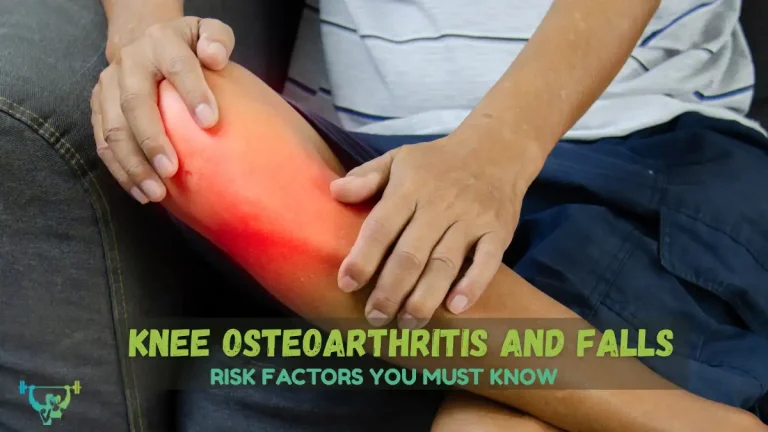
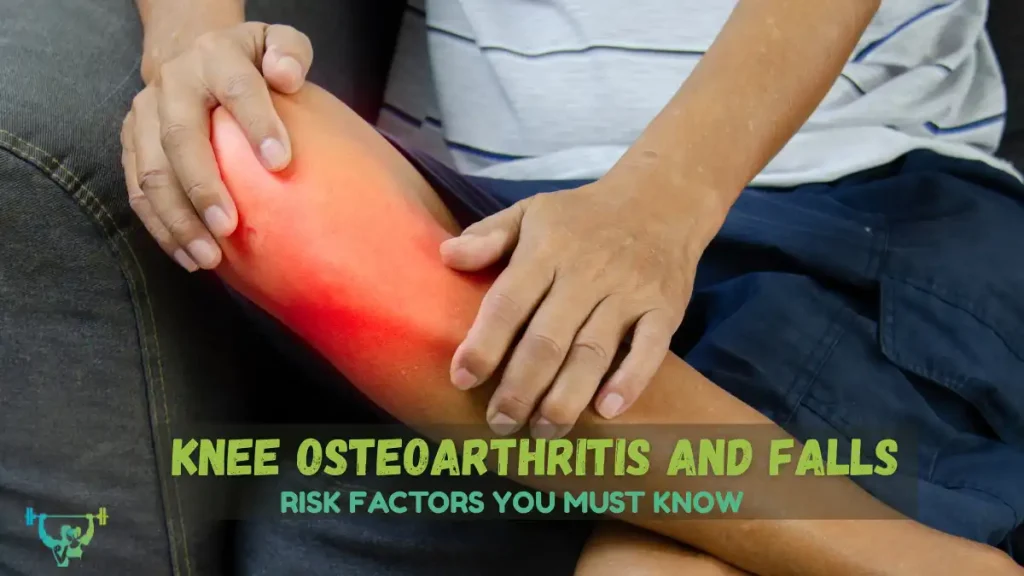
Knee osteoarthritis is painful on its own, but one of its most serious consequences is an increased risk of falls and related injuries. People with knee OA are more likely to trip, lose their balance, or feel their legs suddenly “give way,” which can lead to fractures and loss of independence. Understanding why this happens is the first step in protecting yourself or your patients.
Knee Osteoarthritis and Falls Risk Factors You Must Know
Falls are not just “accidents”; they are often predictable outcomes of specific physical and personal risk factors that can be identified and improved.
How Knee Osteoarthritis Increases Fall Risk
Knee osteoarthritis affects the joint surfaces, surrounding muscles, and how you move. Pain, stiffness, and swelling make it harder to control the knee and maintain a stable, efficient gait.
Common ways knee OA promotes falls include:
Pain that makes you walk slower, limp, or avoid putting weight on one leg.
Stiffness that reduces your knee’s ability to bend and adapt to uneven surfaces or obstacles.
Muscle weakness that makes it hard to catch yourself if you stumble.
Joint instability, where the knee feels like it might buckle or slide unexpectedly.
Over time, fear of falling may cause people to move less, which further weakens muscles and balance and actually increases fall risk.
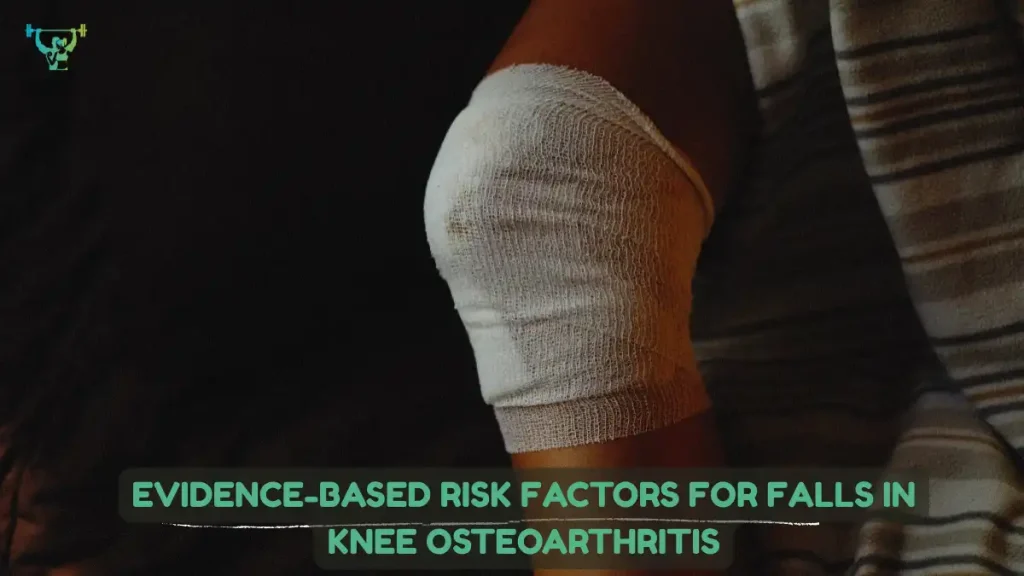
Evidence-Based Risk Factors for Falls in Knee Osteoarthritis
A major systematic review on knee OA and falls found several consistent risk factors across 11 studies:
Impaired balance: Difficulty maintaining steady posture when standing or walking.
Muscle weakness: Especially in quadriceps and hip muscles, which are essential for standing and stepping.
Multiple comorbidities: Conditions like diabetes, low back pain, or cardiovascular disease that compound functional limitations.
More symptomatic joints: When both knees or the knee plus hip/ankle are painful, falls are more likely.
Knee pain itself was identified as a possible risk factor, but the strength of evidence was labeled “conflicting” because not all studies showed the same pattern. Limited evidence also pointed to knee instability, impaired proprioception (joint position sense), and the use of walking aids as potential contributors.
Evidence-Based Risk Factors for Falls in Knee Osteoarthritis
More recent cross‑sectional work has highlighted additional predictors of falls in knee OA:
Higher symptom burden (higher KOOS symptom scores).
Greater fear of falling.
Reduced range of motion and poorer proprioception.
Not every risk factor can be changed, but many can be improved.
Non‑modifiable factors:
Age.
Long‑standing structural joint damage.
Past injuries or surgeries.
Some chronic conditions that cannot be reversed.
Modifiable factors:
Muscle strength and power.
Balance and proprioception.
Body weight and fitness level.
Home environment hazards.
Vitamin D levels, vision, and some medications.
Focusing on modifiable risk factors gives you a clear target for fall‑prevention strategies.
Simple Ways to Check Your Fall Risk at Home
These simple checks are not full clinical assessments, but they can give you an idea of how stable you are:
Chair stand test:
Cross arms over chest and see how many times you can stand up and sit down from a standard chair in 30 seconds.
Very low numbers or inability to perform may signal leg weakness.
Single‑leg stance (with support nearby):
Stand near a counter or sturdy chair.
Try balancing on one leg for up to 10 seconds, holding support if needed.
Marked difficulty suggests balance deficits.
Timed up‑and‑go (TUG):
Sit in a chair, then stand, walk 3 meters, turn, walk back, and sit.
Longer times are associated with higher fall risk, especially in older adults.
Struggling with these tests is a strong signal to seek a professional assessment and begin targeted strength and balance training.
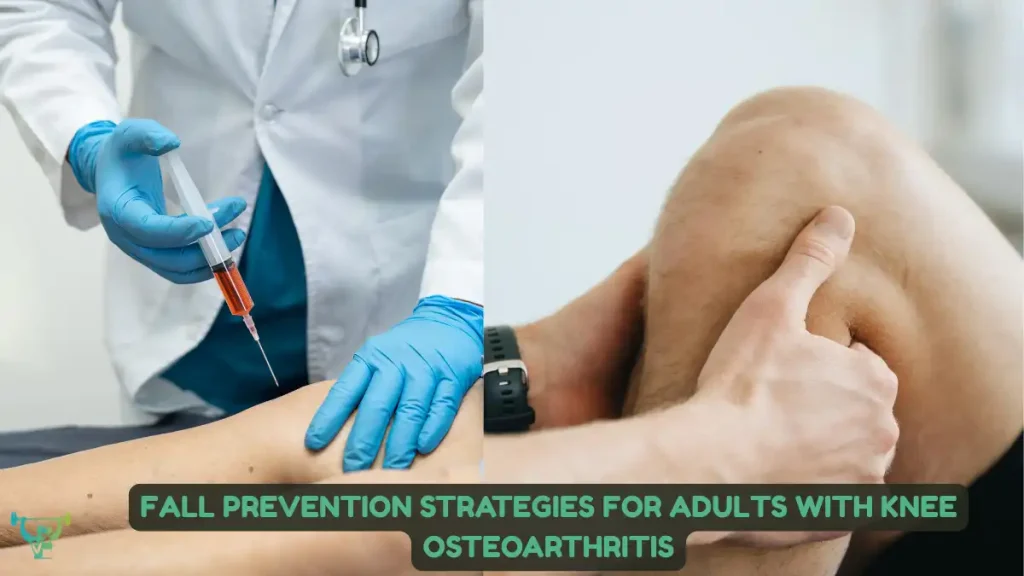
Fall Prevention Strategies for Adults With Knee Osteoarthritis
For adults with knee OA, fall prevention should be part of routine care.
Fall Prevention Strategies for Adults With Knee Osteoarthritis
1. Strength and balance training
Quadriceps and hip strengthening (squats to chair, step‑ups, hip abduction).
Balance drills: tandem stance, single‑leg stance, heel‑to‑toe walking.
Consider supervised physiotherapy to ensure safe technique.
2. Home safety upgrades
Improve lighting in hallways and bathrooms.
Remove loose rugs and clutter.
Install grab bars in bathrooms and railings on stairs.
Use non‑slip mats and supportive footwear.
3. Managing comorbidities and medications
Optimize diabetes control and blood pressure.
Review sedative or blood pressure medications that may cause dizziness.
Address low back pain and other sources of gait disturbance.
When to Seek Professional Help
Seek medical or physiotherapy help if you:
Have had one or more falls in the past year.
Feel your knee “gives way” regularly.
Notice sudden worsening of pain, swelling, or instability.
Develop new neurological signs like numbness or weakness in multiple limbs.
Specialists can identify your personal fall risk profile and build a tailored program to reduce it.
FAQs About Knee Osteoarthritis and Falls
Q. Can knee osteoarthritis cause falls?
Yes. People with knee osteoarthritis fall more often than similar adults without knee OA, mainly due to pain, muscle weakness, impaired balance, and multiple joint symptoms.
Q. Which knee OA patients are at highest fall risk?
Those with poor balance, weak leg muscles, multiple painful joints, fear of falling, higher BMI, and comorbidities like diabetes or low back pain have higher fall rates.
Q. Does fear of falling matter?
Yes. Fear of falling is strongly associated with actual falls and reduced activity, which in turn weakens muscles and increases fall risk, creating a vicious cycle.
Q. Can exercises really reduce falls in knee OA?
Targeted strengthening and balance training can improve proprioception, ROM, and confidence, all of which are protective against falls in people with knee osteoarthritis.
Knee osteoarthritis is one of the most common reasons for chronic knee pain and stiffness in adults, especially as people get older. It happens when the smooth cartilage that cushions your knee gradually breaks down, leading to pain, swelling, and difficulty with everyday activities like walking or climbing stairs.
Understanding what knee osteoarthritis is, why it develops, and which treatments actually help puts you in control of your joint health instead of feeling helpless.
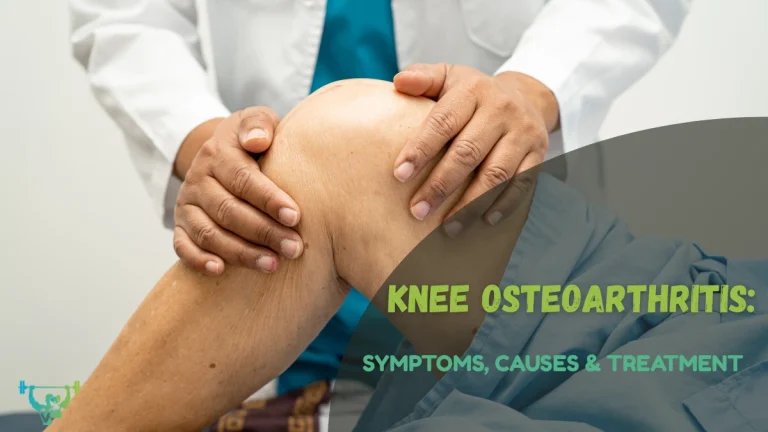
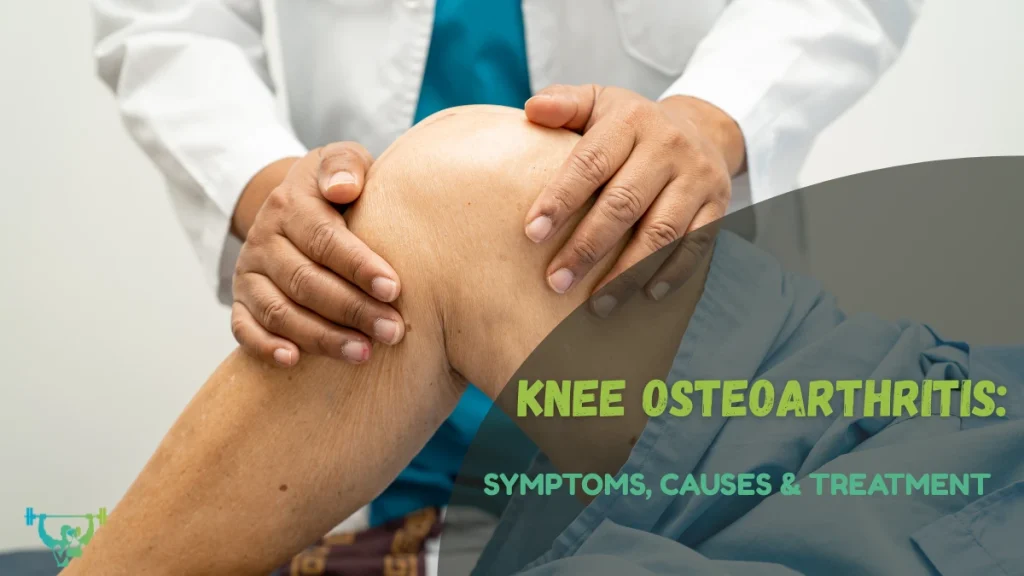
Knee Osteoarthritis Symptoms, Causes & Treatment
What Is Knee Osteoarthritis?
Knee osteoarthritis (knee OA) is a degenerative joint disease where the cartilage covering the ends of the thigh bone (femur), shin bone (tibia), and kneecap (patella) slowly wears away. As this cushioning breaks down, bones can start to rub together, causing pain, stiffness, and structural changes in the joint.
Specialists often distinguish two main forms:
Primary knee osteoarthritis: Age‑related “wear and tear” without a single clear cause.
Secondary knee osteoarthritis: OA that develops after another problem, such as injury, deformity, or a metabolic disease.
Knee osteoarthritis is extremely common and is a leading cause of disability worldwide, making early diagnosis and management very important.
Symptoms of Knee Osteoarthritis
Symptoms of knee osteoarthritis usually appear gradually and tend to worsen over time rather than starting suddenly.
Common signs and symptoms
Pain in the knee: Often worse with activity, walking, or climbing stairs and better with rest.
Stiffness: Especially after waking up in the morning or after sitting for a long time.
Swelling and warmth: Due to inflammation and extra joint fluid.
Grinding or crunching (crepitus): A feeling or sound of grinding when you move the knee.
Reduced range of motion: Difficulty fully bending or straightening the knee.
Instability or “giving way”: The knee may feel weak, wobbly, or unreliable.
People with knee osteoarthritis also often report that everyday tasks such as getting in and out of a chair, squatting, or walking long distances become more tiring or painful.
Causes and Aetiology of Knee Osteoarthritis
The core problem in knee osteoarthritis is progressive damage to articular cartilage, the smooth tissue that allows bones to glide over each other without friction. Over time this cartilage loses water balance, its proteins break down, and it may crack, thin, or completely wear away.
Primary knee osteoarthritis
Primary osteoarthritis of the knee develops without an obvious single trigger and is strongly linked to:
Age‑related cartilage wear
Cumulative joint loading over many years
Genetic and biochemical changes in cartilage and surrounding bone
Secondary Causes of Knee Osteoarthritis
Secondary knee osteoarthritis appears when another condition or factor accelerates joint damage.
Post-traumatic causes
Previous fractures around the knee
Meniscus tears or ligament injuries
Repetitive sports injuries that change joint mechanics
Congenital or structural issues
Congenital malformations of the knee
Malalignment such as varus (bow‑legged) or valgus (knock‑knee) deformities that increase stress on one side of the joint
Metabolic and systemic causes
Rickets and other bone mineralization disorders
Hemochromatosis (iron overload)
Chondrocalcinosis (calcium crystal deposits)
Ochronosis and other rare metabolic conditions
Endocrine disorders such as acromegaly, hyperparathyroidism, and hyperuricemia (linked to crystal arthropathies)
In these conditions, abnormal cartilage composition or abnormal forces across the knee speed up cartilage breakdown, eventually producing osteoarthritis.
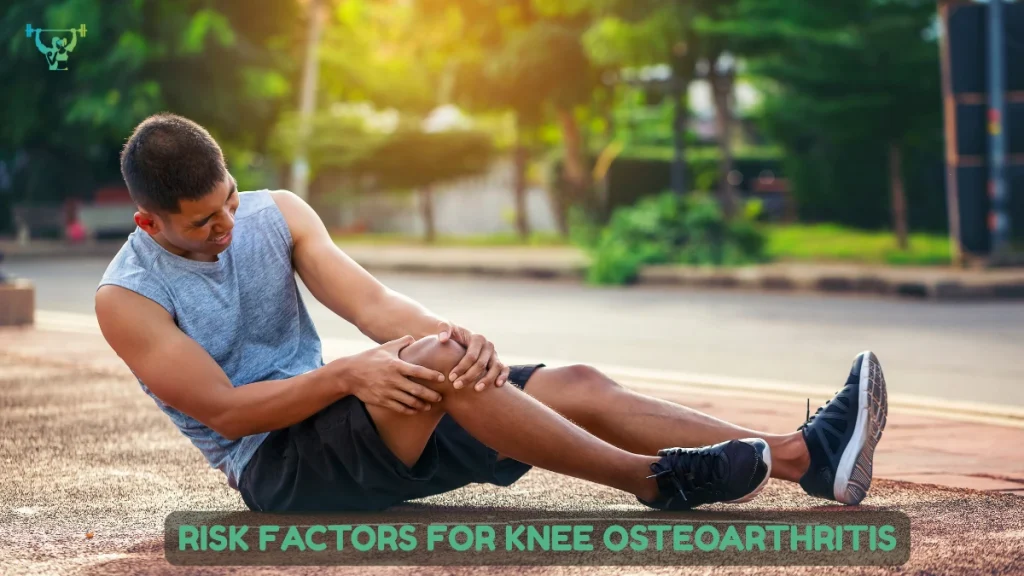
Risk Factors for Knee Osteoarthritis
Not everyone develops knee osteoarthritis to the same degree, even at similar ages. Certain risk factors make knee OA more likely or more severe.
Risk Factors for Knee Osteoarthritis
Major risk factors
Older age: The risk rises significantly after middle age.
Sex: Women are more likely than men to develop osteoarthritis, particularly after menopause.
Obesity: Extra body weight increases load on weight‑bearing joints and fat tissue also produces inflammatory chemicals that can damage cartilage.
Previous joint injuries: Sports injuries or accidents involving the knee (even years earlier) raise the likelihood of OA later.
Repetitive stress on the joint: Occupations or sports involving frequent squatting, kneeling, or heavy lifting can accelerate wear.
Genetics: A family history of osteoarthritis or collagen gene changes can predispose someone to earlier cartilage breakdown.
Bone or joint deformities: People born with abnormal joint shapes or misaligned knees are at higher risk.
Metabolic diseases: Conditions like diabetes or hemochromatosis are associated with increased OA risk.
Understanding these risk factors helps with prevention strategies, especially weight management, joint protection, and early treatment of injuries.
Complications of Knee Osteoarthritis
For many people, knee osteoarthritis is a chronic annoyance that slowly starts to interfere with hobbies and daily tasks; in others, complications become more serious.
Potential complications
Chondrolysis: Rapid, severe breakdown of cartilage leading to loose tissue debris in the joint.
Osteonecrosis (bone death): Poor blood supply to bone under damaged cartilage can cause bone collapse and worsen arthritis.
Stress fractures: Repeated overload on weakened bone can cause hairline fractures around the joint.
Ligament and tendon weakening or tears: Chronic instability and abnormal movement can strain soft tissues, reducing joint stability.
Joint bleeding or infection: Particularly after invasive procedures or in people on blood thinners or with immune compromise.
Nerve compression (e.g., in spinal OA): Not specific to the knee but relevant in multi‑joint osteoarthritis.
Severe disability and reduced quality of life: Advanced OA can significantly limit mobility, independence, and mental wellbeing.
These complications underline why early diagnosis and active management matter, even though there is currently no complete cure for osteoarthritis.
Knee Osteoarthritis and Risk of Falls
Falls are a major concern in adults living with knee osteoarthritis because pain, stiffness, and muscle weakness can affect balance and gait.
A systematic review of adults with knee OA found the following key risk factors for falls:
Impaired balance
Quadriceps and lower‑limb muscle weakness
Presence of multiple comorbidities (for example, diabetes or low back pain)
Increasing number of symptomatic joints
Knee pain itself was also identified as a potential risk factor for falls, but the evidence was rated as conflicting because not all studies agreed. Limited evidence also suggested that knee instability, impaired proprioception (joint position sense), and using walking aids may be linked to fall risk in knee osteoarthritis.
More recent observational work has also associated falls in knee OA with:
This evidence helps clinicians and fall‑prevention program designers target modifiable factors such as strength, balance, and comorbidity management.
How Knee Osteoarthritis Is Diagnosed
A diagnosis of knee osteoarthritis usually involves a combination of history, physical examination, and imaging.
1. Medical history
Your clinician will ask about:
Where your knee osteoarthritis pain is and when it began
Whether symptoms worsen with activity and ease with rest
Any history of injury, surgery, or inflammatory arthritis
Effects on daily function, work, and sleep
2. Physical examination
Typical findings include:
Joint line tenderness and swelling
Bony enlargement or deformity
Crepitus when moving the knee
Reduced range of motion in flexion or extension
Reduced muscle strength and possible balance deficits
3. Imaging and tests
X‑rays: Show joint space narrowing, bone spurs (osteophytes), and changes in bone density.
MRI: Sometimes used to assess cartilage, meniscus, or bone marrow changes if diagnosis is unclear.
Blood tests: Mainly to rule out other causes like rheumatoid arthritis or infection.
Diagnosis is usually clinical plus radiographic, with radiographic severity not always matching the exact level of pain.
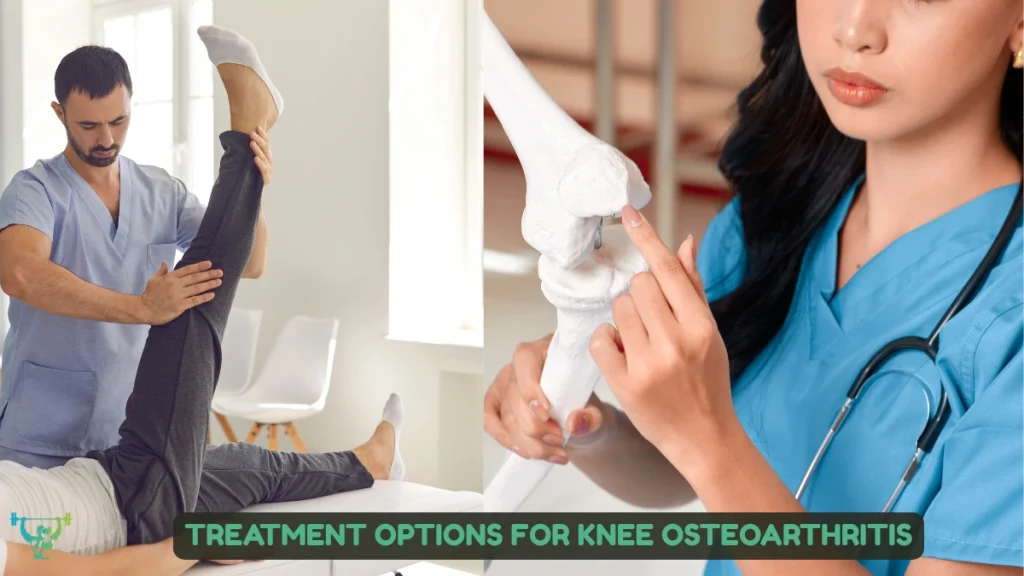
Treatment Options for Knee Osteoarthritis
Knee osteoarthritis treatment focuses on reducing pain, improving function, and slowing progression. Management usually starts conservatively and may progress to injections or surgery if symptoms become severe.
Treatment Options for Knee Osteoarthritis
1. Lifestyle and self‑management
Weight management: Even modest weight loss can significantly reduce stress on knee joints and relieve pain.
Low‑impact exercise: Activities like walking, cycling, and swimming protect joint motion and strengthen muscles without excessive impact.
Activity modification: Reducing excessive kneeling, squatting, or heavy lifting that aggravates pain.
Heat and cold therapy: Heat to relax stiff muscles, ice to reduce flare‑up pain and swelling.
2. Physical therapy and exercise therapy
A tailored exercise program is considered first‑line care for knee OA.
Common components include:
Quadriceps and hip strengthening
Stretching of hamstrings, calves, and hip flexors
Balance and proprioception training to lower fall risk
Manual therapy or joint mobilizations in some cases
Research shows that manual therapy plus exercise can reduce pain and improve function in knee osteoarthritis.
3. Medications
Acetaminophen (paracetamol): Often used for mild pain.
NSAIDs (nonsteroidal anti‑inflammatory drugs): Help with pain and inflammation but require caution due to gastrointestinal, kidney, and cardiovascular risks.
Topical NSAIDs: Gels or creams applied directly to the knee can provide relief with fewer systemic side effects.
Other agents: In selected cases, duloxetine or short‑term opioids may be considered, but long‑term opioids are generally discouraged.
There are currently no proven disease‑modifying drugs that reliably stop or reverse knee osteoarthritis.
4. Injections and procedures
Corticosteroid injections: Short‑term pain relief during flare‑ups but not for frequent or long‑term use.
Hyaluronic acid injections: Aim to lubricate the joint; evidence on benefit is mixed.
Platelet‑rich plasma (PRP) and other biologics: Emerging options with evolving evidence and higher cost.
5. Surgery
When conservative treatments can no longer control pain or maintain function, surgical options may be considered.
Common procedures include:
Arthroscopy: Limited role, mainly if mechanical symptoms from loose bodies or meniscal tears coexist.
Osteotomy: Bone‑realigning surgery in younger patients with malalignment.
Partial or total knee replacement (arthroplasty): Replaces damaged surfaces with implants to reduce pain and restore mobility in advanced knee osteoarthritis.
Surgical decisions depend on pain, disability, age, comorbidities, and radiographic findings, and must be individualized.
Preventing and Managing Falls in Knee Osteoarthritis
Because knee osteoarthritis increases fall risk through pain, weakness, and instability, fall‑prevention strategies are vital.
Helpful strategies include:
Strengthening exercises focused on quadriceps, hips, and ankles
Balance and coordination training such as single‑leg stance or Tai Chi
Optimizing vision and treating comorbidities like diabetes and low back pain
Reviewing medications that may cause dizziness
Using walking aids properly when needed and ensuring home safety (lighting, removing loose rugs)
Targeting both physical and psychological factors (like fear of falling) can significantly reduce fall incidence in adults with knee osteoarthritis.
Knee osteoarthritis is a “wear and tear” joint disease where the cushion between the bones in your knee slowly breaks down, causing pain, stiffness, and swelling. Over time, this can make everyday movements like walking, climbing stairs, or squatting more difficult.
Q. What are the main risk factors for knee osteoarthritis?
Major risk factors for knee osteoarthritis include older age, being female, obesity, previous knee injuries, repetitive joint stress, genetics, and certain metabolic diseases like diabetes and hemochromatosis. Structural problems such as bow‑legs or knock‑knees also increase the chance of developing knee OA.
Q. Can knee osteoarthritis increase the risk of falls?
Yes, adults with knee osteoarthritis have a higher risk of falls due to impaired balance, quadriceps weakness, pain, comorbidities, and gait changes. Research has also linked increased body mass index, reduced knee range of motion, and fear of falling with greater fall risk in this population.
Q. What is the best treatment for knee osteoarthritis?
There is no single “best” treatment, but most guidelines recommend a combination of weight management, low‑impact exercise, physical therapy, pain‑relieving medications, and joint‑protection strategies. In advanced cases, injections or surgery such as total knee replacement may be considered if conservative treatment no longer helps.
Q. Can knee osteoarthritis be cured?
Currently, there is no cure that restores completely normal cartilage in osteoarthritis. However, early diagnosis and good management can reduce pain, improve function, slow progression, and help you stay active and independent for longer.
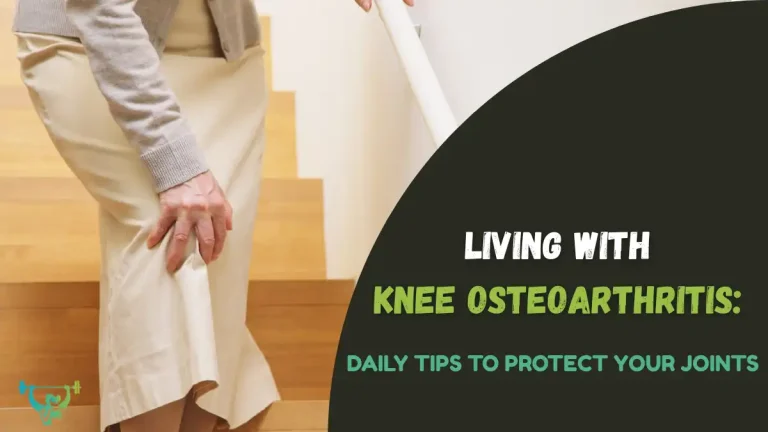
Knee osteoarthritis is usually a long‑term condition, but that does not mean you are powerless. Small, consistent lifestyle changes often make the difference between constant struggle and a manageable daily routine.
Living With Knee Osteoarthritis Daily Tips to Protect Your Joints
This article focuses on real‑life strategies for living well with knee osteoarthritis, not just what your X‑ray shows.
Accepting That Knee Osteoarthritis Is Long-Term
Unlike an acute injury, knee OA typically does not “go away,” but symptoms can rise and fall depending on how you move, eat, and care for your joints. Accepting this reality helps shift the goal from “cure” to control and long‑term function.
Key mindset shifts:
Think in months and years, not days.
Focus on sustainable habits.
Celebrate small improvements (less stiffness, more steps, better sleep).
Daily Pain Management Strategies
Heat and cold
Use warm packs or showers to ease morning stiffness.
Apply cold packs for 10–15 minutes after activity flares to reduce swelling.
Gentle movement
Short, frequent walks and stretches often help more than total rest.
Avoid staying in one position for long; change posture every 30–60 minutes.
Basic medications
Over‑the‑counter pain relief and topical NSAIDs can be used as advised by your clinician.
Weight Management and Nutrition for Knee OA
Excess body weight increases mechanical load on the knees and contributes to inflammation.
Even modest weight loss of 5–10% of body weight can provide meaningful pain reductions in knee osteoarthritis.
Joint-Friendly Movement in Everyday Life
Walking and stairs
Use handrails on stairs and take one step at a time if needed.
Choose flat, even surfaces for walking; avoid steep hills early on.
Sitting and standing
Use chairs with higher seats and armrests.
When getting up, lean forward, push through your legs and arms, and avoid sudden twisting.
Sleep positions
Side sleepers can place a pillow between knees to reduce strain.
Back sleepers may benefit from a pillow under the knees.
Small ergonomic adjustments can significantly ease knee load during normal activities.
Supports, Braces, and Assistive Devices
Using supports is not “giving up”—it is a strategy to keep you moving safely.
Canes or walking sticks: Help redistribute weight and improve balance. Use in the hand opposite the painful knee.
Walkers or rollators: Provide more stable support for those with higher fall risk.
Knee braces or sleeves: Some people feel better with unloader braces or compression sleeves, especially with unicompartmental OA.
A physiotherapist or orthopedist can recommend the right device and teach proper use.
Mental Health and Knee Osteoarthritis
Chronic pain often affects mood, sleep, and motivation. Depression and anxiety can make pain feel worse and reduce adherence to exercise and treatment plans.
Mental Health and Knee Osteoarthritis
Supportive strategies:
Pacing activities to avoid boom‑and‑bust cycles.
Relaxation techniques, breathing exercises, or mindfulness.
Sharing experiences in support groups (online or local).
Consider counselling or therapy if mood is persistently low.
Addressing mental health is a key part of holistic osteoarthritis care.
Staying Independent and Active as Knee OA Progresses
Many people with knee osteoarthritis continue to work, travel, and enjoy hobbies with thoughtful adaptation.
Ideas include:
Planning rest breaks during errands or outings.
Using mobility aids for longer distances (airport, malls).
Modifying sports (switching from running to cycling or swimming).
Considering home modifications like grab bars and ramp access if needed.
Keeping an active, engaged life is entirely possible with knee OA when you pair medical care with smart self‑management.
10 Knee Arthritis Rules for a Better Life
FAQs About Living With Knee Osteoarthritis
Q. Can I still walk long distances with knee osteoarthritis?
Many people with mild to moderate knee OA can walk significant distances if they build up gradually, wear supportive footwear, and manage pain and flares sensibly.
Q. Is running completely off-limits with knee OA?
Some individuals with early OA can continue light, well‑managed running, but high‑impact running is often reduced or replaced with lower‑impact options like cycling or swimming.
Q. How can I sleep better with knee OA pain?
Using pillows for support, a consistent sleep schedule, and appropriate evening pain control (medications or hot packs) can improve sleep quality.
Q. What daily activities should I avoid with knee osteoarthritis?
Frequent deep squats, heavy kneeling, twisting with a loaded knee, and high‑impact jumping are typically best minimized, especially in more advanced OA.
Khloe Kardashian weight loss has become one of the most talked‑about celebrity body transformations of the last decade. From being labeled the “bigger” Kardashian sister to becoming known for her strong, gym‑built physique, her journey has inspired fans and stirred controversy at the same time.
Khloe Kardashian Weight Loss Diet, Workout & Truth Behind Her Transformation
After her pregnancy and personal struggles, Khloe says she lost around 60 pounds through consistent workouts, a structured diet plan, and a big mindset shift—not an overnight magic fix. In this detailed guide, you will learn what is publicly known about Khloe Kardashian’s weight loss diet, workouts, Revenge Body show, and what parts you should (and should not) copy if you want sustainable results.
Who Is Khloe Kardashian and Why Her Weight Loss Went Viral
Khloé Alexandra Kardashian is an American media personality, model, and entrepreneur best known for the reality show “Keeping Up with the Kardashians.” Over the years, she has also launched fashion and retail ventures with her sisters Kim and Kourtney and later fronted her own transformation‑focused show, “Revenge Body with Khloé Kardashian.”
Who Is Khloe Kardashian and Why Her Weight Loss Went Viral
For a long time, Khloe was often compared unfavorably to her sisters’ bodies in tabloids and online comments, which she has openly said affected her self‑esteem. Her dramatic post‑divorce and post‑pregnancy transformation—combined with her social media presence—turned “Khloe Kardashian weight loss” into a global search term.
Khloe Kardashian’s 60-Pound Weight Loss Journey
After giving birth to her daughter True in 2018, Khloe revealed she lost about 60 pounds, a number she has spoken about in interviews and on social media. She credits this change to a combination of structured workouts, a personalized meal plan, and a long period of consistent effort instead of crash dieting.
In an interview, Khloe explained that she started slowly because, at her heaviest, exercise felt like “torture,” so she began with two workouts per week, then progressed to three days, and eventually built up a five‑day training routine. She also emphasized that she prefers to “put her energy into the gym rather than the kitchen,” though her nutritionist Philip Goglia has underlined that her results are still heavily dependent on diet.
Khloe Kardashian’s 60-Pound Weight Loss Journey
Key phases of Khloe Kardashian’s weight loss journey:
Post‑divorce: Using the gym as an emotional outlet and stress reliever.
Pre‑Revenge Body: Building her own “revenge body” through stricter training and nutrition.
Post‑pregnancy: Dropping around 60 pounds after having True by combining workouts with a structured eating plan.
Revenge Body With Khloe Kardashian: The Weight Loss Show
Khloe Kardashian’s weight loss story eventually evolved into a full TV format: “Revenge Body with Khloé Kardashian.” The show premiered on E! in January 2017 and ran for three seasons, featuring two participants per episode who underwent intensive 12‑week transformations with trainers, nutritionists, and stylists.
Each episode followed people dealing with breakups, family issues, or low confidence who wanted to transform their bodies as part of healing their lives. The concept received mixed reactions: many viewers found it empowering and motivating, while others criticized the “revenge” framing and the emotional pressure placed on appearance.
Inspiring First vs. Last Workout Transformations | Revenge Body with Khloé Kardashian | E!
Intense workout schedules combining cardio and strength training.
Emotional coaching and on‑camera confrontations or reveals.
A final “reveal” where participants presented their new look to someone important from their past.
While the show showcased dramatic changes, it is important to remember that participants had access to top trainers, nutritionists, and production support—conditions very different from an average person’s day‑to‑day reality.
Khloe Kardashian Diet: What She Eats in a Day
One of the most searched topics around Khloe Kardashian weight loss is her diet plan and daily meal structure. Her nutritionist Dr. Philip Goglia has shared a general breakdown of how she eats to maintain her weight and energy levels.
Khloe Kardashian Diet What She Eats in a Day
Core Principles of the Khloe Kardashian Diet
According to Goglia and multiple features, Khloe’s diet emphasizes:
High protein intake to support muscle and satiety.
Healthy fats from sources like fish, nuts, and seeds.
Single‑ingredient starches such as rice, potatoes, yams, and oats.
Plenty of vegetables for fiber, vitamins, and minerals.
Consistent hydration, often with a target of high water intake across the day.
Her nutritionist has mentioned that Khloe’s daily plan often includes about seven “meals” or small eating occasions, designed to keep her metabolism stable and energy up for intense workouts.
Example of Khloe Kardashian’s Meal Pattern
Different interviews and articles describe slightly different daily examples, but the structure is broadly similar:
Meal 1 – Morning shake
Whey protein powder
Almond butter
Fruit of choice (berries or banana)
Ice and water
Lunch
Lean protein (chicken, turkey, fish, or lean meat)
Iron‑rich veggies (spinach, broccoli, beets)
Single‑ingredient starch (rice, yams, or quinoa)
Afternoon snack
Veggies and hummus, berries, or a small portion of nuts
Her nutritionist says Khloe allows herself one meal off per week, such as pizza, pasta, or cake, to keep the plan psychologically sustainable.
Khloe has also spoken about loving oats, asparagus, and iron‑rich vegetables, and she has stressed the importance of flexible dieting rather than being rigidly restrictive all the time.
Khloe Kardashian Weight Loss Shakes and Controversy
Khloe has promoted various weight‑loss shakes and products on social media, including appetite suppressant shakes and detox products. Some nutrition professionals have criticized these promotions as potentially misleading, especially for young followers who might think shakes alone are responsible for Khloe Kardashian weight loss.
Articles reviewing her diet highlight that while protein shakes can be a convenient part of a meal plan, relying heavily on liquids or highly restrictive programs can feel unsatisfying and may not be sustainable long‑term. In addition, highly marketed garcinia or “detox” weight‑loss products are often not backed by strong clinical evidence and can sometimes have side effects.
Takeaway for readers:
Using a protein shake as one planned meal or snack can be fine if it fits into a balanced diet.
Extreme reliance on weight‑loss shakes, pills, or “detox teas” is not recommended by mainstream health organizations.
Khloe’s own sustained results appear to depend far more on consistent training and structured eating than on any single supplement.
Khloe’s Hydration Habit
Khloe often emphasizes water as a big part of her routine, and her nutritionist echoes this. She reportedly aims for high daily water intake, and some sources mention targets that are roughly aligned with drinking throughout the day, especially around workouts.
While exact “one ounce per pound” rules are not universally recommended for everyone, adequate hydration is known to support digestion, skin appearance, workout performance, and appetite control.
Khloe Kardashian weight loss is not just about diet; she is known for extremely consistent, structured workouts with professional trainers.
Training Frequency and Style
Khloe’s trainer Joel Bouraima and other sources explain that she typically works out around five days a week, often Monday through Friday, with weekends off. She reportedly arrives 30 minutes early before sessions to stretch and warm up, ensuring she can use the full session time for active exercise.
Her routine usually includes:
HIIT (High‑Intensity Interval Training)
Weight training for strength and muscle tone
Cardio intervals on treadmill, bike, or other machines
Occasional Pilates or lower‑intensity cardio on her own
Other reports note that Khloe burns hundreds of calories per session and cycles through different types of cardio and strength work across the week.
Sample Khloe Kardashian Workout Components
While exact workouts vary, common elements described in features and trainer breakdowns include:
Warm‑up:
Dynamic stretches
Light cardio (treadmill, jump rope)
Strength circuits:
Squats, lunges, and deadlifts with moderate weights
Upper‑body moves like rows, presses, and triceps work
Short bursts at higher speed or incline on treadmill or elliptical
Active rest periods with slower walking or lower resistance
Finisher:
Extra intervals, sled pushes, or jump rope
Stretch and cool‑down
On “Revenge Body,” participants often did 30–60 minutes of cardio, sometimes on high incline, combined with strength training tailored to their current level and goals.
Mindset: Small Goals and Mental Health
One of the most valuable parts of Khloe Kardashian weight loss commentary is her focus on mental health and realistic goals. She has said she did not enjoy the gym at first, and it took time for exercise to change from “torture” to a routine she craved.
Khloe often shares two important mindset tips:
Start small: She recommends beginning with just two or three workouts per week instead of trying to overhaul everything at once.
Set tiny milestones: Rather than obsessing over a big number, she suggests tracking short‑term wins like an extra workout, a slightly heavier weight, or one better food choice.
She also emphasizes that fitness should not be pure punishment or revenge; instead, she frames her gym time as a way to handle stress, rebuild confidence, and invest in her long‑term health—even if the show branding leans heavily into the “revenge” narrative.
What You Can Learn From Khloe Kardashian Weight Loss
Khloe’s transformation is extreme and shaped by unique resources, but there are still practical lessons that ordinary people can apply.
Takeaways You Can Safely Copy
Prioritize consistent workouts over quick fixes.
Structure meals around lean protein, veggies, and simple carbs.
Stay hydrated throughout the day.
Allow occasional treats within an overall healthy pattern instead of all‑or‑nothing thinking.
Start with small, sustainable changes and build from there.
Things to Be Careful About
Extreme or highly restrictive diets that leave you weak or constantly hungry.
Over‑reliance on weight‑loss shakes, detox teas, or garcinia‑style supplements.
Comparing your progress to someone with full‑time trainers and chefs.
Viewing weight loss purely as “revenge” instead of a health decision.
Health organizations emphasize that safe weight loss usually occurs at about 0.5–1 kg (1–2 pounds) per week for most people, and drastic measures can increase the risk of nutrient deficiencies and disordered eating.
FAQs About Khloe Kardashian Weight Loss
Q. How much weight did Khloe Kardashian lose?
Khloe has publicly stated that she lost about 60 pounds after giving birth to her daughter True. She has said that she has maintained that loss over time through regular workouts and mindful eating, not just a short‑term diet.
Q. How did Khloe Kardashian lose weight?
Khloe Kardashian weight loss came from a mix of intense workouts, a structured high‑protein diet, and increased daily activity. She trained with professional trainers several days a week and followed a seven‑meal‑a‑day plan designed by nutritionist Philip Goglia.
Q. What is Khloe Kardashian’s diet like?
Khloe’s diet focuses on lean proteins, healthy fats, single‑ingredient carbs like rice and yams, and plenty of vegetables, plus a high water intake. Her nutritionist has explained that she usually eats several smaller meals throughout the day and allows herself a weekly “cheat meal” to keep things sustainable.
Q. Does Khloe Kardashian use weight loss shakes?
Khloe has promoted weight loss shakes and appetite suppressant products on social media, and her plans often include a whey protein shake as a breakfast or snack option. However, experts note that shakes should complement a balanced diet rather than being used as an extreme, restrictive solution.
Q. What is the Khloe Kardashian workout routine?
Her typical routine includes five workouts per week, combining HIIT intervals, strength training, and cardio sessions. She often arrives early to stretch and warms up before doing a full hour of supervised training with her coach.
Q. What is “Revenge Body with Khloe Kardashian”?
“Revenge Body with Khloé Kardashian” is a reality show on E! that follows two people per episode as they undergo 12‑week transformations with trainers, nutritionists, and stylists. The show’s concept is built around using fitness and self‑care as “revenge” after breakups, bullying, or life setbacks.
Q. Is Khloe Kardashian’s weight loss healthy?
Some aspects of Khloe Kardashian weight loss—like consistent exercise and a whole‑food‑based diet—fit mainstream health advice, while other parts, such as intense schedules and product promotions, may be unrealistic or controversial. Sustainable weight loss should always be tailored to your own health status and done under professional guidance.
Q. Can I follow Khloe Kardashian’s diet plan exactly?
You can use her diet as inspiration for structuring balanced meals, but copying it exactly is not recommended because your calorie needs, medical history, and activity levels are different. Registered dietitians and health organizations suggest adapting any celebrity diet to your own body with personalized advice.
Q. What mental health lessons come from Khloe’s journey?
Khloe often links gym time with managing anxiety, heartbreak, and stress, treating fitness as emotional therapy as well as physical training. The key lesson is to use movement as a healthy outlet, not as a punishment or a way to “earn” food.
Q. What are realistic Khloe Kardashian weight loss tips for beginners?
Realistic takeaways include starting with two or three workouts weekly, prioritizing whole foods and protein, drinking more water, and setting small, attainable goals. It is more important to build habits you can sustain for years than to chase an extreme transformation in a few weeks.
Thoracic outlet syndrome (TOS) can feel confusing and scary when you are dealing with pain, numbness, or weakness running from your neck into your arm and hand. The right exercises for thoracic outlet syndrome can open space around compressed nerves and blood vessels, improve posture, and ease symptoms over time.
This guide breaks down exactly what TOS is, why exercise helps, and how to perform the best evidence‑informed stretches and strengthening moves step by step.
What Is Thoracic Outlet Syndrome?
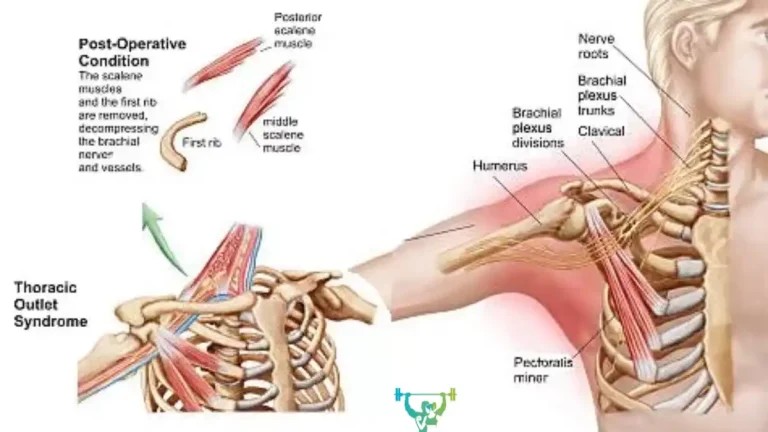
Thoracic outlet syndrome refers to a group of conditions where nerves or blood vessels are compressed in the narrow space between your collarbone (clavicle) and first rib, called the thoracic outlet. This compression can irritate the brachial plexus (nerve bundle), the subclavian artery, or the subclavian vein.
What Is Thoracic Outlet Syndrome
Main types of TOS:
Neurogenic TOS: Compression of the brachial plexus (most common form).
Venous TOS: Compression of the subclavian vein.
Arterial TOS: Compression of the subclavian artery.
When these structures are compressed, the brain gets “error messages” from the neck, shoulder, and arm, which you experience as pain, tingling, or weakness.
Common Symptoms and Causes
Recognizing symptoms early helps you use exercises for thoracic outlet syndrome before problems become chronic.
Typical symptoms of TOS:
Pain in the neck, shoulder, arm, or upper chest
Numbness or tingling in the arm, hand, or fingers
Weak grip strength or dropping objects
A feeling of heaviness or fatigue in the arm
Color changes or swelling in the arm or hand (more typical of vascular TOS)
Common causes and risk factors:
Poor posture (forward head, rounded shoulders)
Repetitive overhead work or sports
Prior trauma such as whiplash or falls
Anatomical variations (extra rib, abnormal first rib, muscular anomalies)
Pregnancy or weight changes
Posture is a key driver: rounded shoulders and a forward head narrow the thoracic outlet and make it easier to compress nerves and vessels.
Why Exercises Help Thoracic Outlet Syndrome
Well‑designed exercises for thoracic outlet syndrome target the root mechanisms of compression instead of just masking pain.
How exercises help TOS:
Open the thoracic outlet by lengthening tight chest and neck muscles.
Improve posture so the head, rib cage, and shoulder blades are better aligned.
Strengthen deep stabilizers in the neck and upper back, which support healthy mechanics.
Mobilize irritated nerves with gentle nerve glides instead of leaving them stuck.
Improve blood flow and reduce stiffness in the thoracic spine.
Clinical reviews emphasize that conservative management with physical therapy and home exercises is the first‑line treatment for neurogenic TOS and can significantly improve pain and function.
Safety Guidelines Before You Start
Because thoracic outlet syndrome involves nerves and blood vessels, safety comes first.
Before performing exercises for thoracic outlet syndrome:
Get a clear diagnosis from a doctor or physical therapist.
Rule out serious vascular issues like blood clots or arterial compression.
Start with low‑intensity movements and progress gradually.
Stop any exercise that causes sharp pain, severe numbness, or color changes in the arm.
Breathe steadily; never hold your breath during stretches or strengthening.
People with vascular TOS, severe weakness, or significant swelling may need customized guidance and sometimes surgical evaluation.
Posture Reset: The Foundation of TOS Exercises
Many effective exercises for thoracic outlet syndrome begin with correcting posture to create more space around the thoracic outlet.
7 Best Exercises for Thoracic Outlet Syndrome Relief
Key Postural Cues
Imagine a string gently lifting the crown of your head toward the ceiling.
Keep ears stacked over shoulders, not in front of them.
Relax the chest and ribs instead of arching the lower back.
Let shoulder blades slide slightly down and back without pinching them hard.
Practicing this neutral posture several times a day trains your nervous system to adopt positions that naturally reduce compression.
1. Banded Pull-Apart for Scapular Strength
Banded pull‑aparts are one of the best strengthening exercises for thoracic outlet syndrome because they activate the scapular stabilizers and counteract rounded shoulders.
How to Do It
Stand tall with feet hip‑width apart, maintaining a gentle chin tuck.
Hold a resistance band with both hands at shoulder height, arms straight in front of you, palms facing down.
Pull the band apart by squeezing your shoulder blades together, keeping elbows straight.
Move only as far as you can without arching your low back or shrugging your shoulders.
Slowly return to the starting position with control.
Reps and sets:
2–3 sets of 10–15 repetitions, 3–5 times per week.
Form tips:
Keep neck relaxed and avoid jutting the chin forward.
Focus on movement starting from your shoulder blades, not your hands.
2. Seated Chin Tuck (Deep Neck Flexor Exercise)
The seated chin tuck is a fundamental exercise for thoracic outlet syndrome because it corrects forward head posture and strengthens deep neck flexors that stabilize the cervical spine.
How to Do It
Sit upright on a chair with feet flat on the floor and shoulders relaxed.
Look straight ahead, then gently draw your chin straight back as if making a “double chin.”
You should feel a mild stretch at the base of the skull and gentle activation in the front of your neck.
Hold for 3–5 seconds, then relax.
Reps and sets:
2–3 sets of 8–12 repetitions, daily.
Form tips:
The movement is small; avoid bending the neck all the way forward.
Do not tilt your head up or down—just slide it backward.
This simple move improves cervical stability and reduces dynamic compression on the brachial plexus.
3. Supine Pec Stretch on a Foam Roller
Tight pectoral muscles pull the shoulders forward and can narrow the thoracic outlet. A supine pec stretch using a foam roller is one of the most effective chest‑opening exercises for thoracic outlet syndrome.
How to Do It
Place a foam roller lengthwise on the floor and lie on it so it supports your head, spine, and pelvis.
Bend your knees, feet flat on the floor, to keep your lower back neutral.
Raise your arms out to the sides in a “goalpost” or “T” position with palms facing up.
Let gravity gently pull your arms toward the floor until you feel a stretch across your chest.
Hold the stretch while breathing slowly.
Hold and frequency:
Hold 30–60 seconds, repeat 2–3 times, 3–5 days per week.
Form tips:
Keep your neck supported and relaxed.
Do not let ribs flare or lower back arch excessively.
This exercise improves chest wall mobility and helps restore a more open, upright posture.
4. Thoracic Extension Mobilization (With Roller or Chair)
A stiff thoracic spine contributes to forward posture and reduces room in the thoracic outlet. Thoracic extension mobilizations are powerful mobility exercises for thoracic outlet syndrome.
Option A: Foam Roller Thoracic Extension
Sit on the floor with a foam roller placed horizontally behind your mid‑back.
Support your head with your hands, elbows slightly in.
Pause for 3–5 seconds, then return to the starting position.
Move the roller up or down a segment and repeat.
Reps:
8–10 gentle extensions, 1–2 times per day.
Option B: Chair Thoracic Extension
Sit on a chair with a firm back that reaches your mid‑back.
Place your hands behind your head and gently lean back over the top of the chair.
Lift your chest toward the ceiling without over‑arching your low back.
Hold 5–10 seconds and repeat.
Improving thoracic mobility reduces strain on the neck and shoulders and helps maintain open space in the thoracic outlet.
5. Quadruped Scapula Push-Up (Serratus Push-Up)
The quadruped scapular push‑up strengthens the serratus anterior and trains shoulder blade control, which is crucial in any program of exercises for thoracic outlet syndrome.
How to Do It
Start on all fours (hands under shoulders, knees under hips).
Perform a gentle chin tuck to align the neck.
Keeping elbows straight, let your chest sink slightly toward the floor as shoulder blades come together.
Then push the floor away, spreading your shoulder blades and lifting your chest away from the floor.
Move slowly and within a comfortable range.
Reps and sets:
2–3 sets of 10–15 repetitions, 3 times per week.
Form tips:
Keep head and neck steady; do not let the head droop.
Avoid locking the elbows too hard or shrugging the shoulders toward the ears.
This coordination exercise teaches your neck to stay stable while the shoulder girdle moves, which is vital for reducing symptoms.
6. First Rib and Scalene Stretch (Neck Stretching Exercise)
The first rib and surrounding scalene muscles often play a central role in neurogenic TOS. Targeted stretches here can relieve pressure on the brachial plexus and nearby vessels, making this one of the most important exercises for thoracic outlet syndrome.
Part 1: Towel‑Assisted First Rib Mobilization
Sit upright and place a folded towel over the top of the affected shoulder.
Hold one end of the towel in the hand on the same side and the other end across your body, pulling it down toward the opposite hip.
Apply gentle downward pressure to “anchor” the first rib.
While maintaining pressure, take slow deep breaths to encourage subtle rib motion.
Hold:
20–30 seconds, repeat 2–3 times.
Part 2: Scalene Stretch
Sit tall, and on the affected side, either sit on your hand or hold onto the chair to keep the shoulder down.
Maintain a gentle chin tuck.
Slowly tilt your head away from the affected side until you feel a stretch along the side/front of your neck.
You can slightly rotate your head up or down to target different fibers.
Hold and breathe.
Hold and frequency:
20–30 seconds, 2–3 repetitions per side, most days of the week.
Always stretch gently—overstretching can aggravate nerves in individuals with TOS.
7. Ulnar Nerve Slider (Nerve Gliding Exercise)
Nerve gliding exercises are specialized exercises for thoracic outlet syndrome that aim to gently mobilize irritated nerves without overstretching them. The ulnar nerve slider is especially helpful if you feel symptoms into the ring and little fingers.
How to Do It
Stand tall with feet hip‑width apart.
On the symptomatic side, form an “OK” circle with thumb and index finger, keeping the other three fingers extended.
Raise the arm out to the side with elbow bent, palm facing your face, as if you are making a mask around your eye.
At the same time, gently side‑bend your head away from that arm to increase the neural tension slightly.
10–15 slow repetitions, 1–2 sets, once daily at first.
Form tips:
Move slowly and stop well before sharp pain or a strong “electric” sensation.
The goal is a mild, tolerable stretch or pulling, not numbness or burning.
Nerve sliders should always be progressed cautiously, as nerves are sensitive to overloading, especially in TOS.
Daily Routine: Sample Program for TOS
Here is how you might combine these exercises for thoracic outlet syndrome into a simple daily routine, once cleared by your healthcare provider.
Morning (Mobility & Stretching)
Seated chin tucks – 2 sets of 10
Thoracic extension mobilization – 8–10 reps
Supine pec stretch on foam roller – 2 holds of 30–60 seconds
Scalene/first rib stretch – 2 holds of 20–30 seconds each side
Afternoon “Posture Breaks”
Banded pull‑aparts – 2 sets of 12–15
Quadruped scapula push‑ups – 2 sets of 10–12
Posture reset against a wall for 30–60 seconds
Evening (Nerve Glide & Relaxation)
Ulnar nerve sliders – 1–2 sets of 10 gentle reps
Light breathing exercises in an upright posture
Consistency over weeks—not intensity—is what delivers meaningful change in symptoms.
What to Avoid With Thoracic Outlet Syndrome
Some movements can aggravate TOS by increasing compression at the thoracic outlet.
What to Avoid With Thoracic Outlet Syndrome
Common things to limit or avoid (unless cleared by a professional):
Heavy overhead lifting or pressing
Prolonged overhead work (painting ceilings, stocking high shelves)
Carrying heavy backpacks or bags on one shoulder
Extreme end‑range neck positions held for long periods
High‑intensity nerve stretching without guidance
Instead, focus on controlled, pain‑free ranges and build up gradually as symptoms improve.
How Long Until Exercises Help?
Response time varies, but research and clinical guidelines suggest that a structured course of thoracic outlet syndrome exercises over 6–12 weeks can significantly reduce symptoms for many people.
Progress markers to watch:
Less frequent numbness or tingling in the hand
Ability to sit or work longer without flare‑ups
Improved posture that feels more natural
Better shoulder and neck mobility with less stiffness
If symptoms worsen or do not improve after several weeks of consistent, well‑performed exercises for thoracic outlet syndrome, follow up with a specialist for reassessment.
When to See a Doctor Urgently
Exercise is not appropriate for every situation.
Seek urgent medical attention if you notice:
Sudden, severe arm swelling or color changes (blue or very pale)
Sudden coldness in the arm or hand
Increasing weakness or clumsiness in the hand
Severe, unrelenting pain not eased by rest
Signs of blood clot (for example, deep vein thrombosis)
In such cases, vascular imaging or other diagnostic tests may be needed before continuing exercises.
7 BEST Exercises for Thoracic Outlet Syndrome | Mobilization, Stretching and Strengthening by Dr. Jared Beckstrand
This video walks viewers through a full TOS routine including postural correction, first rib mobilization, thoracic extension, scalene stretches, pectoral stretches, and strengthening—perfect for boosting engagement and dwell time.
Source: Youtube
FAQs About Exercises for Thoracic Outlet Syndrome
1. What are the best exercises for thoracic outlet syndrome?
Some of the best exercises for thoracic outlet syndrome include pec stretches, scalene and first rib mobilizations, thoracic extension drills, scapular strengthening, and gentle nerve glides. Together, these moves open the thoracic outlet, improve posture, and reduce nerve irritation.
2. How often should I do exercises for thoracic outlet syndrome?
Most people benefit from performing TOS exercises at least 3–5 days per week, with lighter posture work and stretches even daily. Frequency can be adjusted based on symptom response and guidance from a physical therapist.
3. Can thoracic outlet syndrome be cured with exercise alone?
Some mild neurogenic TOS cases improve significantly or even resolve with exercise and postural changes alone, especially when caught early. For others, exercises for thoracic outlet syndrome are part of a broader plan that may include manual therapy, medications, or, in selected cases, surgery.
4. Is stretching good for thoracic outlet syndrome?
Yes, stretching tight chest and neck muscles is a core component of conservative TOS treatment, as it helps reduce compression in the thoracic outlet. However, stretches should be gentle and controlled to avoid overstressing sensitive nerves.
5. Which exercises should I avoid if I have thoracic outlet syndrome?
Avoid or limit heavy overhead lifting, aggressive overhead pressing, and long periods of overhead work unless cleared by a professional. Also avoid any exercise that triggers sharp, radiating pain, intense numbness, or noticeable color changes in your arm or hand.
6. How long does it take for TOS exercises to work?
Improvements often appear gradually over 4–6 weeks, with more substantial changes in 8–12 weeks when exercises are done consistently. Severe or long‑standing cases may require longer and closer supervision by a specialist.
7. Can I do exercises for thoracic outlet syndrome at home?
Yes, most of the key stretches and strengthening moves can be done safely at home with minimal equipment like a band and foam roller. Ideally, an initial session with a physical therapist will individualize your routine and correct your form.
8. Do I need surgery if exercises do not help?
Surgery is usually reserved for patients whose symptoms persist despite an optimal course of conservative care or who have significant vascular compromise. A vascular surgeon or TOS specialist can help determine if surgery is appropriate based on your type of TOS and imaging.
9. Are nerve gliding exercises safe for TOS?
Nerve gliding exercises can be very helpful but must be performed gently and progressed slowly to avoid provoking symptoms. Using low repetitions at first and stopping before pain or intense tingling is essential.
10. Can poor posture alone cause thoracic outlet syndrome?
Poor posture is rarely the only cause, but it is a major contributing factor because it narrows the thoracic outlet and increases tension on nerves and vessels. Corrective posture work is therefore a key part of any TOS exercise program.
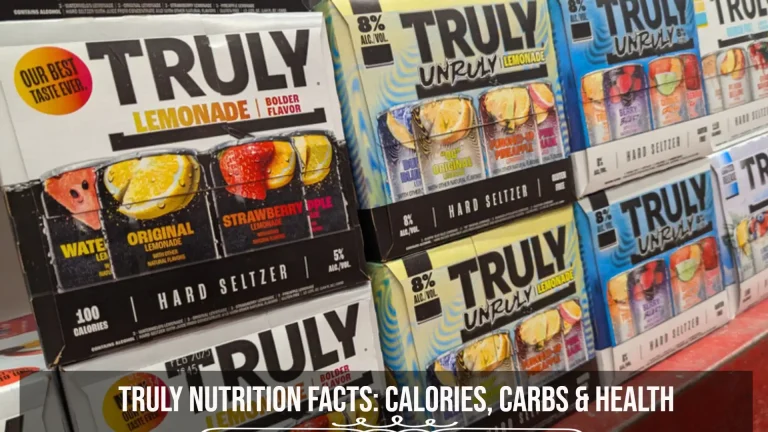
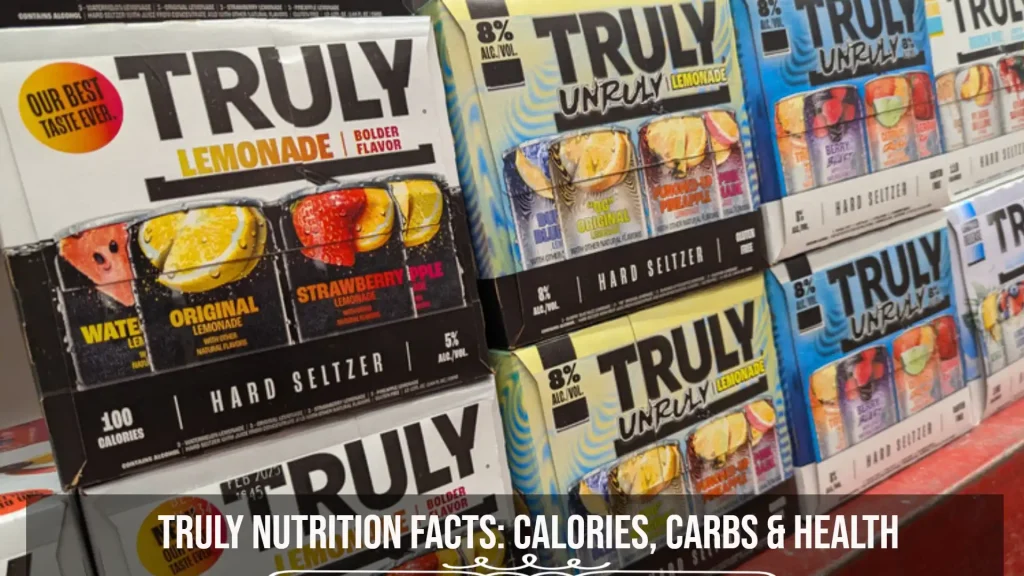
Hard seltzers have revolutionized the alcoholic beverage industry, and Truly Hard Seltzer stands at the forefront of this wellness-conscious drinking movement. If you’re watching your waistline while still wanting to enjoy a refreshing alcoholic drink, understanding truly nutrition facts becomes essential. This comprehensive guide breaks down everything you need to know about Truly Hard Seltzer’s nutritional profile, ingredients, health implications, and how it compares to other popular beverages.
Truly Hard Seltzer is a flavored alcoholic sparkling water that has captured the attention of health-conscious consumers nationwide. Unlike traditional beer or sugary cocktails, Truly offers a lighter alternative with significantly fewer calories and minimal sugar content.
The beverage consists of carbonated water infused with natural fruit flavors and alcohol derived from fermented cane sugar. This simple ingredient list appeals to consumers seeking transparency in their food and beverage choices. Truly comes in an impressive variety of flavors, from classic Wild Berry and Black Cherry to more adventurous options like Mango and Pineapple.
What sets Truly apart in the crowded hard seltzer market is its commitment to using real fruit juice for flavoring while maintaining a clean nutritional profile. The brand has positioned itself as a lifestyle choice for active individuals who refuse to compromise their fitness goals for social enjoyment.
Complete Truly Nutrition Facts Breakdown
Understanding the nutrition facts of hard seltzer helps you make informed decisions about incorporating it into your lifestyle. Let’s examine the nutritional content in detail.
Standard Serving Size Information
A standard can of Truly Hard Seltzer contains 12 fluid ounces (355 ml). This serving size is consistent across most Truly varieties, making it easy to track your intake and compare nutritional values across different flavors.
Detailed Truly Nutritional Information
Here’s a comprehensive breakdown of truly seltzer nutrition facts for a Wild Berry flavor (one 12-oz can):
Calories: 100 calories per can
Total Fat: 0g (0% Daily Value)
Saturated Fat: 0g
Trans Fat: 0g
Cholesterol: 0mg (0% Daily Value)
Sodium: 30mg (1% Daily Value)
Total Carbohydrates: 2g (<1% Daily Value)
Dietary Fiber: 0g
Sugars: 1g (includes 1g added sugars)
Protein: 0g
Alcohol Content: 5% ABV (alcohol by volume)
Vitamins and Minerals:
Vitamin D: 0mcg (0% DV)
Calcium: 0mg (0% DV)
Iron: 0mg (0% DV)
Potassium: 0mg (0% DV)
These truly nutrition facts reveal a beverage that’s remarkably low in traditional nutrients but also low in unwanted calories and sugar compared to many alcoholic alternatives.
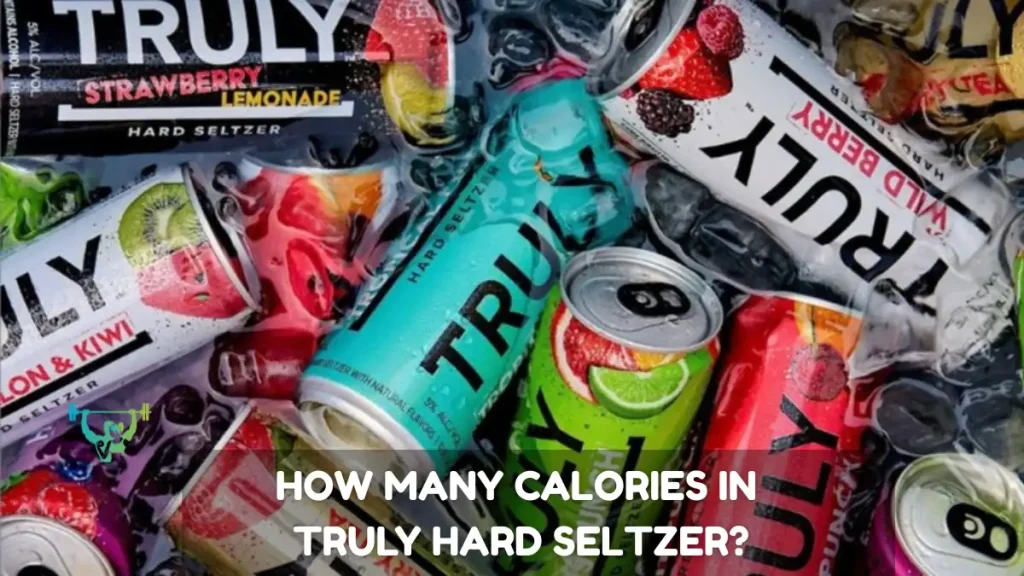
How Many Calories in Truly Hard Seltzer?
The calorie content is often the first consideration for health-conscious drinkers. A single 12 oz can of Truly Hard Seltzer contains exactly 100 calories. This calorie count remains consistent across most Truly flavor varieties, though some limited-edition or higher-ABV versions may vary slightly.
To put this in perspective, 100 calories is significantly less than most alcoholic beverages. A standard 12 oz beer typically contains 150-200 calories, while a mixed cocktail can easily exceed 300 calories. Even a 5 oz glass of wine contains roughly 120-125 calories.
How Many Calories in Truly Hard Seltzer
The source of these calories in Truly comes primarily from the alcohol content itself. Alcohol provides 7 calories per gram, making it nearly as calorie-dense as fat (9 calories per gram). Since Truly contains minimal carbohydrates (just 2g) and no fat or protein, virtually all 100 calories derive from its 5% alcohol content.
For individuals tracking their daily caloric intake, this makes Truly a relatively manageable choice. If you’re maintaining a 2,000-calorie daily diet, one can of Truly represents just 5% of your total intake.
Carbohydrates and Sugar Content in Truly
Understanding how many carbs are truly in drinks matters, especially if you’re following low-carb diets like keto or watching your sugar intake for diabetes management or weight loss.
Total Carbohydrate Count
Each 12 oz can of Truly Hard Seltzer contains just 2 grams of total carbohydrates. This minimal carb content makes Truly one of the lowest-carb alcoholic options available, significantly lower than beer (which typically contains 10-15g per serving) or sweet cocktails.
The 2g of carbs represents less than 1% of the recommended daily carbohydrate intake based on a 2,000-calorie diet (which typically includes 200-300g of carbs).
Sugar Content Analysis
Perhaps even more impressive is Truly’s sugar content: only 1 gram per can. This single gram of sugar is added during the production process and contributes minimal sweetness while still providing the light, refreshing flavor Truly is known for.
This low sugar content is achieved through Truly’s fermentation process. The beverage starts with cane sugar, which is fermented by yeast to create alcohol. Most of the sugar is converted during fermentation, leaving only a trace amount in the final product.
For comparison, a standard soda contains 39g of sugar per 12 oz can, and even “light” cocktails often contain 10-20g of sugar. Truly’s 1g sugar content makes it an excellent choice for those monitoring their sugar intake due to health concerns or dietary preferences.
Implications for Low-Carb Dieters
For individuals following ketogenic or other low-carb diets, Truly can potentially fit into your macronutrient goals. With only 2g net carbs per can, it’s possible to enjoy Truly without significantly impacting ketosis, though the alcohol itself may temporarily halt fat burning as your body prioritizes metabolizing the alcohol.
Many keto dieters find that hard seltzers like Truly offer a more diet-friendly option compared to beer or wine when social situations call for an alcoholic beverage.
Truly Ingredients: What’s Actually Inside?
The truly hard seltzer ingredients list is refreshingly transparent and straightforward, which appeals to consumers seeking clean-label products. Here’s what you’ll find inside each can:
Primary Ingredients:
Carbonated water
Alcohol from fermented cane sugar
Natural flavors
Citric acid (for preservation and tartness)
Sodium citrate (for flavor balance)
The Fermentation Process
Truly’s alcohol is created through the fermentation of cane sugar. This process involves adding yeast to a sugar-water mixture, where the yeast consumes the sugar and produces alcohol and carbon dioxide as byproducts.
This fermentation method differs from beer production (which uses grains like barley or wheat) and wine production (which uses grapes). The result is a gluten-free beverage with a neutral alcohol base that doesn’t impart the heavy flavors associated with beer or wine.
Natural Flavoring Explained
The “natural flavors” listed in Truly’s ingredients refer to flavor compounds derived from real fruit sources. While the exact proprietary blend isn’t disclosed, these natural flavors give each Truly variety its distinctive taste without adding significant calories or sugar.
Unlike artificial flavoring, natural flavors must come from natural sources, though they’re often concentrated and processed for consistency and shelf stability.
What’s NOT in Truly
Perhaps equally important is what you won’t find in Truly:
No artificial sweeteners
No high fructose corn syrup
No preservatives beyond citric acid
No gluten (making it celiac-safe)
No fat or cholesterol
This clean ingredient profile has contributed significantly to Truly’s appeal among health-conscious consumers.
Is Truly Hard Seltzer Healthy? The Complete Truth
The question of whether Truly is “healthy” requires a nuanced answer. While Truly offers several advantages over traditional alcoholic beverages, it’s essential to understand both the benefits and limitations.
Is Truly Hard Seltzer Healthy
The Positives: Why Truly Stands Out
Lower Calorie Content: At 100 calories per can, Truly provides fewer calories than most alcoholic alternatives, making it easier to enjoy socially without derailing dietary goals.
Minimal Sugar: With only 1g of sugar per serving, Truly won’t cause the blood sugar spikes associated with sugary cocktails or even some beers.
Gluten-Free: Unlike beer, Truly is entirely gluten-free, making it safe for those with celiac disease or gluten sensitivity.
No Artificial Ingredients: The use of natural flavors and simple ingredients appeals to those avoiding artificial additives.
Portion Control: The 12-oz can format provides built-in portion control, unlike wine or spirits, where serving sizes can easily creep upward.
The Reality Check: Health Concerns
Despite these advantages, it’s crucial to understand that Truly is still an alcoholic beverage, and the Truly nutrition facts reveal some important limitations.
Empty Calories: While Truly is low in calories, those calories provide zero nutritional value. There are no vitamins, minerals, protein, or beneficial nutrients—just alcohol and minimal carbohydrates.
Alcohol Content: Each can contains 5% ABV, which equals approximately 0.6 ounces of pure alcohol. The health risks associated with alcohol consumption include increased cancer risk, liver damage, impaired judgment, dependency potential, and negative effects on sleep quality and mental health.
Not a Daily Beverage: Health experts universally agree that alcoholic beverages should not be consumed daily, regardless of their calorie count. The CDC defines moderate drinking as up to one drink per day for women and up to two drinks per day for men.
Dehydration Concerns: Alcohol is a diuretic, meaning it increases urine production and can lead to dehydration, especially when combined with the carbonation in hard seltzers.
The Bottom Line on Health
Truly Hard Seltzer can be part of a balanced lifestyle when consumed occasionally and in moderation. It’s a better choice than many alcoholic alternatives if you’re focused on calorie control and sugar reduction. However, it’s not a “health drink” and shouldn’t be treated as such.
The most honest assessment is that Truly minimizes the dietary damage of drinking alcohol but doesn’t eliminate the health risks inherent to alcohol consumption itself.
Truly vs. Other Hard Seltzers: Nutritional Comparison
How do Truly Seltzer nutrition facts stack up against competitors? Let’s compare Truly to other popular hard seltzer brands.
Truly vs. White Claw
White Claw is Truly’s primary competitor, and nutritionally, they’re nearly identical:
Truly: 100 calories, 2g carbs, 1g sugar, 5% ABV
White Claw: 100 calories, 2g carbs, 1g sugar, 5% ABV
The main difference lies in flavor profiles and sweetness perception. Some consumers find Truly slightly sweeter due to its use of natural fruit juice, while White Claw tends to have a crisper, drier finish. Both use fermented cane sugar as their alcohol base.
Truly vs. Bud Light Seltzer
Bud Light Seltzer, backed by Anheuser-Busch, offers comparable nutrition:
Truly: 100 calories, 2g carbs, 1g sugar
Bud Light Seltzer: 100 calories, 2g carbs, less than 1g sugar
The differences are minimal, though Bud Light Seltzer occasionally releases higher-ABV varieties that contain more calories.
Truly vs. High Noon
High Noon takes a different approach, using vodka and real fruit juice:
Truly: 100 calories, 2g carbs, 1g sugar
High Noon: 100 calories, 2.6g carbs, 2.6g sugar
High Noon contains slightly more sugar due to its higher real fruit juice content, which also gives it a more pronounced fruit flavor.
Truly vs. Traditional Beer
The difference becomes more dramatic when comparing Truly to beer:
Truly offers fewer carbs than even light beer, though the calorie difference between the two is minimal.
Registered Dietitian Reviews Hard Seltzers: White Claw vs Truly Nutrition Facts
A video featuring a registered dietitian analyzing truly nutrition facts and comparing different hard seltzer brands would provide expert credibility, increase dwell time, and offer visual/auditory learning for users who prefer video content. This type of content also positions your article as comprehensive by including multiple content formats.
Truly Flavor Varieties and Nutritional Differences
Truly offers an extensive range of flavors, and while most maintain the standard 100-calorie profile, some variations exist.
Original Truly Flavors
The original Truly Hard Seltzer lineup includes:
Wild Berry
Blueberry & Acai
Black Cherry
Citrus
Grapefruit
Lime
Lemon
Mango
Pineapple
Passion Fruit
Watermelon & Kiwi
Strawberry Lemonade
All original flavors contain 100 calories, 2g carbs, and 1g sugar per 12-oz can.
Truly Extra and Higher ABV Options
Truly has expanded into higher-alcohol varieties:
Truly Extra: Contains 8% ABV instead of 5%, resulting in approximately 220 calories per 16 oz can. This nearly doubles the calorie content due to the increased alcohol.
Truly Hard Lemonade: Also at 8% ABV with around 220-230 calories per 16 oz can and higher sugar content (approximately 6g) due to the lemonade flavoring.
Truly Iced Tea Hard Seltzer
This innovative line combines hard seltzer with iced tea:
100 calories per 12-oz can
1g sugar
5% ABV
Contains caffeine from tea (approximately 9mg per can)
The tea varieties offer a unique option for those seeking a caffeinated alcoholic beverage.
Seasonal and Limited Editions
Truly regularly releases seasonal packs and limited-edition flavors. These typically maintain the standard nutritional profile but occasionally feature unique ingredients or slightly varied macros. Always check the nutrition label for the most accurate information.
Who Should and Shouldn’t Drink Truly?
Understanding whether Truly fits your lifestyle requires honest self-assessment.
Truly May Be Suitable For:
Calorie-Conscious Individuals: If you’re tracking calories and want an alcoholic option that won’t derail your goals, Truly’s 100-calorie profile is manageable.
Low-Carb Dieters: With only 2g of carbs, Truly can occasionally fit into ketogenic and other low-carb eating plans.
Gluten-Sensitive Individuals: Those with celiac disease or gluten intolerance can safely enjoy Truly, unlike beer.
Sugar-Conscious Consumers: At just 1g of sugar per can, Truly won’t cause significant blood sugar spikes.
Social Drinkers: People who drink occasionally in social settings but want a lighter option than beer or cocktails.
Truly Is NOT Recommended For:
Pregnant Women: No amount of alcohol is considered safe during pregnancy. The CDC and American College of Obstetricians and Gynecologists recommend complete abstinence.
Individuals Under 21: Legal drinking age restrictions apply.
Those with Alcohol Use Disorder: Anyone struggling with alcohol dependency should avoid all alcoholic beverages.
People Taking Certain Medications: Many medications interact dangerously with alcohol, including antibiotics, antidepressants, and pain medications.
Individuals with Liver Disease: Alcohol further damages liver function and should be avoided.
Those Operating Vehicles or Machinery: Alcohol impairs judgment and reaction time.
People with Diabetes (consult a physician): While low in sugar, alcohol affects blood sugar regulation and can cause dangerous hypoglycemia, especially when combined with diabetes medications.
Tips for Enjoying Truly Responsibly
If you choose to include Truly in your lifestyle, follow these guidelines for responsible consumption:
Moderation Guidelines
Follow Standard Drink Definitions: One 12-oz Truly equals one standard drink. The CDC’s moderate drinking guidelines suggest up to one drink per day for women and up to two for men.
Pace Yourself: Space drinks at least one hour apart to allow your body time to metabolize the alcohol.
Never Binge Drink: Consuming four or more drinks (for women) or five or more (for men) within two hours constitutes binge drinking and significantly increases health risks.
Hydration Strategies
Alternate with Water: For every Truly you consume, drink a full glass of water. This helps prevent dehydration and slows alcohol consumption.
Pre-Hydrate:Drink water before beginning alcohol consumption, especially if you’ve been exercising or in hot weather.
Electrolyte Balance: Consider adding electrolyte drinks or eating salty snacks to help maintain proper hydration status.
Nutritional Considerations
Don’t Skip Meals: Drinking on an empty stomach accelerates alcohol absorption and intensifies effects. Eat a balanced meal before drinking.
Choose Nutrient-Dense Foods: Since Truly provides empty calories, ensure the rest of your diet includes plenty of vegetables, lean proteins, and whole grains.
Account for Calories: Remember to factor Truly’s 100 calories into your daily caloric intake if you’re tracking for weight management.
Safety Practices
Designate a Driver: Never drink and drive. Use rideshare services, public transportation, or designate a sober driver.
Know Your Limits: Understand how alcohol affects you personally and respect your body’s signals.
Avoid Mixing Substances: Never combine Truly or other alcoholic beverages with recreational drugs or inappropriate medications.
Where to Buy Truly and Pricing Information
Truly Hard Seltzer is widely available across the United States and increasingly in international markets.
Retail Availability
Grocery Stores: Most major grocery chains carry Truly, typically in the beer and wine section.
Liquor Stores: Specialty alcohol retailers offer the widest selection of Truly varieties.
Convenience Stores: Many convenience stores stock Truly, particularly in urban areas.
Warehouse Clubs: Costco, Sam’s Club, and BJ’s often carry Truly in bulk packages at competitive prices.
Online Delivery: Services like Drizly, Instacart, and Amazon (where legal) can deliver Truly to your door.
Pricing Structure
Truly is typically sold in the following formats:
12-Pack: The most common purchase size, usually priced between $15.99 and $18.99, depending on your location and retailer. This works out to approximately $1.33-$1.58 per can.
24-Pack: Larger format offering better value, typically $28.99-$32.99 ($1.21-$1.37 per can).
Single Cans: Sometimes available at convenience stores for $2.49-$2.99 per can.
Variety Packs: Mixed flavor packs at similar pricing to single-flavor packs, allowing you to sample different varieties.
Prices vary significantly based on state alcohol taxes, local regulations, and retailer markups. Some states have substantially higher prices due to taxation policies.
Cost Comparison to Other Beverages
When evaluating value, consider:
Truly is typically priced similarly to premium light beers
Less expensive than craft beers (which can cost $12-16 per six-pack)
More costly than value beer brands
Comparable to White Claw and other major hard seltzer brands
Less expensive than most pre-mixed cocktails
The Environmental Impact of Hard Seltzers
As consumption of Truly and other hard seltzers grows, environmental considerations become increasingly relevant.
Packaging Concerns
Truly comes in aluminum cans, which have both advantages and disadvantages:
Positives: Aluminum is infinitely recyclable and has a high recycling rate in the U.S. (approximately 50%). Recycled aluminum requires 95% less energy to produce than new aluminum.
Negatives: The carbonation and packaging process still requires energy and resources. Single-use packaging contributes to waste streams when not properly recycled.
Company Sustainability Efforts
Boston Beer Company, Truly’s parent company, has made various sustainability commitments, including efforts to reduce water usage in production, increase renewable energy use in facilities, and improve packaging sustainability. However, like all alcohol producers, environmental impact remains an ongoing challenge.
Consumer Responsibility
If you drink Truly, minimize environmental impact by:
Always recycling aluminum cans properly
Choosing larger pack sizes to reduce packaging per serving
Supporting retailers with strong recycling programs
Properly disposing of plastic pack rings (cut them before discarding to protect wildlife)
Truly in Popular Culture and Marketing
Truly has become more than just a beverage; it’s part of a broader cultural shift toward “wellness drinking.”
Target Demographics
Truly primarily markets to:
Millennials and Gen Z consumers (ages 21-40)
Health-conscious drinkers
Active lifestyle enthusiasts
Women (who make up a significant portion of hard seltzer consumers)
Brand Positioning
The truly hard seltzer brand positions itself as:
A guilt-free indulgence
Part of an active, outdoor lifestyle
A social beverage that doesn’t compromise health goals
Authentic and transparent about ingredients
Marketing Strategies
Truly’s marketing emphasizes:
Association with outdoor activities and adventure
Lower-calorie messaging without being explicitly “diet”
Flavor variety and innovation
Social responsibility and moderate consumption
The brand has successfully capitalized on the trend of consumers seeking “better-for-you” alcohol options without sacrificing taste or social experience.
The Science Behind Alcohol Metabolism and Truly
Understanding how your body processes the alcohol in Truly helps explain its effects and health implications.
How Alcohol Is Metabolized
When you drink Truly, approximately 20% of the alcohol is absorbed directly through your stomach lining, while the remaining 80% is absorbed in your small intestine. From there, alcohol enters your bloodstream and travels to your liver.
Your liver can metabolize approximately one standard drink per hour. The enzymes alcohol dehydrogenase (ADH) and aldehyde dehydrogenase (ALDH) break down alcohol into acetaldehyde (a toxic compound) and then into acetate, which is eventually eliminated as water and carbon dioxide.
Since one can of Truly equals one standard drink, it takes your body roughly 60-90 minutes to fully process a single can.
Factors Affecting Intoxication
Several factors influence how Truly affects you:
Body Weight: Larger individuals have more body water to dilute alcohol, resulting in lower blood alcohol concentration.
Sex: Women typically have less of the enzyme that metabolizes alcohol, leading to higher blood alcohol levels from the same amount consumed.
Food Intake: Eating before or while drinking slows alcohol absorption significantly.
Genetics: Variations in the ADH and ALDH genes affect how efficiently you process alcohol.
Tolerance: Regular drinkers develop tolerance, though this doesn’t reduce health risks.
Carbonation: The bubbles in Truly can actually speed alcohol absorption compared to non-carbonated drinks.
Blood Alcohol Content (BAC)
One 12-oz can of Truly (5% ABV) will raise blood alcohol content by approximately:
0.02-0.03% for a 180-pound man
0.03-0.04% for a 140-pound woman
Legal intoxication in the U.S. is defined as 0.08% BAC, which would typically require 3-4 cans for most adults within an hour (though this varies significantly by individual factors).
Making Informed Choices: Final Recommendations
After examining truly nutrition facts comprehensively, here are evidence-based recommendations:
For Occasional Social Drinkers
If you drink occasionally in social situations, Truly represents a reasonable choice compared to many alternatives. Its low-calorie and low-sugar profile minimizes dietary impact while still allowing social participation.
Best Practices:
Limit consumption to special occasions and social events
Never exceed moderate drinking guidelines (1 drink per day for women, 2 for men)
Always pair with food and water
Track your intake in any calorie-counting apps you use
For Health-Focused Individuals
If you prioritize health and fitness but occasionally want an alcoholic beverage, Truly fits better into a wellness-oriented lifestyle than most options.
Consider:
Timing drinks to avoid interference with workout recovery
Accounting for the impact on sleep quality (alcohol disrupts REM sleep)
Understanding that “healthier” doesn’t mean “healthy”
Taking regular alcohol-free periods to assess your relationship with drinking
For Weight Management
The 100 calories in Truly are manageable within most weight loss or maintenance plans when consumed occasionally.
Weight Management Tips:
Log the calories in your tracking app
Consider Truly as part of your discretionary calorie allowance
Don’t compensate by under-eating at meals
Be aware that alcohol can lower inhibitions around food choices
For Those Avoiding Alcohol
If you’re abstaining from alcohol for health, personal, or recovery reasons, Truly is not an appropriate choice regardless of its nutritional profile. Consider alcohol-free alternatives like:
Sparkling water with fresh fruit
Kombucha
Alcohol-free spirits and mocktails
Flavored seltzers like LaCroix or Spindrift
The Most Important Consideration
Remember that no amount of favorable truly hard seltzer nutrition facts changes the fundamental fact that alcohol carries health risks. The most health-conscious choice is always to drink less or not at all.
The bottom line:
Truly offers a lighter way to enjoy alcohol socially, but the healthiest choice remains limiting alcohol consumption overall. Use the truly nutrition facts presented in this guide to make decisions that align with your personal health goals and values.
Frequently Asked Questions About Truly Nutrition Facts
How many calories are in a can of Truly Hard Seltzer?
A standard 12 oz can of Truly Hard Seltzer contains exactly 100 calories. This calorie count remains consistent across most original Truly flavors, including Wild Berry, Black Cherry, and Mango. However, higher-ABV varieties like Truly Extra (8% ABV) contain approximately 220 calories per 16 oz can due to increased alcohol content.
Is Truly Hard Seltzer keto-friendly?
Yes, Truly can fit into a ketogenic diet due to its low carbohydrate content of only 2g per can. With just 1g of sugar, it’s one of the most keto-compatible alcoholic beverages available. However, keep in mind that alcohol temporarily halts ketosis as your body prioritizes metabolizing the alcohol over burning fat. Consume in moderation if following keto.
What is the sugar content in Truly compared to other seltzers?
Truly contains just 1 gram of sugar per 12 oz can, making it competitive with other major hard seltzer brands. White Claw also has 1g of sugar, while High Noon contains slightly more at 2.6g due to its higher fruit juice content. Compared to regular beer (10-15g) or cocktails (20-40g), Truly’s sugar content is significantly lower.
Does Truly Hard Seltzer contain any vitamins or nutritional benefits?
No, Truly provides no vitamins, minerals, or beneficial nutrients. The truly nutrition facts show 0% daily value for vitamins D, calcium, iron, and potassium. It contains no protein, fiber, or healthy fats. Truly is classified as “empty calories,” meaning it provides energy from alcohol but no nutritional value, making it important to ensure your diet includes nutrient-dense, whole foods.
Is Truly healthier than beer or wine?
Truly is lower in calories and carbohydrates than most beers and comparable to wine in calories, making it a better choice for calorie-conscious drinkers. A standard beer contains 150-200 calories and 10-15g carbs, while Truly has 100 calories and 2g carbs. However, “healthier” is relative—all alcoholic beverages carry health risks, including increased cancer risk, liver damage, and addiction potential, regardless of calorie content.
Can I drink Truly every day?
No, health experts do not recommend drinking any alcoholic beverage daily, including Truly. Despite its favorable truly seltzer nutrition facts, the alcohol content (5% ABV) carries significant health risks with regular consumption. The CDC defines moderate drinking as up to one drink per day for women and two for men, but many health organizations recommend several alcohol-free days each week.
If you’re trying to reduce fat, calories, or swap out pork bacon for something “healthier,” turkey bacon often comes up as a popular alternative. But is it really a smart choice? In this article, we’ll dig deep into turkey bacon nutrition — covering calories, macros, vitamins, drawbacks, brand variability, and tips on how to enjoy it more wisely.
Before we jump into numbers, let’s clarify what turkey bacon is and how it’s made.
Definition: Turkey bacon is made by combining ground or chopped turkey meat (often a mix of light and dark) with seasoning, curing agents, smoke flavor, and sometimes small amounts of fat. Then it’s formed into strips resembling pork bacon.
Purpose: It’s marketed as a leaner alternative to traditional pork bacon, appealing to those who want a similar flavor profile with less fat or who avoid pork for dietary or religious reasons.
Characteristics: Because turkey bacon is lower in fat, it doesn’t shrink as much when cooked, and it may stick more to pans or behave differently in texture.
So it’s not simply “bacon from turkey” in the sense of slicing turkey belly; the processing and additives make a big difference in nutrition.
Turkey Bacon Nutrition Facts (Typical Range & Brand Examples)
Because turkey bacon is a processed product, nutrition can vary by brand, curing process, and fat content. Below are typical nutrition facts and a few brand-specific examples to give perspective.
Typical Nutrition for Turkey Bacon (Two Slices / ~16g)
A common reference is two microwave-cooked slices of turkey bacon (16 g total). According to Verywell Fit:
Calories: 60 kcal
Total Fat: ~ 4.2 g
Saturated Fat: — (a portion of that 4.2 g)
Sodium: ~ 328 mg
Carbohydrates: 0.7 g
Sugar: 0.7 g
Protein: 4.8 g
Fiber: 0 g
From other sources:
One slice (cooked, medium) has ~ 42 calories, 3.07 g fat, 0.34 g carbs, and 3.26 g protein.
Cooked turkey bacon (per ounce / 28.35 g): 104 calories, 7.3 g fat, 1.2 g carbs, 8.4 g protein.
Brand example — Boar’s Head Uncured Turkey Bacon (1 slice, 17 g): 35 calories, 2 g total fat, 150 mg sodium, 4 g protein.
Jennie-O (15 g serving): 30 calories, 1.5 g fat, 140 mg sodium, 2 g protein.
These examples help illustrate the range, from lighter, lean versions to more flavorful ones with added sodium/fat.
Comparison: Turkey Bacon vs Pork Bacon
Many nutrition articles highlight how turkey bacon stacks up versus pork bacon:
Comparison Turkey Bacon vs Pork Bacon
Turkey bacon often offers ~25% fewer calories and ~35% less saturated fat than pork bacon.
However, it often has similar or even higher sodium values, depending on the curing process.
In terms of protein, turkey bacon typically gives a reasonable amount, though perhaps slightly lower than a dense cut of pork bacon per same weight.
Additionally, because turkey bacon is a processed meat, it may contain nitrates, preservatives, and additives that raise health concerns.
So while turkey bacon can be “leaner,” it’s not automatically a health food — the details matter.
Macro and Micro Nutrients in Turkey Bacon
Let’s break down what turkey bacon contributes beyond just calories and fat.
Fats & Saturated Fat
Turkey bacon’s fat content depends largely on how much fat is included in the meat mix and how much extra fat is added in processing.
In typical servings, saturated fat is modest, though not zero.
The lower fat content means some of the richness / “mouthfeel” may be less than pork bacon.
Protein
Turkey bacon provides a modest amount of protein. In the two-slice example, ~4.8 g of protein.
In cooked bacon (1 oz), ~8.4 g protein.
Compared to pork bacon, you may find slightly lower protein per the same weight, but it’s still meaningful, especially when paired with other protein sources.
Carbohydrates & Sugar
Most turkey bacon is nearly carb-free: very low in carbs, often under 1 g per serving (usually from flavorings or added sugars).
Some flavored versions may add small amounts of sugar to improve taste or preserve texture.
Sodium
Sodium is one of the biggest nutritional considerations. Many turkey bacons have high sodium levels for curing and flavor.
In the “two slices” example: ~328 mg sodium.
Some brand versions show ~140 mg per slice (Jennie-O) or similar.
For individuals with hypertension or sodium sensitivity, this can add up quickly.
Vitamins & Minerals
Turkey bacon contributes small amounts of micronutrients:
B vitamins (niacin, B6, B12)
Zinc and selenium (typical of poultry)
Phosphorus
But generally, no single slice will deliver a high percentage of your daily values in micronutrients.
Because turkey bacon is heavily processed, many of the micronutrients are not as strong as those in whole turkey meat or unprocessed protein sources.
Health Benefits and Drawbacks of Turkey Bacon
Let’s examine both sides: what makes turkey bacon appealing, and where the caution lies.
Potential Benefits
Lower in Calories & Fat (versus pork bacon): Because turkey meat is leaner, turkey bacon often has fewer calories and less saturated fat.
Alternative for those avoiding pork: Religious or dietary restrictions may make turkey bacon a desirable substitute.
Flexibility in recipes: You can use turkey bacon in many places where you’d use pork bacon (BLTs, breakfast wraps, crumbled in salads), while reducing some of the fat burden.
Considerations & Potential Risks
High Sodium: Curing requires salt, resulting in high sodium levels. Overconsumption of sodium is linked to hypertension and cardiovascular risk.
Processed Meat Concerns: Turkey bacon is still a processed meat. Processed meats are associated with increased risks of certain cancers, cardiovascular disease, etc.
Preservatives, Nitrates/Nitrites: Many turkey bacons are cured with nitrates or nitrites (or natural nitrate sources). When cooked at high heat, these ingredients can form nitrosamines, compounds associated with increased cancer risks.
Less protein density vs whole meats: Because it’s processed and contains binding/stabilizing ingredients, you may not get as much “pure meat” per gram as in turkey breast.
Misleading “health halo”: Because it’s labeled “turkey,” people may overconsume, assuming it’s entirely benign. However, the packaged nature, sodium content, and processing methods mean moderation is still essential.
Tips for Choosing and Cooking Turkey Bacon Wisely
If you decide to include turkey bacon occasionally, here are strategies to maximize benefits and minimize downsides.
Tips for Choosing and Cooking Turkey Bacon Wisely
Choosing a Better Version
Look for “uncured,” “nitrate-free,” or “no added nitrates/nitrites” labels (or naturally preserved).
Check sodium levels: Aim for lower sodium options if available.
Check fat content: Some brands offer “lower-fat” cuts.
Check ingredient list: Avoid excessive sugar, flavorings, or preservatives.
Choose reputable brands with transparent labeling.
Cooking Methods to Reduce Dangers
Cook at lower heat when possible (avoid excessive charring).
Add vitamin C or E-rich foods to meals — research indicates they can reduce the formation of harmful nitrosamines in cured meats.
Use an air fryer or bake on a wire rack to allow the fat to drip away.
Limit portion sizes — one or two strips is generally enough for flavor without overdoing it.
Balancing with Other Foods
Pair with fruits, vegetables, whole grains to offset sodium.
Use turkey bacon as a flavor enhancer (a bit goes a long way).
Ensure your overall diet isn’t overloaded with processed meats.
Use Cases & Brand Comparisons
To make this practical, here are some brand comparisons and how turkey bacon is used in meals.
Brand Examples & Their Nutrition
Butterball Turkey Bacon: Markets itself as having ~60% less fat and 40% less sodium than regular pork bacon.
Boar’s Head Uncured Turkey Bacon: 35 calories, 2 g total fat, 150 mg sodium, 4 g protein per slice (17g size)
Godshall’s Original Turkey Bacon: Around 50 calories per slice, very lean version.
FIRST STREET Turkey Bacon: 40 calories per 28 g serving, with 1.5 g fat, 6 g protein, 1 g carbohydrate.
Each brand differs; always check the label before making a comparison.
How to Use in Recipes
BLT or club sandwich – swap pork bacon with turkey bacon
Breakfast wraps / burritos – give a smoky flavor with less fat
Crumbled into omelets or scrambled eggs
Salads / grain bowls – use as a crunchy topping
Soups or stews – add flavor, fat used to sauté vegetables
Because turkey bacon doesn’t shrink as much, adjust if substituting directly in recipes.
How to Cook Turkey Bacon Perfectly
Frequently Asked Questions (FAQs)
How many calories are in turkey bacon?
It depends on brand and cooking. Two slices microwaved often contain ~60 calories.
Is turkey bacon healthier than pork bacon?
Often yes in terms of less saturated fat and calories, though sodium and processed meat considerations temper that benefit.
How much sodium is in turkey bacon?
Two slices may contain ~328 mg sodium. Some slices alone might have ~140 mg or more, depending on brand.
Does turkey bacon contain nitrates or preservatives?
Many do. Some are “uncured” or “nitrate-free” but may use natural alternatives. Be sure to check labels.
Can turkey bacon be part of a healthy diet?
Yes, when consumed in moderation, selecting better versions, and balanced with vegetables, whole grains, and low sodium foods.
How many grams of protein in turkey bacon?
Two-slice servings often provide ~4.8 g protein. Some cooked versions provide ~8+ g per ounce.
Is turkey bacon gluten-free?
Many are, but check for flavorings or additives that may contain gluten.
How do cooking methods affect turkey bacon nutrition?
High heat can cause more fat loss but also promote formation of harmful compounds. Use moderate heat and avoid charring.
Does turkey bacon have carbohydrates?
Very little. Typical servings have under 1 g of carbs, often from flavoring.
Is turkey bacon bad for cholesterol?
It contains some saturated fat and cholesterol, so people with high cholesterol should monitor intake and choose leaner, lower-sodium versions.
Tyra Banks has always been more than just a supermodel. She’s a businesswoman, TV host, body positivity advocate, and cultural icon. Over the years, the public has closely watched her body—commenting, speculating, sometimes celebrating.
This article delves into what’s known about her weight gain, how she’s addressed it, what factors may contribute, and what her journey says about body image, media, aging, and self-acceptance. We’ll cover statements she’s made, media reactions, the realities vs. myths, and why her story resonates so broadly.
Tyra Banks Weight Gain Explained_ Facts & Truth
Who Is Tyra Banks? A Brief Background
Before discussing weight, let’s ground ourselves:
Born December 4, 1973, in Inglewood, California.
Rose to fame in the 1990s as a supermodel, notably covering Sports Illustrated Swimsuit Issue.
Always outspoken about beauty standards, body image, self-worth.
Her public life has always intertwined with very visual judgments about her body—because the modeling/fashion/TV industries emphasize that. That sets the stage for why her weight (gain or loss) gets so much attention.
What Has Tyra Banks Actually Said About Her Weight Gain
Here are some of her own statements, with context, to get a clearer picture (rather than just speculation).
In 2024, during her comeback to the Victoria’s Secret Fashion Show, Tyra said she was “about 40-50 pounds heavier on this runway than when I retired.”
She commented on her “boobies” being “like 10 times bigger” because of that weight gain.
In 2020, she said she is “25 pounds heavier” since her Sports Illustrated Swimsuit Cover in 2019.
Earlier, in 2007, she discussed being criticized, gaining about 30 lbs vs earlier modeling days. She addressed the way media can misrepresent images and standard expectations.
These are self-reported numbers; they help us see how she perceives her body, the changes, and what she considers “weight gain.” She has also emphasized that these changes are natural, partly inevitable with age, lifestyle, and human biology.
Why Has She Gained Weight? Factors & Context
Tyra Banks’ weight gain isn’t just about calories in/calories out. Several layers to it:
Why Has She Gained Weight_ Factors & Context
Age & Metabolism
As people age, their metabolism tends to slow. Hormonal shifts (including perimenopause around 40s-50s) can make weight maintenance harder.
Tyra was born in 1973; as she entered her late 40s into 50s, her body naturally adjusts.
Body Composition, Hormones & Natural Changes
Hormones such as estrogen, progesterone, thyroid function can influence weight gain.
Water retention, changes in fat distribution, natural fluctuations—all play a role.
Lifestyle, Work Demands & Routines
Tyra has had intense career demands: modeling, filming, hosting, producing. Stress, travel, irregular schedules can affect diet, sleep, and physical activity.
As priorities shift (business, family, health), fitness routines may adjust accordingly.
Body Image, Self-Acceptance & Public Pressure
She has publicly discussed body shaming and media’s unrealistic expectations.
Sometimes weight gain is viewed negatively in society, but Tyra has repeatedly used her platform to advocate for self-love and acceptance.
Natural Weight Fluctuations
Weight doesn’t stay static; it fluctuates depending on diet, hydration, menstrual cycle, etc. Tyra has openly said she gains and loses weight periodically.
How Much Weight Has Tyra Banks Gained (According to Her)
Putting together her statements:
Time / Event
Approximate Weight Gain / Difference
Source
Return to Victoria’s Secret Show (2024) vs. when she retired
“Heavier” doesn’t necessarily mean unhealthy—weight includes muscle, fluid, etc.
Photography angles, styling, and posture can exaggerate or minimize perceived changes.
Media Reactions & Public Discussion
Tyra Banks’ weight gain has drawn media and public interest for decades. Here’s how that conversation has played out.
Criticism vs Empathy
Some outlets have criticized her body changes, often in tabloid style.
Others have applauded her confidence, her openness, and her willingness to push back.
Body Shaming Incidents
In 2007, tabloids published photos claiming she had gained “over 40 lbs in two months.” Tyra responded on her show, wearing the same swimsuit, to show the differences caused by angles, lighting, etc.
She has often rejected the idea that weight equals value, especially in terms of appearance.
H3: Cultural Shift & Body Positivity
Tyra’s story is often cited as an example of changing norms: celebrating women’s bodies beyond strict industry standards.
Her willingness to speak about “gaining weight” and still owning it helps normalize what many people go through.
What We DON’T Know & Myths to Avoid
Because the topic tends to attract rumors and assumptions, here are some things to be careful of:
Exact current weight: Unless officially disclosed, numbers are estimates or self-reported and may vary.
Assuming health based on weight: Weight gain doesn’t automatically mean poor health; many variables matter.
Diets, surgeries, or “fixes”: Unless she discusses them herself, we can’t assume.
What Tyra Banks Has Learned / Her Messages
Tyra has not only lived the experience—she’s used it for teaching and advocacy:
Emphasizing self-love and confidence over numbers on a scale.
Challenging industry standards of beauty and age.
Highlighting that aging, body changes, and fluctuations are natural and okay.
Being vulnerable about insecurities: she has spoken about what she feels when clothes don’t fit, or when old photos surface, but also about enjoying her life.
Why Tyra Banks Weight Gain Resonates with Others
What makes her story powerful and widely discussed:
Mirror for many: Many people experience weight shifts due to age, lifestyle, hormones.
Visibility: Because she’s in the public eye, what Tyra says or does influences wider conversations.
Tone of permission: Her openness gives others permission to accept themselves, to resist shame.
Debunking unrealistic expectations: Her walk at 50 in the Victoria’s Secret Show, for example, shows one can still command presence regardless of shape/weight.
How to Approach Weight Gain with Health & Self-Care (Lessons from Her Journey)
Drawing from what Tyra has shared, and what health experts often recommend, here are healthy ways to navigate weight changes:
Work with healthcare professionals (nutritionists, physicians)
Focus on what your body can do (strength, energy, endurance), not only how it looks
Embrace activity you enjoy—walking, dancing, yoga, etc.
Accept fluctuation without self-judgment
Top 10 Best Tyra Banks Moments
Frequently Asked Questions (Tyra Banks Weight Gain Edition)
Has Tyra Banks gained weight recently?
Yes. In 2024, Tyra Banks publicly stated she was about 40–50 pounds heavier than when she retired from runway work.
How much weight has Tyra Banks gained since her 2019 SI Swimsuit cover?
She’s said she gained approximately 25 pounds since the 2019 Sports Illustrated cover.
What did Tyra Banks say about her body after weight gain?
Tyra has spoken about her “interesting relationship with food,” media scrutiny, and accepted that her body changes are a normal part of life. She has also emphasized self-confidence over perfection.
Is her weight gain due to pregnancy or a medical condition?
There is no public disclosure that Tyra Banks gained weight due to pregnancy or a specific medical condition. Most of her commentary centers on aging, lifestyle, and media pressure.
Did Tyra Banks ever face body-shaming because of weight gain?
Yes. In 2007, tabloids criticized her for alleged weight gain, and she addressed that directly on her show, even comparing photos—she asserted that lighting, angles, and photo choices can misrepresent reality.
What is Tyra Banks’ current weight?
She has publicly said a few numbers in different contexts: about 161 lbs in recent interviews compared to earlier modeling days. But exact, up-to-the-minute weight is not confirmed.
Does Tyra Banks regret her weight gain?
Not according to available interviews. She often frames her gain with acceptance, humor, and perspective rather than regret.
How has Tyra Banks responded to criticism over her weight?
With honesty, patience, and sometimes humor. She’s sometimes confronted tabloids, clarified her own relationship with body image, and used her platform to advocate for self-acceptance.
What does Tyra Banks’ weight gain teach us about beauty standards?
It highlights that beauty standards are often rigid and unrealistic. As we age, bodies change. Her message is that value is not determined by size, and confidence matters more.
Can weight gain be healthy?
Yes—depending on circumstances. If weight gain is gradual, no underlying illness, and accompanied by healthy lifestyle, it can be part of a normal change.
Is Tyra Banks on a diet to lose weight?
There is no public record of a strict or crash diet. Her commentary emphasizes balance, nutrition, and self-care rather than drastic dieting.
How does aging affect weight gain?
Hormones, slower metabolism, shifts in muscle mass all contribute. As people age, maintaining weight often requires more mindful nutrition and consistent physical activity.
Does she still model after weight gain?
Yes—Tyra returned to walk the runway in the 2024 Victoria’s Secret Fashion Show, and she continues to work in various media, business, and entertainment roles.
Is Tyra Banks discouraged by people saying she’s gained weight?
While she acknowledges criticism, she appears to be empowered rather than discouraged, using it to fuel messages about body positivity.
What positive changes has she experienced with weight gain?
She’s spoken about feeling more connected, embracing authenticity, being more comfortable in her own skin, and having more compassion for others who face similar challenges.
Corn tortillas are a beloved staple in Mexican and Central American cuisine — and now a healthier alternative to bread for many health-conscious eaters. Whether you’re curious about calories, carbs, protein, or health benefits, this complete guide breaks down everything you need to know about corn tortilla nutrition.
Corn tortillas are thin, round flatbreads traditionally made from masa harina (corn flour treated with lime), water, and salt. Unlike flour tortillas, they are naturally gluten-free and lower in calories, making them a staple for tacos, enchiladas, and more.
Why Corn Tortilla Nutrition Matters
As people shift toward healthier eating, understanding what’s in your food helps you make smarter choices. Corn tortillas:
Are lower in fat and calories than many bread alternatives.
Fit into gluten-free and weight-management diets.
Corn Tortilla Nutrition Facts (Per Standard Serving)
Let’s look at a 47-gram serving (about 2 small corn tortillas):
Nutrient
Amount
% Daily Value*
Calories
100
—
Total Fat
1.5 g
2%
Cholesterol
0 mg
0%
Sodium
10 mg
<1%
Total Carbohydrates
20 g
7%
Dietary Fiber
3 g
12%
Total Sugars
2 g
—
Added Sugars
0 g
—
Protein
2 g
4%
Phosphorus
9% DV
—
Magnesium
6% DV
—
Iron
4% DV
—
Copper
3% DV
—
Calcium
2% DV
—
*Based on a 2,000-calorie diet.
Nutritional Value of One Corn Tortilla
Per one small tortilla (about 25g):
Calories: 50
Fat: 0.5 g
Carbohydrates: 10 g
Dietary Fiber: 1.5 g
Protein: 1 g
Health Benefits of Corn Tortillas
1. Low in Calories
Corn tortillas typically contain 30–40% fewer calories than flour tortillas of the same size. This makes them an excellent choice for weight management.
2. Naturally Gluten-Free
Because they’re made with corn masa, corn tortillas are ideal for people with celiac disease or gluten sensitivity.
Vegetarian/Vegan Diets: Made from plant ingredients only.
Quick Tips to Maximize Nutrition
Choose Whole Grain or Organic corn tortillas when possible.
Warm without oil to keep fat content low.
Store properly to prevent mold and nutrient loss.
What Are The Complete Nutrition Facts For Corn Tortillas?
Final Takeaway
Corn tortillas are nutritious, versatile, and gluten-free, making them an excellent staple for a balanced diet. By understanding corn tortilla nutrition, you can enjoy them guilt-free while meeting your health goals.
FAQ about Corn Tortilla Nutrition
Q1. Are corn tortillas healthier than bread?
Yes. Corn tortillas are lower in calories and fat than white bread, though whole-grain bread may be comparable in fiber.
Q2. Are corn tortillas a healthy carb?
Yes. They provide complex carbohydrates with fiber, which helps manage blood sugar.
Q3. How many carbs are in an 8-inch corn tortilla?
About 24 grams of carbs per medium (8-inch) corn tortilla.
Q4. Are corn tortillas gluten-free?
Yes, authentic corn tortillas are naturally gluten-free.
Q5. How much protein is in a corn tortilla?
Typically around 1–2 grams per tortilla.
Q6. Do corn tortillas have fiber?
Yes, about 1–3 grams per serving depending on size and brand.
Q7. Can corn tortillas help with weight loss?
Yes, their lower calorie content and small size support portion control.
Q8. Are corn tortilla chips healthy?
They’re higher in fat due to frying. Baked versions are healthier.
Q9. How are corn tortillas made?
By mixing masa harina, water, and salt, then pressing and cooking on a griddle.
Q10. Can I eat corn tortillas on a low-carb diet?
Moderately — they’re lower in carbs than bread but still contain carbohydrates.
Q11. Do corn tortillas contain vitamins?
They provide small amounts of iron, magnesium, phosphorus, and calcium.
Q12. How should I store corn tortillas?
Keep sealed in the fridge and use within a week of opening.
Q13. Are blue corn tortillas healthier than yellow?
Blue corn contains more antioxidants, but differences are modest.
Corn on the cob is one of those foods that evokes summer — sunshine, grilling, fresh produce. But beyond the flavor and nostalgia, corn on the cob is also more than just tasty: it’s nutritious. If you like to know exactly what you’re eating, here’s a detailed guide to corn on the cob nutrition facts, its macro- and micro-nutrients, health benefits, how it affects blood sugar, what to watch out for, and how to best prepare it.
Before diving into nutrition, let’s clarify what we mean:
“Corn on the cob” refers to the ear of corn (sweet corn usually) with kernels attached to the cob, eaten as a whole.
Sweet corn (Zea mays var. saccharata) is the type most people eat fresh or grill.
It’s considered a starchy vegetable when fresh, and a whole grain when dried.
Key Corn on the Cob Nutrition Facts (Medium Ear)
According to USDA / VerywellFit & similar nutrition sources, here are typical values for one medium ear of corn on the cob (about 6-3/4″ to 7-1/2″ long) if eaten plain, boiled or grilled without butter.
Nutrient
Amount per medium ear
% Daily Value (approx.)*
Calories
~88 kcal
4-5% DV
Carbohydrates
~19 g
~6-7% DV
Dietary Fiber
~2 g
~8% DV
Sugars (natural)
~6.4 g
—
Protein
~3.3 g
~6% DV
Fat
~1.4 g total (very little saturated)
< 2% DV
Sodium
~15 mg
< 1% DV
Potassium
~275 mg
~6-7% DV
Vitamin C
~6.9 mg
~8-10% DV
Thiamin (Vitamin B1)
~0.16 mg
~12-15% DV
Iron
~0.5 mg
~3% DV
Magnesium
~37.7 mg
~9% DV
*Based on a typical 2,000 calorie diet. Percentages will vary with your dietary needs.
Macronutrients Breakdown
Let’s dissect the macros (carbs, protein, fat, fiber) to see what corn on the cob offers:
Carbohydrates: Corn is relatively rich in carbs because it’s a starchy vegetable. The ~19g of carbs in a medium ear include both starch and natural sugars.
Fiber: About 2g provides modest digestive benefits. It’s not super high fiber, but it contributes.
Protein: 3.3g isn’t huge, but higher than many other vegetables. Corn on the cob gives more protein than leafy greens but less than legumes.
Fat: Very little. Mostly unsaturated in traces. If you add butter/margarine/oil, this will increase.
Micronutrients & Other Beneficial Compounds
Corn on the cob isn’t just macros. It has vitamins, minerals, and plant compounds that offer health benefits:
Vitamin C: Helps with immunity, tissue repair, antioxidant protection.
Thiamin (Vitamin B1): Important for energy metabolism and nerve function.
Potassium: Helps with fluid balance, heart health, and blood pressure regulation.
Magnesium: Supports many biochemical reactions, muscles, bones.
Here are the significant health benefits based on scientific evidence:
Health Benefits of Corn on the Cob
1. Supports Digestive Health
Because of its dietary fiber, corn helps your gut move food along, aids in regular bowel movements, and supports a healthy microbiome.
2. Eye Health Booster
The carotenoids luteinand zeaxanthin in corn help protect against age-related macular degeneration and cataracts. These pigments accumulate in the retina and help filter light.
3. Provides Energy (Good Carbs)
The complex carbohydrates of corn offer a steady source of energy. Eating corn with some protein or fat slows sugar absorption.
4. Supports Heart Health
Corn contains minerals like potassium (which helps regulate blood pressure), fiber (which can help lower LDL cholesterol), and antioxidants that reduce inflammation.
5. Naturally Gluten-Free & Versatile
Corn is naturally gluten-free, making corn on the cob a safe option for people with celiac disease or gluten sensitivity (assuming no cross-contamination in preparation or processing). It’s also easy to cook: boil, steam, grill, or roast.
Other Considerations & Possible Downsides
Weighing benefits is good, but there are some things to keep in mind:
Glycemic Impact / Blood Sugar: Because corn is starchy, eating large amounts may raise blood sugar, especially in people with insulin resistance. Pairing with fiber, protein, or fats helps mitigate this.
Portion Size Matters: Butter, salt, sauces can add up and reduce the healthfulness.
Processed Corn Products vs Fresh Corn: Fresh corn on the cob is far healthier than heavily processed corn (syrups, chips, high-salt canned, etc.).
Pesticide exposure / GMO concerns: If that matters to you, choose organic or non-GMO sweet corn.
Corn on the Cob vs Other Forms of Corn
It helps to compare corn on the cob to other corn forms to see what changes in nutrition:
Form
Differences vs Corn on the Cob
Frozen / boiled sweet corn kernels
Very similar macros; sometimes slightly more sodium, depending on any added ingredients.
Canned corn
Often higher in sodium or added sugar; lower texture quality.
Nutrient quality drops; fiber may be less; added fats or sugars may raise calorie load.
Popcorn (whole grain)
Very high in fiber, low in fat when air-popped; snack form but nutrition different.
Detailed Nutrition for Common Servings
To help with planning, here are nutrition facts for different typical servings of corn on the cob:
Serving Size
Calories
Carbs
Fiber
Protein
Sugars
Fat
Medium Ear (6-3/4–7½″) plain
~88 kcal
~19 g
~2 g
~3.3 g
~6.4 g
~1.4 g
Large Ear (7¾–9″) plain
~120–130 kcal
~25-30 g
~3 g
~4 g
more sugar grams
same low fat
1 Cup kernels (cooked)
~130-140 kcal
~30-35 g
~3-4 g
~4-5 g
moderate sugar
low fat
How to Maximize Nutritional Value When Cooking
To get the best out of corn on the cob, consider:
Keep the husk on when grilling or roasting to preserve moisture and possibly protect some nutrients from excessive heat.
Avoid overcooking — too much heat can reduce vitamin C and some antioxidants.
Use minimal added fat or butter, or use healthier fats (olive oil, avocado) rather than heavy butter or saturated options.
Season smartly — herbs, spices (paprika, chili, lime) instead of heavy salt.
Pair with protein and non-starchy vegetables to make a balanced meal.
Corn on the Cob and Weight Management
Can corn on the cob fit into a weight-loss or weight-maintenance plan?
Corn on the Cob and Weight Management
It provides moderate calories per ear but offers fullness because of fiber and volume.
As part of a balanced diet, corn on the cob can serve as a satisfying side that feels substantial without super high calories.
Just be mindful of toppings (butter, oils) which can quickly add calories.
Corn on the Cob Nutrition for Special Diets
Diet Type
How Corn on the Cob Fits / What to Watch
Diabetic / Low Glycemic
Eat in moderate portions; pair with protein/fat to slow glucose rise.
Gluten-Free
Safe (natural corn is gluten-free).
Vegan / Plant-Based
Probably too high in carbs per ear unless a very small serving.
Keto / Very Low Carb
Probably too high in carbs per ear unless very small serving.
Whole-Food / Clean Eating
Excellent when consumed fresh or minimally cooked.
Interesting Facts & Lesser-Known Benefits
Carotenoids & Eye Health: Lutein and zeaxanthin are especially abundant in yellow corn and may help reduce the risk of macular degeneration.
Antioxidants + Polyphenols: Corn contains phenolic acids, flavonoids, etc., which contribute to anti-inflammatory effects.
Folate & B-vitamins: Corn provides B vitamins (thiamin, niacin, folate), which are essential for metabolism and neural function.
Heart Health: Dietary fiber, potassium, and antioxidant content together help cardiovascular wellness.
Putting It All Together: Sample Meal Ideas
Here are some ways to include corn on the cob in healthy, tasty meals:
Corn on the Cob- Sample Meal Ideas
Grilled corn on the cob with a drizzle of lemon and a sprinkle of paprika + side of grilled chicken and salad.
Corn salad: cut kernels off the cob, mix with tomato, cucumber, onions, cilantro, lime juice.
Corn & black bean tacos: corn kernels + black beans + avocado + whole grain tortilla.
Corn soup or chowder (use minimal cream, focus on vegetable broth).
What Are The Benefits Of Eating Corn On The Cob?
Frequently Asked Questions (FAQs)
Here are the most common questions about corn on the cob nutrition:
How many calories are in one ear of corn on the cob?
Around 88 calories for a medium ear (6-3/4″ to 7½″) without butter or added fat.
Is corn on the cob high in carbohydrates?
Yes, it has around 19 g of carbohydrates in a medium ear, which includes natural sugars and starch.
How much fiber does corn on the cob contain?
Approximately 2 grams per medium ear. This helps with digestion and satiety.
Is corn on the cob a good source of protein?
It offers moderate protein—around 3.3 grams per medium ear. Not high, but more than many other vegetables.
What vitamins does corn on the cob provide?
It supplies vitamins like Vitamin C, Thiamin (B1), folate, and smaller amounts of Vitamin A (via carotenoids like lutein/zeaxanthin).
Is corn on the cob high in fat?
No, it’s low in fat—about 1.4 g total fat per medium ear, with little saturated fat.
Can corn on the cob help with eye health?
Yes. The lutein and zeaxanthin carotenoids in corn help protect the eyes and may reduce risk of age-related macular degeneration.
Does corn on the cob spike blood sugar?
It can, especially in large servings, because of the starch and natural sugars. But eating it with protein/fiber/fat helps slow down blood sugar response.
What is the difference between fresh corn on the cob and frozen/canned corn?
Fresh corn typically has fewer additives. Frozen corn is similar in nutrition if no added sugar/salt. Canned corn often has added sodium and sometimes sugars.
Is corn gluten-free?
Yes, natural corn is gluten-free. Good for people with celiac disease. But “processed with wheat” or cross-contamination can be an issue for some packaged foods.
Can I eat corn on the cob on a weight-loss diet?
Yes — it’s filling, relatively low in calories, and nutritious. Just watch portion size and how you season/add fats.
Are there varieties of corn with different nutrition?
Yes. Sweet corn vs yellow/white corn, popcorn, purple corn — each has different levels of sugars, antioxidants, pigments (e.g., anthocyanins, lutein).
How long does corn on the cob stay fresh?
Fresh ears with husk should be eaten within 1-2 days refrigerated. Once cooked, store in the fridge, use within 3-5 days.
Is grilled corn on the cob healthier than boiled?
Both are good; grilling may add flavor without much added fat. Over-charring should be avoided (can produce undesirable compounds).
How does corn on the cob compare to pasta or rice in terms of nutrition?
Corn has more fiber, some vitamins/minerals, and relatively more protein than plain rice. However, pasta’s protein content (depending on type) may be higher. Corn tends to be lower glycemic when eaten plain.
If you’re looking for a healthy, low-carb substitute for pasta, spaghetti squash may be your best friend. This winter squash is light in calories, rich in nutrients, and naturally gluten-free. In this guide, we’ll break down spaghetti squash nutrition facts, calories, carbs, and health benefits — plus how to cook it perfectly.
Spaghetti squash (Cucurbita pepo) is a winter squash known for its unique flesh that separates into spaghetti-like strands when cooked. It typically has:
Shape: Oblong and cylindrical
Skin color: Pale yellow to golden
Texture: Firm, stringy flesh resembling noodles
Flavor: Mild, slightly sweet
You can bake, steam, or microwave it. When cooked, it’s an excellent base for sauces, stir-fries, or eaten simply with olive oil and herbs.
*Sodium varies based on how it’s cooked or seasoned.
Health Benefits of Spaghetti Squash
Health Benefits of Spaghetti Squash
1. Low-Calorie, Low-Carb Pasta Alternative
Spaghetti squash has 5–7 grams of carbs per 100g, compared to about 25 grams of carbs in regular pasta. This makes it ideal for keto, diabetic, or weight-loss diets.
2. Rich in Antioxidants
Contains beta-carotene and Vitamin C, which help fight oxidative stress and boost immunity.
3. Promotes Digestive Health
With 1.4–2.2g of fiber per serving, spaghetti squash supports gut health and satiety.
4. Supports Heart Health
Potassium in spaghetti squash helps balance sodium intake and maintain healthy blood pressure.
5. Gluten-Free & Vegan-Friendly
Perfect for people with celiac disease, gluten intolerance, or plant-based diets.
Calories in Spaghetti Squash
Raw (100g): ~27 calories
Cooked (155g): ~42 calories
One whole medium squash (~1,000g cooked): ~270 calories
This makes it an incredibly diet-friendly vegetable compared to wheat pasta (which can be 200 calories per cup cooked).
Carbs in Spaghetti Squash
Spaghetti squash is low in net carbs:
Total carbs: ~6.5g per 100g
Fiber: ~1.4g per 100g
Net carbs: ~5g per 100g
This makes it ideal for low-carb and diabetic meal plans.
Fiber in Spaghetti Squash
Fiber aids digestion, supports gut microbiome health, and helps manage blood sugar levels. A 1-cup cooked serving offers about 2.2 grams of fiber.
Protein in Spaghetti Squash
At about 1g per cooked cup, spaghetti squash isn’t a significant protein source. Pair it with beans, tofu, chicken, or fish for a balanced meal.
Potassium in Spaghetti Squash
A 100g serving contains about 117 mg potassium, which supports heart, nerve, and muscle function.
How to Cook Spaghetti Squash for Best Nutrition
How to Cook Spaghetti Squash for Best Nutrition
Baking Method (Most Popular):
Preheat oven to 400°F (200°C).
Cut squash in half lengthwise.
Scoop out seeds.
Brush with olive oil, season lightly.
Roast cut-side down for 30–40 minutes.
Microwave Method (Fastest):
Pierce squash several times.
Microwave 10–12 minutes, turning halfway.
Slice open, scoop out strands.
Steaming Method (Gentle Cooking):
Keeps moisture in and retains Vitamin C.
Steam halves or cubes for 20–25 minutes.
Spaghetti Squash vs. Pasta (Quick Comparison Table)
Comparison
Spaghetti Squash (1 cup)
Regular Pasta (1 cup)
Calories
42
200+
Carbs
10g
40+ g
Fiber
2g
2g
Protein
1g
7g
Gluten-Free
Yes
No
Creative Ways to Enjoy Spaghetti Squash
Low-Carb Pad Thai: Use squash strands instead of noodles.
Garlic Parmesan Squash Boats: Mix with cheese and bake in shells.
Vegan “Pasta” Salad: Toss with veggies, olive oil, and lemon juice.
Squash Stir-Fry: Sauté with tofu and tamari.
Potential Downsides
Not a major protein source
May become watery if overcooked
Store properly to avoid spoilage (cool, dry place)
How to Cook Spaghetti Squash 4 Ways
FAQs About Spaghetti Squash Nutrition Facts
How many calories are in spaghetti squash per cup?
About 42 calories per cooked cup (155g).
Is spaghetti squash keto-friendly?
Yes — only about 5g net carbs per 100g.
Does spaghetti squash contain gluten?
No — it’s naturally gluten-free.
What vitamins are in spaghetti squash?
Mainly Vitamin C, Vitamin A (beta-carotene), B vitamins, and minerals like potassium.
Is spaghetti squash good for weight loss?
Yes — low calorie, low carb, and filling due to fiber.
Can you eat spaghetti squash seeds?
Yes, roast them like pumpkin seeds for a crunchy snack.
How long does cooked spaghetti squash last in the fridge?
3–5 days in an airtight container.
Does spaghetti squash spike blood sugar?
It has minimal impact compared to regular pasta due to its low-carb content.
What’s healthier — zucchini noodles or spaghetti squash?
Both are healthy, but spaghetti squash has more fiber, while zucchini is lower in carbs.
Is spaghetti squash a fruit or a vegetable?
Botanically, a fruit, but culinarily used as a vegetable.
How much fiber is in spaghetti squash per serving?
About 2.2 grams per cooked cup.
How much potassium is in spaghetti squash?
About 117 mg per 100g raw.
Can spaghetti squash help with digestion?
Yes — the fiber supports healthy digestion.
Does spaghetti squash contain protein?
Yes, but only about 1g per cooked cup.
Is spaghetti squash low FODMAP?
Yes — generally tolerated by those on a low-FODMAP diet.