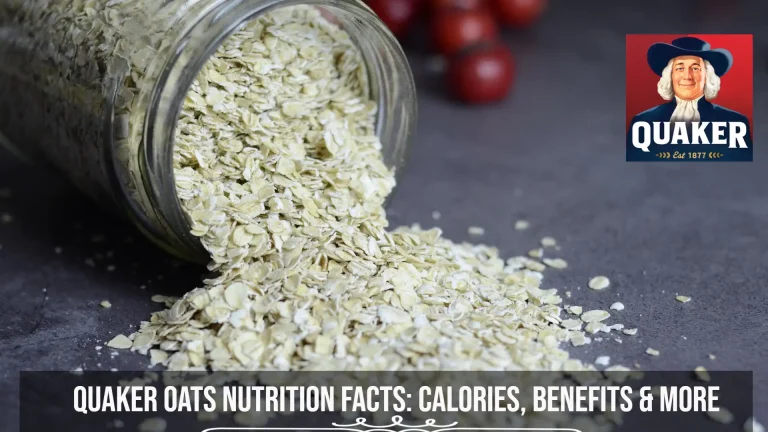
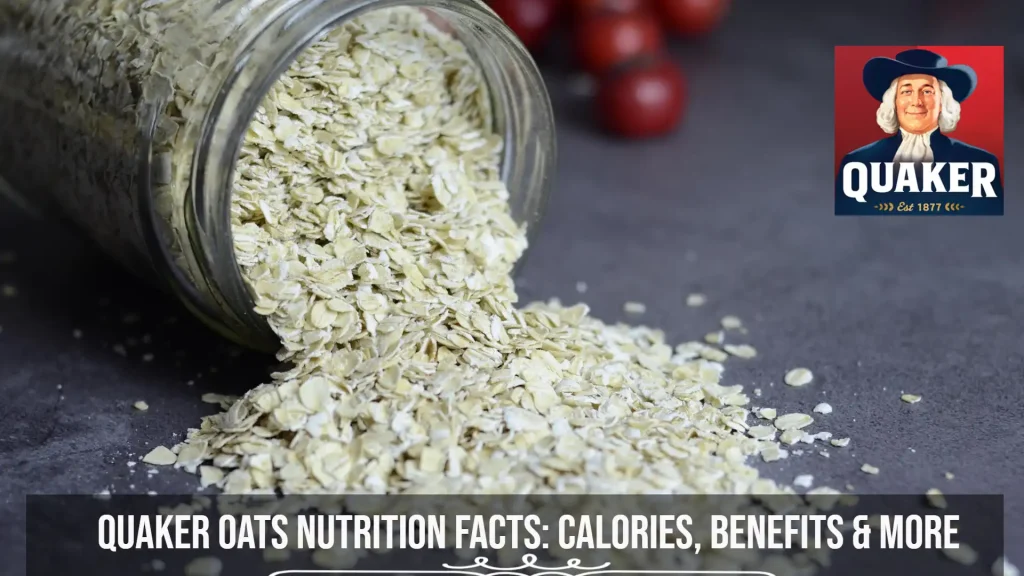
When it comes to healthy breakfasts, few foods are as classic and versatile as Quaker Oats. From traditional old-fashioned oats to convenient instant oatmeal packets, Quaker Oats has been a pantry staple for generations. But beyond being affordable and filling, what makes oats truly special is their nutritional profile.
Quaker Oats Nutrition Facts_ Calories, Benefits & More
In this detailed guide, we’ll break down Quaker Oats nutrition facts, explore their health benefits, compare different oat varieties, and answer the most common questions about this wholesome grain.
Why Choose Quaker Oats?
Quaker Oats has been around since 1877 and is one of the most trusted brands for whole-grain oats. Their products are widely available, affordable, and easy to prepare.
But the real reason so many people turn to Quaker Oats is simple: nutrition. Oats are a nutrient-dense food packed with:
Fiber (including beta-glucan, a heart-healthy fiber)
Plant-based protein
Vitamins and minerals like iron, magnesium, and potassium
Low sugar and zero cholesterol
Quaker Oats Nutrition Facts (Per 1 Cup Cooked, 80 g)
Here’s a look at the standard Quaker Oats nutrition label for a 1-cup cooked serving:
Nutrient
Amount
Daily Value (%DV)
Calories
300
–
Total Fat
6 g
9%
Saturated Fat
1 g
5%
Trans Fat
0 g
0%
Cholesterol
0 mg
0%
Sodium
0 mg
0%
Total Carbohydrates
54 g
18%
Dietary Fiber
8 g
32%
Sugars
2 g
–
Protein
10 g
–
Vitamin D
0 mcg
0%
Calcium
39 mg
3%
Iron
3 mg
17%
Potassium
403 mg
9%
👉 As you can see, Quaker Oats are low in fat, high in fiber, and a solid source of plant-based protein—making them one of the healthiest breakfast choices.
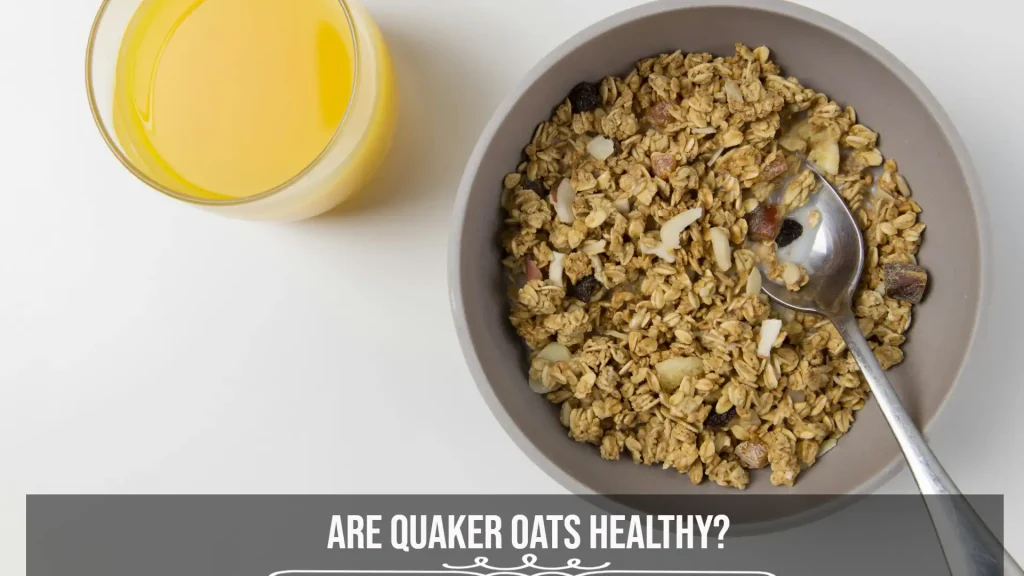
Are Quaker Oats Healthy?
Yes—Quaker Oats are considered one of the healthiest breakfast options. Here’s why:
Are Quaker Oats Healthy
Heart Health – The beta-glucan fiber in oats helps lower LDL (“bad”) cholesterol.
Digestive Health – The high fiber content supports regular bowel movements.
Weight Management – Oats are filling and can reduce cravings throughout the day.
Blood Sugar Control – Oats have a low glycemic index, making them suitable for people with diabetes.
Energy Boost – The complex carbs in oats provide long-lasting energy.
Quaker Oats Varieties and Their Nutrition
Not all Quaker Oats products are the same. Let’s break down the major types:
1. Quaker Old-Fashioned Oats
Made from rolled whole-grain oats
Cook for about 5 minutes
High in fiber and protein
Nutrition per 1 cup (80 g cooked): ~150 calories, 5 g protein, 4 g fiber
2. Quaker Instant Oatmeal
Pre-cooked, dried, and cut thinner for quick cooking
Convenient but sometimes contains added sugar and flavors
Nutrition varies by flavor: Plain instant oats are healthy, but flavored ones can have up to 12 g of added sugar
3. Quaker Steel-Cut Oats
Minimally processed oats cut into small pieces
Chewier texture, longer cooking time (~20–30 minutes)
Slightly higher in protein and fiber compared to rolled oats
4. Quaker Quick Oats
Similar to rolled oats but cut into smaller pieces
Chris Pratt weight loss journey has become one of the most inspiring celebrity transformations in Hollywood. From his early days as the lovable but overweight Andy Dwyer in Parks and Recreation to becoming the shredded Star-Lord in Guardians of the Galaxy, Pratt has shown that with dedication, discipline, and the right mindset, anyone can achieve dramatic physical change.
Chris Pratt Weight Loss_ Diet, Workout & Transformation
In this article, we’ll take a deep dive into how Chris Pratt lost 60 pounds, the diet plan he followed, his intense workout routine, and the lessons we can all learn from his transformation.
Who Is Chris Pratt?
Before becoming a Hollywood superstar, Chris Pratt was best known for his comedic role as Andy Dwyer in Parks and Recreation. Born on June 21, 1979, in Virginia, Minnesota, Pratt worked odd jobs before breaking into acting.
While audiences loved his charming and funny personality, his weight often became a defining feature of his roles. Pratt himself admitted that his lifestyle wasn’t the healthiest—eating junk food, drinking beer, and skipping workouts. But everything changed when he landed roles that demanded a fit and muscular physique.
Chris Pratt Weight Loss Journey
Pratt’s weight gain became noticeable when he was playing Andy Dwyer, but things took a serious turn when he prepared for Guardians of the Galaxy. For this role, Pratt had to transform his body dramatically—losing 60 pounds in just six months.
Chris Pratt Weight Loss Journey
Instead of opting for shortcuts or dangerous crash diets, he committed himself to a sustainable plan involving:
A strict high-protein, nutrient-rich diet
A rigorous workout schedule designed by professional trainers
Lifestyle changes, including hydration, sleep, and consistency
This wasn’t just about looking good for a movie. Pratt’s transformation was about reclaiming his health, boosting his energy, and proving that anyone can change their body with persistence.
Chris Pratt’s Diet Plan for Weight Loss
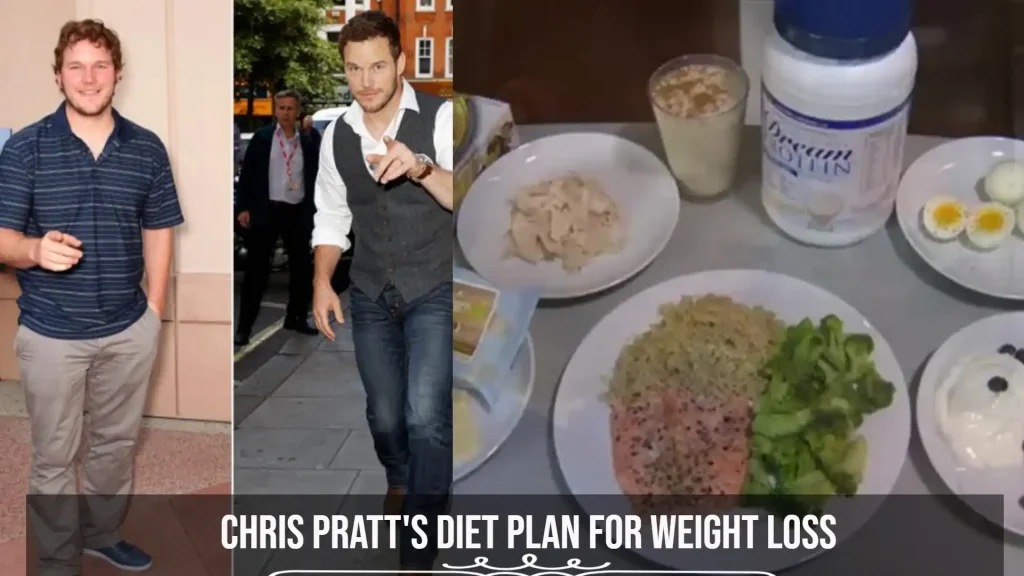
One of the most essential parts of Pratt’s success was his diet plan. He followed a low-carb, high-protein diet, also known as the Paleo Diet, which focused on eating whole, unprocessed foods.
Hiking, biking, and even surfing to keep workouts fun
Recovery
Dynamic stretching, yoga, and foam rolling
Favorite Core Exercises:
Planks
Hanging leg raises
Russian twists
Ab rollouts
Pratt’s consistency was key—he trained almost daily for 4-6 hours, balancing strength training and cardio.
Chris Pratt Weight Loss Before and After
The difference in Pratt’s body was astonishing. Before, he weighed around 300 pounds during his Parks and Recreation days. After his transformation, he dropped to around 220 pounds with single-digit body fat.
Chris Pratt Weight Loss Before and After
The transformation wasn’t just physical—it changed his career. Suddenly, he was cast in leading roles in blockbuster films like:
Guardians of the Galaxy
Jurassic World
Avengers: Infinity War
How Chris Pratt Lost Fat Effectively
Pratt’s fat loss wasn’t magic—it was a combination of science-backed strategies:
Calorie deficit: He consumed fewer calories than he burned.
High-protein intake: To preserve muscle mass while losing fat.
Heavy lifting + cardio: For strength and fat-burning.
Hydration & sleep: To optimize recovery and metabolism.
Consistency: No “cheat weeks,” only occasional controlled indulgences.
Life Lessons From Chris Pratt’s Weight Loss
Discipline beats motivation – He didn’t rely on “feeling motivated.” He showed up daily.
Diet is crucial – You can’t out-train a bad diet.
Long-term commitment – He focused on sustainable habits.
Inspiration matters – His role as Star-Lord gave him purpose.
Anyone can do it – From overweight comedian to Hollywood superhero, he proved transformation is possible.
Chris Pratt Weight Maintenance Tips
Even after reaching his goal, Pratt continues to maintain his fitness by:
Eating clean 80% of the time
Staying active through sports and outdoor activities
Balancing Hollywood’s demands with his health
Avoiding yo-yo dieting
Chris Pratt’s Weight Loss Transformation Explained
FAQs on Chris Pratt Weight Loss
How much weight did Chris Pratt lose?
Chris Pratt lost about 60 pounds in six months for Guardians of the Galaxy.
Did Chris Pratt use weight loss surgery?
No. His transformation came from diet, exercise, and discipline, not surgery.
What diet did Chris Pratt follow?
He followed a Paleo-inspired, high-protein, low-carb diet.
What workouts helped Chris Pratt lose weight?
Strength training, cardio, HIIT, and functional exercises formed his core routine.
Did Chris Pratt cut out alcohol?
Yes, he eliminated alcohol during his transformation phase.
How long did it take for Chris Pratt to transform?
Around 6 months of consistent training and dieting.
How tall is Chris Pratt and what does he weigh now?
He is 6’2” tall and weighs approximately 220 pounds post-transformation.
Who was Chris Pratt’s trainer?
Celebrity trainer Duffy Gaver guided his workouts.
Did Chris Pratt do intermittent fasting?
No confirmed reports, but he primarily followed calorie control and high-protein meals.
What role motivated Chris Pratt to lose weight?
His role as Star-Lord in Guardians of the Galaxy.
What supplements did Chris Pratt use?
Protein shakes, multivitamins, and fish oil were part of his regimen.
Can regular people follow Chris Pratt’s routine?
Yes, but it should be adapted to individual needs and guided by professionals.
Did Chris Pratt gain weight back after movies?
At times he relaxed, but he generally maintains a healthy weight now.
What was Chris Pratt’s biggest challenge in weight loss?
Giving up beer and junk food.
Is Chris Pratt’s transformation sustainable?
Yes—because he focused on long-term lifestyle changes, not crash diets.
When it comes to professional wrestling, Chris Jericho is a name that echoes across generations. The Canadian-American wrestler, singer, and entertainer has captivated audiences worldwide with his charisma and athleticism. But beyond the ring, Jericho also faced a personal challenge: managing his weight and fitness.
The Chris Jericho weight loss journey is more than a celebrity transformation story. It’s an inspiring lesson in discipline, health, and persistence. From struggling with extra pounds to achieving a fitter physique, Jericho’s transformation shows that consistency and lifestyle changes can make all the difference.
Chris Jericho Weight Loss_ Journey, Diet & Workout
In this article, we’ll explore who Chris Jericho is, how he lost weight, his diet plan, workout routine, before-and-after transformation, and what lessons his journey teaches us.
Who is Chris Jericho?
Chris Jericho, born Christopher Keith Irvine on November 9, 1970, is a legendary professional wrestler, musician, podcaster, and actor.
Height: 6 ft (183 cm)
Weight (before weight loss): ~227 lbs (103 kg)
Nationality: Canadian-American
Known for: Multiple WWE, AEW, and international wrestling championships, lead singer of the rock band Fozzy, and host of Talk Is Jericho podcast.
Jericho has won over 30 championships, including being a 7-time world champion. While his wrestling career skyrocketed, his body faced the physical toll of years in the ring. Like many wrestlers, maintaining peak fitness became a challenge — and that’s where his weight loss journey began.
Why Chris Jericho Needed Weight Loss
Over the years, Jericho’s career demanded strength, but his body mass became an issue.
Long travel schedules meant irregular eating.
Heavy meals and late-night eating added pounds.
Wrestling injuries made workouts harder.
Fans and critics pointed out his weight gain during his WWE and AEW appearances.
Although Jericho embraced his look and never let body-shaming stop him, he eventually realized that losing weight was necessary for both health and performance.
Chris Jericho’s Weight Loss Journey
Jericho didn’t lose weight overnight. It took years of discipline, diet changes, and workouts.
2009: Jericho faced criticism for his physique. Instead of ignoring it, he began focusing on weight management.
2010s: He experimented with diet changes, cutting out processed foods and sugar.
Recent years: With structured workout plans and diet improvements, he shed noticeable pounds, looking leaner and more energetic in AEW.
Result: Jericho reportedly lost 20+ pounds, gaining muscle definition and stamina.
How Did Chris Jericho Lose Weight?
Jericho’s transformation came down to two things: diet and training.
1. Dietary Changes
Chris Jericho switched from heavy, processed meals to cleaner, high-protein, nutrient-dense foods.
Eliminated junk food, processed sugars, and fried items.
Ate more lean protein: chicken, fish, eggs.
Included complex carbs: brown rice, oats, whole grains.
Added fresh vegetables and fruits for micronutrients.
Focused on portion control — eating smaller meals instead of binge eating.
He admitted in interviews that cutting alcohol and soda also made a big difference.
2. Workout Routine
Jericho’s workout is a mix of cardio and strength training. His plan emphasizes endurance for wrestling, but also fat-burning.
This five-day split with cardio helped Jericho not just slim down, but also keep wrestling stamina.
Chris Jericho Weight Loss Diet Plan
Though Jericho has not shared his full daily diet publicly, here’s a reconstructed diet plan based on his interviews and wrestling nutrition guidelines:
Chris Jericho Weight Loss Diet Plan
Breakfast: Scrambled eggs, oatmeal, fruit, green tea
Mid-Morning Snack: Protein shake, handful of nuts
Lunch: Grilled chicken, brown rice, steamed vegetables
Pre-Workout Snack: Banana or apple, whey protein
Dinner: Fish, quinoa, salad, steamed greens
Occasional Treat: Jericho has admitted he enjoys cheat meals, but keeps them in moderation.
Chris Jericho Before and After Weight Loss
Before: Jericho appeared heavier during late WWE years, with less muscle definition. After: In AEW, he surprised fans with a leaner physique, sharper jawline, and better conditioning.
Chris Jericho Before and After Weight Loss
Fans praised his dedication to health despite being in his 50s. His transformation shows that age is not a barrier to fitness.
What We Can Learn from Chris Jericho’s Weight Loss
Consistency wins – Jericho didn’t lose weight in weeks; it took years.
Diet is crucial – Small changes like cutting soda and processed food go far.
When you hear the name Chumlee, most people think of the lovable, funny, and sometimes goofy star of the hit TV series Pawn Stars. But beyond his on-screen persona, Austin Lee Russell, better known as Chumlee, has been on an inspiring personal journey — a battle with obesity, struggles with dieting, and ultimately a life-changing weight loss transformation.
From weighing nearly 350 pounds to shedding 160 pounds and embracing a healthier lifestyle, Chumlee’s story is one of perseverance, struggle, and self-care.
Chumlee Weight Loss ourney, Surgery & Transformation
This article dives deep into the Chumlee weight loss journey: how he did it, the role of gastric bypass surgery, diet and exercise changes, before-and-after photos, and what his transformation means for fans who struggle with weight loss.
Who Is Chumlee?
Before discussing his weight loss, let’s first get to know who Chumlee really is.
Full Name: Austin Lee Russell
Born: September 8, 1982 (Henderson, Nevada, USA)
Known As: “Chumlee” from Pawn Stars on the History Channel
Profession: TV personality, businessman, and owner of Chumlee’s Candy on the Boulevard in Las Vegas
Chumlee became a fan-favorite on Pawn Stars thanks to his quirky humor and relatable personality. However, behind the scenes, his weight was a growing concern that affected both his health and self-esteem.
The Struggles Before Chumlee’s Weight Loss
Like millions of people worldwide, Chumlee struggled with obesity from a young age.
His weight fluctuated for years due to yo-yo dieting.
He tried different workout routines and diets, but the results didn’t last.
By 2019, his weight reached 350 pounds (approx. 150 kg).
Carrying that much weight led to:
Low energy
Health risks (diabetes, heart disease, joint pain)
After years of frustration, he chose gastric sleeve surgery.
This procedure reduces stomach size, helping control food intake.
After surgery, he lost an incredible 160 pounds, dropping from 350 lbs to around 190 lbs.
Lifestyle Changes After Surgery
Began focusing on nutritious meals (fruits, vegetables, lean proteins).
Exercised more consistently.
Adopted a healthier relationship with food.
Chumlee Weight Loss Surgery: What Is Gastric Bypass?
Gastric bypass surgery, or in some cases gastric sleeve surgery, is a weight loss procedure that reduces the size of the stomach. This makes a person feel full after eating less food.
Heart-related diseases describe a range of conditions that affect the normal functioning of a human heart.
Do you know “What are the heart-related diseases and their prevention?”. If not, then lemme tell you what is heart disease prevention. Whenever someone says “Heart”, we know it is our body’s most vital organ. It is the source that keeps your blood flow inside all the other organs of your body, which is important for survival. More than two thousand gallons of blood, which is rich in oxygen and nutrition, is pumped by the heart every day, which reaches throughout our body in less than sixty seconds and does that for a lifetime without tiring itself.
Heart Disease Prevention Types of Heart Diseases & Tips
If overburdened and its use is abused, the performance of our heart decreases, and its life span is cut little by little. So, it needs to be taken care of, and how an individual lives decides the difference between life and death.
What is heart disease?
Heart-related diseases, orcardiovascular diseases, describe a range of conditions that affect the normal functioning of a human heart.
There are various types of diseases, and these are-
Blood vessel (artery) diseases
Heart rhythm problems or arrhythmias
One born with heart disease (congenital heart defects)
What is heart disease
Talking about risk factors, there are many risk factors for heart disease, such as
What are the symptoms and causes of heart disease?
In this article about heart disease prevention, We covered the four main symptoms of various heart diseases.
symptoms and causes of heart disease
1. Atherosclerotic disease (caused in Blood vessels)-
Check your chest area for any changes like Chest pain, chest tightness, any pressure or discomfort (angina)
Noticing shortness in breathing
Pain, numbness, weakness, or coldness in your legs or arms is caused by the blood vessels in those parts of your body being narrowed.
Pain in the neck, jaw, throat, upper abdomen or back.
2. Heart arrhythmias (Caused by abnormal heartbeats)-
A sensation of Fluttering in your chest
Racing heartbeat (tachycardia)
Slow heartbeat (bradycardia)
Chest pain or discomfort
3. Dilated Cardiomyopathy (caused by the weak heart muscle)
In the early stages, you might not see any symptoms, but as the condition worsens, you may experience
Breathlessness with exertion or at rest
Swelling of the legs, ankles and feet
Fatigue
Irregular heartbeats that feel rapid pounding or fluttering
Dizziness, lightheadedness and fainting
4. Heart Infections-
Fever
Shortness of breath
Weakness or fatigue
Swelling in your legs or abdomen
How to diagnose heart disease?
The tests you’ll need to diagnose your heart disease depend on what condition your doctor thinks you might have. The tests to diagnose heart disease can include:
How to diagnose heart disease
Electrocardiogram (ECG)-
It produces signals to help the doctor detect irregularities in your heart’s rhythm and structure.
Holter monitoring-
This monitoring method is used to detect heart rhythm irregularities that aren’t found during a regular ECG exam.
Echocardiogram-
This non-invasive exam includes a chest ultrasound, which shows detailed images of your heart’s structure and function.
Stress test-
This type of test involves raising your heart rate with exercise or medicine while performing heart tests and imaging to check how your heart responds.
What is the treatment of heart disease?
Here, I found some better treatments for your diseases of the heart. Likewise, I described below in 3 steps. The treatment for heart disease generally includes:
Lifestyle changes-
These include eating a diet food suggested by a doctor, getting at least 30 minutes of moderate exercise on most days of the week, quitting smoking, and limiting alcohol intake.
Medications-
If you don’t see any effect after lifestyle changes, then your doctor may prescribe medications to control your heart disease and the medication will depend on your condition.
Medical procedures or surgery-
If medications aren’t enough, your doctor may recommend specific procedures or surgery, and again, it will depend on the condition of your case.
What is the heart disease prevention diet?
Diet plays a major role in heart health and can impact your risk of heart disease. Certain foods can influence blood pressure, triglycerides, cholesterol levels, and inflammation, all of which are risk factors for heart disease.
Here are 7 foods you should eat to maximize your heart health.
1. Leafy Green Vegetables
Leafy green vegetables like spinach, kale, and collard greens are well-known for their wealth of vitamins, minerals, and antioxidants, which help to reduce blood pressure, decrease arterial stiffness, and improve the function of cells lining the blood vessels.
2. Berries
Berries are also rich in antioxidants like anthocyanins, which protect against the oxidative stress and inflammation that contribute to the development of heart disease.
3. Avocados
Avocados are an excellent source of heart-healthy monounsaturated fats, which have been linked to reduced levels of cholesterol and a lower risk of heart disease
4. Fatty Fish and Fish Oil
Fatty fish and fish oil are high in omega-3 fatty acids and may help reduce heart disease risk factors, including blood pressure, triglycerides, and cholesterol.
5. Walnuts
Walnuts are a great source of fiber and micronutrients like magnesium, copper, and manganese. It can help reduce cholesterol and blood pressure and may be associated with a lower risk of heart disease.
6. Dark Chocolate
Dark chocolate is rich in antioxidants like flavonoids, which can help boost heart health. It has been associated with a lower risk of developing calcified plaque in the arteries and coronary heart disease.
7. Olive Oil
A staple in the Mediterranean diet, the heart-healthy benefits of olive oil are well documented. Olive oil is high in antioxidants and monounsaturated fats. It has been associated with lower blood pressure and heart disease risk.
How to prevent heart disease naturally
People cannot expect a healthy lifestyle and peaceful mind in this fast-moving world. You need to know how the heart works to stay healthy and prevent the most common diseases from affecting your body. The heart is a muscular organ that pumps blood to the body. heart disease can be caused by heart or blood vessel problems, such as the buildup of fatty plaques in the arteries and lack of flexibility and strength.
Some important points on how to prevent heart disease naturally.
Avoid tobacco–
Smoke from cigarettes, cigars, and pipes is as bad for the heart and arteries as it is for the lungs. If you smoke, quitting is the biggest gift of health you can give yourself. Secondhand smoke is also toxic, so avoid it whenever possible.
Be active –
Exercise and physical activity are about the closest thing to magic bullets against heart disease and other chronic conditions. Any activity is better than none; at least 30 minutes daily is best.
Aim for a healthy weight –
Carrying extra pounds, especially around the belly, strains the heart and tips you toward diabetes. If you are overweight, losing just 5% to 10% of your starting weight can significantly affect your blood pressure and blood sugar.
Enliven your diet –
Add fruits and vegetables, whole grains, unsaturated fat, good protein (from beans, nuts, fish, and poultry), and herbs and spices. Subtract processed foods, salt, rapidly digested carbohydrates (from white bread, white rice, potatoes, and the like), red meat, and soda or other sugar-sweetened beverages.
Drink alcohol in moderation (if at all) –
If you drink alcohol, limit your intake — one to two drinks a day for men, no more than one a day for women.
Exercise and Heart Disease Prevention
Exercise is one of the most important things you can do for your heart health. Physical activity helps you live longer and reduces the risk of dying from heart disease by 50 percent. Getting regular exercise when you have heart disease is important. Physical activity can strengthen your heart muscle and help you manage blood pressure and cholesterol levels. Regular activity is one of the best ways to make a good recovery.
3 best exercises in which you can prevent your health from disease:-
~ Aerobic or endurance exercise
It involves continuous movement of your large muscles (like your legs). It increases your breathing and heart rate, which improves your heart, lungs, and circulatory system.
~ Resistance exercise
This exercise involves the development of muscle strength and endurance. Examples are lifting weights, using resistance bands, and pushing or pulling your body weight.
~ Stretching or flexibility
This exercise keeps your muscles relaxed and your joints mobile.
Heart disease prevention and treatment
If we talk about heart disease prevention and treatment, then they both are equally important on their own. Let me first talk about heart disease prevention. Actually, Heart disease is frequently, but not always, caused by lifestyle choices. Regardless of whether you have a predisposition to developing heart disease, living a heart-healthy life is the best preventive measure to take. Lifestyle strategies to help prevent heart disease or reduce your risk factors include:
Heart disease prevention and treatment
Regular exercise
Eating a heart-healthy diet
Maintaining a healthy weight
Getting regular health screenings
By knowing your blood pressure, cholesterol, and triglyceride levels, you can keep them under control.
Quit smoking
However, treatment of this disease also plays a major role. As we can say, depending on the severity of a heart condition, physicians often recommend starting with a strict regimen of the five strategies above. More advanced treatments may include:
Medications:
To lower your blood pressureor cholesterol
It corrects heart rhythms
To thin the blood
Medical procedures or surgeries:
Catheter procedures, used to insert stents or balloons, help to open up blocked vessels
Artery bypasses are used to re-route blood flow
Pacemakers can be inserted to regulate the heartbeat
Valve repairs or replacement can be used to remove damaged heart tissue
In severe cases, heart transplants may be an option
It is best to start living a heart-healthy lifestyle as soon as possible. Also, see a healthcare provider to learn more about your heart health.
Various articles on Heart Diseases
We wrote many articles on heart disease. Below, we provide links to every post, which will help you learn more about that particular heart disease.
High cholesterol levels in the blood cause ischemic heart disease. This affects the functioning of the heart, creating problems in blood pumping. We will learn about this disease in detail.
Stable Ischemic heart disease develops due to the heart’s inability to pump blood properly and efficiently. It has many symptoms, which we will discuss now.
Heart problems mainly occur due to bad eating habits or sometimes bad lifestyles. All that you eat contributes to what your blood becomes, which directly affects your heart.
If you’re wandering around and seeking, how can heart disease cause depression? Then you landed in the right place. Depression is the cause of several health problems in the patient.
Hypertension has become very common in people of every gender these days. Many factors, including living lifestyle, eating habits, and exercise routine, contribute to the heart diseases acquired by people these days.
Approx. one million people over the age of 20 suffer from congenital heart disease, and sometimes, these adult patients slip through the loopholes in the medical system.
The two secondary phenomena, tricuspid and pulmonary valve regurgitation, are caused by the dilation of the valve ring, which is secondary to the right ventricular failure or also likely to pulmonary hypertension, respectively.
Our body works largely because of the correct functioning of our heart. If the heart starts to function improperly, the entire body and mind will suffer.
As we all know, heart diseases or cardiovascular diseases are causing death all over the world. If we take proper precautions or preventive steps, then we will be able to save many lives.
Controlling and Preventing Heart Disease Risk Factors
Conclusion~
Life is very precious for all of us, as it happens only once in our lives, so we should not spoil it. The heart is the only organ of our human body where we can express our feelings and feel all the loveable things happening in our surroundings. If it is not in good condition, we cannot survive, as the very beat of our heart makes the person happy. So keep your health healthy and disease-free.
If you’ve ever struggled with weak hips, nagging lower back pain, or tight glutes, the clamshell exercise could be your new best friend. Simple yet powerful, this movement doesn’t require fancy gym equipment, yet it targets the exact muscles that often cause pain, stiffness, or imbalance in daily life.
Clamshell Exercise Benefits, Muscles Worked & Variations
In this ultimate guide, we’ll break down everything you need to know about the clamshell exercise — including how to do it correctly, the muscles it strengthens, variations with bands and weights, common mistakes, and why physical therapists swear by it.
What Is the Clamshell Exercise?
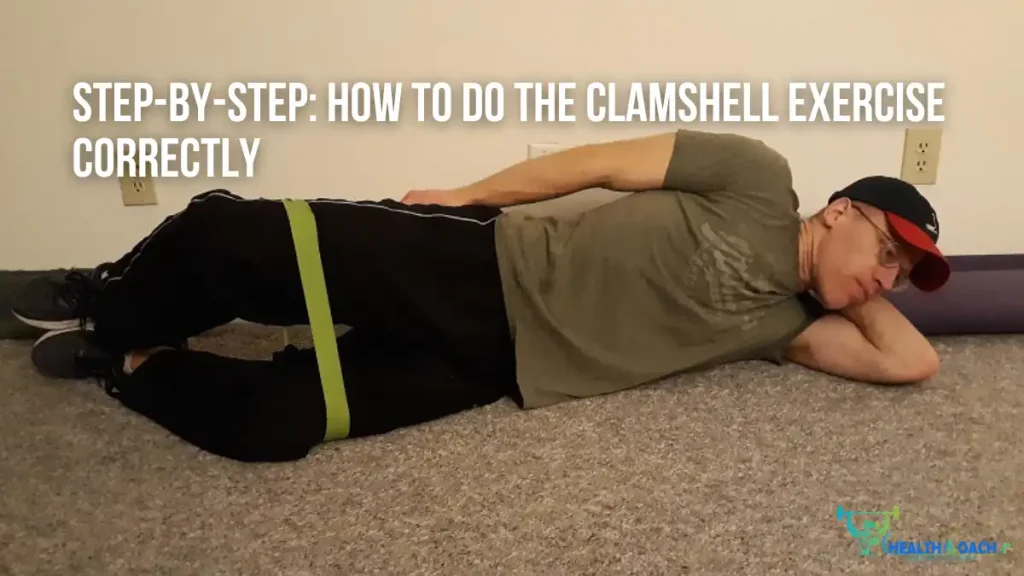
The clamshell exercise is a bodyweight strength movement that mimics the opening and closing of a clam’s shell — hence the name. It involves lying on your side, bending your knees, and lifting the top knee while keeping your feet together.
This simple action activates the gluteus medius and gluteus minimus, two key stabilizing muscles in the hip.
Unlike squats or lunges, clamshells isolate these deep hip muscles, making it a therapeutic and preventive exercise for people with:
Office Workers – Counteract effects of prolonged sitting
Rehab Patients – Post-surgery or injury recovery
How Often Should You Do Clamshell Exercise?
Beginners: 1 set of 10–12 reps per side, 3–4 times per week
Intermediate: 2–3 sets of 15 reps, 4–5 times per week
Advanced: Add resistance bands or side plank clamshells for intensity
👉 For best results, include clamshells in warm-ups, rehab routines, or glute workouts.
Clamshells vs. Squats: Which Is Better?
Squats = Compound exercise, works multiple large muscles
Clamshells = Isolation exercise, targets deep hip stabilizers
👉 Combine both for balanced lower-body strength.
Clamshell Exercise for Runners & Athletes
Runners often suffer from weak hip stabilizers, leading to knee pain, shin splints, and IT band syndrome. Regular clamshells:
Improve running form
Reduce risk of overuse injuries
Enhance stride power
Athletes in sports like soccer, basketball, and tennis also benefit from clamshells for lateral stability and agility.
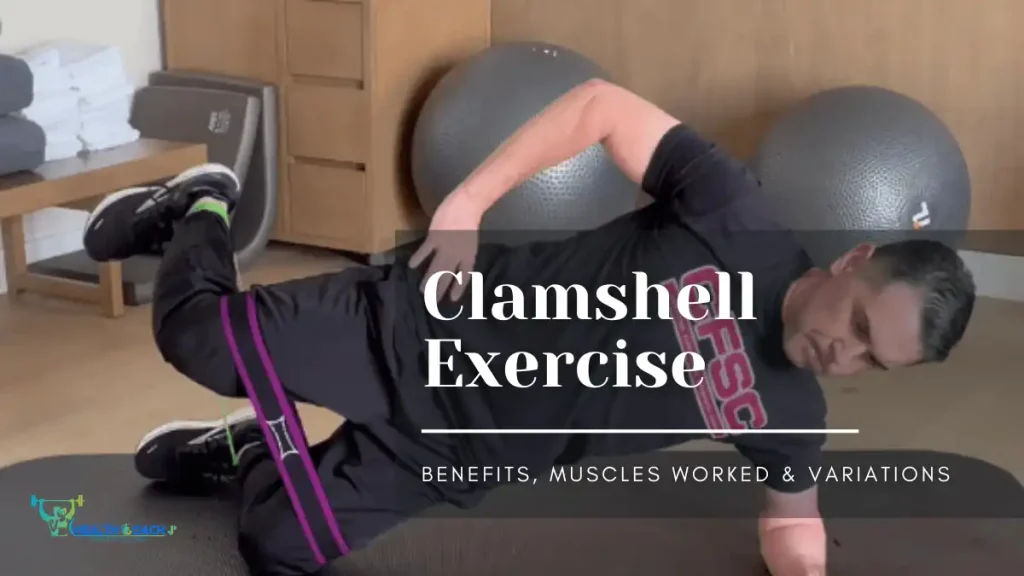
Clamshell Exercise with Bands: Step-by-Step
Clamshell Exercise with Bands_ Step-by-Step
Place the resistance band above the knees.
Lie on your side, knees bent.
Engage the core and lift the top knee against band tension.
Pause at the top, then slowly lower.
Perform 12–15 reps per side.
🔥 Pro Tip: Use different band strengths to progressively challenge your glutes.
Advanced Variation: Side Plank Clamshell
This combines two powerhouse moves for maximum benefits:
Side Plank: Engages obliques and core
Clamshell: Activates glutes
Steps:
Start in a side plank position with knees bent.
Lift the top knee while keeping the feet together.
Hold, then lower slowly.
This version improves core stability + hip strength simultaneously.
Final Thoughts
The clamshell exercise may look simple, but it’s one of the most effective moves to build hip stability, relieve back pain, and strengthen glutes. Whether you’re an athlete, someone recovering from injury, or just looking to improve posture, clamshells should be part of your routine.
Start with the basic version, focus on form, and progress to resistance bands or side plank clamshells as you get stronger.
Your hips, glutes, and spine will thank you.
How to Do the Clamshell Exercise Correctly
FAQs About Clamshell Exercise
Q1. What is the clamshell exercise good for?
It strengthens the gluteus medius, reduces back pain, and improves hip stability.
Q2. What muscles are used in the clamshell exercise?
Primarily the gluteus medius and minimus, plus core stabilizers.
Q3. How often should I do clamshells?
3–5 times a week, 10–15 reps per side, for best results.
Q4. Is clamshell exercise good for back pain?
Yes, it supports hip stability, which relieves pressure on the lower back.
Q5. Can beginners do clamshells?
Absolutely. It’s a safe, low-impact exercise for all fitness levels.
Q6. Do I need equipment for clamshell exercise?
No, but resistance bands or small weights can make it more challenging.
Q7. Is clamshell exercise good for athletes?
Yes, especially for runners to prevent knee and hip injuries.
Q8. Can clamshells replace squats?
No, but they complement squats by targeting different muscles.
Q9. What is the difference between clamshell and reverse clamshell?
Soda has long been a guilty pleasure for millions of people. But in recent years, there’s been a shift. Health-conscious consumers are looking for alternatives to sugary drinks. Enter Clear American Sparkling Water—a Walmart-exclusive beverage that has become one of the most popular flavored sparkling waters in the U.S.
It’s marketed as a guilt-free soda replacement. But many people still ask: “Is Clear American Sparkling Water good for you?”
This article will explore the ingredients, nutrition facts, flavors, potential health risks, and benefits. We’ll also look at how it compares with other sparkling water brands and answer the most frequently asked questions.
What Exactly Is Clear American Sparkling Water?
Clear American is Walmart’s private-label sparkling water brand. It’s available nationwide in bottles and cans and has built a cult following for its affordability and flavor variety.
Unlike many sparkling waters that taste slightly bitter, Clear American uses a unique carbonation process and artificial sweeteners like aspartame and acesulfame potassium to make the taste more soda-like. That’s why many consumers say it tastes closer to soft drinks than to LaCroix or Bubly.
Clear American Sparkling Water Ingredients
Here are the standard ingredients in most Clear American varieties:
Carbonated Water – The base of the drink.
Natural Flavor – Adds fruit taste (though the term is broad).
Potassium Benzoate – A Preservative that prevents spoilage.
Citric Acid – Enhances tartness.
Potassium Citrate – Balances acidity.
Aspartame – artificial sweetener.
Acesulfame Potassium (Ace-K) – A zero-calorie sweetener often paired with aspartame.
Nutrition Facts of Clear American Sparkling Water
For a serving size of 8 fl oz, here’s what you’ll get:
Nutrient
Amount
Daily Value
Calories
0
0%
Total Fat
0g
0%
Sodium
0mg
0%
Total Carbs
0g
0%
Sugars
0g
0%
Protein
0g
0%
It’s marketed as 0 calories, 0 carbs, 0 fat, and 0 sugar.
Is Clear American Sparkling Water Healthy?
This is the most debated question.
✅ The Pros:
No sugar or calories → Safe for weight management.
No caffeine → Can be consumed anytime.
Hydrating → Just like plain water.
Soda replacement → Great alternative to sugary sodas.
Variety of flavors → Makes hydration more enjoyable.
Is Clear American Sparkling Water Healthy
⚠️ The Cons:
Aspartame & Acesulfame K → Controversial artificial sweeteners. Some people avoid them due to potential long-term risks.
Potassium Benzoate → A preservative that, in rare cases, may cause skin reactions or form benzene under heat/light exposure.
Acidity → Like all carbonated drinks, it may contribute to enamel erosion over time.
Not 100% natural → Unlike LaCroix or Spindrift, it’s not marketed as “clean label.”
Bottom Line: Clear American Sparkling Water is much healthier than soda, but it’s not perfect. If consumed in moderation, it’s generally safe for most people.
Clear American Sparkling Water Flavors
This is where the brand shines. Unlike most sparkling water brands that stick to 5–10 flavors, Clear American offers dozens. Some fan favorites include:
Fuji Apple
Orange & Cream
Peach
Mandarin Orange
Ice Black Raspberry
Pineapple Coconut
Cherry Limeade
White Grape
Strawberry
Watermelon
Because of the sweetener blend, many people say these flavors taste like diet sodas without the calories.
Clear American Pineapple Coconut Nutrition Facts
One of the best-selling flavors is Pineapple Coconut. Here’s the breakdown for 12 fl oz (355ml):
Nutrient
Amount
Daily Value
Calories
0
0%
Total Fat
0g
0%
Sodium
5mg
0%
Cholesterol
0mg
0%
Total Carbs
0g
0%
Sugars
0g
0%
Protein
0g
0%
Potassium
170mg
4%
This makes it a refreshing, tropical soda alternative.
Clear American vs. Other Sparkling Waters
Brand
Calories
Sweetener
Flavor Profile
Price
Clear American
0
Aspartame, Ace-K
Sweet, soda-like
Budget-friendly (Walmart)
LaCroix
0
None
Subtle, natural
Mid-range
Bubly
0
None
Bold, fruity
Mid-range
Spindrift
5–15
None (uses real fruit juice)
Fresh, authentic
Premium
Clear American is the sweetest-tasting option due to its use of artificial sweeteners.
Who Sells Clear American Sparkling Water?
Walmart – Primary retailer (in-store & online).
Amazon – Limited selection, usually in multipacks.
Sam’s Club – Occasionally in bulk packs.
Who Sells Clear American Sparkling Water
Although it’s not as widely distributed as LaCroix or Bubly, Walmart ensures nationwide access.
Health Concerns & Safety of Clear American
Some people worry about long-term consumption. Let’s look at the science:
Aspartame: Approved by the FDA, but sensitive individuals (especially with PKU) should avoid it.
Acesulfame Potassium: Considered safe by EFSA and FDA, though some animal studies suggest further research is needed.
Potassium Benzoate: Safe in small amounts but may cause reactions in sensitive individuals.
Dental Health: Like other carbonated beverages, acidity may weaken enamel if consumed excessively.
👉 Best practice: Enjoy Clear American in moderation, and balance with plain water.
Benefits of Choosing Clear American Over Soda
Weight Management – Zero calories means no guilt.
Diabetes-Friendly – No sugar spikes like regular soda.
Hydration – Still counts toward daily fluid intake.
Affordable – One of the cheapest sparkling waters on the market.
Variety – Keeps you from getting bored with plain water.
Real Consumer Experiences
Many loyal fans praise Clear American because it curbs soda cravings. One customer review said:
“I’ve been drinking Clear American for three years, and I’ve completely stopped buying soda. My weight went down, and I don’t miss Coke anymore.”
Others note slight aftertastes from artificial sweeteners but say the flavors are worth it.
Clear American Sparkling Water Review – Walmart’s Zero-Calorie Drink
Frequently Asked Questions (FAQs)
Q1. What is in Clear American Sparkling Water?
It contains carbonated water, natural flavors, potassium benzoate, aspartame, acesulfame potassium, citric acid, and potassium citrate.
Q2. Is Clear American Sparkling Water alcoholic?
No, it’s non-alcoholic.
Q3. Is Clear American Sparkling Water good for diabetics?
Yes. It has no sugar or carbs, making it better than soda. However, diabetics sensitive to artificial sweeteners should consult their doctor.
Q4. How many calories are in Clear American Sparkling Water?
Zero. All flavors are calorie-free.
Q5. Does sparkling water make you gain weight?
No. Sparkling water itself has no calories. Weight gain only occurs if paired with high-calorie diets.
Q6. Does Clear American cause tooth decay?
Like other carbonated drinks, its acidity can weaken enamel if consumed excessively. Drink in moderation.
Q7. Is Clear American better than soda?
Absolutely. It’s calorie-free, sugar-free, and much healthier than soft drinks.
Q8. Can kids drink Clear American Sparkling Water?
Yes, but in moderation due to artificial sweeteners.
Q9. What’s the best Clear American flavor?
Fan favorites include Fuji Apple, Ice Black Raspberry, and Orange & Cream.
Q10. Where is Clear American manufactured?
It’s Walmart’s private-label product, distributed across U.S. stores.
Conclusion: Should You Drink Clear American Sparkling Water?
Clear American Sparkling Water is an excellent soda alternative—zero calories, zero sugar, and packed with refreshing flavors. While not as natural as LaCroix or Spindrift, it’s budget-friendly and satisfies cravings for fizzy, sweet drinks without the health risks of soda.
As with any beverage containing artificial sweeteners, the key is moderation. If you balance it with plain water and a healthy diet, Clear American can absolutely be part of a smart lifestyle.
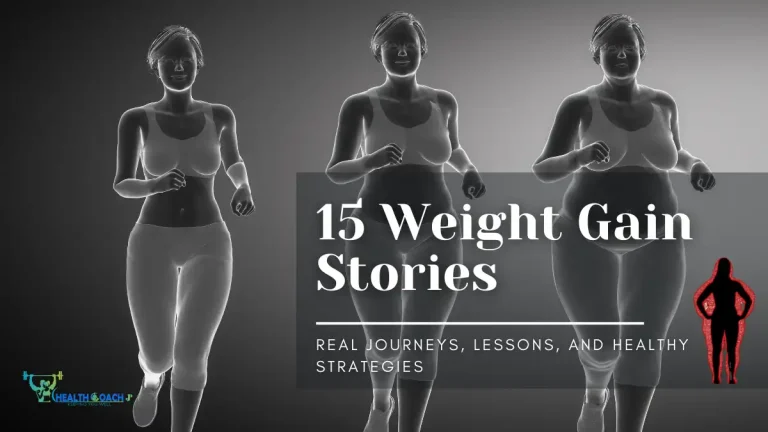
“Weight Gain Stories” are rarely highlighted compared to weight-loss journeys, yet millions struggle to put on a healthy weight. Whether due to fast metabolism, stress, illness, appetite issues, or lifestyle, gaining weight intentionally and safely can be just as challenging as losing it. This comprehensive, human-optimized guide curates real-life weight gain stories—across men, women, teens, couples, and families—while extracting the practical lessons behind each journey. You’ll find science-backed strategies to gain weight, sample meals and training approaches, mindset tips, and credible resources. We’ll also include a relevant YouTube video and authoritative external links to strengthen trust and SEO.
15 Weight Gain Stories
Who This Guide Is For
Underweight individuals aiming to reach a healthy BMI
People recovering from illness, appetite loss, or stress-induced weight loss
Athletes and lifters who want to add lean mass
Parents supporting children who need healthy weight gain
Gaining weight safely means increasing body mass—preferably lean muscle, with a reasonable increase in fat—through a caloric surplus paired with progressive resistance training. The fundamentals:
Understanding Healthy Weight Gain
Calorie surplus: 250–500 extra calories per day for steady gain; 500–700 for faster gain if supervised.
Protein: ~1.6–2.2 g/kg body weight daily to support muscle growth.
Sleep and recovery: 7–9 hours to optimize muscle repair and appetite regulation.
Consistency: Track intake, training, and weekly weight to adjust.
Note on health: Rapid or forced weight gain can worsen metabolic markers if driven by ultra-processed foods only. Aim for nutrient-dense choices and discuss medical concerns with a clinician or registered dietitian.
15 Weight Gain Stories and What They Teach
Below are adapted, anonymized story themes similar to those in the article content you provided, with added takeaways to help readers apply the lessons.
James: Grief, Appetite, and Rapid Gain
Context: After his mother’s illness, James coped by eating excessively, gaining ~140 lbs in six months.
Lesson: Emotional eating can trigger fast weight changes, but quality matters. If you need to gain, do so with structure—balanced meals, strength training, and mental health support.
Action tip: Pair a therapist’s guidance with a dietitian to create a safe, stable plan.
John: From Naturally Skinny to Overeating
Context: Aging, reduced activity, and convenience foods led John to gain weight unintentionally.
Lesson: Lifestyle shifts drive body changes. Intentional weight gain works best with planned calories, protein, and training—rather than relying on junk food.
Action tip: Build meals around protein, complex carbs, and healthy fats; use resistance training to direct calories toward muscle.
Robert: From Insecure to Stronger With Oats and Lifting
Context: Swapped minimal eating for calorie-dense staples like oats, added strength training, gained muscle from a skinny frame.
Lesson: A simple, consistent surplus plus lifting works.
A safe target is 0.25–0.5 kg per week. Faster rates can increase fat gain and GI discomfort.
Q2: Can I gain weight without lifting?
Yes, but most of the gain will be fat. Strength training helps direct calories toward muscle and improves appearance and metabolism.
Q3: What if I have a low appetite?
Choose liquid calories (smoothies, milk, shakes), add oils and nut butter, and eat smaller, more frequent meals.
Q4: Are “dirty bulks” okay?
They can increase weight quickly but often raise body fat and worsen blood markers. Favor 80–90% whole foods, with some flexibility.
Q5: When should I see a doctor?
If you experience unexplained weight loss, chronic low appetite, GI symptoms, or need guidance for a child/teen, consult a clinician or registered dietitian.
Conclusion
Weight Gain Stories reveal a simple truth: sustainable results come from consistent, structured habits—calorie surplus, quality nutrition, progressive strength training, good sleep, and supportive mindsets. Whether you relate to a teen finding confidence, a partner gaining alongside a loved one, or an adult rebuilding after illness or stress, healthy weight gain is achievable. Use the lessons above, lean on expert-backed resources, monitor progress weekly, and adjust patiently. Your story can be strong, confident, and healthy—one planned meal and one workout at a time.
When you hear the name Victoria Principal, you may immediately think of her iconic role as Pamela Barnes Ewing in the hit TV show Dallas. But her legacy stretches far beyond Hollywood. For millions of women, Victoria isn’t just a talented actress—she’s also a beauty mentor, health advocate, and the visionary behind the successful skincare line Principal Secret.
For more than 25 years, Victoria has openly shared her secrets for radiant, youthful skin. Her skincare philosophy is simple yet powerful: combine science, consistency, and self-care to reveal natural beauty at any age.
Victoria Principal Secrets
In this article, we’ll dive deep into Victoria Principal Secrets, covering her journey, her bestselling products, insider tips for skincare, and FAQs that people frequently ask. Whether you’re new to her brand or a long-time fan, you’ll leave with practical knowledge and inspiration for your own beauty routine.
Victoria Principal: From Actress to Wellness Icon
Victoria Principal rose to fame in the late 1970s and 80s, captivating millions as Pamela in Dallas. But behind the glamour of Hollywood, she was quietly passionate about health, skincare, and personal well-being.
These books revealed her holistic philosophy: beauty isn’t just skin-deep—it’s a balance of mind, body, and lifestyle.
By 1989, Victoria took her passion one step further by launching Principal Secret, a skincare line designed for real women who wanted real results without harsh chemicals or invasive treatments.
The Philosophy Behind Victoria Principal Secrets
At the heart of Victoria’s skincare philosophy are three key principles:
Consistency is everything. Skincare isn’t about quick fixes; it’s about small, daily habits that add up over time.
Science + Nature. Each formula in Principal Secret balances advanced science with nourishing natural ingredients.
Beauty is ageless. Victoria has always emphasized that true beauty isn’t about erasing age—it’s about embracing skin health at every stage of life.
This balance between glamour and groundedness is what made her brand so relatable and trustworthy.
The Rise of Principal Secret Skincare
When Victoria launched Principal Secret, the skincare industry was crowded—but her products stood out because they delivered results. Her flagship Reclaim® anti-aging system became a best-seller on shopping networks like QVC and online platforms like Amazon.
What made it unique?
Multi-step systems: Cleanser, serum, day cream, night cream, and specialty treatments.
Advanced technology: Peptides, antioxidants, and Argireline® to fight fine lines and wrinkles.
Dermatologist-tested formulas: Designed for all skin types, including sensitive skin.
Over the years, the brand expanded into multiple product lines:
Reclaim® Botanical – plant-based exfoliators and masks
Advanced Line – 4-in-1 cleansers and revitalizing scrubs
Targeted Care – neck firming creams, eye serums, and blemish solutions
Each product reflected Victoria’s personal skincare routine, making fans feel like they were learning her real secrets.
The Best-Selling Principal Secret Products
Here’s a closer look at some of the most popular items from the Victoria Principal Secrets collection:
Amazon: Several popular products are still available, but always check seller authenticity
QVC: Previously stocked, though availability varies
💡 Pro Tip: Always buy from verified sellers to avoid counterfeit skincare items.
Victoria Principal’s Skincare Routine – Tips You Can Use
Victoria’s radiant complexion wasn’t just the result of good genetics. She lived by her own skincare secrets, which we can all learn from:
Daily Cleansing: Never go to bed with makeup on.
Sun Protection: SPF is non-negotiable—even indoors.
Hydration: Drink plenty of water and use moisturizers regularly.
Gentle Exfoliation: Regular scrubs or enzyme masks to reveal fresh skin.
Adapt Over Time: Adjust products as your skin’s needs change.
Victoria Principal Today – From Skincare to Philanthropy
In 2019, Victoria announced she was stepping back from Principal Secret to focus on The Victoria Principal Foundation for Thoughtful Existence.
Her foundation supports:
Environmental causes
Animal rescue
Women’s health initiatives
Even though she stepped away from the business, her beauty secrets and product legacy live on, inspiring women around the world.
FAQs About Victoria Principal Secrets
Q1. What is Principal Secret?
Principal Secret is Victoria Principal’s skincare line, designed with advanced anti-aging formulas and gentle ingredients.
Q2. Are Victoria Principal’s skincare products still available?
Yes, many products are still available on the official website and Amazon, though some collections may be discontinued.
Q3. Do the products really work?
Customer reviews and clinical studies report visible improvements in hydration, smoothness, and wrinkle reduction.
Q4. Are the products safe for sensitive skin?
Yes, most items are dermatologist-tested, paraben-free, and suitable for sensitive skin.
Q5. Did Victoria Principal sell her skincare company?
Yes, in 2019, she stepped away to focus on philanthropy, though her brand continues to operate.
Q6. Is Principal Secret cruelty-free?
Yes, the line is cruelty-free and not tested on animals.
Q7. What are the most popular products?
The Reclaim Anti-Aging System, Botanical Scrub, and SPF Day Cream are among the best-sellers.
Q8. What age group benefits from Principal Secret?
It’s ideal for women 30+ looking for hydration, wrinkle reduction, and overall skin renewal.
Q9. Can men use Victoria Principal skincare?
Absolutely—skin health isn’t gender-specific. Many men benefit from the hydrating and anti-aging formulas.
Q10. Where is the best place to buy?
The official Principal Secret website ensures authenticity, though Amazon and QVC also stock products.
Final Thoughts: Reclaim Your Glow with Victoria Principal Secrets
Victoria Principal’s skincare philosophy has always been about more than looking young—it’s about feeling confident in your own skin. Through her Principal Secret products, she gave women tools to nourish their skin and embrace their natural beauty.
Even though she’s stepped back from the brand, her legacy endures. The Victoria Principal Secrets are timeless: consistency, care, and confidence.
So whether you’re exploring her best-selling Reclaim line or simply adopting her skincare philosophy, one thing is clear—radiance isn’t a secret at all; it’s a lifestyle.
Weight loss is crowded with myths—miracle fat-burning foods, detoxes, and “drop 10 pounds in a week” schemes. But sustainable change comes from evidence-based habits that improve nutrition, activity, sleep, and behavior over time. Healthy weight loss blends a reduced-calorie, nutrient-dense eating plan, regular movement, behavior change, quality sleep, and stress management—not crash diets or extreme routines. The following 10 science-backed weight loss tips are practical, realistic, and aligned with leading health organizations and clinical research, so progress is steady, safe, and built to last.
10 Science-Backed Weight Loss Tips That Actually Work
1. Eat More Protein at Every Meal
Higher-protein diets can help with weight management. They increase satiety and preserve lean mass. They also improve body composition during weight loss, compared to lower-protein diets. Clinical trials show that increasing protein above the RDA can reduce body weight and fat mass. It also helps prevent weight regain after weight loss. Ad libitum studies show that increasing protein from ~15% to ~25–30% of total energy improved fullness. This led to significant reductions in body weight and body fat over weeks to months. After initial weight loss, higher protein intake (e.g., ~18% of energy vs. ~15%) has been linked with better weight maintenance. It also reduces fat regain. For practical advice, include protein at each meal. Good sources include eggs, Greek yogurt, cottage cheese, tofu, tempeh, legumes, fish, poultry, or lean meats. This supports satiety and metabolic health. Remember to stay within your total calorie targets.
Actionable protein targets and tips:
Aim for 20–35g protein per main meal based on appetite, body size, and activity, within overall calorie goals, to support fullness and muscle retention.
Distribute protein evenly across meals to maximize satiety and reduce evening overeating tendencies.
2. Focus on Whole, Unprocessed Foods
Whole, minimally processed foods—vegetables, fruits, legumes, whole grains, nuts, seeds, fish, and minimally processed dairy—tend to be more filling per calorie and are linked to better weight control and overall health outcomes. Evidence-based dietary patterns that emphasize nutrient density and fiber. While moderating added sugars and refined starches, support sustainable fat loss without strict elimination rules. Government and public health guidance encourages balanced, reduced-calorie eating plans (e.g., MyPlate-style patterns) that include a variety of food groups to promote adherence and nutrient adequacy during weight loss. Practical tactics include building plates around vegetables and protein, prioritizing high-fiber carbs, and choosing unsweetened beverages to manage calorie intake.
Quick plate formula:
1/2 plate non-starchy vegetables; 1/4 plate lean protein; 1/4 plate high-fiber carbs; plus a small portion of healthy fats, aligning with balanced, reduced-calorie strategies.
3. Drink More Water Before Meals
Hydration supports appetite regulation and may help reduce meal energy intake when water is consumed pre-meal, contributing to a modest caloric deficit over time as part of a healthy plan. Replacing sugary beverages with water further reduces added sugar and total calories, reinforcing weight-loss efforts while improving overall diet quality. Public health recommendations consistently promote water and unsweetened options as the default beverage choice for healthy weight management. Try drinking a glass of water 15–30 minutes before meals and keeping a water bottle nearby throughout the day to encourage consistent hydration habits.
4. Practice Mindful Eating
Mindful eating—slowing down, minimizing distractions, noticing hunger/fullness, and savoring food—can reduce overeating and improve adherence to reduced-calorie diets by aligning intake with satiety signals. Behavioral and lifestyle strategies (goal-setting, self-monitoring, stimulus control, and problem-solving) are core components of effective weight-management programs and support long-term maintenance. Practical steps include eating without screens, putting the utensil down between bites, rating hunger/fullness before and after meals, and pre-portioning snacks to prevent mindless grazing.
Behavioral checklist to implement today:
Plan meals and snacks, keep tempting foods out of sight, and log meals or hunger levels a few times per week to build awareness and consistency.
Use smaller plates/bowls and slower eating to help natural satiety cues catch up, reducing total calories without strict rules.
5. Increase Your NEAT (Non-Exercise Activity Thermogenesis)
NEAT refers to calories burned from non-exercise movement. This includes activities like walking, standing, stair-climbing, chores, and fidgeting. It’s a highly variable part of daily energy expenditure. NEAT can significantly impact weight regulation. Research shows NEAT accounts for 6–10% of energy use in sedentary people. In very active individuals, it can be 50% or more. This makes it a powerful tool beyond formal workouts. Small, frequent movements add up throughout the day. Examples include standing during calls, walking during breaks, and parking farther away. Using stairs and doing short chore bursts also raise NEAT without needing gym time. Basal metabolism and the thermic effect of food are relatively fixed. Therefore, NEAT is the most adaptable daily energy component. It’s critical in long-term weight management.
NEAT boosters to try:
2–5 minute movement breaks each hour; 8,000–12,000 daily steps target depending on baseline; stairs over elevators; standing desk intervals; walk-and-talk meetings.
Build “habit stacks” like brushing teeth while pacing or brewing coffee while doing calf raises to increase spontaneous activity.
6. Add Strength Training to Your Routine
Resistance training preserves or increases lean muscle mass during weight loss, which supports resting metabolic rate and improves body composition compared to diet alone. Combined with adequate protein, strength training helps maintain fat-free mass, which is vital for sustaining weight loss and physical function over time. Public health guidance recommends including muscle-strengthening activities at least 2 days per week alongside aerobic activity for overall health and healthy weight management. Start with 2–3 weekly sessions covering major movement patterns—push, pull, squat, hinge, carry—using bodyweight, resistance bands, machines, or free weights within safe progression.
Beginner-friendly structure:
Full-body sessions 2–3x/week; 6–8 exercises; 2–3 sets of 8–12 reps; focus on form and slow progression; pair with daily walking to boost overall energy expenditure.
7. Reduce Added Sugar Intake
High added sugar intake contributes excess calories with low satiety, making it harder to sustain a caloric deficit and often displacing nutrient-dense foods that support fullness and metabolic health. Government and public health resources encourage limiting sugar-sweetened beverages and ultra-processed sweets as part of an overall healthy eating pattern for weight control. Swapping sugary drinks for water, unsweetened tea/coffee, or sparkling water with citrus, and choosing minimally processed snacks, helps reduce energy intake and cravings over time. Reading labels for “added sugars” and choosing products with less sugar per serving supports a reduced-calorie approach without deprivation.
Practical swaps:
Soda → seltzer with lime; sweetened yogurt → plain Greek yogurt with berries; packaged cookies → fruit + nuts; cereal bars → boiled eggs or hummus with veggies.
8. Improve Sleep Quality
Insufficient or poor-quality sleep is associated with increased appetite, cravings, and weight gain risk via hormonal and behavioral pathways, making sleep a cornerstone of healthy weight loss. Public health guidance includes “enough sleep” as a pillar of healthy weight, alongside eating patterns, physical activity, and stress management. Aim for a consistent sleep schedule, a dark/cool room, a wind-down routine, and limited late-day caffeine to improve sleep continuity and duration. Better sleep helps regulate hunger signals and supports adherence to calorie targets and exercise plans.
Sleep hygiene checklist:
Fixed sleep/wake times, 7–9 hours most nights, device curfew 60 minutes before bed, and earlier light exposure to reinforce circadian rhythms.
9. Manage Stress Effectively
Chronic stress can drive emotional eating, disrupt sleep, and reduce motivation for physical activity, undermining weight-loss efforts even with a solid plan. Behavioral weight-management frameworks explicitly integrate stress management and problem-solving because they improve adherence and outcomes over time. Practical strategies include short daily breathing exercises, brief mindfulness sessions, time blocking to reduce overload, and social support for accountability and resilience. Even 5–10 minutes of daily stress reduction can translate to better decision-making around food and activity, especially during busy weeks.
Action plan:
Schedule micro-breaks, practice mindful pauses before eating, and prepare simple, high-protein, high-fiber meals during high-stress periods to avoid impulsive choices.
10. Track Your Progress Without Obsessing
Self-monitoring—tracking weight, food intake, activity, or habits—is a core behavior strategy that correlates with better weight-loss and maintenance outcomes when done consistently but flexibly. Simple check-ins like weekly weigh-ins, step counts, or logging food for 2–3 days a week can increase awareness and help adjust plans without perfectionism. Leading resources emphasize weighing regularly and not letting small slips become large regains, focusing on long-term habits over all-or-nothing thinking. Consider multiple metrics: waist measurements, clothing fit, energy levels, and strength gains, not just scale weight, to capture body composition changes and maintain motivation.
Smart monitoring routine:
Weigh 1–2x/week under similar conditions, review trends monthly, and pair with habit tracking (protein at meals, steps, sleep hours) to guide tweaks calmly and constructively.
A “fast but safe” pace is typically about 1–2lb per week, depending on starting point, health status, and adherence, achieved through a moderate calorie deficit with nutrient-dense foods, higher protein, more NEAT, and strength training. Crash diets and extreme restrictions tend to backfire, eroding lean mass and making maintenance harder, whereas structured behavior change plus sustainable nutrition/activity supports long-term success. If weight or health conditions warrant medical supervision, consult a clinician or registered dietitian for a personalized plan and to avoid complications from aggressive calorie cuts or unsupervised very-low-calorie diets.
How to Lose Weight Fast—Safely
On Building a Plan That Actually Sticks
Set realistic goals: focus on weekly behaviors (protein at each meal, steps, bedtime), not just the scale.
Build environment cues: keep fruit and high-protein snacks visible, plan simple meals, and keep tempting ultra-processed foods out of easy reach.
Layer habits slowly: add 1–2 changes at a time, like a 10-minute walk after lunch and swapping sugary drinks for water, then build from there.
Celebrate non-scale wins: better sleep, improved mood, stronger lifts, steadier energy—these drive adherence and are early signals of success.
A 4-Week Beginner Roadmap
Conclusion – Key Takeaways & Motivation
Sustainable fat loss comes from a cluster of simple, repeatable habits: eat more protein, center meals on whole foods, hydrate strategically, eat mindfully, move more throughout the day, lift 2–3 times weekly, dial back added sugars, safeguard sleep, manage stress, and track progress in balanced ways. Each tip stands on evidence from public health guidance and clinical research, and together they create a resilient system for steady change without extreme rules or quick fixes. Start small, choose the easiest wins for this week, and let consistency compound—because the best weight loss tips are the ones that fit life and are sustainable long after the scale moves.
FAQ about weight loss tips
Can I lose weight without exercise?
Yes, weight loss fundamentally requires a caloric deficit, which can be achieved through nutrition alone. However, adding activity, especially NEAT and strength training, improves body composition, preserves muscle, and makes maintenance easier. NEAT can meaningfully increase daily energy expenditure even without formal workouts, and resistance training helps retain lean mass during weight loss for better metabolic outcomes. Public health guidance recommends combining healthy eating patterns with regular physical activity and behavior change for the most sustainable results, but if exercise isn’t possible initially, begin with nutrition and NEAT while building toward more movement over time.
How fast is it safe to lose weight?
A generally safe and realistic pace is about 1–2lb per week for many adults, depending on starting weight, health, and adherence, with faster rates warranting clinical oversight to reduce risks. Government and medical guidance emphasize gradual, steady progress, prioritizing nutrient adequacy, sleep, and stress management to support metabolic health while reducing calories. Avoid rapid weight loss approaches or extreme restrictions unless supervised, as these can increase the chance of regain and adverse effects, while sustainable strategies are more likely to stick and protect lean tissue.
Lower back pain is one of the most common physical complaints worldwide, affecting millions every year. While causes vary—from disc injuries to muscle strain—tight hamstrings are an often-overlooked contributor. Understanding this link is critical for finding lasting relief.
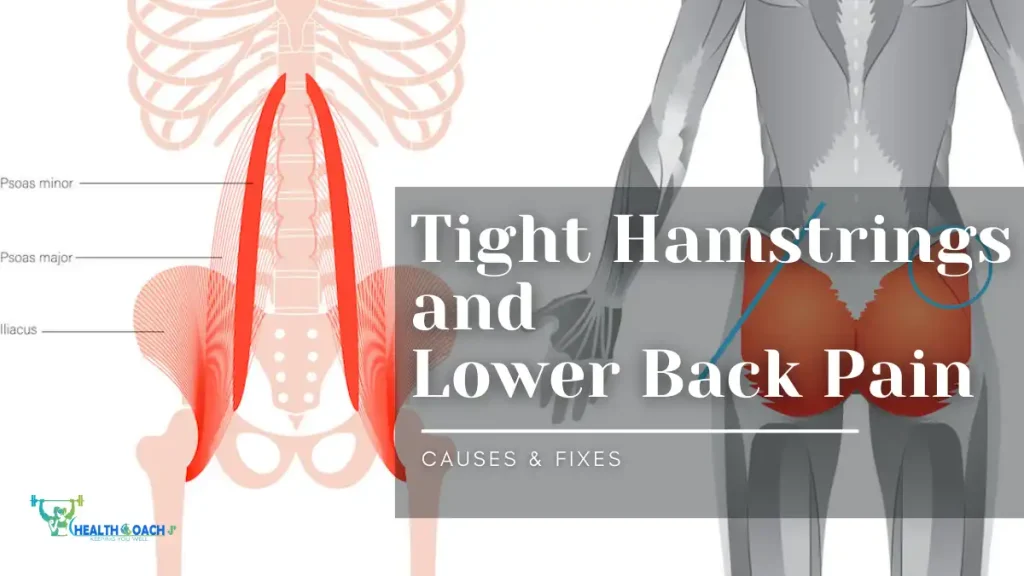
Tight Hamstrings and Lower Back Pain_ Causes & Fixes
We’ll explore the anatomy of your hamstrings, exactly how tight hamstrings can cause or worsen lower back pain, and five evidence-backed stretches to improve flexibility. We’ll also add expert resources, medical references, and a relevant YouTube video for more guidance.
Where Are the Hamstrings Located?
Your hamstrings are three large muscles at the back of your thigh:
Biceps femoris (outer hamstring)
Semitendinosus (middle)
Semimembranosus (inner)
They start at the pelvis (ischial tuberosity) and cross the knee joint, enabling you to bend your knee and extend your hip.
Primary Functions of the Hamstring Muscles
Knee flexion (bending the knee)
Hip extension (moving your thigh backward)
Supporting posture and balance during walking, standing, or bending
When flexible and strong, hamstrings assist spinal alignment and pelvic stability. When tight, they can pull on the pelvis and disrupt the natural curve of your lower back, leading to strain.
What Causes Tight Hamstrings?
Some common causes include:
Sedentary Lifestyle – Sitting for long hours shortens the hamstring muscles.
Overtraining Without Stretching – Exercise without flexibility work leads to muscle tightness.
Injury/Strains – Scar tissue can reduce hamstring mobility.
Poor Posture – Slouching or pelvic tilt can shorten hamstrings over time.
Genetic Flexibility Limits – Some individuals naturally have tighter muscles.
Pro tip: An inactive job alone can shorten hamstrings enough to affect lower back mechanics.
Can Tight Hamstrings Cause Back Pain?
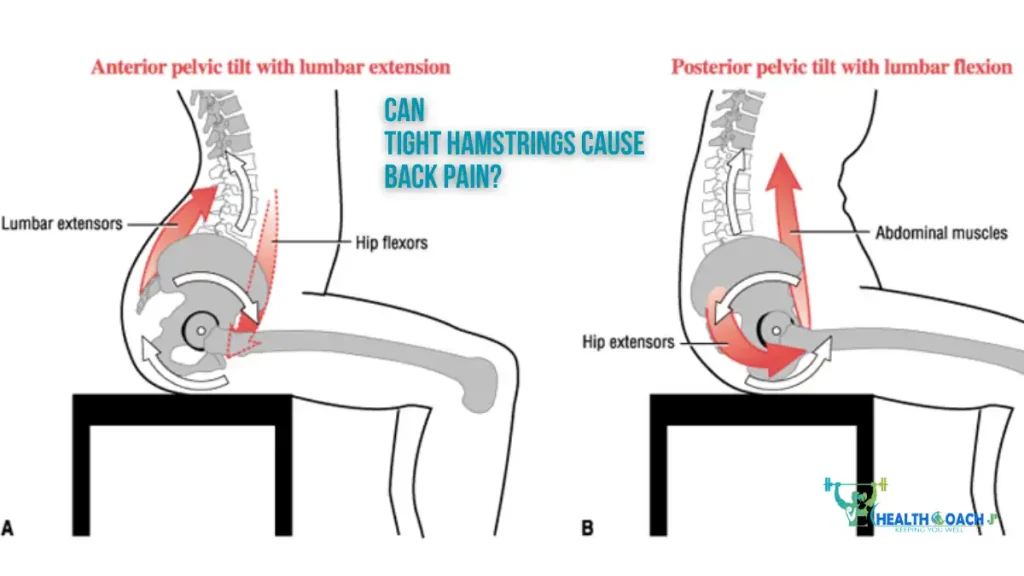
Yes. Tight hamstrings pull the pelvis downward and backward, flattening your natural lumbar curve. This places extrastress on the lower spinal discs and ligaments, resulting in discomfort or pain.
Can Tight Hamstrings Cause Back Pain
Example: Imagine a rope tied from your pelvis to the back of your knees (your hamstrings). If that rope tightens, it tilts your pelvis and alters spinal alignment, creating strain.
The Link Between Tight Hamstrings, Glutes, and Lower Back Pain
Tight hamstrings often coexist with tight glutes.
The gluteus maximus—your buttock muscle—works with hamstrings for hip extension.
Sitting too long tightens both muscle groups, reducing hip mobility and forcing the lower back to compensate.
Key takeaway: Hamstring tightness rarely occurs alone—it’s part of a chain involving your lower back, pelvis, and hip muscles.
5 Best Hamstring Stretches for Lower Back Pain Relief
Before attempting stretches, consult a physiotherapist if you have severe pain or injury.
1. Chair Hamstring Stretch
Sit on a chair, place one leg on another chair in front of you.
Keep your back straight, reach toward your toes.
Hold for 20–30 seconds.
2. Wall Hamstring Stretch
Lie on your back with your buttocks against a wall.
Place one or both legs up the wall.
Straighten your leg as much as possible without pain.
Hold for 30 seconds.
3. Standing Forward Bend
Stand tall, feet hip-width apart.
Bend forward slowly, reach toward the floor.
Avoid locking knees; stop if pain increases.
4. Towel Hamstring Stretch
Lie on your back, loop a towel around one foot.
Gently pull your leg toward you while keeping it straight.
Switch sides.
5. Lying Hamstring Stretch with Strap
Lie on your back, knees bent, feet on floor.
Extend one leg upward with a strap looped around your foot.
Hold for 20–30 seconds per leg.
How to Stretch Tight Hamstrings for Lower Back Pain Relief
A step-by-step guide on safe hamstring stretching to ease back pain.
Lifestyle Tips to Prevent Tight Hamstrings and Back Pain
Move Every Hour – Stand or walk briefly to prevent muscle shortening.
Warm-Up Before Exercise – Dynamic stretches improve flexibility.
Strengthen Core Muscles – A strong core reduces strain on your back.
Maintain Good Posture – Keep hips aligned and avoid slouching.
Lifestyle Tips to Prevent Tight Hamstrings and Back Pain
When to See a Doctor
Seek medical advice if:
Pain persists beyond 2–3 weeks.
Pain radiates down your leg (possible sciatica).
You experience numbness or weakness.
Key medical credibility additions
Evidence shows hamstring stretching can reduce pain intensity and improve function in low back pain, with notable benefits for cases with radiating pain.
Tight hamstrings can disrupt pelvic motion and lumbar mechanics; combining flexibility work with core strengthening and motor control exercises improves outcomes.
Major health systems recommend gentle hamstring stretches as part of low back pain care pathways.
Conclusion
“Tight hamstrings and lower back pain” are interconnected through the pelvis and spine. Addressing hamstring flexibility can significantly reduce back discomfort, improve mobility, and prevent injury. Consistency in stretching, correcting posture, and strengthening supportive muscles is the real key.
FAQs about Tight Hamstrings and Lower Back Pain
Q1: Why does my back hurt when my hamstrings are tight?
Tight hamstrings tilt the pelvis backward, altering spinal alignment and increasing tension in the lower back.
Q2: Can stretching alone fix my back pain?
Stretching helps, but core strengthening, posture correction, and regular mobility work are also key.
Q3: How often should I stretch?
Aim for daily hamstring stretches, holding each for 20–30 seconds, 3–4 times per leg.
Starting yoga as a beginner offers a rare combination of benefits: flexibility, balance, strength, stress reduction, better sleep, and overall well-being, all supported by credible scientific and medical sources. Government and research-backed guidance notes that yoga can support general wellness, improve mental/emotional health, sleep, and balance, and help with certain types of pain when practiced consistently and safely. Studies also connect regular yoga with improved muscular endurance, flexibility, cardiovascular markers, and potentially healthier weight maintenance through mindfulness and behavior change.
If yoga feels intimidating, remember: beginners don’t have to be flexible to start—yoga helps build flexibility progressively and safely over time.
What Is “Yoga for Beginners”?
“Yoga for beginners” means approachable sequences focused on learning foundational poses (asanas), breathing techniques (pranayama), and rest/relaxation practices with clear modifications and attention to safety. Early sessions prioritize alignment, breath awareness, and simple flows that build joint range of motion, light strength, and body awareness without overexertion. Beginners typically start with standing poses, gentle backbends, basic balances, seated stretches, and restorative postures that can be scaled to comfort level.
Authoritative bodies recommend choosing classes or guides that emphasize safe progression, especially when managing health conditions, and consulting a clinician before beginning any new exercise program if there are medical concerns.
Top Health Benefits of Yoga for Beginners
Stress relief and mental wellness: Yoga practices combining postures, breath, and relaxation support stress reduction and emotional health, which in turn can benefit sleep and overall well-being.
Flexibility and mobility: Regular yoga can improve flexibility measurably in as little as 8–10 weeks and enhance balance beyond traditional stretching alone.
Strength and endurance: Even gentle yoga improves muscular endurance and functional capacity in previously sedentary adults over several weeks.
Cardiovascular markers: Research reports improvements in blood pressure, lipid profiles, and blood sugar in some contexts, alongside better autonomic regulation and cardiorespiratory fitness.
Sleep and weight-related behaviors: Yoga is associated with better sleep and mindful eating patterns that may support healthier weight maintenance over time.
These benefits usually emerge with consistent practice, matched to one’s ability, and guided by safe alignment and breath control.
Step-by-Step: 12 Beginner Yoga Poses to Learn First
These beginner yoga poses teach foundational movement patterns, help build flexibility and strength, and introduce balance and body awareness. Move slowly, breathe steadily, and use props (blocks, a strap, a folded towel) as needed.
Step-by-Step_ 12 Beginner Yoga Poses to Learn First
1. Mountain Pose (Tadasana)
What it builds: Posture, grounding, alignment awareness.
How: Stand tall with feet hip-width apart; press evenly through feet; lengthen spine; relax shoulders; breathe calmly for 3–5 breaths.
Tip: Imagine a string lifting the crown of the head to create length through the entire body.
2. Easy Pose (Sukhasana)
What it builds: Gentle hip opening, upright posture, breath focus.
How: Sit cross-legged; elevate hips on a cushion if needed; sit tall; rest hands on knees; breathe slowly for 5–10 breaths.
Tip: If knees are high, sit on a folded blanket to reduce pressure and maintain a straight spine.
3. Cat–Cow (Chakravakasana)
What it builds: Spinal mobility, gentle back warm-up.
How: On hands and knees; inhale to arch (cow), exhale to round (cat); repeat 8–10 rounds.
Tip: Sync breath and movement to ease stiffness.
4. Child’s Pose (Balasana)
What it builds: Rest, back release, hip softening.
How: From knees, sit back to heels; fold forward with arms forward or alongside body; forehead rests on mat; breathe 5–10 breaths.
Tip: Place a block or stack of hands under the forehead for comfort.
5. Low Lunge (Anjaneyasana, variations)
What it builds: Hip flexor flexibility, gentle balance.
How: From all fours, step one foot forward; back knee down; hands on blocks or thighs; lift chest; breathe 5–8 breaths per side.
Tip: Pad the back knee with a folded towel if sensitive.
6. Downward-Facing Dog (Adho Mukha Svanasana)
What it builds: Posterior chain lengthening, shoulder stability.
How: From hands and knees, tuck toes and lift hips; bend knees if hamstrings are tight; press through hands; long spine; hold 3–6 breaths.
Tip: Heels don’t need to touch the floor—keep length in the back more than straight legs.
7. Standing Forward Fold (Uttanasana)
What it builds: Hamstring and back-body stretch, a calm nervous system.
How: Hinge at the hips with soft knees; hands to shins, blocks, or floor; relax neck; breathe 5–8 breaths.
Tip: More bend in the knees = safer low-back decompression early on.
8. Tree Pose (Vrksasana)
What it builds: Balance, hip stability, focus.
How: Stand tall; shift weight to one foot; place the other foot at ankle or shin (avoid knee joint); hands at heart or overhead; hold 3–5 breaths; switch sides.
Tip: Practice near a wall initially if balance is challenging.
9. Plank Pose (Phalakasana)
What it builds: Core and upper-body strength.
How: From hands-and-knees or forward fold, step back to a straight line from head to heels; press through hands; engage core; hold 20–30 seconds.
Tip: Drop knees for a supported plank to build strength safely.
10. Cobra (Bhujangasana) or Low Sphinx
What it builds: Gentle back extension, postural muscles.
How: Lying prone; hands under shoulders; press lightly to lift chest; shoulders down; gaze forward; hold 3–5 breaths; or rest on forearms for Sphinx.
Tip: Keep sensation in the back as “gentle engagement,” not pinching.
11. Seated Forward Fold (Paschimottanasana)
What it builds: Hamstring and back stretch with calm breath.
How: Sit with legs extended; hinge at hips with long spine; strap around feet if needed; hold 5–8 breaths.
Tip: Elevate hips on a folded blanket for a more comfortable tilt.
12. Corpse Pose (Savasana)
What it builds: Recovery, relaxation response, integration.
How: Lie down; arms by sides; legs comfortably apart; soften jaw and eyes; breathe naturally for 3–5 minutes.
Tip: Place a rolled blanket under knees if lower back feels tight.
Evidence note: Foundational sequences using standing, balancing, backbending, and seated poses help beginners build flexibility and mobility, which multiple studies associate with improvements in functional capacity and balance.
A 20–30 Minute Beginner Yoga Sequence
Centering breath (1 minute): Seated or standing, slow nasal breaths.
Cat–Cow x8 rounds, then Child’s Pose (1–2 minutes).
Adjust duration to comfort and health status; use props for alignment and ease.
Yoga for Flexibility: What Beginners Should Know
Flexibility improves with gradual, consistent practice that balances stretching with muscular engagement and breath awareness. Research on Hatha yoga shows measurable gains in hamstring flexibility and reduced injury risk when progressing from easier to more challenging postures methodically. Studies in active and novice populations alike report improved flexibility and balance after 8–10 weeks of regular yoga, even when standard stretching is part of other training.
Yoga for Flexibility: What Beginners Should Know
Principles to apply:
Warm up first: Mobilize spine and hips (Cat–Cow, Low Lunge) before deeper stretches.
Breathe with movement: Breath control can enhance cardiovascular and neuromuscular benefits, and deepening exhalations often allows safer range gains.
Respect end range: Sensation should be a stretch, not sharp pain; use props and micro-bends in knees as needed.
Be consistent: 2–3 short sessions per week often outperform sporadic long sessions for mobility.
Safety First: Starting Smart as a Beginner
Medical check if needed: If living with chronic conditions, recent injuries, or pregnancy, consult a clinician before starting and choose appropriate class levels.
Choose beginner classes or programs: Look for “gentle,” “Hatha,” or “beginner” labels with alignment cues and modifications.
Progress gradually: Increase hold times and pose complexity over weeks, not days, to reduce injury risk and improve adherence.
Pain rule: Joint pain or sharp pain is a stop signal; adjust, support, or skip the pose.
Recovery matters: End with Savasana and integrate breath work to stimulate the relaxation response.
The U.S. National Center for Complementary and Integrative Health provides guidance on effectiveness and safety, including considerations for specific health conditions and the importance of qualified instruction. Harvard Health further encourages consulting a doctor before starting and highlights the benefits across strength, flexibility, and cardiorespiratory domains.
Breathing Basics for Beginners
Pranayama (yogic breathing) can improve the functioning of multiple body systems and support mental clarity and calm, according to a review of large-scale research. Start with:
Diaphragmatic breathing: Inhale through the nose, expand belly and ribs; exhale slowly; 1–3 minutes.
Box breathing (4-4-4-4): Inhale 4, hold 4, exhale 4, hold 4; repeat for 1–2 minutes to reduce stress and sharpen focus.
Always keep breathing comfortably; avoid breath-holding if dizzy or pregnant unless guided by a qualified teacher.
How Often Should Beginners Practice?
Frequency: 2–3 times per week builds momentum without overwhelming the body.
Duration: 20–30 minutes per session is sufficient at first, with optional short “movement snacks” on off days (e.g., Cat–Cow and Forward Fold).
Progress markers: Easier transitions, improved balance in Tree Pose, deeper breathing, and better sleep are strong early wins.
Consistency compounds results—flexibility and balance often improve within weeks, with broader mental and cardiovascular benefits accumulating over months.
Choosing the Right Class or Program
Look for beginner-labeled Hatha, gentle vinyasa, or restorative sessions that emphasize alignment and safety.
In-person vs. online: In-person can provide real-time corrections; online offers convenience—both work when instruction is clear and scaled for beginners.
Teacher credentials: Registered Yoga Teachers (RYT) and reputable studios follow standards that support safety and progression.
Special populations: Seek prenatal, therapeutic, or chair yoga where appropriate.
NCCIH and MedlinePlus provide science-grounded overviews to inform choices and expectations, including safety notes and evidence summaries.
Common Beginner Mistakes (and How to Avoid Them)
Forcing flexibility: Overstretching can aggravate joints—favor micro-bends, props, and gradual holds.
Holding breath: Breath anchors movement and nervous system regulation—keep nasal, steady breathing throughout.
Skipping warm-up or cool-down: Gentle mobilization and Savasana are not optional—they’re integral for results and recovery.
Comparing to others: Every body is different; work at a comfortable edge and progress steadily.
Ignoring pain signals: Modify or rest when something doesn’t feel right, and consult professionals as needed.
Yoga and Overall Health: What the Research Says
Flexibility and balance: Yoga improves flexibility and balance beyond standard warm-ups, including in athletes and general adults within 8–10 weeks.
Cardiorespiratory and metabolic markers: Studies report improved blood pressure and lipid profiles, better glycemic markers in some contexts, and enhanced cardiorespiratory fitness with regular practice.
Weight-related health: Links exist between consistent yoga practice, mindful eating, and healthier weight trends, though mechanisms are likely behavioral as well as physiological.
Sleep and mood: Yoga can improve sleep quality and alleviate anxiety and stress through combined movement and breath practices.
Government and research organizations emphasize evidence-informed, safe practice and adjusting for individual needs and health statuses.
Pregnancy: Seek prenatal-trained instructors for pose adaptations and breath guidance.
NCCIH and Harvard Health both stress personalized safety, pacing, and qualified instruction as cornerstones of a sustainable practice.
Conclusion: Start Small, Stay Consistent, and Let Yoga Support Whole-Person Health
Yoga for beginners isn’t about touching toes—it’s about learning to move and breathe with awareness, building flexibility and strength safely, and cultivating resilience for everyday life. Authoritative health sources associate regular yoga with improved mobility, balance, cardiometabolic markers, sleep, stress management, and overall wellbeing when practiced consistently and appropriately. Begin with foundational poses, honor individual limits, and follow a steady progression—benefits compound week by week, both on and off the mat.
Frequently Asked Questions
Can total beginners do yoga if they’re not flexible?
Yes, yoga builds flexibility gradually, and research shows measurable improvements within weeks when practicing consistently with appropriate progressions. Starting with basic poses, props, and mindful breathing enables safe advancement for all body types.
How often should beginners practice?
Two to three short sessions per week are effective for early gains in mobility, balance, and calm; increase duration and complexity slowly as comfort grows.
Is yoga safe for people with back pain?
Many evidence summaries note yoga can reduce some types of chronic pain and improve function, but pose selection and guidance matter; consult a clinician and choose beginner or therapeutic classes with modifications.
Can yoga help with sleep or stress?
Yes—regular practice can improve sleep onset and depth and effectively reduce stress via breath-movement-relaxation integration.
What’s the best yoga style for beginners?
Beginner-friendly Hatha or gentle classes focus on alignment, slower transitions, and breath awareness, making them ideal starting points.