Ghee has been caught in the crossfire between Indian tradition and Western nutrition science for decades. Your cardiologist tells you to avoid it. Your grandmother tells you it is medicine. The truth is more nuanced than either position. This article examines what the research actually shows about ghee and cholesterol including studies conducted on Indian populations.
Is Ghee Good or Bad for Cholesterol What Indian Diet Research Says
Ghee and Cholesterol: Summary of Key Research
Small amounts (1-2 tsp/day): Neutral to mildly beneficial in most Indian diet studies
Large amounts (>4 tsp/day): Raises LDL cholesterol in most studies
Context matters: Ghee in a diet already high in refined carbs is more harmful than ghee in a whole-food diet
Traditional use: 1-2 tsp/day on dal-sabzi-roti very different from liberal use on paratha and puri
What Is Ghee, Nutritionally?
Ghee is clarified butter butter heated to remove water and milk solids, leaving behind pure butterfat. A tablespoon (14g) contains approximately 112 calories, 13g of fat, and zero carbohydrates or protein. Its fatty acid composition: roughly 65% saturated fat, 25% monounsaturated fat, and 5% polyunsaturated fat. It also contains fat-soluble vitamins A, D, E, and K2, plus small amounts of conjugated linoleic acid (CLA). According to Healthline’s comprehensive review of ghee, its smoke point of 250°C makes it one of the most stable cooking fats available.
What Does Research Say About Ghee and Cholesterol?
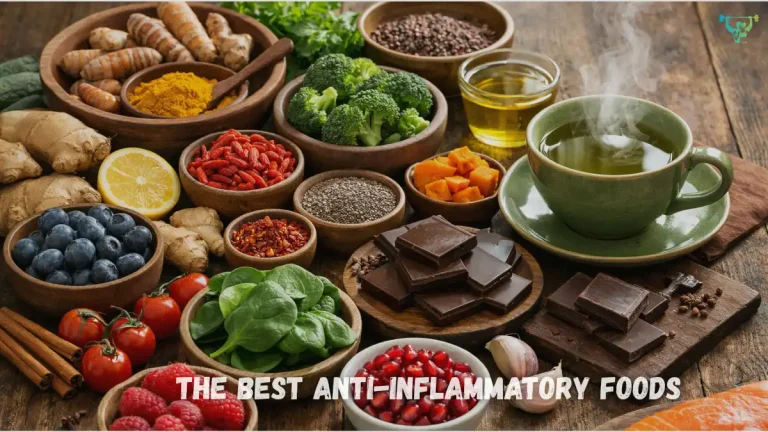
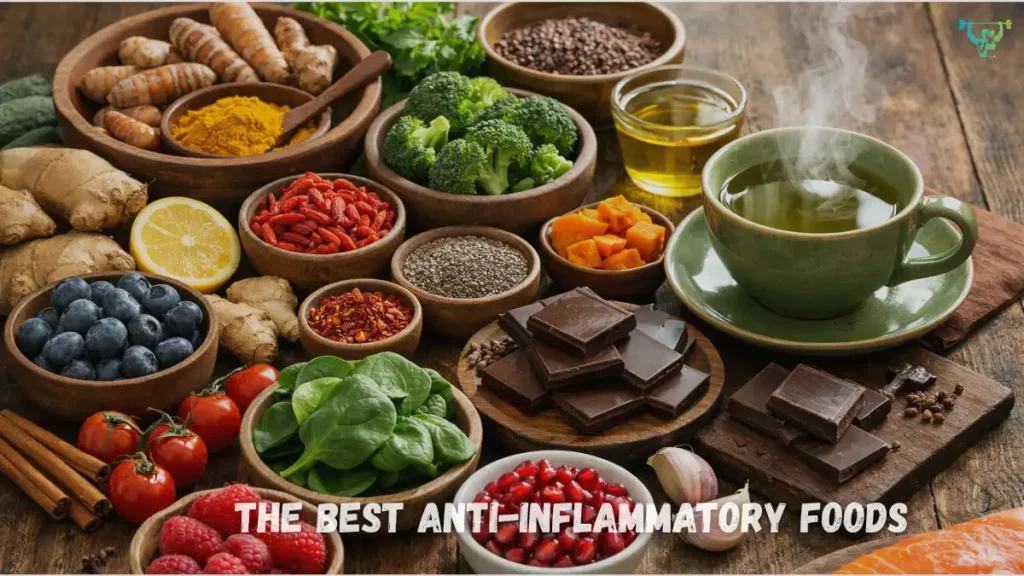
The Best Anti-Inflammatory Foods
~ Studies Suggesting Ghee Is Neutral at Low Doses
A study conducted at AIIMS found that rural populations in Rajasthan consuming traditional amounts of ghee (1-2 teaspoons per day as part of a whole-food diet high in legumes and vegetables) had lower cardiovascular disease rates than urban populations consuming the same amount of ghee alongside more refined carbohydrates. A randomized controlled trial published in the Journal of Nutritional Biochemistry found that 10% of dietary calories from ghee in healthy volunteers did not significantly alter total cholesterol or LDL compared to sunflower oil, and the ghee group showed slightly higher HDL.
~ Studies Showing Ghee Raises LDL at Higher Doses
A 2001 study in the Indian Heart Journal found that consuming more than 4 teaspoons of ghee per day for 8 weeks raised total cholesterol and LDL in hyperlipidaemic patients. The effect was dose-dependent larger amounts produced more pronounced cholesterol elevation.
~ The Oxidised Ghee Problem
When ghee is overheated past its smoke point, the fat oxidises, forming oxysterols oxidised forms of cholesterol that are far more atherogenic than regular cholesterol. A study in Food Chemistry found that ghee heated above 250°C produced significant levels of oxysterols. Traditional Indian tadka (tempering) often heats ghee to very high temperatures which may be contributing to cardiovascular risk more than the ghee itself.
~ The Dietary Context Problem
Ghee consumed with dal, sabzi, and roti behaves very differently metabolically than ghee consumed on deep-fried puri or paratha. Research consistently shows that saturated fat is more harmful when combined with high refined carbohydrate consumption. The American Heart Association’s guidance on saturated fats supports the view that overall dietary pattern not any single fat determines cardiovascular risk.
Practical Guidance: How to Use Ghee Without Raising Cardiovascular Risk
Recommended amount: For healthy adults with normal cholesterol, 1 to 2 teaspoons per day (5 to 10ml) is where research consistently shows neutral to mildly beneficial effects. Temperature matters: Avoid overheating ghee until it smokes. For tadka, medium heat is sufficient. Dietary context: Ghee used with whole grains, legumes, and vegetables is very different from ghee used with refined carbohydrates. If you already have elevated cholesterol: Limit ghee to 1 teaspoon per day or less and consult your cardiologist.
Can Ghee Cause Cholesterol | Dr Alka Vijayan
What Ayurveda says, Does ghee increases cholesterol or is ghee bad for cholesterol?
The Bottom Line
Ghee is neither the miracle superfood wellness culture promotes nor the cardiovascular villain that 1980s nutrition science suggested. At traditional Indian amounts 1 to 2 teaspoons daily in a diet rich in legumes, vegetables, and whole grains, ghee has neutral to mildly beneficial effects on cholesterol for most people. The refined flour, excess sugar, fried snacks, and sedentary lifestyle are doing far more cardiovascular damage than the teaspoon of ghee on your dal.
Frequently Asked Questions
Q. Is ghee good or bad for cholesterol?
At traditional Indian amounts (1-2 teaspoons per day), ghee is neutral to mildly beneficial for cholesterol in most people, particularly when consumed as part of a whole-food diet rich in legumes and vegetables. At higher amounts (more than 4 teaspoons daily), ghee raises LDL cholesterol in studies. The dietary context what you eat ghee with matters as much as the amount.
Q. Does ghee increase LDL cholesterol?
At high doses (more than 4 teaspoons daily), yes, ghee raises LDL cholesterol in people with existing hyperlipidaemia. At typical Indian culinary amounts (1-2 teaspoons daily), most studies show neutral effects on LDL and even a mild increase in protective HDL cholesterol. Overheated ghee produces oxysterols that are significantly more atherogenic than regular LDL cholesterol.
Q. Is ghee better than butter for cholesterol?
They are broadly similar in their cholesterol effects at equivalent doses. Ghee has slightly more fat per tablespoon (13g vs 11g) because the water content has been removed, and a higher smoke point making it more stable for cooking. Both should be used in moderation if cardiovascular risk is a concern. Ghee is the better cooking fat due to its stability at high temperatures.
Q. Can I eat ghee if I have high cholesterol?
In small amounts (1 teaspoon per day), ghee is generally acceptable even for people with mildly elevated cholesterol, particularly if it replaces refined carbohydrates or industrial seed oils rather than being added to them. People with severely elevated LDL (above 160 mg/dL) or established cardiovascular disease should consult their cardiologist. Never stop prescribed cholesterol-lowering medication based on dietary changes alone.
Q. How much ghee per day is safe?
For healthy adults: 1 to 2 teaspoons per day (5-10ml) as part of a balanced whole-food diet. For people with high cholesterol or cardiovascular disease: 1 teaspoon or less, or as recommended by your doctor. The key is to use ghee as a flavouring and cooking fat in traditional amounts not to add it liberally on top of an already high-calorie, high-carbohydrate diet.
Q. Is cow ghee better than buffalo ghee for the heart?
Cow ghee contains slightly higher levels of CLA and omega-3 fatty acids and has been more extensively studied in Indian research. Traditional Ayurvedic texts favour cow ghee (gomata ghee) specifically. The difference at typical daily amounts is likely small, but cow ghee has the stronger research foundation for cardiovascular health.
Q. Does ghee cause heart disease?
Used in traditional amounts (1-2 teaspoons per day) as part of a balanced Indian diet, ghee does not appear to cause heart disease based on available research. The AIIMS Rajasthan study found traditional ghee consumers had lower cardiovascular disease rates than urban populations. Overheated ghee producing oxysterols, and very high ghee consumption (more than 4 teaspoons daily) alongside refined carbohydrates, are the contexts most likely to increase cardiovascular risk.
This article is for informational purposes only and does not constitute medical advice. Always consult your cardiologist or registered dietitian for personalised dietary guidance if you have cardiovascular concerns.
You have probably heard that inflammation causes disease. That chronic inflammation sits at the root of heart disease, diabetes, arthritis, and even some cancers. What you hear less often is the practical side: which foods actually make a difference, and how quickly.
This article cuts through the noise and gives you a straightforward, research-backed list of foods that reduce inflammation with an emphasis on what is actually available and affordable in an Indian kitchen.
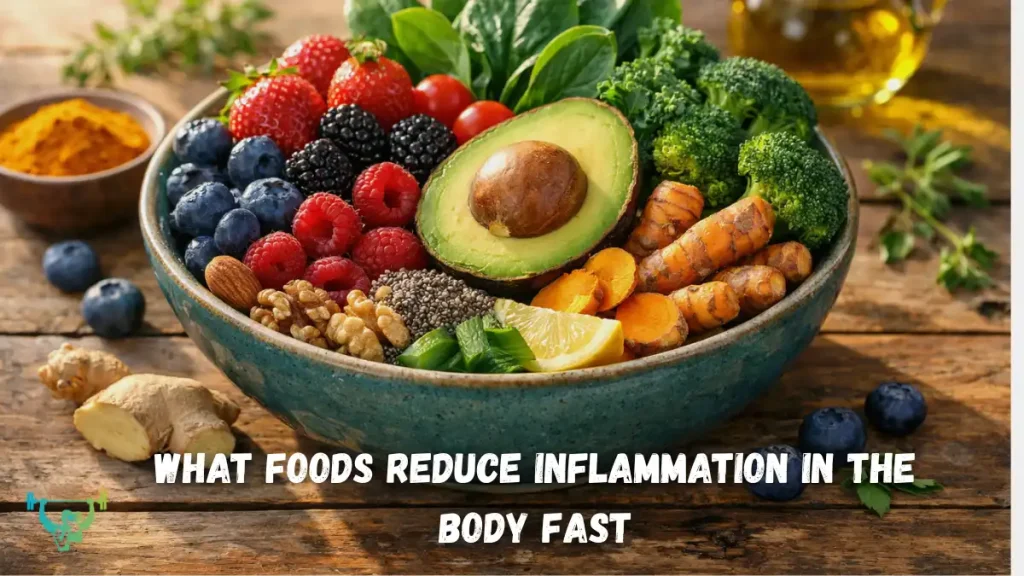
What Foods Reduce Inflammation in the Body Fast
What Is Chronic Inflammation and Why Does It Matter?
Inflammation is your immune system’s first response to danger. Chronic inflammation is different – it is low-level, persistent, and often invisible. Your immune system stays switched on, quietly damaging healthy tissue over months and years. This is the kind of inflammation linked to nearly every major chronic disease. According to the NIH’s review on diet and inflammation, dietary patterns are among the most modifiable risk factors for chronic inflammatory disease.
The Best Anti-Inflammatory Foods
The Best Anti-Inflammatory Foods
Turmeric
Curcumin, the active compound in turmeric, inhibits NF-kB – a molecular switch that activates hundreds of inflammation-promoting genes. A 2017 review in Foods journal found its effects comparable to certain anti-inflammatory drugs. Always combine turmeric with black pepper and a fat source. Read our full guide on the health benefits of turmeric milk.
Fatty Fish
Salmon, sardines, mackerel, and rohu are rich in omega-3 fatty acids – EPA and DHA which are direct precursors to anti-inflammatory compounds called resolvins and protectins. A meta-analysis in the British Medical Journal found omega-3 supplementation significantly reduced CRP, IL-6, and TNF-alpha. Aim for two to three servings of fatty fish per week.
Ginger
Fresh ginger contains gingerols and shogaols that block inflammatory enzymes similarly to how ibuprofen works, without gastrointestinal side effects. A 2015 systematic review found ginger supplementation significantly reduced CRP and TNF-alpha levels. Add fresh ginger to your dals, sabzis, chai, or smoothies daily.
Green Leafy Vegetables
Spinach, fenugreek (methi), curry leaves, and drumstick leaves are rich in vitamin K, folate, and carotenoids all of which have documented anti-inflammatory effects. According to Healthline’s guide to anti-inflammatory foods, leafy greens are among the most consistently evidence-backed dietary anti-inflammatory choices across populations.
Berries and Amla
Amla (Indian gooseberry) is one of the richest sources of vitamin C in the world and has been shown in multiple studies to reduce inflammation markers. Eat fresh amla daily if you can, or as amla powder in warm water. Blueberries and strawberries contain anthocyanins that reduce oxidative stress.
Olive Oil and Mustard Oil
Extra virgin olive oil contains oleocanthal, a compound that works similarly to ibuprofen in blocking inflammatory enzymes. For Indian cooking, cold-pressed mustard oil contains alpha-linolenic acid, a plant-based omega-3. Avoid refined vegetable oils, which are high in omega-6 fatty acids that promote inflammation when consumed in excess.
Walnuts and Flaxseeds
Both are excellent plant sources of ALA, the precursor to omega-3 fatty acids. A study in the Journal of Nutrition found walnut consumption reduced inflammatory markers in overweight adults. Add a small handful of walnuts or a tablespoon of ground flaxseeds to your morning routine.
Tomatoes
Cooked tomatoes are one of the best dietary sources of lycopene – a powerful antioxidant that reduces inflammation. Lycopene is fat-soluble, so cooking tomatoes in oil dramatically improves absorption.
Green Tea
EGCG in green tea reduces NF-kB activity and lowers CRP levels. A meta-analysis in the European Journal of Nutrition found green tea consumption significantly reduced CRP in adults with chronic disease risk factors. Two to three cups daily is the effective dose.
Dark Chocolate (Above 70%)
Flavanols in dark chocolate improve endothelial function and reduce oxidative stress. A study in Antioxidants found regular dark chocolate consumption lowered CRP levels. A small square of 70%+ dark chocolate daily is sufficient.
Refined sugar – directly spikes blood glucose and triggers an inflammatory response
Trans fats – found in vanaspati and many packaged baked goods
Refined vegetable oils – high omega-6 content disrupts your omega-3 to omega-6 ratio
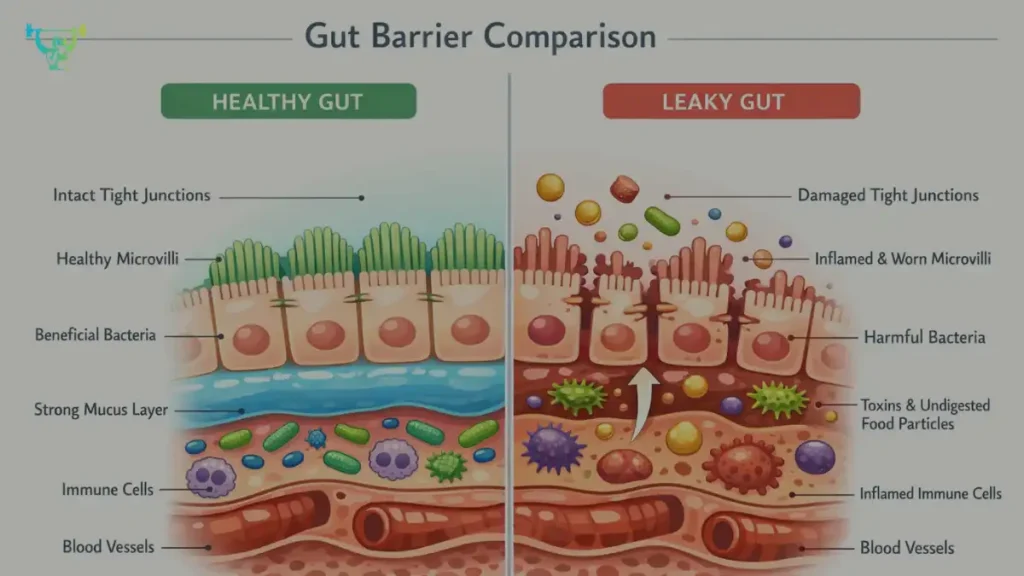
Excess alcohol – promotes gut permeability and systemic inflammation
How Quickly Do Anti-Inflammatory Foods Work?
CRP levels can drop meaningfully within two to four weeks of consistent dietary change. A study in Metabolism found an anti-inflammatory diet reduced CRP by 30 percent in three weeks. Joint pain often improves over four to eight weeks. Long-term disease risk reflects months and years of eating patterns.
A Simple Anti-Inflammatory Day on an Indian Diet
Morning: Warm water with fresh amla juice and a pinch of turmeric. A handful of walnuts. Breakfast: Vegetable oats with methi leaves, mustard seeds, and fresh ginger. Green tea. Lunch: Brown rice or roti, dal with turmeric and black pepper, sabzi cooked in mustard oil, tomato-based curry, raita. Afternoon: A small piece of dark chocolate and green tea. Dinner: Grilled fish (rohu or mackerel) or a legume-based dish, salad with leafy greens and flaxseed dressing. Before bed:Turmeric milk with black pepper and ghee.
10 anti-inflammatory foods for more energy, less pain and better health
The Bottom Line
Reducing inflammation through food is not complicated. The most powerful anti-inflammatory diet is largely the traditional Indian diet — before packaged food took over. Prioritise turmeric, ginger, fatty fish, dark leafy greens, amla, and whole grains. Be consistent for at least four weeks and you will likely see measurable differences in how you feel.
Frequently Asked Questions
Q. What foods reduce inflammation in the body fast?
The fastest-acting anti-inflammatory foods are turmeric (with black pepper for absorption), ginger, fatty fish rich in omega-3s, and amla. These directly inhibit inflammatory enzymes or reduce pro-inflammatory cytokines. However, “fast” is relative meaningful CRP reduction typically takes 2-4 weeks of consistent intake, not a single meal.
Q. What is the most anti-inflammatory food?
If forced to pick one, turmeric (curcumin) is the most consistently evidence-backed single food for reducing systemic inflammation provided it is consumed with black pepper and a fat source for proper bioavailability. Fatty fish is a close second due to its direct EPA/DHA content.
Q. What Indian foods are anti-inflammatory?
The traditional Indian diet is inherently anti-inflammatory. Turmeric, ginger, methi (fenugreek), amla, curry leaves, mustard seeds, fresh coriander, dal, rajma, drumstick (moringa), and cold-pressed mustard oil are all powerful anti-inflammatory foods that most Indian kitchens already use. The shift to refined oils, white flour, and packaged foods is what drove up inflammation levels.
Q. Does ghee cause inflammation?
No, traditionally made ghee is not pro-inflammatory. It contains butyrate (which reduces gut inflammation), conjugated linoleic acid (CLA), and fat-soluble vitamins. In moderation, ghee is a better fat choice than refined vegetable oils, which are high in omega-6 fatty acids that actively promote inflammation. See our guide on ghee and cholesterol.
Q. Can anti-inflammatory foods help with joint pain?
Yes, multiple randomised controlled trials show that omega-3 fatty acids, curcumin, and ginger reduce joint pain and stiffness in people with osteoarthritis and rheumatoid arthritis. The effect is meaningful curcumin supplementation has been shown in several studies to reduce arthritis pain comparably to ibuprofen, without gastrointestinal side effects.
Q. What drinks reduce inflammation?
Green tea (EGCG reduces NF-kB), turmeric milk (curcumin + tryptophan), amla juice (vitamin C + polyphenols), and warm water with ginger and lemon are the most evidence-backed anti-inflammatory drinks for daily Indian use. Avoid sugary drinks, fruit juices, and alcohol, which all promote inflammation.
Q. How long does it take for an anti-inflammatory diet to work?
CRP levels (a key inflammation marker) can drop by 20–30% within 2-4 weeks of consistent dietary change. Joint pain typically improves over 4-8 weeks. For full benefit on long-term disease risk (heart disease, diabetes), studies look at 3-12 months of sustained dietary patterns. Individual meals don’t move the needle consistent patterns over weeks and months do.
Mental health is as important as physical health and the two are more connected than most people realize. This guide covers every mental health and psychology topic we’ve published, from anxiety and depression to cognitive techniques and rare conditions.
Mental Health Guide Anxiety, Stress, Psychology & Mind-Body Connection
One of the most reliable interventions for mild-to-moderate depression and anxiety is exercise yet it’s consistently under-prescribed. The benefits of regular exercise on mental health covers the neurobiological mechanisms behind this connection, including endorphins, BDNF, and cortisol regulation.
Mental health doesn’t exist in isolation. Stress raises cortisol, which promotes fat storage and inflammation. Poor sleep degrades mood and cognition. Exercise improves both physical and mental outcomes simultaneously. Understanding this connection is foundational:
Mental health content on HealthCoachJP.org is for informational and educational purposes only. If you are experiencing a mental health crisis, please contact a licensed mental health professional or a crisis helpline.
Weight gain isn’t always a problem, sometimes it’s a goal, sometimes it’s a side effect, and sometimes it’s a body accepting itself. This guide covers every weight gain topic we’ve published: celebrity stories, medication effects, healthy strategies, and body positivity perspectives.
Celebrity Weight Gain Stories
Public figures dealing with weight gain often spark important conversations about body image, media pressure, and self-acceptance:
Several commonly prescribed medications list weight gain as a side effect. Understanding the mechanism helps you and your doctor make better decisions:
Weight gain happens when calorie intake consistently exceeds expenditure, but the reasons why that happens are often complex. Hormones, medications, sleep deprivation, and chronic stress all contribute:
For those looking to gain weight healthily, whether post-illness, for athletic performance, or for underweight individuals, the principles are the mirror image of fat loss: calorie surplus + protein + progressive resistance training. See the Exercise & Fitness Guide and Nutrition Facts Guide for the building blocks.
Lower back pain is one of the most common health complaints worldwide – affecting 80% of adults at some point in their lives. Whether it’s from poor posture, tight muscles, a sedentary lifestyle, or an underlying condition, this guide covers every cause, treatment, and prevention strategy we’ve published.
Lower Back Pain Guide Causes, Exercises, Products & Prevention
Beyond conventional treatment, many people find relief through mind-body practices. How to heal lower back pain spiritually and naturally covers breathwork, chakra alignment, yoga nidra, and other holistic methods backed by the growing body of evidence on mind-body medicine.
Prevention: The Root Causes
Most lower back pain is preventable. The biggest risk factors are:
Sedentary lifestyle – prolonged sitting weakens core and glutes, forcing the lower back to compensate
Poor posture – kyphosis, forward head posture, and anterior pelvic tilt all load the lumbar spine
Tight posterior chain – tight hamstrings, hip flexors, and piriformis all pull on the lumbar vertebrae
Weak core – the core is the spine’s primary stabilizer; weakness forces passive structures to compensate
Stress and cortisol – chronic stress increases muscle tension and inflammation. See: how stress affects your body
Yoga for Back Pain
Yoga is one of the most evidence-backed non-pharmacological treatments for chronic lower back pain. Key poses include cat-cow, child’s pose, supine twist, and downward dog. See the Complete Yoga Guide for poses with step-by-step instructions, and the Exercise & Fitness Guide for full rehabilitation protocols.
Your grandmother probably made you drink haldi doodh when you had a cold, a bad knee, or couldn’t sleep. Here’s the thing: science is slowly catching up to what Indian households have known for centuries. Turmeric milk has real, documented health benefits – not miracle-cure nonsense, but actual research-backed benefits that hold up when you look at the studies.
Turmeric Milk Before Bed for sleep
This article covers what turmeric milk genuinely does, what the research supports, how to make it correctly so you absorb the benefits, and what to watch out for.
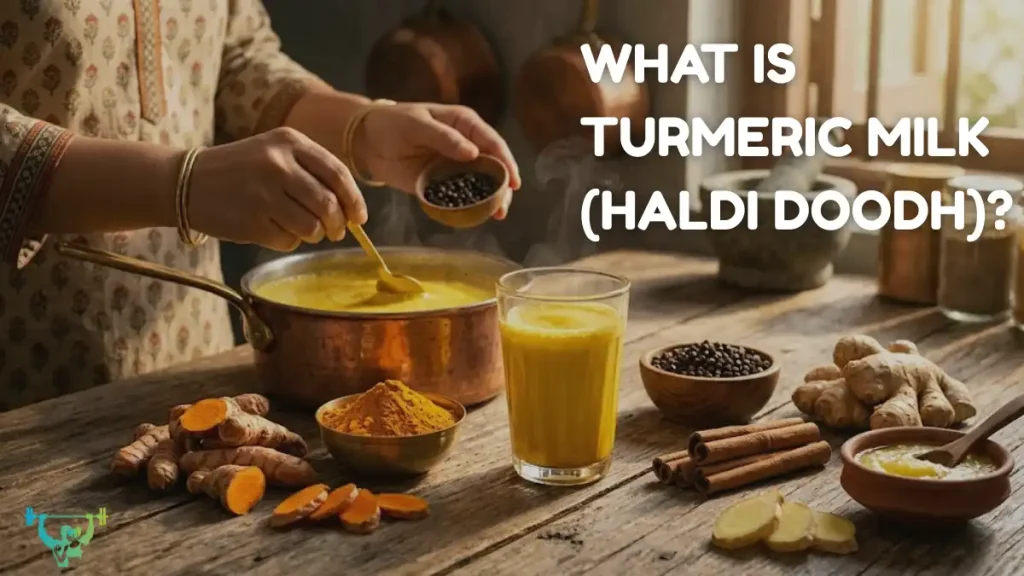
What Is Turmeric Milk (Haldi Doodh)?
Turmeric milk is warm milk mixed with turmeric – along with black pepper, a fat source like ghee or coconut oil, and optional spices like ginger or cinnamon. In India it’s called haldi doodh. In the Western wellness world it goes by golden milk or a golden latte.
What Is Turmeric Milk (Haldi Doodh)
The active compound in turmeric is curcumin – the yellow pigment that stains everything it touches and the molecule researchers have studied for decades for its anti-inflammatory and antioxidant effects. The way you make turmeric milk actually matters more than most articles tell you. Black pepper contains piperine, which research published in Planta Medica found increases curcumin bioavailability by up to 2,000 percent. That is not a typo.
7 Evidence-Based Benefits of Drinking Turmeric Milk Before Bed
1. Reduces Chronic Inflammation
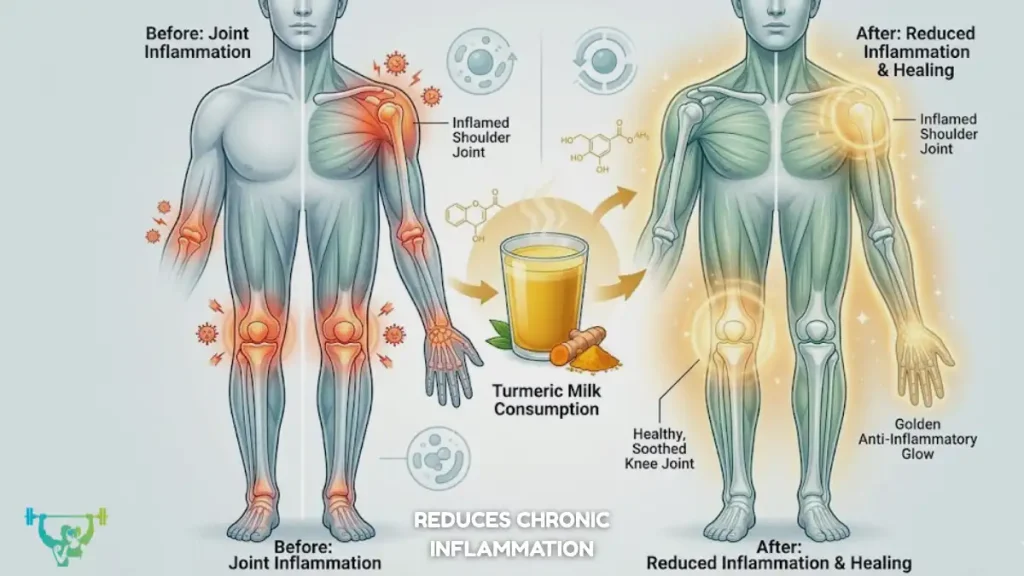
Curcumin blocks NF-kB, a molecule that activates genes related to inflammation. A 2017 review in Foods journal found its effects comparable to certain anti-inflammatory drugs – without the side effects of long-term NSAID use. For people dealing with knee osteoarthritis or joint pain, this is particularly relevant.
Reduces Chronic Inflammation
2. Supports Better Sleep Quality
Milk contains tryptophan, which your body converts into melatonin – the hormone that regulates your sleep-wake cycle. Curcumin adds to this by reducing inflammation in the nervous system, which interferes with sleep. A 2019 study in Molecular Neurobiology found curcumin increased brain-derived neurotrophic factor (BDNF), which plays a role in sleep regulation. Research on curcumin and neuroprotection from the NIH further supports these neurological benefits.
Better Sleep Quality
3. Strengthens Immune System
A 2020 review in the Journal of Clinical Medicine found curcumin modulates the immune system by enhancing T-cells, B-cells, and natural killer cells. Milk contributes vitamins D and K, calcium, and proteins that further support immune function. The Mayo Clinic notes turmeric’s long history in traditional medicine for immune support.
Stronger Immune System
4. Helps Manage Blood Sugar Levels
A 2013 randomised controlled trial in Diabetes Care found curcumin supplementation in people with prediabetes significantly reduced progression to full type 2 diabetes. The curcumin group showed improved insulin sensitivity and better pancreatic beta-cell function. Highly relevant for the millions of Indians managing diabetes risk. See also our guide on best Indian breakfast for type 2 diabetics.
Blood Sugar Control
5. Supports Heart Health
Heart disease is responsible for roughly 28 percent of all deaths in India (ICMR data). Research shows curcumin reduces LDL cholesterol and improves endothelial function – the lining of blood vessels that regulates blood pressure. A study in Nutrition Research found curcumin improved vascular function markers significantly over 8 weeks. The American Heart Association supports anti-inflammatory dietary approaches for cardiovascular protection.
Heart Health Support
6. Strengthens Bones and Joints
Milk provides roughly 300mg of calcium per 250ml glass plus vitamin D – both essential for bone density. A 2016 meta-analysis in the Journal of Medicinal Food reviewed eight randomised trials and found curcumin supplementation significantly reduced arthritis symptoms. Pair this with our daily tips for living with knee osteoarthritis.
Stronger Bones & Joints
7. Improves Skin Health from the Inside
Curcumin’s antioxidant properties neutralise free radicals that damage skin cells and accelerate ageing. A review in Phytotherapy Research found curcumin reduced oxidative stress markers in skin tissue and helped modulate inflammatory pathways involved in acne, eczema, and psoriasis.
Improves Skin Health from the Inside
Quick Reference: Turmeric Milk Benefits at a Glance
Inflammation: Blocks NF-kB pathways – effects comparable to NSAIDs
Method: Warm the milk on low heat – do not boil it. Add turmeric, pepper, and ghee. Stir well. Add honey or jaggery after removing from heat. Drink warm, ideally 30 to 45 minutes before bed.
How Much Turmeric Do You Actually Need?
Most research studies use curcumin doses between 500mg and 2,000mg per day. A teaspoon of turmeric powder contains roughly 200mg of curcumin. Your nightly half-to-one teaspoon provides 100 to 200mg – meaningful as a maintenance habit. For therapeutic use (arthritis, blood sugar), discuss curcumin supplements with your doctor.
Who Should Be Careful with Turmeric Milk?
Blood thinners (warfarin, aspirin): Curcumin has mild anticoagulant properties – may enhance effect
Gallstones: Curcumin stimulates bile production – can trigger contractions
Pregnancy: Dietary amounts safe; therapeutic supplement doses less studied
Iron deficiency/anaemia: Curcumin can bind iron – avoid with iron-rich foods or supplements
Lactose intolerance: Swap to oat, almond, or coconut milk – curcumin benefits unaffected
The Bottom Line
Haldi doodh works. Not in the magical, cure-everything way some corners of the internet claim but in a real, measurable, consistent way that science increasingly supports. The anti-inflammatory effects are well-documented. The sleep benefits are real. The immune support is genuine. The joint health benefits have clinical evidence behind them.
Make it properly – with black pepper and a fat source. Be consistent. Give it at least four weeks before judging. And enjoy it. The fact that it is also good for you is a bonus your grandmother already knew.
Yes, turmeric milk is safe for daily consumption in typical amounts – half to one teaspoon of turmeric powder per cup. Start with smaller amounts if you have a sensitive stomach. Daily intake over 4–8 weeks is when most research studies observe meaningful anti-inflammatory benefits.
Q. Is turmeric milk good for weight loss?
Turmeric milk alone will not cause weight loss, but it may support it indirectly. Curcumin has been shown in some studies to reduce fat tissue inflammation and improve metabolic markers. It works best as part of a broader approach – see our guide on sustainable weight loss tips for a complete picture.
Q. When is the best time to drink turmeric milk?
Before bed is ideal – it aligns with the anti-inflammatory goals, sleep benefits, and the ritual of winding down. Some people also drink it first thing in the morning on an empty stomach. The benefits apply at any time, but the tryptophan-to-melatonin pathway works best in the evening.
Q. Does turmeric milk help with a cold?
Yes, it provides meaningful support when you’re unwell. Curcumin has documented antibacterial and antiviral properties, and the warmth soothes the throat. It is not a cure, but a well-evidenced comfort measure backed by more than tradition – especially when you add fresh ginger and honey.
Q. Is haldi doodh the same as golden milk?
Yes. Haldi doodh is the traditional Indian term for turmeric milk. Golden milk and golden latte are Western names for essentially the same drink – though Western café versions often skip black pepper, which reduces curcumin absorption by up to 20 times compared to the traditional Indian preparation.
Q. How long does it take for turmeric milk to work?
For sleep improvement, many people notice a difference within the first week. For anti-inflammatory and joint benefits, research studies typically see significant changes at 4–8 weeks of daily consumption. Blood sugar and cholesterol effects tend to show at 8–12 weeks in clinical trials.
Q. Can children drink turmeric milk?
Yes, haldi doodh is a traditional Indian remedy given to children for centuries. Use a smaller pinch of turmeric (¼ teaspoon) and skip the pepper for very young children. It is particularly useful for children with colds, poor sleep, or recurrent infections.
Q. Does turmeric milk help with joint pain?
Yes, this is one of its best-evidenced benefits. Multiple randomised controlled trials show curcumin reduces joint pain and stiffness in osteoarthritis at a level comparable to ibuprofen – without gastrointestinal side effects. The key is making it with black pepper and a fat source for proper absorption.
You get into bed and your brain switches on. The worry spiral starts. You replay conversations from three years ago, rehearse arguments that will probably never happen, and catastrophise about problems that may not exist. By the time you have exhausted yourself mentally, it is 2am and you are no closer to sleeping.
Overthinking at night is not a personality flaw. It is a physiological pattern – one that research has mapped clearly and that specific, evidence-based techniques can interrupt.
Whether you are searching for how to stop overthinking at night and sleep, how to stop overthinking at night when trying to sleep, or simply how to stop overthinking at night before bed, the science points to the same core interventions. This guide covers all of them.
Why Your Brain Overthinks at Night
During the day, you have external stimulation competing for your attention. Work, conversations, tasks, screens- these give your brain something to engage with. At night, when external input disappears, your default mode network (DMN) activates. This is the brain network responsible for self-referential thought – rumination, planning, replaying memories, and worrying about the future.
The DMN evolved for a purpose. Quiet time was when our ancestors processed social information, planned for future threats, and consolidated learning. The problem is that a modern, chronically stressed brain has more unresolved threats to process than the system was designed for. Every unanswered email, every unresolved conflict, every uncertain future plan becomes input for the DMN to churn through.
Why Your Brain Overthinks at Night
Cortisol levels also play a role. In healthy circadian rhythms, cortisol drops in the evening and rises again just before waking. In people with chronic stress, this pattern is disrupted – cortisol stays elevated into the night, keeping the brain in an alert, threat-processing state rather than allowing it to wind down.
For those dealing with how to stop overthinking at night anxiety specifically, this cortisol disruption is often more pronounced – a recognised feature of generalised anxiety disorder and chronic stress responses. Research from the Sleep Foundation confirms the bidirectional relationship between anxiety and poor sleep quality.
Evidence-Based Techniques That Actually Work
1. Scheduled Worry Time
This sounds counterintuitive but is one of the most robust cognitive techniques for reducing nighttime rumination. Research by Penn State psychologist Michelle Newman found that scheduling a specific 20-minute window during the day for worry significantly reduced the intrusion of anxious thoughts at night.
Scheduled Worry Time
The principle is that your brain returns to unfinished business. By deliberately giving worry a time and place during the day – writing concerns down, examining them, and then mentally closing the file – you signal to your brain that the problem has received attention and does not need to be processed at 1am.
Practical implementation: Set a timer for 20 minutes in the late afternoon. Write down every worry on your mind. For each one, write either a concrete next action or acknowledge that it is outside your control. When the timer ends, close the notebook. If worries intrude at night, remind yourself: “This has had its time. I can return to it tomorrow.”
2. Cognitive Defusion
Cognitive defusion is a technique from Acceptance and Commitment Therapy (ACT). The goal is to change your relationship to your thoughts – to observe them without being consumed by them.
Instead of “I am going to fail” (fusion – the thought feels real and true), defusion creates distance: “I am having the thought that I am going to fail.” You can extend this: “I notice my mind is telling me a story about failing.” Research shows that this linguistic shift reduces the emotional impact of intrusive thoughts significantly, even when the thought content itself does not change.
Cognitive Defusion
When you are lying awake with racing thoughts, try narrating them from a third-person perspective: “There is a thought about the presentation. There is a thought about the argument from last week.” You are watching the thoughts rather than being inside them.
Keep a notebook by your bed. When you get in, spend five minutes writing down everything that is on your mind – tasks, worries, half-formed plans, things you are afraid of forgetting. The act of externalising these thoughts reduces the cognitive load your brain feels obligated to maintain. Research on this technique (sometimes called an “offloading” task) found it reduced pre-sleep cognitive arousal and improved sleep onset.
The Brain Dump
Importantly: write tasks as specific next actions, not vague worries. “Email Priya about the report” is easier for your brain to file away than “I need to sort out the work situation.” Specificity signals closure.
This technique is particularly effective when practised in Hindi or your native language – if you are looking for how to stop overthinking at night in Hindi, journalling in the language you think in most naturally creates a stronger defusion effect for many people.
4. Progressive Muscle Relaxation (PMR)
PMR works by systematically tensing and releasing muscle groups throughout the body. The technique interrupts the thought-body feedback loop. When your muscles are genuinely relaxed, it is physiologically difficult to maintain a state of anxious mental arousal.
Progressive Muscle Relaxation (PMR)
Starting from your feet: tense the muscles in your feet for five seconds, then release completely for 20 seconds, noticing the contrast. Move to calves, thighs, abdomen, hands, arms, shoulders, face. By the time you have worked through the full sequence (approximately 15 minutes), most people experience a significant reduction in both physical tension and mental activity.
A 2021 meta-analysis in Sleep Medicine Reviews found PMR significantly improved sleep onset latency and sleep quality in people with insomnia. It works even better when combined with diaphragmatic breathing.
5. The 4-7-8 Breathing Technique
Developed from pranayama breathing practices, the 4-7-8 technique activates the parasympathetic nervous system – your rest-and-digest system that counteracts the fight-or-flight response of the sympathetic nervous system.
The 4-7-8 Breathing Technique
Inhale through your nose for a count of 4. Hold your breath for a count of 7. Exhale slowly through your mouth for a count of 8. Repeat four times. The extended exhale is the key mechanism – slow exhalation activates vagal tone, which reduces heart rate and cortisol levels and signals safety to your nervous system.
Research on extended-exhale breathing consistently shows reductions in anxiety, heart rate variability improvements, and faster sleep onset. It is particularly effective because it gives your mind something concrete to focus on, interrupting the rumination cycle.
6. Temperature Regulation
Your core body temperature drops as you fall asleep – this drop is both a signal and a requirement for sleep. A room that is too warm prevents this drop and keeps your brain more alert. Research consistently points to 18 to 20 degrees Celsius as optimal for sleep.
Temperature Regulation
A warm shower or bath before bed seems counterintuitive but actually accelerates sleep onset by bringing blood to the skin’s surface and then causing rapid cooling as you dry off. This mimics the natural pre-sleep temperature drop and has been shown in multiple studies to reduce sleep onset time by 10 to 15 minutes.
7. Cognitive Shuffling
Developed by Canadian psychologist Luc Beaulieu-Prévost, cognitive shuffling is a technique designed to deliberately scramble your thinking to prevent coherent rumination from forming.
Cognitive Shuffling
Think of a word – any word and then generate random, unrelated images associated with each letter. For the word “TREE”: a T-rex, a red umbrella, an elephant, an email notification. The images should be vivid and bizarre, but not emotionally loaded. The randomness prevents your brain from constructing the narrative chains that sustain worry. Users of the technique (it has been incorporated into the mySleepButton app) report falling asleep faster and with less rumination.
8. Islamic and Spiritual Wind-Down Practices
For those exploring how to stop overthinking at night in Islam, Islamic tradition offers several evidence-aligned pre-sleep practices. Reciting Ayat al-Kursi, the last two verses of Surah Al-Baqarah, and the three Quls (Al-Ikhlas, Al-Falaq, An-Nas) before sleep are recommended in authentic hadith. These practices serve as a structured wind-down ritual – which research independently confirms reduces pre-sleep cognitive arousal – while also providing the spiritual reassurance and tawakkul (trust in God) that directly addresses anxious rumination. The act of ritual combined with repetitive recitation activates the same relaxation pathways as other evidence-based wind-down techniques.
What Does Not Work
Trying harder to stop thinking does not work. Thought suppression – actively trying not to think about something – reliably produces a rebound effect called the ironic process, described by Harvard psychologist Daniel Wegner. Telling yourself “don’t think about the presentation” makes you think about the presentation more.
Watching your phone or scrolling social media does not work. Blue light suppresses melatonin, but more importantly, social media creates new inputs – new things to process, compare, worry about – at the exact moment you are trying to quieten your mind.
Alcohol does not work. It may help you fall asleep faster but it fragments sleep architecture in the second half of the night, reducing REM sleep and leaving you less rested.
Mayo Clinic’s guidance on insomnia echoes these findings and adds that irregular sleep schedules compound the overthinking cycle by making the brain even less capable of self-regulation at bedtime.
When Overthinking Indicates a Deeper Issue
Occasional nighttime overthinking is normal and responds well to the techniques above. Persistent, severe, or worsening nighttime anxiety that significantly impairs your functioning may indicate Generalised Anxiety Disorder (GAD), which affects approximately 3 to 5 percent of adults. Signs include: worry that feels impossible to control, physical symptoms like muscle tension and headaches, and anxiety that is present most days for six months or more.
Cognitive Behavioural Therapy for Insomnia (CBT-I) is the gold-standard treatment — more effective than sleep medication in the long term. For personalised mental health support, find a psychiatrist or psychologist on HealthCoachJP.
Overthinking at night is a brain pattern, not a personality trait. It can be interrupted and reduced with consistent practice of evidence-based techniques. The most effective approach combines daytime strategies (scheduled worry time, brain dumps) with bedtime techniques (PMR, breathing, cognitive defusion).
Pick one or two techniques and practice them every night for two weeks before evaluating whether they are working. Consistency matters more than perfection. The goal is not to eliminate all thoughts – it is to break the cycle of sustained, distressing rumination that prevents sleep.
Frequently Asked Questions about Overthinking at Night
Q. How do I stop overthinking at night and sleep?
The most effective combination is a daytime brain dump (writing worries down before evening), followed by a bedtime routine using either PMR or 4-7-8 breathing. This addresses both the cognitive and physiological aspects of nighttime overthinking. Most people notice improvement within 7 to 14 nights of consistent practice. The key is starting the wind-down routine at least 30 minutes before you want to fall asleep not after the spiral has already started.
Q. Why does my brain overthink more when trying to sleep?
When external stimulation disappears at bedtime, your brain’s default mode network activates this is the system responsible for self-referential thinking, planning, and rumination. In people with chronic stress or anxiety, cortisol levels remain elevated into the night, keeping the brain in threat-processing mode rather than allowing it to wind down. This is a physiological pattern, not a character flaw, and it can be interrupted with the right techniques.
Q. What is the best breathing technique to stop overthinking while sleeping?
The 4-7-8 technique – inhale for 4 counts, hold for 7, exhale for 8 is consistently supported by research for reducing pre-sleep anxiety. The extended exhale activates vagal tone, slowing heart rate and reducing cortisol. It also works because it gives your mind a specific task to focus on, which interrupts the rumination loop. Diaphragmatic (belly) breathing in general is more effective than chest breathing for activating the parasympathetic nervous system.
Q. How do I stop overthinking at night anxiety specifically?
If overthinking at night is tied to anxiety rather than general mental restlessness, scheduled worry time is especially important – it gives the anxious brain a legitimate window to process concerns so they do not flood in at bedtime. Cognitive defusion (observing thoughts as passing mental events rather than facts) is also particularly effective for anxiety-driven overthinking. If anxiety is persistent and severe, CBT-I (Cognitive Behavioural Therapy for Insomnia) and CBT for anxiety are the most evidence-backed professional interventions.
Q. How to stop overthinking at night in Islam?
Islamic tradition recommends specific pre-sleep adhkar (remembrances) including Ayat al-Kursi, the last two verses of Surah Al-Baqarah, and Surah Al-Ikhlas, Al-Falaq, and An-Nas. These serve as a structured spiritual wind-down and cultivate tawakkul – trust in God – which directly addresses the anxious need for control that drives overthinking. The repetitive, rhythmic nature of dhikr (remembrance) also activates relaxation pathways similar to other evidence-based bedtime rituals.
Q. Can overthinking at night cause physical symptoms?
Yes. Sustained nighttime rumination keeps cortisol and adrenaline elevated, which causes physical symptoms including muscle tension, increased heart rate, shallow breathing, headaches, and digestive discomfort. Over time, chronic sleep disruption from overthinking is associated with weakened immune function, elevated inflammation markers, and increased risk of cardiovascular problems. This is why addressing nighttime overthinking is not just about comfort – it is a genuine health priority.
Q. Does reading Reddit threads about overthinking at night actually help?
Shared experience (the appeal of overthinking at night Reddit communities) can provide validation and a sense of not being alone, which has genuine psychological value. However, reading particularly on a phone before bed can create new inputs for the brain to process, worsen blue light exposure, and delay sleep. If you find community accounts helpful, read them earlier in the evening, not in bed. The techniques in this article are more directly effective for resolving the pattern.
Q. How long does it take for these techniques to work?
Most evidence-based techniques for nighttime overthinking show measurable improvement within 1 to 2 weeks of consistent nightly practice. PMR and breathing techniques often produce some effect on the first or second night. Cognitive techniques like defusion and scheduled worry time typically build efficacy over 1 to 3 weeks as the brain learns the new pattern. Consistency matters far more than intensity practicing imperfectly every night produces better results than doing it perfectly once a week.
One of my client asked Why Am I Not Losing Weight on 1200 Calories? As you are also eating 1,200 calories. You are being careful. You are tracking everything. And the scale is not moving. This is one of the most frustrating experiences in weight loss and one of the most common.
Why Am I Not Losing Weight on 1200 Calories
Before you conclude that your metabolism is broken or that you are somehow beyond help, it is worth understanding the real reasons this happens. Most of them are fixable. All of them are explainable.
You Are Probably Eating More Than You Think
This is the most common reason, and it is not a character flaw – it is a measurement problem. Studies consistently show that people underestimate their calorie intake by 20 to 50 percent. A 2019 study in BMJ Open found that adults who believed they were eating around 1,800 calories were often consuming closer to 2,500 to 3,000. The gap comes from cooking oils not tracked, sauces and condiments ignored, portion sizes eyeballed rather than weighed, and weekend eating patterns that differ significantly from weekdays.
You Are Probably Eating More Than You Think
According to the Healthline review of 1200-calorie diets, most people who “aren’t losing weight” on a calorie deficit are inadvertently consuming 200–400 more calories than they realise through cooking oils, sauces, and unmeasured portions.
Your Metabolism Has Adapted
When you restrict calories significantly, your body does something called metabolic adaptation – sometimes called adaptive thermogenesis. It reduces its energy expenditure to match the lower intake. A landmark study following contestants from The Biggest Loser found their metabolisms remained suppressed by 500+ calories per day even six years after the show. At 1,200 calories, your body is likely burning fewer calories than it did when you started.
Metabolic Adaptation (Slow Metabolism)
You Are Losing Fat but Gaining Muscle
The scale measures total body weight – not fat, not muscle, not water. If you have added any resistance training to your routine, you may be losing fat and gaining or maintaining muscle simultaneously. This is called body recomposition. The best way to detect it is to measure body circumference (waist, hips, arms) rather than relying solely on the scale.
Fat Loss vs Muscle Gain
You Are Retaining Water
Water retention can mask fat loss for days to weeks at a time through high sodium intake, carbohydrate fluctuations, hormonal cycles, and increased exercise. Women typically retain two to five kilograms of water in the week before menstruation. Weighing during this window will not reflect actual fat loss.
Water Retention Masking Fat Loss
Medical Conditions That Affect Weight Loss
Hypothyroidism is the most common. An underactive thyroid slows metabolism and makes weight loss extremely difficult. It affects up to 10 percent of Indian women over 30. PCOS causes insulin resistance that makes fat loss harder, particularly around the abdomen -estimated to affect 20 percent of Indian women of reproductive age. Insulin resistance and certain medications (antidepressants, corticosteroids, blood pressure medications) can also cause weight gain or make loss harder. The Mayo Clinic’s guide on weight loss plateaus provides a thorough overview of medical causes to rule out.
You Are Not Eating Enough Protein
Protein keeps you fuller for longer, has the highest thermic effect of any food (your body uses 25–30% of protein’s calories just to digest it), and preserves muscle mass during a calorie deficit. For active individuals trying to lose fat, 1.2 to 1.6 grams per kilogram of body weight is appropriate. For a 60kg woman, that is 72 to 96 grams of protein per day. Prioritize paneer, dal, eggs, chicken, fish, Greek yogurt, and soy.
Your Stress and Sleep Are Working Against You
Chronic stress elevates cortisol, which signals your body to store fat – particularly visceral fat around the abdomen. A study in the Annals of Internal Medicine found that subjects on a calorie-restricted diet who slept 5.5 hours instead of 8.5 hours lost 55 percent less fat and 60 percent more muscle than the well-rested group – at the same calorie intake. The NIH research on sleep and fat gain confirms that poor sleep directly undermines weight loss even at identical calorie intakes.
You Have Hit a Plateau
As your body weight decreases, your calorie needs decrease with it. What put you in a deficit at 80kg may not create a deficit at 70kg. Solutions include recalculating your TDEE at your current weight, adding 20 to 30 minutes of walking to increase calorie expenditure, or taking a diet break at maintenance calories for one to two weeks to reset metabolic adaptation.
Weight Loss Plateau
What to Do Next
Start by auditing your tracking honestly for one week – weigh and measure everything including oils, sauces, and drinks. Then check your protein intake and sleep quality. If both are solid and you are still not losing after eight weeks, get a thyroid panel and fasting insulin test done. Do not further reduce calories below 1,200.
The Bottom Line
Not losing weight on 1,200 calories does not mean your body is broken. Work through each possible cause systematically rather than cutting calories further. Weight loss that works long term is slow, sustainable, and kind to your metabolism.
Frequently Asked Questions about Losing Weight on 1200 Calories
Q. Why am I not losing weight on a 1200 calorie diet?
The most common reasons are inadvertent calorie underestimation (people typically undercount by 20-50%), metabolic adaptation where your body reduces energy expenditure to match intake, water retention masking fat loss, insufficient protein, poor sleep, high stress, or a medical condition like hypothyroidism or PCOS. Work through each systematically rather than cutting calories further.
Q. How long does it take to see results on a 1200 calorie diet?
Most people see measurable weight loss within 2-4 weeks if they are genuinely in a calorie deficit. If there is no change after 4-6 weeks of accurate tracking, a medical evaluation (thyroid, fasting insulin) is warranted. Plateaus after initial loss are normal and expected – the same intake that created a deficit early on may no longer do so as body weight decreases.
Q. Is 1200 calories too low for weight loss?
1200 calories is the commonly cited minimum for women to meet basic nutritional needs. For many women, especially those who are taller, more active, or have higher muscle mass, this is already a significant deficit that triggers metabolic adaptation. Going lower than 1200 calories increases muscle loss, nutrient deficiencies, and metabolic slowdown without meaningfully improving fat loss.
Q. Why am I not losing weight even though I am exercising and eating less?
Adding exercise while eating less often leads to water retention in muscles (as they repair from workouts), which can temporarily mask fat loss on the scale. Additionally, many people compensate for exercise by eating slightly more or moving less the rest of the day. Measure body circumference alongside scale weight – if your measurements are decreasing, you are making progress regardless of what the scale shows.
Can thyroid problems prevent weight loss?
Yes, hypothyroidism slows the metabolic rate, reduces body temperature, and can make weight loss extremely difficult even at a genuine calorie deficit. In India, hypothyroidism affects up to 10% of women over 30 and is significantly underdiagnosed. A simple TSH blood test can rule it out. Once treated with appropriate medication, the metabolic rate normalises and weight loss becomes possible again.
Q. Does eating too little stop weight loss?
Yes, this is called metabolic adaptation or “starvation mode.” When calories drop too low for too long, the body reduces its resting metabolic rate, lowers body temperature, reduces non-exercise activity thermogenesis (NEAT), and conserves energy. A strategic diet break at maintenance calories for 1–2 weeks can help reset this adaptation and improve subsequent fat loss.
Q. Why am I gaining weight on 1200 calories?
Actual fat gain at 1,200 calories is extremely unlikely unless those calories are being underestimated significantly. What appears as weight gain is almost always water retention from hormonal cycles, high sodium intake, increased exercise, or carbohydrate fluctuations. Track your weight at the same time daily, look at weekly averages rather than daily numbers, and measure body circumference to get a clearer picture of what is actually happening.
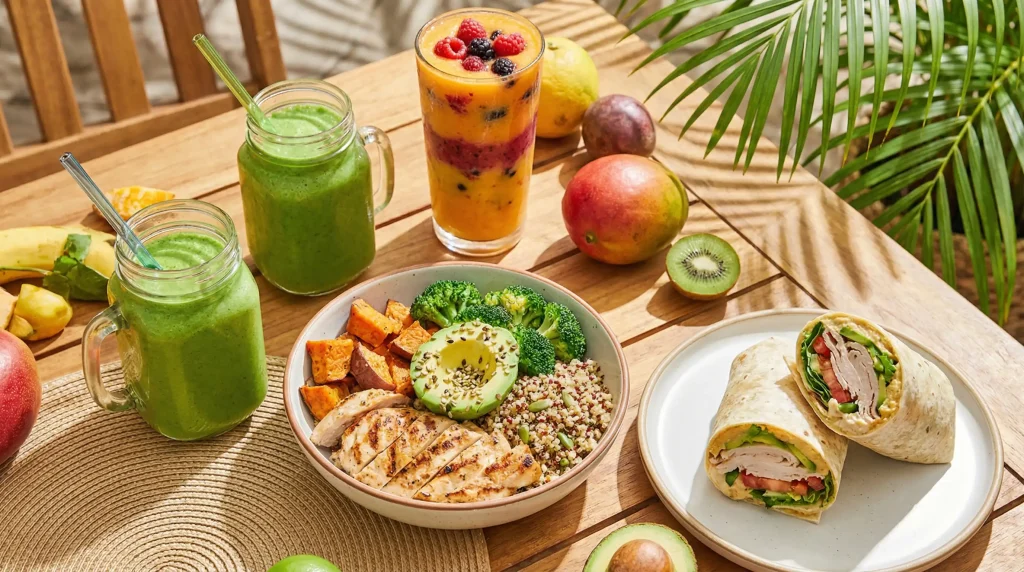
If you love fruity, creamy smoothies but still want to stay on track with your health goals, understanding Tropical Smoothie nutrition is essential. Tropical Smoothie Cafe markets itself as a better-for-you fast-casual brand, yet calories, sugar, and carbs can vary a lot between menu items.
In this complete guide, you’ll learn how the Tropical Smoothie Cafe menu works nutritionally, which options are truly “healthy,” which ones to limit, and how to customize your order for weight loss, muscle gain, vegan diets, and more.
Tropical Smoothie Nutrition Best & Worst Picks
Is Tropical Smoothie Cafe Really Healthy?
Tropical Smoothie Cafe began as a small beachfront smoothie hut and has grown into a large quick-service chain with hundreds of locations across the United States.
Over time, the menu expanded far beyond smoothies to include flatbreads, wraps, sandwiches, quesadillas, bowls, and breakfast items, so your overall Tropical Smoothie nutrition experience depends heavily on what you order and how you customize it.
Key points to know about the brand’s nutrition profile:
Many smoothies are fruit- and veggie-based but use turbinado sugar or other sweeteners, which can increase total sugar and calories.
You can often remove added sugar and customize ingredients, especially in smoothies.
There are clearly lighter, higher-fiber, and lower-sugar options like Detox Island Green, as well as indulgent, dessert-like smoothies.
Food items range from moderate-calorie, protein-rich bowls and wraps to higher-calorie sandwiches and flatbreads with bacon and cheese.
If you understand a few basic rules, you can absolutely eat at Tropical Smoothie Cafe while still supporting weight loss, blood sugar control, or general health.
Tropical Smoothie Nutrition Basics: What’s On the Menu?
Tropical Smoothie Cafe typically organizes its menu into these main categories.
Smoothies
Flatbreads
Wraps
Quesadillas
Sandwiches
Bowls
Breakfast
Tropical Smoothie Nutrition Basics What’s On the Menu
Each category has both “better choice” options and more indulgent items. Below, we’ll walk through how each group usually looks nutritionally and highlight some of the best and worst picks.
Smoothies: Where Most People Start
Smoothies are the star of the brand and also where many people accidentally consume more calories and sugar than they realize.
How smoothie nutrition works
A typical 24–32 oz smoothie from Tropical Smoothie Cafe can range from about 180 calories for a veggie-heavy, no-added-sugar drink to 700–800+ calories for dessert-style options loaded with peanut butter, chocolate, or added sugars.
Common smoothie building blocks:
Fruits: mango, pineapple, banana, strawberries, mixed berries, peaches, dragon fruit
Vegetables: spinach, kale, carrot, etc.
Liquids: water, juice blends, sometimes milk or dairy alternatives
Add-ons: peanut butter, chia seeds, protein powder, supplements
Sweeteners: turbinado sugar or alternative sweeteners in some recipes
Example: Detox Island Green – a popular “healthy” choice
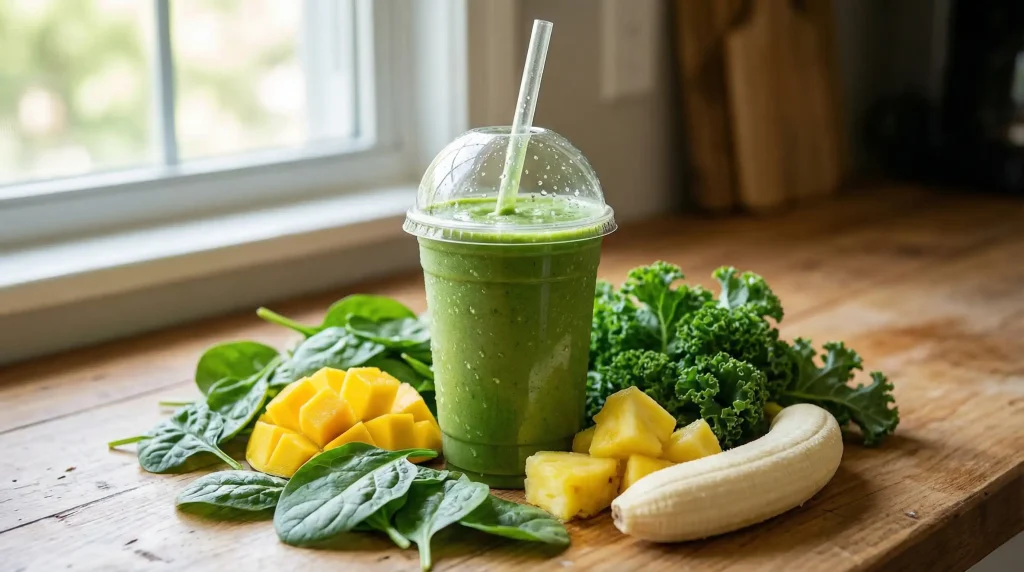
Detox Island Green is one of the most frequently recommended healthy smoothies at Tropical Smoothie Cafe because it’s loaded with fruits and greens and can be ordered without added sugar.
Approximate nutrition for one serving of Detox Island Green:
Sugar: about 29 g (from fruit, if ordered without added turbinado)
Protein: about 4 g
Fat: 0 g
This smoothie is relatively low in calories for its size, provides fiber and vitamins A and C, and contains no fat or cholesterol, making it one of the best Tropical Smoothie nutrition choices if you are watching overall calories and sugar.
Example: Higher-calorie smoothie with peanut butter
On the other end, smoothies that combine peanut butter, chia seeds, and added sweeteners can approach or exceed 700-800 calories per serving.
A typical “boost” smoothie with peanut butter and chia may offer:
Very high carbs (100+ g)
High calories (sometimes 700-800+)
Moderate protein
Significant fat from nut butters
These can fit into a bulking or high-calorie diet but are not ideal for weight loss or blood sugar control.
Quick smoothie tips for better nutrition
Ask to remove turbinado sugar or reduce added sweeteners whenever possible.
Choose fruit-and-vegetable–based smoothies with greens and avoid heavy cream or chocolate-style add-ins if you want a lighter drink.
Add a scoop of protein to avoid drinking mostly carbs.
Treat dessert-style smoothies as an occasional treat, not a daily staple.
Flatbreads: Lighter Than Pizza, But Watch Sodium
Flatbreads at Tropical Smoothie Cafe are often positioned as a lighter alternative to pizza, but many are still made with cheese, creamy sauces, and processed meats like bacon.
A typical flatbread will contain:
Around 400–600 calories
Moderate carbs (40–50 g)
Moderate protein (20+ g if chicken-based)
Varying amounts of saturated fat and sodium
Leaner options often use grilled chicken and vegetables with lighter sauces, while more indulgent choices stack bacon, cheese, and creamy dressings, leading to higher calories and sodium.
To make flatbreads more aligned with your Tropical Smoothie nutrition goals, you can:
Ask for less cheese or sauce.
Choose grilled chicken over breaded or heavier meats.
Skip bacon when offered as an add-on.
Wraps: High-Protein, But Calories Can Add Up
Tropical Smoothie wraps pack chicken and vegetables in large tortillas, which makes them filling but also calorie-dense.
Many wraps land between 500–800 calories, depending on sauces, cheese, and extras like bacon or fried components.
General wrap profile:
Calories: ~500–800
Carbs: ~60–80 g
Protein: 25–40 g (often from grilled chicken or plant-based protein)
Fat: varies with cheese, bacon, and dressings
Fiber: usually modest unless wraps include beans, whole grains, or extra veggies
For better Tropical Smoothie nutrition when choosing wraps:
Prioritize grilled chicken, beans, and veggies rather than fried fillings.
Ask for dressings on the side or light sauce.
Consider eating half now and half later if you’re watching calories.
Quesadillas: Cheese-Heavy Comfort Food
Tropical Smoothie quesadillas are typically built with tortillas, grilled chicken, and cheese, often with additional fillings like beans, onions, or peppers.
Because quesadillas tend to rely heavily on cheese, they can be higher in calories, saturated fat, and sodium compared with some wraps or bowls.
A typical chicken quesadilla might include:
Around 550–650 calories
Lower fiber (1–3 g)
Moderate to high sodium
Moderate protein from chicken and cheese
Quesadillas can fit into your diet occasionally, but if your goal is weight loss or heart health, they’re best treated as an indulgence rather than a default choice.
Sandwiches: Classic Cafe Choices With Mixed Nutrition
Sandwiches give you a familiar, hand-held option, usually with turkey or chicken plus cheese, bacon, and sauces.
Nutritionally, they typically sit in the mid- to high-calorie range, depending on bread type and toppings.
General sandwich trends:
Calories often range from 550–750 per sandwich.
Carbs usually fall around 55–65 g.
Protein is decent but not extremely high once you account for cheese and sauces.
Sodium can be substantial from deli meats, cheese, and dressings.
Better sandwich practices for smarter Tropical Smoothie nutrition:
Choose turkey or grilled chicken, not breaded or fried.
Ask to go light on mayo or creamy sauces.
Add more veggies like tomato and lettuce for volume and fiber.
Bowls: Some of the Best Balanced Meals
Bowls are often the strongest Tropical Smoothie nutrition choice for a full meal because they combine protein, veggies, and carbs in a more balanced way.
A typical protein bowl with grilled chicken and vegetables might offer:
Calories in the 350–600 range
Carbs around 40–60 g, often with some fiber
Protein 25–35+ g
Moderate fat depending on sauce and toppings
Because bowls in this chain often feature rice, beans, veggies, and lean proteins, they can be relatively nutrient-dense compared with more bread-heavy items.
Tips for making bowls even healthier:
Keep cheese or creamy dressings to a minimum.
Emphasize veggies and lean proteins (or plant-based Beyond Meat where available).
Watch add-ons like extra sauces, sour cream, or full-fat cheese.
Breakfast: Small Menu, Big Differences
The breakfast section at Tropical Smoothie Cafe is smaller than lunch and dinner, usually featuring a couple of wraps or flatbreads with eggs, cheese, and meats like ham or bacon.
Typical nutrition patterns:
Calorie range: roughly 400–600 per item.
Carbs: often 35–75 g depending on bread and added ingredients.
Protein: moderate from eggs and meats.
Fiber: may be low unless paired with fruit or a veggie-heavy smoothie.
For better breakfast nutrition:
Choose options with more egg and lean protein, less bacon or sausage.
Pair with a no-added-sugar green smoothie instead of a high-sugar drink.
Tropical Smoothie Nutrition: Healthiest vs. Least Healthy Types of Items
Here’s a simplified look at how different Tropical Smoothie Cafe choices typically stack up nutritionally:
Category
Generally Better Choices (examples)
Generally Heavier Choices (examples)
Smoothies
Green/veggie smoothies, Detox Island Green, no added sugar
Peanut butter, chocolate, or sugar-heavy smoothies
Flatbreads
Grilled chicken with veggies, lighter sauces
Options with bacon, extra cheese, creamy sauces
Wraps
Grilled chicken with lots of vegetables
Large wraps with creamy dressings and fried elements
Quesadillas
Smaller portions, extra veggies, less cheese
Cheese-heavy chicken quesadillas with creamy dips
Sandwiches
Turkey or grilled chicken, light dressing
Bacon-heavy or double-cheese sandwiches
Bowls
Veggie-rich rice/bean bowls with lean protein
Bowls overloaded with cheese, creamy sauces, or fried toppings
Breakfast
Egg-based wraps with lean meat, paired with green smoothie
Breakfast flatbreads heavy in bacon/cheese plus sugary smoothies
This table is simplified, but it captures core Tropical Smoothie nutrition patterns you can use whenever you look at the menu.
Vegan and Vegetarian Nutrition at Tropical Smoothie Cafe
Tropical Smoothie Cafe became notably more vegan-friendly when it started offering Beyond Meat as a plant-based protein option in the early 2010s.
According to vegan advocacy groups and reporting, the chain allows you to:
Replace chicken with Beyond Meat in many wraps, sandwiches, flatbreads, or bowls.
Request no cheese or dairy-based sauces to keep items fully plant-based.
Rely on plant-based smoothies that use fruit, vegetables, and turbinado sugar, many of which are vegan when you avoid dairy add-ins.
Key vegan/ vegetarian nutrition notes:
Beyond Meat provides plant protein from pea and soy, offering a similar protein content to chicken with no cholesterol.
Many breads and tortillas are vegan, though some may contain honey; you can confirm using the official nutrition/allergen guide.
Smoothies can be customized to exclude yogurt or dairy, making them more suitable for vegans or those with lactose intolerance.
This flexibility can make Tropical Smoothie Cafe a practical option for plant-based eaters who still want quick, convenient meals.
How to Read the Tropical Smoothie Nutrition Guide
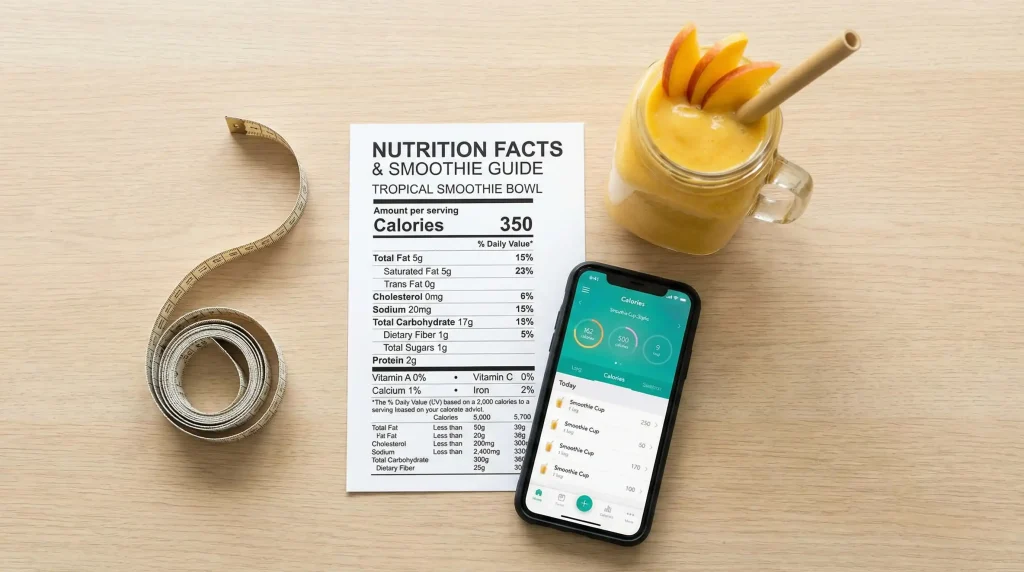
Tropical Smoothie Cafe publishes a nutrition guide for its entire menu, detailing calories, total fat, saturated fat, cholesterol, sodium, carbs, fiber, sugar, and protein for each item.
How to Read the Tropical Smoothie Nutrition Guide
When you check this guide (either in-store or online), prioritize these numbers based on your goals:
For blood sugar control: Emphasize total carbs, fiber, and added sugars; choose high-fiber smoothies and bowls with veggies and protein.
For heart health: Watch saturated fat and sodium in quesadillas, sandwiches, and flatbreads.
For muscle gain: Look for higher-protein items like bowls, wraps, or smoothies with added protein powder.
Many third-party nutrition databases also list Tropical Smoothie Cafe items, which can be useful if you track macros with an app.
Customization Strategies for Better Tropical Smoothie Nutrition
You don’t need to memorize every item on the menu to eat well at Tropical Smoothie Cafe. Instead, learn a few simple customization rules.
Customization Strategies for Better Tropical Smoothie Nutrition
1. Optimize your smoothie
Ask for no turbinado sugar or reduced sugar when possible.
Choose smoothies with greens (spinach, kale) and whole fruits instead of candy-like add-ins.
Add protein (whey, plant-based, or collagen) to balance out carbs.
Consider ordering a smaller size if available or sharing if calories are high.
2. Improve your main meal
Prioritize bowls with veggies and lean protein; they’re often the most balanced.
For wraps and sandwiches, choose grilled chicken or plant-based protein instead of bacon-heavy or fried fillings.
Ask for sauces and dressings on the side; use just enough for flavor.
Skip chips or high-calorie sides if you’re already having a large smoothie.
3. Balance your order as a whole
Instead of pairing a high-calorie smoothie with a large quesadilla or loaded sandwich, think of your meal as one unit:
If you want a big, filling smoothie, pair it with a light side like a small salad or nothing else.
If you want a more substantial bowl or wrap, choose a lighter drink such as unsweetened tea or water.
This approach helps prevent unintentional “double meals” from a big drink plus a full entree.
Tropical Smoothie Nutrition for Specific Goals
For weight loss
Lean toward green smoothies like Detox Island Green without added sugar.
Choose bowls and wraps around 400–550 calories and skip add-ons like extra cheese or bacon.
Limit dessert-style smoothies to special occasions.
For muscle gain
Order a higher-calorie smoothie with nut butter or oats, plus added protein.
Pair with a protein-rich bowl or wrap to support your overall protein and calorie targets.
For vegan or vegetarian diets
Use Beyond Meat in place of chicken in wraps, bowls, flatbreads, or sandwiches.
Ask for no cheese or dairy sauces and confirm vegan breads/tortillas via the nutrition guide.
Pick fruit-and-veggie smoothies that do not rely on dairy yogurt.
For lower sugar or carb-conscious eating
Use the nutrition guide to spot smoothies with lower sugar and higher fiber, and ask to remove added sugars.
Favor bowls with veggies and lean proteins instead of large flour tortillas or white-bread sandwiches.
Are smoothies good for us?
Source: YouTube
FAQs About Tropical Smoothie Nutrition
Q. Are Tropical Smoothie Cafe smoothies actually healthy?
Tropical Smoothie Cafe smoothies can be healthy, but it depends on what you order and how you customize it. Veggie-forward options like Detox Island Green ordered without added sugar are lower in calories and sugar and provide fiber, vitamins, and antioxidants, while dessert-style smoothies with peanut butter, chocolate, and added turbinado can be very high in calories and sugar.
Q. What is the healthiest drink at Tropical Smoothie Cafe?
Detox Island Green is widely regarded as one of the healthiest drinks at Tropical Smoothie Cafe because it’s made with spinach, kale, mango, pineapple, banana, and ginger and can be ordered without added sugar. At around 180 calories per serving with roughly 5g of fiber and no fat or cholesterol, it offers a nutrient-dense, lower-calorie option compared with many other smoothies on the menu.
Q. Does Tropical Smoothie Cafe add sugar to their smoothies?
Many Tropical Smoothie Cafe recipes traditionally include turbinado sugar or other sweeteners, which can significantly increase total sugar and calorie content. However, you can often request no added sugar or reduced sugar, particularly in fruit- and veggie-based smoothies, which lets you rely more on natural sweetness from whole fruits.
Q. Can I get vegan or plant-based options at Tropical Smoothie Cafe?
Yes, Tropical Smoothie Cafe offers Beyond Meat as a plant-based protein option, and many menu items can be customized to be vegan by swapping chicken for Beyond Meat and removing cheese or dairy sauces. Several smoothies are already vegan or can be made vegan by avoiding yogurt or milk-based add-ins, and most breads/tortillas are plant-based except specific varieties that may contain honey.
Q. How many calories are in a typical Tropical Smoothie Cafe meal?
Calories vary widely, but a common combination of a 500-600 calorie wrap or bowl plus a 300-700 calorie smoothie can easily reach 800-1,200+ calories in one sitting. To keep meals more moderate, you can choose a lower-calorie smoothie like Detox Island Green, pair it with a lighter bowl or half wrap, and avoid extra sides like chips or high-sugar drinks.
Clean label foods in 2026 are no longer just a marketing buzzword-they’re a shortcut for choosing products with simple, recognizable ingredients and fewer artificial additives. But the term is still unregulated and often misused, so understanding what “clean label” really means is essential for metabolic health optimization.
Clean Label Foods Explained (2026 Guide)
This guide breaks down the real meaning of clean label foods, how they intersect with ultra-processed foods, what to watch out for on packaging, and how to build a 100% clean label pantry that supports metabolic health, gut integrity, and lower inflammation.
What Does “Clean Label” Mean in 2026?
There is still no official legal definition of “clean label,” but industry groups and food scientists broadly agree on core principles.
Core Characteristics of Clean Label Foods
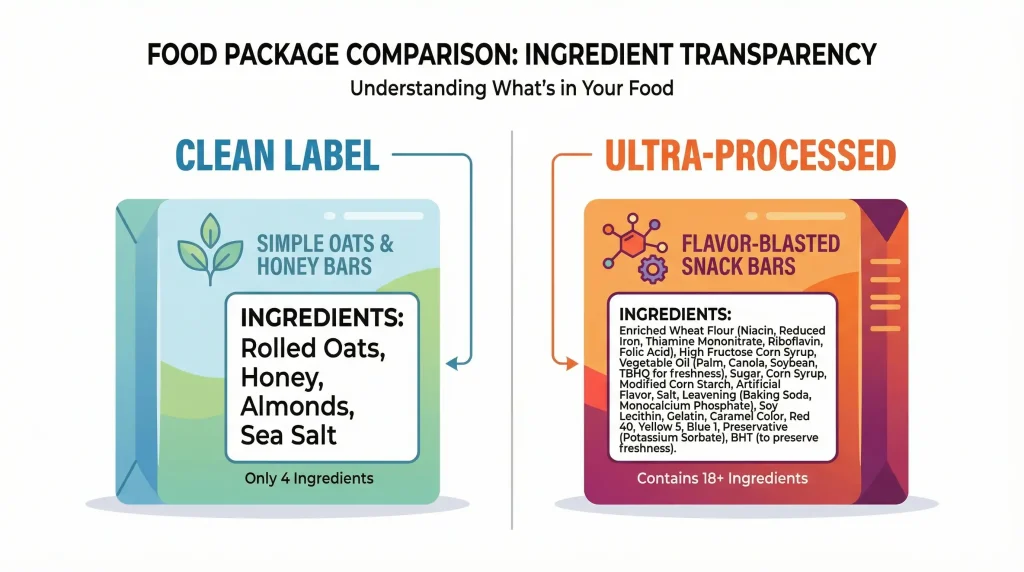
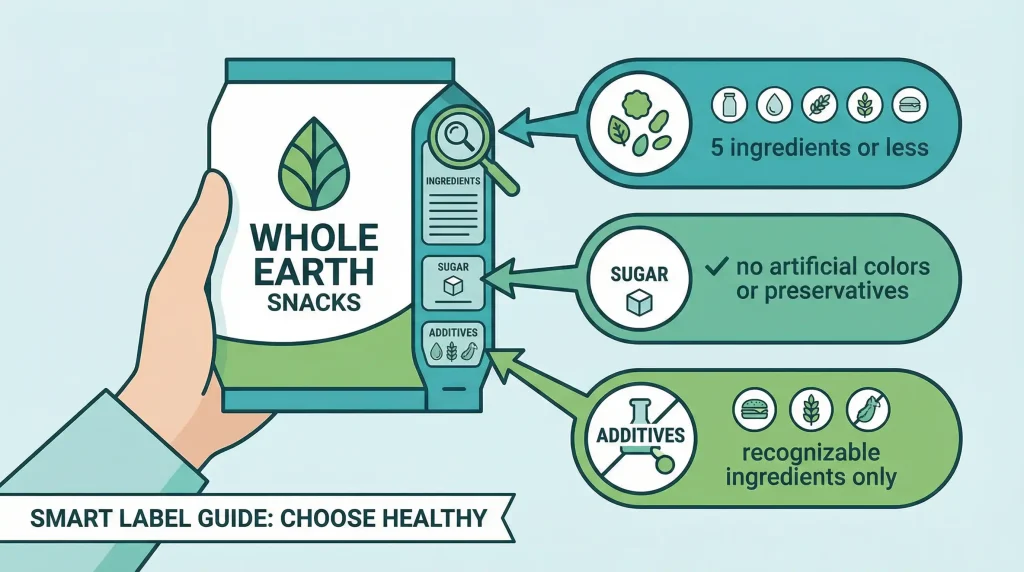
Short, simple ingredient lists using kitchen-like ingredients consumers recognize.
No artificial additives such as synthetic colors, flavors, or preservatives.
Minimal processing rather than heavy extrusion, refining, or restructuring.
Transparent sourcing and processing with clear labeling and fewer hidden additives.
Increasingly, alignment with sustainability and ethics (responsible sourcing, better packaging).
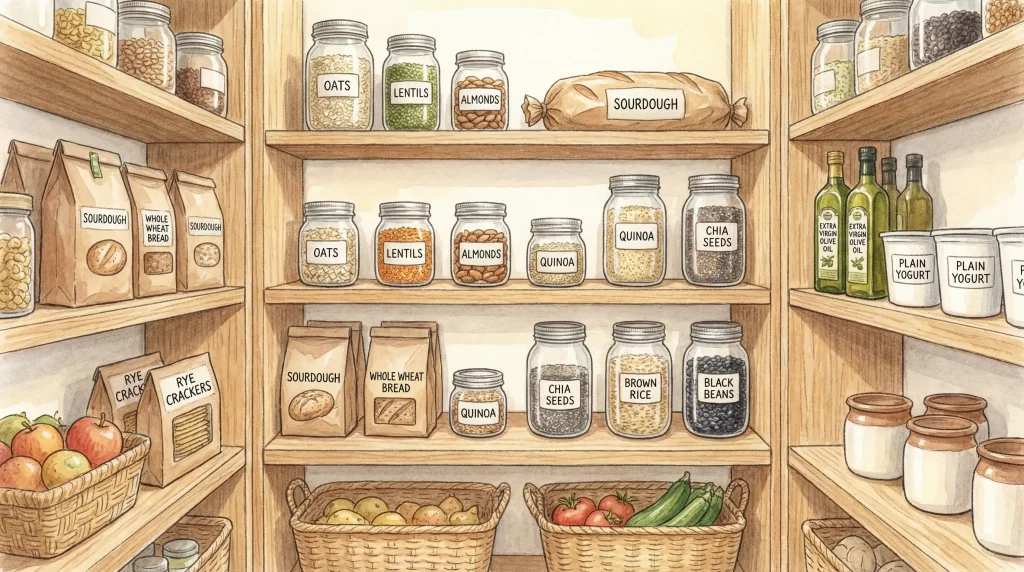
In other words, a clean label product should look like something you could make at home—with ingredients you’d actually keep in your kitchen.
How Clean Label Evolved to 2026
The clean label movement began more than 15 years ago as a push to remove obvious artificial ingredients and highlight “natural” or organic foods. Over time, it has expanded into a broader expectation of transparency, better nutrition, and lower processing.
Key shifts by 2026:
From “no artificial flavors or colors” to short, recognizable ingredient lists.
From focusing only on additives to including processing methods and environmental impact.
From a niche marketing term to a baseline expectation across categories like beverages, snacks, and plant-based foods.
Consumers now view clean label as part of a larger value system: health, trust, sustainability, and authenticity.
Clean Label vs “Natural” vs Organic vs Ultra-Processed
These terms are often confused, but they’re not the same.
No legal definition; can still be ultra-processed.
“Natural”
Loosely implies minimal artificial ingredients.
Largely marketing; not tightly regulated in many regions.
Organic
Grown/produced without most synthetic pesticides or GMOs.
Can still be high in sugar, refined flours, or additives.
Ultra-processed (UPF)
Industrial formulations with additives, emulsifiers, and heavy processing.
Some products hide UPF status behind “clean” or “natural” labels.
A product can be:
Organic but not clean label (e.g., organic cookies with long ingredient lists).
Clean label but still ultra-processed if ingredients are cleverly reformulated to hide additives within “extracts” or processed components.
Clean Label vs Regular Label
For metabolic health, the goal is clean label AND minimally processed, not just a nice-sounding claim.
Why Clean Label Foods Matter for Metabolic Health
Clean label eating supports metabolic health optimization through multiple mechanisms: lower inflammation, more nutrient density, and improved gut function.
1. Reduced Exposure to Questionable Additives
Clean label products aim to eliminate or reduce:
Artificial colors and flavors.
Synthetic preservatives (e.g., BHA, BHT).
Emulsifiers implicated in gut barrier disruption (e.g., certain gums and polysorbates).
These additives are linked in emerging research to gut dysbiosis, behavioral changes in children, and potential long‑term metabolic risks.
2. More Whole, Nutrient-Dense Ingredients
Short ingredient lists tend to feature whole or minimally processed inputs: whole grains, nuts, legumes, real spices, and natural sweeteners. This typically means:
Higher fiber intake → better glycemic control and GLP‑1 response.
More vitamins, minerals, and polyphenols → improved mitochondrial and immune function.
3. Better Alignment with Non-UPF Eating
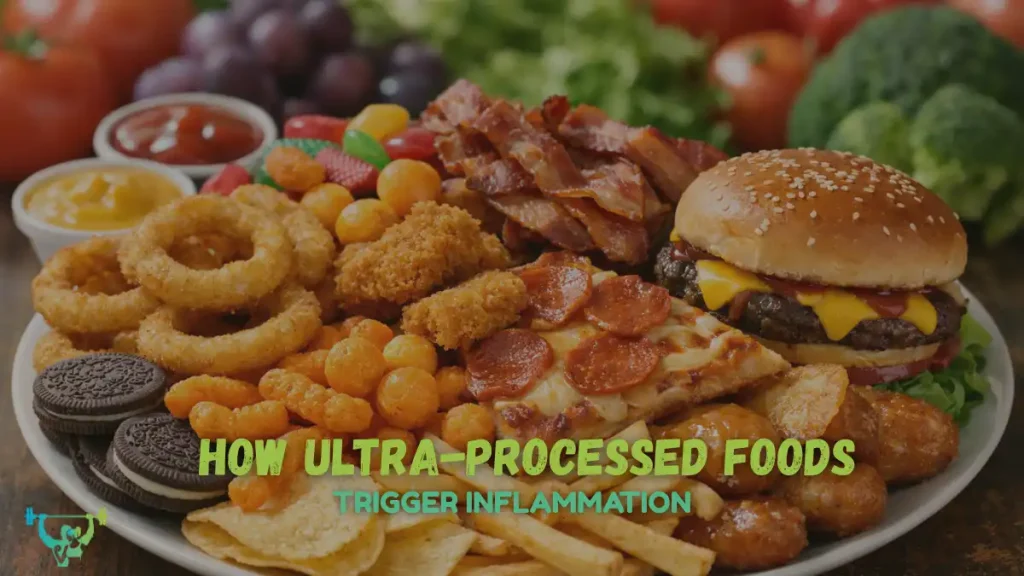
Clean label overlaps with the push away from ultra-processed foods, which are associated with higher rates of obesity, diabetes, and cardiovascular disease. Products built around real food ingredients and gentle processing tend to have a lower ultra-processed score, making them more supportive of long‑term metabolic health.
The Dark Side: When “Clean Label” Is Just Marketing
Because regulators have not formally defined “clean label,” brands often stretch the term to make highly processed products appear healthier than they are.
Common Clean Label Traps
Hidden additives in “extracts”: Additives reformulated as “plant extract,” “yeast extract,” or “flavor concentrate” to avoid scaring consumers.
Long ingredient lists made to look short: Splitting similar sweeteners under different names (e.g., cane sugar, rice syrup, fruit juice concentrate).
“No artificial preservatives” but heavy processing: Using high heat, ultra‑refining, or novel processing to create long shelf life while still claiming “clean.”
Clean label on UPF snacks: Protein bars, “keto cookies,” and “natural chips” that remain ultra-processed despite nicer labels.
Red Flags to Watch For
More than 5-7 ingredients in a simple product like a snack or drink.
Multiple forms of sugar listed separately.
Vague terms like “natural flavors,” “proprietary blend,” “plant-based flavor system.”
Unfamiliar or science‑sounding ingredients that you wouldn’t use at home.
How to Read a Clean Label in 10 Seconds
Use this quick framework when picking products in 2026.
They make up the bulk of the product—look for whole foods, not sugar or refined flour.
Look at the processing signals:
Words like “extruded,” “restructured,” or “modified starch” suggest ultra-processing.
Assess sugar and fiber:
Aim for more fiber than added sugar grams in products marketed as healthy.
If it fails more than one of these tests, it’s probably clean label in name only.
Clean Label Foods and Ultra-Processed Foods: Where They Overlap
Regulators in the U.S. and Europe are looking more closely at ultra‑processed foods, with plans to formally define “UPF” and potentially allow front‑of‑pack labeling for it. In this context, clean label is increasingly used as a way for manufacturers to distance products from the ultra‑processed category.
However:
A clean label snack can still qualify as ultra‑processed under NOVA if it uses isolates, reconstituted ingredients, or industrial processing steps.
The safest bets are products that are both clean label AND obviously simple, like plain yogurt, nut butters with only nuts and salt, or minimally processed grains.
Peanut butter B: Peanuts, sugar, vegetable oil, “natural flavor,” stabilizer → Marketed as “natural,” not truly clean label or metabolically friendly.
7-Day Clean Label Upgrade Plan
Use this as a companion to your metabolic health optimization journey.
Days-1-2: Audit & Awareness
Empty your pantry and fridge.
Tag each product as Whole / Minimally Processed / Ultra‑Processed based on ingredients and processing cues.
Circle anything with long ingredient lists, artificial additives, or multiple sugars.
Days-3-5: Replace Key Staples
Swap flavored yogurt → plain yogurt + fruit.
Swap instant noodles → whole-grain pasta or rice with homemade sauce.
Swap “healthy” snack bars → nuts, seeds, or home‑baked oat bars with 5–6 ingredients.
Days-6-7: Rebuild Your Shopping Routine
Create a go‑to clean label shopping list with 20–25 products that meet your standards.
Start shopping the perimeter of the store and limit time in processed aisles.
Within a week, most people find their overall ultra‑processed intake falls sharply, even if they’re not counting calories.
Clean Label Foods Explained: How to Read Food Labels and Avoid Ultra‑Processed Traps (2026)
Source: YouTube
FAQ: Clean Label Foods (2026)
Q. Is “clean label” an official certification?
No. There is no universal legal definition or certification for clean label in 2026. It is a marketing and product‑development philosophy, so you must always read the ingredients yourself.
Q. Are all clean label products healthy?
Not necessarily. A product can be clean label but still high in sugar, refined carbs, or low in fiber, which can harm metabolic health over time. Clean label is about ingredients, not overall nutrition profile.
Q. How is clean label different in 2026 compared to a few years ago?
Clean label has expanded from “no artificial ingredients” to include simple lists, minimal processing, ethical sourcing, and sustainability. Consumers now expect transparency about how foods are made, not just what is in them.
Q. Can a product be clean label and still ultra‑processed?
Yes. A bar or snack may avoid obvious additives but still use isolates, restructured ingredients, and industrial processing, qualifying as ultra‑processed under systems like NOVA. That’s why choosing minimally processed foods remains key.
Q. What’s the easiest way to start eating more clean label foods?
Begin with 1–2 swaps per category: plain yogurt instead of flavored, real nut butter instead of sweetened spread, and simple breads or grains instead of instant mixes. Build from there as your pantry transitions.
Ultra-processed foods trigger inflammation through multiple pathways that silently damage your metabolic health. These factory-made products-think sugary cereals, chicken nuggets, flavored yogurts, and most packaged snacks-now make up 60% of the average American diet and drive chronic low-grade inflammation that accelerates aging, weight gain, and disease risk.
This isn’t just about calories. Ultra-processed foods disrupt your gut barrier, spike inflammatory markers like hs-CRP, and create metabolic chaos through emulsifiers, seed oils, and artificial additives. In 2026, understanding this connection is critical for metabolic health optimization.
When you live with knee osteoarthritis, moving less may feel safer—but it usually makes pain and stiffness worse. The right exercises can reduce pain, improve function, and may even slow structural decline. Exercise therapy is widely recommended as a first‑line treatment for knee OA, not an optional extra.
This guide walks through simple, physio‑style exercises for knee osteoarthritis that you can perform at home once your healthcare provider has cleared you.
Knee Osteoarthritis Exercises Physio-Approved Moves for Pain Relief
Why Exercise Is Essential for Knee Osteoarthritis
Knee osteoarthritis does not mean you should avoid all movement. In fact, controlled loading is healthy for cartilage and muscle.
Benefits of knee osteoarthritis exercises include:
Strengthening muscles that support and stabilize the joint.
Reducing pain and stiffness by improving circulation and joint lubrication.
Enhancing balance and proprioception, lowering fall risk.
Supporting weight management and cardiovascular health.
Clinical guidelines consistently recommend exercise—both strengthening and aerobic—for all stages of knee OA.
Golden Rules Before You Start Exercising
Warm up with 5–10 minutes of gentle marching or slow cycling.
Aim for mild to moderate discomfort, not sharp or intense pain.
Stop if you feel sudden sharp pain, significant swelling, or locking.
Progress gradually: increase reps or hold times every 1–2 weeks.
If you have severe OA, heart disease, or recent surgery, get professional clearance first.
Strengthening Exercises for Knee Osteoarthritis
Start with 2–3 non‑consecutive days per week. Adjust as tolerated.
Strengthening Exercises for Knee Osteoarthritis
Quadriceps strengthening
1. Seated knee extension (no weight or light band)
Sit in a chair, back straight, feet flat.
Slowly straighten one knee until the leg is almost straight, hold 3 seconds, then lower.
Do 2–3 sets of 10–12 reps each side.
2. Wall sit (partial)
Stand with your back against a wall, feet about one step forward.
Slide down a little until knees are slightly bent (no deeper than 45–60 degrees).
Hold 10–20 seconds, repeat 5–8 times.
Hip and glute strengthening
3. Side‑lying leg raise
Lie on your side with legs straight.
Raise the top leg 20–30 cm, hold briefly, then lower with control.
2–3 sets of 10–15 reps each side.
4. Glute bridge
Lie on your back knees bent, feet hip‑width apart.
Tighten your core and squeeze your glutes to lift hips off the floor.
Hold 3–5 seconds, then lower.
2–3 sets of 10–12 reps.
Strengthening hips and glutes helps offload stress from the knee and improves overall lower‑limb mechanics.
Flexibility and Mobility Exercises for Knee Osteoarthritis
Perform daily or at least 4–5 times per week.
Hamstring stretch
Sit on a chair and extend one leg straight, heel on the floor.
Lean forward from your hips (not rounding your back) until you feel a stretch.
Hold 20–30 seconds, repeat 2–3 times each side.
Calf stretch (standing)
Stand facing a wall, one leg forward, one leg back.
Keeping the back heel down, lean into the wall until you feel a stretch in your calf.
Hold 20–30 seconds, repeat 2–3 times each side.
Quadriceps stretch (standing with support)
Hold onto a chair or wall.
Bend one knee to bring the heel toward your buttock and hold the ankle.
Keep knees close; gently push the hip forward to intensify the stretch.
Hold 20–30 seconds, repeat 2–3 times each side.
Improving flexibility around the knee reduces compensatory stress on cartilage and surrounding tissues.
Balance and Proprioception Training
Knee osteoarthritis often impairs proprioception and balance, which contributes to falls. Simple drills can help.
Tandem stance
Stand near a counter.
Place one foot directly in front of the other (heel to toe).
Hold 20–30 seconds, repeat with the other foot in front.
Single‑leg stance (with support nearby)
Hold the back of a chair lightly.
Lift one foot off the floor and balance on the other leg.
Try to hold 10–20 seconds; repeat 3–5 times per leg.
Progressions include closing the eyes (with supervision), standing on a softer surface, or performing gentle arm movements while balancing.
Best Aerobic Exercises for Knee Osteoarthritis
Aim for about 150 minutes per week of moderate‑intensity aerobic activity, divided across several days, if your health allows.
Best Aerobic Exercises for Knee Osteoarthritis
Joint‑friendly options:
Walking on flat, even surfaces.
Stationary cycling or outdoor cycling on smooth paths.
Swimming or water aerobics to reduce load on knees.
Elliptical machines at moderate resistance.
Start with short sessions (10–15 minutes) and increase duration as tolerated.
Sample Weekly Exercise Plan for Knee Osteoarthritis
Day 1: Strength (quads, hips, glutes) + stretching.
Day 2: 20–30 minutes walking or cycling + balance drills.
Day 3: Rest or light stretching only.
Day 4: Strength + stretching.
Day 5: 20–30 minutes swimming or cycling.
Day 6: Balance + flexibility.
Day 7: Rest or gentle walking.
When to See a Physiotherapist
Consult a physiotherapist if you:
Have persistent or worsening knee pain despite exercise and basic care.
Feel that your knee is unstable or buckling.
Have frequent falls or near‑falls.
Need a graded program after surgery or injections.
FAQs About Knee Osteoarthritis Exercises
Q. Can exercise worsen knee osteoarthritis?
Proper, low‑impact exercise that respects pain limits is generally beneficial and recommended; high‑impact or poorly performed exercises can aggravate symptoms.
Q. Are squats safe with knee OA?
Partial squats to a chair, done with good form and within a comfortable range, are usually safe and helpful for quadriceps strength.
Q. How often should I do knee OA exercises?
Most people benefit from strength work 2–3 days per week, stretching most days, and regular low‑impact cardio several days weekly.
Q. What exercises should I avoid with knee OA?
Deep squats, repetitive jumping, heavy running on hard surfaces, and high‑impact twists are usually best limited or modified, especially in moderate–severe OA.