10 Best Lower Back Pain Relief Products in 2025

0

As a health professional, I see the same pattern again and again: lower back pain doesn’t usually start with a dramatic injury—it creeps in through long sitting, poor ergonomics, deconditioning, and stress on the tissues that stabilize the lumbar spine. Product-based relief can play a meaningful role, but only when it’s chosen thoughtfully and used as part of a comprehensive plan that includes movement, ergonomics, and sleep hygiene.
Lower Back Pain Relief Products

Below is a clinician-curated, evidence-aligned guide to the best lower back pain relief products of 2025, with practical usage tips, safety notes, and where each tool fits in a sensible self-care strategy. Acute, subacute, and chronic low back pain often respond to conservative measures like superficial heat, ergonomics, and targeted activity, and the best outcomes come from matching the right product to the right problem while following clinical guidelines from reputable bodies such as the American College of Physicians (ACP) and MedlinePlus/NIH.

Note on safety: Any severe, persistent, or worsening pain—especially with red flags like fever, trauma, unexplained weight loss, neurological deficits, or bowel/bladder changes—warrants medical evaluation promptly. Many people can self-manage with noninvasive strategies; however, individualized diagnosis and rehabilitation planning are essential if symptoms don’t improve or if there’s identifiable pathology.

Instant Lower Back Pain Relief

This video shows an easy exercise that may give instant relief from lower back pain. This exercise only requires a chair and will focus on stretching the main muscles associated with lower back pain (including the hip flexors and the quadratus lumborum).

10 Best Lower Back Pain Relief Products

1) Lumbar Support Cushions

Best for: Office chairs, car seats, long sitting hours

Why they work: A properly shaped lumbar support helps maintain the lumbar lordosis (the natural inward curve of the lower spine), reducing shear and compressive loads on discs and easing muscular guarding during prolonged sitting. In practice, users need adjustability: a fixed “one-size” cushion rarely fits every torso, pelvis, and seat depth. Observational ergonomics research has found wide variability in preferred support height and depth across users, underscoring why adjustable supports are superior to fixed pads.

What to look for:

  • Adjustable height/depth or straps to fine-tune position to the small of the back.
  • Contoured, high-density foam or supportive elastomer that resists collapse during long sits.
  • Breathable cover to manage heat and moisture.

Pro tip: Position the thickest part of the cushion at the level of the belt line or slightly above to reinforce neutral lumbar curvature; re-check after 10–15 minutes of sitting because posture often drifts and the support may need a micro-adjustment.

When to use: Any sitting longer than 30–45 minutes; combine with posture breaks and mini-movements.

Evidence note: While lumbar supports are widely recommended in ergonomic practice, the key is adjustability; studies show users prefer quite different settings, and those with back discomfort tend to bring the support more anterior for contact stability. Institutional ergonomics guidance supports adjustable lumbar features for better fit and spinal alignment in chairs.

2) Adjustable Standing Desks

Best for: Preventing pain from prolonged sitting
Why they work: Alternating postures distributes load and reduces time in flexed lumbar postures, which can aggravate symptoms in some individuals. Sit-stand variability promotes micromovements and reduces static tissue stress, a consistent theme in ergonomics research. While a desk alone isn’t a cure, cycle timing (not standing all day) is the secret.

What to look for:

  • Smooth electric lift with stable frame to prevent wobble when typing at standing height.
  • Sufficient vertical range to achieve 90–100° elbow angle in both sitting and standing.
  • Option to save multiple height presets to encourage regular switching.

Pro tip: Alternate every 45–60 minutes and “grease the groove” with micro-breaks—calf raises, hip shifts, and gentle spinal extensions—rather than marathon standing bouts.

Evidence note: Systematic ergonomics reviews emphasize that furniture and workstation adjustability influence posture, pressure distribution, and movement variability—factors associated with comfort and potentially lower risk of sitting-related lower back symptoms.

3) Heat Therapy Wraps

Best for: Muscle relaxation and stiffness, especially in acute/subacute episodes.

Why they work: Superficial heat increases local tissue temperature, improves blood flow, and reduces muscle spasm, often decreasing pain sensitivity and improving mobility—benefits supported by randomized trials and systematic reviews for acute and subacute low back pain. Continuous low-level heat wraps can provide short-term pain and function gains and, in some trials, outperformed common over-the-counter analgesics over the first 48 hours.

What to look for:

  • Even heat distribution and steady low-level output (e.g., chemical or electric heat wraps).
  • Adjustable closure to contour to the lumbar region.
  • Auto-off safety features for electric options.

How to use safely:

  • Typical sessions: 15–20 minutes for standard heat pads; continuous low-level wraps can be used longer per product instructions, but check skin frequently.
  • Avoid with open wounds, areas of reduced sensation, or immediately post-trauma unless advised by a clinician.

Evidence note: The Cochrane-style review by French et al. found moderate evidence that heat wrap therapy reduces pain and disability in acute/subacute low back pain; evidence for cold was limited and mixed. A 2021 review reported continuous low-level heat wraps improved pain and flexibility and, in one trial, exceeded analgesic comparators in early pain relief. MedlinePlus also endorses heat after the initial 48–72 hours for many acute strains.

4) Cold Gel Packs

Best for: Pain with recent injury or inflammatory flare
Why they work: Cold reduces nerve conduction velocity and may decrease nociceptor activity and superficial tissue swelling, which can be soothing in acutely irritated tissues. Many clinical resources recommend ice in the first 48–72 hours after acute muscle strain before transitioning to heat, although robust back-specific evidence is less consistent than for heat.

What to look for:

  • A reusable gel pack that remains flexible when frozen for better contouring to the lumbar curve.
  • A cloth sleeve or thin towel to avoid skin injury.

How to use safely:

  • Apply for 10–15 minutes per bout with a barrier; allow skin to re-warm between applications.
  • Do not apply to areas of poor circulation or impaired sensation.

Evidence note: Systematic evidence for cold in low back pain is limited and conflicting, while heat has more consistent short-term benefit; nonetheless, cold remains a reasonable option for acute symptom modulation and is widely recommended in general musculoskeletal first-aid guidance.

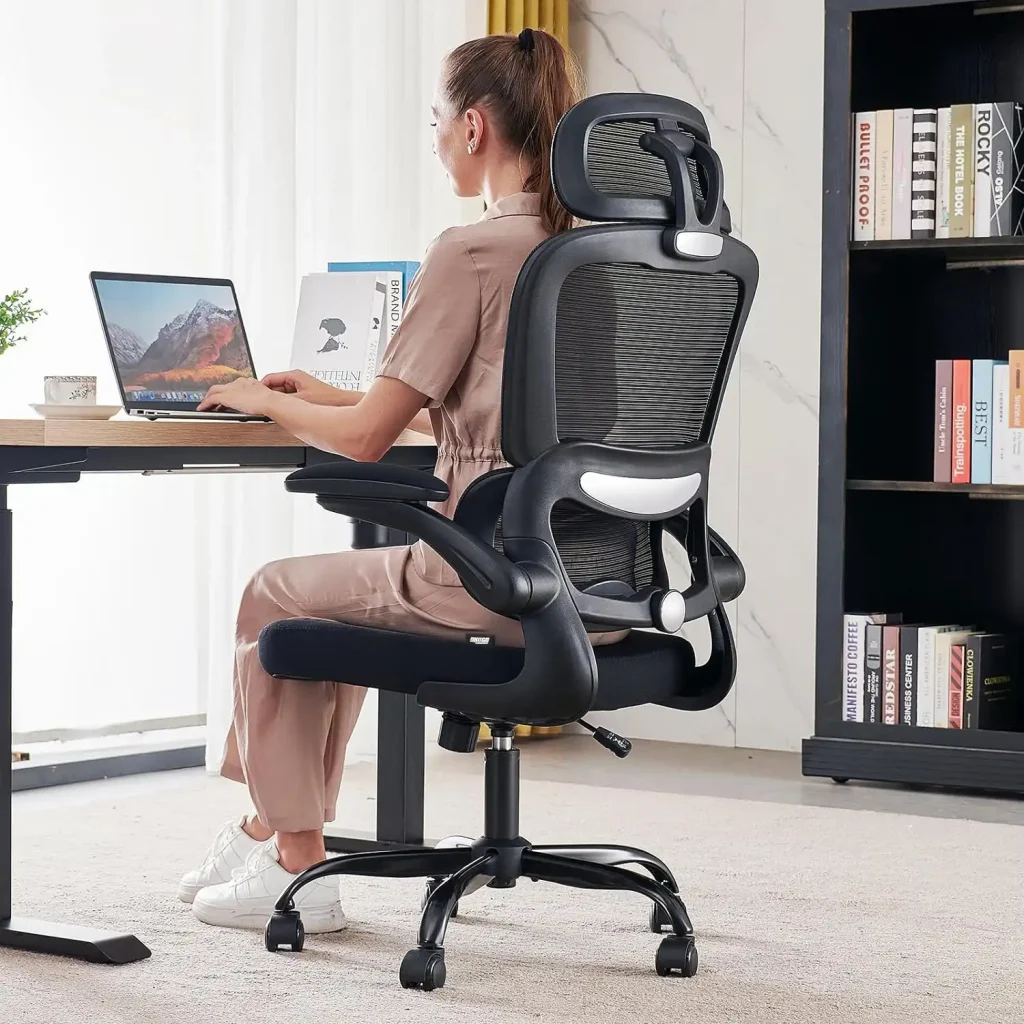
5) Ergonomic Office Chairs

Best for: Full-time desk work where posture support, adjustability, and movement are essential

Why they work: A chair that supports the lumbar curve, allows seat pan depth adjustment, and positions armrests to reduce shoulder/trunk strain can lower perceived discomfort and facilitate micromovements that may help mitigate sitting-related low back symptoms. Proper armrest setup can increase minor postural adjustments over time, which may benefit lumbar comfort during prolonged tasks.

What to look for:

  • Adjustable lumbar height and depth; backrest tilt with tension control.
  • Seat pan depth adjustment to keep 2–3 finger widths behind knees.
  • 4D armrests to support forearms without elevating shoulders.

Fitting tips:

  • Hips slightly above knees; feet flat or on a footrest.
  • Lumbar contact at the small of the back; armrests just under forearms without shrugging.

Evidence note: Academic and institutional ergonomic guidance consistently highlights adjustable lumbar and armrest features to maintain spinal curves and encourage micro-movements; research suggests armrest adjustments can increase micromotion that may be helpful for back comfort during sedentary tasks.

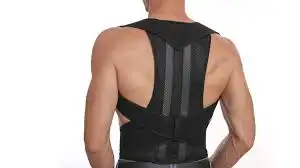
6) Back Braces

Best for: Short-term support during acute flare-ups or specific tasks that aggravate symptoms
Why they work: External support can limit painful ranges and remind the trunk to maintain neutral posture during recovery, reducing mechanical strain in the short term. However, over-reliance risks deconditioning and dependence.

What to look for:

  • Breathable fabric, adjustable compression, and a snug but not restrictive fit.
  • Easy on/off design to use only when needed.

How to use:

  • Wear for specific tasks or brief periods; prioritize core activation, walking, and gentle mobility over continuous bracing.
  • Plan a weaning strategy as symptoms settle to avoid weakening supportive musculature.

Evidence note: Noninvasive guidelines emphasize active strategies first; braces may be adjuncts, not primary treatments, and should be time-limited, particularly in non-specific low back pain without instability.

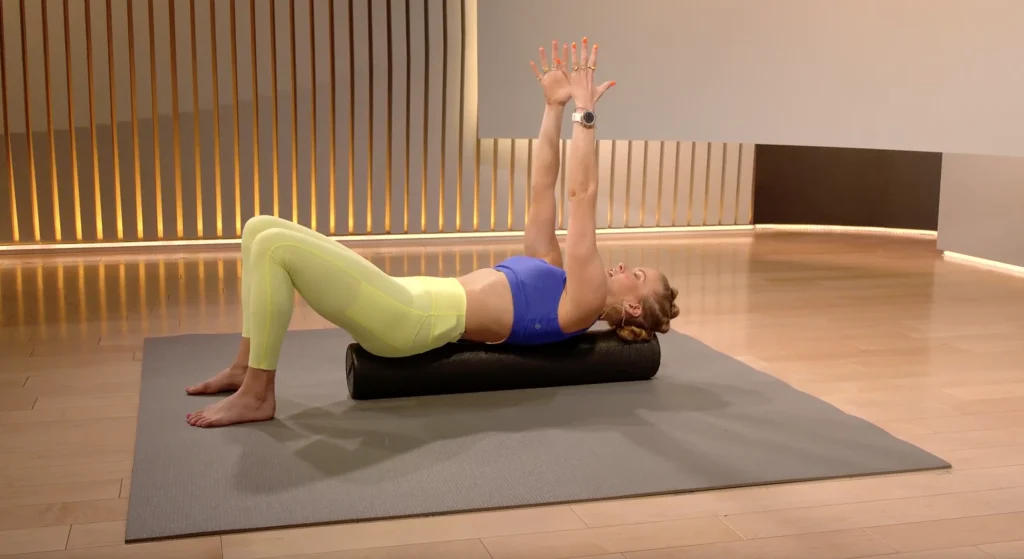
7) Foam Rollers

Best for: Myofascial release of paraspinals, gluteals, and hip rotators that can contribute to lumbar tension
Why they work: Self-myofascial techniques improve local blood flow and decrease perceived muscle stiffness, often improving movement comfort. For low back pain, focus on adjacent tissues (glutes, thoracolumbar fascia, hip flexors) rather than rolling directly on the lumbar vertebrae.

What to look for:

  • Medium firmness and moderate texture; excessively hard rollers can provoke guarding.
  • Long (36-inch) roller for versatility with thoracic mobility.

How to use:

  • Roll slowly for 30–60 seconds per sensitive area; keep breathing and avoid numbness or sharp pain.
  • Pair with mobility drills (hip flexor stretches) for lasting benefit.

Evidence note: While direct evidence on foam rolling for low back pain is evolving, clinical guidelines favor nonpharmacologic approaches, including exercise and manual therapies; self-administered myofascial techniques can be a practical adjunct within such programs.

8) Massage Guns (Percussive Therapy Devices)

Best for: Deep muscle relaxation in paraspinals, glutes, hamstrings, and hip rotators
Why they work: Percussive therapy can decrease the sensation of muscle tightness and improve short-term range, indirectly offloading lumbar tissues by addressing tight kinetic chain segments. Apply primarily to the surrounding musculature; avoid direct pressure over the spine.

What to look for:

  • Variable speeds, softer head attachments for sensitive regions, and quiet operation.
  • Ergonomic handle for self-application without awkward trunk twisting.

How to use:

  • 30–120 seconds per muscle group; stop if symptoms worsen.
  • Use pre- and post-light stretching or walking to consolidate gains.

Evidence note: Percussive therapy is part of the broader noninvasive toolbox for symptom modulation; prioritize active strategies and posture/ movement changes alongside this modality in line with conservative care guidance.

9) Orthopedic Mattresses

Best for: Night-time pain and morning stiffness linked to poor spinal support
Why they work: A supportive, medium-firm surface tends to preserve spinal alignment and reduce nocturnal sagging that can irritate facet joints and discs. Many find pressure relief zones helpful when side-sleeping to keep the spine neutral.

What to look for:

  • Medium-firm feel with zoned support and adequate edge reinforcement.
  • Cooling materials if heat sensitivity disrupts sleep.

Pro tip:

  • Replace mattresses about every 7–10 years or sooner if impressions form; pair with a pillow that keeps the neck neutral to avoid compensatory lumbar extension/flexion.

Evidence note: Sleep quality, comfort, and neutral alignment are practical goals aligned with multifaceted low back pain management; clinical guidelines consistently highlight sleep and activity regularity as part of care, even if mattress trials vary in design and outcomes.

10) Yoga Mats (for Stretching and Core Activation)

Best for: Gentle mobility and stabilization work at home
Why they work: Floor-based mobility and low-load isometrics can calm hypertonic tissues and re-engage stabilizers; movements like cat–cow, child’s pose, and gentle hip openers decrease stiffness and improve tolerance to daily activities. Noninvasive guidelines recommend exercise—tailored in intensity and type—for chronic and subacute low back pain.

What to look for:

  • Non-slip surface with ≥6mm thickness for knee comfort.
  • Sufficient length to accommodate supine core work.

Pro tip:

  • Focus on hips and thoracic spine mobility while practicing abdominal bracing and glute activation; consistency trumps intensity.

Evidence note: Clinical practice guidelines support exercise, including strengthening and flexibility work, as a core part of chronic low back pain care; moderate-to-high intensity is appropriate for some chronic cases, progressed sensibly.

Expert Tips for Choosing the Right Lower Back Pain Relief Products
Expert Tips for Choosing the Right Lower Back Pain Relief Products

1. Identify the dominant driver

Is the pain posture-related (worse with sitting), movement-related (bending/extension), or post-injury? Choice of product follows the irritability pattern: ergonomics and sit-stand strategies for sitting-related pain; heat for muscle guarding; initial cold for acute strains; braces for brief task-specific support; and daily mobility for most situations.

2. Test before you invest

When feasible, trial cushions, chairs, and mattress firmness in person. Ergonomic research shows wide inter-individual variability in preferred lumbar support settings; a quick test often prevents a poor fit.

3. Combine tools with movement

Products support, but movement changes outcomes. Cycle sitting/standing, add short walks, and perform 5–10 minutes of mobility and isometrics daily—consistent with guideline-backed nonpharmacologic care.

4. Respect the time course

For acute strains: ice in the first 48–72 hours, then transition to heat; for subacute stiffness, heat often helps mobility; for chronic cases, prioritize exercise and ergonomics, with modalities as adjuncts.

5. Know when to seek care

Red flag symptoms, pain unresponsive to conservative care, or neurologic signs require prompt medical evaluation to rule out serious causes and tailor treatment.

Clinician-Approved Buying Checklist

  • Lumbar cushion: Adjustable straps; contour matches lumbar curve; breathable cover.
  • Ergonomic chair: Adjustable lumbar, seat depth, armrests, tilt tension, stable base.
  • Standing desk: Electric lift; stable at standing height; programmable presets.
  • Heat wrap: Even heat; safe materials; instructions for continuous low-level use.
  • Cold pack: Flexible when frozen; protective sleeve; safe size for lumbar curve.
  • Back brace: Adjustable compression; breathable fabric; easy don/doff for short use windows.
  • Foam roller: Medium firmness; adequate length; use on hips/glutes/thoracolumbar fascia.
  • Massage gun: Multiple heads; lower-intensity options; ergonomic handle.
  • Mattress: Medium-firm; zoned support; trial period for fit and comfort.
  • Yoga mat: Non-slip; ≥6mm cushioning; length to fit core/stability work.

Each product fits best when paired with evidence-backed behaviors: frequent posture changes, guided exercise progressions, and sleep regularity.

Quick-Start Home Routine (10–15 Minutes)

Quick-Start Home Routine (10–15 Minutes)
  • Heat or cold (choose based on stage): 10–20 minutes following safety guidance.
  • Mobility: Cat–cow x10; hip flexor stretch 30s/side; hamstring doorway stretch 30s/side.
  • Activation: Abdominal bracing 5x10s; glute bridges 2×10; side-lying clamshells 2×10/side.
  • Ergonomics: Adjust chair lumbar and armrests; set a 45–60-minute sit-stand timer.
  • Walk: 5 minutes every 1–2 hours to promote circulation and reduce stiffness.

This routine aligns with noninvasive guideline recommendations for activity, superficial heat, and self-management education.

Evidence and Guidelines: What Clinicians Consider

  • Superficial heat: Moderate evidence supports heat wraps for short-term pain and functional improvement in acute/subacute low back pain; one RCT showed greater short-term benefit than acetaminophen or ibuprofen.
  • Cold therapy: Evidence is limited and mixed for low back pain; still reasonable for early acute management within standard first-aid timelines.
  • Noninvasive care: ACP guidelines recommend non-drug therapies—superficial heat, massage, acupuncture, spinal manipulation—for acute/subacute LBP; for chronic LBP, emphasize exercise, multidisciplinary rehab, and mind-body approaches, reserving medications judiciously.
  • Exercise intensity: Clinical practice guidelines suggest moderate-to-high-intensity exercise when appropriate for chronic low back pain without generalized pain, with graded exposure and functional goals.
  • Ergonomics: Research underscores the role of workstation and furniture adjustability in posture, discomfort, and movement patterns; adjustability and user-specific fit are critical.

Product-by-Product Practical Playbook

  1. Lumbar Support Cushions
  • Setup: Sit back fully; place cushion so its peak supports the lumbar lordosis; tighten straps to prevent slippage.
  • Outcome to track: Ability to sit longer with less stiffness; decreased urge to slouch; fewer end-of-day aches.
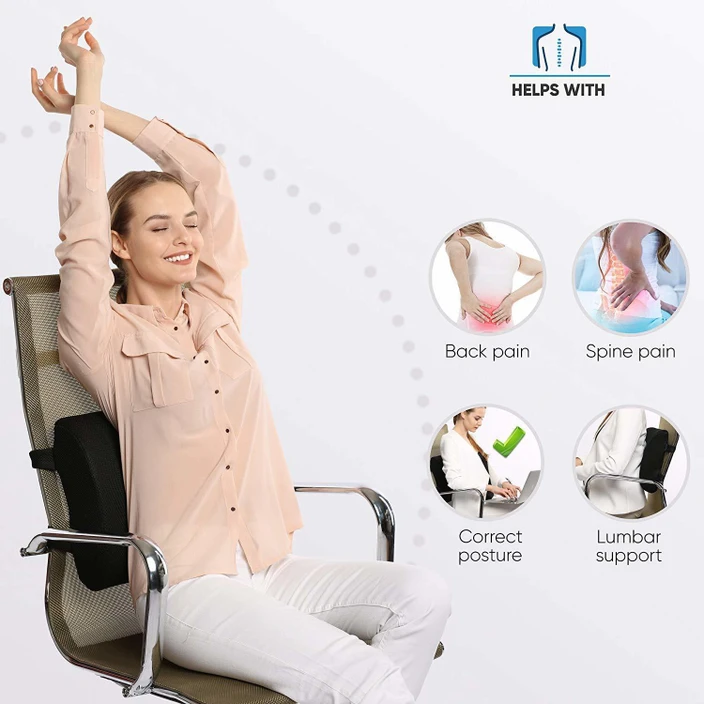
Lumbar Support Cushions
  1. Adjustable Standing Desks
  • Setup: Elbows at ~90–100°; screen at eye level; feet shoulder-width; alternate every 45–60 minutes.
  • Outcome to track: Lower afternoon stiffness, improved focus.

adjustable standing desk
  1. Heat Therapy Wraps
  • Setup: Follow device instructions; check skin every 15–20 minutes; avoid sleeping with high heat.
  • Outcome to track: Easier forward bending, reduced morning stiffness.
heat therapy wraps
heat therapy wraps
  1. Cold Gel Packs
  • Setup: 10–15 minutes with barrier; repeat every 2–3 hours initially if helpful.
  • Outcome to track: Reduced throbbing/swelling sensation, better tolerance to movement.

Cold Gel Packs
Cold Gel Packs
  1. Ergonomic Office Chairs
  • Setup: Hips slightly above knees; lumbar contact maintained; armrests support without shrugging shoulders.
  • Outcome to track: Lower cumulative discomfort scores by late afternoon; fewer micro-spasms in paraspinals.
Ergonomic Office Chairs
  1. Back Braces
  • Setup: Wear during provoking tasks (e.g., lifting, prolonged standing) for brief periods; avoid full-day use.
  • Outcome to track: Reduced pain during tasks; no loss of core endurance over time.
Back Braces
Back Braces
  1. Foam Rollers
  • Setup: Target glutes, piriformis, thoracolumbar fascia; avoid direct bony lumbar pressure.
  • Outcome to track: Improved hip rotation, easier sit-to-stand transitions.
Foam Rollers
Foam Rollers
  1. Massage Guns
  • Setup: Start low speed; use soft head; avoid direct spinous processes; 30–120 seconds per area.
  • Outcome to track: Short-term relief of muscle tightness; improved walking tolerance.

Massage Gun
Massage Gun
  1. Orthopedic Mattresses
  • Setup: Trial period; pair with an appropriate pillow and side-sleeping knee pillow if needed.
  • Outcome to track: Lower morning stiffness and fewer night awakenings.

Orthopedic Mattresses
  1. Yoga Mats for Stretching
  • Setup: Daily 10-minute routine; emphasize breath and gentle ranges.
  • Outcome to track: Easier bending, improved tolerance to sitting and walking.

Yoga Mats for Stretching

When to Seek Professional Care

  • Severe or progressive neurological symptoms (leg weakness, numbness in a saddle distribution), new bowel/bladder problems, fever, night sweats, or unexplained weight loss.
  • Pain persists beyond several weeks despite appropriate self-care.
  • History of significant trauma or osteoporosis with sudden, severe pain.
    In these situations, a medical evaluation can rule out specific pathology and guide imaging, pharmacologic care, or referral to physical therapy based on guideline-driven decision-making.

When to Seek Professional Care

Clinician-Backed Action Plan for the Next 30 Days

Week 1–2

  • Acute flare: Cold 10–15 minutes, 2–3x/day for 48–72 hours; transition to heat thereafter if stiffness predominates.
  • Ergonomics: Install a lumbar cushion; set sit-stand intervals to 45–60 minutes; adjust chair armrests and lumbar support.
  • Movement: 10 minutes/day mobility + basic activation (abdominal bracing, bridges).
  • Metrics: Daily discomfort rating and end-of-day stiffness log.

Week 3–4

  • Heat as needed pre-mobility; consider foam rolling glutes/hips.
  • Progress walking volume; introduce light resistance work if tolerated (e.g., hip hinges with form focus).
  • Mattress/ pillow audit if night pain persists.
  • Reassess: If no improvement or worsening, consult a clinician following ACP/MedlinePlus guidance.

This staged plan adheres to noninvasive guideline priorities while integrating product support rationally.

Bottom Line

The best lower back pain relief products reduce tissue stress, promote healthy spinal alignment, and encourage movement—not immobilization. Start with adjustable ergonomics (lumbar cushion and chair), posture variability (standing desk), and simple modalities (heat after the first 48–72 hours, cold initially for acute strains), then layer in mobility and activation daily. Use braces sparingly, add myofascial tools judiciously, and optimize sleep surfaces for neutral alignment. If symptoms persist or red flags appear, seek a professional evaluation guided by established medical recommendations. This sensible, evidence-informed pathway helps most people feel and function better—without overcomplicating the essentials.

Frequently Asked Questions

Q1: Can these products replace medical treatment?

No. They are adjuncts within a conservative care plan. Guidelines emphasize noninvasive strategies like activity, superficial heat, and exercise first, with individualized evaluation for persistent or complicated cases.

Q2: How quickly will I see results?

Heat wraps can provide short-term relief within days for acute/subacute low back pain, while posture aids and ergonomic changes may take 1–3 weeks as tissues adapt and habits stabilize.

Q3: Are back braces safe for daily use?

Safe short term, but avoid full-day reliance to prevent core deconditioning; use during specific tasks and wean as symptoms improve in line with active recovery principles.

Q4: Should I ice or heat?

For acute injuries (first 48–72 hours), many health resources suggest ice first, then transition to heat; for subacute stiffness and chronic muscle guarding, heat often feels and tests better.

Q5: Which is better—standing or sitting?

Neither exclusively; alternating postures and embedding micromovements throughout the day align best with ergonomics evidence.

References

These sources underpin the recommendations above and align with a conservative, safety-first approach suitable for most people without red flags.
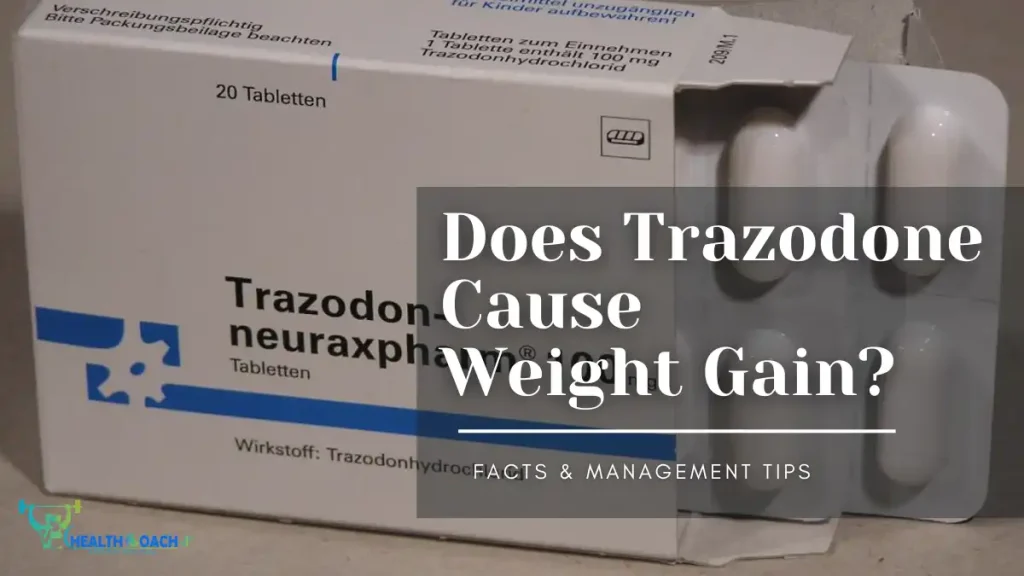
Does Trazodone Cause Weight Gain? Facts & Management Tips

0

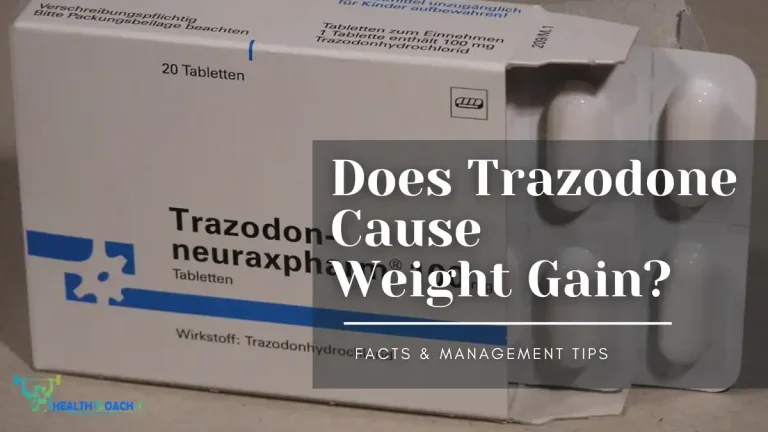
Antidepressants are a lifeline for many living with depression, anxiety, or sleep disorders. However, medication side effects can be concerning—one frequent worry is weight gain. Trazodone is a widely prescribed antidepressant also used off-label for insomnia. But does Trazodone cause weight gain? This article explores the research, considers individual experiences, and offers practical tips for managing potential weight changes.

What Is Trazodone Used For?

  • Primary Use: Trazodone is primarily prescribed to treat major depressive disorder.
  • Off-label Uses: It is commonly used to alleviate insomnia and sometimes recommended for anxiety or chronic pain.
  • How It Works: Trazodone is classified as a serotonin antagonist and reuptake inhibitor (SARI). It modulates serotonin levels, influencing mood, appetite, sleep, and some cognitive functions.

Common Side Effects of Trazodone

While generally well-tolerated, trazodone can cause side effects including:

  • Drowsiness or sedation
  • Dizziness and headache
  • Nausea or vomiting
  • Dry mouth or increased saliva
  • Blurred vision
  • Rarely, weight changes (both gain and loss)
  • Changes in appetite
    Most people tolerate trazodone well, especially when starting at a low dose that is gradually increased as needed.

Trazodone and Weight Gain: What Does the Research Say?

The Evidence

  • Not a Common Side Effect: Clinical studies show that weight gain is not a frequent side effect of trazodone. In fact, weight loss may be just as, or even slightly more, common.
  • Statistics: About 5% of trazodone users reported weight gain, while about 6% reported weight loss in clinical trials.
  • Comparison with Other Antidepressants: Trazodone is considered a lower risk for weight gain than many other antidepressants, such as tricyclic antidepressants (TCAs) or some selective serotonin reuptake inhibitors (SSRIs).

Why Might Weight Gain Happen?

While weight gain is rare, it can occur due to several factors:

  • Changes in Appetite: Trazodone may impact appetite-regulating hormones like leptin and ghrelin, increasing hunger in sensitive individuals.
  • Metabolic Changes: Depression treatments can alter metabolism, though this happens less often with trazodone than with other antidepressants.
  • Mood Improvement: As depressive symptoms ease, appetite can return, and enjoyment of food increases, which may appear to be a medication side effect.
  • Reduced Physical Activity: Trazodone’s sedative effect can cause fatigue, possibly leading to less exercise and more weight gain for some.

Why Might Weight Loss Occur?

Conversely, trazodone has also been linked to weight loss:

  • Appetite Suppression: Some people experience a decrease in appetite, leading to fewer calories consumed.
  • Improved Sleep: Better sleep can normalize hormones affecting hunger, sometimes resulting in weight stabilization or loss.

Antidepressants and Weight Gain: The Broader Picture

Not all antidepressants have the same impact on weight:

  • High-Risk Antidepressants: Tricyclic antidepressants (TCAs) and some SSRIs (like paroxetine) are far more likely to cause weight gain than trazodone.
  • Reason for Weight Changes: The mechanisms are complex and not fully understood, involving mood, appetite, energy, and lifestyle.
Is there a connection between Trazodone and Weight gain

Practical Tips for Managing Weight While on Trazodone

If you’re taking trazodone and are concerned about weight gain:

  • Track Your Weight and Appetite: Monitoring changes can help you and your provider spot trends early.
  • Exercise Regularly: Even light activity helps manage weight, improves mood, and can counteract medication-related fatigue.
  • Focus on Nutrition: Opt for balanced, wholesome meals rich in fruits, vegetables, lean proteins, and whole grains. Limit added sugars and processed foods.
  • Stick to a Sleep Routine: Good sleep benefits both mental health and metabolism. Try to go to bed and wake up at the same times each day.
  • Consult Your Provider: If you notice sustained weight changes, do not stop trazodone suddenly. Talk to your healthcare provider for guidance—they may suggest adjusting your dose, switching medications, or more targeted lifestyle recommendations.
  • Stay Hydrated: Drinking adequate water can help regulate appetite and support metabolism.

Trazodone: Dosage and Safety Precautions

  • Starter Dose: Typically 50–150mg per day for depression, or 25–100mg per day for insomnia. Always follow your prescriber’s guidance.
  • Precautions: Not recommended with MAO inhibitors (MAOIs), and use caution during pregnancy/breastfeeding unless advised otherwise.
  • Consult Before Changes: Don’t adjust your dose or stop medication without consulting your provider.

Conclusion: Should You Worry About Weight Gain with Trazodone?

For most people, trazodone is unlikely to cause significant weight gain. The risk exists but is lower than with many other antidepressants, and some people may even lose weight while taking it. Healthy lifestyle habits (balanced diet, regular exercise, good sleep) are the best way to manage your weight on any antidepressant.

If you have concerns, open communication with your healthcare provider will help you balance mental wellness and physical health.

Frequently Asked Questions

Q: How much weight might I gain on trazodone?

Most users experience minimal or no change. The average gain in clinical trials is about 1–2 pounds over several weeks, less than many other antidepressants.

Q: Can trazodone make it hard to lose weight?

Trazodone is less likely to hinder weight loss compared to other antidepressants. For most, it does not significantly interfere with weight management.

Q: Will I lose weight if I stop taking trazodone?

Weight change after stopping the medication varies. Some may lose weight, others might not see much difference. Changes often depend on individual metabolism, activity level, and the underlying reason for taking trazodone.

Q: Should I stop trazodone if I notice weight gain?

Do not stop trazodone without talking to your doctor. Sudden cessation can worsen depression and cause withdrawal symptoms. Your provider can safely evaluate and suggest next steps.

Hydrocolloid Bandages for Acne: Fast Healing & Clear Skin

0

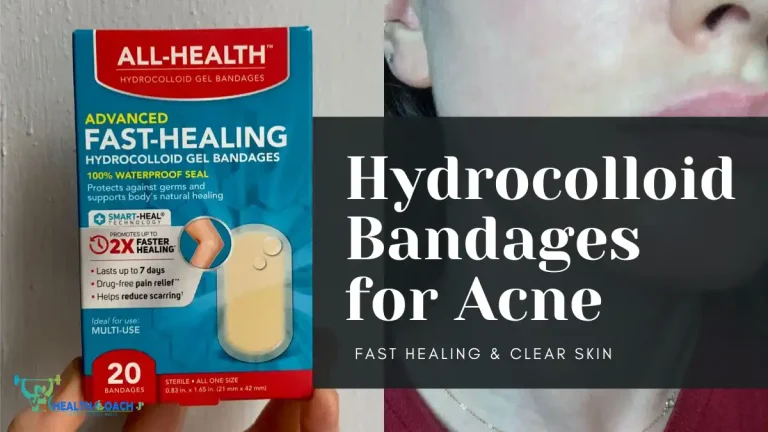
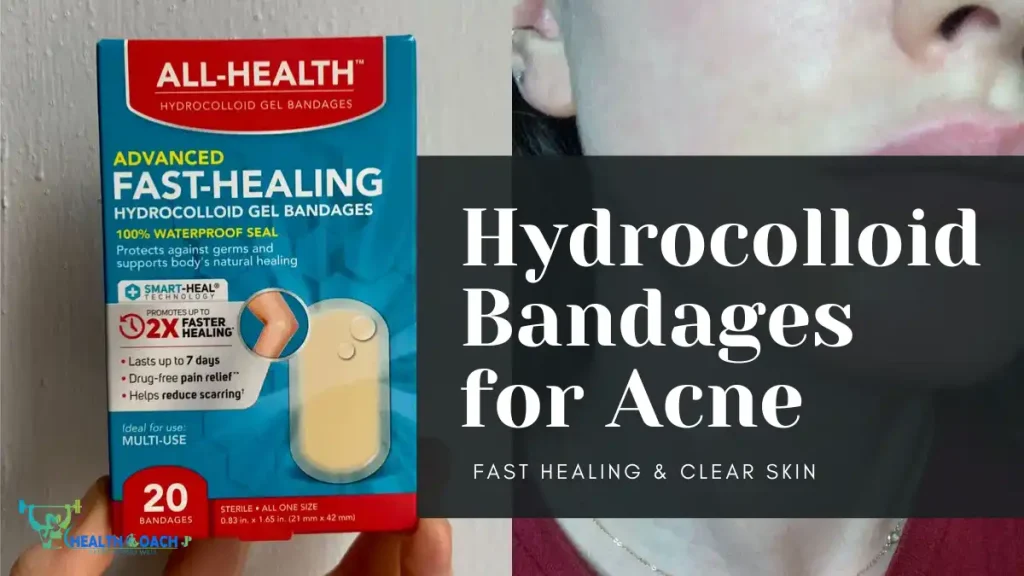
If you feel like you’ve tried every acne treatment—serums, spot gels, face masks—yet still wake up to stubborn pimples, you’re not alone. There’s a trending solution everyone’s talking about on TikTok and social media: hydrocolloid bandages for acne. But do these so-called “pimple patches” truly work? This ultimate guide, reveals everything you need to know about hydrocolloid bandages for acne, how to use them, and whether they are right for your skin.

Hydrocolloid Bandages for Acne

What Exactly Are Hydrocolloid Bandages for Acne?

Hydrocolloid bandages were originally developed for wound care. They are soft, gel-like pads made from materials such as gelatin or pectin that help maintain a moist environment over a wound. Recently, companies have created smaller, more discreet hydrocolloid bandages specifically for acne—commonly called “pimple patches.” These pimple patches are designed to cover an individual blemish and accelerate the healing process by drawing out fluid, pus, and debris from inside the pimple.

Key benefits:

  • Absorb excess fluid and pus from pimples
  • Create an optimal moist healing environment
  • Keep dirt, bacteria, and picking fingers away
  • Reduce inflammation and flatten pimples quickly

How Do Hydrocolloid Bandages Help Acne?

Hydrocolloid acne bandages work through a combination of absorption and protection:

How Do Hydrocolloid Bandages Help Acne
  • Absorption: When applied to a pimple, the hydrocolloid draws out fluids, pus, and oils. The patch forms a white bubble as it fills with these impurities, showing the healing process in action.
  • Barrier Function: The patch acts as a shield, protecting the blemish from additional bacteria, pollution, and the urge to pick. This helps prevent infections and scarring.
  • Moist Healing: By creating a moist environment, the patch promotes faster healing and reduces the chance of scab formation or pigment changes—key to preventing dark marks after acne heals.

Types of Hydrocolloid Acne Bandages

With their explosive popularity, you’ll find many types of hydrocolloid patches on the market:

Types of Hydrocolloid Acne Bandages
  • Basic clear hydrocolloid patches: Great for day or night use
  • Invisible/tinted patches: For use under makeup or during the day
  • Microneedle/medicated patches: Infuse skin with acne-fighting ingredients such as salicylic acid or tea tree oil
  • Larger sheets: Can be cut to size for multiple or big blemishes

Choose non-medicated or medicated versions based on your skin type and sensitivity. Those with sensitive skin may prefer pure hydrocolloid patches with no added actives.

Proven Benefits of Hydrocolloid Bandages for Acne

1. Reduces the severity and size of pimples:

Studies show that people using hydrocolloid patches on active pimples see a statistically significant decrease in redness, swelling, and size of pimples within 3 to 7 days versus other treatments.

2. Prevents picking and scarring:

The bandage acts as a reminder to stop touching or picking at your skin, which reduces post-acne marks and the chance of scarring.

3. Speeds up recovery time:

Hydrocolloid’s moisture-locking ability helps pimples heal faster—some people see improvement overnight, while more severe blemishes respond in a few days.

4. Suitable for multiple acne types:

Hydrocolloid patches are most effective for superficial, pus-filled pimples (whiteheads), inflamed red pimples, cystic pimples, and even blisters or minor skin wounds. While they can be used on popped pimples and blackheads, they won’t work as well on deep, closed acne that lacks a visible head.

How to Use Hydrocolloid Bandages for Acne (Step-by-Step)

Step 1: Start with clean, dry skin

Gently cleanse your face to remove oil, dirt, and makeup, and pat the affected area dry.

Step 2: Apply the patch directly over the pimple

Peel a patch from the sheet and press it onto the blemish. Make sure it covers the entire head of the pimple for best results.

Step 3: Leave on for as long as possible

For optimal healing, keep the patch on overnight or for at least 6-8 hours. Many dermatologists recommend leaving it in place for up to 24-48 hours and only replacing it when it naturally comes off or fills with fluid.

Step 4: Remove and cleanse

Once the patch turns white or detaches, gently peel it off and cleanse the area with a gentle face wash.

Tips:

  • You can apply makeup over invisible patches for daytime use.
  • Avoid changing patches too frequently, as this can reduce their effectiveness.
  • Do not use on open wounds that are actively infected or need frequent monitoring.
  • Discontinue use if you experience irritation or pain at the site.

How Do Hydrocolloid Bandages Compare to Other Acne Treatments?

TreatmentHow It WorksProsCons
Hydrocolloid BandagesDraw out pus and fluids, form moisture barrierFast, easy, reduces picking, discreetLess effective for deep cystic acne
Salicylic Acid PatchExfoliates and unclogs poresTargets comedones and blackheadsCan be drying or irritating
Benzoyl Peroxide PatchKills acne bacteriaReduces bacteria, works fastDrying, can bleach fabrics
Traditional Creams/GelsVaried, topical applicationDiverse range for different acne typesMay stain, can be irritating, slower
Tea Tree Oil PatchesAntibacterial and anti-inflammatoryMore natural, fights bacteriaMay irritate sensitive skin

Who Should Use Hydrocolloid Bandages for Acne?

Hydrocolloid acne patches are an excellent choice if you:

  • Have mild to moderate acne or occasional breakouts
  • Tend to pick at your pimples, worsening scars
  • Want a quick fix for special events
  • Prefer non-irritating, minimal-ingredient solutions

They’re safe for all skin types, including sensitive skin, and suitable for both teens and adults. Always patch-test if you have known skin allergies.

Tips for Getting the Best Results with Hydrocolloid Acne Patches

  • Use at Night: Patches work best when left on overnight. Skin is less exposed to external irritation, and the patch stays in place.
  • Clean Skin: Oil or moisturizer can prevent the patch from sticking, so always apply it to clean, dry skin.
  • Don’t Reuse: Never try to reuse a patch. Always apply a fresh one.
  • Combine with Skincare: Hydrocolloid patches are great when combined with a consistent skincare routine, but shouldn’t replace regular cleansing and acne prevention habits.

Real User Experiences & Dermatologist Opinions

Dermatologists agree: Hydrocolloid bandages offer a quick, safe way to treat pimples and are especially helpful for those who habitually pick at acne. They’re inexpensive, widely available, and can be found in any drugstore labeled as “pimple patches,” “acne stickers,” or under their wound-care name.

Real User Experiences & Dermatologist Opinions

Many users find that these little patches help reduce swelling and redness overnight and offer necessary emotional relief by making pimples less visible and picking less likely.

Downsides and Limitations

  • Not suitable for deep cystic or nodular acne (see a dermatologist for these)
  • May not stick well on very oily or sweaty skin
  • Not intended for ongoing open or infected wounds
  • Some people may experience mild irritation from adhesives

Conclusion: Should You Try Hydrocolloid Bandages for Acne?

If you’re searching for a fast-acting, affordable, and science-backed solution for pimples or recurring breakouts, hydrocolloid bandages are absolutely worth a try. Used correctly, they can speed healing, soothe inflammation, and prevent new scars. Pair them with standard skincare and healthy habits for your best skin yet.

For anyone new to hydrocolloid bandages for acne, try a small pack of clear, non-medicated patches first, and patch-test if you’re worried about sensitivity. Your future blemishes will thank you.

Remember: Consistency is key for lasting results. And if you have persistent or severe acne, consult a dermatologist for a personalized plan.

Frequently Asked Questions (FAQs)

How long should you leave hydrocolloid bandages on for acne?

Generally, 12-24 hours is sufficient. Ideally, leave a patch for at least 6 hours, but up to 48 hours for more stubborn pimples. Replace once the patch turns white or loses adhesion.

Can I use hydrocolloid patches on popped pimples?

Yes, they help absorb exudate and protect the wound to minimize scarring. Ensure the area is clean before applying a patch.

Do they work for blackheads?

Hydrocolloid patches may help with blackheads if the area has been cleared, but they’re more effective for whiteheads and inflamed pimples.

Are there any side effects?

Minimal. Sensitive skin may react to adhesive glue. Redness or irritation is rare but possible—discontinue if you notice discomfort.

Can you use hydrocolloid bandages for large areas of acne?

You can cut large sheets to fit bigger or multiple pimples, but avoid sticking over unaffected skin to prevent irritation.

Observe Weight Loss: How Long Until You and Others Notice?

0

Achieving and maintaining weight loss is a journey shaped by your unique body, habits, and choices. One of the most motivating milestones is seeing your results in the mirror—and having others notice your progress. But how long does it actually take, and what affects the visibility of weight loss? This guide is in-depth roadmap to understanding, tracking, and maximizing visible weight loss.

Observe Weight loss
Observe Weight loss

How Do We Observe Weight Loss?

Observing weight loss means noticing physical changes in the body, such as tighter clothes, improved posture, or comments from friends and family. Scientific evidence shows that weight loss is first noticeable through:

  • Changes in how clothes fit around the waist, hips, or thighs.
  • Visible reduction in bloating or puffiness (often water weight), especially in the first week.
  • Gradual decrease in body fat, resulting in a leaner, more toned look over weeks to months.

Key Insight:

You often notice your results first. Others typically comment after more significant changes have occurred—usually after several weeks or months of consistent effort.

How Long Does It Take To See Results – Weight Loss and Fitness

This video provides a science-based breakdown of the timeline and expectations for observing weight loss results.

Timeline: When Will You Notice Weight Loss?

Quick Glance at What Science Says

You notice a changeTimelineNotes
You notice change1–4 weeksMostly water loss, some fat loss
Friends notice4–8 weeksBody composition shifts become visible
Wider public8–12 weeksSignificant changes, others frequently comment
  • Most people lose 1–2 pounds (0.5–1kg) per week with a 500–750 calorie deficit per day.
  • The first weeks often bring more rapid results (mainly water and glycogen), while sustained fat loss happens more slowly but is healthier long-term.
  • Large initial drops may reflect water weight, especially after cutting high-sodium, processed foods.

Example:

If you maintain a consistent plan, you could see and feel a difference in as little as 2–4 weeks, but dramatic transformations are typical after 2–3 months.

Factors That Influence Visible Weight Loss

Several variables can make your progress more or less noticeable:

Factors that influence visible weight loss
  1. Starting Weight & Body Composition: Higher initial body fat percentage often yields more visible early results.
  2. Diet & Calorie Intake: Creating a calorie deficit through quality nutrition is crucial. Diet is generally responsible for 70% (or more) of initial weight loss.
  3. Exercise Routine: Cardio + resistance (strength/endurance) training preserves muscle and prompts more visible changes.
  4. Genetics, Age, Gender: These influence your baseline metabolism and fat distribution, affecting the rate and location of weight loss.
  5. Consistency: The more strictly and consistently you follow your plan, the sooner the outcomes.
  6. Water Retention: Poor hydration, excess sodium, or hormonal fluctuations can mask fat loss with water weight.

Diet, Exercise, or Both: Which Works Best?

Diet, Exercise or both which works best

Diet-Only Approach

  • For most, changes in calorie intake lead to a loss of 1–3 pounds in the first week, mostly from water and some fat.
  • Clean eating—especially ditching processed foods—can slim you within days through reduced bloating.
  • For lasting fat loss, nutritious, high-protein diets help preserve muscle while dropping fat.

Exercise-Only Approach

  • Exercise alone, without dietary changes, prompts slower and smaller weight reductions, typically 1–2 pounds after several months.
  • However, you’ll see muscle tone, reduced anxiety, improved mood, and better sleep—all beneficial for psychological motivation.

Diet + Exercise

  • The winning formula: combining calorie control with both cardio and resistance training gives a typical fat loss of 4–18 pounds in the first 4–6 weeks.
  • Expect visible muscle gains and a more sculpted look after 8 weeks or more. Fat loss is most significant with a calorie deficit of 500–700 daily, created through a blend of activity and diet.

Expert tip: Exercise helps keep weight off, while diet is the primary driver of weight loss.

Yoga, Endurance, and Strength Training for Fat Loss

Yoga for Weight Loss

Specific dynamic yoga asanas can accelerate results:

  • Surya Namaskar (Sun Salutation): Boosts metabolism and works multiple muscle groups.
  • Bow Pose (Dhanurasana): Strengthens core and stimulates digestion for belly fat reduction.
  • Warrior Pose (Virabhadrasana): Tones legs, increases stamina, and supports fat burning.
  • Trikonasana: Enhances core stability, flexibility, balance, and digestion.

Consistent practice, combined with mindful eating, can reinforce healthy habits and indirectly support weight loss.

Endurance & Strength Training

  • Endurance, strength, or concurrent (combined) training all reduce fat and increase muscle, improving body composition.
  • Endurance training builds stamina and helps burn calories during and after workouts, especially when combined with resistance/strength exercises.

Recommendation: At least 150 minutes of moderate aerobic activity per week plus two days of strength training.

Intermittent Fasting: How Fast Does It Work?

Intermittent fasting (IF)—alternating periods of eating and fasting—has significant research supporting its effectiveness:

  • Typical weight loss: 3–8% of body weight over 3–24 weeks (average 0.55–1.65 pounds per week).
  • A 4:3 fasting protocol (4 days regular eating, 3 days calorie restriction) yielded a 7.6% weight loss over one year vs. 5% with daily caloric restriction.
  • IF is as effective as continuous calorie restriction, but many find it easier to adhere to long-term.

Psychological and Social Benefits of Observing Progress

  • As results become visible, motivation increases—making it easier to stick to healthy habits.
  • Better sleep, higher self-confidence, and increased energy as you get fitter.
  • Remember: it’s common for you to notice friends first and others later. Don’t get discouraged—celebrate every milestone!

Evidence-Backed Tips to Maximize Your Results

Evidence backed tips to maximize your results
  • Track Progress: Use photos, measurements, and how clothes fit, not just the scale.
  • Prioritize Consistency: Skipping workouts or cheat meals delays visible progress—stay on track, and be patient.
  • Balance Diet with Exercise: Both are necessary for sustainable results and optimal body composition.
  • Embrace Strength Training: Builds lean muscle, which enhances appearance even before significant weight loss.
  • Get Support: Community, friends, or a trainer can help you stay accountable and motivated.
  • Celebrate Non-Scale Victories: Better sleep, more energy, and positive mood changes are meaningful wins.

Key Takeaways

  • Most will see some weight loss within 2–4 weeks; friends may notice after 4–8 weeks, and significant changes accumulate after 2–3 months.
  • Diet changes drive early results; combining them with exercise (especially strength/endurance) maximizes long-term visible change.
  • Intermittent fasting is a flexible, evidence-based option for significant, sustainable fat loss.
  • Celebrate all progress and stay committed—the journey is different for everyone, but the rewards are real and lasting.

Stay patient, stay consistent, and your hard work will be reflected both in how you feel—and how others see you.

Resources

How to Control Mind: Effective Techniques for Mental Mastery

0

The mind is the source of all our thoughts, feelings, and perceptions, influencing every aspect of our lives. Learning how to control your mind is essential to achieving mental clarity, emotional stability, and overall well-being. Uncontrolled thoughts can lead to anxiety, overthinking, and depression, but mastering your mind opens the door to personal success and happiness.

How to control mind
How to control mind

We will explore scientifically-backed techniques and practical strategies for controlling your mind — from understanding the subconscious mind, practicing positive auto-suggestions and visualization, managing emotions, to overcoming negative thoughts. By the end, you’ll gain actionable insights to help you take charge of your mental landscape.

Understanding the Mind and Its Power

What Is the Mind?

Your mind is the center of consciousness, responsible for generating thoughts and feelings. It constantly interprets stimuli, shaping your experiences of reality. The mind works on two primary levels:

  • Conscious mind: Thinks logically and can accept or reject ideas.
  • Subconscious mind: Powerful and automatic, it agrees with all input indiscriminately and stores memories, habits, and beliefs.
The subconscious mind functions like a vast data bank and controls much of your behavior without your awareness.

Why Controlling the Mind Matters

An uncontrolled mind leads to racing thoughts, negative self-talk, stress, and emotional turmoil. Conversely, a controlled mind allows you to:

  • React calmly to challenges.
  • Maintain focus and motivation.
  • Cultivate emotional resilience.
  • Improve decision-making.
  • Experience inner peace.

Controlling your mind means guiding your thoughts and emotions rather than letting them rule you.

How to Control Your Subconscious Mind

The Subconscious Mind’s Role

Your subconscious mind is incredibly influential but does not differentiate between positive and negative information. Whatever you feed it—whether worries or affirmations—it absorbs, often shaping your reality through repeated beliefs.

Reprogramming the Subconscious Mind

Since the subconscious drives habits and attitudes, programming it with positive thoughts is foundational to mental mastery. Here are two essential techniques:

1. Positive Auto-suggestion

Auto-suggestions are positive affirmations you repeat to yourself in the present tense to influence your beliefs and habits. For example:

  • “I am calm and focused.”
  • “I am confident and in control.”

By consistently repeating these statements, they sink into your subconscious and reshape your mindset and behavior.

Important Tips:

  • Use present tense, positive language.
  • Make affirmations short and specific.
  • Repeat multiple times daily, especially in relaxed states.

2. Visualization

Visualizing involves creating vivid mental images of your desired outcomes, accompanied by positive emotions. This helps deepen the influence of auto-suggestions.

How to Visualize Effectively:

  • Imagine yourself succeeding in detail — the sights, sounds, feelings.
  • Use emotions to amplify the experience.
  • Practice daily, especially before sleep or during meditation.

Combining positive auto-suggestions with visualization maximizes subconscious reprogramming and confidence.

How Thoughts Affect Yourself and Others

Thoughts emit energy vibrations that influence you and your surroundings. Negative thoughts deepen negativity in you and others, while positive thoughts foster growth and harmony.

Key insight:

Focus on positive qualities in people and situations to radiate uplifting vibrations that reinforce good outcomes. This mindset shift improves relationships and enhances your inner peace.

Emotional Control: Your Key to Mental Mastery

What Are Emotions?

Emotions are responses generated by your thoughts, beliefs, and perceptions. While you can’t always control external events or other people’s actions, you fully control your reactions.

How to Control Emotions

  • Recognize emotions as temporarily arising from your thoughts.
  • Choose your responses consciously, rather than reacting impulsively.
  • Accept responsibility for how you feel — no one can “make” you feel a certain way without your permission.
  • Cultivate emotional maturity by practicing self-awareness and patience.
How to control emotions

Practical Tips for Emotional Control

  • Pause before reacting.
  • Use deep breathing or mindfulness.
  • Replace negative self-talk with calm, positive affirmations.
  • Engage in activities that uplift your mood.

Managing and Overcoming Negative Thoughts

Negative thoughts can become a toxic loop that drains your energy and focus. Here’s how to take control:

Managing and Overcoming

Step 1: Identify Negative Thoughts

  • Pay attention to recurring worries or doubts.
  • Journal your thoughts to increase awareness.
  • Catch negative thoughts early to prevent escalation.

Step 2: Challenge and Replace Negativity

  • Counter each negative thought with a positive, realistic statement.
  • For example, change “I always fail” to “I am learning and improving every day.”

Step 3: Practice Optimism and Gratitude

  • Start each day by listing things you are thankful for.
  • Focus on simple pleasures — the smell of coffee, a pleasant sound.
  • This reframes your mindset away from negativity.

Step 4: Maintain Healthy Habits

  • Eat nutritious food.
  • Exercise regularly.
  • Get enough sleep.
  • Avoid substances that impair mental health, such as excessive alcohol or smoking.

Step 5: Practice Meditation and Mindfulness

  • Use mindful breathing to stay present and reduce mental clutter.
  • Recite positive affirmations aloud.
  • Visualize your goals and strengths.

Regular practice strengthens your ability to control thoughts and keep negativity at bay.

Additional Techniques for Mind Control

Additional techniques for mind control
  • Mindfulness Meditation: Train your mind to observe thoughts without attachment.
  • Cognitive Behavioral Techniques: Reframe negative thinking patterns logically.
  • Focus Exercises: Practice sustained attention on one task to improve mental discipline.
  • Journaling: Express emotions and track progress.
  • Healthy Social Connections: Surround yourself with supportive influences.

Frequently Asked Questions (FAQ)

Q: Can anyone learn to control their mind?

Yes. With consistent practice and the right techniques, anyone can improve control over their mind.

Q: How long does it take to see results?

Results vary, but positive changes typically emerge within a few weeks of regular practice.

Q: What if I struggle to maintain positive thoughts?

It’s normal to face challenges. Persistence with journaling, affirmations, and support will help.

Conclusion

Mastering how to control your mind is a lifelong journey, but the rewards are profound. By understanding the subconscious, embracing positive auto-suggestions and visualization, managing your emotions effectively, and overcoming negative thoughts, you can transform your mental landscape.

Start with small daily steps — positive affirmations, gratitude journaling, mindful breathing — and build momentum. With patience and practice, you’ll unlock greater mental clarity, emotional balance, and a happier, more successful life.

Take control today, and let your transformed mind lead the way to your best self.

References-

Chris Sullivan Weight Loss: Truth Behind His Transformation

0

Many people struggle with weight issues for various reasons, affecting their health, confidence, and daily lives. Losing weight can be challenging, but for celebrities like Chris Sullivan, it often comes with intense public scrutiny and speculation. Chris Sullivan, a well-known American actor, surprised audiences with a leaner look in the later seasons of This Is Us, sparking widespread discussion about his weight loss. This article delves deep into the truth behind Chris Sullivan’s weight loss, clarifying rumors, exploring his career, and sharing fan reactions.

Who Is Chris Sullivan?

Chris Sullivan was born on July 19, 1980, in the United States. Standing tall at 6 feet 3 inches (191.8 cm), he is famous for his diverse acting roles and musical talents. He began his professional acting career in 2008 with the film North Starr and rose to fame, notably for playing Toby Damon on the NBC drama This Is Us from 2016 to 2022. He has garnered acclaim for his performances and versatility across film, television, and stage.

Who Is Chris Sullivan_

The Rumor: Did Chris Sullivan Lose Weight?

Viewers noticed a striking difference in Chris Sullivan’s physique starting from the fourth season of This Is Us. Compared to his bulkier appearance in earlier seasons, he looked noticeably leaner. This change prompted many fans and media outlets to speculate that Chris Sullivan had undergone a significant weight loss transformation.

What Is the Truth Behind Chris Sullivan’s Weight Loss?

It turns out the story is more nuanced than simple weight loss. Reports and insider information reveal:

Truth Behind Chris Sullivan’s Weight Loss
  • Chris Sullivan was never as higher weight as portrayed on the show.
    He wore padded and loose-fitting costumes in earlier seasons to better fit the character Toby Damon’s profile on This Is Us.
  • His leaner look later on was simply him wearing less padding and different wardrobe choices.
    Costume decisions had a major impact on his on-screen appearance.
  • Chris Sullivan’s actual weight is approximately 211.5 pounds (96 kilograms), and he remains a fit individual.
    His physique has not drastically changed, but on screen, the character’s look evolved as the story progressed.

Revealing Insights from Cast & Crew

Susan Kelechi Watson, a co-star on This Is Us, revealed in 2017 that Sullivan used to wear a vest or padding to appear bigger. This explains the visual transformation and dismisses rumors of illness or drastic weight changes.

Chris Sullivan’s Physical Stats and Measurements

AttributeDetail
Height6 ft 3 in (191.8 cm)
WeightApprox. 211.5 lbs (96 kg)
Body TypeMesomorph/Athletic build
Role WeightVaried due to padding

Fan Reactions: Mixed Feelings About the Weight Loss Reveal

The public’s reaction to the news that Chris Sullivan didn’t truly undergo a weight loss journey was wide-ranging:

  • Some fans felt disappointed or misled, saying the role should have been cast with someone whose natural physique matched the character’s original appearance.
  • Others supported Sullivan for his acting skills and dedication despite differences in appearance.
  • Many admirers were surprised by the transformation on screen and praised the show’s clever makeup and wardrobe design.

Chris Sullivan’s Career Overview

Chris Sullivan is much more than the curiosity surrounding his weight or appearance:

  • Film Debut: North Starr (2008)
  • Notable Movies: Guardians of the Galaxy Vol. 2 (2017), Broadcast Signal Intrusion (2021), Adopt a Highway (2019)
  • TV Credits: This Is Us (2016-2022), The KnickElementaryThe Red TeamCampingCurb Your Enthusiasm
  • Musical Talents: Beyond acting, Chris is also an accomplished musician, adding depth to his creative portfolio.

Personal Life: A Glimpse

Chris Sullivan is married to Rachel Sullivan, and they welcomed a son named Bear Maxwell on July 28, 2020. He often keeps his personal life private but shares joyful moments with family occasionally on social platforms.

Understanding the Character: Toby Damon on This Is Us

Toby Damon is beloved for his humor, sensitivity, and vitality. The character’s evolving appearance, enhanced by costume design, helped to tell the story about weight struggles and self-acceptance—integral themes in the series.

The Impact of Costume and Makeup in Entertainment

Chris Sullivan’s case highlights an important behind-the-scenes truth in film and television: wardrobe and makeup profoundly influence how actors are perceived physically. It can create illusions of size and shape, which audiences often assume are literal reflections of their real-life appearances.

What Can We Learn From Chris Sullivan’s Story?

What Can We Learn From Chris Sullivan's Story_
What Can We Learn From Chris Sullivan’s Story_
  • Don’t take on-screen appearances at face value. Hollywood magic often alters the way actors look to suit characters.
  • Weight loss or gain rumors may not always reflect reality. Be cautious of assumptions—context matters.
  • Behind every transformation is hard work and creativity, whether physical or wardrobe-based.

How Fans and Media Should Respect Privacy and Perception

The intense focus on actors’ bodies brings pressure and misunderstanding. Celebrating Chris Sullivan’s talents rather than his appearance fosters a healthier conversation around actor image and personal privacy.

Conclusion

Chris Sullivan’s “weight loss” story is a fascinating case where television costuming and character development created an illusion of physical transformation. While he appears leaner in This Is Us Season 4 compared to earlier seasons, this is not primarily due to dramatic weight loss.

Chris remains a talented, committed actor whose physical appearance varies due to deliberate choices rather than health changes. His journey reminds us to look beyond appearance and appreciate the craft it takes to bring characters to life on screen.

Frequently Asked Questions (FAQs)

Q1: Did Chris Sullivan undergo a dramatic weight loss for This Is Us?

A: No, his appearance changed mainly due to wardrobe and padding adjustments.

Q2: How tall is Chris Sullivan?

A: He stands at 6 feet 3 inches (191.8 cm).

Q3: What roles is Chris Sullivan best known for?

A: His portrayal of Toby Damon on This Is Us and voice work in commercials like the American Family Insurance camel.

Q4: Is Chris Sullivan married?

A: Yes, to Rachel Sullivan, with whom he has a son.

Q5: What is Chris Sullivan’s approximate weight?

A: Around 211.5 pounds or 96 kilograms.

External Resources for Further Reading

  1. IMDb – Chris Sullivan Biography & Filmography
  2. This Is Us Official NBC Page
  3. Entertainment Weekly – Inside Chris Sullivan’s Role on This Is Us
  4. People Magazine – Chris Sullivan on Fatherhood
  5. Hollywood Reporter – Behind the Scenes of This Is Us

Chobani Nutrition Facts: Greek Yogurt, Oatmilk & Benefits

0

Chobani has become a household name for yogurt lovers and health-conscious consumers over the past 17 years. Founded in Norwich, United States, the company is synonymous with authentic Greek yogurt but has also expanded its product range to include plant-based options like oatmilk and more.

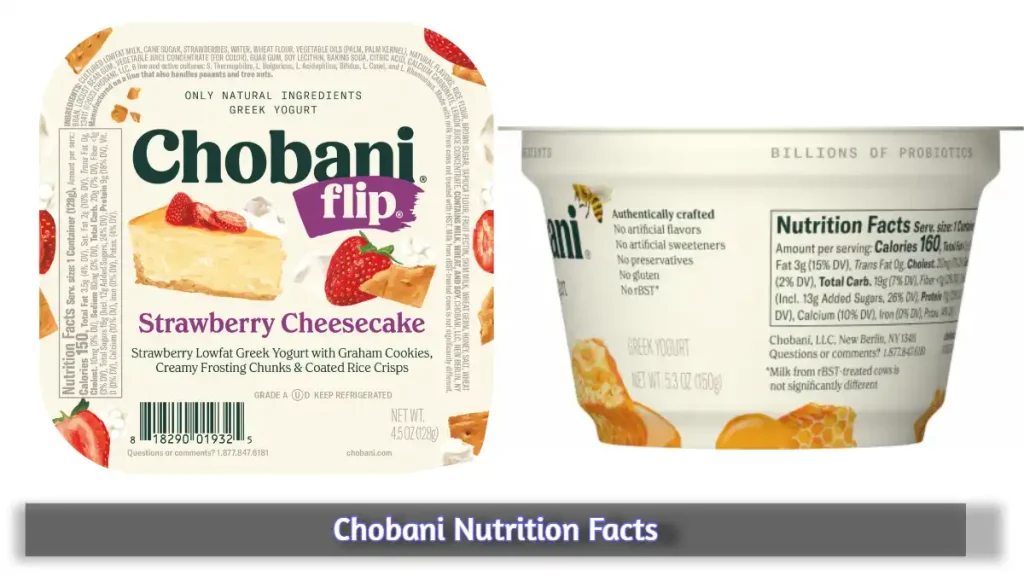
Chobani Nutrition Facts

In this article, we’ll dive deep into Chobani nutrition facts—covering Greek yogurt, plain yogurt, oatmilk, and other popular products. You’ll learn about the calories, protein, carbohydrate content, vitamins, minerals, and how these products can fit into your diet. Whether you want to lose weight, gain muscle, or simply eat healthier, this guide covers all you need to know about Chobani.

About Chobani: A Yogurt Pioneer

Chobani started as a small company but quickly revolutionized the yogurt market in the US with its creamy, authentic-style Greek yogurt. The brand focuses on natural ingredients, non-GMO milk sourced from cows not treated with rBST, and uses traditional straining methods to give its yogurt a thick texture and rich taste.

Expanding beyond dairy, Chobani also offers vegan-friendly products, including a line of oatmilk, catering to those with lactose intolerance or plant-based dietary preferences.

Chobani Greek Yogurt Nutrition Facts

Greek yogurt is known for its dense texture and high protein content, making it a popular choice among fitness enthusiasts, weight watchers, and anyone looking to add nutrient-rich dairy to their diet.

Chobani Blackberry Greek Yogurt — Nutrition Breakdown

  • Serving Size: 5.3 oz
  • Calories: 110
  • Total Fat: 0 g (0%)
  • Saturated Fat: 0 g (0%)
  • Cholesterol: 5 mg (2%)
  • Sodium: 50 mg (2%)
  • Total Carbohydrates: 16 g (6%)
  • Dietary Fiber: 1 g (3%)
  • Sugars: 15 g (Includes 9 g Added Sugars, 18%)
  • Protein: 11 g (22%)
  • Calcium: 10% DV
  • Potassium: 4% DV

Key Insight:
The blackberry flavor includes naturally higher sugars due to fruit additives and added sugars, which reflect in the carbohydrate count.

Chobani Plain Greek Yogurt — Nutrition Breakdown

  • Serving Size: 5.3 oz
  • Calories: 80
  • Total Fat: 0 g (0%)
  • Saturated Fat: 0 g (0%)
  • Cholesterol: 10 mg (3%)
  • Sodium: 55 mg (2%)
  • Total Carbohydrates: 6 g (2%)
  • Dietary Fiber: 1 g (2%)
  • Sugars: 5 g (0% Added Sugars)
  • Protein: 14 g (28%)
  • Calcium: 15% DV
  • Potassium: 4% DV

Key Insight:
Plain Greek yogurt is ideal for those seeking a high-protein, low-sugar option with no added sweeteners and all-natural ingredients. The protein content here is higher, which is beneficial for muscle repair and satiety.

Why Choose Chobani Greek Yogurt?

Why Choose Chobani Greek Yogurt_

Health Benefits

  1. High Protein Content: Perfect for muscle building, weight loss, and hunger control.
  2. Low Fat & Calories: Especially in plain varieties.
  3. Natural Ingredients: Non-GMO, no artificial flavors or preservatives.
  4. Rich in Calcium: Supports bone health.
  5. Probiotics: May improve gut health and immunity.

Weight Loss Potential

Opting for plain Chobani Greek yogurt can aid weight management due to its low sugar and high protein combination which promotes fullness and reduces overall calorie intake.

Chobani Oatmilk Nutrition Facts

Why Oatmilk?

For those avoiding dairy, Chobani’s oatmilk is a creamy, dairy-free alternative made from gluten-free oats. It provides nutrients without added sugars or artificial ingredients in many of its versions.

Chobani Zero Sugar Oatmilk — Nutrition Breakdown

  • Serving Size: 1 cup (240 ml)
  • Calories: 80
  • Total Fat: 4 g (5%)
  • Saturated Fat: 0 g (0%)
  • Cholesterol: 0 mg (0%)
  • Sodium: 50 mg (2%)
  • Total Carbohydrates: 9 g (3%)
  • Dietary Fiber: 1 g (3%)
  • Sugars: 0 g (Includes 0 g Added Sugars)
  • Protein: 1 g
  • Vitamin D: 10% DV
  • Calcium: 20% DV
  • Potassium: 8% DV

Highlights:

  • Unsweetened and low-calorie.
  • Good source of calcium and vitamin D for bone health.
  • Suitable for lactose intolerance, dairy allergies, and vegan diets.

Other Chobani Products Nutrition Overview

Besides yogurt and oatmilk, Chobani offers creamers, coffee drinks, and snack bars—each with varying nutritional profiles, so always check packaging for details.

Comparing Flavors: Chobani Yogurt Calories & Carbs

  • Plain Greek Yogurt: ~80 calories, 6g carbs
  • Flavored Greek Yogurt (e.g., Blackberry): ~110 calories, 16g carbs
  • Oatmilk (Unsweetened): 80 calories, 9g carbs
  • Oatmilk (Sweetened): Higher calories and sugars depending on flavor

Chobani Greek Yogurt Protein Content

Protein levels vary by flavor. Plain Greek yogurt tops the chart with 14 grams per serving, while fruit-flavored varieties often contain 8–11 grams due to dilution with fruit and sweeteners.

Chobani Yogurt Sugar Content

Flavored yogurts contain more sugars, often including added sugars from fruit purees and sweeteners. Those watching sugar intake should prefer plain varieties or those labeled ‘no added sugar’.

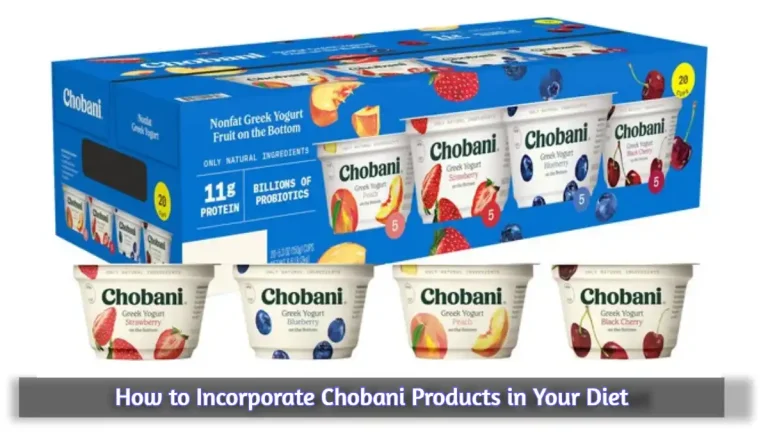
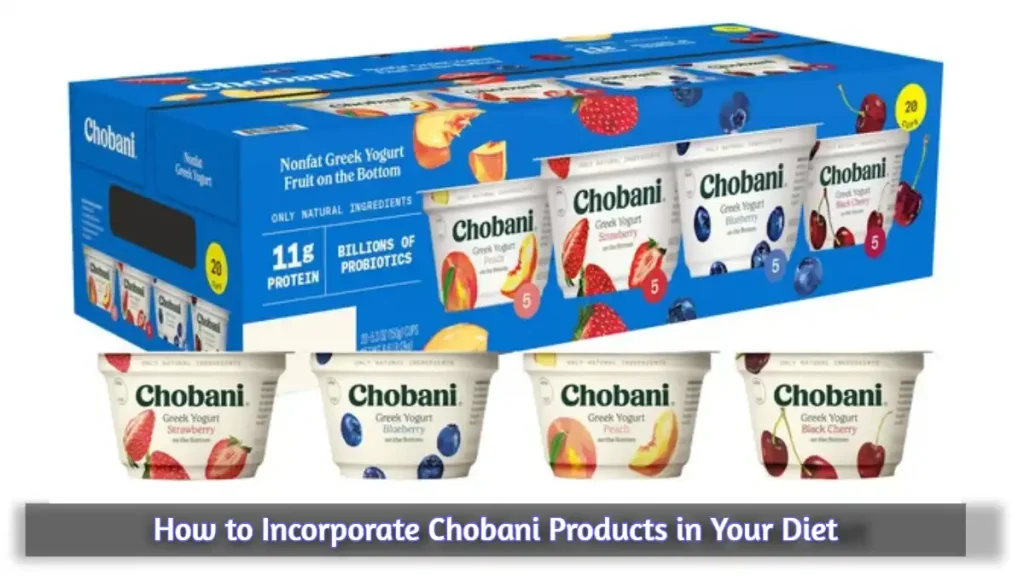
How to Incorporate Chobani Products in Your Diet

How to Incorporate Chobani Products in Your Diet
  • Use plain Greek yogurt as a breakfast base or snack paired with fresh fruit and nuts.
  • Blend flavored Greek yogurt into smoothies for natural sweetness and protein boost.
  • Drink oatmilk as a dairy alternative in coffee, cereal, or baking.
  • Replace sugary desserts with Chobani yogurt parfaits to satisfy cravings healthily.

Frequently Asked Questions (FAQs)

Is Chobani Greek Yogurt healthy?

Yes, especially the plain varieties, which are high in protein, low in sugar, and made from natural ingredients.

Can Chobani help with weight loss?

Chobani Greek yogurt can support weight loss due to its high protein and low sugar content, which promotes fullness.

Is Chobani real Greek yogurt?

Yes, Chobani Greek yogurt is authentic, traditionally strained yogurt made without artificial additives.

How much sugar is in Chobani plain Greek yogurt?

Approximately 5 grams of natural sugar (no added sugars) per 5.3 oz serving.

Is Chobani oatmilk good for lactose intolerance?

Yes, Chobani oatmilk is dairy-free and suitable for those with lactose intolerance or dairy allergies.

Conclusion

Chobani has made a significant impact on the dairy and plant-based beverage market by providing nutritious, delicious, and natural products. Whether you choose their creamy Greek yogurt or dairy-free oatmilk, you are opting for a product that offers good nutrition, transparency, and quality.

For those focused on fitness, weight management, or simply healthy eating, Chobani nutrition facts highlight key advantages such as high protein, moderate calories, and clean ingredients.

Remember to select products based on your dietary goals—plain Greek yogurt offers a powerful protein punch with fewer carbs. In contrast, flavored yogurts provide a sweet treat with extra calories and sugars. Chobani oatmilk adds a versatile, dairy-free option rich in essential vitamins and minerals.

External Sources for Further Reading

  1. Chobani Official Website – Nutrition & Ingredients
  2. USDA FoodData Central – Greek Yogurt Nutrition
  3. Healthline – Benefits of Greek Yogurt for Weight Loss
  4. American Dairy Association – Yogurt Facts & Nutrition
  5. Harvard T.H. Chan School of Public Health – Plant-Based Milk Alternatives

Tyler Hynes Weight Loss Journey: Before, After & Secrets

0

Tyler Hynes, the well-known Canadian actor and filmmaker, recently surprised fans and the media with his striking weight loss transformation. His remarkable journey to a leaner, healthier self has sparked curiosity and admiration worldwide. In this article, we’ll explore every detail about Tyler Hynes’ weight loss, including his lifestyle, fitness routine, diet insights, and the impact on his career. Whether you’re looking for motivation or practical weight loss tips, Tyler’s story offers valuable lessons.

Tyler Hynes Weight Loss Journey_ Before, After & Secrets

Who Is Tyler Hynes?

Before diving into his weight loss story, let’s get to know Tyler Hynes better. Born Tyler Jeffrey Hynes on May 6, 1986, in Toronto, Ontario, Canada, he began his acting career at a very young age, around 8 years old. Over the years, Tyler has established himself as a household name in Canadian television and film, with a career spanning more than two decades. Not just an actor, he also writes, directs, and produces.

Tyler Hynes’ Weight Loss: What Sparked the Change?

Tyler Hynes caught everyone’s attention when his recent photos unveiled a noticeably slimmer and fitter physique. This transformation piqued interest, leading fans and media to speculate about the reasons behind his weight loss. Some wondered if it was due to health problems or an illness, but Tyler has clarified that his weight loss is a result of a deliberate fitness and lifestyle change.

Did Tyler Hynes Experience Any Illness?

There were rumors about Tyler’s health after his weight loss, fueled by his shaved beard and thinner appearance, which sometimes can give the impression of ill-health. However, according to recent interviews and updates, Tyler is not battling any illness. An earlier reported accident on set caused some injury but did not affect his overall fitness journey or health status.

Tyler Hynes Before and After Weight Loss

The transformation between Tyler Hynes’ before and after photos is striking. Previously, Tyler had a fuller build, but now he appears noticeably more toned, lean, and athletic. The beard shave also contributed to a fresher, younger look. Fans have praised his new avatar, considering it inspiring and motivational.

Tyler Hynes Before and After Weight Loss

How Did Tyler Hynes Lose Weight?

How Did Tyler Hynes Lose Weight_

Active Lifestyle: Skating, Basketball & Surfing

Tyler Hynes is known for being active and adventurous. His routine includes a variety of physically engaging sports such as skating, basketball, surfing, and rafting. These activities burn calories efficiently and improve cardiovascular health, which are essential elements of his weight loss process.

Fitness Club and Gym Routine

In addition to outdoor activities, Tyler has committed to regular workouts at health clubs or gyms. His regime likely includes strength training, cardio sessions, and flexibility exercises, all crucial for reducing body fat and toning muscles. While he hasn’t publicly shared the exact workout plan, the consistency and diversity in his exercise are clear from his social media activity.

Tyler Hynes Weight Loss Diet & Nutrition Insights

Though Tyler hasn’t revealed a detailed diet plan, his transformation suggests a well-balanced, nutritious approach to eating. Here are some common elements often seen in effective actor fitness diets that Tyler might follow:

  • High Protein Intake: To support muscle repair and growth while promoting satiety.
  • Balanced Carbohydrates: Focus on moderate carbs, likely from whole grains and vegetables.
  • Healthy Fats: Sources such as nuts, seeds, olive oil, and fish.
  • Hydration: Drinking plenty of water to keep metabolism efficient.
  • Calorie Control: Maintaining a moderate calorie deficit for steady fat loss.
  • Avoiding Processed Foods: Limiting sugary, fried, and heavily processed snacks.

Tyler Hynes’ Age, Career & Fitness Motivation

At 35 years old, Tyler is in a prime position to manage his health proactively. His long-standing career in the entertainment industry means staying fit is essential not only for looks but also for high energy levels on set.

His commitment is evident from his long career spanning over 27 years, starting with theatrical performances and growing into a recognized actor in TV and films. Maintaining fitness helps him stay competitive and versatile in his roles.

Tyler Hynes Personal Life & Privacy

Tyler prefers to keep his personal life private and has not disclosed much on social media regarding relationships or family. Fans respect his choice, focusing instead on his professional work and inspiring fitness transformation.

FAQ About Tyler Hynes’ Weight Loss

Is Tyler Hynes sick or battling any disease?

No. Tyler has cleared rumors about his illness. His weight loss is the result of an active lifestyle and healthy habits.

What activities help Tyler stay fit?

Skating, basketball, surfing, rafting, and gym workouts are key parts of his fitness routine.

Has Tyler revealed his diet plan?

Tyler has not publicly detailed his diet, but it likely includes high protein, balanced carbs, and healthy fats.

How tall is Tyler Hynes?

He is approximately 1.77 meters tall (about 5’10”).

What is Tyler Hynes’ net worth?

His net worth is estimated to be around 10 million US dollars thanks to his acting and filmmaking career.

How Tyler Hynes’ Journey Can Inspire You

Tyler Hynes’s story shows that weight loss is achievable with dedication, balanced lifestyle changes, and enjoyable physical activity. His approach highlights:

  • Importance of consistent exercise and sports you love.
  • Benefits of combining outdoor activities with gym workouts.
  • Maintaining a healthy mindset despite rumors or misconceptions.
  • How privacy and discretion can empower personal goals without pressure.

Tips From Tyler Hynes’ Weight Loss for Your Journey

  • Stay Active: Find physical activities you enjoy to keep motivation high.
  • Be Consistent: Regular workouts and daily movement are key to lasting results.
  • Eat Balanced: Focus on nutrition that fuels your body and supports fat loss.
  • Hydrate Well: Water aids metabolism and recovery.
  • Avoid Quick Fixes: Sustainable weight loss takes time and effort.
  • Ignore Rumors: Focus on yourself, not external opinions.

Conclusion: Tyler Hynes Weight Loss – A True Transformation

Tyler Hynes has set a powerful example of how healthy lifestyle choices can lead to amazing physical transformations. His weight loss journey — blending active hobbies, fitness club workouts, and balanced nutrition — offers inspiration to anyone facing weight-related struggles.

By adopting similar principles—staying active, eating well, and believing in yourself—you too can achieve your health and body goals. Tyler’s story is not just about losing weight but embracing a lifestyle that fosters well-being, confidence, and longevity.

External Resources & Further Reading

For those inspired by Tyler Hynes or interested in weight loss and fitness tips, consider these trusted resources:

  1. Mayo Clinic – Weight Loss: Get Healthy, Stay Healthy Guide
    Comprehensive approaches to healthy weight loss, diet, and exercise.
  2. Healthline – Best Weight Loss Tips: Do’s and Don’ts
    Science-backed practical tips for sustainable fat loss.
  3. Men’s Health – Celebrity Workout Routines
    Insights into fitness plans used by actors and celebrities.
  4. ACE Fitness – How to Stay Motivated During Weight Loss
    Advice on maintaining routine and mindset.
  5. Canadian Physical Activity Guidelines (CSEP)
    Recommended activity levels and exercise types for adults.

Small Business Health Insurance: Best Plans & Coverage Guide

0

Health insurance is a crucial benefit for small businesses looking to attract and retain top talent. Choosing the right small business health insurance not only supports your employees’ well-being but also helps your company save money and reduce turnover.

Small Business Health Insurance_ Best Plans & Coverage Guide

What is Small Business Health Insurance?

Small business health insurance refers to group coverage plans offered by private (commercial) insurance companies rather than state-run programs. These plans are suitable for businesses with typically 2–50 employees and help cover medical costs for your team.

What is Commercial Health Insurance?

Commercial health insurance is privately issued by companies like Blue Cross, UnitedHealthcare, Aetna, and more. Unlike state-funded insurance, these plans can offer more options and flexibility for employers and employees.

Why Offer Health Insurance to Your Employees?

  • Boosts employee retention and job satisfaction
  • Tax advantages for your business
  • May meet legal requirements under ACA or state law
  • Supports workplace productivity through better health and wellness

Best Small Business Health Insurance Companies

  • Hiscox: Affordable insurance and strong small business focus
  • State Farm: Easy-to-understand coverage and reliable support
  • Nationwide: Wide range of plans and quality customer service
  • Liberty Mutual: Flexible, well-rated group health plans

Small Business vs. Large Business Coverage

Coverage for small businesses is typically easier to manage and can be tailored to the team’s specific needs. However, small businesses may face state mandates, while large companies operate under different federal regulations. Always check state and federal requirements (like ERISA).

Types of Small Business Health Insurance Plans

  1. Preferred Provider Organization (PPO): Flexible but higher premium, lets employees choose doctors and hospitals.
  2. Health Savings Account (HSA): Employee-owned, tax-advantaged accounts paired with high-deductible plans.
  3. Health Reimbursement Arrangement (HRA): Employer-funded reimbursement for medical expenses, flexible setup.
  4. Fee-for-Service (FFS) or Indemnity: Max flexibility, but higher out-of-pocket costs; employee chooses any provider.
  5. Flexible Spending Account (FSA): Pre-tax employee contributions for medical expenses reduce payroll taxes.

What Does Small Business Health Insurance Cover?

  • Preventive care (checkups, screenings, immunizations)
  • Doctor visits (primary and specialists)
  • Hospitalization and emergency care
  • Prescription medications
  • Maternity and newborn care
  • Mental health and substance use treatment
  • Some dental and vision (or as add-ons)

Tip: Always confirm network providers, exclusions, and out-of-pocket maximums before enrolling.

How to Choose the Best Health Insurance Plan

How to Choose the Best Health Insurance Plan
  • Assess employee needs (family, dependents, conditions)
  • Compare plans from multiple providers
  • Look for flexibility and wide provider networks
  • Understand the costs (premiums, deductibles, copays)
  • Ensure compliance with all regulations

Frequently Asked Questions (FAQs)

Q1. Do I have to offer health insurance to my employees?

A: Not always, but some states or the ACA may require it depending on business size.

Q2. How much does small business health insurance cost?

A: Costs vary by plan, but employers can expect to pay a portion of premiums. Offering insurance may also provide tax credits.

Q3. What is the difference between HSA and HRA?

A: An HSA is employee-owned and funded with pre-tax dollars; an HRA is employer-funded and reimbursed for qualified expenses.

Q4. Can employees keep their plan if they leave?

A: Most group plans offer COBRA continuation, but coverage length and cost can vary.

Conclusion

Small business health insurance is vital for supporting your team, protecting your business, and staying competitive in today’s job market. By comparing top providers, understanding plan options, and customizing coverage, you can deliver valuable health benefits that keep your company thriving.

Further Reading & External Resources

For more information and to help guide your small business health insurance decisions in the United States, check out these authoritative resources:

  1. HealthCare.gov – Small Business Health Options Program (SHOP)
    • Official federal marketplace for small business health insurance, plan comparisons, eligibility, enrollment, and employer requirements.
  2. Forbes Advisor – Best Small Business Health Insurance Companies 2025
    • Annual rankings and analysis of leading insurers, plan features, costs, and customer reviews for U.S. small businesses.
  3. Kaiser Family Foundation – Employer Health Benefits Survey
    • In-depth research and statistics on employer-provided health benefits, cost-sharing, and trends in the U.S. market.
  4. U.S. Small Business Administration (SBA) – Health Insurance Benefits
    • Guidance for small business owners on providing health insurance, legal requirements, tax credits, and choosing the right plan.
  5. National Federation of Independent Business (NFIB) – Small Business Health Insurance Resources
    • Advocacy, FAQs, and step-by-step guides for small business health insurance options and regulations in the U.S.

Tip:
These sources will help you stay informed about plan options, compliance, and best practices for offering small business health insurance in the USA.

Chipotle Nutrition Facts: Calories, Protein & Menu Guide

0

Chipotle Mexican Grill is renowned worldwide for its customizable meals like burritos, tacos, and bowls. With fresh ingredients and a wide menu, it’s popular for those seeking fast yet nutritious options. However, since Chipotle nutrition facts vary greatly based on your choices, it’s important to understand how different menu items impact your calorie, protein, fat, and carb intake.

Chipotle Nutrition Facts

Is Chipotle Healthy?

Chipotle can be healthy if you choose wisely. Options like the Chipotle steak bowl or veggie bowl can provide balanced nutrition packed with protein, fiber, and vitamins. The catch? Many meals can become calorie-dense or high in sodium if loaded with extras like cheese, sour cream, or high-fat sauces.

Pro tip: Opt for grilled proteins, rice alternatives, plenty of veggies, and moderate toppings to keep meals nutritious.

Chipotle Menu Nutrition Facts Highlights

1. Chipotle Taco (Customized)

  • Calories: 230
  • Protein: 15g
  • Fat: 10g
  • Carbs: 22g
  • Sodium: 230mg
  • Fiber: 2g

2. Chipotle Steak Bowl (567g serving)

  • Calories: 740
  • Protein: 51g
  • Fat: 33g
  • Carbs: 68g
  • Sodium: 1560mg
  • Dietary Fiber: 20g

3. Chipotle Keto Bowl

  • Calories: 590
  • Protein: 32g
  • Fat: 42g
  • Carbs: 15g
  • Sodium: 1515mg
  • Fiber: 8g

4. Chipotle Veggie Bowl

  • Calories: 540
  • Protein: Moderate
  • Carbs: Balanced

5. Chipotle Barbacoa Bowl (500g)

  • Calories: 570
  • Protein: 38g
  • Fat: 29.5g
  • Carbs: 39g
  • Sodium: 1340mg
  • Fiber: 3g

Calories in Chipotle Menu Products

Calories depend heavily on your customizations. For example, a typical taco with corn tortilla, chicken, brown rice, and cheese contains around 230 calories. Burritos and bowls tend to have more calories (500-1000+), mainly from rice, beans, cheese, and guacamole.

How to Make Healthier Choices at Chipotle

How to Make Healthier Choices at Chipotle
  • Choose brown rice over white for more fiber.
  • Load up on fajita veggies, salsa, and lettuce to add nutrients and volume.
  • Limit high-fat toppings like cheese and sour cream if watching calories.
  • Try keto bowls or tortilla-free options if you want low-carb meals.
  • Watch sodium intake by reducing salty add-ons like chips or extra sauces.

Frequently Asked Questions

Q1: Are Chipotle tacos healthy?

A: They can be! Opt for grilled protein with veggies and avoid high-fat sauces.

Q2: How many calories in a Chipotle steak bowl?

A: Around 740 calories per serving with average toppings.

Q3: Can I eat keto at Chipotle?

A: Yes, with bowls focusing on meats, cheese, guacamole, and avoiding rice and beans.

Q4: Does Chipotle have vegetarian options?

A: Yes! The veggie bowl and sofritas options provide plant-based alternatives.

Conclusion

Chipotle offers flexible and fresh menu items where nutrition varies widely by what you include. Knowing the Chipotle nutrition facts for popular items helps you enjoy flavorful meals while staying aligned with your health goals. Customize thoughtfully for balanced calories, protein, fats, and carbs to make Chipotle a healthy dining choice.

Chilis Nutrition Facts: Calories, Protein, Carbs & Menu Insights

0

If you enjoy dining at Chili’s, knowing the Chilis nutrition facts can help you make healthier choices for your main meals, sides, and even desserts. This guide offers the nutritional breakdown—calories, fat, protein, carbs, and sodium—of Chili’s most popular menu items so you can order with confidence and stay on track with your health goals.

Chilis Nutrition Facts

Why Check Chili’s Nutrition Facts?

Chili’s is a beloved family restaurant with a diverse menu that ranges from protein-packed grilled chicken to indulgent burgers and crispers. Understanding the nutrition facts of Chili’s menu allows you to:

  • Make better choices for your calorie and macronutrient targets
  • Control sodium, saturated fat, and carb intake
  • Choose options that fit various diets (weight loss, high protein, lower sodium, etc.)

Below are detailed nutrition facts for some of the most-ordered dishes at Chili’s:

Chilis Menu Nutrition Facts_ Most Popular Items

1. Chilis Asparagus (Side)

  • Calories: 35
  • Fat: 1g
  • Carbs: 5g
  • Fiber: 3g
  • Sugar: 2g
  • Protein: 3g
  • Sodium: 135mg

2. Margarita Grilled Chicken

  • Calories: 651
  • Fat: 16g
  • Carbs: 68g
  • Fiber: 7g
  • Protein: 55g
  • Sodium: 2340mg

3. Cajun Chicken Pasta

  • Calories: 1181
  • Fat: 53g
  • Carbs: 110g
  • Fiber: 8g
  • Protein: 66g
  • Sodium: 3470mg

4. Chicken Enchilada Soup (Bowl)

  • Calories: 410
  • Fat: 26g
  • Carbs: 24g
  • Protein: 20g
  • Sodium: 1490mg

5. Chicken Crispers

  • Calories: 1381
  • Fat: 72g
  • Carbs: 130g
  • Fiber: 12g
  • Protein: 55g
  • Sodium: 3070mg

6. Mango Chile Chicken

  • Calories: 511
  • Fat: 20g
  • Carbs: 50g
  • Fiber: 7g
  • Protein: 36g
  • Sodium: 1570mg

7. Texas Cheese Fries (Full Order)

  • Calories: 2292
  • Fat: 156g
  • Carbs: 111g
  • Protein: 111g
  • Sodium: 5200mg

8. Southwest Eggrolls

  • Calories: 801
  • Fat: 41g
  • Carbs: 82g
  • Protein: 28g
  • Sodium: 2180mg

9. Awesome Blossom (Appetizer)

  • Calories: 821
  • Fat: 56g
  • Carbs: 70g
  • Protein: 9g
  • Sodium: 1570mg

10. Honey Lime Vinaigrette (Salad Dressing)

  • Calories: 173
  • Fat: 16g
  • Carbs: 8g
  • Sodium: 306mg

11. Corn on the Cob (Side)

  • Calories: 180
  • Fat: 6g
  • Carbs: 29g
  • Protein: 4g
  • Sodium: 360mg

12. Boss Burger

  • Calories: 1532
  • Fat: 107g
  • Carbs: 49g
  • Protein: 92g
  • Sodium: 3120mg

How to Make Healthier Choices at Chili’s

  • Pick grilled proteins over fried options for less fat and fewer calories.
  • Watch sodium: Many items are high in sodium, especially entrees and fries.
  • Order smart sides: Veggies and corn make lighter, fiber-rich choices.
  • Check serving sizes: Many menu items are best shared due to large portions.
  • Customize your order: Request dressings, sauces, and cheese on the side.

Frequently Asked Questions (FAQs)

Q: How many carbs are in a bowl of Chili’s chili?

A: 29 grams of total carbs.

Q: How many calories are in a bowl of Chili’s chili?

A: 731 calories.

Q: What are the lowest calorie options at Chili’s?

A: Sides like asparagus or corn on the cob, and some grilled chicken dishes, are lower in calories.

Chili’s offers a variety of meals for every preference, but portion sizes and sodium levels can be high. Checking Chilis nutrition facts for your favorite dishes is smart for staying on track—whether you’re focused on calories, carbs, protein, or fat. Enjoy your meal in moderation and don’t hesitate to ask for modifications for healthier dining!

Chicken Breast Nutrition Facts: Calories, Protein, Benefits

0

Chicken breast is famous among fitness enthusiasts, athletes, and anyone looking for lean, healthy protein. But what exactly are the chicken breast nutrition facts? Is chicken breast really as healthy as it seems? Let’s explore the calories, protein, fat, and other nutrients in chicken breast, plus its health benefits and commonly asked questions.

Chicken Breast Nutrition Facts

Is Chicken Breast Healthy?

Yes, chicken breast is widely considered a healthy choice—especially when skinless and prepared using healthy methods like baking, grilling, or boiling. It provides high-quality protein with very little fat or carbohydrates, making it ideal for muscle building, weight loss, or balanced diets.

To maximize health benefits:

  • Avoid frying or creamy toppings
  • Choose skinless chicken breast
  • Pair with vegetables and healthy fats

Chicken Breast Health Benefits

Chicken breast is much more than just protein! Here are some key health benefits:

  • Rich in Lean Protein: Promotes muscle building and repair
  • Low in Fat: Supports weight management and heart health
  • No Carbs: Makes it ideal for keto and low-carb diets
  • Packed with Vitamins & Minerals: Contains B vitamins (B6, niacin, B12, riboflavin, thiamine), selenium, phosphorus, iron, calcium, and potassium
  • Faster Recovery: Ideal for post-workout meals
  • Supports Bone Health: Thanks to calcium and phosphorus

Chicken Breast Nutrition Facts (Per 1 Breast, 120g Cooked, Skinless)

NutrientAmount% Daily Value
Calories198
Protein37g
Total Fat4.3g7%
Saturated Fat1.2g6%
Polyunsaturated Fat0.9g
Monounsaturated Fat1.5g
Cholesterol102mg34%
Sodium89mg4%
Potassium307mg9%
Total Carbohydrates0g0%
Fiber0g0%
Sugars0g
Calcium1.4%
Iron6.9%
Vitamin A0.5%
Vitamin C0%

Tip:
A larger 240g double portion will have about 400 calories, 70g protein, and 8.6g fat.

Chicken Breast Protein Content

How much protein in 100g chicken breast?

  • 100g of cooked chicken breast typically contains 26–28g of protein.

How much protein in a whole chicken breast?

  • One average breast (120g): 37g protein
  • Two breasts (240g): 74g protein

Chicken Breast Calories and Macros

  • Calories: About 165-198 per serving, depending on cooking style
  • Zero carbs: Perfect for low-carb and diabetic-friendly diets
  • Very low fat: Most fat is unsaturated if skinless

Why Is Chicken Breast Great for Fitness & Weight Loss?

Why Is Chicken Breast Great for Fitness & Weight Loss
  • Promotes muscle gain & recovery
  • Keeps you full (high satiety)
  • Helps manage cravings with high protein
  • Flexible for meal prep (grill, bake, boil, saute)

FAQ – Chicken Breast Nutrition Facts

Q1. Is chicken breast the healthiest meat?

Chicken breast is leaner and lower in calories than most red meats but still very high in protein. It’s a smart choice, though fish and turkey also offer excellent lean protein and different nutrients.

Q2. How many calories are in 100g chicken breast?

There are about 110–130 calories in 100g of cooked, skinless chicken breast.

Q3. How much fat is in chicken breast?

One 120g cooked, skinless breast has about 4.3g total fat.

Q4. Does chicken breast have carbs?

No, chicken breast is naturally carb-free (unless breaded or processed).

Q5. Can chicken breast help with weight loss?

Yes! It’s low-calorie, high-protein, and filling—ideal for fat loss and muscle retention.

Conclusion

Chicken breast is one of the healthiest and most versatile sources of lean protein. The nutrition facts of chicken breast show why it’s favored by those managing weight or building muscle. For best results, cook it simply and pair it with vegetables and whole grains for a balanced plate.

Enjoy chicken breast as part of a balanced, healthy diet—your muscles (and taste buds) will thank you!