Cheez-It crackers are a beloved cheesy snack, perfect for popping straight from the box at parties, during movie nights, or simply to satisfy cravings. But what do Cheez-It nutrition facts really reveal? Are Cheez-Its healthy, do they fit in a balanced diet, and what ingredients should you know about? Read this comprehensive guide to Cheez-It nutrition facts to make smarter snacking decisions.
What Are Cheez-Its?
Cheez-It is an iconic American cheese-flavored cracker made by Kellogg’s since 1921. These square, orange snacks are crafted with wheat flour, cheddar cheese, and a blend of seasoning, which gives them their signature taste. Available in flavors like Original, Extra Toasty, White Cheddar, and more, Cheez-Its remain a favorite among both kids and adults.
Cheez It Nutrition Facts
Are Cheez-Its Healthy? Should You Eat Them Daily?
When assessing Cheez It nutrition facts, it’s clear they’re a processed snack high in calories, fat, and sodium. While they contain a bit of protein and calcium from cheese, they aren’t a health food. Eating Cheez-Its occasionally can fit within a balanced diet, but regular or excessive consumption may contribute to weight gain and other health issues.
Key Points:
Moderation is key: Enjoy them occasionally, not every day.
Cheez-It Original Crackers – Larger Serving Nutrition Facts
Cheez It Original Crackers Nutrition Facts
Serving Size: 42g
Nutrient
Amount
% Daily Value
Calories
210
–
Total Fat
11g
14%
Saturated Fat
2.5g
13%
Cholesterol
0mg
0%
Sodium
320mg
14%
Total Carbs
24g
9%
Dietary Fiber
<1g
3%
Protein
4g
–
Calcium
40mg
2%
Iron
1.4mg
8%
Quick Facts
Calories in Cheez-Its: 150–210 per serving
Carbs in Cheez-Its: 17–24g per serving
Fat in Cheez-Its: 8–11g per serving
Sodium in Cheez-Its: 230–320mg per serving
Cheez-It Ingredients
Cheez-Its rely on a short ingredient list but are still a processed snack.
Cheez Its Nutrition Label
Common Cheez-It ingredients:
Enriched flour (wheat flour, niacin, iron, B vitamins)
Vegetable oil (soybean, palm, or canola)
Cheese made with skim milk
Salt
Paprika, yeast, spices
Other flavorings and preservatives
Tip: Always check the label for allergies or dietary restrictions.
Cheez-It Serving Size and Box Information
A standard serving: 27 crackers (1 oz / 30g)
Larger servings: Often 42g or more
Cheez-It 7oz box: ~27 crackers per serving
Expiration: Most Cheez-It boxes are good for 6–12 months unopened
Cheez-Its: Health Risks and Considerations
1. High in Calories
Cheez-Its are calorie-dense for their serving size, which can lead to unintentional weight gain if you snack mindlessly.
2. High Sodium
Each serving has 230–320mg of sodium. Consuming multiple servings can easily approach or exceed daily sodium recommendations.
3. Saturated & Processed Fats
Contains 1.5–2.5g saturated fat, and uses processed oils.
4. Low Fiber, Minimal Protein
While you get some protein from cheese, fiber content is low and they’re not filling.
5. Not Suitable for Some Diets
Not gluten-free, not vegan, and not dairy-free.
Cheez-It Food Label Breakdown
Cheez-It nutrition labels are straightforward, but always check for serving size to manage your intake. When comparing Cheez-It Original to other flavors, calories, fat, and sodium may be even higher in spicy or extra cheesy varieties.
Cheez Its Food Label
Pictures of Cheez Its Box
FAQs About Cheez-It Nutrition
Q1. Is it healthy to eat Cheez-Its daily?
A: No. They are high in fat and sodium, with limited nutritional value. Enjoy as an occasional snack.
Q2. Do Cheez-Its have a lot of carbs?
A: Yes—17–24g per serving, which is high for low-carb diets.
Q3. Are Cheez-Its junk food?
A: Technically yes—they’re processed, low in fiber/protein, and high in sodium/fat.
Q4. How many calories in a bowl of Cheez-Its?
A: Depends on the bowl size; a standard serving (about 27 crackers) is 150–210 calories.
Healthier Snack Alternatives
If you’re looking for healthier snacks, try:
Whole-grain crackers with real cheese
Air-popped popcorn
Roasted almonds or chickpeas
Sliced veggies with hummus
Conclusion
Cheez-It crackers are a tasty, nostalgic snack, but Cheez-It nutrition facts show they are high-calorie, high-fat, and high-sodium snacks that should be enjoyed only in moderation. Always pay attention to serving sizes and consider healthier options when possible.
Whether you enjoy them at a party, as a late-night treat, or as a lunchbox staple, make Cheez-Its an occasional indulgence rather than a daily habit. Check the nutrition label, understand what you’re eating, and snack smart!
Stress is not just a feeling that fades with a deep breath. It can actually change your body from the inside out and even lead to serious problems like heart disease if ignored. Shockingly, studies show that over 75 percent of adults report experiencing moderate to high stress levels every month. You might assume that managing stress means tackling complicated routines or expensive treatments, but the most effective techniques are often the simplest things you can do each day.
Quick Summary
Takeaway
Explanation
Understanding Stress Impact
Stress is a complex physiological response that can disrupt multiple bodily systems, leading to serious health issues like heart disease and mood disorders if left unmanaged.
Daily Stress Relief Practices
Simple practices like establishing a calming morning routine, engaging in 30 minutes of enjoyable physical activity, and implementing mindfulness techniques can effectively manage daily stress.
Fitness for Stress Management
Regular aerobic exercise, resistance training, and mind-body practices like yoga and tai chi are essential for enhancing mental resilience and reducing stress hormones.
Building Resilience
Long-term stress resilience involves developing robust mental frameworks and healthy coping mechanisms, combined with a holistic lifestyle that promotes overall well-being.
Understanding How Stress Impacts Health
Stress is more than just a mental state. It’s a complex physiological response that can dramatically transform your body’s internal systems, potentially triggering a cascade of health complications when left unmanaged.
Infographic showing stress effects on body systems
The Physiological Stress Response
When stress activates, your body enters a heightened state of alertness. According to Frontiers in Neurology, this process involves the activation of the hypothalamic-pituitary-adrenal (HPA) axis, which releases stress hormones like cortisol and adrenaline. These hormones prepare your body for a “fight or flight” response, increasing heart rate, redirecting blood flow, and temporarily suppressing non-essential bodily functions.
Unfortunately, prolonged activation of this stress response can lead to significant health challenges. Chronic stress disrupts multiple bodily systems, creating a domino effect of potential health issues. The National Institute of Mental Health highlights that persistent stress can weaken immune function, making individuals more susceptible to infections and chronic diseases.
Long-Term Health Consequences
Continuous stress exposure doesn’t just affect your mental state. It can trigger serious physiological changes that impact cardiovascular, metabolic, and neurological systems. Elevated stress hormones can contribute to inflammation, increased blood pressure, and disrupted metabolic processes. This sustained physiological strain potentially increases the risk of conditions such as heart disease, diabetes, and a compromised immune response.
Psychologically, chronic stress can alter brain chemistry, potentially leading to mood disorders, decreased cognitive function, and increased risk of depression and anxiety. The body essentially remains in a constant state of heightened alertness, which depletes energy reserves and compromises natural recovery mechanisms.
Breaking the Stress Cycle
Recognizing the profound impact of stress is the first step toward developing effective management strategies. By understanding how stress fundamentally transforms bodily systems, individuals can take proactive steps to mitigate its negative consequences. This involves not just managing external stressors, but also implementing holistic approaches that support physical and mental resilience.
Strategies such as regular exercise, mindfulness practices, adequate sleep, and a balanced diet can help reset the body’s stress response. These interventions work to regulate hormone levels, support immune function, and create more stable physiological conditions that counteract the damaging effects of stress.
To help you compare the different ways stress affects your health and the interventions that can help, the following table summarizes key impacts and corresponding strategies mentioned above:
Managing stress doesn’t require complex interventions or expensive treatments. Small, consistent daily practices can significantly transform your stress response and overall well-being.
Morning Mindset and Routine Optimization
The way you start your day sets the tone for stress management. Mayo Clinic recommends integrating intentional practices that calm your nervous system and build resilience. This might include a brief morning meditation, journaling, or gentle stretching before beginning your daily activities.
Establishing a consistent morning routine helps regulate your body’s stress response. Waking up at the same time, hydrating immediately, and avoiding digital stimulation during the first hour can dramatically reduce morning anxiety. Consider creating a personalized ritual that signals to your body and mind that you are entering a calm, focused state.
The following table summarizes simple daily practices and the specific stress management benefits they provide:
Daily Practice
Benefit for Stress Management
Morning meditation/journaling
Calms the nervous system, builds resilience
Gentle stretching
Reduces muscular tension, promotes relaxation
Hydrating upon waking
Supports physiological balance
Avoiding early digital input
Minimizes immediate anxiety/stimulation
Consistent morning routine
Regulates stress response, provides stability
Physical Movement and Stress Discharge
Physical activity is a powerful stress management tool. Regular exercise helps release endorphins, the body’s natural mood elevators, and provides a healthy mechanism for discharging accumulated tension. This doesn’t mean you need intense workout sessions. Simple activities like a 20-minute walk, yoga, or dancing can significantly reduce stress hormones.
Incorporate movement that you genuinely enjoy. Some individuals find rhythm in running, while others prefer gentle stretching or swimming. The key is consistency and finding an activity that feels more like a pleasure than a chore. Aim for at least 30 minutes of moderate activity most days of the week.
Mindfulness and Emotional Regulation Techniques
Mindfulness practices offer powerful tools for immediate stress relief. Techniques like deep breathing, progressive muscle relaxation, and short meditation sessions can quickly calm your nervous system. These practices work by shifting your attention from stressful thoughts to the present moment, interrupting anxiety cycles.
Learn and practice techniques that you can easily implement during high-stress moments. This might include a 5-minute breathing exercise, a body scan meditation, or a quick visualization technique. The goal is to develop a toolkit of stress management strategies that you can access quickly and effortlessly.
Remember, stress management is a skill that improves with practice. Start small, be patient with yourself, and gradually build a personalized approach that works for your lifestyle and personality. The most effective stress relief strategies are those you can consistently integrate into your daily routine.
Fitness Routines That Lower Stress Levels
Fitness is not just about physical transformation. It’s a powerful tool for managing stress, enhancing mental resilience, and creating a balanced approach to overall well-being.
Aerobic Exercise for Stress Reduction
Harvard Health Publishing reveals that regular physical activity plays a critical role in stress management. Aerobic exercises like running, swimming, cycling, and brisk walking trigger the release of endorphins, the body’s natural mood elevators. These activities help reduce stress hormones and promote a sense of calm and relaxation.
Consistent aerobic exercise can transform how your body responds to stress. By improving cardiovascular health and increasing overall fitness, you create a more resilient physiological system. Aim for at least 30 minutes of moderate-intensity aerobic activity most days of the week. The key is finding activities you genuinely enjoy, making the exercise feel less like a chore and more like a enjoyable break from daily pressures.
Strength Training and Mental Resilience
Research from the National Center for Biotechnology Information highlights that resistance training offers significant mental health benefits beyond muscle development. Strength training can enhance neuroplasticity, improve self-regulation, and reduce symptoms of anxiety and depression.
Resistance exercises, such as weightlifting, bodyweight training, and resistance band workouts, offer multiple stress management benefits. They help build physical strength, boost confidence, and create a structured environment for emotional processing. The discipline required in strength training translates into improved emotional control and stress management skills.
Mind-Body Fitness Practices
Brooklyn College research emphasizes the importance of holistic fitness approaches that combine physical movement with mental focus. Practices like yoga, Pilates, and tai chi offer unique stress relief mechanisms by integrating physical movement with breathing techniques and mindfulness.
These mind-body practices work differently from traditional exercise. They focus on the connection between physical movement, breath control, and mental state. By synchronizing movement with breath and cultivating present-moment awareness, these practices help interrupt stress cycles and promote deep relaxation.
Choose fitness routines that resonate with your personal preferences and lifestyle. The most effective stress management strategy is one you can consistently maintain. Start with small, achievable goals and gradually build a fitness routine that not only improves your physical health but also becomes a powerful tool for emotional regulation and stress relief.
To clarify the differences between the exercise approaches mentioned, the table below compares aerobic, strength, and mind-body fitness for stress management:
Type of Exercise
Examples
Key Stress-Reduction Benefits
Aerobic
Running, swimming, cycling
Boosts endorphins, lowers stress hormones
Strength/Resistance
Weightlifting, bodyweight, bands
Improves regulation & confidence, reduces anxiety
Mind-Body
Yoga, Pilates, tai chi
Integrates breath/movement, promotes relaxation
Building Long-Term Stress Resilience
Stress resilience is more than a temporary coping mechanism. It’s a comprehensive approach to developing psychological and physiological strength that allows you to navigate challenges with greater ease and adaptability.
Understanding Stress Resilience Foundations
Research from the National Institutes of Health reveals that building long-term stress resilience requires a multifaceted strategy. This approach goes beyond simple stress management techniques, focusing on fundamental psychological and neurobiological adaptations that enhance your ability to handle challenging situations.
Resilience is not about avoiding stress entirely, but developing the capacity to respond to stress more effectively. This involves creating robust mental frameworks, establishing healthy coping mechanisms, and training your nervous system to recover more quickly from stressful experiences. Think of resilience as a muscle that can be strengthened through consistent, intentional practice.
Cognitive Strategies for Emotional Regulation
Mindset transformation plays a crucial role in long-term stress resilience. Cognitive behavioral techniques help reframe how you perceive and respond to stressful situations. This doesn’t mean ignoring challenges, but developing a more balanced and adaptive approach to processing difficult experiences.
Practices like cognitive reframing, positive self-talk, and mindfulness meditation can significantly enhance your ability to manage stress. These strategies work by creating neural pathways that support more balanced emotional responses. Learn to observe your thoughts without judgment, recognize stress triggers, and develop more constructive thinking patterns.
Holistic Lifestyle Integration
Building stress resilience requires a comprehensive approach that integrates physical, mental, and emotional well-being. This means creating a lifestyle that supports your body’s natural stress response system. Key elements include maintaining consistent sleep patterns, eating a nutrient-rich diet, staying physically active, and cultivating meaningful social connections.
Prioritize activities that support your overall well-being. This might involve regular exercise, meditation, journaling, or spending time in nature. The goal is to create a lifestyle that naturally reduces stress and builds your capacity to handle challenging situations.
Remember that building stress resilience is a journey, not a destination. It requires patience, self-compassion, and consistent effort. Start with small, manageable changes and gradually build more sophisticated stress management techniques. Your ability to handle stress will improve over time, creating a more balanced and fulfilling approach to life’s challenges.
Frequently Asked Questions
Q. What are effective daily practices for stress management?
Simple daily practices for stress management include establishing a calming morning routine, engaging in physical activity for at least 30 minutes, and implementing mindfulness techniques such as deep breathing and meditation.
Q. How does chronic stress impact health?
Chronic stress can lead to serious health issues, including cardiovascular disease, weakened immune function, and mental health disorders like anxiety and depression due to prolonged hormone elevation and altered brain chemistry.
Q. What types of exercise are best for reducing stress?
Aerobic exercises (such as running or swimming), strength training, and mind-body practices (like yoga and tai chi) are all effective in reducing stress levels and enhancing mental resilience.
Q. How can I build long-term stress resilience?
Building long-term stress resilience involves developing healthy coping mechanisms, maintaining a nutrient-rich diet, ensuring consistent sleep patterns, and fostering meaningful social connections to support overall well-being.
Ready to Break the Stress Cycle for Good?
You have just learned how chronic stress can harm both your mind and body, leading to issues like low energy, anxiety, and trouble sleeping. But knowledge alone is not enough. The real challenge is turning stress management strategies, like mindful routines and fitness practices, into lasting habits. If you want real change and need accountability or guidance to apply these science-backed tips, you do not have to do it alone. Health coach Jp is here to partner with you and help you build daily practices that truly stick.
The sooner you act, the sooner you can take back control. Visit our main site to discover how our personalized health coaching empowers you to start using effective stress relief techniques—every single day. Create a stronger, calmer you by putting proven strategies into practice with expert support. Start your journey toward a healthier 2025 right now.
Weight loss trends come and go, but lasting change is all about habits that stick. Most diets burn out fast and end with disappointment. Yet, studies show it can take up to 66 days for a new behavior to become automatic, making patience your secret weapon for real success. The real win is not about quick fixes or endless gym sessions, but about steady daily moves and smart food swaps that quietly reshape your routine for good.
Quick Summary
Takeaway
Explanation
Focus on Sustainable Nutrition
Create a nutrition strategy that emphasizes balanced, nutrient-dense meals rather than restrictive diets. Track your food intake and replace processed foods with whole food alternatives to meet nutritional needs.
Integrate Physical Activity Daily
Transform exercise from a sporadic activity to a regular part of your routine by choosing enjoyable activities. Incorporate movement into daily tasks to enhance your overall fitness without the need for structured workouts.
Embrace Mindset and Habit Formation
Cultivate a growth mindset that sees setbacks as learning experiences. Set realistic goals, utilize accountability systems, and understand that forming new habits requires time and patience.
Recognize and Address Plateaus
Understand that weight loss plateaus are normal. Reassess your approaches when facing stagnation and consider adjusting your diet and exercise routine strategically to reignite progress.
Make Movement Enjoyable
Redefine physical activity as something enjoyable rather than a chore. Engage in creative movement strategies, such as gardening or playing recreational sports, to seamlessly incorporate fitness into your lifestyle.
Building Healthy Habits for Weight Loss
#source: Youtube
Sustainable weight loss is not about quick fixes or temporary diets. It is about creating lasting lifestyle changes that transform your relationship with health and nutrition. Developing consistent, healthy habits forms the foundation of successful and long term weight management.
Infographic showing steps to build sustainable weight loss habits
Creating a Sustainable Nutrition Strategy
Nutrition plays a critical role in weight loss and overall health. According to the Centers for Disease Control and Prevention, healthy weight loss involves adopting comprehensive eating patterns that support your body’s nutritional needs. This means moving beyond restrictive dieting and focusing on balanced, nutrient-dense meals.
Start by understanding your current eating habits. Track your food intake for a week to identify patterns, emotional triggers, and nutritional gaps. Look for opportunities to replace processed foods with whole foods like vegetables, lean proteins, whole grains, and fruits. Meal planning becomes crucial here – preparing meals in advance reduces impulsive food choices and helps maintain consistent nutrition.
Integrating Physical Activity into Your Daily Routine
Harvard Health recommends transforming exercise from a sporadic activity to a consistent lifestyle practice. This doesn’t mean spending hours at the gym daily. Instead, focus on finding physical activities you genuinely enjoy. Walking, cycling, swimming, dance classes, or home workout videos can make exercise feel less like a chore and more like a fun part of your day.
Consider these strategies for increasing daily movement:
Consistency Over Intensity: Regular moderate exercise trumps occasional intense workouts
Incremental Progress: Start with 10-15 minute sessions and gradually increase duration
Enjoyment Factor: Choose activities that bring you happiness and satisfaction.
Mental Wellness and Habit Formation
Successful weight loss extends beyond physical actions. Your mental approach determines long-term success. Develop a growth mindset that views setbacks as learning opportunities rather than failures. Practice self-compassion and understand that sustainable change happens gradually.
Establish clear, realistic goals and create accountability systems. This might involve working with a health coach, joining supportive community groups, or using habit-tracking apps. Recognize that building new habits takes time – typically 66 days for a behavior to become automatic.
Remember, sustainable weight loss is a holistic journey involving nutrition, physical activity, and mental resilience. By focusing on creating positive, consistent habits, you set yourself up for lasting health transformation.
To help visualize the interplay of healthy behaviors for weight loss, here’s a summary table of foundational components and associated strategies:
Choose enjoyable exercises, prioritize consistency, start small
Mental Wellness
Set realistic goals, use accountability, practice self-compassion
Smart Food Choices That Work Long-Term
Making intelligent food selections is crucial for achieving sustainable weight loss. Unlike restrictive diets that promise quick results, successful long-term weight management requires understanding nutritional quality, portion control, and creating balanced eating patterns that nourish your body.
Understanding Nutrient Density and Calorie Balance
The National Heart, Lung, and Blood Institute emphasizes creating a calorie deficit through strategic food choices. This means prioritizing foods that provide maximum nutritional value while supporting weight loss goals. Nutrient-dense foods deliver essential vitamins, minerals, and macronutrients without excessive calories.
Focus on incorporating whole foods that offer substantial nutritional benefits. Lean proteins like chicken, fish, tofu, and legumes help maintain muscle mass while promoting satiety. Complex carbohydrates from whole grains, vegetables, and fruits provide sustained energy and dietary fiber. These food choices help regulate hunger, stabilize blood sugar levels, and support metabolism.
Mediterranean-Style Eating for Sustainable Weight Management
Harvard T.H. Chan School of Public Health recommends dietary patterns emphasizing food quality over strict calorie counting. The Mediterranean diet serves as an excellent model for sustainable eating. This approach prioritizes plant-based foods, healthy fats, and minimally processed ingredients.
Key components of a Mediterranean-inspired eating plan include:
Vegetable Variety: Fill half your plate with colorful vegetables at each meal
Healthy Fats: Incorporate olive oil, nuts, and avocados in moderate portions
Lean Protein Sources: Choose fish, poultry, beans, and occasional lean meats
To further clarify the differences between nutrient-dense foods and processed foods, here’s a comparison table based on the strategies discussed:
Food Type
Key Examples
Benefits
Nutrient-Dense
Vegetables, whole grains, fish
Supports satiety, stable energy, nutrient rich
Processed Foods
Chips, sugary snacks, soda
Quick energy, often low in nutrients, high calorie
Practical Strategies for Smart Food Selection
Transforming food choices requires practical strategies that make healthy eating sustainable and enjoyable. Begin by gradually replacing processed foods with whole food alternatives. Learn to read nutrition labels, understanding not just calorie content but also ingredient quality. Meal preparation becomes a powerful tool for maintaining consistent nutrition.
Person reading nutrition label with healthy foods and ‘Smart Choices’ board
Practice mindful eating techniques. Slow down during meals, pay attention to hunger and fullness signals, and avoid distractions like television or smartphones while eating. This approach helps prevent overeating and develops a more intentional relationship with food.
Remember that smart food choices are about creating a lifestyle, not following a temporary diet. Consistency, flexibility, and enjoyment are key to long-term success. By focusing on nourishing your body with high-quality foods, you create a sustainable path to weight management that supports overall health and wellness.
Staying Motivated and Overcoming Plateaus
Weight loss journeys are rarely linear. Motivation can fluctuate, and progress often stalls, creating frustration and potential derailment of health goals. Understanding how to navigate these challenges is crucial for sustainable weight management.
Understanding Weight Loss Plateaus
The National Center for Biotechnology Information explains that weight loss plateaus are a natural metabolic response. As your body adapts to reduced calorie intake and increased physical activity, metabolic rate can slow down, making further weight loss more challenging. This biological mechanism is designed to preserve energy and prevent what your body perceives as potential starvation.
Recognize that plateaus are normal and not indicators of failure. They represent an opportunity to reassess and adjust your approach. Tracking measurements beyond weight, such as body composition, energy levels, and fitness performance, provides a more comprehensive view of your progress.
Motivation Maintenance Strategies
The International Journal of Obesity highlights the critical role of sustained motivation in weight loss maintenance. Developing a robust motivational framework involves more than willpower it requires strategic psychological approaches.
Consider these motivation-boosting techniques:
Visual Progress Tracking: Create a visual representation of your journey through photos, measurements, or progress charts
Reward System: Establish non-food rewards for achieving milestones
Community Support: Join support groups or work with a health coach for accountability
Strategic Plateau Breaking
The Obesity Action Coalition recommends systematic approaches to overcome weight loss stagnation. This involves strategically modifying your diet and exercise routine to challenge your body and reignite metabolic processes.
Practical strategies include:
Gradually adjust calorie intake to prevent metabolic adaptation
Introduce variation in workout intensity and type
Incorporate strength training to boost metabolic rate
Practice periodization in your fitness routine
Psychological resilience plays a significant role in breaking through plateaus. View these moments as opportunities for growth rather than setbacks. Maintain a growth mindset that embraces challenges as part of the transformation process.
Remember that sustainable weight loss is a holistic journey. Plateaus are not roadblocks but natural checkpoints that require thoughtful navigation. By combining strategic adjustments, psychological awareness, and consistent effort, you can successfully overcome these challenges and continue progressing toward your health goals.
Incorporating Activity into Your Daily Life
Physical activity is not just about dedicated workout sessions. It is about transforming your entire lifestyle to include more movement and energy expenditure throughout each day. The key to sustainable weight loss lies in making physical activity a natural, enjoyable part of your routine.
Redefining Exercise Beyond the Gym
Harvard T.H. Chan School of Public Health highlights that daily activities can significantly contribute to weight management and overall health. This means looking beyond traditional exercise and recognizing opportunities for movement in everyday life.
Start by assessing your current activity levels. Consider ways to increase movement during routine tasks. Take the stairs instead of the elevator, park farther from building entrances, or walk short distances instead of driving. These small changes can accumulate substantial calorie burn and improve overall fitness without feeling like structured exercise.
Creative Movement Integration Strategies
Think of physical activity as an opportunity for enjoyment rather than a chore. Explore activities that naturally incorporate movement and align with your interests. Gardening, dancing, playing with children or pets, and recreational sports can all contribute to your fitness goals while feeling less like traditional exercise.
Consider these innovative movement strategies:
Active Commuting: Bike to work or walk part of your daily route
Social Movement: Join recreational sports leagues or walking groups
Home Activity: Use commercial breaks for quick exercise during TV time
To make creative movement integration more approachable, here’s a table summarizing common activities and the ways they contribute to daily movement:
Activity
Example
How It Adds Movement
Active Commuting
Walking or biking to work
Replaces stationary commuting
Social Movement
Joining a walking group, sports league
Builds accountability and enjoyment
Home-Based Activity
Stretching during TV, chores, gardening
Uses spare moments for extra steps
Play
Playing with kids or pets
Makes exercise playful and engaging
Technology and Movement Tracking
Modern technology offers powerful tools for understanding and increasing daily movement. Fitness trackers and smartphone apps can provide insights into your activity levels, motivating you to make incremental improvements. Set realistic step goals and gradually increase them as your fitness improves.
Create accountability systems that make movement enjoyable. Challenge friends to step competitions, participate in online fitness communities, or use gamification apps that turn physical activity into an engaging experience. The goal is to shift your perspective from exercise as a punishment to movement as a celebration of what your body can do.
Remember that consistency matters more than intensity. Small, sustainable movements performed regularly will have a more significant impact on weight loss and overall health than sporadic, intense workouts. By integrating activity into your daily life, you transform fitness from a scheduled task to a natural, enjoyable part of your lifestyle.
Approach movement with curiosity and playfulness. Every step, stretch, and active moment contributes to your health journey. Celebrate these efforts and remain patient with yourself as you develop a more active lifestyle.
Frequently Asked Questions
What are sustainable weight loss tips for 2025?
Sustainable weight loss tips for 2025 include focusing on balanced, nutrient-dense meals, integrating physical activity into daily routines, and adopting a growth mindset for habit formation. It’s essential to prioritize long-term lifestyle changes over quick fixes.
How can I create a sustainable nutrition strategy?
Creating a sustainable nutrition strategy involves tracking your food intake, meal planning, and replacing processed foods with whole food alternatives. Aim to understand your eating habits and ensure your meals are balanced, providing essential nutrients for your body.
What should I do when I hit a weight loss plateau?
When facing a weight loss plateau, reassess your diet and exercise routine. Consider adjusting your calorie intake, introducing workout variations, or incorporating strength training. Remember that plateaus are normal and a chance to evaluate your strategies.
How can I incorporate more physical activity into my daily life?
You can incorporate more physical activity into your daily life by redefining exercise beyond traditional workouts. Engage in enjoyable activities like gardening, walking, or dancing, and find small ways to move more throughout the day, such as taking stairs or walking short distances.
Break Through Weight Loss Plateaus With Personal Guidance
Are you struggling to make your weight loss habits last? You already know that building new routines like smarter food choices and regular activity takes patience, but it can feel lonely or confusing when setbacks hit or plateaus stall your progress. The article you just read explains how sustainable change depends on consistent habits, mental resilience, and making daily movement feel enjoyable. But if you now find yourself wondering how to keep these shifts going—especially when motivation drops—there is a way forward with real support.
Picture yourself turning knowledge into action every day. At Health coach Jp, you receive expert encouragement, practical planning, and real accountability tailored to your needs. Take your next step today. Visit our homepage to start building habits that last and overcome every challenge in your weight loss journey.
Cheetos are a renowned snack loved by kids, teens, and adults alike for their irresistible crunch and cheesy flavor. However, have you ever wondered what’s actually in Cheetos, how many calories they provide, and whether they are healthy for regular snacking? This comprehensive guide explores Cheetos nutrition facts, ingredients, and potential health risks linked to daily consumption. Being informed will help you make better choices for you and your family.
CHEETOS Nutrition Facts- Are they healthy to eat_
What Are Cheetos?
Cheetos are a popular brand of crunchy snacks made from cornmeal and flavored with cheese, seasonings, and various additives. Available in classic crunchy, puffs, Flamin’ Hot, baked, cheddar jalapeño, and even unique collaborations like the KFC Cheetos Chicken Sandwich, Cheetos offer plenty of variety—but most of them share similar basic nutrition profiles.
Are Cheetos Healthy?
Let’s address the big question: Are Cheetos healthy?
In short, Cheetos are not considered a nutritious snack. While they may satisfy your craving for something salty and crunchy, they’re largely made from refined ingredients and contain high amounts of fat, sodium, and artificial additives.
Key Concerns:
Low Nutritional Value: Minimal vitamins, minerals, or fiber.
High in Fat and Sodium: Increases risk of chronic conditions with regular intake.
Highly Processed: Contain artificial flavors, colors, and preservatives.
Main Ingredients to Watch:
Sodium: Excess can raise blood pressure.
Fat and Saturated Fat: High amounts contribute to poor heart health.
Artificial Additives: Like Yellow 6, linked to behavioral issues in children.
Vegetable Oil & Partially Hydrogenated Oils: Can contain unhealthy trans fats.
Maltodextrin and Flavor Enhancers: Used in processed foods and snacks.
Health Risks of Regular Cheetos Consumption
Short-Term Effects
Bloating or Stomach Upset: High sodium and artificial additives may cause bloating or nausea, especially when eaten in quantity.
Hyperactivity in Children: Artificial colors (e.g., Yellow 6) have been associated with behavioral effects.
Long-Term Effects
Weight Gain and Obesity: High calorie and fat content can boost risk when consumed frequently.
Increased Risk of Heart Disease: Due to high saturated fat, sodium, and highly processed oils.
High Blood Pressure: Large sodium content can negatively impact cardiovascular health.
Potential Cancer Risk: Some artificial additives have controversial links to cancer over prolonged exposure.
Cheetos Nutrition Facts by Variety (per 28g serving/1 oz)
CHEETOS Nutrition Facts
The specific nutrition varies by flavor and style. Here’s a handy breakdown:
1. Crunchy Cheese Cheetos
Calories: 160
Total Fat: 10g (Saturated: 1.5g, 8% DV)
Cholesterol: 0mg
Sodium: 250mg (11% DV)
Carbohydrate: 15g (6% DV)
Dietary Fiber: <1g (3% DV)
Sugar: <1g
Protein: 2g
Calcium: 10mg
Iron: 0.4mg (2% DV)
Potassium: 50mg
2. Flamin’ Hot Cheetos
Flamin Hot Cheetos Nutrition Facts
Calories: 170
Total Fat: 11g (Saturated: 1.5g)
Sodium: 250mg
Carbohydrate: 15g
Dietary Fiber: <1g
Protein: 1g
3. Cheetos Puffs
Cheetos Puffs Nutrition Facts
Calories: 160
Total Fat: 10g (Saturated: 1.5g)
Sodium: 270mg (12% DV)
Carbohydrate: 16g
Fiber: <1g
Protein: 2g
4. Baked Cheetos
Baked Cheetos Nutrition Facts
Calories: 140
Total Fat: 5g (Saturated: 1g, 4% DV)
Sodium: 240mg (10% DV)
Carbohydrate: 20g (7% DV)
Fiber: <1g
Protein: 2g
5. Cheddar Jalapeño Cheetos
Cheddar Jalapeno Cheetos Nutrition Facts
Calories: 160
Total Fat: 10g (Saturated: 1.5g)
Sodium: 290mg (13% DV)
Carbohydrate: 15g
Protein: 2g
6. KFC Cheetos Chicken Sandwich (per sandwich)
KFC Cheetos Chicken Sandwich Nutrition Facts
Calories: 560
Total Fat: 33g (Saturated: 5g)
Sodium: 1,180mg (49% DV)
Carbohydrate: 42g
Protein: 25g
Comparing Cheetos Flavors: Which is Healthiest?
Lowest in Calories and Fat: Baked Cheetos
Highest Sodium: Cheddar Jalapeño and KFC Cheetos Sandwich
Least Processed: None are whole food snacks, but Baked varieties have slightly less fat and calories.
Pro Tip:
If you crave Cheetos, opt for baked varieties and enjoy them occasionally—not daily.
The Bottom Line: Should You Eat Cheetos Every Day?
While Cheetos can be part of an occasional treat, they should not be a regular staple in your diet. Their lack of real nutrition, combined with high levels of sodium and fat, makes them an unhealthy choice if eaten daily.
Frequently Asked Questions about Cheetos Nutrition Facts
Q1: What are the ingredients in Cheetos and their nutrition facts?
Cheetos contain cornmeal, vegetable oils, whey, artificial flavors, colors, and preservatives. Standard nutrition per 28g: 150-170 calories, 10-11g fat, 13-16g carbs, 2g protein, 240-290mg sodium.
Q2: How much sodium is in a serving of Cheetos?
Most Cheetos varieties contain about 240-290mg sodium per serving (28g).
Q3: Are Cheetos good for weight loss?
No. Due to high calories, fat, and sodium with little fiber or protein, they are not a good weight loss snack.
Q4: Which Cheetos flavor is the healthiest?
Baked Cheetos have fewer calories and fat compared to standard or Flamin’ Hot varieties.
Conclusion
Cheetos are a tasty but highly processed snack food. Regular consumption may increase your risk for obesity, high blood pressure, and other chronic diseases. Always check Cheetos’ nutrition facts on the label before indulging, and try to reach for healthier options when possible.
By being mindful about your snack choices, you can protect your health and enjoy your favorite treats in moderation.
If you’re focused on building a healthy, protein-rich diet, understanding flank steak nutrition is essential. This lean cut of beef is not only flavorful but also packed with nutrients that support muscle growth, energy levels, and overall health.
Flank Steak nutrition different types of flank steaks
In this guide, we’ll break down the nutrition facts for flank steak, including calories, protein, fat, and essential micronutrients. Whether you’re considering adding flank steak to your meal plan or are just curious about its health benefits, this article covers everything you need to know.
What is Flank Steak?
Flank steak is a cut of beef taken from the abdominal muscles or lower chest of the cow. It’s known for its rich, beefy flavor and slightly fibrous texture.
While flank steak is naturally lean, it can be tough if not prepared properly. That’s why moist cooking methods like braising or marinating before grilling are often recommended to help break down muscle fibers and enhance tenderness.
Why Know the Nutrition of Flank Steak?
Knowing the nutritional profile of flank steak helps you:
Tailor your diet based on fitness or health goals (e.g., low-carb, high-protein diets)
Now let’s dive into the numbers.
Flank Steak Nutrition Facts by Serving Size
Standard 3 oz Flank Steak
Calories: 163
Fat: 7g
Cholesterol: 67mg
Sodium: 48mg
Potassium: 288mg
Carbohydrates: 0g
Sugar: 0g
Protein: 24g
Calcium: 1.3% of DV
Iron: 8.2% of DV
✅ A 3 oz portion is great for low-carb, high-protein diets.
5 oz Flank Steak
Calories: 271
Fat: 11.7g
Cholesterol: 111.7mg
Sodium: 80mg
Potassium: 480mg
Protein: 40g
Calcium: 2.2% of DV
Iron: 13.7% of DV
✅ Ideal for post-workout meals with higher protein needs.
6 oz Flank Steak
Calories: 326
Fat: 14g
Cholesterol: 134mg
Sodium: 96mg
Potassium: 576mg
Protein: 48g
Calcium: 2.6% of DV
Iron: 16.4% of DV
✅ Higher portion size for individuals needing more protein and iron.
Raw Flank Steak Nutrition
Flank Steak Raw Nutrition
Per 1 oz (Raw)
Calories: 39
Fat: 2g
Cholesterol: 11mg
Sodium: 11mg
Protein: 4g
Per 4 oz (Raw – CalorieKing)
Calories: 268
Fat: 14.7g
Cholesterol: 80mg
Sodium: 81mg
Protein: 31.7g
✅ Useful for those logging macros using raw weight.
Grass-Fed Flank Steak Nutrition
Grass-fed beef typically contains fewer calories and higher levels of omega-3s compared to grain-fed.
Per 4 oz (Raw)
Grass-Fed Flank Steak
Calories: 170
Fat: 7g
Cholesterol: 50mg
Sodium: 65mg
Protein: 25g
Iron: 10% of DV
✅ A heart-healthy, grass-fed choice for clean eaters.
Whole Foods Beef Flank Steak Nutrition
If you prefer to shop for meat at Whole Foods or organic stores, here’s what you can expect:
Per 4 oz (Whole Foods)
Calories: 174
Fat: 10g
Cholesterol: 46mg
Sodium: 61mg
Protein: 32g
Iron: 10% of DV
✅ A clean option for organic-focused shoppers.
Boneless Flank Steak Nutrition
Most flank steaks are boneless, making them easy to cook and slice.
Per 4 oz (Boneless)
Calories: 180
Fat: 9g
Cholesterol: 45mg
Sodium: 60mg
Protein: 24g
Iron: 23% of DV
✅ Excellent iron source for those with low iron levels.
Health Benefits of Flank Steak
✅ High Protein: Ideal for muscle building and recovery ✅ Zero Carbs: Great for keto and low-carb diets ✅ Rich in Iron: Supports red blood cell function ✅ Low Calorie per Gram of Protein: Efficient for fat loss diets
Best Ways to Cook Flank Steak
To retain its nutritional value and tenderness, try these cooking methods:
Grilling – for a smoky, charred surface
Braising – slow-cooked to break down connective tissue
Pan-searing – for quick weeknight meals
Slow-cooking or smoking – for juicy, fall-apart texture
✅ Slice against the grain to maximize tenderness.
FAQs on Flank Steak Nutrition
Q1: What is the nutritional value of flank steak?
A: A 3 oz flank steak contains 163 calories, 24g protein, 7g fat, 288mg potassium, and 8.2% iron.
Q2: How many calories are in 1 pound of flank steak?
A: About 703 calories, 96g of protein, 35g fat, and 7mg of iron per pound.
Q3: Is flank steak good for weight loss?
A: Yes. It’s high in protein and low in carbs—ideal for muscle preservation and appetite control.
Conclusion
Flank steak is a lean, nutrient-dense, and versatile cut of beef. Whether you’re trying to build muscle, lose weight, or just eat healthier, flank steak can be a smart addition to your balanced diet.
Its high protein content, zero carbohydrates, and rich micronutrient profile make it a popular choice among fitness enthusiasts and health-conscious eaters alike.
Next time you’re planning a high-protein meal, consider making flank steak your star ingredient.
The Frog Yoga Pose, or Mandukasana, may appear simple at first glance, but its difficulty varies based on your flexibility. This powerful yoga stretch targets the hips, core, and inner thighs while improving mental focus and posture.
Discover the correct way to perform this asana, its top benefits, and expert tips to make the most out of your Mandukasana practice.
What Is Frog Yoga Pose (Mandukasana)?
Mandukasana is a deep hip-opening posture that mimics a frog’s posture—hence the name. In Sanskrit, “Manduk” means frog. This yoga pose involves spreading your knees wide apart while keeping your feet aligned with your knees and your forearms resting on the ground.
What Is Frog Yoga Pose (Mandukasana)
While the pose may look unusual, its benefits are significant, especially if you spend long hours sitting or driving, which can tighten hip muscles and strain the lower back.
Top Benefits of Frog Yoga Pose
Regular practice of the frog yoga pose can lead to profound physical and mental benefits. Below are the top five:
1. Increases Core Strength
Holding Mandukasana strengthens your abdominal and lower back muscles, contributing to better posture and overall stability in everyday activities.
2. Improves Balance & Coordination
This pose engages both sides of the body, enhancing balance and coordination. It’s especially helpful for older adults or those with stability issues.
3. Enhances Hip Mobility
Tight hips can cause discomfort and limit your range of motion. Frog pose gently opens the hip flexors, making other yoga postures easier to perform.
4. Stretches Chest, Spine & Abdomen
By expanding the front body, Mandukasana helps improve flexibility in the spine and stretches your chest and abdominal area, which can aid in better breathing and posture.
5. Promotes Mental Clarity & Focus
The deep breathing required in frog pose helps you calm your nervous system, making it an excellent pose for reducing stress and increasing mindfulness.
Additional Benefits
Strengthens arms and legs
Opens tight shoulders
Enhances blood flow throughout the body
Prepares the body for more advanced yoga poses
How to Do Frog Pose (Mandukasana): Step-by-Step Guide
Follow these instructions carefully to perform the frog pose safely:
How to Do Frog Pose (Mandukasana)_ Step-by-Step GuideHow to Do Frog Pose (Mandukasana)_ Step-by-Step Guide
Start on all fours, with wrists under shoulders and knees under hips.
Slowly slide your knees outward as far as comfortable, keeping them in line with your hips.
Ensure your ankles stay in line behind your knees and your toes point outward.
Rest your forearms on the floor, elbows beneath the shoulders.
You may extend your arms forward and rest your forehead or chin on the mat.
Breathe deeply, allowing your hips to open gradually.
Hold for 5–10 deep breaths or 30–60 seconds, depending on your comfort level.
Precautions & Tips
Warm up your hips and legs before attempting Mandukasana.
Avoid if you have recent injuries or surgeries in your knees, groin, or hips.
Use a yoga mat or a knee cushion if you feel discomfort.
Do not force the stretch—ease into the position gently.
Stay hydrated after practice to help your muscles recover.
FAQs About Frog Yoga Pose
Q1: What is the frog pose good for?
A: It’s great for opening the hips, improving flexibility, reducing stress, and building core strength. It also helps with posture correction and lower back pain relief.
Q2: What muscles does the frog pose work?
A: It primarily works the glutes, hamstrings, inner thighs, core, and lower back. Secondary engagement includes the shoulders and arms for balance.
Q3: Why does the frog pose stretch hurt?
A: Discomfort often stems from tight hips, inner thighs, or pressure on the knees and ankles. Using props or modifying the depth of the pose can reduce pain.
Final Thoughts
The frog yoga pose (Mandukasana) is a must-try if you’re looking to improve flexibility, core strength, and mental focus. Though it may feel intense at first, consistent practice will reward you with improved posture, better balance, and overall body awareness.
Whether you’re a beginner or an advanced yogi, adding Mandukasana to your yoga routine can transform the way your body moves and feels.
Back pain can have reasons that aren’t related to the underlying disease. Examples include overuse, such as working out or lifting too much, continued sitting and lying down, and sleeping in a difficult position, which can cause severe lower back pain when walking or standing.
lower back pain when walking or standing
Back pain can have reasons that aren’t related to the underlying disease. Examples include overuse, such as working out or lifting too much, continued sitting and lying down, and sleeping in a difficult position, which can cause severe lower back pain when walking or standing. Postural stress is the most common cause of lower back pain. Ordinarily, when you’re standing and walking, the prolonged pressure on your spine can cause the lower back muscles to tighten and spasm, leading to pain.
Some specific causes of lower back pain include:
Sprains from elongated ligaments
Strains from extreme force put on a muscle
Spinal stenosis is the stress on nerves produced by the contraction of spaces in the spine.
Degenerative disc disease, when discs among vertebrae break down, reducing the space between them and disturbing surrounding nerves.
Lower back hurts when walking or standing
Your lower back grants support and stability to your body when you’re in an elevated position. Every vertebra is separated by a jelly-filled disc that works as a pillow. These discs can become inflamed when standing for long periods. They can also endure wear and tear with age. Standing or walking for extended periods may worsen this inflammation, ending in pain.
Causes of severe lower back pain when walking or standing
Causes of severe lower back pain when walking or standing
~ Poor posture
Holding a poor posture for a day or two won’t create damage to your back. But do it over numerous years, and it will alter the anatomy of your spine: Discs, joints, muscles, ligaments, blood vessels, and nerves on your back will all undergo further strain.
~ Being overweight
Every extra pound of weight places an additional four pounds of pressure on your joints. This involves what’s named the facet joints, which are positioned between vertebrae. These joints let your back be flexible when you have to bend down or rotate around.
~ Stress
Standing or walking for extended periods places tension on your lower back. In addition to the real stress on lumbar vertebrae, if you’re standing at a high-demand job, your back muscles may tense as well, developing the pain.
~ Sedentary lifestyle
Inactivity leads to what’s known as Disuse Syndrome. If you are used to having an inactive lifestyle, you could accidentally be causing the degeneration of your musculoskeletal system. As an outcome, you’ll undergo a long list of health infirmities, including chronic lower back pain.
~ Replace your mattress
Not all mattresses are designed equally. If you purchased yours because it was on sale on Memorial Day, without concern for what your body requires, or if you bought it over ten years ago, it may be time to revisit that judgment and watch for one that takes into account your body type, weight, preferred sleeping position or any back situation that may lack additional spinal support.
Lower Back Pain Treatment
In addition to the physical therapy exercises advised by your doctor, apply heat therapy, 15 minutes at a time. This will promote muscle relaxation and blood flow, which results in improving your lower back or back pain.
Lower Back Pain Treatment
Tips to prevent severe lower back pain when walking or standing-
If frequent walking is painful, try walking in a frothy pool. The resilience of water may present adequate relief to allow you to finish your walking exercise.
Always use accurate posture during walking by maintaining your spine easily curved. Your shoulders must be loosened, with your head adjusted to your spine.
Begin with a little, 5 to 10-minute walk every day and steadily work your way up. You may also use a treadmill or an elliptical machine, whichever you choose.
Why Walking Is Good for Your Lower Back?
Walking is so good for your lower back because of the following reasons-
Why Walking Is Good for Your Lower Back_
~ Walking strengthens the muscles that support your spine
Your trunk, core, and lumbar (lower back) muscles play an essential role in keeping the stability and mobility of your lower back. These muscles can convert deconditioned and weak from an inactive lifestyle, creating spine malalignment. Over time, there may be an increase in muscular weakness, fatigue, injury, and pain. The overall mass of your spinal muscles may also decrease.
When you walk, the fitness of your back muscles is developed in the following ways-
Flushes out toxins. Muscles generate physiologic toxins when they contract and extend. Over time, these toxins can expand within the lower back muscle tissues and create stiffness. Walking aids flush out these toxins and develop flexibility.
Increases blood flow. Reduced physical activity can cause the tiny blood vessels of your spine to become compressed, decreasing blood flow to the spinal muscles. Walking benefits open up the blood vessels, improving the supply of oxygen and nutrients to these muscles.
~ Walking increases flexibility in your lower back.
The deficiency of physical activity can make the muscles and joints in your lower back and hips tough. This stiffness affects increased pressure on the lumbar spine (lower back), changing its standard shape. Walking improves flexibility by stretching the muscles and ligaments in the back, legs, and buttocks. When you walk, particular muscles, such as your hamstrings, erector muscles of the spine, and hip flexor muscles, are stimulated and stretched. Walking also helps improve the overall range of motion in your lower back.
Some Extra health benefits of severe lower back pain when walking or standing
While walking can help enhance function in your lower back, it also has other health advantages. Binding to a regular walking program may help in these as well-
Some Extra health benefits of severe lower back pain when walking or standing
Decrease or manage an optimal weight
Keep blood pressure under control
Enhance the levels of total cholesterol
Reduce anxiety and distress
Decrease the chance of heart disease and dementia.
Walking also increases the production of endorphins (a natural pain-inhibiting hormone).
FAQs about Lower back pain when walking
Q. Why does my lower back hurt when I stand or walk?
Working out or lifting too much, continued sitting and lying down, and sleeping in a difficult position can strain the back muscles, which can cause pain in your lower back while you stand or walk.
Q. How should I stop my lower back from hurting when I walk?
First, correct your posture. Never overdo things that put too much pressure on your lower back. Do exercises that make your lower back muscles strong and flexible, such as hyperextension.
Q. How should I stop my lower back from hurting when I walk?
First, correct your posture. Never overdo things that put too much pressure on your lower back. Do exercises that make your lower back muscles strong and flexible, such as hyperextension.
Q. Is it okay to walk when you have lower back pain?
If the pain is too much, you will not be able to walk; in that situation, go and see a doctor. But if the pain is mild, you can start walking for short periods, slow and steady.
Q. Is standing or sitting better for your back?
Sitting puts much more stress on your lower back than when you’re standing. But that does not imply that standing solely is the answer to your problems. Sitting in the proper posture is also suitable for your back.
Q. Why does my lower back hurt when standing for too long?
Standing too long increases stress on the soft tissues circling the spine, causing your lower back muscles to tighten, resulting in pain.
Losing weight is a big challenge, but it is not that difficult if you focus on it. Everyone needs to work hard, just like losing weight also needs attention and hard work. Recently, the news of Sheryl Underwood weight loss is spreading worldwide. She lost 4.5 kg in just one week. This was a significant change in reality that was achieved quickly.
That’s a big reason why Sheryl Underwood has become a big topic of discussion. People are pretty surprised by this change of hers, and they want to know the reason behind it. And how did Sheryl Underwood achieve such a huge transformation? What diet plan and workout plan did she follow?
Sheryl Underwood Weight Loss_ Full Transformation
Sheryl Underwood weight loss pictures were put by her on her social media handles, seeing which her fans are very much inspired.
Sheryl Underwood, the charismatic host of The Talk and a beloved comedian, has amazed fans and the health community alike with her remarkable weight loss journey. Known for her outspoken humour and radiant personality, Sheryl’s transformation has not only captivated the public eye but has also inspired countless individuals striving to reclaim control over their health.
Below, we detail the powerful and inspirational story of Sheryl Underwood’s weight loss, covering everything from her motivations, methods, diet choices, exercise regimen, to the mental and emotional changes that supported her journey.
Sheryl Underwood Before Weight Loss: A Struggle Beyond the Surface
Before her inspiring transformation, Sheryl Underwood weighed over 230 pounds, a reality she often joked about but also expressed concern over. The toll of excess weight extended beyond aesthetics; it impacted her physical health, energy levels, and confidence. Like many individuals, Sheryl faced emotional eating, hormonal imbalances, and a high-stress career that left little room for self-care.
Her turning point came when she realised that losing weight wasn’t just about looking good—it was about survival. She has since shared that being overweight contributed to health risks such as high blood pressure, diabetes, and mobility issues. That realisation sparked her mission to change her life radically.
Who is Sheryl Underwood?
Sheryl Underwood’s full name is Sheryl Patrice Underwood, and she was born on October 28, 1963, in the United States of America. She is a famous American comedian, actress, and TV host.
She made her acting debut in 1989 as a finalist in the Miller lite comedy Search. After this, she made people happy with her work and won many awards.
Who is Sheryl Underwood
She is famous all over the world and has always done good work and always does. She is a trendy woman in America who people like very much. Sheryl Underwood’s childhood didn’t go as well as the other kids. Today, through this article, we will talk about Sheryl Underwood weight loss.
Sheryl Underwood’s Weight Loss 2022 Journey
Many people believe that Sheryl Patrice Underwood worked hard to lose weight. In several interviews, Sheryl Underwood was asked about her weight loss journey. During the interview, she talked about many weight loss tips. She said that she used to follow a strict diet plan as well as sleep well to reduce her weight.
Sheryl Patrice Underwood believes that diet and sleep are essential for losing weight. Besides, Sheryl Underwood used to drink most of the water throughout the day. She also included fibre-rich food in her diet plan. Sheryl Underwood always shared her weight loss pictures on social media and used them to inspire people.
Sheryl Underwood Weight Loss Diet Plan
Sheryl Patrice Underwood diet plan is a bit simple, and it actually makes the body full of health benefits. A diet plan is very beneficial for the body, and it provides you with many nutrients.
Sheryl Underwood Weight Loss Diet Plan
Sheryl Underwood diet mostly consists of low-carb food. Following this, it becomes a little easier to lose weight.
Consume whole foods; if you also want to lose weight fast, eating whole foods is a good idea. A whole food item includes all the foods from which you get all the nutrients.
Sheryl Underwood reduced her diet’s calorie intake, which is an important point. In fact, reducing calorie intake leads to weight reduction.
Sheryl Underwood Weight Loss Workout Plan
Along with a proper diet plan, it is also essential to have a workout plan. You take calories from your diet, and workouts burn your body’s extra or frozen calories.
The more you sweat during the workout, the more calories you will burn. Sheryl Underwood incorporates weightlifting exercises and high-intensity exercises into her workout plan to lose weight.
High-intensity exercise helps people lose weight very quickly. Several reports suggest that doing 10 to 15 minutes of high-intensity exercise daily helps lose up to five times the weight compared to other exercises. Like weightlifting, this exercise is not beneficial in burning the stored carbs in the muscles faster.
Sheryl Underwood worked hard to reduce her weight; she sweated a lot in the gym and followed a strict diet plan. All this is necessary because if you want to make changes in the body, you have to do this. After working so hard, Sheryl Underwood’s hard work was successful; she lost 4.5 kg in a week, too, in such a short time. You can see the difference in her weight loss in the images.
Sheryl Underwood Before After
A Mindset Shift: Motivation That Fueled Her Weight Loss
What truly set Sheryl apart was her unwavering mental discipline. In her own words, she reached a moment where she was “sick and tired of being sick and tired.” This internal motivation was more potent than any diet fad or fitness trend. Sheryl committed herself to getting healthy, not just for her career, but for her future.
She began by visualising her ideal self, a mental exercise that helped her remain focused. Her approach emphasised consistency over perfection, and she often discussed the importance of mental health, therapy, and positive affirmations in sustaining her momentum.
The Weight Loss Strategy: A Holistic and Structured Approach
Unlike quick-fix diets, Sheryl Underwood adopted a holistic and structured plan that combined:
Balanced Nutrition
Routine Exercise
Mental Wellness Practices
Medical Supervision
Diet: Clean Eating with Controlled Portions
Sheryl didn’t starve herself or cut out entire food groups. Instead, she followed a nutrient-rich diet that focused on:
Lean proteins such as grilled chicken, fish, and legumes
Hydration, including herbal teas and water with lemon
She eliminated processed foods, refined sugar, and fried items. Sheryl also embraced portion control, using smaller plates and eating mindfully to avoid overeating.
Exercise: Steady Movement Over Extreme Workouts
Sheryl wasn’t a fan of high-intensity workouts from the start. Her fitness journey began with low-impact exercises, including:
Brisk walking
Elliptical workouts
Yoga and stretching
Strength training with light weights
As her stamina improved, she gradually increased her intensity, incorporating circuit training and aerobics into her routine. What mattered most was that she remained consistent and made exercise a daily habit, not a chore.
The Role of Medical Support and Supplements
Sheryl Underwood has been candid about seeking professional guidance during her journey. She consulted with nutritionists, doctors, and personal trainers to craft a plan that was safe and sustainable.
Additionally, she reportedly took vitamins and natural supplements to support her metabolism and hormonal balance. This included:
Vitamin D and B12
Probiotics for gut health
Green tea extract
Apple cider vinegar capsules
Importantly, all supplements were taken under medical supervision to ensure they complemented her lifestyle and didn’t interfere with existing conditions.
Mental Wellness: Therapy, Journaling, and Self-Affirmations
Weight loss is as much a mental challenge as it is physical. Sheryl made it clear that emotional healing was a cornerstone of her journey. She began therapy sessions to address emotional eating triggers and past trauma.
She also practised:
Daily journaling
Meditation and mindfulness
Positive affirmations to reinforce self-love
By focusing on her emotional well-being, Sheryl built a resilient mindset that could weather setbacks and align her with her goals.
Results: Sheryl Underwood’s Weight Loss Numbers Speak Volumes
Sheryl Underwood reportedly lost over 95 pounds, transforming not just her body, but her entire lifestyle. Her new appearance shocked fans, but what truly resonated was the glow of confidence and vitality that came with it.
Her before-and-after photos reflect more than just physical change—they represent tenacity, courage, and inner strength.
Public Reaction and Media Praise
The media and her fans applauded Sheryl’s transformation, not just for its visual impact, but for the message of empowerment it delivered. She has since used her platform to encourage others, especially women over 50, to prioritise their health.
Sheryl’s journey proves that age, size, and career pressures do not define your ability to transform. Her story has inspired many to believe that change is always possible with the right mindset and plan.
What We Can Learn from Sheryl Underwood’s Weight Loss Journey
Sheryl Underwood’s transformation is a testament to the power of:
Self-love and self-discipline
Creating realistic goals
Consistency over perfection
Seeking professional help when needed
Addressing the root emotional causes of weight gain
Her journey encourages us all to look beyond crash diets and instead commit to a lifelong journey of wellness. It’s not about losing weight fast—it’s about creating a body and mind that are healthy, strong, and empowered.
Conclusion: Sheryl Underwood’s Transformation Is More Than Skin Deep
Sheryl Underwood didn’t just lose pounds—she gained a new lease on life. Her story is a powerful example of what happens when you combine mental resilience, nutritional awareness, physical movement, and emotional healing.
Whether you’re just starting your weight loss journey or feel stuck along the way, let Sheryl’s example remind you that lasting transformation is possible at any stage of life.
FAQs
Question 1: What is Sheryl Underwood weight now?
Answer: Sheryl Underwood Weight is 192 lb / 87 kg.
Question 2: How tall is Sheryl Underwood?
Answer: She is Height 5 ft 9 in / 174 cm.
Question 3: Sheryl Patrice Underwood’s age and birth year?
Answer: She is 59 years old now; she was born on October 28, 1963.
Question 4: How much is Sheryl Underwood’s net worth?
Answer: Sheryl Underwood’s net worth is $5 million.
Final Words
Sheryl Patrice Underwood is a famous American superstar known for her good work and has millions of fans. She is an inspiration to many people who want to lose weight. She worked hard regularly to lose weight so that she could lose weight. Now, if you want to lose weight, you must exercise regularly. You have to lead a healthy lifestyle and diet consistently.
You must emphasise that you do not forget your exercise and diet, even for one day. If you consume your diet plan properly, you will surely lose weight. You can also consult a weight loss specialist if you deviate from your diet plan. An expert can be of great help to you in reducing your weight.
While protein bars aren’t quite as nutritionally sound as other protein sources, they can still benefit your health if you choose the right bar. These are the nutrition facts you need to know about Perfect Bar and why the Perfect Bar may or may not be a good choice for you.
The Perfect Bar Nutrition Facts and Its Health Benefits
What is a Perfect Bar?
The Perfect Bar is a brand of nutritional bars made with all-natural, organic ingredients. The bars are non-GMO, gluten-free, and dairy-free. They come in various flavours, including peanut butter, chocolate, and almond butter. Perfect Bar’s mission is to provide the ideal balance of taste, nutrition, and ingredients.
What makes this bar so perfect?
The Perfect Bars’ nutritional values and ingredients make them perfect for eating. The high-quality organic ingredients with natural essence make them an ideal choice over all other snacks.
What are the Perfect Bar Nutrition Facts?
Perfect Bar nutrition facts depend on your flavor, as they have various products. They have almond butter, protein bar, peanut bar, and many other flavours. So, let’s check the nutrition facts of different Perfect Bar flavours, which we personally love.
Perfect Bar Almond Butter Protein Bar Nutrition Facts
Perfect Bar Coconut Peanut Butter Protein Bar Nutrition Facts
Serving Size 1= bar (71 g)
Nutrition
Amount
Daily Values (%)
Calories
350
–
Total Fat
22 g
34%
Saturated Fat
6 g
30%
Trans Fat
0 g
–
Cholesterol
20 mg
7%
Sodium
45 mg
2%
Potassium
631 mg
13%
Total Carbs
26 g
9%
Dietary Fiber
4 g
16%
Sugars
19 g
24%
Protein
16 g
–
Vitamin D
0mcg
0%
Calcium
130 mg
10%
Iron
3 mg
15%
*The Perfect Bar Nutrition Facts
Perfect Bar Beyond Sugar Nutrition Facts
Serving Size 1 = bar (21 g)
Nutrition
Amount
Daily Values (%)
Calories
100
–
Calories from fat
54
–
Total Fat
6 g
9%
Saturated Fat
1 g
5%
Trans Fat
0 g
–
Cholesterol
5 mg
2%
Sodium
20 mg
1%
Potassium
150 mg
4%
Total Carbs
8 g
3%
Dietary Fiber
1 g
4%
Sugars
5 g
–
Protein
5 g
–
Vitamin A
–
2%
Vitamin C
–
0%
Calcium
–
4%
Iron
–
0%
*The Perfect Bar Nutrition Facts
What are the health benefits of these bars?
The Perfect Bar protein bar’s potential health benefits are provided below:-
These are best to fulfill an individual’s body’s protein needs.
Protein-rich protein makes them perfect for muscle building and improving bone health.
The organic honey used for this snack preparation keeps glucose levels in control.
Another potential health benefit of Perfect Bar protein bars is that they aid in weight loss.
How much protein is in a Perfect Bar?
A perfect bar contains 5 to 12 grams of protein, depending on the flavours and ingredients used in making the ideal bar. It also provides a good source of fiber and minerals.
What else can you get in these bars?
In addition to being a good source of protein, Perfect Bars also contain dietary fiber, carbs, and vitamins. They’re also low to high in sugar, ranging between 5 to 25 grams per bar. Plus, they’re gluten-free and GMO-free.
Are Perfect Bars good for you?
A perfect bar can be an essential element of a healthy diet plan for someone who wants to lose weight. But they’re very rich in calories, containing lots of nut butter and sugar. This means being cautious about overeating at once is necessary. A lot of the ingredients found in a perfect bar are good for your health, but make up some of the more calorific healthy foods.
Are Perfect Bars available in different flavours?
Perfect Bars are available in a lot of flavours, and some of the most loved flavours are listed below:-
Perfect Bar Almond Butter
Blueberry Cashew Bar
Candy Cane Protein Bar
Coconut Peanut Butter
Is it safe for diabetics to eat these bars?
Though Perfect Bar protein bars are rich in protein, they have many flavours that are also rich in sugar, which is a concern for people with diabetes. If a diabetic still wants to eat a Perfect Protein Bar, they can try their Beyond Sugar flavour, which has less sugar.
What are Perfect Bars’ ingredients?
There are mainly three ingredients in Perfect Bars, whose information is provided below:-
Whole Food Protein
The Perfect Bar products are made of whole and minimally processed ingredients such as nut butter or eggs. These items are whole food sources and have potential health benefits. These foods provide more than just protein – they offer nutrients that your body can use easily, which is why you feel so much better after eating them!
20+ Organic Superfoods
Yes, this is true, 20+ organic superfoods. Thanks to the healthy dose of vitamins and minerals found in every product by Perfect Bar, you’ll find many natural and organic ingredients inside each bar. You’ll never go wrong when you choose something from Perfect Bar since they’re non-GMO, gluten-free, and kosher certified.
Organic Honey
The perfect bar snacks use organic honey that is all-natural, and the sweetness in the protein bar is natural, not artificial.
FAQs about Perfect Bar Nutrition Facts
Q.1. Are perfect bars good for weight loss?
Ans. You can add a perfect bar to your healthy weight loss diet, but the major issue with perfect bars is their high caloric value. You can eat them, but in limited quantities. So, keep the ideal bar consumption minimal for weight loss.
Q.2. How many calories does Perfect Bar have?
Ans. The Perfect Bar’s calories depend on the serving and the flavour you choose. A 60 to 70-gram perfect bar protein bar usually has 200 to 400 calories.
Q.3. Do Perfect bars have too much sugar?
Ans. Perfect Bars include healthy ingredients such as nut butter and can be free of processed sugar. They also have at least 11 g (grams) of added sugars from honey or other natural sweeteners per bar, which may make them unsuitable for people on a diet.
Q.4. What are the ingredients in a Perfect Bar?
Ans. All perfect bars are prepared with 20+ organic superfoods, whole food protein, and organic honey. Moreover, the brand claims that its products are free from artificial sugar and that they are gluten-free.
There are plenty of lower back pain relief products available on the market. But the main problem that arises is which one we should buy. Actually, it is common in human nature to decide which one best fits. Because in this era, there are tons of competitors.
There are plenty of lower back pain relief products available on the market. But the main problem that arises is which one we should buy. Actually, it is common in human nature to decide which one best fits. Because in this era, there are tons of competitors. Some are fake, too, or maybe genuine back pain relief products. Don’t worry. Through this article, we’ll help you choose the best product that fits your needs.
Top 10 lower back pain relief products on a budget!
Lemme start with what exactly is lower back pain before reviewing lower back pain relief products. Lower back pain is a common symptom that has been seen for a generation. The main reasons behind this are eating habits and continuous sitting habits, primarily seen in those whose work involves sitting in front of the computer, lifting heavy weights, etc.
Here are the 10 best lower back pain relief products on Amazon:
Mostly, it has been seen that many companies are making advertisements and assuring you that if you buy and use their product or medicines, they will provide you with instant results. Do you know what is happening behind this? As per our research and survey, various reviews from sites like Amazon, Google, etc. We have found the best “Top 10 lower back pain relief products on a budget,” which provide instant relief and are also proven genuine.
1. Comfier Heating Pad
It is a pain relief heating pad that provides gentle warmth for the neck, shoulder, waist, lumbar, abdomen, thighs, legs, and back pain relief as it features fast heating in the form of a pad. It has the best quality features of 4 powerful vibration motors that can produce a good, relaxed vibration massage to relieve the fatigue and tension that build up during the day.
Comfier Heating Pad for Back Pain – Heat Belly Wrap Belt with Vibration Massage, Fast Heating Pads with Auto Shut Off, for Lumbar, Abdominal, Leg Cramps, Arthritic Pain Relief
Features:
It provides hot therapy to relieve lower back muscle tension, leg arthritis, etc, and enhance blood circulation.
Moreover, it has vibrating massage motors, which help to relieve tension and sore muscles on your neck and shoulders, lower back, lumbar, thighs, and legs.
It is flexible, with an adjustable strap to extend up to 62 inches to fit all sizes. So it can be enjoyed by men and women of all shapes and sizes.
CAMTOA provides back pain treatment and preventative care products. It can gently stretch your entire back, helping to eliminate the sources of your back pain and helping to restore your natural back curve.
Back Stretcher, Lumbar Back Pain Relief, Multi-Level Lumbar Support Device, Back Massager Pain Relief, Lower and Upper Back Stretcher Support
Features:
It develops circulation within the regions of your body that limit blood flow.
Also, it helps to improve the flexibility of your joints, targeting rehabilitation and enhanced range of motion.
It awakens trigger points within the specific areas of the body, cultivating and reviving stiff muscles to increase body awareness.
It is designed as the COLDEST WEBBING TECHNOLOGY, which contains a potent gel that helps you recover faster from soreness, injuries, sprains, and pain. The Coldest Ice Pack is used by over 400 Pro Athletes at the highest level and is recommended by doctors. It is precisely for back, ankle, calf, thigh, chest, and quad injuries, pulls, and shin pains.
The Coldest Ice Pack (Standard Large 11″ x 14″) Flexible Gel and Wrap with Elastic Straps Specific for Cold Therapy
Features:
It helps mold your body and distributes coldness evenly, whether you play sports like soccer, football, hockey, etc.
It helps in recovery from foot aches, Achilles pains, ankle soreness, and sprains.
It contains the gel ingredients inside the pack, which can be reused, giving you ultimate relief.
It is specifically designed to contain the gel pack contour around your midriff and sides around the waist.Magic Gel Pain Relief can be used on the hip, across the back of the torso, the belly, and more. It has a flexibility pad that can be worn while sitting or lying down, while working continuously without any discomfort.
Back Pain Relief Gel Pack: Hot or Cold Ice Packs for Back Injuries – Reusable (Relief for Lower Lumbar, Sciatic Nerve, Degenerative Disc Disease
Features:
The Magic Gel pad and strap provide compression, which is designed specifically for upper and lower back injuries.
It helps fast recovery and reduces pain if you are recovering from surgery or struggling with general aches and pains.
The flexibility of this magic allows the pack to contour around your back and sit against the area causing discomfort.
It has 6 main pre-programmed massage modes with four different options in each mode, including stimulation of Tapping, Acupuncture, Deep Tissue, Foot, Cupping, and Combo. It stimulates the muscles in order to improve and facilitate muscle performance, which helps with lower back pain relief.
Tens Unit Plus 24 Rechargeable Electronic Pulse Massager Machine Multi-Mode Device with All Accessories [New Model]
Features:
It’s a natural and effective pain relief with little or no known side effects.
TENS unit gives electrical impulses to our body to create endorphins to relieve pain.
A TENS EMS unit can help to decrease or block pain signals traveling to the brain, providing users with the pain relief they crave.
The Fusion massage gun gives them a therapy-level massage, which helps relieve pain. It is easy to carry and do the massage therapy where they want. It has a ‘whisper’ quiet motor (under 45 dB) that gives you up to 3300 percussions per minute, without the ‘hammer drill’ sounds.
Fusion Muscle Massage Gun Deep Tissue Percussion Muscle Massager Gun for Athletes Pain Relief Therapy and Relaxation, Percussive Chiropractor Massager – Handheld Vibration Portable Drill Massager
Features:
It gives you the feeling of refreshed and restored, which improves blood flow and circulation.
Also, it helps in faster warm–up and recovery process, which releases muscle stiffness and relieves muscle soreness.
It is ergonomic, lightweight & has a long-lasting battery compared to other related products.
It is a powerful Pain Relief Therapy that helps relieve shallow pain and wound healing, relieving knee pain, muscle spasms, shoulder pain, etc. This laser contains a timer and is very lightweight, which makes it easy to use and carry anywhere.
Cold Laser Red Light Therapy Device with Display, Pain Relief, Handhold, Low Level Infrared Light for Knee, Shoulder, Back, Joint and Muscle Pain Reliever, Safe for Pet, 4 Power/4 Timer
Features:
It has a CENTRAL LIGHT OF 808 nm laser, which helps relieve pain and accelerate tissue repair.
It adopts the principle of modern infrared light treatment, red light delivers non-thermal photons of light to the body to help heal injured cells, which improves blood flow, reduces inflammation, and alleviates pain.
This body massager provides joint relief, cervical adjustment, thoracic massage, cervical massage, and body massage health care. This manual massager is more effective, intended for adjusting, mobilizing, or manipulating the musculoskeletal joints of the spine and extremities, or for soft-tissue musculoskeletal mobilization.
6 Levels Manual Forth Heads Spinal Massager, Portable Chiropractic Adjustment Kit Spine Back Massage Tool for Adjust Vertebration and Thoracic, Scoliosis
Features:
It provides a stable and strong body massage relaxation.
This can be used for joint relief, cervical adjustment,thoracic massage, cervical massage, and body massage health care.
It has various needs which can contact with skin under 5cm, effectively adjust bones, ease pains, and a single massage can provide longer-lasting relaxation.
Freetoo back braces are best for lower back pain problems because they contain 4 Memory-aluminum stays that are quadruple harder than the commonly used PP strips. As it offers 360° stronger vertical support to your lower back. It is proven helpful in preventing back injuries because the 2 elastic straps are designed to add extra compression. You can also wear well under clothes.
Freetoo Back Braces for Lower Back Pain Relief with 6 Stays, Breathable Back Support Belt for Men/Women for Work, Anti-Skid Lumbar Support Belt with 16-Hole Mesh for Sciatica(XXL)
Features:
It comes in 5 different sizes, for example, 2x-large, small, medium, large, and extra large.
Mostly, folks like it because it is flexible.
The back supports are not too sturdy, nor do they hit the ribs either.
Since it’s a low-profile, it’s cool to wear, and it’s not too hot even in this Arizona heat.
It has a tightening strap that helps in providing extra support.
10. Upright GO 2 NEW Posture Trainer and Corrector for Back
As the name indicates, it will be your personal trainer and corrector for your back. It comes with many benefits. With the help of UPRIGHT GO 2, this will boost your health. Many people say that within just 2 weeks, your posture will improve. You can download them from playstore or app store and start your training session.
Upright GO 2 NEW Posture Trainer and Corrector for Back | Strapless, Discreet and Easy to Use | Complete with App and Training Plan | Back Health Benefits and Confidence Builder
Features:
It will work like your personal posture trainer.
Provides you with Real-time posture feedback.
With the help of UPRIGHT GO 2, you can challenge yourself to change.
With the help of this article, “Top 10 lower back pain relief products on a budget!”, which product is the best fit according to your needs? There are several types of products available in this market. But it depends on which one we use. Some are fake, and some are genuine, too. But our suggestion for you is to go with a review before buying any lower back pain relief products.
It’s nearly one week, and the moderate acne is gone with zero irritation. Within some days, the face was cleared. The product of exposure was amazing. People were loving this product. People who have been suffering from the issue of acne know how difficult it is to go through. It just hits the self-esteem. People lose their self-confidence level, and some may suffer from mental trauma. As per the American Academy of Dermatology, the problem of acne hits 50 million every single year. However, it’s one of the most common problems in the United States. So, getting the proper treatment for acne issues has still become a mystery for many people. Exposed Skin Care has taken the onus to provide skin products for acne, so we have posted articles on exposed skin care reviews.
Exposed Skin Care Reviews
The treatment of acne includes prescription medication, topical medication, and various oral and over-the-counter skincare products. By narrowing down the huge list of options, it ends up enlisting the board expertise of a certified dermatologist. Their first suggestion is to get a check-up from a professional dermatologist. A few mild acne can also be treated with OTC products. People who have moderate to severe acne need professional help.
Exposed skin care kit reviews
The products of exposed skincare have three different kits, some of which are mentioned below:
Basic kit.
Expanded kit.
Ultimate kit.
If you are unsure about your skincare products, you could take an assessment to understand what your skin needs and which products suit your skin.
The overall response of exposed skincare is positive. The cleanser is one of the highly-rated products of exposed skincare, which has 130-star reviews. The positive review of exposed skincare ensures that it clears the overall skin and is very gentle for sensitive skin. However, there are many negative reviews from the customer as it doesn’t suit them.
Except for other skincare products in the market, Exposed skincare has a blending of natural ingredients, and it is proven to be anti-acne, which works together and helps to get rid of them. It also helps in moisturizing the skin and prevents acne from coming back. Due to the usage of exposed skincare, people get outstanding results, as they have seen many changes in their skin. It focuses on exfoliation and the treatment of acne as well. And it works on both problems. It is considered one of the advanced acne treatments which work in various steps. Each of the following steps includes one of the products that is very effective for the skin.
Cleansing is the first step in any skincare routine. Exposed skincare is considered one of the acne treatment industries that offers different levels of formulations, which is unknown in the skincare industry.
The serum of exposed skincare contains 1% of salicylic acid, the beta-hydroxy acid used in skincare. Salicylic acid helps dissolve hardened oils and opens up blackheads and whiteheads. Blackheads help extract after applying one or two applications. The clear pore serum is far more useful than the blackhead extractor as it gives the walls of pores to heal.
The products of Exposed Skincare use the ingredients of benzoyl peroxide. Benzoyl peroxide is one of the useful ingredients in the serum. It helps eliminate the bacteria from the pores, a great cause of acne. Once the bacteria have been removed, the skin starts showing results. Many other products help with acne treatment and keep skin healthy. As a result, the products of exposed skincare help improve the skin texture and prevent drying and irritation of the skin. Both males and females can use the products of exposed skincare, and people of any age group can use them.
It was especially effective for people who tend to be affected by acne. Exposed products are one of the products that help to treat acne by combining nature and science. It also helps in treating pimples, blackheads, and whiteheads as well. It works as an amazing exfoliant by cleaning the skin.
Exposed skin care before and after
You can check many before and after on their official website’s page. We are sharing some below.
exposed before and after
exposed before and after review
What are Exposed skin care reviews on YouTube
Below are some famous reviews on youtube. Look at them and let us know whether you prefer exposed skincare products to others or not.
Source: youtube
Source: YouTube
Frequently Asked Questions (FAQs)
Q. Is exposed a good product?
Ans: The products exposed work on all age groups for treating acne, blemishes, etc. It is particularly designed for treating acne, and it’s perfect for adult usage. Exposed skin care is a potent acne treatment that promises to clear the acne within 30 days with 98% success. As per the manufacturer, it clears 98% of the users’ skin, and 96% percent reported improving the skin tone.
Q. How long should I use exposed skincare?
Ans: The skincare products should last around 8 weeks. People should apply this product before seeing the results. The dermatologist generally said that the skin starts showing results in a month. However, people should make a routine for at least three months to enhance their effectiveness.
Q. Who owns exposed skincare?
Ans: Exposed skincare products are formulated with scientific and plant-based ingredients and are completely free of toxins and paraben. Exposed skincare helps brighten the skin and improve skin tone. The products are made in the USA and Canada in FDA-certified facilities.
Q. What is the number 1 skincare brand?
Ans: Money is not required to invest in effective products. Neutrogena is known as one of the best brands, dermatologist-recommended, and can be found in any drug store.
Imagine effortlessly shedding pounds just by eating specific foods—sounds like a dream, right? The idea of ‘fat-burning’ foods has captured the attention of health enthusiasts everywhere. But is it too good to be true? Can certain foods boost your metabolism and help you lose weight? In this article, we’ll uncover the truth about fat burning foods, separating fact from fiction, and provide actionable insights for your health journey. Spoiler alert: it’s not just about what you eat but how it fits into your overall lifestyle.
The Truth About ‘Fat Burning’ Foods_ Do They Really Work
What Are Fat Burning Foods?
Fat-burning foods, also called metabolism boosters or thermogenic foods, are believed to enhance your body’s calorie-burning process. These foods supposedly increase your metabolic rate and promote fat oxidation—essentially helping your body burn calories more efficiently. But how do they work, and is there science to back up these claims?
The Science Behind Fat Burning Foods
Certain foods are thought to have thermogenic properties, meaning they require more energy for digestion and absorption than they provide in calories. This process is known as dietary thermogenesis. While this sounds promising, it’s essential to understand that no single food can miraculously melt away fat. Instead, they may contribute to a modest calorie-burning effect when combined with a balanced diet and regular exercise.
Examples of Fat-Burning Foods
1. Green Tea
Green tea is often hailed as a metabolism booster thanks to its high content of catechins and caffeine. Studies suggest that these compounds may increase fat oxidation and energy expenditure. However, sipping green tea alone won’t work wonders—it’s best paired with a healthy lifestyle.
Green tea with fresh leaves on a wooden table
2. Chili Peppers
Capsaicin, the active compound in chili peppers, is known for its thermogenic effects. Consuming spicy foods can temporarily boost your metabolism and increase calorie burn. So, adding a dash of spice to your meals might give your metabolism a slight edge.
Healthy salad with chili flakes and protein
3. Protein-Rich Foods
Protein requires more energy for digestion compared to carbs and fats, making it a powerful thermogenic nutrient. Foods like chicken, eggs, and legumes not only support muscle growth but also help in burning calories during digestion.
4. Coffee
Caffeine in coffee is a natural stimulant that can enhance fat oxidation and improve physical performance. However, moderation is key—overloading coffee can lead to jitteriness and sleep disturbances.
Black coffee in a ceramic cup on a wooden table
5. Fiber-Rich Foods
Foods high in fiber, such as whole grains, vegetables, and fruits, promote satiety and require more energy for digestion. This helps control hunger and manage weight.
Do Fat Burning Foods Really Work?
While these foods may slightly boost your metabolism, they are not magic bullets for weight loss. Here are some key considerations:
Impact is Modest: The calorie-burning effects of thermogenic foods are minimal compared to the energy burned during physical activity.
Consistency is Crucial: Incorporating these foods into a balanced diet can support weight management but won’t replace the need for a calorie deficit.
Lifestyle Matters: A combination of healthy eating, regular exercise, and adequate sleep is essential for sustainable fat loss.
Myths About Fat Burning Foods
Myth 1: Eating Fat-Burning Foods Can Replace Exercise
There’s no substitute for physical activity for burning calories and building muscle. Fat-burning foods may help, but they cannot match the benefits of regular exercise.
Myth 2: The More, The Better
Overloading fat-burning foods won’t speed up your metabolism exponentially. For example, drinking excessive green tea or coffee may lead to unwanted side effects like insomnia or digestive issues.
Myth 3: All Fat Burning Foods Are Low Calorie
Some thermogenic foods, like nuts, are calorie-dense. While they offer health benefits, portion control is crucial to avoid overconsumption.
FAQs About Fat Burning Foods
Q: Can fat-burning foods help with belly fat?
A: While no food specifically targets belly fat, combining a healthy diet with regular exercise can reduce overall body fat, including the abdominal area.
Q: Are fat-burning supplements effective?
A: Many fat-burning supplements are unregulated and may contain harmful ingredients. It’s best to focus on natural, whole foods and consult a healthcare professional before using supplements.
Q: How often should I eat fat-burning foods?
A: Incorporate them into your meals regularly, but focus on a balanced diet that includes a variety of nutrients.
Conclusion
The truth about fat-burning foods is simple: they can play a supporting role in your weight loss journey, but they’re not a cure-all. Instead of relying solely on these foods, focus on building a sustainable lifestyle that includes balanced nutrition, regular exercise, and mindful habits. Remember, weight loss is a marathon, not a sprint. So, why not start today? Try adding a cup of green tea or a sprinkle of chili flakes to your meals and see how your body responds—every small step counts!
















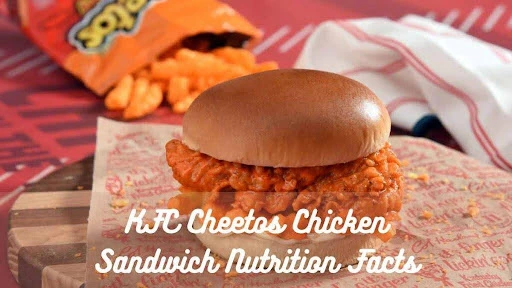
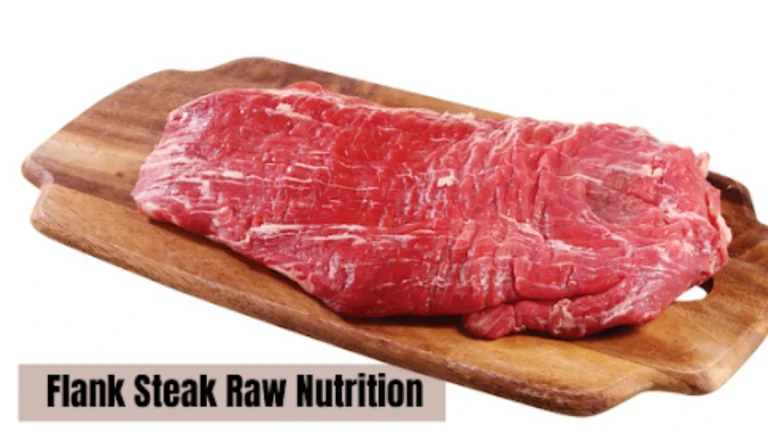








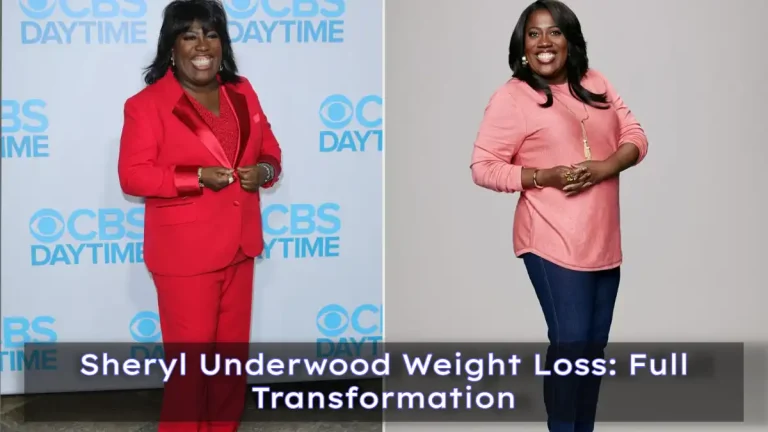


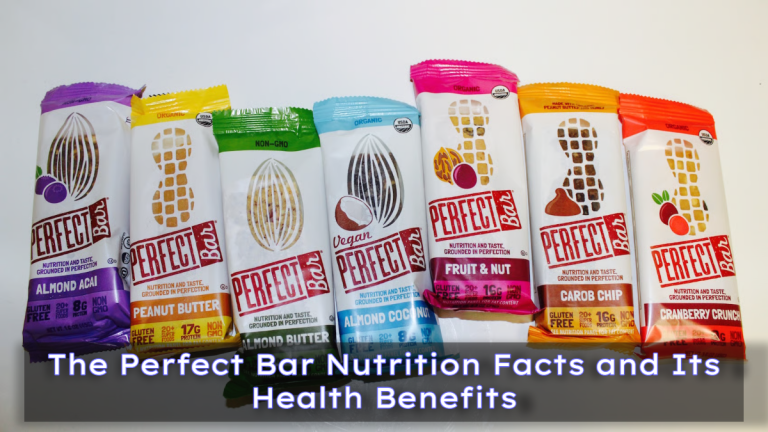




![Tens Unit Plus 24 Rechargeable Electronic Pulse Massager Machine Multi Mode Device with All Accessories [New Model]](https://lh7-rt.googleusercontent.com/docsz/AD_4nXecVEBfGp7WSGSGDYRJc8eB6hIgSv2MlVphp0PSNOpw44FJOsjCNOeLn-Xceef4t5WvhxcZBqWHddWiIubB4yofK3App32h3lDO_L6Q6eI2RkYNk2PDubMVML3esw1P63h7BwJQgFaXXaMcXwGTkEkAjn5pM9xDgdJWrfv1?key=37adSRB8LFey9QMSpBOnVw)