
होम ब्लॉग पेज 11

10 Benefits & Side Effects of Guava During Pregnancy

0

Guava has a high nutritional content, and such fruit has an increasing number of benefits over side effects. During Pregnancy, when you can’t afford everything as it may harm the growth of the fetus, is it safe to eat guava? Well, the answer is both yes and no because it’s not that precise. To know whether you can have guava during pregnancy, how much of it you have, and stay longer till the end of this article.

What is Guava?

Guava, the tropical, contains a higher amount of vitamins, folate, and fiber. Even though there is no medical evidence about whether guava is good for pregnancy or not, many people have experienced its positive effects. It is believed having guava can enhance fertility. The leaves of guava and the fruit extract to make tea and supplements are equally effective.

Guava During Pregnancy Side Effects, 10 Benefits, Safety, and More

This article will bring clarity to your doubts like whether can I eat guava during pregnancy, its side effects, etc. So, bear with us a bit more.

What is the Nutritional Value of Guava?

Guava in Pregnancy is a smart choice; at least, that’s what its nutritional value tells us. Any expecting mom requires a higher demand of vitamin C, folate, and protein alongside other useful nutrients for the infant’s growth.

  • Vitamins: Vitamins are mandatory for helping the baby with proper breathing. Having guava during pregnancy will help accomplish the needs. The fruit has a richer share of vitamins A, C, E, and B2. No one can undermine its nutritional richness because guava contains more vitamins C and A. The nutritional value is even better than that of any citrus-like oranges, which makes guava safer during pregnancy.
  • Folic Acid: All your dilemmas like ‘Can I eat guava during pregnancy or not!’ will be gone when you know the fruit is a rich source of folic acid. The presence of the constituent is particularly necessary for proper fetus development. A  healthy proportion of folic acid in your body will ensure the smooth development of many of the baby’s organs. Such as the respiratory organs, circulatory system, spinal cord, arms, and more.

When you have nearly 160 grams of guava fruit, it fulfills 20-25% of the folic acid demand and more than 300% of the vitamin C needed.

Which fruit is best in pregnancy?

Other than guava, there are also other fruits like oranges, bananas, avocados, lemons, and apples. Oranges are a promising source of vitamin C and also help people stay hydrated. Bananas contain iron and prevent the chances of anemia. With avocado, you can expect vitamins C, K, B, magnesium, and potassium.

10 Possible Benefits of Guava During Pregnancy

The green fruit is a blessing in disguise for all expecting mothers. There are innumerable benefits of guava in pregnancy. It helps to nourish the fetus and also provides good health to the mother. Below are reasons why you should have guava during pregnancy-

10 Possible Benefits of Guava During Pregnancy

1. Helpful for the Fertility

The active presence of such nutritious elements in guava makes it beneficial during fertility. As shared earlier in the nutritional value section, tropical fruit contains vitamins, minerals, and folic acids. It also supports more fertility among women even though there are no practical studies on humans proving the claim.

2. Better Digestion

Guava is good for Pregnancy, particularly when it comes to digestion. Digestive disorders like constipation, diarrhea, and acidity are common reactions to pregnancy. It is because of the hormonal changes that such digestive irregularities pressurize the mother’s belly. Many studies have been conducted on small mammals like rodents, which prove that guavas reduce the probability of digestive issues. Problems like diarrhea are naturally flushed from the body in the process.

3. Prevents Blood Pressure Fluctuations

After the first trimester, women are likely to develop conditions like high blood pressure. Such a condition is known as preeclampsia. It is due to preeclampsia that the new mother develops issues like weight gain, headaches, abdominal pain, etc. So, guava benefits during pregnancy by controlling blood pressure conditions. The existence of potassium within guava helps prevent spikes in BP levels.

4. Regulates the Blood Glucose Levels

When pregnant, the new mother faces symptoms of gestational diabetes, which leads to insulin resistance. Not taking measures against this would result in the form of premature birth and preeclampsia. You can manage the situation by consuming the proper amount of guava every day. The richer fiber content and complex carbs would prevent spikes in blood pressure.

5. Treats Anaemia

Guava benefits during pregnancy with an adequate supply of iron. Most women suffer from anemia because they are iron deficient in times of pregnancy. The tropical fruit contains ascorbic acid, which is richer in iron nutrients. So, to diagnose anemia, the measured quantity of guava will help the receptor.

6. Good Eyesight

For an expecting mother, her entire body dynamics change. It is because of the changes that her body demands an extra intake of nutrients. A consistent supply of vitamin A, which you will get from the green fruit, will prove good for your eyesight. The proper supply of vitamin A would ensure healthy eyesight for both mother and child.

7. Better for Mental Health

One of the much-needed benefits of guava in pregnancy is that it helps calm your mind. Guava intake assists in releasing piled-up stress by effectively acting on the hormone-release glands. The efficient presence of magnesium nutrients positively affects the muscle and nervous system of the pregnant mother. The promotion of better mental health saves the chances of pre-natal or postnatal depression.

8. Improves the Cognitive Health

Eating guava during pregnancy is beneficial for your cognitive power. Guava is an excellent source of vitamins B3 & 6. So, most of the time, if you are absent-minded, you better not because guava can work on your lack of focus and disturbances.

9. Get Rid of Nausea

If you are pregnant, one thing is constant that is the morning sickness or nausea you face every day. Guava benefits during pregnancy by curbing vomiting and nausea. To help overcome anxiety, try taking guava seedless extract with buttermilk.

10. Reduces Infections

The piled-up stress during pregnancy can cause more fungal or bacterial infections. Another of the benefits of guava in pregnancy is the existence of elements like polyphenols, carotenoids, and vitamins A, C, and E within the fruits. These nutrient properties are set as antibodies for any possible infections.

Possible Side Effects of Eating Guavas During Pregnancy

There are limited studies conducted to date relating to the side effects of guava during pregnancy. However, there are no specific harmful side effects experienced by the recipients of consuming guava during pregnancy. Given the delicacy of pregnancy cases, it’s better to stay extra cautious. If not taken on the right portion, there can be some indirect side effects of guava during pregnancy-

  • Guava has higher fiber content, which extra consumption may lead to loose motions. And frequent visits to the toilet or bent postures are not good for the baby.
  • Half-spoiled or not fresh guava often leads to skin problems or allergies.
  • Unripe guava would lead to poor oral hygiene. Dental cavities and pains are common during pregnancy.
  • No one can claim that any guavas are free from chemical preservatives. Overdose of guava would mean more passage of chemicals to the body, which is not good for the baby.
  • Wisely choosing between organic and inorganic guava is important. Inorganic guavas include the probable risk of infections like listeriosis. Such infections can prove fatal for lower immunity persons or even to newborns.

These are some of the common side effects of guava during pregnancy, which can be avoided if proper portions are taken.

Is It Safe to Eat Guava during Pregnancy?

After knowing both the benefits and side effects of guava during pregnancy, there should be multiple questions in your mind. The primary question must be whether I can eat guava during pregnancy: is it safe?

Is It Safe to Eat Guava during Pregnancy

Our answer to that is, why not? Guava is completely pregnancy-friendly if you don’t overdose on it. Like the benefits mentioned above, eating tropical fruit would be beneficial for both you and the baby. The rich nutritional value of vitamins C and A is tricky to find, even in any citrus. Important constituents like folic acid can’t be missed at all for the fetus’s development.

Taking between 100-130 grams of guava a day is recommended, which will be safer for the pregnancy.

Is It Safe to Eat Guava Seeds During Pregnancy?

You must be thinking about what happens if you eat guava seeds. Our answer is nothing. Guava seeds, unlike seeds of other fruits like apples, are entirely edible and, therefore, safe to eat. The only advice is to eat them carefully and ensure you don’t choke after consuming too much.

Drinking Guava Juice vs. eating Raw Fruit During Pregnancy

Another critical concern among readers has been how to take guava during pregnancy. So, you can try eating the raw fruit, or you can also make juice from it.

  • Guava, when eaten in its raw form, would provide the best nutrient ever. When taking it raw, you can eat the green peels as well as the seeds along with the pulp. Everything is edible in that case.
  • Making guava juice during pregnancy can also prove beneficial if you don’t add any artificial preservatives to it. While making guava juice, extract the pulps from the seeds; otherwise, it would taste bitter.
  • Guava juice made out of pulps can help you in numerous ways, but make sure you don’t add sugar or flavorings to it.

So, eating guava is good for pregnancy, and it does not matter much whether you take it or not. Those having dental issues or face choking problems should drink the proper amount of guava juice instead of raw fruit.

Conclusion

All in all,  one thing is constant guava during pregnancy is completely safe to eat. The tropical fruit is the powerhouse of nutrients, including vitamins, fiber, and folic acid. As advised, try to check the pulp color while buying guava. It is believed white pulped guavas are more beneficial in terms of vitamin providence than pink ones. Try to maintain the portion each day while consuming it, as it would overcome the side effects of the fruit.

Lastly, as you know, replacing guava with all other fruits won’t help you in acquiring adequate nutrition during pregnancy. So, maintain a balanced diet chart and eat all the needed vegetables and fruits, including guava.

Frequently Asked Questions (FAQs) about Consuming Guava during Pregnancy

Q. Which fruit is best in pregnancy?

Answer- Fruits like Guava, orange, avocado, Bananas, and berries are good during pregnancy. Fruits like avocado and banana have higher iron and nutrients, such as vitamins K, B, and manganese. Other fruits like guava have a higher presence of vitamins A, C, Folic acid, and fiber.

Q. What happens if you eat guava seeds?

Answer- It is believed that good seeds have the same nutrients present in the skin and the intestines. So, you can eat the guava with both seeds and skins as it will show practical benefits. These would include resisting cardiovascular disease, regulating blood sugar levels, and more.

Q. Is guava harmful in pregnancy?

Answer- Green tropical fruit is safe to eat during pregnancy. In fact, the inherited nutrient properties like vitamins A, C, and folic acid are healthy for both the mother’s and the baby’s development. However, make sure that you don’t overeat the fruit as it can show side effects like diarrhea.

Q. Which fruit is good for a baby’s brain during pregnancy?

Answer- Guava is good for the development of the baby’s brain. The fruit has a strong presence of Vitamin B3 & B6, also known as niacin and pyridoxine. Those vitamins help relax nerves, improve blood circulation, and improve cognitive function overall.


Eating Cheese: Health Benefits, Risks, Types, Nutrition Fact

0

Cheese, the famous dairy product that is a hot favorite among various people all over the world, is actually made from the fatty and protein-rich milk of sheep, cows, goats, and buffaloes. Casein, a kind of protein present in the milk, is made to coagulate, and as a result, cheese is formed. 

Sold in various flavors, shapes, and textures, cheese is used to prepare various food items like burgers, pizzas, pasta, sandwiches, casseroles, salads, etc. It imparts a different flavor, smell, and color to various dishes. There are many Health Benefits to Eating Cheese, so it’s good to eat. However, some people with Old-school thinking doubt that eating cheese may confront them with various health risks because of the unsaturated fat present in it. 

Eating Cheese 9 Health Benefits, 4 Risks, 4 Types, and 8 Nutrition Facts

So, what’s the truth? Is cheese really good or bad? Newer research on cheese suggests that eating cheese is healthy. However, you need to eat it in moderation, thinking about the potential health risks its large consumption can put you. Are you curious to know more about cheese? Then, Say Cheese!…and keep reading.  

Introduction

Cheese is a milk product produced by acidifying milk and adding casein-coagulating enzymes (rennet/other bacterial enzymes). After adding the enzymes, the milk turns into curd. The cheese manufacturers then separate the solid curds from the liquid derivatives. The curds are then pressed to give them new shapes. 

The type of cheese depends upon the milk’s origin, its processing, including pasteurization, its butterfat quantity, the types of bacteria or mold used, etc. The different flavors of the cheese come from the different herbs, spices, etc, that are used to flavor it. Different cheese has different flavors. Some cheese manufacturers also use taste-enhancing substances (such as black pepper, cranberries, chives, garlic, etc) on cheese so that it tastes better. 

Cheese also comes in different colors, including yellow and red. Adding annatto to cheeses gives them red, yellow, and other colors. Some cheeses are produced by acidifying them to higher degrees, whereas others are less acidified using milk sugars to lactic acid-converting bacteria. 

Cheese is a highly portable and valued food item that is nutrient-rich and doesn’t spoil easily, which is why there are many health benefits to eating cheese. It’s enriched with protein, phosphorus, calcium & fat. Hard cheese (for example, Parmesan cheese) has a longer shelf life than soft cheese (for example, Brie cheese or cheeses made with goat’s milk). Today, various kinds of cheese (especially block-shaped cheeses) are stored in vacuum packaging and distributed in plastic bags (with gas flushing) made of carbon dioxide gas and nitrogen gas. 

A cheesemonger (cheese specialist) usually has various degrees of expertise in cheeses and hence buys the cheeses after selecting them and stores and ripens them. They do it before eating them or selling them to the customers. Plant-based cheeses have a lower carbon footprint than animal-based cheeses. 

9 Health Benefits Of Eating Cheese

Here are the 9 Health Benefits of eating Cheese:

9 Health Benefits Of Eating Cheese

1. Cheese May Be Beneficial For Your Cardiovascular Health

Avoiding cheese, thinking that it may add cholesterol to your body and risk your health? But, do you know, research says just the opposite of it? Research conducted in 2018 on fermented milk derivatives like cheese, yogurt, etc, has concluded that they are very favorable for your heart. 

This is because a specific kind of fatty acid, heptadecanoic acid, is present in these dairy products, which lowers the risk of heart ailments, strokes, and heart disease-related deaths. Also, any dairy product like whole-fat cheese that is full of fat is anti-inflammatory and full of nutrition. So, it is seen that eating whole-fat cheese lowers the chance of heart-related disorders. 

2. Cheese Improves Your Gut Health By Acting Like A Probiotic

Like yogurt, there are some cheeses (like Swiss Cheese, Gouda cheese, Cottage cheese, Cheddar cheese, Edam cheese, etc) that produce short-chain fatty acids. These short-chain fatty acids absorb calcium, iron, magnesium, etc from your gut and thus maintain the balance between the acid and base of your gut. 

As a result, your gut’s all-around structure, process, and healthfulness remain intact. Always eat the cheese before cooking, especially when it is fresh; otherwise, the probiotic properties of the cheese may erode due to heat. Just put some slices of cheese on your sandwich, burger, salad, etc, and munch them on for healthy nourishment.   

3. Cheese May Help You Become Less Obese:

Any cheese that has high-fat content (for example, cheddar cheese, Brie cheese, etc.) comprises CLA (conjugated linoleic acid), though in small quantities. CLA, being a healthful fat, may curb your obesity, lessen your inflammation, and save you from heart ailments. Modern cheddar cheese is made from milk from a hundred percent herbivorous animals and comprises twice the quantity of CLA as compared to traditional cheddar cheese. However, the nutritional benefits of modern Cheddar cheese may be lower than those of traditional Cheddar cheese. 

4. Cheese Is A Healthy Choice Full Of Nutrients

Cheese is a healthy food. It is not only rich in calcium, protein, fat, Vitamins A, B12, Zinc, Riboflavin, and phosphorus but also a good source of omega-3 fatty acids (great for the heart and metabolic health of a person). Omega-6 fatty acids are also present in cheese in a balanced way. 

5. Cheese Boosts Your Muscle Mass

Wanna be strong and fit and lead your life in a healthy way? Then, trust it on cheese, particularly ricotta cheese). The research found that consuming 1 cup of this cheese per day not only makes you stronger by improving your muscle mass but also promotes your balance in a healthy way. However, to get the result, you have to continue the diet for about twelve weeks. According to the researchers, the credit for it goes to casein (the milk proteins) and whey, which are present in milk and, hence, in the cheese made from it.  

6. Cheese May Assist In Lessening Your Body’s Cholesterol

Cheese, the fermented dairy product, comprises calcium and Vitamin K2, which are likely to transport fat and cholesterol through one’s gut. As a result, very little cholesterol or calories are absorbed in your body. This does not apply to butter. So, cheese is a healthy choice as compared to butter. 

7. Cheese Makes Your Bones Stronger  And Perhaps Lowers Your Blood Pressure

Cheese comprises calcium, which strengthens one’s bones and teeth. Apart from that, it is also known to lower one’s blood pressure and prevent his/her death. 

8. Cheese Saves You From Diabetes

Cheese contains shorter-chain saturated fats, whey protein (strengthens insulin sensitivity), and calcium (insulin secretion stimulator) it. So, consuming cheese regularly in a small/moderate amount (2 cups to 3/4 cups) keeps type 2 diabetes away from you.

9. Cheese Boosts Your Oral Health

Cheese comprises probiotics. These probiotics in cheese impact your saliva’s bacteria types and other immunological combinations in a positive way. Also, cheese consumption saves your mouth from various inconveniences such as tooth decay, mouth sores, painful swallowing or chewing, gum infection, etc, and also reduces its chance of being dry. This is done by boosting the saliva ebb in your mouth. Also, the calcium in cheese makes your teeth stronger by saving them from cavities. So, cheese is an active food product that is beneficial for maintaining good oral health. 

Potential Health Risks Associated With Cheese

As there’s a saying, “anything in moderation is fine”, it is also applicable to cheese. Cheese is healthy to eat, but it must be eaten with restraint; otherwise, you may face many of its health risks. With the knowledge of these risks, you will be able to make choices for cheese more consciously. Sometimes, contaminated cheese spurs unpleasant consequences. Also, people with improper health conditions and those who have to go for dietary changes must definitely exclude cheese from their diet. 

Potential Health Risks Associated With Cheese

1. Listeria Contamination

Unpasteurized/raw milk soft cheese (for example,  blue-veined cheese) sometimes gets contaminated with listeria, which results in illnesses. Cheeses prone to Listeria contamination are mainly Brie, feta, Camembert, blue-veined cheese, queso fresco, and queso panela. Besides, Queso Blanco cheese is also susceptible to contamination. Any soft cheese that doesn’t comprise pasteurized milk must be avoided, especially by immunodeficient people, aged adults, pregnant women, and kids/children, as they are susceptible to Listeria contamination by eating that cheese. 

2. Cheese, Despite Being A High-calorie Diet, Has Zero Fiber Content

Cheese, though loaded with calories and saturated fats, is low in fiber. So, it is thought to make you fat and is not a completely healthful food to eat. Contacting a renowned dietitian will help you decide whether to eat cheese. He/she will suggest the consumption of cheese depending on your body’s overall cholesterol and fat content. 

3. Cheese May Not Suit People Who Are Lactose Intolerant Or Have Other Kinds Of Allergies

Every cheese is comprised of sugar called lactose, which lactose-intolerant people find hard to digest. This is because every normal person comprises an enzyme in their stomach that breaks down their foods into smaller parts, which is not present in lactose intolerant people. So, people with lactose intolerance frequently face issues of gas, diarrhea, bloated stomach, etc. 

Thanks to some cheeses like Parmesan, Cheddar, Swiss, etc. (containing a lower level of lactose intolerance), lactose-intolerant people can also consume them. Also, some lactase pills and supplements taken on the advice of your doctor will relieve you from the problem temporarily. 

Some people have a milk allergy or other kinds of allergies, so they can’t consume dairy products, including cheese. 

4. Cheese Has High Sodium Content

Every cheese is comprised of a certain quantity of sodium. Sodium is known for minimizing bacterial/fungal growth in the food and thus protects your food from spoilage! However, the high sodium present in cheeses risks your heart health and unfavorably affects your overall health in a negative way. 

Types Of Cheese

Cheese comes in many types, and Here are 4 Types of Cheese

1. Aged Cheese

Aged cheese is a strong-flavored cheese with a firm texture and high salt content. Some examples are cheddar, Swiss, and parmesan cheese. Because aged cheese takes time to mature, it is conserved for an extended time before ultimately being traded in the market.  

2. Reduced-Fat Cheese

These types of cheese are lower in fat and, hence, appropriate for diet-conscious people. Each serving comprises nearly 3 gm of fat and is labeled as ” low-fat” in the packaging. This type of cheese is 25 % lower in fat than the regular cheese sold in the market. 

3. Fresh Cheese

Fresh cheeses are cheeses that are highly moisturized and soft textured and are of ready-to-eat type. This type of cheese doesn’t require any maturation time before selling. Examples of some of these cheeses are ricotta cheese, cottage cheese, etc. 

4. Whole Milk Cheese

Prepared from unskimmed and regular milk, these types of cheeses contain high saturated fat. People with good heart health can eat these cheeses in moderation. However, those who are suffering from any heart ailment or have high cholesterol in their bodies are always advised to restrain their consumption of this cheese. 

Apart from these cheeses, there are some food products that are named cheese but are not completely cheese. Processed cheese (for example, American cheese) and non-dairy cheese are some of them. 

Processed cheeses are actually the mixture of one kind of cheese with another kind of cheese or with other dairy derivatives. Some more ingredients add flavor to the cheese. This type of cheese is also known as “pasteurized process cheese food” and comprises a high quantity of sodium as compared to other cheeses. 

Non-dairy cheese is a vegan (made from plant products) cheese that comprises ingredients such as nuts, soy, coconut, etc in it. The non-dairy vegan cheese that comprises cashews, tofu, etc, is much more nutritious than those that comprise components of coconut in them. Also, the famous coconut-based cheeses are highly processed, which is not the case with nut-based non-dairy cheeses. 

Nutrition Facts About Cheese

Different cheese comprises different nutrition facts. Here are the nutritional facts about some of the popular cheeses-

1. Cheddar Cheese Nutrition Facts

One ounce or 28.35 grams of this cheese comprises 120 calories and 10 grams of fat. Also, it encompasses 200 milligrams of calcium, 1 gram of carbohydrates, and 7 grams of protein. Apart from that, 190 milligrams of sodium are also present in this cheese. 

2. Brie Cheese Nutrition Facts

One ounce or 28.35 grams of this cheese comprises 100 calories and 9 grams of fat. Also, it encompasses 150 milligrams of calcium, 1 gram of carbohydrates, and 5 grams of protein. Apart from that, 170 milligrams of sodium are also present in this cheese.

3. Gouda Cheese Nutrition Facts

One ounce or 28.35 grams of this cheese comprises 110 calories and 9 grams of fat. Also, it encompasses 200 milligrams of calcium, 1 gram of carbohydrates, and 7 grams of protein. Apart from that, 200 milligrams of sodium are also present in this cheese.

4. Mozzarella Cheese Nutrition Facts

One ounce or 28.35 grams of this cheese comprises 85 calories and 6 grams of fat. Also, it encompasses 143 milligrams of calcium, 1 gram of carbohydrates, and 6 grams of protein. Apart from that, 138 milligrams of sodium are also present in this cheese.

5. Feta Cheese Nutrition Facts

One ounce or 28.35 grams of this cheese comprises 60 calories and 4 grams of fat. Also, it encompasses 60 milligrams of calcium, 1 gram of carbohydrates, and 5 grams of protein. Apart from that, 360 milligrams of sodium are also present in this cheese.

6. Swiss Cheese Nutrition Facts

One ounce or 28.35 grams of this cheese comprises 111 calories and 8.8 grams of fat. Also, it encompasses 19 percent of calcium (of the DV), 0.4 grams of carbohydrates, and 7.7 grams of protein. Apart from that, 2 percent of sodium (of the DV) is also present in this cheese.

7. Non-Dairy Coconut-Based Cheese (Cheddar Style Slice) Nutrition Facts

0.8 ounces or 22 grams of this cheese comprises 60 calories and 5 grams of fat. Also, it encompasses 11 percent of calcium (of the DV) and 4 grams of carbohydrates. The cheese comprises no protein in it. Apart from that, 7 percent of sodium (of the DV) is also present in this cheese.

8. American Cheese Nutrition Facts

One ounce or 28.35 grams of this cheese comprises 102 calories and 8.6 grams of fat. Also, it encompasses 22 percent of calcium (of the DV), 1.3 grams of carbohydrates, and 5.1 grams of protein. Apart from that, 25 percent of sodium (of the DV) is also present in this cheese.

Recipes Of Cheese

Cheese can be used to make a lot of cuisines. Some of them are-

  • Cheese Balls
  • Cheese Chilli Toast
  • Cream Cheese Sandwich
  • Cheesecake
  • Cheese Macaroni
  • Cheese Cookies
  • Cheese Garlic Bread
  • Cheese Margherita Pizza
  • Cheesy Corn Tarts
  • Feta Cheese Salad With Olive And Watermelon
  • Cheesy Potato Gratin With Garlic Cream
  • Pesto Eggplant With Cheese
  • Cheese Fondue
  • Mushroom Mac With Cheese
  • Classic Mac With Cheese
  • Mozzarella Sticks

Conclusion

Cheese, especially grilled ones, is enriched with nutrients, including vitamins, minerals, proteins, etc. Hence, it is beneficial for your health, primarily for your muscles, bones, and oral health. However, the fat and calorie content in cheese makes us indecisive. We get stuck between “whether to eat it” or “not to eat it”. But, the truth is that you can eat cheese more healthily by picking a healthier bread for sandwiches, choosing flavorful yet less fat cheese, eating vegetables and fruits with the cheese, and cooking the cheese in healthy yet low-fat oil. So, consume this versatile food in a healthy way and enjoy its every crumb to the fullest.

References

7 Surprising Benefits of Hydrocortisone Cream USP 2.5

0

Hydrocortisone cream is a popular topical cream that is used to treat a variety of skin conditions, including dermatitis, eczema, and psoriasis. It is a corticosteroid that helps to reduce inflammation and itching. This cream is available over the counter or by prescription.

Healthcoachjp will do its best to explain to you Hydrocortisone’s side effects, its uses, and the skin conditions it can treat.

What is Hydrocortisone Cream USP 2.5

Hydrocortisone cream USP 2. 5 is a topical cream that is used to treat a variety of skin conditions, including eczema, psoriasis, and dermatitis. It contains the active ingredient hydrocortisone, a corticosteroid that helps reduce inflammation and itching.

Is Hydrocortisone a Steroid

Hydrocortisone is a steroid medicine used to treat inflammation and swelling. It is available as a cream and ointment. Hydrocortisone is a prescription medication and should be used only as directed by a healthcare provider.

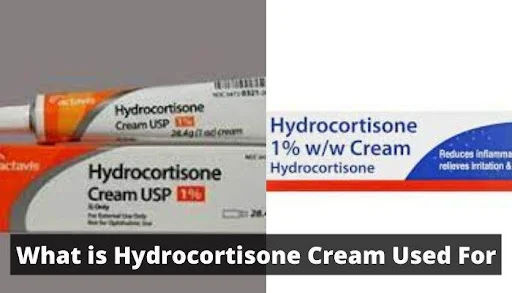
What is Hydrocortisone Cream Used For

Hydrocortisone cream is a type of topical steroid cream that is used to treat a variety of skin conditions. It can help to reduce inflammation, redness, and itching. Hydrocortisone cream is available over the counter, and it is typically safe to use when used as directed.

What is Hydrocortisone Cream Used For

What Does Hydrocortisone Do?

Hydrocortisone is a medication that is used to treat a variety of skin diseases. It is a type of corticosteroid that is used to treat skin conditions such as allergies, eczema, and skin rashes. Moreover, Hydrocortisone reduces inflammation and suppresses the immune system. It is effective in the treatment of rheumatoid arthritis and other inflammatory conditions.

3 Hydrocortisone Cream Uses

Hydrocortisone creams are a topical medication used to treat various skin conditions, including eczema, psoriasis, and dermatitis. It is a corticosteroid, which means it contains a type of hormone that can help reduce inflammation. Hydrocortisone cream is available over the counter and can be used as often as needed.

Below we will mention some common skin issues where Hydrocortisone can be found beneficial.

1. Hydrocortisone for Eczema

Hydrocortisone is a corticosteroid used to treat various inflammatory skin conditions such as eczema. It is available in both topical and oral formulations and works by reducing inflammation, swelling, and itching. Hydrocortisone is generally well tolerated but may cause side effects such as steroid withdrawal syndrome and even weaken the immune system.

2. Hydrocortisone Cream for Acne

Creams like Hydrocortisone is topical medications but not the right ones to reduce acne. Neither can it kill acne-causing bacteria, nor is it capable enough to prevent acne breakouts. It only works by reducing inflammation, swelling, and redness. Hydrocortisone creams are available OTC and can be used alone or in combination with other acne treatments as directed by a dermatologist.

3. Hydrocortisone Cream for Baby

Hydrocortisone cream is a topical corticosteroid sometimes used to treat rashes and redness conditions in infants. Hydrocortisone creams are also used to treat insect bites, poison ivy, and other skin irritations. However, as per safety, many doctors recommend not using hydrocortisone creams for babies, whereas few doctors suggest that it can be used when all the instructions are followed carefully.

Usually, this cream is used to treat diaper rash, and when you apply this cream to that area, avoid putting plastic or tight-fitting diapers.

7 Hydrocortisone Benefits

Hydrocortisone, a corticosteroid, is an artificial hormone that is similar to the natural cortisol produced by the adrenal gland. Hydrocortisone is used to treat various conditions, such as allergic reactions, skin conditions, asthma, and arthritis. Hydrocortisone may also be used to treat other conditions that are generally not listed in this medication article. It is available as a cream, ointment, or injection.

Here are 7 surprising benefits of hydrocortisone cream:

1. Soothes Itchy Skin:

One of the most common uses of hydrocortisone cream is to relieve itching caused by skin conditions such as eczema, psoriasis, and insect bites.

2. Reduces Inflammation:

Hydrocortisone cream helps to reduce inflammation by suppressing the immune system’s response. This can be beneficial in treating conditions such as allergic reactions, hives, and dermatitis.

3. Relieves Pain:

In addition to reducing itching and inflammation, hydrocortisone cream can also help to relieve pain associated with skin conditions.

4. Treats Acne:

Hydrocortisone cream has anti-inflammatory properties that can help reduce the inflammation associated with acne.

5. Reduces Swelling:

Hydrocortisone cream can help to reduce swelling caused by a variety of skin conditions, including allergic reactions, insect bites, and sunburn.

6. Moisturizes Dry Skin:

Hydrocortisone cream has moisturizing properties that can help to soothe and hydrate dry, flaky skin.

7. Safe and Effective:

Hydrocortisone cream is generally safe and effective when used as directed. However, it is important to follow the instructions carefully and avoid using them for extended periods without consulting a doctor.

6 Hydrocortisone Cream Side Effects

While Hydrocortisone is generally safe and effective, some users may experience potential side effects of it, which are described below.

  1. Skin irritation
  2. Dryness
  3. Redness
  4. Burning
  5. Peeling
  6. Crusting and weakening the immune system

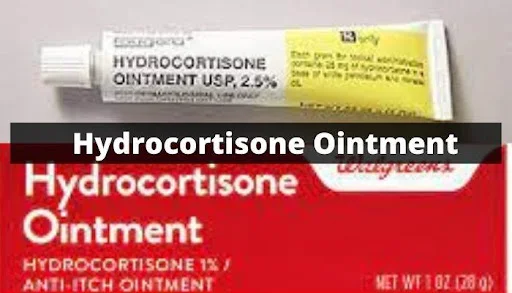
Hydrocortisone Ointment

Hydrocortisone Ointment

Hydrocortisone ointment is a medication used to treat inflammation and itching. It is a type of corticosteroid and is available over the counter and by prescription. However, it also comes in the form of cream.

Frequently Asked Questions (FAQs) about Hydrocortisone Cream

Q. Can I use hydrocortisone cream anywhere?

Ans. Yes, hydrocortisone cream can be used almost anywhere on the body only after a doctor’s advice. It is widely used to treat skin conditions such as eczema, psoriasis, and dermatitis. Hydrocortisone cream should not be used in the eyes, mouth, or genital area.

Q. How long does it take for hydrocortisone cream to work?

Ans. Hydrocortisone creams are topical corticosteroids used to treat inflammation and itching. It may generally take up to seven days for the cream to work, depending on the severity of the condition.

Q. Is hydrocortisone cream an antibiotic?

Ans. Hydrocortisone creams are a type of topical corticosteroid. It is not an antibiotic. While it is not an antibiotic, it may treat skin infections caused by bacteria.

Kathryn Dennis’ Amazing 30-Pound Weight Loss Transformation

0

Nowadays, everyone is concerned about their increasing weight. Due to less time, people do not pay attention to their bodies. When this increasing weight becomes a problem for a person, they advise to reduce it. Everyone’s weight loss method is different. Some lose weight with the help of surgery, some with the help of pills, and some in a natural way, i.e., by following workouts and a diet plan. We will talk about the weight loss of a famous personality who surprised her fans with her weight loss.

Kathryn Denis has been the subject of much discussion about her weight loss. She keeps posting photos of her post-weight loss, in which she looks very slim. Her fans are all surprised by her weight loss.

Who is Kathryn Dennis?

Kathryn is a famous American television personality and model. Dennis was born on August 6, 1991. She has worked on many TV reality shows and is quite famous. Her work has made a place in the hearts of many people; that’s why her fans are in large numbers.

Kathryn Dennis Weight Loss Journey

Kathryn Dennis has been the subject of a lot of discussion about her weight loss. She keeps posting her post-weight loss photos on Instagram. Her life was not that easy. She had lost her mother to cancer. She kept trying to give all the best to her two daughters.

What Does Kathryn Dennis’s Weight Loss Diet Plan Include

Kathryn Dennis Weight Loss Diet Plan

She completely avoids fat-rich foods and has stopped drinking alcohol. She also avoids high-sugar drinks and includes fruits and vegetables in her diet. She consumes green tea rather than alcohol.

Which Type of Workout Plan Kathryn Dennis Follow For Weight Loss

A good weight loss diet plan and working out are very important. A workout is useful even after weight loss and even before that. Dennis joined a gym where she used to spend 3 hours of her entire day. Every morning, she wakes up and jogs for an hour. That is, along with exercising, she also walks. Working out is good for both their looks and fitness.

Kathryn Dennis Before and After Weight Loss

Dennis initially weighed at least 150 pounds, but after her weight loss, she now weighs 130 pounds. This is a huge difference. We must praise her for her weight loss.

Kathryn Dennis Before and After

Frequently Asked Questions (FAQs) about Kathryn Dennis’s Weight Loss

Q. How did Katharine lose weight?

Answer: Behind her fit body is her hard work. She maintains her body and does not allow her weight to increase. She strictly followed workouts for weight loss in her life and did not miss a single day.
Workouts help her stay alive and look great. She eats a balanced diet daily and avoids junk food.

Q. Did Kathryn take medicine for weight loss?

Answer: As Kathryn’s weight loss went on, rumors spread among the people that Dennis had used medicine for weight loss. But so far, this is just an assumption. So far, there is no definite proof that they have taken the help of medicine or not. She has not used any medicine for weight loss, and she has also confirmed this.

Q. Is Kathryn Dennis married?

Answer: Dennis has been dating Cheleb Ravenell since October 2020. She had previously been dating Thomas Ravenel in 2014. Thomas Ravenel was 30 years older than Dennis; even after that, they fell in love. During their dating, Dennis gave birth to two children, St. Julien Rembert Ravenel and Kensington Calhoun Ravenel.

Q. How much weight did Kathryn Dennis lose?

Answer: Kathryn Dennis made every effort to lose weight. She joined a gym to reduce her weight, and there, she used to do a 3-hour workout. Every morning, she used to jog for 30 minutes. She lost 25 pounds with her hard work.

Q. When was Kathryn Dennis born?

Answer: Kathryn Dennis was born on 6 August 1991 in America.

Conclusion

Kathryn Dennis is a famous American model and TV personality. She has made a place in the hearts of many people through her work. Her weight causes a lot of the problems in her life. She worked hard to reduce her weight. She joined a gym and followed a diet plan. Exercise is very important for our bodies. Dennis was able to get a lean body only because of exercise, and the reason behind her good looks was her workout. It is a lesson for people who want to lose weight.

The Tree Yoga Pose: 6 Benefits and How to Do It Correctly

0

Keeping yourself fit is very important. People do different types of exercises to keep themselves fit. Many exercises help people stay fit. Today, we will talk about such an exercise, which has many benefits. Tree pose yoga is also very easy to do and has many benefits.

What is The Tree Yoga Pose?

It is done standing upright like a tree; hence it is called “tree yoga.” It is done in a straight position and requires balance. If you do it daily, then it will be very easy for you to relax. It is very beneficial for your core; it strengthens your core.

How To Do The Tree Yoga Pose

If you want to do tree yoga to be fit. Here are some steps that you can follow

How To Do The Tree Yoga Pose
  • First of all, stand straight and bring your feet close to each other. Remember, both your arms should be straight like your body.
  • Focus your attention and take a deep breath. Now slowly move the entire weight of your body onto your left leg. Now lift your right hand towards the top.
  • Insert the sole of your right foot into the inside of your left thigh. Keep your soles on the thigh from this side so that the fingers on your right should be facing down.
  • Take both your arms towards the top. Now connect your two palms together like an inverted V.

6 Benefits of Tree Pose

Benefits of Tree Pose
  1. Tree Pose opens up your hip bone.
  2. It strengthens the muscles of your thigh, waist, and inner parts.
  3. It strengthens your core and helps build your core quickly.
  4. With the help of this yoga, you will be able to balance quickly. 
  5. It is also helpful in physical activities.
  6. Most athletes do this exercise as it requires a lot of balance.

Mistakes in The Tree Pose Yoga

Keep these considerations in mind to ensure that you get the most out of Tree Pose while not jeopardizing your joints.

Hip position in The Tree Pose Yoga

The most essential thing in this is that you keep your legs straight and keep the sole of one foot on the thigh of the other leg. During this, you do not have to move both your hips outwards. Keep your hips inward.

Foot position

Keep your left leg straight and place the sole of your right foot above the knee of your left thigh.

Knee Position

Remember that your left knee should remain. Your foot should not go down.

Modification and Change in Vrikshasana

The tree poses exercise is considered the simplest exercise. If you want to modify it a little, you can. When you get used to doing it, you can make some changes to it.

An Amendment is Needed

Bring it down on the right leg if your foot doesn’t come up correctly on the upper right thigh. You can simply put your left foot on your right ankle and place your left toe on the floor. 

If you cannot make a balance, then you can also take the support of the wall for that. Try to lean your butt against the wall so that your left touches the wall slightly.

Change is a Challenge

Raise your arms up towards the ceiling. If you can touch the palms, then touch them; otherwise, let them be. Raise your hand in such a way as to make an inverted V.

If you cannot make a V, you can keep your palm straight. Or, If you like this posture or you feel comfortable in it, close your eyes and slowly balance it. If you cannot balance, then open your eyes and try to balance again.

Precautions

If you are unable to balance or have trouble balancing, take some precautions with this and do it by standing near a wall where you feel comfortable. If you have an injury in your leg or knee, then you cannot do it. In that case, please don’t do it.

Muscles used in Tree Pose Yoga

Erector spinae (iliocostalis, longissimus, spinalis) trapezius glutes quadriceps tensor fascia latae rectus abdominis.

Tree Yoga Pose Good For

Tree pose helps you balance, and its weight will allow you to balance quickly. It helps in reducing your weight and assists in keeping you fit. It strengthens your core and helps build your core quickly. In addition, it strengthens the muscles in your waist, thighs, and hips.

Frequently Asked Questions (FAQs) about Tree Yoga Pose

Q. What is the tree pose in yoga?

Ans. This is an exercise where one has to stand straight and easily like a tree. As a result, it is known as “tree pose yoga.”

Q. What are the difficulties in doing tree pose yoga?

Ans. One way to make tree poses challenging is to stand in a bent position or on rough terrain. The hardest part is to strike a balance. It can be a little difficult initially, but if you try it repeatedly every day, you can do it easily.

Q. How to make tree yoga easy?

Ans. Sit with your toes, knees, and hips pointed forward, with your feet on the floor. Lift the heel of your left foot to the side. Pull your left foot towards your right foot to play. Include the arms variation and breathe for three to ten breaths here.

Conclusion

It is not easy to do this yoga; it requires balance. If you practice this daily, you will be able to build balance. If you find it challenging to do this initially, then you can do it standing on the support of the wall and then slowly move away from the wall and balance without support.

Chicken Drumstick Nutrition: Facts & Benefits

0

When the word ‘chicken’ dances on the taste buds, it’s hard not to conjure images of succulent, flavorful bites. Among the myriad cuts, the chicken drumstick stands tall and is a favorite for many. However, beyond its taste, understanding the nutritional profile of this poultry delight is paramount. Today, we embark on an exploration into the realm of chicken drumstick nutrition, unraveling its complexities and benefits.

Why Chicken Drumstick Nutrition Matters?

Before we dive into the specifics, it’s crucial to grasp why knowing the nutritional composition of our food is essential. Every morsel we consume impacts not only our physical health but also our mental well-being. Whether it’s a roasted delight or a fried indulgence, the nutritional content varies significantly. Thus, awareness about what we eat is the cornerstone of a balanced lifestyle. Let’s delve deeper into the significance of understanding nutritional facts using the chicken drumstick as our lens.

chicken drumstick nutrition facts

The Nutritional Breakdown: With and Without Skin

Here’s a comprehensive breakdown of the nutritional content of chicken drumsticks, with and without the skin:

Nutrition of Drumstick Without Skin:

Serving Size:1 Drumstick (96g)
% Daily Value:
Total Fat: 5.5g (8%)
Saturated Fat: 1.4g (7%)
Cholesterol: 125mg (42%)
Sodium: 123mg (5%)
Potassium: 246mg (7%)
Protein: 23g (0.4%)
Vitamin A: 0%
Vitamin C: 0.8%
Calcium: 6.1%
Iron: 0%
*nutrition data of drumstick with skin

Nutrition of Drumstick With Skin:

Serving Size: 1 Drumstick
Calories: 117 (491 kJ)
% Daily Value:
Total Fat: 6.3g (10%)
Saturated Fat: 1.7g (9%)
Cholesterol: 59mg (20%)
Sodium:61mg (3%)
Protein:14.1g
Vitamin A:69mg
Vitamin C:2mg
Calcium: 8mg
Iron:1mg
*nutrition data of drumsticks without skin

Understanding Calories:

Calories are the currency of energy in our bodies. For the chicken drumstick, this translates into vital information about the energy it provides. A boneless drumstick without skin contains 76 calories, while its skin-clad counterpart packs 172 calories.

Sources of Calories:

The distribution of calories within a chicken drumstick offers insights into its nutritional value. In a drumstick with skin, 53% of its 172 calories come from protein, with the remainder from fat. Conversely, a skinless drumstick derives 70% of its calories from protein and 30% from fat.

Benefits of chicken drumstick nutrition

Beyond its delectable taste, chicken drumsticks offer an array of health benefits:

  1. High in Protein: With approximately 18 grams per 3.5 ounces, drumsticks are a protein powerhouse essential for tissue repair and muscle maintenance.
  2. Rich in Vitamins and Minerals: Loaded with vitamins B6, B12, zinc, and iron, drumsticks support immunity and overall health.
  3. Boosts Energy: B vitamins in drumsticks aid in energy production, keeping you alert and active.
  4. Supports Muscle Health: High phosphorus content promotes healthy bones and muscles, which is crucial for physical activity.
  5. Promotes Weight Loss: Low in calories and satiating, drumsticks can aid in weight management.
  6. Boosts Immune System: Selenium in drumsticks strengthens immunity, warding off infections.

Incorporating chicken drumsticks into your diet can offer many health benefits, making them an excellent addition to a healthy, balanced diet. Try roasting, grilling, or baking chicken drumsticks for a delicious and nutritious meal.

Cooking Varieties and Ingredients

From fried to grilled, chicken drumsticks are versatile. Common ingredients for a flavorful drumstick include neutral oil, egg white, all-purpose flour, herbs, and spices.

Ingredients of a Chicken Drumstick : 

Are you wondering what are the common ingredients of a chicken drumstick? Then let us tell you 4-6 Chicken Drumsticks, 1895 ml of Neutral Oil (for frying), 1 Egg White, All-Purpose Flour1 cup, Brown Sugar01 tbsp, 01 tbsp Kosher Salt, 1/2 tsp Marjoram (Dried), 1/2 tsp Basil (Dried), 1/2 tsp Oregano (Dried), 1/2 tsp Ground Allspice, 1/S tsp Garlic Powder, 1/s tsp Sage (Dried), 1/2 tsp Celery Salt, 1 tsp Crushed Black Pepper, 1 tsp Chili Powder, 2 tsp Onion Salt, 1 tsp Paprika. 

Types of chicken leg drumstick cooking:

Chicken drumstick comes in various cooking types: fried chicken drumstick, baked chicken drumstick, grilled chicken drumstick, and rotisserie chicken drumstick.

Conclusion

Understanding the nutritional essence of chicken drumsticks empowers us to make informed dietary choices. Whether relishing them in a crispy coating or savoring their natural flavors, the nutritional benefits remain undeniable. So, embrace the wholesome goodness of chicken drumsticks, elevating both your palate and your health.

Frequently Asked Questions(FAQs) on Chicken Drumsticks

Q. What is a serving of chicken drumstick?

A. An average drumstick serving consists of two drumsticks per person or more for big eaters.

Q. What are the nutrients in drumsticks?

A. The nutrients in drumstick are vitamins A, B, C, K, and minerals -iron, calcium, and magnesium and a source of fiber and protein

Q. Is Chicken drumstick healthy?

A. Since chicken drumsticks have more calories, they are beneficial for people who want to gain weight or build muscles. They are also suitable for people with low-carb diets. Overall, chicken drumsticks are healthy.

Share is more caring! Sharing this article with your friends, Family, and relatives. Care for them! They will definitely do more care for you.

5 Benefits and Steps of Janu Sirsasana Yoga Pose

0

Janu sirsasana yoga pose, commonly known as the head-to-knee forward bend, is one of the most popular poses in hatha yoga that stretches the hamstrings and compresses the lower back and groins.

Although it may appear simple enough, this balancing posture requires intense concentration to avoid injury. If you are interested in practicing this traditional yoga pose, you can enjoy many health benefits.

Here are some of the benefits of the Janu sirsasana yoga pose and the Janu sirsasana steps.

What is Janu Sirsasana Yoga?

Janu sirsasana, or head-to-knee forward bend pose, comes from the yogic tradition of ancient India. This head-to-knee pose can be a stretchy and powerful yoga pose if you’re practiced enough to do it well.

Yoga practitioners can add this pose to their practice to increase flexibility in the spine and build strong leg muscles.

It also stretches the inner thighs, groins, hip flexors, chest, and shoulders. This yoga pose also helps calm the mind and relieve stress, which can benefit your overall well-being.

How to do Janu Sirsasana Yoga or Head-to-Knee Forward Bend?

How to do Janu Sirsasana Yoga
  1. Sit up straight, back against the wall with both feet planted flat on the ground in front of you.
  2. Bend your left knee and slip it towards your crotch – but don’t pull it too far. Put the ball of your foot against the inner thigh of your right leg.
  3. Please keep your left knee on the ground and place your palms on top of your right knee for now.
  4. Use your pelvic muscles and inhale before slowly bending the torso in the forward direction.
  5. Try to grip your right foot if you can; otherwise, put your hands as close to it as possible. Hands should be clasped around the soles of the right feet, and the right hand should grab the left hand’s wrist. It might take some time before you can do it, but it feels great when you do! than usual!
  6. Move your head towards your right leg and see how close you can touch it with your forehead.
  7. It’s important always to keep the back muscles relaxed when stretching, or you risk hurting yourself.
  8. Hold this position for ten to fifteen seconds before slowly easing out of it.
  9. Breathe in, then exhale as you raise your head and straighten up.
  10. Breathe deeply for three minutes and switch up the positions of your arms and legs.

Is it safe?

As with any stretch, there’s always some risk. However, if you approach it intelligently, it’s possible to modify or even avoid knee-to-head pose—and still get all its health benefits. While bending your back forward, take care to use a slow, steady pace; don’t try to reach for your toes if you have a bad back or weak knees.

Head-To-Knee Stretch Benefits Overview

Most yoga practitioners are familiar with forwarding bends or asanas that lengthen and stretch from the backside to bring you deeper into a pose.

One of these poses is known as Janu sirsasana, often referred to as a head-to-knee pose in English translation. But what are some benefits associated with Janu sirsasana, and how can practicing it benefit your body? This post will show those benefits.

A head-to-knee stretch benefits both your spine and hips, increasing flexibility while stretching muscles around your hips, hamstrings, thighs, and ankles.

When you do Janu sirsasana regularly—you’ll increase mobility in areas where you might be experiencing pain or tightness.

Suppose there’s one thing all yogis have heard over their years of practice (and probably many times before). In that case, regular practice brings results—in particular, increased flexibility through deep stretches like Janu sirsasana.

Top 5 Janu Sirsasana Yoga Pose Benefits to Know

Janu Sirsasana Yoga Pose Benefits

1. Janu Sirsasana Yoga Pose Benefits

You may have heard of the Janu sirsasana yoga pose, also known as the head-to-knee forward bend pose, but are you aware of all the benefits that come from practicing this pose? This yoga pose stretches and opens up your whole upper body and can help relieve back pain and neck strain.

Below are the top five benefits to know about Janu sirsasana yoga pose.

2. Strengthens The Spine

In a Janu Sirsasana yoga pose, you move from one seated forward bend into another, keeping your body in a straight line. This positions your spine and other muscles in ways that strengthen them over time.

It’s like doing many of these poses sequentially—almost like resistance training for them. Over time, you’ll likely notice that your core feels firmer and is more supportive of your back than it was before.

And if you have spinal issues or back pain, those should be relieved or improved as well with continued practice of this posture.

3. Improves Balance

Janu sirsasana pose helps balance in all aspects of life. Whether you’re trying to improve your balance at work, home, or play, Janu Sirsasana can help.

It’s a great pose for those who suffer from dizziness and lightheadedness as it helps bring blood flow to your body parts that may be lacking oxygen.

This is a great pose for seniors and those with chronic conditions such as diabetes, hypertension, and heart disease. In addition, it also improves digestion by massaging internal organs like your liver and kidneys.

It also stretches out your spine and relieves back pain while strengthening muscles in both legs and arms.

3. Brings Flexibility To Your Upper Body

If you’re at a desk all day, janu sirsasana is a great way to stretch out your upper body. Sitting in Janu sirsasana stretches your arms and torso while keeping your back straight and aligned. The result? Your shoulders feel looser, giving you a much-needed break from sitting hunched over all day.

Additionally, because it stretches both sides of your chest at once, you’ll notice that your breathing will also become easier—you’ll be able to take deeper breaths with less strain on your lungs and diaphragm.

4. Helps in Getting Rid of Backaches

Consider taking up yoga if you have trouble dealing with backaches and other issues caused by long hours of sitting at a desk.

Practicing yoga is known to release tension in your muscles and joints, helping you deal with chronic stress, leading to aches and pains. For example, janu sirsasana (head-to-knee pose) can improve your circulation as well as strengthen your back and abdominal muscles, giving you more flexibility when it comes to doing tasks that require standing or sitting for long periods.

If backaches are a problem for you regularly (and there’s no obvious reason why they should be), getting started with janu sirsasana might help prevent them from becoming painful issues later on.

5. Opens Up Your Chest and Shoulders

Your chest and shoulders are just as tight as your hips. If you’re spending a lot of time hunched over a computer or car steering wheel, it can be easy for both regions to become contracted.

By opening up your shoulders and chest in Janu Sirsasana, you’ll also be able to breathe more freely and open up tighter pectoral muscles. Many yoga poses help with respiration, but we recommend focusing on breathing when practicing Janu Sirsasana.

Preparatory Poses for Janu Sirsasana Yoga

Sometimes referred to as the head-to-knee pose, Janu Sirsasana is a seated forward bend. This challenging posture is included in many yoga classes to prepare for more advanced stretches.

It is important that students first stretch their hamstrings with easier poses before attempting Janu Sirsasana. Otherwise, there is a risk of injury and discomfort. Common preparatory poses include: Balasana, Uttanasana, Vrikshasana, Baddha Konasana, Adho mukha svanasana, Supta Padangusthasana

Frequently Asked Questions (FAQs) About Janu Sirsasana Yoga

Q. What is the benefit of the Head-to-Knee Pose?

Ans. An effective way to strengthen your back body and improve spinal mobility, the head-to-knee pose improves flexibility in your hamstrings, hips, and spine. It also stretches your chest muscles and shoulders, improving posture.

Q. What muscles are stretched in the Head-to-Knee Pose?

Ans. The primary muscles stretched in the Head-to-Knee pose are those in your quadriceps and hamstrings. Your quadriceps muscles, or quads, are found at the front of your thigh near your hip joint.
These muscles help you to extend (straighten) your knee joint. Your hamstrings are found on the backside of your upper leg and connect from your pelvis to just below your knee joints on each leg.

9 Amazing Chestnut Benefits: Why They’re Good & Healthy

0

Chestnuts are a kind of nut that is popular during the winter season. They are often roasted and served as a snack or added to dishes like stuffing. Chestnuts are a good source of fiber, protein, and antioxidants.

Improve Your Health with Delicious and Nutritious Chestnuts

Our website, Healthcoachjp, offers advice on the benefits of chestnuts. It discusses the advantages of the chestnut, how to eat it, and its nutritional value.

What Are Chestnuts?

Chestnuts are a type of nut often eaten during the wintertime. They are a good source of dietary fiber and contain nutrients such as vitamin C, vitamin B6, and magnesium. They are often roasted or boiled. 

Are Chestnuts Healthy?

Chestnuts are a source of many essential nutrients, including fiber, vitamin C, and potassium. They also contain compounds that may help improve heart health. While chestnuts are generally healthy, they do contain some calories and carbohydrates.

Are Chestnuts Healthy

Are Chestnuts Good For You?

Chestnuts are a type of nut high in fiber and antioxidants. They are also a rich source of potassium, vitamin C, and magnesium. Some studies claim that chestnuts can help improve heart health and lower cholesterol levels.

Chestnut Nutrition Facts

Chestnuts are a type of nut often enjoyed during the wintertime. They are a good source of protein, fiber, and vitamins B6 and C. The following table provides nutrition facts for chestnuts.

Nutrition (Serving= 1/4 cup)Raw ChestnutRoasted Chestnut
Calories7788
Protein1g1g
Fat1g1g
Carbohydrates17g19g
Fiber3g2g
Sugar0g4g
Cholesterol0mg0mg
Sodium1mg1mg
Nutrition Facts of Chestnut

Chestnut Calories

Chestnuts are low-calorie foods, with about 100 calories in a medium-sized one. They are a good source of dietary fiber, vitamin C, and potassium. They are also a good source of antioxidants, which can help protect against cell damage.

Can You Eat Chestnuts Raw?

Chestnut is a popular winter snack, but can you eat them raw? According to some people, chestnuts have a bitter taste that is unpleasant when eaten raw. Moreover, a raw chestnut can irritate the stomach and cause nausea because it has tannic acid. Due to this reason, most people avoid eating raw chestnuts because they can cause liver and kidney problems.

What Do Roasted Chestnuts Taste Like?

Chestnuts are a type of nut that is often roasted and eaten as a snack. They have a sweet and nutty taste that many people enjoy. Roasted chestnuts have a mild, sweet flavor and a chewy and dense texture.

What Does A Chestnut Look Like?

Chestnut is a type of nut that is typically dark brown. They have a hard shell and a smooth, thin shell, and they are typically eaten roasted or boiled.

9 Benefits of Chestnuts

  1. Chestnut is a delicious, nutritious, and affordable way to improve your health.
  2. High in antioxidants, fiber, and vitamin C.
  3. Also a rich source of potassium and magnesium.
  4. Chestnuts are also low-calorie, making them an excellent choice for people who are trying to lose weight.
  5. This helps diabetic patients to manage their blood sugar levels.
  6. Chestnut is an excellent source of dietary fiber, which can help regulate digestion.
  7. Antioxidants present in a chestnut can help protect the body from damage caused by free radicals.
  8. Chestnut also has anti-inflammatory properties and can help improve heart health.
  9. Chestnut is a healthy alternative to other processed snacks.

How To Eat Chestnuts

Chestnuts are delicious and healthy snacks that people of all ages can enjoy. They can be roasted or boiled. Many people often eat them raw, which is a bad practice, as they contain tannic acid, which can cause health problems like nausea and stomach irritation.

There are many ways to eat a chestnut, but the best way is to roast it. Roasting chestnuts makes them crispy on the outside and fluffy on the inside.

Are Chestnuts Nuts?

The question of whether chestnuts are nuts has been debated for years, but a recent study has provided evidence that they are, in fact, not nuts. Some people may wonder if a chestnut is nuts since they don’t look like the other nuts that are typically eaten.

Though they are often called water chestnuts, these crunchy morsels don’t come from a nut at all! They are the edible portion of a plant root. And unlike peanuts and tree nuts, most people with a chestnut allergy can tolerate them.

Pictures of Chestnuts

These pictures show different types of chestnuts, both raw and roasted.

Fresh Raw Chestnuts
Fresh Raw Chestnuts
Roasted Chestnuts
Roasted Chestnuts

Frequently Asked Questions (FAQs) about Chestnuts

Q. Is eating raw chestnuts good for you?

Ans. It is always debatable whether or not eating raw chestnuts is good for you. Some people believe that the antioxidants and other nutrients in raw chestnut can improve your health. However, raw chestnuts can also contain harmful toxins, so it is important to know how to prepare them properly before eating them.

Q. Do chestnuts make you poop?

Ans. Chestnut is a popular fall food, but many are unsure if it causes constipation. A recent study found that chestnuts do not have any adverse effects on bowel movements. Chestnut has been shown to have a laxative effect, so it may make you poop.

Q. What is the right way to eat chestnuts?

Ans. Chestnut is a popular winter snack, but there are many ways to eat them. Some people roast chestnuts over an open fire, while others bake them in the oven. You can also eat them boiled or raw. But take precautions while eating them raw, or you can eat raw chestnuts in moderation. However, many recipes include chestnuts so people can enjoy them in various dishes.

Battle Rope Exercise: 8 Benefits and 5 Variations

0

Battle rope exercise is used for fitness to develop full-body toughness and conditioning. It was created by John Brookfield, who produced the system around 2006 on his lawn. Shortly after its progress, he directed the system to Special Forces, the Cincinnati Bengals, and the Olympic Wrestling Club. Battle ropes (or battling ropes) are a must-have accessory for anyone looking to pack on lean mass. Do you know what is the key to their power? They train each arm individually, dropping strength differences as they shape your muscles.

BATTLE ROPE EXERCISE

You’ll operate both arms, simultaneously with your back, chest, legs, and core, depending on your method.

Attaching ropes to your routine also produces a killer cardio workout without the boredom that comes with other aerobically-focused activities. You’ll sweat bullets while you wave, no matter what you’re training to do. You can exercise stamina by crashing the ropes on the ground, too—the possibilities are limitless.

HOW TO DO BATTLE ROPE EXERCISE?

To do the battle rope exercise, follow these steps-

1. Get your grasp right

“The most trustworthy grip in the hand and fingers on the handle,” says Cowburn, “but with the finger off the holder on the rope itself, with your hands opposing each other. I find this enables you to flick the wrist in a way that isn’t attainable when just holding the handle.

“I ordinarily see people carrying the holder right at the end. This is a no-no because it implies you can’t flick the wrist. Also, if you’re striving up to strength sets your palms will get sweaty and the rope could end up sliding out of your hands.”

2. Set a hard position

“Stand with your feet somewhat broader than shoulder-width apart,” says Cowburn. “Don’t stand entirely upright, but place a small arch in your hips and knees while maintaining your back straight and chest forwards.”

3. Flick, don’t pull

“Imagine launching the ropes up and away by flicking your wrist fast to boost and reduce the ropes, interchanging between your right and left hand,” says Cowburn. “A general error is pulling the ropes towards yourself, which doesn’t build a nice drift motion and can also prompt shoulder injuries.”

4. Study the ropes

“Make certain to pick rope of the proper height and breadth before using it,” says Cowburn. “Is the wave approaching the anchor point? Be realistic. If not, possibly your rope is too dense, too long, or both. When beginning, a nine-meter-long, ⅕in-thick rope will be sufficient to get an excellent workout in. Then you can advance up to 12m-plus ropes and if you want to take it up a cut, double the rope thickness to two inches.”

5. Inhale

“This seems reasonable,” said Cowburn, “but generally the level of the experience needed means people to hold their breath! Unnecessary to say, you won’t serve very long on an exercise that’s daring both your power and cardio fitness at the same time without making sure you’re taking large deep breaths.”

6. Don’t crawl forwards

“The thing to watch out for while a long set is closing up closer to the anchor point than when you began,” says Cowburn. “You’ll barely recognize you’re doing it, but steadily you can end up crawling forwards, which places too much slack in the ropes and makes it difficult to create a nice wave as well as hold great form. Put a marker down in chalk or tape on the ground, and try to stand on or near that point for the continuation of your long set.”

3 Training Rules for Rope Exercise

Battling ropes are valuable accessories, but you won’t get them anyplace if you just swing away aimlessly. If you’re going to pull up a rope, reside by these rules to make the most utmost of your workout.

RULE 1: Use Ropes for Everything

Bundles of personalities use battling ropes as a finisher in their workout routine or as one exercise in a larger loop. “But battle ropes are also used for an excellent workout session in and of themselves. You may do each exercise for 10 minutes, for example, or do waves solely for a full 20 minutes. “Ingesting one duty for lengthened periods trains your mind to concentrate and helps your body wash lactic acid.” It also prolongs the time your muscles are under stress, helping you increase strength as you drop fat.

RULE 2: Move-in Various Directions

Don’t just flow the ropes up and down. “Try various movements to operate various muscles and skills. Going from side to side, for example, puts more stress on your hips and core, building total-body stability. Moving the ropes in circles develops shoulder mobility and range of motion, raising athleticism and decreasing your risk of injury. Shifting among different motions in your training sessions will help you sculpt functional real-world power.

RULE 3: Modify the Resistance

The volume of slack in the rope defines the load. “Stirring apart of the support point decreases your intensity during training while stirring near the support point enhances your intensity. Adjust the slack so you’re dared to finish each set. If you’re doing a battling rope workout, shift between two minutes closer to the anchor point and one minute considerably away. “The second you waste far away from the support is what is called the rapid recovery.”

5 Battle Rope Exercise Benefits 

BATTLE ROPE EXERCISE benefits

1. They sculpt muscles

Lots of useful exercises work muscles, but the advantage of battle rope is that they target muscles that are frequently left out of regular training routines (and are therefore more vulnerable). In a series of waves, whips, and slams, battle ropes can be managed up and down, side-to-side, or even in courses to train a host of various muscles. Shifting the grip can change which muscles are targeted: underhand bangs your biceps, while overhand is excellent for circular or lateral movements.

2. They blast fat

The battle rope study, states that just 10 minutes of swinging the massive workout tool burns 112 calories. It’s all thanks to the huge heart rate and energy expenditure, cardiorespiratory fitness projectiles – even more so when ropes are practiced in high-intensity interval training (HIIT). It’s this metabolism-boosting prophecy that makes it a big success with fitness trainers, footballers, and all other athletes.

3. They increase mobility

One of the useful advantages of battle ropes is that they boost your range of motion. Constant rope training will continuously improve the mobility in your grip, as well as the progress in your shoulders, hips, core, knees, ankles, and feet. By expanding mobility, your training will be more effective, and day-to-day actions will be more comfortable to perform.

4. It’s fun to use them

Doing identical repetitions with the same material every day can grow unchanged. And that’s when your appointments to the club begin to diminish. One of the advantages of battle ropes is that they combat dullness and help separate you from any exercise rut. There’s a childish playfulness in throwing and pulling the ropes, so you’re less expected to notice the muscle-rippling strength of each move.

5. The possibility of injuries is low

Pulling and lifting ropes demand a specific perspective that requires and enhances stability in both the upper and lower body. This is thanks to the ‘dual-force dynamic’ effect: a mixture of gravity and the force generated by the rope waves, which increases our body’s physiological acknowledgment of the load. As our body adjusts, injuries become less likely. The intensity of the ropes coming down is self-powered, so we aren’t battling with higher-level forces that could cause injuries. This doesn’t mean improvement isn’t possible, though. Unlike dumbbells, you don’t have to buy a more massive load as you progress – your level of training increases naturally as your strength, endurance, and power grow altogether.

2 BEST VARIATIONS OF BATTLE ROPE

1. Battling-Rope Waves

This is the ideal battle rope exercise. It operates each arm independently and holds your muscles under pressure for long periods.

How to do it?

Battling-Rope Waves
Battling-Rope Waves

Keep the ends of the rope at arm’s length in the face of your hips with your hands shoulder-width apart. Strengthen your core and begin alternately lifting and lowering each arm explosively. Continue alternating arms for three to four sets of 1 to 2 minutes.

2. Battling-Rope Crossovers

Rather than making waves, force the rope to the ground. “You’ll develop more strength and hit your core.

How to do it?

Hold both feet flat on the ground as you move the ends in an arc beyond your head, raising them to your left and crashing them below hard to your right. Duplicate in the opposed direction. Proceed alternating for three to four sets of 1 to 2 minutes. The pump you’ll feel will be insane.

5 BENEFITS OF JUMPING AND SKIPPING ROPES

Jumping and skipping rope exercise is one of the various underrated kinds of training. They both are very effective as well. By including these exercises in your workout routine you can have some of these benefits as well-

1. BURNS CALORIES

Considering the largest of your important muscle groups are working when you jump and skip rope, you can burn more calories than any steady-state cardio — from rowing or jogging to cycling and swimming. Jumping rope and skipping can burn 200-300 calories in just 15 minutes.

2. IMPROVES COORDINATION

Jumping and skipping rope develop coordination by challenging several body parts to interact to achieve one action.

3. FEWER CHANCES OF INJURY

These two battle rope exercises force you to adjust your upper and lower body actions so you are more flexible and your body consciousness has grown remarkably. This will decrease the possibility of you getting injured during rope jumping or skipping.

4. ENHANCES HEART HEALTH

Because jumping rope gets your heart pumping, it’s excellent for your cardiovascular system and heart health as well.

5. ENHANCE BONE DENSITY

These battle rope exercises can make your bones more powerful. Bone density estimates the strength of your bones, if you have added minerals, like calcium, to your bones, they are less weak and less likely to fracture. A more powerful bone density can also reduce the risk of osteoporosis in life, especially for girls and women.

Frequently Asked Questions(FAQs) about the battle rope exercise

Q. What are the benefits of the battle rope exercise?

Ans. The battle rope exercise offers a variety of benefits, including improving cardiovascular endurance, developing upper body and core strength, and burning calories. It can also improve grip strength, increase muscle tone and definition, and help reduce stress.

Q. How do I perform the basic battle rope exercise?

Ans. Stand with feet shoulder-width apart
Hold one end of the rope in each hand
Move arms up and down in a continuous motion, creating waves in the rope
Keep core engaged and knees slightly bent
Increase speed and intensity for a greater challenge

Q. How can I incorporate battle rope exercise into my workout routine?

Ans. There are several variations of battle rope exercises, including waves, slams, and spirals. You can incorporate these variations into your existing workout routine or create a new routine focused solely on battle rope exercise.

Q. How long should I do the battle rope exercise?

Ans. The duration of your battle rope exercise routine will depend on your fitness level and goals. A typical routine can range from 10-30 minutes, but you can gradually increase the duration as you get stronger and more comfortable with the exercise.

Q. Can I do battle rope exercises if I’m a beginner?

Ans. Yes, beginners can start with simpler variations of battle rope exercises, such as waves and slams, and gradually work their way up to more challenging variations.

Angela Deem’s Weight Loss: Before & After 90-Day Fiance

0

Angela Deem Weight Loss: Weight gain is a widespread and crucial problem in today’s high-tech world. Many people are suffering from it. Many weight loss journeys are available on the internet for motivation. 

In addition, many famous celebrities share their weight loss journeys in interviews and press conferences. They give all the information related to their weight loss, like their diet plan, workout sessions, and many more tips for weight loss

This article covers one more celebrity and reviews their weight loss journey for our audience. 

Today, we are giving a walkthrough on Angela’s deem and will give you all the information about her weight loss. 

Who is Angela Deem?

Angela Deem is a famous clinician, model, actress, and TV personality, born on December 9, 1965. She was in Limelight because of her weight loss, and she lost approx 40 kg weight. 

She is a trendy actress who appeared in her favorite TV series, “90 Days Fiance.” She worked hard, but sometimes, she was criticized for weight. 

That’s why she decided to lose weight—to shock her fans. Angela Deed underwent many surgeries for weight loss

How did Angela Deem lose weight?

Angela Deem was just stuck out by her overweight, and she used to follow a diet plan but did not get good results. So, she decided to undergo many surgeries like gastric sleeve procedure, liposuction, and breast reduction. 

As a result, she lost approximately 90 lbs of weight. Angela deems fans just shocked by her tremendous weight loss. 

How did Angela Deem to lose weight
How did Angela Deem lose weight

Angela is a popular TV personality and actress. Most people love her because of her work. But at the same time, she was also criticized by some people for her weight, and her face blew up because of it. 

As a result, she also loses self-confidence. So she decided to undergo different surgeries and lose maximum weight from her whole body. 

What does Angela from 90 Days Fiance look like now? 

Angela Deed lost massive weight through different surgeries. So, she was undergoing a tremendous transformation of her body; after a long time, she showed her beautiful and fit body to her fans. 

What does Angela from 90 days fiance look like now

In this picture, you can see her incredible body transformation.

Angela Deem Before and After Weight Loss

The following picture clearly tells how Angela Deem looked before her weight loss and how she looks now after her weight loss.

Angela Deem Before and After Weight Loss

Angela Deem Weight Loss Surgery

We all know that Angela has lost weight after many surgeries. So, let’s talk about the surgeries that Angela did for her weight loss. 

Angela is considered a famous TV personality, so she wants a lean body to maintain her stardom. 

So, she had multiple surgeries. A gastric sleeve procedure and liposuction were the primary surgeries she did on her body. 

Her main problem is big boobs, so she wanted to reduce them, so she also underwent breast reduction surgery. 

Many rumors are spreading out in the market that Angela has undergone gastric bypass surgery, but it is not true she doesn’t have any bypass surgery. After the surgeries, she looks damn hot and gorgeous. 

Angela Deem Age 

Angela Deem’s age was 56 years old, and she was born on December 09, 1965. She was a famous American actress at that time. 

Angela Deem’s net worth 

As we discussed, she was famous then, so she earned a good amount of money in her career. In addition, she earns approximately 20-25k USD from the renowned TV series ” 90 days fiance “. 

In addition, she also sponsored and paid for promotions for brands, resulting in a net worth of approximately 1-2 million USD. 

Some Unknown Facts about Angela Deem

Some facts that you didn’t know about Angela Deem :

  • Angela deems herself a pet lover, and she has one dog named Takeshi. 
  • She was coming live with Dr. Worldwide for interviews on Instagram. 
  • She used to smoke from the age of 12 years. 
  • Angela promotes various products of different brands on her big handle. 
  • She loves to play with her grandchildren. 
  • She loves to make tik tok videos. 
  • Before the surgeries, she didn’t like salad, but now she eats it every day. 
  • She has also been a part of Dr. Drew’s podcast. 
  • She also stands for the Nigerian movement. 

Frequently Asked Questions (FAQs) about Angela Deem

Q. How did Angela deem to lose weight?

Ans. Angela seemed just stuck out of her overweight, and she used to follow a diet plan but did not get good results. So, she decided to undergo many surgeries like gastric sleeve procedure, liposuction, and breast reduction.

As a result, she lost approximately 90 lbs of weight. Angela deems fans just shocked by her tremendous weight loss. Angela mainly considers losing weight with the help of surgeries. 

Q. How much does Angela weigh now?

Ans. Angela’s deem is 190 pounds.

Q. How much did Angela from a 90-day fiance loss?

Ans. Angela is a famous star on the popular TV show 90-day Fiance. Her fans loved her for her work. She has lost approx 90 pounds, and she shows her slim figure to their fans on television.

Losing weight was the most significant victory for Angela, who underwent multiple surgeries. 

Q. How long did it take for Angela to lose weight?

Ans. Angela Deem appeared in season two of the TV series 90 Days Fiance. And her fans see her as overweight. But in the year 2021. Angela revealed she lost 90 pounds in just one year.

Read more: 30+ Celebrity Weight Loss Transformations | Ultimate Guide to Weight Loss | The Science Behind Fat Burning

Conclusion 

Angela Deem is a famous actress and TV personality. Her fans love her, but some criticize her because of her heavy weight. So, she decided to lose the maximum amount of weight. 

She tried all the workouts and diet plans but did not get the desired results. So, she decided to undergo multiple surgeries for weight loss. 

She posted her photos after surgeries; she looked slimmer and more attractive than before. If your main focus is to lose weight, then you take some motivation from the weight loss journeys. 

In this article, we review the weight loss journey of famous actress Angela Deem. I hope you guys like this amazing weight loss journey. 

5 Foods You Must Avoid in Your Mediterranean Diet Meal Plan

0

The Mediterranean diet has long been hailed as one of the healthiest diets in the world, renowned for its abundance of fresh fruits, vegetables, whole grains, nuts, and olive oil. While many foods are celebrated in the Mediterranean diet for their health benefits, some are best consumed in moderation or avoided altogether. In this article, we’ll explore five foods that you should steer clear of when following a Mediterranean diet meal plan to optimize your health and well-being.

5 Foods for a Healthy Mediterranean Diet

Avoid These 5 Foods for a Healthy Mediterranean Diet

1. Processed Meats

One of the cornerstones of the Mediterranean diet is its emphasis on lean proteins such as fish, poultry, and legumes. However, processed meats like bacon, sausage, and deli meats are not part of this healthy eating pattern. These meats are often high in saturated fats, sodium, and preservatives, which can increase the risk of heart disease, cancer, and others. Instead, opt for fresh, unprocessed sources of protein to support your overall health and well-being.

Why are processed meats harmful?

Processed meats are harmful due to their high levels of saturated fats, sodium, and preservatives. These additives can increase the risk of heart disease, cancer, and other chronic conditions

when consumed regularly.

2. Refined Grains

While whole grains like barley, quinoa, and brown rice are staples of the Mediterranean diet, refined grains like white bread, pasta, and rice are best avoided. Refined grains have been stripped of their fiber and nutrients during processing, leaving behind empty calories that can spike blood sugar levels and contribute to weight gain. To reap the full benefits of the Mediterranean diet, choose whole grains whenever possible to promote satiety, stabilize blood sugar, and support digestive health.

What are the risks of consuming refined grains?

Consuming refined grains can lead to spikes in blood sugar levels, weight gain, and increased risk of chronic diseases such as type 2 diabetes and heart disease. They lack the essential nutrients and fiber found in whole grains, which are important for overall health and well-being.

3. Sugary Beverages

In the Mediterranean region, water and herbal teas are the beverages of choice, with sugary drinks like soda, fruit juice, and energy drinks being consumed sparingly, if at all. These beverages are high in added sugars, which can lead to weight gain, tooth decay, and an increased risk of chronic diseases like type 2 diabetes and heart disease. To stay hydrated and energized on a Mediterranean diet, reach for water, herbal tea, or sparkling water with a splash of citrus instead of sugary alternatives.

How do sugary beverages impact health?

Sugary beverages can contribute to weight gain, tooth decay, and an increased risk of chronic diseases such as type 2 diabetes and heart disease. They provide empty calories with little to no nutritional value and can negatively impact overall health when consumed regularly.

4. Trans Fats

Trans fats are artificially created fats found in fried foods, baked goods, and processed snacks, and they have been linked to inflammation, insulin resistance, and heart disease. While the Mediterranean diet is rich in healthy fats like olive oil, nuts, and seeds, it is important to avoid foods that contain trans fats to protect your heart health and overall well-being. When shopping for groceries or dining out, read labels carefully and choose foods that are free from trans fats to support a Mediterranean-style eating pattern.

What are the health risks associated with trans fats?

Trans fats have been linked to inflammation, insulin resistance, and an increased risk of heart disease. They can raise levels of LDL cholesterol (often referred to as “bad” cholesterol) while lowering levels of HDL cholesterol (“good” cholesterol), leading to adverse cardiovascular outcomes.

5. Added Sugars and Sweeteners

While the Mediterranean diet does include naturally sweet foods like fresh fruits and honey in moderation, it is important to limit added sugars and artificial sweeteners. These ingredients can disrupt blood sugar levels, promote inflammation, and contribute to weight gain when consumed in excess. Instead of reaching for sweets and desserts, satisfy your sweet tooth with whole fruits, dark chocolate, or small portions of natural sweeteners like honey or maple syrup to maintain balance and promote optimal health on a Mediterranean diet.

What are the alternatives to added sugars and sweeteners?

Alternatives to added sugars and sweeteners include whole fruits, dark chocolate, and natural sweeteners like honey or maple syrup. These options provide sweetness without the negative health effects associated with added sugars and artificial sweeteners.

Conclusion

While the Mediterranean diet is celebrated for its abundance of fresh, wholesome foods that promote health and longevity, it is important to be mindful of what you eat to maximize its benefits. By avoiding processed meats, refined grains, sugary beverages, trans fats, and added sugars and sweeteners, you can optimize your Mediterranean diet meal plan to support your overall health, well-being, and longevity for years to come. Remember to prioritize whole, nutrient-dense foods and enjoy everything in moderation to reap the full rewards of this renowned eating pattern.

FREQUENTLY ASKED QUESTIONS (FAQS)

Q. Can I include processed meats occasionally in my Mediterranean diet?

While occasional consumption of processed meats may not significantly harm your health, it’s best to limit them as much as possible due to their high levels of saturated fats, sodium, and preservatives. Opt for fresh, unprocessed sources of protein like fish, poultry, and legumes for better health outcomes.

Q. Are all grains off-limits in the Mediterranean diet?

Not at all! Whole grains like barley, quinoa, and brown rice are encouraged in the Mediterranean diet due to their high fiber and nutrient content. It’s refined grains like white bread, pasta, and rice that should be limited or avoided.

Q. Can I substitute sugary beverages with diet sodas on a Mediterranean diet?

While diet sodas may be lower in calories, they often contain artificial sweeteners that may have negative health effects. It’s best to stick to water, herbal tea, or sparkling water with natural flavors to stay hydrated and support your overall health on a Mediterranean diet.

Q. Is it okay to consume foods with natural sugars like fruits and honey on a Mediterranean diet?

Yes, fresh fruits and honey are included in the Mediterranean diet in moderation. These natural sources of sweetness provide essential nutrients and can be enjoyed as part of a balanced eating plan.

Q. How can I avoid trans fats while following a Mediterranean diet?

To avoid trans fats, focus on cooking with healthy fats like olive oil, consuming nuts and seeds, and choosing whole, unprocessed foods over fried or packaged snacks. Reading food labels can also help you identify and avoid products containing trans fats.

Reference

This article was written based on personal knowledge and research. For further information and resources on the Mediterranean diet and its health benefits, please refer to reputable sources such as academic journals, government health websites, and registered dietitian organizations.

Adele Weight Loss Journey: Inspiring Transformation Story

0

Adele Weight Loss: The famous singer Adele came into the limelight when she posted about her weight loss journey. In fact, she posted a picture on her Instagram account showing her slim body.

Her fans wish her a happy birthday, and she thanks them through a post. If reports are believed, Adele has lost 44 kg of her body weight. Fifty percent of the credit for her weight loss goes to her food diet.

Who is Adele?

Adele’s full name is Adele Laurie Blue Adkins. Born on May 5, 1988, Adele is a famous American singer and songwriter. Adele made her debut in 2008, which was well-liked by the public. After that, she became involved in the industry, and people started liking her work.

Adele Weight Loss Journey

In an interview, Adele said that she feels better now. The news about Adele has spread that she has lost weight by taking pills, but she has always clarified it. Keto Pills are weight loss pills that burn fat by removing 5% of the carbon from your body.

Adele Weight loss Journey

Many people have lost weight on the keto diet, which is why it is so popular. However, the diet is not easy. Not everyone can do it, so people take keto pills. These pills quickly burn the fat present in your body.

Adele Weight Loss Diet

As you all know, Adele used to follow the Sirt DietWhat is a sirt diet? The authors of the Sirt Food Diet say that we eat food that activates our sirtuins, which are proteins. So, you have learned what sirt food is. Now, to know what kind of food it is, one must know that it is a food item in which micronutrients are found. These elements are also found in plants.

Which food items are included in the sirt diet

What are the things that come in Sirt Food? Sirt food includes onion, guava, celery, green tea, coffee, soy, dark chocolate, etc.

Adele workout plan

A weight workout is also essential with a good diet. To lose weight, it is necessary to exercise and have a good diet. It keeps our bodies physically strong and keeps our minds fresh. Adele also took a step towards exercising, and she turned to exercise to relieve her tension. Adele loved working out.

She hired a trainer for the workout with whom she usually worked out for several hours a day. She says that she used to do weightlifting in the early morning, hike or box in the afternoon, and, during the night, she used to do cardio.

Adele Weight Loss 2020

As the years changed, the singer came out with her new avatar. With each passing year, she came out with more and more good personalities.

Adele’s weight loss in 2020 was quite a surprise for her fans. But then, to mark her 32nd birthday in the UK, she came out in a black dress in which she talked about her weight loss of 100 pounds.

Adele Weight loss 2020

In 2020, Adele posted a picture of herself on Instagram in which she looked gorgeous and slim. So naturally, her fans were delighted to see Adele in her weight loss photo.

Adele Weight Loss 2021

Since losing weight, Adele has told the audience about her new personality and her weight loss and revealed that it took her two years to lose 100 pounds.

During the NBA game in 2021, Adele was seen rocking a beautiful outfit that made her look incredible, slim, and attractive. She was sitting next to her boyfriend wearing black jeans, a black top and matching heels, and a Vivienne Westwood jacket over it, which people were surprised to see.

In 2021, during an interview, she shared how she lost 100 kg and follows the stirred diet as an exercise. At the same time, she admits that she is used to working out as it only relieves Adele from her stress.

Adele also talked about everything that pushes her towards weight loss and motivates her. Adele inspires those who want to lose weight but cannot do so; they deviate from their goals.

Adele Weight Loss Transformation

Famous singer Adele transformed her weight loss in a few steps: follows.

1. She said during an interview that she exercised to lose weight, which included boxing, boxing, and walking.

2. Along with exercise, she also followed a healthy and proper diet.

Adele Before and After Weight Loss

Adele Before and After Weight Loss

Conclusion

Adele is a famous American singer who won everyone’s hearts with her work; people like her very much. She achieved great success with her work, but she was always worried about her weight despite all this. But one day, she thought of losing weight and working hard. She discovered a good diet and followed it, which would reduce her weight and control it, but while following the diet, the most significant thing was to keep her mind balanced. If you take in stress, its effects read on your body, which has fatal consequences.

Adele used to exercise to keep her mind balanced, and after seeing that, she became accustomed to exercising, and her weight continued to drop. Seeing her lose weight and in such a new look, her fans were shocked and loved this new avatar of Adele. To lose weight quickly, patience is critical. For this, you can do meditation, yoga, or your favorite exercise.

Read more inspiring stories: 30+ Celebrity Weight Loss Transformations: Before & After Stories | The Ultimate Guide to Weight Loss | The Science Behind Fat Burning