
होम ब्लॉग पेज 10

What is a Half Moon Yoga Pose or Ardha Chandrasana Yoga Pose

0

The Ardha Chandrasana yoga pose, commonly referred to as the half moon yoga pose, can be practiced by nearly anyone and provides many benefits, including increased flexibility, strengthened core muscles, and reduced back pain.

It’s one of the more challenging yoga poses out there, but well worth the effort if you can master it! If you’re interested in learning more about this excellent asana, keep reading to find out how to do it and what its benefits are!

What is a Half Moon Yoga Pose?

Half moon pose in yoga is a standing pose involving balancing one leg. A half-moon yoga pose also has many benefits. It works on strengthening and stretching while increasing balance and focus simultaneously.
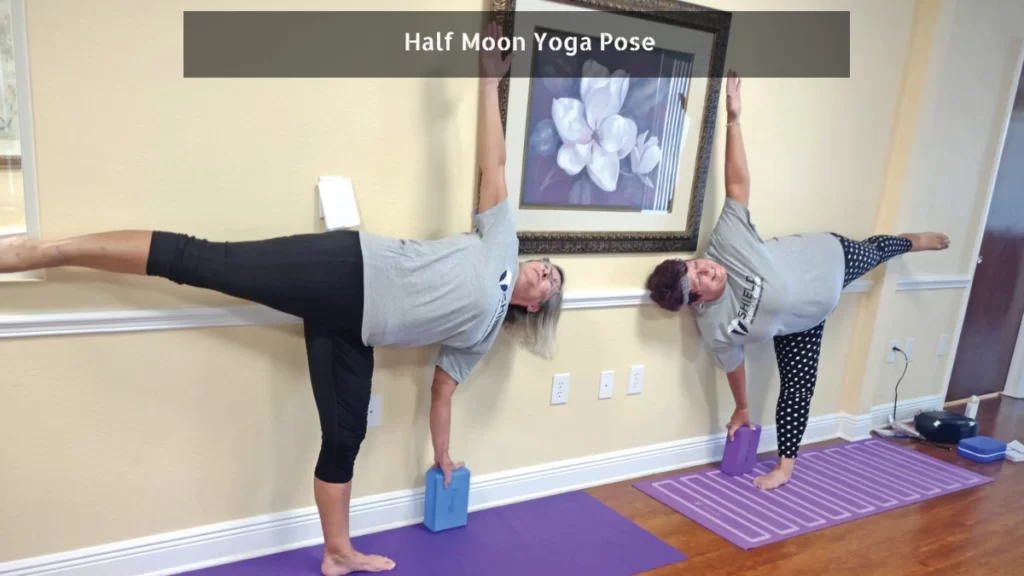
4 Half Moon Yoga Pose Steps

Like all poses, a half-moon yoga pose also has some precautions that must be considered before attempting it out at home.

Technique To Practice This Asana

Standing upright with your feet together, start by making an arch with your back and trying to touch your hands to your ankles. 

You mustn’t bend backward; instead, try and balance on your heels while maintaining a straight back.

Beginners can hold onto a chair if they feel they are losing their balance. The half-moon pose should be practiced at least three times a week, with each session lasting for about five minutes.

4 Half Moon Yoga Pose Steps

A half-moon yoga pose is a challenging but rewarding balancing posture. The best part is that it can be adapted to work your whole body and stretch every muscle.
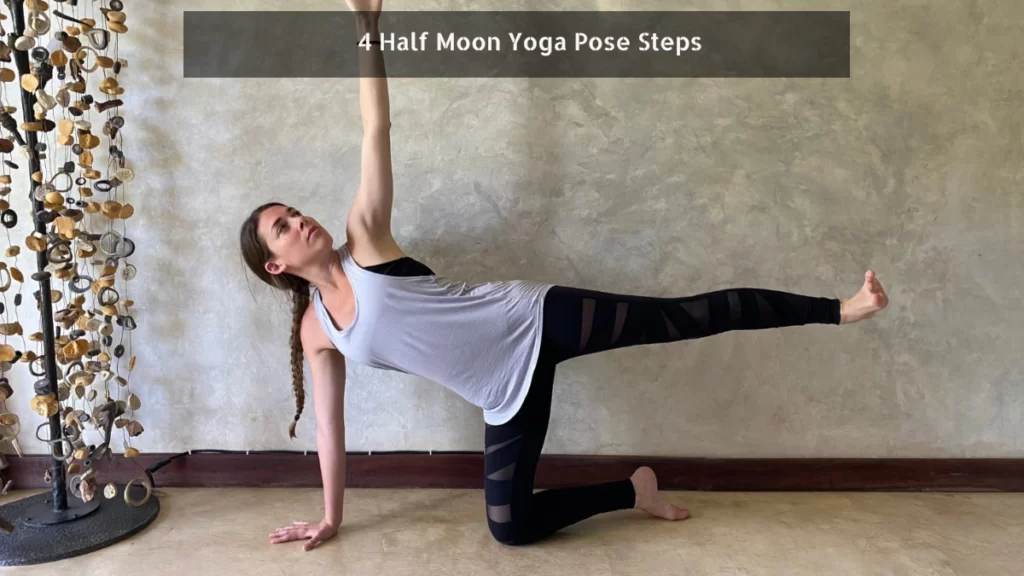
4 Half Moon Yoga Pose Steps
  1. To do a half-moon yoga pose, stand with your feet together and step one foot out 90 degrees to create a right angle.
  2. As you inhale, slowly lift one arm above your head at ear level and take the other arm below to touch the ground to open up your chest.
  3. Inhale again as you bend forward and exhale as you straighten back up.
  4. While keeping your elbows straight, use your core muscles to bend yourself forward.

5 Half moon yoga pose benefits

The Half-Moon yoga pose, or Ardha Chandrasana yoga, provides several beneficial physical and mental health benefits. Below are the top five health benefits of this pose.

5 Half moon yoga pose benefits

These benefits will aid you in keeping your body healthy as well as maintaining a positive state of mind.

1. Strengthens Ankles and Legs

As you hold yourself in position while pressing down into your feet and lifting your thighs up, the backs of your calves will get a terrific workout.

This is an ideal pose for runners or people who lead very active lifestyles because it strengthens one’s ankles and legs.

If practiced consistently, it may also help relieve pain in one’s knees and joints. In addition, it can improve balance by strengthening muscles that have been weakened through repetitive motion.

2. Stretches Chest

If you’re searching for the simplest way to stretch your chest, try Ardha Chandrasana. It will help open up your upper body and provide a full range of motion to ensure all your shoulder joints are moving properly.

After spending long hours at work or driving, it can also be an effective remedy for tight chest muscles. It stretches both sides of your body at once.

So if you tend to spend too much time in a hunched position, it can help counteract that posture. Many yogis recommend practicing Ardha Chandrasana before bedtime as well because it allows for deeper breathing and helps release tension from our bodies during sleep.

3. Improves Focus and Balance

The half moon pose, also known as Ardha Chandrasana, improves balance and core strength. It challenges balance by requiring you to hold yourself steady on one leg while reaching up with one arm. It also builds total-body strength by requiring you to lift your extended leg and hold that leg high.

4. Improves Hip Mobility

One pose explicitly designed to give your hips a better range of motion is the Ardha Chandrasana (Half Moon) yoga pose. The half-moon pose is a hip opener. This means that in addition to stretching your hamstrings, you will also be stretching and lengthening your hips.

The half-moon also targets muscle imbalances in your body’s core and helps you get a deep stretch in your hamstrings. All that combined equals enhanced hip mobility and better athletic performance and posture.

Be careful and avoid overdoing it, though; too much stretching can lead to injury if done improperly.

5. Increases Core Strength

When done properly, a half-moon pose (Ardha chandrasana) is a great way to build strength in your back and core muscles. In addition to increasing overall strength, practicing a half moon pose can help improve your posture by strengthening muscles in your neck and upper back.

And as anyone who’s ever experienced lower back pain knows, having strong core muscles that support proper posture will help prevent future discomfort or injury.

In general, standing poses improve core strength. Because of its position, half moon pose is no exception.

For an added challenge, try holding the half moon pose with a straight back (rather than rounding forward at your belly), which will not only help you work on building up your core strength but also help improve posture while you’re at it.

Over time, with practice, you can build up to hold it for more extended periods without losing proper form.

Precautions While Practicing This Asana

Ardha Chandrasana’s pose should be performed under proper guidance and supervision. Those who are suffering from back pain, spinal injury, hernia, or osteoporosis should not perform this asana.

It is also recommended to avoid Ardha Chandrasana yoga poses in case you suffer from hypertension or irregular heartbeat condition. Since it is a balancing asana, it can induce dizziness in some people, and hence, caution is required to avoid any accident.

Advantages of Ardha Chandrasana

Half moon pose is good for full-body stretching and relieving stress. It also helps you to get rid of constipation and indigestion problems. You can add some variations to the half moon pose to increase its intensity level.

If your balance is strong, you can try advanced yoga asanas like Matsyasana (fish pose), Urdhva Dhanurasana (upward bow), and Natarajasana (Lord Shiva’s dance pose). Ardha chandrasanas strengthen muscles around the hips, knees, ankles, and wrists.

Half moon yoga poses for beginners

Half Moon Pose, or Ardha Chandrasana, is a fantastic yoga pose for beginners looking to improve balance and flexibility. In this asana, you’ll stand on one leg, extending the other out to the side while keeping your hand on the floor. It may seem challenging, but with practice, it becomes accessible.

Half moon yoga poses for beginners
Half-moon yoga poses for beginners

Half Moon Pose offers a great stretch for the legs, hamstrings, and groins while building strength in the core and legs. It’s all about finding your balance and taking the time to explore your body’s capabilities. Don’t be discouraged by wobbling; it’s all part of the journey in yoga, and it gets better with time.

Half moon yoga pose steps


The Half Moon Pose, or Ardha Chandrasana, is a beautiful yoga asana that combines strength, balance, and flexibility. To perform this pose gracefully, follow these steps:

1. Start in Triangle Pose: Begin in the Triangle Pose, with your right foot forward and your left foot turned out at a 45-degree angle. Keep your legs straight and your arms extended, forming a straight line from your right hand to your left.

2. Shift Your Weight: Begin shifting your weight to the right foot. Engage your core and start to lift your left leg off the mat while simultaneously extending your left arm toward the sky.

3. Find Your Balance: As your left leg rises, flex your left foot and stack your hips, creating a straight line from head to heel. Maintain your gaze on your right hand or lift your head to look at your left thumb.

4. Extend Your Reach: Reach your left arm toward the sky, creating a long line of energy from your right hand through your body to your left fingers.

5. Breathe and Hold: Stay in this balanced position for a few breaths, feeling the stretch in your sides, groin, and legs. Keep your core engaged and your breath steady.

6. Return to Triangle Pose: To exit, slowly lower your left leg and return to the Triangle Pose. Repeat on the other side.

The Half Moon Pose is not just physically beneficial but also mentally calming, as it requires focus and balance. As with any yoga practice, take your time, breathe deeply, and enjoy the journey as you work on mastering this graceful pose.

How Can It Help You?

Ardha chandrasana pose strengthens your arms, shoulder, chest, and back muscles. This can greatly benefit anyone who sits at a desk for long periods or suffers from chronic back pain.

Half moon yoga pose also helps open up your hips and stretch out any tension in your hamstrings. Try adding it to your routine for more strength and flexibility!

How Much Long Does It Take To See Results?

All yoga poses, including Ardha Chandrasana, will benefit you in some way. But as with anything worthwhile, it can take time to see and feel results. And that’s a good thing! With patience and regular practice, you’ll slowly start to notice an improvement in your balance, flexibility, and muscle tone.

For best results, aim for 3-5 days a week and listen to your body. It may take time for your muscles to get used to new movements, so never push yourself too hard or too fast.

Taking things slow is always a good idea when getting started with yoga.

FAQs

Q.1. What is Half Moon Pose good for?

Ans. The half-moon yoga pose provides a range of benefits that include muscle strengthening, stress relief, and increased flexibility. It’s also an incredible way to stretch your back and shoulders while simultaneously improving your core strength. This pose stretches both sides of your body at once, which is why it’s so effective for relieving tension.

Q.2. Is Half Moon just a hip opener?

Ans. While it does involve a lot of hip flexion and extension, Ardha chandrasana is considered more than a hip opener because it opens up your entire body, not just your hips.

This pose stretches your hamstrings and increases blood flow to your pelvis, improving energy and circulation throughout the area. You’ll notice improved flexibility in general after practicing Ardha chandrasana regularly.

Q.3. Who should not do Ardha Chandrasana?

Ans. If you have knee or shoulder injuries, avoid Ardha Chandrasana. If you have back pain or a low blood pressure history, practice Ardha Chandrasana only under the supervision of an experienced yoga teacher.


10 Best At-Home Exercises To Relieve Lower Back Pain!

0

Lower back pain can be debilitating, but targeted exercises can bring relief. Soft-tissue injuries are a major cause, and while seeking professional help is crucial for severe cases,  these at-home exercises can be great for mild to moderate pain relief and improving back strength. Always consult a doctor before starting a new exercise program, especially if your pain is severe or persistent.

TOP 10 HOME EXERCISES FOR LOWER BACK PAIN

COMMON REASONS FOR LOWER BACK PAIN ARE:

  • Unexpected actions that place too much stress on the lower back, such as a fall.
  • Bad posture over time.
  • Sports injuries, particularly in sports, include twisting or great forces of impact.
  • Lifting a massive object or rotating the spine during the lifts.

TOP 10 HOME EXERCISES FOR LOWER BACK PAIN

These exercises not only help to relieve your lower back pain but also strengthen your lower back muscles.

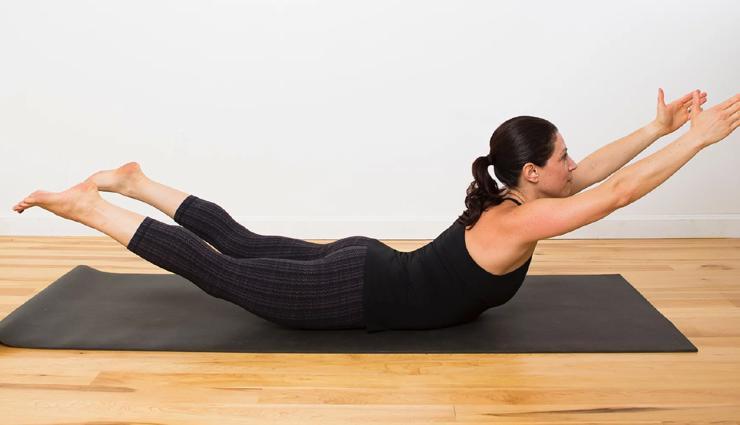
1. SUPERMANS

superman exercise for lower back pain
SUPERMANS

Powerful back extensors to maintain good posture. These muscles run simultaneously on either side of the spine.

Inadequate back extensors can weaken spinal and pelvic support.

HOW TO PERFORM SUPERMANS:

  1. Lie face down on the ground and stretch both arms out in the face of the body, holding the legs stretched out, and collapse on the ground.
  2. Raise both the hands and feet, pointing to create a gap of about 6 inches between them and the floor.
  3. Attempt to pull in the belly button, raising it off the floor to contract the core muscles.
  4. Hold the head straight and look at the floor to withdraw neck injury.
  5. Stretch the hands and feet outside as far as feasible.
  6. Maintain the posture for 2 seconds and return to the initial position.

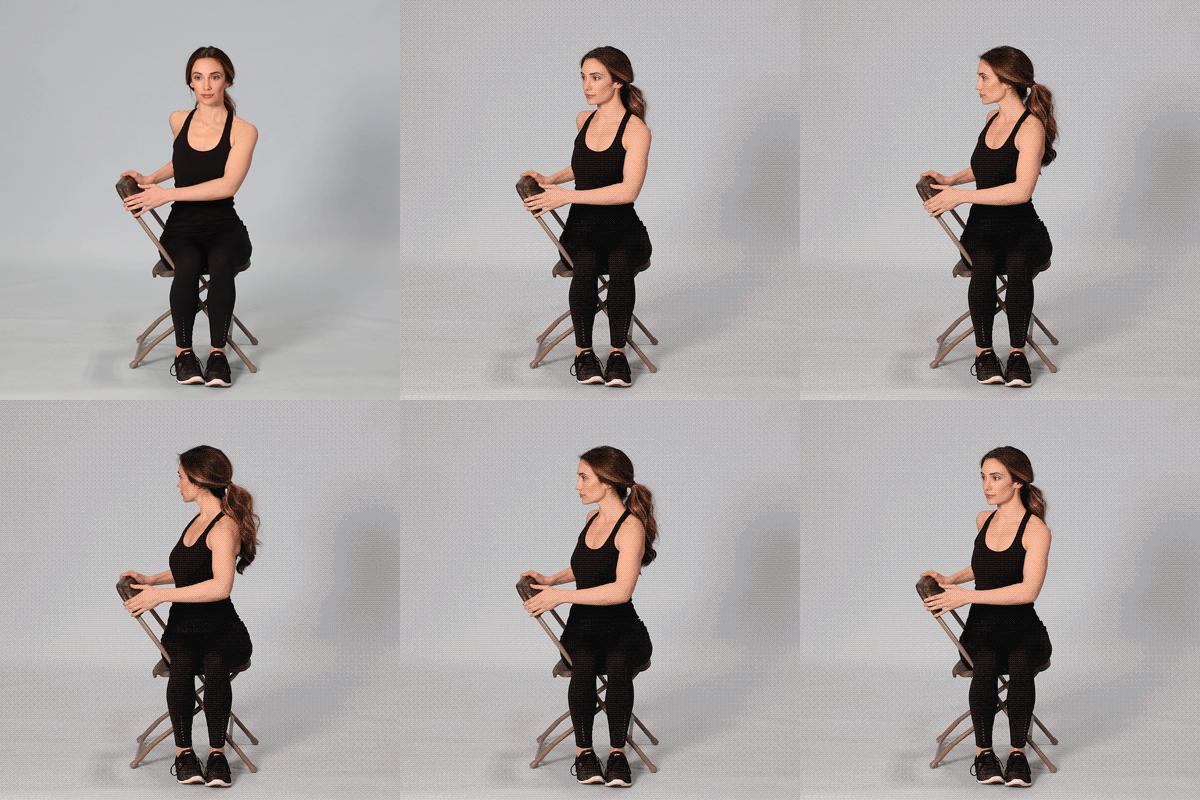
2. SEATED LOWER BACK ROTATIONAL STRETCHES

seated lower back rotational stretches for lower back pain
SEATED LOWER BACK ROTATIONAL STRETCHES

It helps relieve lower back pain, works the abdominal muscles, and enhances the lower back muscles.

HOW TO PERFORM SEATED LOWER BACK ROTATIONAL STRETCHES:

  1. Remain on a stool or bench without arms, following the feet flat on the ground.
  2. Spin at the core to the right, maintaining the hips square and the spine high.
  3. Locate the hands back to the head or set the left hand on the right knee to assist the stretch.
  4. Maintain the posture for 10 seconds.
  5. Revolve the exercise on the left-hand side.
  6. Reform on each side 3–5 times doubles a day.

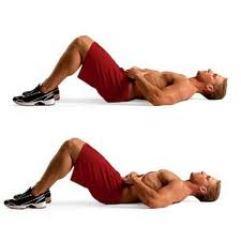
3. PARTIAL CURLS

partial curls for lower back pain
PARTIAL CURLS

Solid abdominal muscles play an important role in strengthening the spine and can also help keep the hips accurately arranged.

HOW TO PERFORM PARTIAL CURLS:

  1. Rest back on the ground and twist the knees, having the feet flat and hip-width aside.
  2. Divide the hands across the chest.
  3. Breathe in deeply.
  4. On the breath out, contract the core muscles by pulling in the abdomen.
  5. Smoothly raise the head and shoulders 2 inches off the ground while holding the neck in line with the spine.
  6. Hold for 5 seconds, and then pass to the origin position.
  7. Duplicate the exercise 10 times for 3 sets.

4. KNEE TO CHEST STRETCHES

knee to chest stretches
KNEE TO CHEST STRETCHES

This helps relieve pain and tension.

HOW TO PERFORM KNEE-TO-CHEST STRETCHES:

  1. Rest on the back of the ground.
  2. Twist the knees, having both feet flat on the ground.
  3. Apply both hands to draw one knee near the chest.
  4. Hold the knee upon the chest for 5 seconds, holding the core tight and pushing the spine into the floor.
  5. Return to the origin position.
  6. Reform with the opposing leg.
  7. Reform with each leg 2–3 times twice a day.

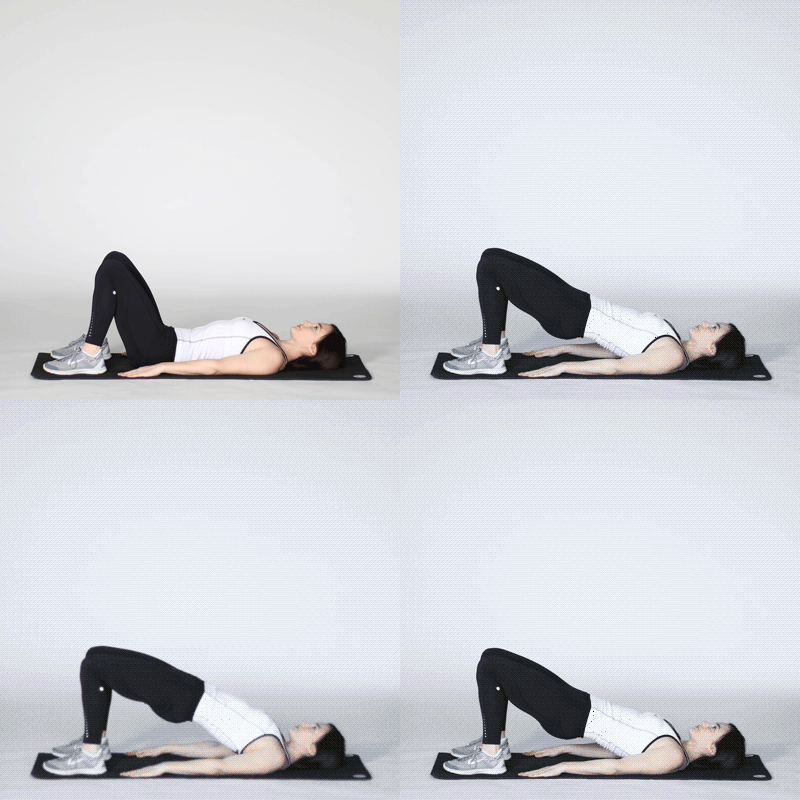
5. BRIDGES

bridge exercise for lower back pain
BRIDGES

The gluteus maximus is one of the several significant muscles in the body, and holding it effectively can help support the lower back. It is also one of the good exercises for lower back pain.

Bridges work the gluteus maximus, the huge muscle of the buttocks. People contract this muscle when they move their hips, especially when they twist into a squat.

HOW TO PERFORM BRIDGES:

  1. Rest on the ground and turn the knees, putting the feet flat on the floor, hip-width aside.
  2. Push the feet into the floor, holding the arms by the sides.
  3. Lift the hips off the ground till the body forms a straight line from the shoulders to the knees.
  4. Compress the buttocks with the shoulders resting on the floor.
  5. Drop the buttocks to the area and rest for a few seconds.
  6. Reform 15 times and then rest for 1 minute.
  7. Perform 3 sets of 15 repetitions.

6. DRAW IN MANEUVERS

Draw in maneuvers exercise for back pain
DRAW IN MANEUVERS

This exercise works the transverse abdominis. The transverse abdominis is located on the front and side of the abdomen and helps stabilize the spine and lower back.

HOW TO PERFORM DRAW-IN MANEUVERS:

  1. Rest back on the ground with knees bowed and feet flat, having the arms by the sides.
  2. Inhale deeply.
  3. While exhaling out, draw the belly button to the spine, contracting the abdominal muscles and holding the hips still.
  4. Keep the posture for 5 seconds.
  5. Reform 5 times.

7. PELVIC TILTS

pelvic tilts for lower back pain
PELVIC TILTS

This exercise releases tight back muscles and helps to keep them flexible.

HOW TO PERFORM PELVIC TILTS:

  1. Rest back on the ground with knees bent and feet even, holding the arms by the sides.
  2. Mildly arch the lower back and drive the abdomen out.
  3. Hold for 5 seconds, then ease.
  4. Even the back and draw the belly button in approaching the ground.
  5. Hold for 5 seconds, then rest.
  6. Expand the number of repetitions daily, increasing up to 30.

8. LYING LATERAL LEG LIFTS

lying lateral leg lifts for lower back
LYING LATERAL LEG LIFTS

These exercises for lower back pain work the hips abductor muscles, which support the pelvis and help reduce the lower back strain.

HOW TO PERFORM LYING LATERAL LEG LIFTS:

  1. Rest on one side with the legs unitedly.
  2. Hold the lower leg slightly bent.
  3. Pull the belly button into the spine to contract the core muscles.
  4. Lift the top leg around 18 inches, managing it straight and stretched.
  5. Hold the posture for 2 seconds.
  6. Reform 10 times.
  7. Turn onto the opposite side of the body and repeat, raising the other leg.
  8. Complete 3 sets on each side.

9. WALL SITS

wall sit exercise
Wall sit

Try some wall sits as a pause from resting on the couch when it comes to lower back pain.

HOW TO PERFORM WALL SITS:

  1. Stand with your back fronting the wall at a range of around 10 to 12 inches.
  2. Discreetly lean into the wall till your spine is flat upon it.
  3. Glide down the wall gently until your knees are bent slightly. Proceed to drive your lower back into the wall.
  4. Hold this posture for a count of 10, then thoroughly slide back following the wall. Repeat 8 to 12 times.

10. CAT STRETCHES

cat stretches for lower back pain

This helps lengthen the back and ease tension in the muscles by making them stronger.

HOW TO PERFORM CAT STRETCHES:

  1. Go up on the hands and knees with the knees hip-width aside.
  2. Arch the back, drawing the belly button up near the spine.
  3. Gradually ease the muscles and allow the stomach to tilt toward the floor.
  4. Retreat to the origin position.
  5. Reform 3–5 times twice a day.

WARM-UP AND COOL-DOWN

  • Before your workout, perform gentle stretches like cat-cow pose and knee-to-chest stretches.
  • After your workout, repeat these stretches to help your muscles relax.

FREQUENCY

  • Aim to perform these exercises 3-4 times a week. On days you’re not doing this routine, stay active by walking or doing other gentle exercises.

LISTEN TO YOUR BODY

  • If any exercise causes pain, stop immediately. Rest and consult a doctor or physical therapist if the pain persists.

THINGS TO AVOID WHEN YOU HAVE A LOWER BACK PAIN:

~ STOP AVOIDING EXERCISES

Exercise for your back is shown to be advantageous for most low back pain. It helps keep your core muscles strong and your back muscles flexible.

~ STOP SEARCHING FOR A CURE

Wasting money on decorative computerized traction devices all sound effects, although the proof shows that many of these miracle cures are not helpful.

~ STOP LIFTING HEAVY THINGS

One of the prime causes of low back pain is constant heavy lifting. This tears your back muscles and causes pain in your lower back.

~ STOP CONSTANT BENDING

Bending ahead a lot can cause prolonged tension on the discs in the back, which can lead to muscle aches and pains.

~ STOP SMOKING

Remarkable studies show that smoking can also enhance your chance of experiencing lower back pain.

CONCLUSION

Consistent practice of these at-home exercises may help alleviate and prevent lower back pain. Remember, proper form is key. If you’re unsure of anything, consider working with a physical therapist for personalized guidance.

Disclaimer: The information in this article is for informational purposes only and should not be taken as medical advice. Always consult with a doctor or physical therapist before starting any new exercise routine, especially if you have any injuries or health conditions.

Exploring Mediterranean Diet: Health Benefits & Meal Plans

0

Are you longing for a heart-healthy diet plan to help you lose weight, too? Then, the Mediterranean Diet (a plant-based healthy-eating diet) is worth trying. It ensures good heart health and healthy weight loss and keeps your body fit and active. Diet first began to gain interest in people in the 1950s.

Mediterranean Diet
Mediterranean Diet

Exploring the Origins

The term “Mediterranean Diet” originated from the eating habits or diets of the Mediterranean people, who reside in nations bordering the Mediterranean Sea, such as Italy, France, Spain, Greece, etc.

4 Key Components of the Diet

The Mediterranean diet is based on the traditional cuisines of these countries and primarily comprises plant-related products: whole grains, vegetables, fruits, seeds, spices, legumes, nuts, herbs, etc. Olive oil, a healthy fat, is the primary source of added fat.

1. Balanced Inclusion:

Moderate consumption of fish, dairy, poultry products, wine, and seafood is encouraged, while red meats and sweets are considered occasional treats.

2. Understanding Moderation:

Alcohol consumption is moderate as these individuals prioritize overall health over unrestrained indulgence.

3. The Healthy Fat Perspective:

The Mediterranean diet supports indulging in healthy fats while curbing the unhealthy ones. Olive oil, a key component, helps lower bad cholesterol levels.

4. Rich in Omega-3:

The diet includes nuts, seeds, and fatty fish rich in omega-3 fatty acids, which are beneficial for heart health and reduce the risk of various health issues.

5 Benefits of the Mediterranean Diet

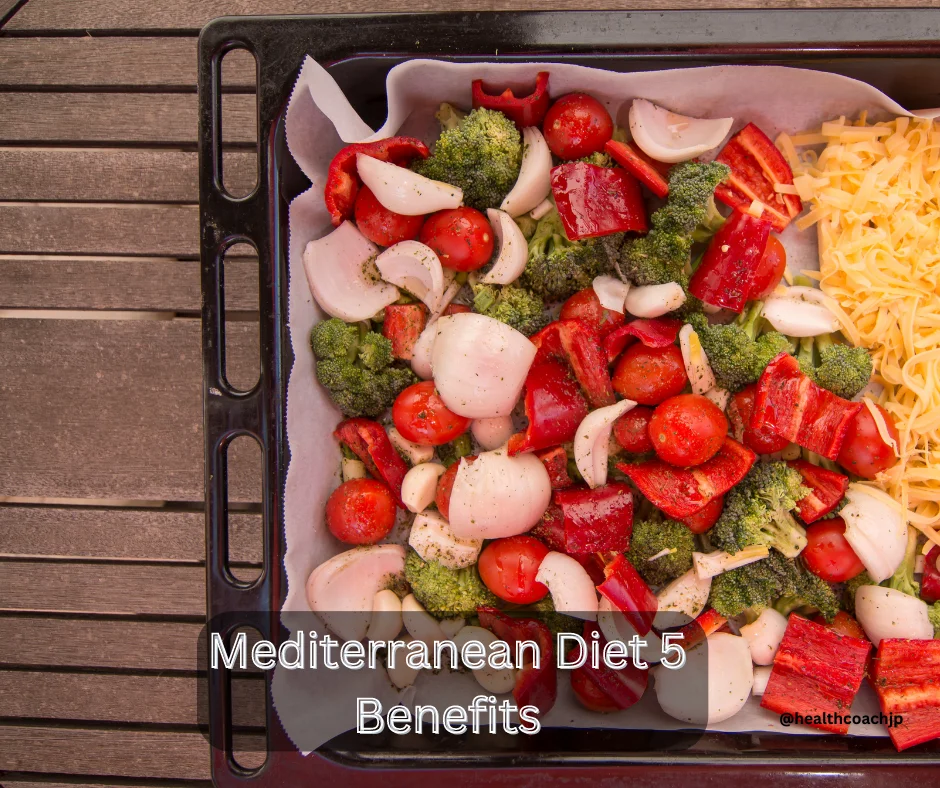
Mediterranean-Diet-5-Benefits
  1. Improves Heart Health:
    • Slows plaque buildup in arteries, reducing the risk of heart ailments.
    • Lowers diastolic and systolic blood pressure levels.
  2. Enhances Brain Function:
  3. Stabilizes Blood Sugar:
    • Helps in stabilizing blood sugar levels and preventing Type 2 diabetes.
    • Reduces fasting blood sugar and insulin resistance.
  4. Aids in Weight Loss:
    • Offers weight loss benefits with twice the chance of losing weight compared to other diets.
  5. Improves Sleep Quality:
    • Enhances sleep quality in older adults, contributing to overall well-being.

Avoiding Detrimental Foods

While on the Mediterranean diet, it’s essential to avoid or limit intake of:

  • Red meats
  • Processed foods with trans fats
  • Foods with added sugars
  • Ultra-processed foods
  • Refined grains or white flour-based foods

7-Day Mediterranean Diet Meal Plan

Day 1:

  • Breakfast: Vegetable frittata and avocado spread over whole-grain toast.
  • Lunch: Whole-grain pita bread with hummus and a green salad with salmon.
  • Dinner: Spicy lentil spinach soup.

Day 2:

  • Breakfast: Greek Yogurt parfait with nuts, seeds, and fresh berries.
  • Lunch: Greek chicken grain bowls with hummus/avocado.
  • Dinner: Baked cod with asparagus and roasted garlic potatoes.

Day 3:

  • Breakfast: Steel-cut/rolled oats with almonds/almond butter and fresh fruits.
  • Lunch: Mediterranean Chickpeas with Farro salad.
  • Dinner: Mediterranean shrimp with whole-wheat pasta.

Day 4:

  • Breakfast: Shakshuka with a green salad.
  • Lunch: Grilled shrimp salad with fresh vegetables.
  • Dinner: Roasted chicken with Brussels sprouts and roasted root vegetables.

Day 5:

  • Breakfast: Sweet potato and poached egg.
  • Lunch: Lentil and tuna salad.
  • Dinner: Mediterranean pasta.

Day 6:

  • Breakfast: Chia pudding with fresh berries and almond butter.
  • Lunch: Mediterranean soup with a Greek salad.
  • Dinner: Baked fish with Caprese quinoa salad.

Day 7:

  • Breakfast: Overnight-soaked oats with berries and nut butter.
  • Lunch: Mediterranean Buddha Bowl.
  • Dinner: Balsamic roasted chicken with vegetables.

Conclusion:

To successfully adopt the Mediterranean diet, prioritize vegetables and whole grains, include fish regularly, use olive oil in cooking, indulge in desserts made of fresh fruits, and maintain physical activity. Embrace the Mediterranean diet, savor its flavors, and reap its health benefits.

Frequently Asked Questions (FAQs) about the Mediterranean Diet

Q. Is the Mediterranean Diet suitable for vegetarians or vegans?

Yes, the Mediterranean Diet can be adapted to suit vegetarians or vegans by focusing on plant-based foods such as fruits, vegetables, whole grains, legumes, nuts, and seeds. These individuals can also incorporate plant-based sources of protein like tofu and tempeh.

Q. Can I follow the Mediterranean Diet if I have food allergies or intolerances?

Absolutely! The Mediterranean Diet offers a wide variety of foods, allowing for flexibility to accommodate different dietary restrictions. For example, if you’re allergic to nuts, you can still enjoy the diet by opting for alternative sources of healthy fats such as avocados and olive oil.

Q. Will I lose weight on the Mediterranean Diet?

The Mediterranean Diet has been associated with weight loss due to its emphasis on whole, nutrient-rich foods and healthy fats. Studies have shown that adhering to this diet can lead to sustainable weight loss over time, especially when combined with regular physical activity.

Q. Is it expensive to follow the Mediterranean Diet?

Not necessarily. While some components of the Mediterranean Diet, such as fresh seafood and certain fruits, can be pricey depending on where you live, many staples of the diet, such as beans, legumes, whole grains, and seasonal produce, are affordable and widely available.

Q. Can I eat out while following the Mediterranean Diet?

Yes, you can still enjoy dining out while following the Mediterranean Diet. Look for restaurants that offer Mediterranean-inspired dishes like grilled fish, salads with olive oil-based dressings, and vegetable-rich pasta dishes. You can also make healthier choices by opting for grilled or roasted options over fried foods and choosing dishes with plenty of vegetables.

Delicious Mediterranean Diet Desserts: Healthy Sweet Treats

0

Regarding maintaining a healthy lifestyle, the Mediterranean diet is often hailed as one of the best choices. Renowned for its emphasis on fresh fruits, vegetables, whole grains, and healthy fats, this diet has gained popularity not just for its benefits to overall health but also for its delicious and satisfying meals. But what about dessert? Can you indulge in sweets while following the Mediterranean diet? Absolutely! Let’s dive into the world of Mediterranean diet desserts and discover some delightful options that will satisfy your sweet tooth without compromising your health goals.

Understanding the Mediterranean Diet

Before delving into desserts, let’s take a quick look at what the Mediterranean diet entails. Originating from the traditional dietary patterns of countries bordering the Mediterranean Sea, this diet prioritizes plant-based foods such as fruits, vegetables, whole grains, legumes, and nuts. Fish and seafood are consumed regularly, while poultry, eggs, and dairy products are enjoyed in moderation. Olive oil, a primary source of healthy fats, is a staple in Mediterranean cuisine, along with herbs and spices for flavoring.

Mediterranean Diet
Mediterranean Diet

Mediterranean Diet Desserts

In Mediterranean cultures, desserts are often enjoyed in moderation and are made with wholesome ingredients. Instead of relying on refined sugars and processed ingredients, Mediterranean diet desserts typically feature natural sweeteners such as honey, dates, and fresh fruits. These desserts highlight the vibrant flavors of the Mediterranean region while providing a guilt-free indulgence.

Mediterranean Diet Desserts

1. Fresh Fruit Salad with Honey-Lime Dressing

One of the simplest yet most refreshing desserts in the Mediterranean diet repertoire is a fresh fruit salad drizzled with a honey-lime dressing. Choose a variety of seasonal fruits such as berries, melons, citrus fruits, and stone fruits. Toss them together in a bowl and drizzle with a mixture of honey, lime juice, and a hint of mint for added freshness. This dessert is not only bursting with flavor but also packed with vitamins, minerals, and antioxidants.

2. Greek Yogurt Parfait with Nuts and Honey

Greek yogurt is a staple in the Mediterranean diet, prized for its creamy texture and high protein content. To create a satisfying dessert, layer Greek yogurt with chopped nuts, such as almonds or walnuts, and a drizzle of honey. The combination of creamy yogurt, crunchy nuts, and sweet honey offers a delightful contrast of textures and flavors. Plus, it’s rich in protein and healthy fats, making it a nourishing option for dessert or even breakfast.

3. Baked Fruit with Cinnamon and Almonds

For a warm and comforting dessert that celebrates the natural sweetness of fruit, try baking your favorite fruits with a sprinkle of cinnamon and a handful of almonds. Apples, pears, peaches, and plums work well for this recipe. Simply slice the fruit, arrange it in a baking dish, sprinkle with cinnamon, and top with chopped almonds. Bake until the fruit is tender and fragrant, then serve warm with a dollop of Greek yogurt or a drizzle of honey for added decadence.

4. Olive Oil Cake with Citrus Zest

Olive oil is a cornerstone of the Mediterranean diet, prized for its heart-healthy properties and rich flavor. In Mediterranean baking, olive oil often replaces butter, resulting in moist and flavorful cakes. A classic olive oil cake infused with citrus zest is a perfect ending to any Mediterranean meal. Made with olive oil, eggs, flour, sugar, and citrus zest, this cake is light, fragrant, and not overly sweet. Serve it with a dusting of powdered sugar and a garnish of fresh fruit for an elegant dessert that’s sure to impress.

5. Honey-Sweetened Baklava

Baklava, a beloved dessert in Mediterranean and Middle Eastern cuisines, is traditionally made with layers of phyllo dough, chopped nuts, and syrup or honey. To make a healthier version that aligns with the Mediterranean diet, opt for a recipe that uses less sugar and relies on honey as the primary sweetener. The crispy layers of phyllo dough, crunchy nuts, and fragrant honey create a dessert that’s both indulgent and satisfying, perfect for special occasions or as a treat to enjoy with family and friends.

Conclusion

In conclusion, following the Mediterranean diet doesn’t mean depriving yourself of sweet treats. By embracing wholesome ingredients and traditional flavors, you can enjoy a variety of delicious desserts that are both satisfying and nourishing. From fresh fruit salads to olive oil cakes, Mediterranean diet desserts offer a healthier alternative to traditional sweets while still satisfying your cravings. So go ahead, indulge in a guilt-free dessert, and savor the flavors of the Mediterranean. Your taste buds and your health will thank you!

Frequently Asked Questions (FAQs) about Mediterranean diet desserts

Q. Are Mediterranean diet desserts healthy?

Yes, Mediterranean diet desserts are generally healthier than traditional sweets because they focus on using natural sweeteners like honey, fruits, and nuts instead of refined sugars. They also incorporate ingredients like olive oil, which is a heart-healthy fat.

Q. Can I still enjoy desserts while following the Mediterranean diet?

Absolutely! The Mediterranean diet encourages moderation and emphasizes the consumption of whole, minimally processed foods. You can still enjoy desserts, but it’s important to choose options that align with the principles of the diet, such as those made with wholesome ingredients and limited added sugars.

Q. What are some common ingredients used in Mediterranean diet desserts?

Common ingredients in Mediterranean diet desserts include fresh fruits like berries, citrus fruits, and stone fruits, as well as natural sweeteners such as honey and dates. Nuts, yogurt, olive oil, and whole grains are also frequently used to create delicious and nutritious desserts.

Q. Are Mediterranean diet desserts suitable for people with dietary restrictions?

Many Mediterranean diet desserts can accommodate various dietary restrictions, such as gluten-free or dairy-free diets. Desserts made with nuts, fruits, and olive oil are naturally gluten-free, while alternatives like coconut yogurt can be used for dairy-free options.

Q. Are there any traditional Mediterranean desserts that are easy to make at home?

Yes, there are plenty of traditional Mediterranean desserts that are simple to prepare at home. Classics like Greek yogurt with honey and nuts, baked fruit with cinnamon, and fruit salads with a citrus dressing require minimal ingredients and effort, making them perfect for homemade treats.

Heart Disease Icd 10 code: What? Work? icd 10 family history

0

Icd 10 is a small battery-powered device that is placed inside your chest to monitor your heart rhythm and detect irregular heartbeats.

Heart Disease Icd 10! Never Underestimate! But why? Is it a serious problem? Let us know in this article in an easy way. We here will know what is heart disease icd 10. How does it work? Who needs? 

What is heart disease icd 10?

Also known as an implantable cardioverter-defibrillator, icd 10 is a small battery-powered device that is placed inside your chest to monitor your heart rhythm and detect irregular heartbeats. It can deliver electric shocks via one or more wires connected to your heart to fix an abnormal heart rhythm.

You will need an ICD 10 if you have an uncontrollably fast heartbeat, also known as ventricular tachycardia, that keeps your heart from supplying enough blood to the rest of your body, or this phenomenon is known as ventricular fibrillation. Ventricles are present in the lower chambers of your heart.

heart disease icd 10

For heart disease icd 10 conditions, there are different problems related like atrial fibrillation and flutter, cardiac arrhythmias, chest pain, heart failure, hypertension, etc.

How does it work for icd 10?

When you have a rapidly fast heartbeat, the wires present in your heart to the device transmit signals to the ICD 10, which then sends electrical pulses to regulate your heartbeat. ICD 10 is programmed for:

1. Low-energy pacing

It may be seen that patients may feel nothing or a painless fluttering in their chest, then the ICD 10 responds to mild disruptions in their heartbeat.

2. A higher-energy shock

For more serious heart rhythm problems, the ICD 10 may deliver a higher-energy shock which can be painful. The pain usually lasts only a second, and there shouldn’t be discomfort after the shock ends.

Usually, only one shock is needed to restore a normal heartbeat but sometimes, you might have two or more shocks during a 24-hour period. The process of having three or more shocks in a short time period is known as an electrical or arrhythmia storm. If you are experiencing an electrical storm, you should seek emergency care to see if your ICD 10 is working properly and check if you are having a problem that’s making your heart beat abnormally.

Who needs an icd 10?

You are a victim of a valvular heart disease icd 10 if you’ve experienced ventricular tachycardia, survived a cardiac arrest, or even fainted from a ventricular arrhythmia. You may also experience an ICD 10 if you have-

  • A history of coronary artery disease and heart attack has led to the weakening of your heart.
  • A heart condition that involves abnormal heart muscle, like enlarged or thickened heart muscle.
  • An inherited heart defect that makes the heartbeat abnormal.
  • Other rare conditions that affect your heart rhythm.

How to prepare for valvular heart disease icd 10?

To determine whether you need a hypertensive heart disease icd 10, your doctor might perform a variety of diagnostic tests which include-

Heart Disease Icd 10

1. Electrocardiography (ECG) 

This test uses sensor pads with wires attached or sometimes electrodes placed on your body to measure your heart’s electrical impulses and then the heart’s beating pattern gives an idea of the defect.

2. Echocardiography

This test uses harmless sound waves that allow the doctor to see the insides of the heart without making cuts. The images show how well your heart is functioning and provide basic information like the size and thickness of your heart muscle.

3. Electrophysiology study (EPS)

In this method, the electrodes are guided through blood vessels to the heart and used to test the functioning of the heart’s electrical system. This can identify whether someone might have developed heart rhythm problems.

4. Event recorder-

Sometimes doctors might ask to wear a pager-sized device that records the activities of the heart for more than 24 hours. Unlike a Holter monitor, it doesn’t operate continuously, rather you have to turn it on when you feel your heart is beating abnormally.

Icd 10 family history of heart disease

If we talk about icd 10 family history of heart disease, Z82.49 is a billable code used to indicate a clinical conclusion of the family background of heart disease. The code is legitimate for the financial year 2021 for the accommodation of HIPAA-covered exchanges. The ICD-10-CM code Z82.49 may likewise be utilized to determine conditions or terms like the family background of an intense clinical problem, icd 10 family history of heart disease. The code is excluded from the present confirmation revealing inpatient admissions to general intense consideration medical clinics.

The code Z82.49 portrays a situation that impacts the patient’s well-being status, but it does not represent a current ailment or injury. This code is unsatisfactory as a chief analysis. Furthermore, it fails to capture the complexities of the patient’s health condition effectively.

Icd 10 code for hypertensive heart disease

According to ICD 10 data, icd 10 codes for hypertensive heart disease are as follows:

  • I11.0 is a billable/explicit ICD-10-CM code that can be utilized to demonstrate an analysis for repayment purposes.
  • The 2021 release of ICD-10-CM I11.0 got viable on October 1, 2020.
  • This is the American ICD-10-CM rendition of I11.0 – other worldwide adaptations of ICD-10 I11.0 may vary.
icd 10 code for hypertensive heart disease

It is applicable to hypertensive heart disease icd 10. Mainly icd 10 code is used to identify heart failure type. Below are the icd 10 codes for hypertensive heart disease code history:

  • 2016 (effective 10- January 2015): New code (first year of non-draft ICD-10-CM)
  • 2017 (effective 10 January 2016): No change
  • 2018 (effective 10 January 2017): No change
  • 2019 (effective 10 January 2018): No change
  • 2020 (effective 10 January 2019): No change
  • 2021 (effective 10 January 2020): No change

Frequently Asked Questions (FAQs)

Q. What is ICD-10?

Ans. ICD-10 is the International Classification of Diseases, Tenth Revision, which is a standardized system of diagnosis codes used to classify and code medical conditions and procedures.

Q. What is the ICD-10 code for heart disease?

Ans. The ICD-10 code for heart disease is I00-I99, which includes a wide range of cardiovascular conditions such as heart attack, angina, arrhythmias, and heart failure.

Q. How are ICD-10 codes used in heart disease diagnosis and treatment?

Ans. Healthcare providers use ICD-10 codes to document and communicate the diagnosis of heart disease to insurance companies and other healthcare organizations. This information is used to ensure proper billing and reimbursement for medical services and to track the prevalence and incidence of heart disease in populations.

Q. What are some common heart disease ICD-10 codes?

Ans. Some common heart disease ICD-10 codes include:
I20.0: Unstable angina
I21.4: Non-ST elevation myocardial infarction
I50.9: Heart failure, unspecified
I63.9: Cerebral infarction, unspecified
I70.9: Atherosclerosis, unspecified

Q. Can ICD-10 codes be used for research on heart disease?

Ans. Yes, ICD-10 codes are often used in research to track the prevalence and incidence of heart disease in populations and to study the effectiveness of different treatments and interventions for heart disease.

Q. How often are ICD-10 codes updated?

Ans. ICD-10 codes are updated periodically to reflect changes in medical knowledge and advances in medical technology and treatment. The World Health Organization, which oversees the development of the ICD system, typically releases updates every few years.

Ischemic Heart Disease: Causes, Symptoms, and Treatment

0

Ischemic heart disease is one such disease that happens because of high cholesterol levels in the blood. This affects the functioning of the heart as it creates problems in the pumping of blood. We will see it in detail here. 

ischemic heart disease – all you need to know!… Regular exercise can do wonders for your heart as it decreases the amount of bad cholesterol in your blood and keeps your heart fit for functioning. Keeping yourself away from smoking can also contribute a lot to it. Since people who smoke have a high risk of their heart.

Heart disease is one of the most common and most ignored subjects of a patient’s life. It is taken lightly as it is supposed to be very common in high-age groups. But this is one of the most dangerous diseases as it is life-threatening at times. It is advised to take all your heart seriously; otherwise, your body will have to pay for it. 

The first step in keeping your heart healthy is to eat healthily. What you eat is what goes into your blood. And hence, that is what affects your heart. The levels of cholesterol if not controlled, can contribute to damaging your heart. 

What is ischemic heart disease?

Ischemic heart disease is one such disease that happens because of high cholesterol levels in the blood. This affects the functioning of the heart as it creates problems in the pumping of blood. We will see it in detail here. 

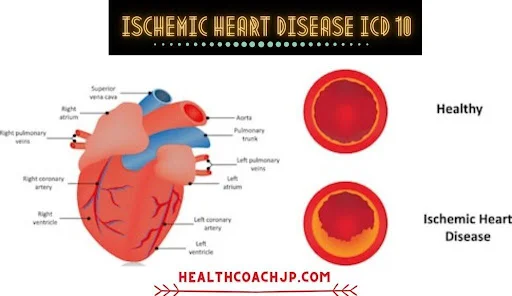
Ischemic heart disease is also called coronary heart disease, as it happens because of full or partial blockage of the coronary arteries. These arteries are responsible for taking blood from the heart to the body. When the functioning of these arteries is altered, the blood doesn’t get pumped properly into the body and into the heart, so the heart doesn’t get enough oxygen for functioning, and overall, the complete system fails. The coronary arteries can be blocked partially or completely, depending upon the severity of the illness in the blood of the patient. 

ischemic heart disease icd 10

Also. It’s not always necessary that you would develop symptoms before being attacked by some heart disease. Sometimes, you will not even get to know and your blood pressure will become so high that it would bring your life in danger. 

What is the cause of Ischemic heart disease?

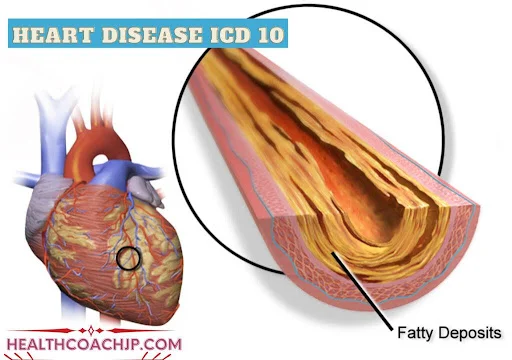
The main cause of Ischemic heart disease is the high levels of cholesterol in the blood. When the cholesterol levels are very high, these cholesterol particles stick to the sides of the arteries hence narrowing them down. The narrowing down of arteries can cause high blood pressure and hence, severe heart diseases. Sometimes, the cholesterol particles accumulate so much on the sides that it blocks the arteries completely and there is no space for the blood to flow through. This can lead to a heart attack or stroke. 

What are the symptoms of Ischemic heart disease?

Some of the symptoms of Ischemic heart disease are severe chest pain or discomfort. This happens when one part of the heart doesn’t receive enough blood. You may encounter it after heavy running or exertion. These are the times when the heart needs to pump fast, but cannot!

It’s very important to keep your heart in shape and healthy. It may seem like a big task but it’s not. It’s basically a combination of very small tasks which you need to take care of, regularly. Since eating habits and the living style affect your heart health, our main concern should be a healthy diet and a good lifestyle. High blood pressure may cause your arteries to shrink and stop the flow of blood. So, if you smoke, stop it right away.

5 Treatment Options for Ischemic Heart Disease

Ischemic heart disease is a condition that develops when the arteries supplying blood to the heart become narrow or blocked, reducing the amount of oxygen and nutrients reaching the heart muscle. Treatment for ischemic heart disease focuses on improving blood flow to the heart, managing symptoms, and preventing complications.

Here are some of the treatment options available for ischemic heart disease:

1. Lifestyle changes:

Making lifestyle changes such as quitting smoking, exercising regularly, maintaining a healthy weight, and eating a balanced diet can help reduce the risk of developing ischemic heart disease and manage its symptoms.

2. Medications:

Various medications are available to treat ischemic heart disease, including antiplatelet drugs, anticoagulants, beta-blockers, calcium channel blockers, and nitroglycerin. These medications can help improve blood flow to the heart, reduce blood pressure, and relieve chest pain.

3. Angioplasty and stenting:

Angioplasty is a minimally invasive procedure that involves inflating a small balloon inside a narrowed or blocked artery to widen it and improve blood flow. In some cases, a stent (a small metal mesh tube) may be inserted to keep the artery open.

4. Coronary artery bypass surgery:

This surgical procedure involves creating a new route for blood to flow around a blocked or narrowed artery by using a blood vessel from another part of the body.

5. Lifestyle interventions:

Cardiac rehabilitation programs can help people with ischemic heart disease make lifestyle changes, manage their symptoms, and improve their overall health. These programs typically include exercise training, nutrition counseling, and stress management techniques.

The appropriate treatment for ischemic heart disease depends on the severity and underlying causes of the condition. Your doctor will work with you to develop a treatment plan tailored to your specific needs and medical history. It is important to follow your treatment plan closely and make any necessary lifestyle changes to manage your condition effectively and prevent complications.

Frequently Asked Questions (FAQs) about Ischemic Heart Disease

Q: What is ischemic heart disease?

Ans: Ischemic heart disease is when the arteries supplying blood to the heart muscle become narrowed or blocked, reducing blood flow and oxygen to the heart.

Q: What causes ischemic heart disease?

Ans: Ischemic heart disease is usually caused by a buildup of plaque (cholesterol and other substances) inside the arteries, which leads to narrowing and blockages.

Q: What are the symptoms of ischemic heart disease?

Ans: The symptoms of ischemic heart disease can include chest pain or discomfort, shortness of breath, fatigue, weakness, lightheadedness, and a rapid or irregular heartbeat.

Q: How is ischemic heart disease diagnosed?

Ans: Ischemic heart disease can be diagnosed using a variety of tests, including electrocardiograms (ECGs), stress tests, echocardiograms, angiograms, and CT scans.

Q: Can ischemic heart disease be prevented?

Ans: Yes, there are several ways to reduce the risk of developing ischemic heart disease, including quitting smoking, maintaining a healthy weight, exercising regularly, eating a balanced diet, and managing other health conditions such as high blood pressure and diabetes.

Q: How is ischemic heart disease treated?

Ans: Treatment for ischemic heart disease depends on the severity and underlying causes of the condition. Treatment options may include lifestyle changes, medications, angioplasty and stenting, coronary artery bypass surgery, and cardiac rehabilitation programs.

Q: What are the complications of ischemic heart disease?

Ans: Ischemic heart disease can lead to serious complications such as heart attack, heart failure, arrhythmias, and sudden cardiac arrest. It is important to manage the condition effectively to prevent complications.

Keeping your heart healthy is a basic need for keeping yourself healthy. So, stay tuned with us and we will keep you updated about all that you need to know.

Restorative Yoga: What is it? Who Invented? 5 Benefits

0

If you’re not fully aware of restorative yoga, you may have wondered who invented restorative yoga and what is restorative yoga. Restorative yoga focuses on relaxation and giving your body the time it needs to heal from strenuous activity or stress.

Poses are held for extended periods to facilitate deep relaxation and improve flexibility with this type of yoga. To learn more about restorative yoga, read on!

What is Restorative Yoga and its Definition?

What is Restorative Yoga

There are several types of yoga—i.e., Hatha, Power, Ashtanga—but restorative yoga might be one of your favorites if you’re looking for a style that helps your body relax and improves your flexibility.

During restorative yoga poses, we don’t typically hold our breath or engage in traditional power positions but instead hold poses (called rests) in order to stretch our muscles and joints while allowing ourselves to decompress mentally.

When you practice restorative yoga, a skilled instructor will help guide you through these longer-than-average stretches using props like blocks, bolsters, straps, and blankets to deepen each pose safely.

In the next section, you will learn who invented restorative yoga and why.

Who Invented Restorative Yoga?

Who Invented Restorative Yoga Poses

A question arises Who Invented Restorative Yoga Poses? It was the teachings of B.K.S. Iyengar when his disciple Judith Lasater introduced restorative yoga to the world in the 1970s. The aim behind the invention of restorative yoga was to develop a yoga that requires no pain and strain.

How is Restorative Yoga Different From Yin Yoga?

Let’s take a closer look at restorative yoga. People often confuse it with Yin yoga. However, restorative yoga and Yin yoga are very different from each other, although they both incorporate many of the same techniques.

The primary difference between both types of yoga is that in restorative yoga, you don’t hold poses for long periods; instead, you use props to support your body while you relax into stretches.

As a result, your body will feel more energized after practicing restorative yoga than after practicing Yin yoga.

So if you’re looking for an alternative to slow-paced stretching or meditation that will leave you feeling rejuvenated rather than drained, try out some restorative poses today!

What are the feelings of Restorative Pose?

Many yoga practitioners are familiar with restorative poses—they lie on their backs or stomachs, sink into a supportive prop like a bolster or blanket, close their eyes, and breathe deeply.

But not everyone knows what those resting poses actually do for your body. Here are four facts about how restorative yoga can help improve your mental health:

  • It’s a perfect antidote to stress
  • It promotes relaxation
  • It enables you to sleep better
  • And even if you’re really flexible, it can still be good for you

5 Benefits from Restorative Poses

Restorative yoga, which involves extended periods of stillness and calmness, may be one of the most restful forms of exercise.

It’s great to incorporate into your yoga practice if you have a hard time letting go of stress or are looking to gain more energy throughout the day.

Let’s take a look at some of the many benefits that can come from restorative yoga.

1. Helps You Manage Stress

Because you’re lying down, your body is in a completely different position than inactive yoga poses. Your breathing is relaxed and passive, your blood pressure

is reduced, and it’s easy to close your eyes and just be.

Restorative yoga relaxes you physically, but it also helps you manage stress.

It has even been found to be more effective at reducing insomnia and depression than gentle movement like walking!

2. Calm Your Mind

Most people out there are so busy these days that they often forget to rest. Many also feel it’s a waste of time, but what happens when you don’t take a moment to rest?

You might feel anxious, stressed, and having trouble focusing on anything other than your worries. It’s quite difficult to reach our full potential when we can’t turn off our brains at night.

Fortunately, there is a great way to calm down quickly before heading into bed – try doing some restorative yoga poses while lying down!

These poses are designed specifically for people who want to unwind, relax, and prepare their bodies for sleep.

Each stretch will help you focus on relaxing each part of your body, allowing you to fall asleep easier.

3. Releases Muscle Tension

Muscle tension plays a role in causing stress, anxiety, and headaches, so after spending some time in a restorative yoga pose like Legs up the Wall, you’ll emerge with a calm mind and relaxed body.

You should also notice decreased muscle soreness from working out or from daily wear-and-tear since yoga increases blood flow to muscles.

Yoga can also improve sleep quality and hormone regulation because it eases depression and reduces stress hormones like cortisol.

4. Increase Flexibility

One of yoga’s greatest advantages is its ability to increase flexibility. When performed regularly, practitioners can stretch their muscles and improve their range of motion.

They might experience a more comfortable range of motion in everyday activities like turning their head or bending over to tie their shoes.

It’s also crucial for older people to stay flexible—slower-moving joints mean less mobility and more risk for injury.

Another benefit is that staying flexible will help you reduce pain from arthritis and joint problems like tendonitis, which typically manifests in tight muscles as opposed to inflamed joints themselves.

By increasing flexibility, you can help manage your pain symptoms.

5. Restorative Yoga Boost circulation

When you lie down, gravity helps blood and lymph flow. The gentle poses in restorative yoga help encourage blood flow, so you have brighter eyes and skin and a clearer mind.

That’s just one way that restorative yoga can improve your appearance. It’s also known to help relax facial muscles to reduce wrinkles and fine lines over time.

The idea is that resting in certain poses stretches out muscles more than normal yoga poses do, which may improve their firmness over time.

This is particularly effective for people who regularly work at a computer—the constant forward head posture places pressure on neck muscles, causing them to be less elastic than they otherwise would be if they were relaxed while at rest.

Repeated stretching can reduce these effects by improving muscle tone over time.

Restorative Yoga Poses

A great way to enhance your recovery from a stressful day, these poses restore both body and mind. Restorative yoga can help you feel physically and mentally rejuvenated when practiced regularly.

For some restorative poses like Legs up a Wall or Supported Shoulder stand, props are helpful; others require nothing more than a quiet room and an open mind.

Learn what pose is right for you to take time out each day to practice; who knows, it might just become your favorite activity!

Here is a list of some effective Restorative yoga poses.

Poses NameBenefits
Legs Up The WallRelaxes the whole body and disturbs the mind
Happy Baby PoseRelieve the stress from the spine and groins
Corpse / SavasanaKeep the mind calm and stretch the muscles of the hip and thighs gently
Legs on a chair poseTake off the stress from back and tiring legs
Child’s PoseKeep us relaxed and gently stretch the muscles in the back.
Supported Bridge PoseKeep us relaxed and gently stretches the muscles in the back.
list of some effective Restorative yoga poses

Some Final Thoughts on Restorative Yoga

For many yoga practitioners, lying on a comfortable surface and doing nothing may sound like a waste of time. But that’s not true.

Besides being an excellent way to give your body a rest, there are plenty of health benefits associated with restorative yoga. It can help you get into a deep state of relaxation.

As you breathe deeply, become mindful, and let go of stress, any tension in your muscles will begin to melt away.

In addition to easing stress and anxiety—which is huge in reducing chronic pain—the practice can also strengthen your immune system by increasing your production of antibodies.

This, in turn, helps fight infections and boost immune function over time.

Frequently Asked Questions (FAQs) about Restorative Yoga

Q. What is the definition of restorative yoga?

Ans. Restorative yoga is a kind of yoga that focuses on relaxing your body and stretching it to its maximum range. It’s great for eliminating chronic tension, improving flexibility, reducing pain and stress levels, calming anxiety, and improving sleep.

Q. What is restorative yoga, Judith Lasater?

Ans. The relation between restorative yoga and Judith Lasater is that he was the guy who took restorative yoga teaching from his teacher B.K.S. Iyengar and developed this in the United States in the 1970s.

Q. Is restorative yoga spiritual?

Ans. When you hear about restorative yoga, you might wonder if it’s a religious practice or if you have to be spiritual in some way to do it. Restorative yoga is simply a style of yoga that focuses on relaxing poses and gentle stretches with props such as blankets and blocks. Anyone can do it, regardless of their level of belief or spiritual leanings.

Q. Are yin and restorative yoga the same?

Ans. Many people assume that yin and restorative yoga are the same. However, these practices differ in many ways. For example, a restorative yoga class will use props like blankets and blocks to help you relax your body and support various poses.
In contrast, a yin yoga class uses no props at all and typically focuses on very slow movements to help bring more flexibility to certain parts of your body.
The biggest difference between these two practices is their goal; In contrast, a restorative yoga practice will focus on strengthening the body as a whole, a yin yoga practice is more focused on strengthening deep connective tissues like your joints, fascia, ligaments, and bones.

5 Best Milk for Weight Loss: How it Helps Burn Fat Faster

0

As long as you know how to manage your overall calorie consumption, Milk is a good option for weight loss at any point in time.

Milk is not always about exploding fat content. Sometimes, it is also preferred to obtain a good amount of Nutrition in the body. Apart from consuming Dairy Milk, there are plenty of other varieties that are best for human consumption. Here are a couple of options that you can select as a daily product alternative for weight loss

Which Milk is best for weight loss?

5 Best Milk for Weight Loss:

1. Soya milk

Soya milk is almost the best alternative you can choose after dairy milk. It has plenty of protein and nutritional content that resembles Cow’s Milk. People planning to go vegan or are lactose intolerant can always select soya milk as a high-protein beverage. Bodybuilders who want to lose weight can openly choose soya milk as the best option. It acts as the best Cow’s milk replacement, but it is ideal Milk for human consumption. One can easily manage blood sugar levels and high cholesterol with soya milk extracts. 

2. Oat milk

Oat milk is ideal for obtaining a good amount of fiber. Eating whole oats is undoubtedly more beneficial than oat milk. Somehow, people with slow digestion and improper blood sugar levels can always consume oats soaked in Milk to balance it all. Oat milk is naturally sweet and has plenty of nutrients in it.

Is oat milk good for losing weight?

Oat milk has comparatively higher carbohydrates than the rest of the plant milk varieties. Still, it is a good option for weight loss because it keeps you full for a longer period and naturally reduces bad cholesterol.

3. Hemp milk

 Want to know how hemp milk is prepared? The high-protein seeds of hemp are ground and soaked well to produce the milk variety. Hemp milk contains a whopping amount of magnesium, phosphorus, protein, calcium, carbohydrates, and iron. It is almost carbohydrate-free, and therefore, there is no need for an artificial sweetener to improve its taste. Some companies might add artificial sweeteners to improve the existing flavor.

4. Coconut milk

Prepared from the white part of the coconut, coconut milk is an ideal Dairy alternative and a crucial part of South Indian dishes. Most of the coconut milk comes packed in cartons, and you need to blend some water to prepare it for final consumption. The taste is almost similar to cow’s milk but with less Carbohydrate and more protein content. Canned coconut milk is best for culinary purposes and has a distinctive flavor. Coconut is directly related to some excellent heart benefits. It can be the first choice for people suffering from high cholesterol levels.

5. Almond milk

People always ask if almond milk is good for weight loss. We answer them that it is the best option for losing weight. You can prepare homemade almond milk with just a couple of steps. Just soak Almonds overnight in some water and remove the excess moisture in the morning. Toss the almonds in a Blender jar with some fresh water. You can also add cocoa powder and berries for some additional flavor. It is essential to churn the almonds for at least 1 – 2 minutes in the mixer jar. Squeeze the extract, and your almond milk is ready. You can add the leftover almonds to your regular meals to enhance flavor.

For weight loss best time to drink Milk?

The best time to drink any milk variety is in the morning. Since we remain more active during the early hours of the day, it becomes easy to absorb the Nutrition and burn the present carbohydrates. Even if you are willing to consume regular buffalo or cow milk, the morning would be an ideal time for that.

Is Milk good for weight loss at night?

As long as you know how to manage your overall calorie consumption, Milk is a good option for weight loss at any point in time. Indeed, having a glass full of milk at night would help you get rid of digestive issues. It is also a great meal replacement. Either Cow’sCow’s or buffalo’s Milk would allow you to obtain all the essential nutrients while limiting the number of calories. The only thing you need to make sure of is not to put sugar in it.

Which milk is best for losing weight in India?

Indians can always prefer to have oats or Cow’s Milk as an ideal weight-loss option. Somehow, one must make it a point to avoid consuming meals along with a glass full of Milk. It is said that Milk is an ideal meal replacement option. It is full of Nutrition, carbohydrates, and fat content. Consuming meals along with Milk amounts to a double diet at a single time.

Which is the Best Milk for human consumption?

In general, cow’s Milk is ideal for the human body. It is easy to digest and is perfect for both infants and adults. Cow’s Milk has a good amount of protein, calcium, vitamins, and minerals. It has a multitude of proven health benefits. Somehow, lactose-intolerant people can always prefer hemp milk, oat milk, almond milk, and coconut milk. 

The best cow milk for Losing weight is skimmed. People with lousy cholesterol must always consume low-fat Milk to remain healthy.

Health benefits of drinking Milk:

Drinking Milk has been proven to have many health benefits. People derive nutrient-rich liquid not only from cows and buffaloes but also from sheep and goats. Western countries prefer to consume Cow’s Milk, which is relatively healthy.

Every milk variety provides the body with protein, Calcium, potassium, Phosphorus, Selenium, and vitamins. Drinking Milk is an age-old activity. Grass-fed cows’ Milk is one of the best options for obtaining Vitamin E and beta-carotene.

Drinking Milk is also very important for bone health because it contains a powerful combination of phosphorus, potassium, and protein. If you want to maintain strong bones even at an advanced age, make sure that you continue consuming Milk constantly.

Which Milk is best for weight loss: Cow or buffalo?

Cow’s Milk is better for weight loss. Somehow, it is buffalo’s Milk that can help you to derive more protein and nutrient content. Since buffaloe milk has more carbohydrate content, it would be better to switch to Cow’s Milk if you are adamant about losing weight while still being on the dairy product.

Which weight loss milk is best in Nigeria? 

Whether it is Nigeria or any other place globally, skimmed Cow’s Milk is always the best option for weight loss. You can also prepare yogurt as an alternative to Milk because it has a lower fat content. 

Almond milk is best for weight loss

You can choose almond Breeze unsweetened almond milk and Silk unsweetened almond milk in their original state. No added sweetness can enhance the body’s fat content.

Frequently Asked Questions (FAQs) about milk for weight loss

Q. Which cow milk is best for weight loss?

Skimmed milk variety is the best for weight loss. You can also consume yogurt as the next best option to Milk.

Q. Which vegan milk is best for weight loss?

Almond milk is the best for vegans who want to lose weight. It has lower cal and ideal protein that can help your body to remain healthy.

Q. Which soya milk is best for weight loss”?

The unsweetened soya milk is rich in vitamin D and Calcium. It is also one of the best options for weight loss amongst vegans.

Q. Which milk powder is best for weight loss?

Whey protein, casein protein, casein protein, egg white protein, and Pea protein powders are the best for weight loss. You can also keep flipping between one and other varieties of milk powders to provide your body with plenty of Nutrition and Minerals.

Q. Which type of milk is best for weight loss?

Skimmed Cow’s Milk is ideal for weight loss. It should be free of preservatives and artificial sweeteners.

Q. Which Amul milk is best for weight loss?

The toned milk variety from Amul is the best for weight loss. It has a lower fat content than full-cream Amul milk. It typically comes in a blue packet and can also be given to an infant.

Q. Which muscle milk is best for weight loss?

Muscle milk is not an ideal choice for weight loss because it provides more calories to gain fat. It is not a weight loss product that can be selected.

Q. Which color of milk is best for weight loss?

The blue color milk from Amul is the best for weight loss.

7 Top Wines for Weight Loss: How Wine Aids Weight Reduction

0

In this guide, we will help you determine which type of wine is better for weight loss. You don’t need to eliminate wine completely from your life; instead, you need to choose a healthy wine.

We all have been told that we must dodge alcohol in order to lose weight. Well, that is true, but not in the case of wine. According to the researchers, there are some wines that can help you lose weight. So, in this guide, we are gonna assist you with what type of wine you should drink and how.

wines for weight loss
Which wine is better for weight loss

How to lose weight but still drink wine?

Fortunately, you don’t have to abandon wine for losing weight as unlike beer and other alcohols wine has some phenolic compounds that help in weight loss. So, healthier wine is the best way to start your journey toward weight loss, but there are some things that you must keep in mind before drinking any wine. Wine is the healthier form of booze to stay sober and healthy.

#source: youtube

Here are 4 tips that help you enjoy wine while losing weight:

1. Watch out for the calories in your wine

Watch the number of calories wine contains. Check your calorie intake per day and then try to burn that particular amount of calories. If you really want to lose weight while drinking wine then you must drink a moderate amount of glass that is 2 glasses for men and one glass for women per day and try to go for low calories wine.

2. Do not drink at home

Drinking at home means you have to have a stock of wine ready, and you are likely to drink more. So, it is best to drive or walk to the nearest bar or wine shop and get a bottle of wine. Remember, if you do not burn the calories you gain, then you won’t lose any weight. Red wine helps fight cancer and heart diseases.

3. Drink red wine

It is proven that red wine helps in digestion by increasing the level of good bacteria. Red wine contains compounds that block the fat cells and increase the hormone leptin. According to a study, it is concluded that red wine raises body temperature which results in the burning of calories.

4. Increase the timing of your exercises

Professionals say that if you want to lose weight while drinking wine, then you must increase your exercise by 40-50 minutes to burn the calories present in wine. Just one or two glasses of wine.

It is claimed that in red wine polyphenol called resveratrol is present that converts white fat into fat that is easier to lose. A study at Harvard revealed that those who drink wine are less likely to get obese.

7 Top picks of wines for weight loss

You don’t need to cut off wine completely from your life. Instead, you need to choose a healthy wine. In wine, there are some beneficial antioxidants are present which enhance weight loss and also drop off the level of cholesterol. So, let us show you some of the best low-calorie wine options that contribute to your weight loss journey.

1. Yellow Tail Pure Bright Pinot Grigio

Yellow Tail Pure Bright Pinot Grigio- weight loss wine

Pinot Noir is the most ideal red wine with a refreshing flavor and aroma. It contains 10.8% alcohol and 80 calories per serving. Bursting with apple and pear, it is best suited for food and snacks.

2. Brancott Estate Flight Series

Brancott Estate Flight Series- weight loss wine

75 calories per glass, it is a good wine full of amazing flavors and tastes. The percentage of alcohol is also less than in other wines. It is a stunning low-alcohol wine with passion fruit, lemon, and grapefruit aroma.

3. Thomson & Scott Organic Prosecco

Thomson & Scott Organic Prosecco- weight loss wine

Italian prosecco wine contains 11% alcohol and is best served with dishes like fish, meat, and appetizer snacks. It contains 7g of sugar per liter of a bottle and 67 calories per glass. It is the best-sparking wine for those who want to lose weight without ditching wine.

4. Sumika Shiraz 2017

Sumika Shiraz 2017- weight loss

It was launched by Marks and Spencer in 2017 and has 65 calories per 125ml glass. Sumika is a Japanese name that means “light.” This wine contains very little alcohol. Moreover, unlike other wines, Sumika Shiraz doesn’t damage your health.

5. SkinnyGirl Moscato Wine

SkinnyGirl Moscato Wine- weight loss wine

This wine contains 100 calories in every 5 ounces and has 12% ABV. It is a very light wine with the taste of orange, passion fruit, and lemon that tickle your taste buds in the very first sip.

6. Cense Wines Sauvignon Blanc

Cense Wines Sauvignon Blanc - weight loss wine
Cense Wines Sauvignon Blanc – weight loss wine

Unlike other white wines, Cense contains 85 calories per 5-ounce glass and 9.5% alcohol. Made from grapes that are grown in Marlborough, New Zealand. It is a premium wine that gives a flavor to fruits and contains low calories and sugar compared to other wines.

7. Oddbird Sparking Rosé Wine

Oddbird Sparkling Rosé Wine- weight loss wine

The French wine with 19 calories per glass and 0% alcohol, so everyone can enjoy it. With the taste of apple, citrus, and summer berries, it is the sweetest wine, especially for women, paired beautifully with fish, boiled chicken, and vegetables.

Frequently Asked Questions (FAQS) about wine for weight loss

Q. Which is better for weight loss, red wine or white wine?

Ans. Red wine is more beneficial in weight loss as it has resveratrol, which helps in losing weight when drinking in moderation. It contains a higher amount of minerals and vitamins than white wine. And it also offers many health benefits compared to white wine.

Q. Does wine help you lose belly fat?

Ans. Red wine is recommended for fat loss, but an excessive amount can lead to extra fat around your waist. It is advised to drink 2 glasses of wine per day for men and 1 glass for women to lose fat.

Q. Which alcohol is best for weight loss?

Ans. No alcohol can make you slim other than wine, but consuming a large amount of wine can also cause weight gain instead of losing it and increase the risk of heart disease.

Q. Can you drink wine and still lose weight?

Ans. Excess of anything is harmful, be it alcohol, wine, food, or anything. So, it is advisable to take an adequate amount of red wine if you really want to lose weight while enjoying wine.

7-Day keto diet plan for weight loss: Get in Shape in 1 Week

0

Are you serious about your diet plan and desperately want to shed extra body fat but sadly can’t make it? We know how it feels. Have you thought about the keto diet plan for weight loss? Most of us don’t make it because we are unaware of such diet plans. Over the years, the keto diet plan has been the most talked about. 

The idea behind the diet plan is to reduce the intake of carbohydrates and complement the gap with fat and protein. You don’t have to control your appetite while dieting, at least when on a keto diet plan. Learn more about the keto diet plan for weight loss through the article. 

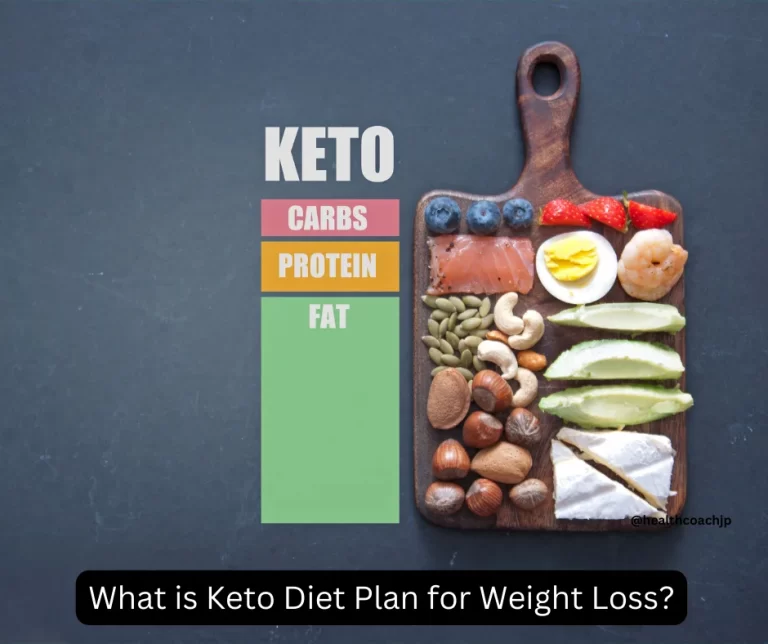
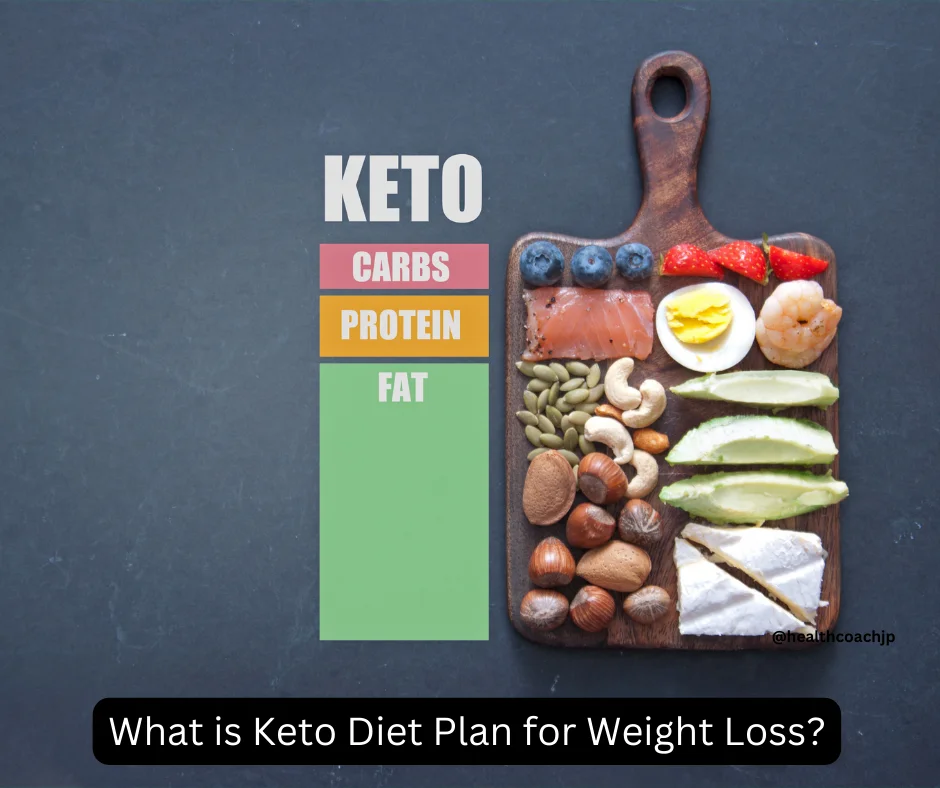
What is the Keto Diet Plan for Weight Loss?

The concept of a ketogenic diet plan has been quite old and has been implemented over the years for losing weight. The Keto diet is usually a low carbohydrate but enriched fat-consuming plan to treat certain medical conditions. Initially, when the keto diet plan was popularized, it was found effective in resolving diabetes and related issues. 

What is Keto Diet Plan for Weight Loss
What is the Keto Diet Plan for Weight Loss

If we go back to the ’20s, then the ketogenic diet plan was a sound technique to treat epilepsy. Soon, the higher fat moderate protein, and less carb technique was followed in controlling cancer, diabetes, Alzheimer’s disease, and PCOD. 

Keto Diet Foods List: What to Eat on the Keto Diet?

Given the situation where, after the keto diet, your carbohydrate intake reduces to even less than 5%. The food list must include adequate fat content, which eventually puts the metabolic state of ketosis. It is through ketosis that the stored fat is broken into molecules known as ketone bodies which further are used for energy. 

Keto Diet Foods List What to Eat on the Keto Diet
Keto Diet Foods: What to Eat on the Keto Diet

The choices available while following a ketogenic diet are sufficiently vast. And here’s the list- 

1. Fish and Seafood

Fish and seafood like shrimps are great sources of protein, vitamin B, and Selenium. Certain fish like mackerel and salmon are higher in Omega 3 fats, which help lower blood glucose levels and enhance insulin sensitivity. 

2. Meat and Eggs

Poultry meat or red meats are higher in lean protein and are taken as a staple for the Ketogenic diet. This poultry doesn’t contain any carbohydrates but is a greater basis for vitamin B, minerals, selenium, zinc, and potassium. While speaking about the meat, we would prefer fresh meat if chicken, fish, or head and replace it with processed meats, including sausages. 

Even eggs are a greater source of protein and vitamin B and completely ignore carbohydrates. Eggs also control your unwanted appetite and maintain blood sugar levels

3. Dairy Products 

Milk. Cheese or yogurt is higher in calcium as well as protein-rich. Cheese is also rich in fat and contains zero carbs which is highly suitable for the keto diet. However, if you are skeptical about cardiac diseases, then cheese delivers nearly 30-35% of daily saturated fat, which is not friendly to the heart condition. 

4. Green Veggies

There are a variety of green veggies that have lower carbs and calories and instead include minerals, vitamin C, and nutrients. Some low-carb veggies consist of antioxidants that shield the body from cell-damaging radicals. Examples of low-carb veggies are broccoli, green beans, zucchini, spinach, and cauliflower. 

5. Ground nuts, Nuts, and Seeds 

If you want to focus more on polyunsaturated and monosaturated fibers, fats, and protein, then nuts and seeds are excellent sources. When you calculate the net car a then it’s quite low. 

6. Organic Oils

Certain healthy oils like coconut and olive are often recommended for cooking while on the keto diet. Even though coconut oil does contain saturated fat, it contains medium-chain triglycerides to increase ketone production. MCTs help lose weight and shed belly fat. 

Keto Diet Plan List for Indians

Indians have a much wider scope of dishes while following the keto diet plan. Indians, while following a keto diet plan list, must eat simple food that the body can easily adapt to and free from digestion issues. Don’t regularly eat those dishes or foods which directly or indirectly impact your health. 

There’s a general assumption that Indian Diet plans are richer in carbs than fat and useful minerals. But if we emphasize locally produced or cooked foods more, that is not the case. 

  • Non-Veg Category: You can eat animal protein from chicken, lamb, fish ( tuna, salmon, catfish), eggs, and mutton.
  • Veg Category: Indians may follow a green keto diet plan because they can eat wider green veggies. Some include bottled or pointed gourds, zucchini, brinjal, French beans, mushrooms, spinach, cauliflower, and. Beetroots. 
  • Diary Options: Paneer, Lassi, Tofu, Curd, high-fat cream, and white butter, ghee. 
  • Others: Oil fetched out from nuts including coconut, olive, almond, and avocado. Instant energy can also be gained while eating smoothies and salads. 

7-Day Keto Diet Plan for Weight Loss

Even though the ketogenic plan does not compel you to control your taste buds, the diet plan is undeniably technical. It is about following the right amount of macronutrients because too much protein may push someone out of ketosis. The only permitted consumption of net carbs is 30-50 grams for adults per day. 

7-Day Keto Diet Plan for Weight Loss

Here are the recommended 7 days for the keto diet plan for weight loss: 

Day 1: Monday-

Try to divide your meal three to four times a day. 

Breakfast- Begin your day with pancakes made from almond oil or buns with eggs. You can have coconut milk and berries as side dishes. 

Lunch- Have protein-enriched tuna salad in an avocado boat. You can also think about having bacon and grilled chicken with salad and blue cheese dressing. 

Diner- I prefer eating light dishes at night. Have cabbage or green soups with sausage and melted mozzarella. 

Day 2: Tuesday-

On the second day of your keto diet, try eating food that is based on animal protein and has low fiber content. 

Breakfast- You can have scrambled or half-boiled eggs with pumpkin seeds and salads. 

Lunch- Grilled chicken or chicken mayonnaise with salads, including cucumber, onion, tomato, and almonds. 

Dinner- Beef or lamb stew with boiled mushroom, celery, onions, and beef broth. At dessert, you can try a smoothie made of milk and almonds. 

Day 3: Wednesday-

The third day of the diet plan should focus more on chicken and egg-based proteins. 

Breakfast- Eat fried egg or sunny side up with broccoli and mushroom. You can also drink fresh fruit juice. 

Lunch- Go green during lunchtime with cereals, avocado, and lettuce cups with rice. Or else you can also try egg salad. After reasonable gapndurubh snacks, you can eat nuts, bell peppers, and cheese slices. 

Dinner- Given that you had a light meal course during that time, you can eat chicken breast soup and rice with sprout salad at night. 

Day 4: Thursday-

You can taste seafood along with dairy and veggies on the fourth day of your diet week. 

Breakfast- Your morning will start with enough strength when your morning meal is based on seeds and nuts. Have a smoothie made of almond but or chia seeds, butter spinach, or protein powder during the time. 

Lunch- Seafood may be heavy for some; therefore, if you are having shrimp, then have light veggies. Such as avocado salad and cheese herbs. Olive oil or lemon juice. 

Dinner- Try out butter steak with mushroom or boiler egg at night. You can also eat flax crackers with cheese as dessert. 

Day 5: Friday-

It’s the last working day before the weekend, so we assume you need reasonable energy. Prepare the meals accordingly. 

For breakfast, take two eggs fried with cheese or butter, complimented with veggie salad. Avocado is a wiser choice. 

Lunch- You can take a simpler lunch like tuna or salmon salad with bell peppers and cheese slices. 

Dinner- Again, it’s chicken time at dinner. Have chicken breast and potato and cauliflower mash with peas. 

Day 6: Saturday-

It’s the weekend, and you don’t need proto-energy-consuming meals. So, try out:

Breakfast- Make your breakfast interesting with scrambled eggs, crunchy brown bread, sunflower seeds, and onions. 

Lunch- Have fish at lunch, and try out tuna salad with spinach and a bowl of macadamia nuts. 

Night- You can eat meat at night like mutton or pork chops with no starchy vegetables you prefer. 

Day 7: Sunday-

Have a delightful Sunday with your favorite dishes. This includes: 

Breakfast- Eat Buttered toast with sweet desserts like yogurt and diet-friendly granola a fair share. 

Lunch- You can make your green burger at home with kale salad and guacamole, which can include beef fillings. 

Dinner- Your dinner should contain animal protein from stirred chicken or other meat types, satay salad, broccoli, and mushrooms. 

You can repeat the keto diet plan in a cycle every seven days. It has been found helpful by many while following the ketogenic plan. 

7 Foods to Avoid in Keto Diet

Every food which is an active source of carbs must be avoided while following a keto diet. The top 7 foods to avoid in the keto diet are- 

  • Refined carb food sources, including white bread, pasta, rice, etc. Is it difficult to survive without them? Try taking them at a moderate level. Instead, try out mashed or riced cauliflower. 
  • Avoid alcoholic or soft drinks because they have a higher share of carbs and even low nutrient count. 
  • Potato and starchy vegetables must be prevented from the keto diet. Indeed, sweet potatoes have greater potassium and dietary fiber but are not a great vegetable for keto. 
  • Honey syrup or sugary packaged food. You should also avoid energy drinks or packaged juices. 
  • Grains and wheat must also be avoided in the keto diet plan for weight loss. 
  • Fruits that have higher fructose, glucose, or carbs share also should be neglected. Such fruits include apples, bananas, peaches, pineapples, pears, raisins, and grapes. 
  • Legumes and beans do not have moderate protein content and, therefore, won’t be very helpful in energy generation. So, beans, including black beans, lentils, labia, green peas, lima beans, and green beans, should be out of the list. 

10 Benefits of the Keto Diet Plan

1. Helps in Losing Weight

To start from the obvious and on which the article is based, the keto diet plan helps in weight loss. Such diet plans actively assist in body transformations and give you a healthy and athletic physique. Eating high-fat and moderate protein-based foods also enable you to control unwanted cravings. 

2. Promotes Good Cholesterol (HDL over LDL) 

When your carb count reduces, there are chances of an increase in High Density  

 Lipoprotein (HDL) is also known as good cholesterol. On the contrary, while following a low-fat diet, there is a chance of moderate or declining presence of HDL. 

3. Healthy Blood Sugar and Insulin Levels 

Those on the borderline or already have diabetes should follow the keto plan because it reduces blood sugar. Cutting your daily carbs reduces both blood sugar and insulin levels rapidly. Controlling the insulin level may treat and reverse type 2 diabetes

4. Soaring Energy Level 

Instead of using glucose as a fuel for energy, when you rely on fat for energy production, your endurance improves. In the beginning days of the keto diet plan, you may face keto flu, leading to fatigue, headaches, and nausea. However, those symptoms are normal as your body is accustomed to burning fat for energy generation. 

5. Healthy Liver 

If you can maintain a healthy liver, then the risks of diabetes will be minimized. Fatty liver sometimes becomes the hub for serious ailments and diseases. So, those with fatty liver should try out the diet plan as the generated energy level using ketosis is more sustainable. 

6. Fall on the Inflammation Level

Inflammation is as common as in other biological system of our body. It is through inflammation that your body stays immune to fight against toxins and infections. However, the impulsive tendency to fight through inflammation may lead to chronic health problems. Chances of diseases like obesity, type 2 diabetes, and Alzheimer’s increase. Studies have found a positive correlation between the ketogenic diet and a fall in the inflammation level. Keto reduces proinflammatory cytokine levels. 

7. Improves Syndromes like PCOS 

PCOS stands for Polycystic Ovarian Syndrome enlarges the ovaries with cysts-like growths. It is believed that sticking to a high-carb diet impacts women’s health. Keto reduces weight, plays a key role in hormonal balance, and works on the luteinizing hormone. 

8. Low Blood Pressure Level 

Low carbohydrate also assists in lowering high blood pressure. It is with the keto diet that the risks of severe ailments like high blood sugar and lower eyesight improve. Regulating the blood sugar level also promotes a healthy heart

9. Probably can Reduce the Risk of Cancer 

Even if not all kinds or stages of cancer, it does reduce the risk of cancer. The Keto diet is also friendly to enduring treatments related to radiation and chemotherapy. Since the diet minimizes high blood sugar, it slowly assists in limiting the insulin complications related to certain cancers. 

10. Good Cognitive Ability 

Keaton diets also support many neuroprotective benefits. Therefore, it assists in curing Parkinson’s, Alzheimer’s, etc. A young adult following such diet plans will likely have an alert brain and greater concentration ability. 

Conclusion 

A ketogenic diet plan, as researched for years, has worked for good and effectively helps in curing many severe conditions. Most importantly, the keto diet sounds helpful in losing weight. However, if you have health complications, we would recommend consulting a professional nutritionist or your doctor before seriously following the keto plan.

Frequently Asked Questions (FAQs) about the keto diet plan for weight loss 

Q. Is the keto diet healthy?

Answer- Following a keto diet plan is one of the healthy choices you will make in your routine. The basic idea behind such a dietary plan is reducing the intake of carbohydrates and maximizing fats and protein share.

Q. What can I not eat on keto?

Answer- Foods with higher carb intake should be avoided. Food like white bread, pasta, alcoholic drinks, potatoes, fruits like apples, bananas, and grades must be avoided.

Q. What dairy can you have on keto?

Answer- Low-carb dairy products, including cheese, cottage cheese, butter, white cream, yogurt, and milk, can be taken.

Q. Is the keto diet good for weight loss?

Answer- The keto diet limits glucose intake and instead uses fat as a fuel to generate energy. Following the keto diet would control your unnecessary cravings and, therefore, help you lose weight.

Q. What are the top 10 keto foods?

Answer- Top keto foods are avocado, green leafy veggies like spinach, bottled gourd, broccoli, tuna, mutton, lamb meat, egg, nuts, coconut, olive oil, cottage cheese, tofu, etc.

References

Top 7 Bagel Nutrition Facts: Calories, Benefits, and More

0

Healthcoachjp will give a walkthrough of bagel nutrition facts in this article. The bagel was the most lovable comfort food in the 17th century. At that time, the bagel was a very common food; people could eat it for breakfast, lunch, and dinner as well. 

This article will give accurate information related to the nutrition facts of bagels. 

What are Bagels?

Bagels are yeast-leavened rolls that look like doughnuts. They have a crispy and shiny crust and can be eaten as a snack or for breakfast. People love to eat bagels with a cream and cheese topping.

What are Bagels
What are Bagels

Bagel Nutrition Facts

Bagels are available in various sizes and can vary in nutritional content according to the different varieties available in the market. 

Essential ingredients of bagels are salt, water, yeast, and refined wheat flour. Most of the additional ingredients, like sugar, herbs, spices, and dried fruits, are also used for making the bagels. 

Nutrition Facts Of Bagel

We will list the nutrition components and quantity present in the bagels (105 grams). Let’s see the facts.

Nutritional componentsQuantity
Iron8%
Fiber3 grams
Zinc8%
Calcium6%
Manganese24%
Copper19%
Thiamine14%
Carbs56 grams
Protein11 grams
Calories289
Fat2 grams
Bagel Nutrition Facts

Bagels are carb-rich food, although protein and fat are available in tiny amounts. If you want carbs in your diet, then it is perfect for you to add that food to your diet. 

Vitamins and minerals are also available in small amounts, but in some countries, like the United States, some are lost during the processing of bagels. 

7 Bagel Nutrition Facts

Bagels are a popular breakfast food that can be found in many bakeries and coffee shops. While they are delicious and satisfying, they are also notorious for being high in calories and carbohydrates. However, by understanding the nutrition facts of bagels, you can make more informed choices about what you eat for breakfast.

Here are 7 important bagel nutrition facts to keep in mind:

1. Calories:

The number of calories in a bagel can vary depending on its size and ingredients. On average, a plain bagel contains around 280-350 calories. Adding toppings like cream cheese, butter, or jam can significantly increase the calorie count.

2. Carbohydrates:

Bagels are high in carbohydrates, which can cause a spike in blood sugar levels. A medium-sized bagel can contain up to 50 grams of carbohydrates, which is equivalent to eating several slices of bread.

3. Protein:

Despite being high in carbohydrates, bagels are relatively low in protein. A plain bagel contains only around 10-12 grams of protein, which is much less than what you would get from a serving of eggs or Greek yogurt.

4. Fiber:

Bagels are not a great source of fiber, which is important for maintaining digestive health and keeping you feeling full. A medium-sized bagel contains only around 2-3 grams of fiber.

5. Fat:

Bagels are low in fat, but many people add high-fat toppings like cream cheese or bacon to their bagels, which can significantly increase the fat content.

6. Sodium:

Bagels are often high in sodium, which can contribute to high blood pressure and other health problems. A medium-sized bagel can contain up to 500 milligrams of sodium or more.

7. Vitamins and minerals:

While bagels are not a great source of vitamins and minerals, they do contain small amounts of nutrients like iron, thiamin, and niacin.

By keeping these bagel nutrition facts in mind, you can make healthier choices when it comes to your breakfast. Opting for smaller bagels, choosing whole-grain varieties, and limiting high-calorie toppings can help you enjoy this tasty breakfast food without overindulging.

Drawbacks of Bagels

Bagels are beneficial for you if you take this in a limited amount or only for breakfast. But there is not always the healthiest choice for the people. There are so many drawbacks to bagels.

1. High Calories

The main drawback of eating bagels is – they contain lots of calories. Approx 289 calories are present in the small bagels. According to some national health organizations, bagels serve to double their average size. 

There are many variations of bagels available in the market. The size of the bagels will vary. Large-sized bagels have approximately 600 calories. 

Some people eat bagels with cream and cheese toppings, which is also dangerous for their health. Overconsuming bagels leads to weight gain. 

So before taking bagels into your diet, you have to keep in mind the weight of calories you consume.

2. Highly Refined Carbs 

Bagels are made of traditional wheat flour, and a hefty dose of sugar is added to some varieties. They are carbohydrate-rich foods that are risky for your health. 

It leads to chronic diseases like heart problems and type 2 diabetes. This is poor diet food for those people who want to lose weight. But that does not mean you can not eat it anymore. You can eat bagels occasionally. 

How We Can Optimize The Nutrient Value of Your Bagels

It can be a bit difficult to prioritize your health goals when you add bagels to your diet. However, you can still make it healthy, and you just need some forethought and planning.

1. Added Ingredients Mindfully

The overconsumption of bagels can directly affect your health. You need to add natural ingredients. The best option is to make bagels of wheat flour. 

We don’t need to add sugar to the bagels. But if you need to consume a low-sodium diet, you should avoid them because they contain lots of salt.

2. Pay Attention To The Size of Bagels

You have to check the nutrition label on the bagels’ package. If you see more calories and carbs in the box, you should avoid it. Or you can consume only half a piece of that bagel and save half a piece for another person.

Otherwise, you will suffer from this. Most brands offer different types of bagels, such as miniature and thin bagels. You have to consume appropriate bagels and save them for special occasions. It will be more helpful and help to balance your diet.

3. Added Your Toppings Wisely

Toppings are essential in bagels. Cream, jams, cheese, and butter are the major toppings used in bagels. You have to add the toppings wisely because they contain more sugar and fat. 

You have to do the toppings with more nutritional components on the bagels and replace the cream cheese with some nut butter or avocado for the amount of fiber. 

Add eggs or salmon to maintain the amount of protein. To convert bagels into veggie bagels, you can use veggies like tomato, onion, cucumber, and spinach.

Conclusion 

Bagels are generally made up of traditional wheat flour. The portion size of bagels is too large. Make some modifications in the preparation of bagels. You need to take care of unhealthy toppings that you consume with the bagels. This article provides information related to the nutritional facts of bagels.

Frequently Asked Questions (FAQs) about Bagel Nutrition Facts

Q. Are bagels healthier than bread?

Ans. It depends upon the calorie content. A plain bagel contains 300 calories; on the other hand, plain bread contains 90 calories. So, bread is healthier than bagels.

Q. Are bagels unhealthy or healthy?

Ans. Bagels are comparatively healthy if you can take in a limit. For example, if you only take it for breakfast, it’s good. Overconsumption can lead to obesity and other chronic diseases.

Q. How much nutrition is in the bagel?

Ans. A bagel is made of traditional wheat flour, which contains calories, fat, carbohydrates, protein, fiber, and various nutritious components in adequate amounts.

Q. Are bagels healthy for weight loss?

Ans. Yes, comparatively, other snack bagels are good for weight loss. Bagels are carbs-rich food, and you should add bagels to your diet plan.

Beth Chapman’s Weight Loss: Power of Her Hard Work

0

Many might not be aware of Beth Chapman. She is one of the biggest TV show stars, and she is famous for her unique name, “The Bounty Hunter.”

Many might not be aware of Beth Chapman’s weight loss. She is one of the biggest TV reality show stars, famous for her unique name, “The Bounty Hunter.” Beth Chapman’s weight loss journey has been and will always be inspiring for many.

Beth Chapman's Weight Loss
Beth Chapman’s weight loss journey

Aficionados of the Chapman family or ‘The Bounty Hunter’ realize that Beth is going through a difficult stretch. Accordingly, she lost an extraordinary measure of weight in only a couple of long times with a mysterious formula. A few groups are, in any event, guessing that it very well may be because of medical procedure. However, it is probably because of her malignant growth conclusion. Her story is mind-blowing; we should discover more!

Beth Chapman’s Biography

Beth Chapman also known asAmerican bounty hunter
Date of Birth29 October 1967
Birth PlaceDenver, Colorado, United States
Died26 June 2019
Died PlaceThe Queen’s Medical Center, Honolulu, Hawaii, United States
ParentsGarry Smith
Height1.7 m
ChildrenBonnie Chapman, Cecily Chapman, Dominic Davis, Garry Chapman
MoviesDog & Beth: Fight of Their Lives
Instagram Profile@mrsdog4real
Wikipedia Profile@beth_chapman
Facebook Profile@RealBethChapman
Twitter Profile@MrsdogC
Beth Chapman bio

Early days of her life –

Beth Chapman was born on 29 October 1967 in Denver, Colorado. She had five siblings.

Her dad, Garry Smith, was an expert baseball player.

At the point when she moved on from secondary school, she wore various caps, fiddling with many positions, for example, working at an ice skating arena, being an agent, a tumbler, a server, and surprisingly a dance club vocalist, just as her TV work.

Over her lifetime of 51 years, she became perhaps the most discussed big name. One discussion that kept numerous voices humming was her stunning weight reduction in 2015.

Beth Chapman’s weight loss diet changed to lose weight.  

The American-Italian abundance tracker, Beth Chapman, lost by and large 50 walloping pounds!

Beth Chapman’s weight loss journey

Beth Chapman’s weight loss journey started after she was diagnosed with throat cancer. She made the decision to take control of her health and focus on losing weight. She documented her journey on her social media platforms and encouraged her fans to join her. Her weight loss journey was not easy, but she persevered and achieved impressive results.
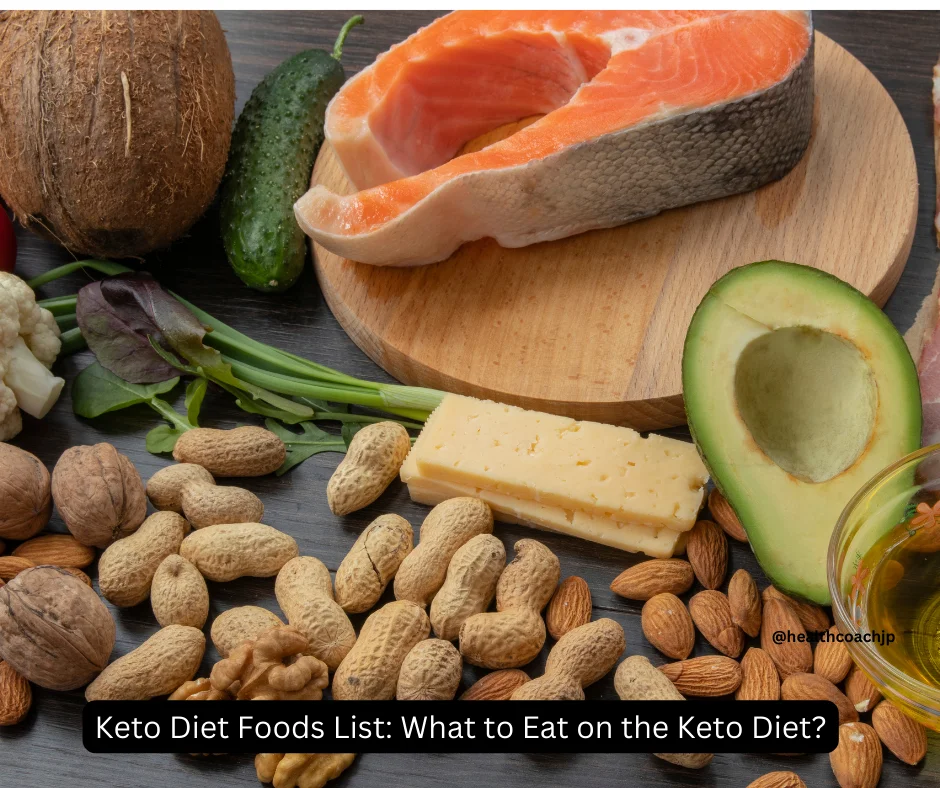
Beth Chapman weight loss tips

Beth Chapman shared many weight loss tips with her fans, including the importance of portion control, staying active, and finding healthy substitutes for her favorite foods. She also emphasized the importance of having a support system and holding oneself accountable for their weight loss goals.

Beth Chapman’s diet plan

Beth Chapman followed a low-carb, high-protein diet plan to help her lose weight. Her diet consisted of lean protein, vegetables, and fats“>healthy fats. She also cut out processed foods and sugar, which can lead to weight gain.

Beth Chapman weight loss Before and After

Beth Chapman’s before and after weight loss photos have been widely shared on social media, showcasing her incredible transformation. Her before photos show her at a heavier weight, while her after photos show her looking slimmer and more toned. Seeing these photos can be motivating for anyone who is looking to lose weight.

Beth Chapman weight loss Before and After

It is supposed to be a lot of times that she underwent surgery.

Yet, as indicated by Beth, she left on her eating regimen, adhering to eating cabbage, lettuce, and grain.

She additionally pledged not to sit before the TV so much anymore, began removing her standard cheeseburgers, and decided to stick to eating solid cereals like granola and oats, for instance.

She avoided all treats and drank a lot of water to flush out all the unsafe poisons in her body.

In addition to the cabbage and lettuce she was eating, she added different leafy foods as well to make her eating routine solid and sound.

She saw changes begin when she cut down on desserts and treats, as they contained many extra calories.

Her primary justification for getting thinner was that she needed to carry on with a better way of life.

Her weight and appearance had been the subject of many discussions previously. She did not want to feel forced by the rest of the world to change her appearance because the public needed it.

Despite this frightening circumstance, Beth looks like nothing anyone’s ever seen. She has lost more than 50 pounds over the most recent few months. Her new figure made fans wonder whether she had gotten a plastic medical procedure. But yet, assuming this is the case, then, at that point, that is her choice. Almost certainly, because of her findings, Beth needs to keep a consistent eating routine and stay away from greasy food varieties.

She began chemotherapy for her throat condition just after her finding, and if the family is focused on battling this sickness once more. A few penances must be made. Beth is motivating for every individual who has endured or has a friend or family member experiencing the disease. Notwithstanding, it isn’t only any eating regimen; stay discreet.

Why was she losing weight so quickly?

The primary explanation is that she needed to continue with a better way of life. Her weight had previously been the subject of numerous discussions, and she would not like to change herself because of the pressing factor of others.

In these circumstances, individuals can keep up with eating less and better propensities. And on the off chance that they decide to do it without anyone else’s help. Attempting to change for others won’t ever work.

The best way to shed pounds is by changing dietary patterns and schedules. Beth began by not devouring lousy nourishment and anything excessively greasy. She additionally began searching for better fixings that were both nutritious and natural. Also, the female authority of the Chapman family began an everyday practice program.

With the assistance of both, she has figured out how to astound even her greatest fans. Some have even thought about what she devours each day so they can begin following her strides. The key foods that she ate were cabbage, lettuce, and various organic fruits and veggies.

Beth Chapman’s weight loss cancer journey 

In November 2018, they found that Beth’s throat disease had returned over a year after she had battled it away. The news channel aired that Beth had a cancerous mass stuck in her throat that had to be removed through surgery. Otherwise, her life would be in danger. However, the doctors confirmed a 50% chance of survival, which was the biggest shock to the entire Chapman family and their fans.
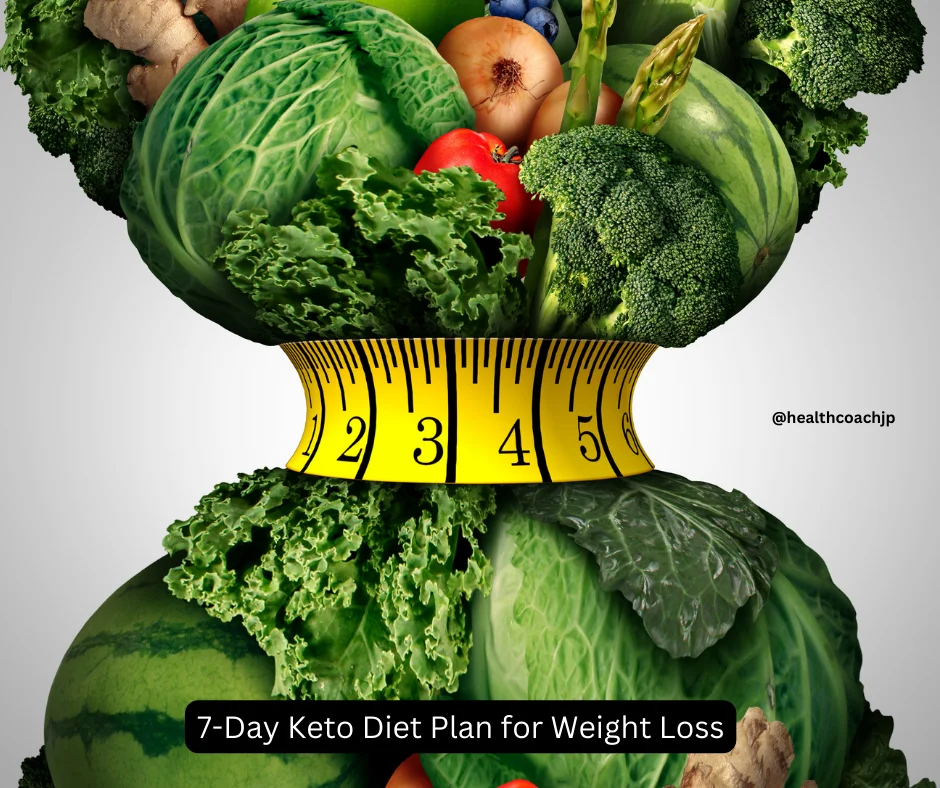
During this time, the family figured out how to remain closer to one another, even though it seems very well may be considerably harder for Beth this time around. She and her better half, Dog, are making the most of each second and getting ready for “the fight” of their lives. After trying too hard to survive, Beth Chapman could not survive. She passed away in 2019 with eternal peace, leaving all her loved ones and family grieving.

Beth Chapman’s fitness routine

Beth Chapman’s fitness routine consisted of a mix of cardio and strength training exercises. To stay active and burn calories, she would do activities such as walking, jogging, weight lifting, and boxing.

Beth Chapman’s low-carb diet

Beth Chapman’s low-carb diet helped her to lose weight by cutting out carbohydrates that can cause weight gain. This type of diet focuses on lean proteins, healthy fats, and vegetables, which provide the body with the necessary nutrients and keep you full for longer periods of time.

Beth Chapman’s high-protein diet

Beth Chapman’s high-protein diet contributed to her weight loss success. Protein helps build and maintain muscle mass, which is important for weight loss and overall health. It also helps keep you feeling full and satisfied after meals.

Beth Chapman’s weight loss inspiration

Beth Chapman’s weight loss journey has inspired many who are struggling with their weight. She showed that it is never too late to make a change and that with hard work and dedication, anything is possible.

Beth Chapman’s weight loss success

Beth Chapman’s weight loss success is a testament to the power of lifestyle changes. She lost a significant amount of weight by changing her diet and exercise routine and has maintained her weight loss over time.

Beth Chapman’s healthy lifestyle

Beth Chapman’s weight loss journey was about more than losing weight. It was also about adopting a healthier lifestyle. She focused on eating nutritious foods, staying active, and taking care of her mental health.

Beth Chapman’s weight loss motivation

Beth Chapman was motivated to lose weight by her desire to get healthy and improve her quality of life. She also wanted to inspire her fans to make positive changes in their own lives.

Beth Chapman weight loss supplements

Beth Chapman did not rely on weight loss supplements to lose weight, but some people may choose to use them to help them reach their weight loss goals. It’s important to do your research and speak with a healthcare professional before taking any supplements.

Beth Chapman’s weight loss transformation secrets

Beth Chapman’s secrets to weight loss transformation included dedication, hard work, and consistency. She focused on making small changes over time and didn’t expect overnight results.

Beth Chapman’s favorite weight loss recipes

Beth Chapman shared many of her favorite weight loss recipes on social media, including meals such as grilled chicken with vegetables, low-carb pizza, and turkey burgers with sweet potato fries. She often used healthier ingredients to make classic dishes, such as using cauliflower crust for pizza or zucchini noodles instead of pasta.

Beth Chapman’s workout routine

Beth Chapman’s workout routine consisted of a variety of exercises to keep things interesting and challenging. She would typically start with a warm-up and then move into a mix of cardio and strength training exercises. She would often incorporate boxing into her workouts, which is a great way to get a full-body workout and burn calories.

Frequently Asked Questions (FAQs) related to Beth Chapman’s weight loss journey

Q. How much weight did Beth Chapman lose?

Ans. Beth Chapman reportedly lost around 50 pounds through her weight loss journey.

Q. What inspired Beth Chapman to lose weight?

Ans. Beth Chapman was motivated to lose weight after being diagnosed with throat cancer. She realized that making healthy lifestyle changes could not only help her lose weight but also improve her overall health and fight her cancer.

Q. What diet did Beth Chapman follow to lose weight?

Ans. Beth Chapman followed a low-carb, high-protein diet to aid her weight loss. She focused on eating lean protein, vegetables, and healthy fats while limiting her intake of processed foods, sugar, and carbohydrates.

Q. Did Beth Chapman have weight loss surgery?

Ans. No, Beth Chapman did not have weight loss surgery. She achieved weight loss through healthy eating habits and regular exercise.

Q. How often did Beth Chapman exercise?

Ans. Beth Chapman exercised regularly, aiming for at least 30 minutes of physical activity each day. Her workouts consisted of a mix of cardio and strength training exercises.

Q. How did Beth Chapman stay motivated during her weight loss journey?

Ans. Beth Chapman stayed motivated by setting achievable goals, tracking her progress, and celebrating her successes. She also found support from her family and fans, who encouraged her to keep going even during challenging times.

Q. Can I follow in Beth Chapman’s footsteps and lose weight?

Ans. Yes, absolutely! Beth Chapman’s weight loss journey is a great example of how making healthy lifestyle changes can lead to significant weight loss and improved health. By focusing on eating a healthy diet, exercising regularly, and staying committed to your goals, you, too, can achieve your weight loss goals and live a healthier, happier life.