Hello folks, so the internet is a weird place. That is a fact we all know. As always, I went through articles under the health and fitness section when I saw something eye-catching. A quick way to lose weight?
All these questions were in my head, so I did my research, and I thought to myself, “You know, people should know this stuff, the ground reality, and the practical things.”
So that’s the story behind this article. Now, go ahead and read it.
The origin of Vyvanse
Vyvanse is a drug with a name that is very hard to pronounce. This is a medical drug approved by the US Food and Drug Administration. Vyvanse is used to cure binge eating disorders.
Honestly, I was shocked that something like this exists; binge eating is a disorder.
Vyvanse
I know you have similar questions, so read ahead, and you shall find the answers.
The US first approved this drug in 2015.
Say, what does Vyvanse do to the body? What miraculous properties does it possess that can cure something like binge eating disorder and ADHD?!!!
Why Vyvanse only?
So, the actual name for this drug is lisdexamfetamine dimesylate.
And as per medical experts, this is a prodrug, and what does prodrug mean?
According to Wikipedia, “A prodrug is a medication or compound that, after administration, is metabolized (i.e., converted within the body) into a pharmacologically active drug.”
Well. Here is highly rated news: Vyvanse is a drug that is always under the eye of the federal department of the US government. The prime reason is that research proves this drug can lead to addiction and drug abuse.
Imagine, cure became another deadly disease. This is why Vyvanse is given in controlled amounts.
Why Vyvanse only
Vyvanse is only used and given in adults, which means people who are above 18 years old can use this highly addictive drug to cure their ADHD and binge eating disorder.
Vyvanse affects the central nervous system. It alters the balance of some chemicals and naturally produced hormones in the brain, such as dopamine and norepinephrine.
Dopamine is the hormone that makes one happy, the happy hormone which gives you a feeling of accomplishment. Norepinephrine is a stimulant that does similar work.
People who have ADHD, when they start to use this, can notice sudden happiness, and the person starts doing work that makes them feel accomplished.
Effects of Vyvanse on the body
As previously mentioned, this drug can and will alter the balance of hormones; because of this property of Vyvanse, it is used to control hyperactivity concentration. And yes, you guessed it right, this can also be used to cure depression.
Vyvanse and Weight Loss Relation
Binge eating disorder feels like a Netflix show’s title, right? It’s a documentary, maybe.
But let us not laugh at the conditions of the poor people engaged in depression.
What actually happens is that the patient knows while eating that alright I have eaten enough, I am overeating now. But here is the catch: they can’t more like it does not stop. Because this disorder is directly connected with happiness, patients have confessed that eating makes them happy(well, it makes all of us happy, eh?), so what does Vyvanse do, as you already read? It just alters crucial hormones.
It makes the mind more altered, making you feel lively, accomplished, and confident.
Vyvanse and Weight Loss Relation
All this has a lot of impacts.
When taking the drug in the advised amount, the body will take its time to adjust, and as soon as it does, you will start to feel happy. You will also be more confident and able to maintain discipline.
So, as doctors have suggested, these tiny changes result in less eating. Also,
Vyvanse decreases appetite, making one eat less because one always feels full.
Now, all that logic will, in turn, become weight loss.
Side Effects of Vyvanse
Pros and Cons: a part of everything that exists, the magical drug Vyvanse also gives the body some side effects.
Let’s explore what it is and what you can do if you face these.
You must let your physician know if you have any pre-existing medical condition before your health; this will allow you to stay safer.
Due to the jumping hormones, you might have trouble sleeping and experience jitters due to sudden changes in your body.
You may face some rare symptoms like fatigue, hallucinations, and extreme anxiety. Whatever side effects you are facing? Let your doctor know.
You may also experience digestive side effects, such as dry mouth, upset stomach, and other problems.
Conclusion
That is all. Now, what does the heading ask?
Should you try it? No, man, it isn’t worth it, and it is not meant for it, right?
Until and unless situations go to extreme levels where you have no control and need medical help? Do NOT! Do anything with your intellect; contact your doctor. If the doctor suggests Vyvanse, go for it with the advised doses.
If you want to lose weight, maintain a diet instead of taking Vyvanse. If you don’t know, I have written many articles on this topic. Go ahead, check it out, and get started today.
Now, for my last trick, let me answer the highly searched-for questions related to this topic.
FAQs on Vyvanse Weight Loss
Q.1. Can Vyvanse make you lose weight?
Ans. Yes, it reduces appetite, which makes you eat less than you do. This will result in sudden weight loss, which can cause its own medical issues.
Q.2. Is Vyvanse used for obesity?
Ans. Yes, obesity is usually a cause of a binge eating disorder, and this is the only cause of obesity.
Q.3. Does Vyvanse make you age faster?
Ans. Well, it may make you look aged. A sudden weight drop may cause mass loss and make you look thin. So yeah, it may.
Q.4. Does Vyvanse change your personality?
Ans. Yes, to some extent. You may feel happier, and you may feel livelier; you may feel so better. But you must carry this on.
Enough of wearing earrings on your ears. How about trying some earrings above your lip? Started right? Might be thinking, is it possible to wear earrings over one’s lips? Yes, it is really possible, and in fact, many celebrities or fashion lovers wear it like that. It’s called Medusa Piercing.
Medusa Piercing
But why is it called a Medusa lip piercing? And is this piercing painful? Come, let’s discuss all these things:
What Exactly Is A Medusa Piercing?
It’s a kind of piercing that is done below your nose and above your lip. The piercing requires some extra time for healing as compared to other piercings that are done over the ears.
The piercing sits exactly in the philtrum area (also known as Cupid’s bow area) and thus is also known as philtrum piercing or Cupid’s bow piercing. The inverse labret is also another name for this piercing.
Why Is It Called A Medusa Piercing?
Medusa piercing was labeled after a hairstylist who was born in Canada. Medusa piercings are situated in the region of the philtrum. It’s an indentation that is fixed slightly above one’s upper lip.
The piercing is termed medusa piercing because the name sounds more impressive than a philtrum piercing. Medusa denotes female power. It’s a feminist symbol representing freedom and transformation.
Why Is It Called A Medusa Piercing_
Some folks also speculate that the Medusa piercing, titled medusa, is called after a celebrated or gruesome victim of a Hollywood murder. And it’s none other than Elizabeth Short. She is also recalled as the Black Dahlia.
Medusa Piercing Scar
A Medusa piercing, like other piercings, does leave some scars. However, the scars, in this case, are minimal. They usually have discreet colors.
Though not all people face scars in Medusa piercing, only a few people experience these scars. These scars can be more severe for some people as oral piercings are inclined towards hypertrophic scarring.
Medusa Piercing Healing
Now, you might be wondering how long a Medusa piercing takes to heal, right? Well! It takes nearly 8 – 12 weeks for a Medusa piercing to heal completely. However, it all depends on how well you care for yourself and your piercing.
Also, during the healing operation, you must follow the aftercare routine given to you by the piercing professional for the speedy recovery of your piercing.
Medusa Piercing Healing
How to take care of your piercing so that it heals fast? Well! Here are some suggestions for the medusa piercing aftercare:
Clean your piercing only after washing your hands thoroughly with water and soap.
Using a sterile solution (saline-based) such as aftercare spray or wash spray helps. Apply it with the help of a gauze piece. You have to use them at least twice every day.
Practicing proper oral hygiene is necessary.
Buy a new toothbrush and use it instead of your old brush. Also, try to maintain the cleanliness of the brush and ensure that others are not using your brush.
Elevate your head while sleeping and keep on giving cold compresses to reduce your medusa piercing swelling.
Dry the area using disposable products and not cloth products. This is because cloth products may harbor germs.
Don’t rotate your jewelry in that area.
Use mouthwash to clean the wound’s inside.
What You Ought Not To Do At The Time Of The Healing Period Of The Piercing:
Avert touching your jewelry
Don’t keep on chewing gum. Evade anything (such as your fingernails) that affects an improvement of bacteria (infection-causing) or trauma in the area.
Evade partaking of your utensils and dinnerware (like your cups, plates, etc.) with other individuals.
Avert immersing yourself in any mouth-related action.
Consume food unhurriedly and in little bites.
Don’t eat acidic foods for a few days.
Drinking cold food and beverages soothes the piercing.
Besides, DaVo also recommends some extra measures to reduce your swell. For example, a change in diet sometimes helps. Also, taking soft foods for eating and avoiding foods (such as extremely hot foods, salty foods, spicy foods, and sticky foods) comes of great help at times.
Again, cutting alcohol, smoking, and vaping are also good habits. Don’t try to agitate the piercing (at least the 1st 3 -5 days).
Furthermore, eating yogurt in a large amount greatly assists the piercing in healing fast. You may also rinse the area a couple of times a day with the help of warm water or sea salt.
With the healing of the area, you might feel the wearing of your jewelry is too long. It would turn out to be trouble for you. You might downsize your longer jewelry into a shorter stud in such a case.
A shorter piece of jewelry will ensure that you don’t have any damage to your gums, teeth, or bones.
How To Clean A Medusa Piercing?
Rinse your mouth every day during bedtime or after meals with a cleaning solution for cleaning a medusa piercing. Do it for 30 seconds. However, if you clean your mouth too frequently and continue rinsing your mouth now and then, it will result in discoloration or irritation of the areas surrounding your mouth and the piercing.
Risks Or Side Effects Of Medusa Piercing:
Any piercing that is done new is risky and may lead to infection. And, when it’s medusa piercings, the chances of infections are higher. After going through a medusa piercing, one must remember that she must not kiss for the 1st two weeks.
Risks Or Side Effects Of Medusa Piercing
Also, committing any kind of physical or oral relationship is strictly prohibited these days. The infection’s symptoms are:
The surrounding areas of your Medusa piercings may turn dark and discolored.
Your wound may leak pus or blood.
You may feel unwell or shivery.
If the above symptoms occur after undergoing medusa piercings, you should book a meeting with a doctor or medical professional.
You must not remove the jewelry from your piercing before meeting your doctor. Your doctor will examine the wound and relate the infection symptoms with the jewelry or its position.
According to research conducted in 2020, persons undergoing medusa piercings may face any of the below side effects:
Gum recession and gingivitis
Tongue lesions
Frenulum thickening
Fractured tooth
The same study or research also indicated the importance of maintaining a decent oral health routine, especially for those who have undergone one or more than one medusa or other oral piercings.
Besides, some habits also affect the oral health of those who have undergone oral piercings. They are:
Lip biting
Thumping the jewelry against one’s teeth
Smoking
Fiddling with the jewelry using one’s tongue
Nail-biting
Some people experience or develop an allergic reaction to wearing metal jewelry. So, if you are one of those people who is suffering from any kind of metal allergy, you should not wear metal jewelry after the piercing.
Wrapping Up
So, there’s nothing wrong with undergoing a Medusa piercing, but you have to proceed carefully both before and after this piercing. The aftercare part is primarily the most necessary one for making the Medusa piercings heal fast.
Frequently Asked Questions(FAQs)
Q.1. How painful is the Medusa piercing?
Answer: Our lips or areas surrounding our lips comprise more nerve ends than those in our other body parts. So, Medusa piercings will cause somewhat more pain during the piercing process than during the piercing of earlobes. However, you can expect it to be quick. Besides, every person has a different tolerance level for pain. So, it all depends on how much pain you will experience during or after the piercing.
Q.2. How long do Medusa piercings last?
Answer: The severe pain of the Medusa piercings can last 7 to 10 days. However, after the severe period is over, your pain will last for anywhere between 8-12 weeks. It all depends on how well you take care of your pierced area.
Q.3. Does medusa piercing hurt teeth?
Answer: Yes, any oral piercing (also medusa piercings) can damage your gums or teeth. You may notice some problems after Medusa or any other oral piercing, like recesses, shedding away your teeth enamel, gingivitis, etc. If you go through medusa piercings, you must keep your piercing clean and tidy, brush your teeth regularly, and use good mouthwash after completing your meals.
Q.4. Why is a Medusa piercing called a medusa?
Answer: The Medusa piercing, titled Medusa, is named after an infamous or gruesome victim of a Hollywood murder. And it’s none other than Elizabeth Short. She is also remembered as the Black Dahlia.
You should be cautious and concerned about any abnormal changes in your body. Abnormal Weight loss ICD10 is one of them. Let’s read about it.
Everyone is crazy about a slim and fit body, but it can be scary when you start losing weight unintentionally. If you are losing weight without any conscious efforts and lifestyle changes, it can be a sign of something wrong developing inside you. You should be cautious and concerned about any abnormal changes in your body. Abnormal Weight loss ICD10 is one of them.
WEIGHT LOSS ICD 10
Let’s first see what ICD is. ICD is a coding system for classifying diseases and injuries in the body. It is used in the healthcare industry for easy storage, tracking, and monitoring of diagnostic information (like symptoms, abnormalities, death causes, etc.). Along with doctors, other health professionals like researchers, insurance companies, and paramedic staff communicate in these codes. It plays an important role in providing correct treatment and reimbursement calls. ICD10 is the latest version of these codes.
WEIGHT LOSS ICD 10
The ICD 10 code for unintentional weight loss is R63.4. This code is used in the health and medical field to refer to a decrease in body fat or muscles due to unknown factors.
This ICD10 weight loss code got its current edition on Oct 1, 2020.
Code History of Weight Loss ICD10:
2016: Change (first year of ICD-10-CM new code)
2017: No change
2018: No change
2019: No change
2020: No change
2021: No change
It is important to use the correct code to get the correct treatment. For instance, you can’t use this code if you are following a diet- plan. There is another code, R63, for weight loss related to improper food.
WHAT IS UNINTENTIONAL WEIGHT LOSS?
When a person starts losing weight without diet, habit changes, or exercise without an evident explanation, it is called unintentional weight loss. If there is a significant drop in weight on its own, you should be concerned about it. It can indicate some serious underlying issues, which can range from a small viral infection to something like cancer and depression.
WHAT IS UNINTENTIONAL WEIGHT LOSS
There is always a slight fluctuation in body weight, which is pretty normal. Sometimes, it may drop due to a minor cold and stress, or you may gain a little due to parties and holidays. However, it becomes an issue if you are unable to determine the proper reason.
HOW MUCH WEIGHT LOSS IS A WARNING TO VISIT DOCTOR?
It is considered unintentional weight loss if you have unintentionally lost more than 5% of your normal weight or more than 10 pounds within 6 to 12 months. You should immediately seek medical supervision. You should also become more aware of other symptoms and discuss them with your physician.
CAUSES OF WEIGHT LOSS ICD10
There can be many causes of involuntary weight loss icd10, from some chronic diseases to minor illnesses and psychological disturbances.
As a consequence of unintentional weight loss ICD10, you may suffer from several problems:
Bad immunity system: There can be more health complications due to low immunity power.
Weakness and tiredness: You can feel a lack of support in your body due to muscle wasting.
Mood swings and irritability: It comes with constant tiredness and health problems.
Loss of appetite: Loss of appetite ICD10 can result from Depression and anxiety, Cancer, Chronic infections, Side effects of medicines, and Drug abuse.
Malnutrition: Continuous weight loss can cause malnutrition which means your body is not getting sufficient nutrients. Decreased absorption of calories and other nutrients in the body can be due to Diarrhea, Pancreas inflammation, digestive disorders, and Overuse of laxatives.
You should get treatment as soon as possible to avoid any of such issues becoming a big problem.
TREATMENT FOR WEIGHT LOSS ICD10
Diagnosis:
Your doctor can ask questions about diet changes, recent illness, medications, other symptoms, and medical history to identify the cause of weight loss. He may refer to some physical examinations and tests like blood tests or imaging scans to uncover any particular underlying disease.
Diet plan or advice:
If there are no serious diseases, weight loss is considered due to diet or digestive issues. Then, your doctor may recommend some blood tests to determine nutrient levels in your body, such as vitamins and minerals. This can help to find any deficiencies and requirements. He may suggest a diet plan to treat the deficiency and some nutrient supplements to consume.
For example, your doctor may add certain fruits, vegetables, nutrition shakes, and flavor enhancers to your diet. You can also visit a dietician for counseling. The ICD10 code for weight loss counseling is Z71.3.
Disease:
If you are diagnosed with a serious health condition, your doctor may recommend more tests or assessments to obtain more information. He may also prescribe medications and proceed with the treatment of the respective illness or disease.
OTHER COMMON WEIGHT PROBLEMS
COMMON WEIGHT PROBLEMS
Overweight ICD10 (Code- E66.3): Many health-related risks are associated with being overweight. It can also result in difficulty losing weight ICD10.
Loss of appetite ICD10 (Code- R63.0): It can cause a strong distaste for food. So, you will be unable to eat, leading to anorexia.
Weight gain ICD10 (Code- R63.5): Involuntary weight gain happens when a person gains weight without trying or increasing his food intake.
Underweight ICD10 (Code- R63.6): A survey by NHANES in 2015-16 found that about 1.5% of us adults of age equal to or more than 20 are underweight. Studies have also shown that being underweight is even more harmful than being overweight.
You should maintain a healthy weight and a good BMI to avoid chronic health complications and live a long and healthy life.
Intentional weight loss Icd-10
Intentional weight loss is a significant health goal for many individuals striving to achieve a healthier lifestyle. In the context of medical coding, the ICD-10 (International Classification of Diseases, 10th Edition) system provides specific codes to document and track various health conditions, including intentional weight loss.
Intentional weight loss icd-10
ICD-10 codes, often used by healthcare professionals and insurance companies, allow for the standardized recording of diagnoses. The code associated with intentional weight loss is Z71.3. This code is used when a person is consciously working towards reducing their weight through activities such as dietary changes, exercise, or medical intervention.
Utilizing the ICD-10 code Z71.3 is essential for healthcare providers and insurers to accurately record the patient’s efforts in their weight management journey. It aids in tracking progress, determining treatment outcomes, and evaluating interventions’ effectiveness.
Icd-10 code for weight loss medication
One of the relevant ICD-10 codes for weight loss medication is E66.01. This code is associated with “morbid (severe) obesity due to excess calories” and is often used when weight loss medication is prescribed as part of a comprehensive approach to treating severe obesity.
It’s essential to note that the use of weight loss medication is typically reserved for cases where lifestyle changes, such as diet and exercise, have not been effective in managing obesity, and the individual’s health is at risk due to their weight.
Frequently Asked Questions (FAQs)
Q. What is diagnosis code Z71 89?
Ans. Z71 89 is an ICD10 code for other specified counseling. This code refers to conditions affecting the health status of a person but not a present sickness. It means the person is taking other counseling or advice services that don’t fit in any classification. Doctors use this code when the patient doesn’t have all the symptoms to satisfy the formal diagnosis criteria.
Q. Is there an ICD10 code for at-risk for malnutrition?
Ans. E46 is the ICD code used for the diagnosis of unspecified protein-calorie malnutrition. It is a condition when a person doesn’t consume sufficient nutrients and when absorption of nutrients in the body decreases. There can be symptoms of dizziness, tiredness, and loss of weight. In such a case, a person is at risk of malnutrition.
You may be trying to lose weight but not getting any results. Let’s know what the best foods to eat when running to lose weight are. So, in this article, we’ll share some weight-loss-friendly foods that can help you lose weight. Heavy-processed foods make it difficult to lose weight, but the best foods are those high in fiber. The foods that have fibers in them have lower calorie counts, which can help keep you satisfied and full.
best foods to eat to lose weight
If you make a high-fiber diet, it’s important to know there is not a single ingredient or beverage you can consume to lose fat from the body. If you want to lose weight (naturally) then you have to make a strict diet followed by regular exercise. It is also important to stay hydrated which helps in digestion and accelerates your weight loss efforts.
What are the best foods to eat to lose weight?
Wondering what foods to eat to lose weight? Don’t worry we have done this work for you. These 11 most weight-loss friendly foods help to keep a clean and healthy diet and help in losing weight:
1. Berries
Berries including blueberries, strawberries, and blackberries are energetic, delicious, and very nutritious in taste.
Berries- best foods to eat
For example, Raspberries are rich in fiber, Vitamin C, K, and manganese. These all are sweet and are lower in calories than other high-sugar sweet desserts and snacks you eat. You can use berries as toppings for your healthy meals like oatmeals, and yogurts. Berries are also good for your skin. This is an amazing snack, which you can combine with your fruit salad or other fruits.
2. Apples
Apples are low in calories and are rich in fiber. They can help you stay hydrated as they’ve plenty of water content in them.
Apple- best foods to eat
Apples are especially rich in an antioxidant called quercetin, which can decrease inflammation in the body. It is also an easy-to-go snack you can carry anywhere and easily with you.
3. Eggs
This is the perfect protein-rich breakfast you should eat every day as these are easy to prepare.
Eggs- best food to eat
Eggs have antioxidants like lutein and zeaxanthin, which help in healthy eyesight; they also have Vitamins and minerals loaded in each serving, which include Riboflavin, Vitamin B12, Phosphorus, etc.
You can eat boiled eggs also with salt and pepper sprinkled or some sauce. You can enjoy baked eggs, omelets, scrambled or poached.
4. Dark Chocolate
Dark chocolate may decrease cravings and advance sensations of totality, which may help support weight reduction.
Dark Chocolate- best food to eat
It also encourages exercise, you can eat it before the gym or can also eat at night if have muscle pain.
5. Avocados
Avocado is famous for its unique texture and formation, as well as these are loaded with healthy nutrients.
These are rich in fibers, which encourage health“>metabolic health and weight loss also, high in potassium, Vitamin C, and K. Fibre-rich foods help lessen appetite, lower the risk of high blood pressure, and help lower your cholesterol levels.
Avocados- best food to eat
Avocados provide a creamy texture to your dishes like on slices of bread and toast, salads, soups, or even eggs.
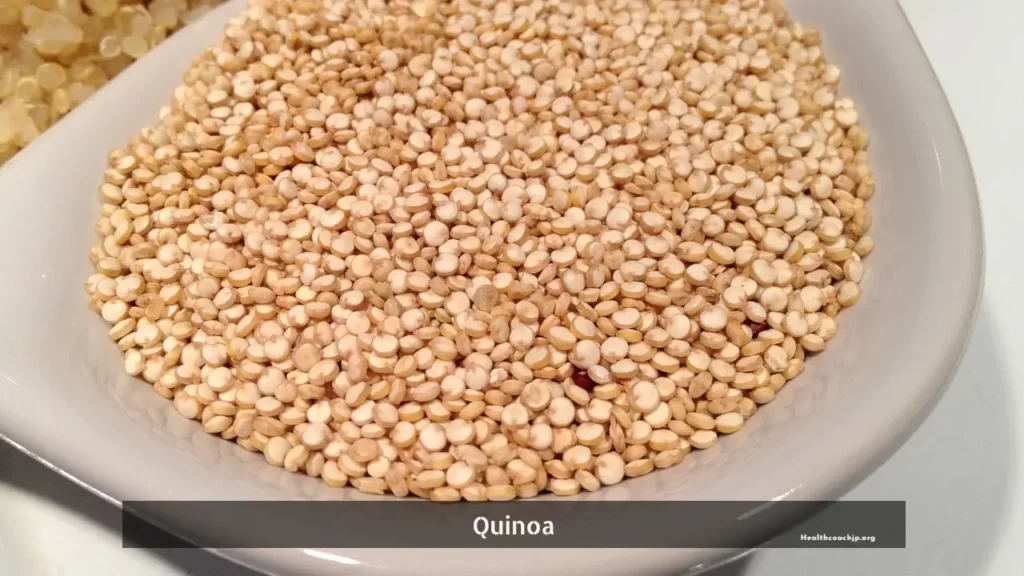
6. Quinoa
Quinoa is known as the “mother of all grains” as it is considered a whole-grain food to eat.
Quinoa- best food to eat
Because of its high protein and fiber content, it also has a good amount of manganese, phosphorus, magnesium, and foliates. It is also gluten-free and high in plant compounds like flavonoids which have anti-inflammatory, anti-depressant, and anti-viral properties that make the body healthy and balanced.
It can be an addition you can do in grain salads, veggie burgers, stews, soups, etc.
7. Yogurt
Yogurt is a dairy product that is great for weight loss. It is rich in calcium, Vitamin B12, Riboflavin, and phosphorous.
Yogurt- best food to eat
Greek yogurt can be beneficial in weight loss as it is high in proteins. Other varieties contain probiotics, which may help in appetite and weight control. You can add fruits and nuts to your, or use it as a spread which will help in a healthy, high protein diet with weight control.
8. Grapefruit
Grapefruit has a different flavor as it’s a citrus fruit with sometimes sour, bitter, sweet taste.
Grapefruit- best food to eat
Each grapefruit provides fiber, vitamins A and C, that a person needs every day. It is also low in calories, which is good for weight loss and fat-burning of the body.
You can eat grapefruit with sprinkled salt or pepper; you can make grapefruit smoothies, and juices and add them to your fruit bowl.
9. Oats
Oats are the best breakfast you can eat to lose weight. It is rich in fiber, manganese, protein, calcium, and copper.
Oats- best food to eat
The proteins and fibers in oats are helpful for appetite control and weight control.
You can add yogurt, and fruits to your oatmeal. You can add it to smoothies, baked foods, etc.
10. Bell peppers
Bell peppers are full of nutrients and available in a variety of colors. They are a good source of fiber, and other nutrients like Vitamin B6, C, and potassium. They are low in calories, high in water content, and can be added to your diet to reduce your calorie intake and control weight.
Bell Pepper- best food to eat
Add bell peppers to your dishes like yogurts, and dips, and go for a low-calorie meal, add to your sauces, soups, and salads and make them delicious and healthy.
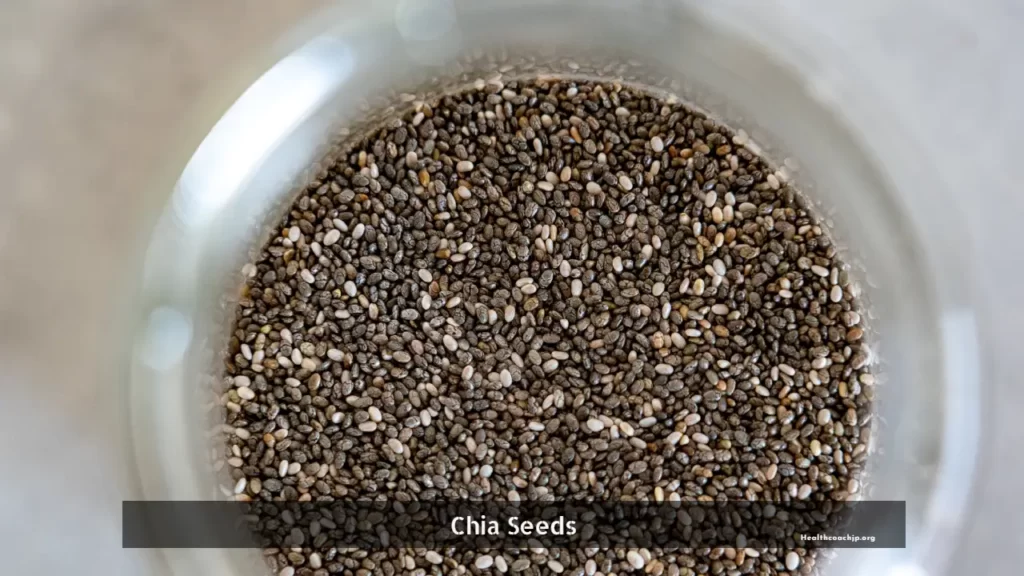
11. Chia seeds
Chia seeds have calcium, Omega 3 fatty acids, manganese, and magnesium, they also have soluble fibers in them which can absorb water and form a gel in the digestive section.
These are also rich in protein, by which you can control your appetite and reduce your hunger. Which helps in weight loss and loss of body fat.
Chia Seeds- best food to eat
You can add chia seeds to your oatmeal, yogurts, and fruit salads to improve the texture and flavor.
Many other foods can also help in weight loss. You just have to make a diet and add foods which you like.
Hopefully, you got your answer about what foods to eat to lose weight. There are also many articles related to weight loss, Also give them reading in your free time.
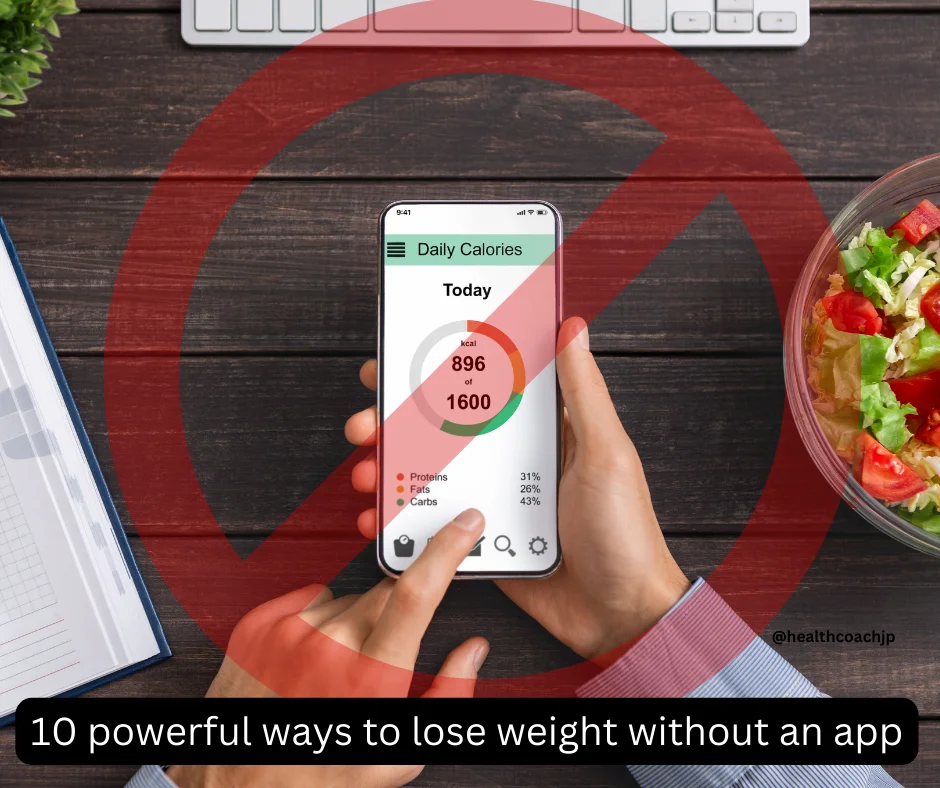
How to lose weight without an app? Losing weight is a common goal for many people, but with so many weight loss apps available, it can be tempting to rely on technology to guide the process. However, not everyone wants to use an app to lose weight, and the good news is that it’s possible to achieve weight loss success without one.
How to lose weight without an app
While there are plenty of weight loss apps available to help you track your progress, sometimes relying on technology is not the answer. The good news is that there are plenty of powerful ways to lose weight without an app. In this article, we’ll provide you with 10 actionable tips to achieve sustainable weight loss without relying on technology.
10 powerful ways to lose weight without an app
10 powerful ways to lose weight without an app
1. Set Realistic Goals
One of the most important factors in achieving sustainable weight loss is setting realistic goals. While it may be tempting to set a goal of losing a large amount of weight quickly, this can be detrimental to your overall health and make it difficult to maintain your weight loss in the long run. Instead, set a realistic goal of losing 1-2 pounds per week. This may not seem like much, but it can add up over time and is a healthy rate of weight loss.
Determining your daily caloric needs is also important in setting realistic goals. You can use an online calculator to determine your daily caloric needs based on your age, gender, height, weight, and activity level. Once you have this number, you can create a reasonable calorie deficit to achieve your desired weight loss. Aim for a deficit of 500-1000 calories per day, which should result in 1-2 pounds of weight loss per week.
2. Plan Your Meals and Snacks
Meal planning is an essential component of losing weight without an app. When you plan your meals and snacks ahead of time, you’re less likely to make unhealthy choices when you’re hungry and in a rush. Make a list of healthy foods and recipes that you enjoy, and plan your meals and snacks accordingly. Opt for whole, unprocessed foods that are high in fiber and protein to keep you full for longer.
When planning your meals and snacks, be sure to include a variety of foods from all food groups. This will ensure that you’re getting all of the nutrients your body needs to function properly. Some healthy meal and snack options to incorporate into your diet include:
Whole grain toast with avocado and a poached egg
Greek yogurt with berries and nuts
Grilled chicken with roasted vegetables
Baked sweet potato with black beans and salsa
Apple slices with almond butter
Portion control is also important when it comes to losing weight without an app. Use smaller plates and measuring cups to ensure that you’re consuming appropriate portions.
3. Incorporate Physical Activity
Exercise is not only great for burning calories, but it’s also essential for maintaining a healthy weight and overall health. Incorporate both aerobic and strength-training exercises in your routine, and gradually increase your activity levels as you progress. Aim for at least 30 minutes of moderate-intensity exercise most days of the week.
If you’re new to exercise, start with low-impact activities like walking or swimming, and gradually increase the intensity and duration of your workouts. Strength-training exercises, such as weightlifting or bodyweight exercises, can help build muscle and boost your metabolism, leading to increased calorie burning.
4. Practice Mindfulness and Positive
Self-Talk Mindfulness practices, such as meditation and deep breathing, can help reduce stress and improve mental clarity. Stress can be a major obstacle in achieving weight loss, as it can lead to overeating and poor food choices. Practicing mindfulness techniques can help you better manage stress and reduce its negative impact on your weight loss journey.
Positive self-talk is also essential when it comes to losing weight without an app. Use positive affirmations to encourage and motivate yourself, and don’t be too hard on yourself when you slip up. Remember that weight loss is a journey, and setbacks are a normal part of the process.
5. Stay Hydrated
Drinking plenty of water is crucial for weight loss, as it helps keep you feeling full and hydrated. Aim to drink at least 8 glasses of water per day, and more if you’re physically active or live in a hot climate. Drinking water before meals can also help you consume fewer calories, as it can help you feel fuller and faster.
Other beverages, such as sugary drinks and alcohol, can be high in calories and contribute to weight gain. Limit your intake of these beverages and opt for water, unsweetened tea, or black coffee instead.
6. Get Enough Sleep
Getting enough sleep is important for overall health, but it’s also essential for weight loss. Lack of sleep can disrupt hormones that regulate hunger and satiety, leading to overeating and weight gain. Aim for 7-9 hours of sleep per night, and try to maintain a consistent sleep schedule.
7. Seek Support
Losing weight can be a challenging journey, and seeking support from others can make a big difference. Consider joining a weight loss support group, working with a personal trainer or nutritionist, or enlisting the help of a friend or family member to keep you accountable.
8. Limit Screen Time
Spending too much time in front of screens, such as TVs and computers, can contribute to weight gain. Not only can it lead to a sedentary lifestyle, but it can also disrupt sleep patterns and lead to poor food choices. Limit your screen time and instead, engage in physical activities, such as walking or reading a book.
9. Practice Intermittent Fasting
Intermittent fasting is a pattern of eating that involves alternating periods of fasting and eating. This eating pattern has been shown to be effective for weight loss, as it can help reduce overall calorie intake. There are several different types of intermittent fasting, so it’s important to find a method that works for you and your lifestyle.
10. Be Patient and Persistent
Finally, it’s important to be patient and persistent when it comes to losing weight without an app. Sustainable weight loss takes time and effort, and setbacks are a normal part of the process. Remember that every healthy choice you make, no matter how small, can add up over time and lead to lasting weight loss success. Recommend reading: 14 Amazing Benefits Of Eating Healthy Foods
Conclusion
While weight loss apps can be helpful tools for tracking progress, they’re not the only solution to achieving sustainable weight loss. By setting realistic goals, planning your meals and snacks, incorporating physical activity, practicing mindfulness and positive self-talk, staying hydrated, getting enough sleep, seeking support, limiting screen time, practicing intermittent fasting, and being patient and persistent, you can achieve your weight loss goals without relying on an app. Remember, sustainable weight loss is a journey, and every healthy choice you make can bring you one step closer to your goals.
Frequently Asked Questions (FAQs) about How to Lose Weight Without an App
Q: Is it possible to lose weight without tracking calories with an app?
A: Yes, it is possible to lose weight without tracking calories with an app. By making healthier food choices, incorporating physical activity into your daily routine, and practicing mindfulness and positive self-talk, you can achieve sustainable weight loss without relying on an app.
Q: Do I need to follow a specific diet to lose weight without an app?
A: No, you don’t need to follow a specific diet to lose weight without an app. However, it’s important to make healthier food choices, such as incorporating more fruits and vegetables into your diet, choosing lean protein sources, and limiting processed and high-calorie foods.
Q: How much physical activity do I need to lose weight without an app?
A: The amount of physical activity you need to lose weight without an app depends on your current level of fitness and your weight loss goals. However, aim to incorporate at least 30 minutes of moderate-intensity physical activity into your daily routine, such as brisk walking, cycling, or swimming.
Q: Can I lose weight without giving up my favorite foods?
A: Yes, you can still enjoy your favorite foods while losing weight without an app. However, it’s important to practice portion control and make healthier choices most of the time. You can also try incorporating healthier versions of your favorite foods into your diet, such as making a homemade pizza with whole wheat crust and plenty of veggies.
Q: Will I still see results if I don’t track my progress with an app?
A: Yes, you can still see results if you don’t track your progress with an app. However, it’s important to set realistic goals and celebrate small successes along the way. You can also track your progress in other ways, such as by taking progress photos or measuring your body fat percentage.
Are you an inhabitant of the UK? Would you like to enlist your name in a global health insurance company that is counted among one of the United Kingdom’s leading healthcare specialists and now provides services to 38 million plus global customers? Then, Bupa Health Insurance is your ideal insurance provider.
Headquartered in London, the company Bupa Private Health Insurance comprises nearly 85,000 employees who continually work for the profit earnings of this company, which in turn are reinvested within the firm itself to assist the employees.
This organization intends to provide health funding to the common populace of the United Kingdom. Eager to know further about this insurance provider? Then, keep reading:
Bupa Health Insurance- Briefs Overview:
The UK-based health insurance provider Bupa, founded in 1947, got its shape with the joining hands of 17 British provident association forces. It aimed to provide the entire UK with its private healthcare services.
Though initially, it was only able to afford its offering of private healthcare services to only individuals and businesses, later, it expanded its services by including privately-run Bupa hospitals.
Bupa Health Insurance
However, the Bupa hospitals didn’t remain in the hands of the Bupa community, and it was sold in 2008 to Spire Healthcare.
The name of Bupa health insurance is a distinguished and well-respected one in the industry of national as well as global health insurance industry.
Each policy that falls under Bupa private health insurance includes NHS cash benefits, cancer coverage, and mental health coverage. With this health insurance, you will get access to 200 plus Bupa Insurance’s ‘Essential’ hospitals list, 900 plus Bupa Insurance’s ‘Extended’ hospitals list, and 1000 plus Bupa Insurance’s ‘Extended + London’ choice of hospitals.
Besides the comprehensive policy of health insurance, Bupa includes extensive diagnostics. In Bupa, Excess starts from the as meager amount as £100.
The plan of comprehensive health insurance, Bupa, has been rated five stars by Defaqto’s autonomous financial comparison service. While taking out the Bupa policy, customers get a single will (worth £80) or a couple will (worth £130) for free.
Bupa Medical Insurance Policy Benefits:
Bupa Medical Insurance offers some innovative features as well as supplementary benefits that keep it one step ahead of its competitors. The benefits it offers are:
It gives coverage for those extra mental health conditions of the customers, whose coverage other insurers refuse to give.
It offers coverage to the therapies or mental health cover of the customers as standard.
It gives health advice twenty-four hours a day and seven days a week.
It makes cancer treatment and various breakthrough cancer drugs available before you.
You can do Live video consultations with the General Physician through its app.
Bupa Health Insurance – How Does It Work?
The Bupa private health insurance company offers the following policies to its customers:
Bupa individual health insurance policy
Bupa couples health insurance policy
Bupa family health insurance policy
Bupa business health insurance policy
The company gives a five percent discount to every couple and a ten percent discount to every family who applies for its insurance policy. Moreover, there are 2 types of plans for Bupa. They are:
Bupa Comprehensive Cover Plan:
This plan of Bupa works well if you need coverage for diagnostic tests as well as scans, out-patient consultations, post-diagnostics tests, and normal scans as well as consultations.
Bupa Treatment & Care Cover Plan:
This Bupa plan is economical compared with the comprehensive care coverage plan. It’s formulated for the people who are glad to have an NHS diagnosis but still prefer to get private treatment.
In this kind of plan, NHS normally scans and carries out consultant appointments. However, in case of the requirement for any treatment, the policy kicks in.
How Much Does Bupa Cost?
The Bupa health insurance cost actually relies upon (though not limited to) numerous aspects like the potential customer’s health, his/her smoker status, his/her present location, and his/her choice of plan.
If you are a healthy person whose age is 30 years, for basic medical insurance, you have to pay between £25 to £35. In this plan, you will have the privilege to choose additional coverage options.
Bupa’s policy for treatment & care includes hospital treatments, Bupa mental health cover, cancer cover, home nursing, NHS cash benefit, out-patient therapies, home treatment, and a twenty/four hours medical helpline.
While you choose to get a preliminary quote for ‘Treatment and care, you will be treated well and offered some additional cover options explained below.
Bupa’s Treatment And Care Option For Cancer Cover:
Two options are there for the cancer coverage of Bupa. They are
Full Cancer Cover:
This option of Bupa gets automatically included if the customer quotes online. In case he/she selects this option, he/she will get the following benefits:
There will be no time limit or financial limit for the customers
The customer will get access to eligible treatments as well as breakthrough drugs
The customer will get full coverage even when his/her cancer revives
The customers will get support from the specialist at each step of their way
The only shortcoming we encountered in this plan is that it is expensive.
NHS Cancer Cover+ Plan:
Selecting this option will enable you to be attended by only NHS on your cancer diagnosis. However, If you are eligible for the treatment and NHS doesn’t have the facility for proper cancer treatment, Bupa health insurance will give you private treatment in the form of radiotherapy, surgical operations, and chemotherapy.
Bupa Health Insurance’s Network For Treatment & Care Nursing Home/Hospital:
There are three options for Bupa’s hospital network:
Essential hospital access, through which the customer will get access to two hundred and forty-four hospitals
Extended hospital access, through which the customer will get access to thousand and fifty-six hospitals
Access to Central London hospital along with extended choice, through which the customer will get access to one thousand two hundred forty-one hospitals
So, among the three, you can choose essential hospital access in case you want to go for an inexpensive option. If you go for extended hospital access, you must spend some extra money. And, to get access to the Central London hospital along with extended choice, you have to spend the largest amount of money of all.
Monthly Cost Of The Treatment & Care Cover Of Bupa Health Insurance:
Here is the list of the monthly costs of Bupa for full cancer coverage:
Regarding the Essential Full cancer cover option for Bupa treatment & care cover with an excess of £500, a £25.60 premium has to be spent.
Regarding the Extended Full cancer cover option for Bupa treatment & care cover with an excess of £500, a £28.55 premium has to be spent.
In the case of Extended choice, Full cancer cover option for Bupa treatment & care cover with an excess of £500, £34.78 premium has to be spent.
Regarding the Essential Full cancer cover option for Bupa treatment & care cover with an excess of £100, £37.71 premium has to be spent.
Regarding the Extended Full cancer cover option for Bupa treatment & care cover with an excess of £100, a £42.06 premium has to be spent.
In the case of Extended choice, Full cancer cover option for Bupa treatment & care cover with an excess of £100, a £51.22 premium has to be spent.
The price a customer pays is impacted by many factors (for example, how much excess he/she chooses). Remember, the lower the amount of the excess, the greater your pay.
A customer can choose the excess amount from a bunch of options like £0, £150, £250, £100, £200, and £500. So, as there are plenty of options for Bupa insurance policies available to the customers, they must only proceed to buy a Bupa policy after extensive research on it.
You can choose to get NHS cancer coverage, but since it is not accessible via the net, you have to speak to the executives of Bupa to get this policy.
You can better discuss this matter with an independent medical or health insurance specialist. This is because they can access quotes from various insurance companies and help you find the most comprehensive coverage at the lowest premium possible.
What Does Bupa Cover In Comprehensive Policy?
Bupa’s comprehensive policy gives benefits for:
Hospital treatments
Mental health cover
Cancer cover
Home Nursing
Out-patient consultations
Diagnostic scans
Consultations for post-diagnosis out-patient
NHS cash benefit
Out-patient therapies
Home treatment
24-hour medical help
Diagnostic tests
Post-diagnostic tests and post-diagnostics scans
In case you receive a Bupa’s comprehensive quote, you will be given extra cover options, including out-patient cover, cover option for treatment & cancer care, and network option for treatment & hospital care.
In the case of a comprehensive Bupa health insurance policy, the Essential Full cancer cover of £500 excess would cost a premium of £33.07/month for a £500 out-patient limit and £38.93/month for a £1000 out-patient limit.
The Extended Full cancer cover of £500 excess would cost a premium of £36.89/month for a £500 out-patient limit and £43.42/month for a £1000 out-patient limit. Like the Extended Full cancer cover, the Extended choice Full cancer cover of £500 excess would also cost a premium of £36.89/month for a £500 out-patient limit and £43.42/month for a £1000 out-patient limit.
So, there are several options available in the comprehensive policy of Bupa health insurance, and you should choose the policy among them that best suits your need and budget.
As it’s confusing to choose the best scheme among them for you, visiting an independent specialist for health insurance would help.
What Is Bupa Cash Plan Claim?
It’s a plan that offers cash back to you for some of your everyday healthcare costs. It differs from a health insurance scheme as this cashback of everyday healthcare costs like dental and optical costs is not covered in any health insurance plan.
The customers can claim cash back for what they expended up to annual benefit limits. They can do so for some of their routine health costs.
Bupa Family Cover:
Bupa brings private family health insurance policies for the members of different families that gives health coverage for each member of every family who enrolls their name on this policy.
Also, each of the families would get a 10 percent discount on buying this policy as compared to an individual policy. Each family can choose to go with either comprehensive health insurance or treatment & care health insurance. The benefits of the Bupa family cover are:
No need to wait for a GP. You can instead contact the health insurance company of Bupa directly.
You will get to do a checkup through the general physician without going anywhere.
Bupa will take care of your mental health condition.
You will get the help of nurses whenever you want.
You will get access to breakthrough drugs for cancer
You will get Bupa’s rewards from your favorite brands.
The Facilities That Bupa Health Insurance Doesn’t Cover:
Chronic conditions other than mental health issues and cancer
Special/pre-existing conditions
Natural aging
Food intolerances, allergic disorders, and allergies
Pre-treatment out-patient consultations or diagnostic tests that are excluded from Bupa’s “Treatment and Care”
Pre-treatment scans like MRI, PET, and CT scans are excluded from Bupa’s “Treatment and Care.”
Bupa Customer Service:
The culture at Bupa Health Insurance Company is very good. Each of Bupa’s customer care executives is especially friendly, open, and collaborative in their behavior. They do their best to provide you with support for every issue you face. So, the good job of Bupa Customer Service is one of the reasons for the company’s success.
FAQs on Bupa Health Insurance
Q. Is it worth paying for Bupa?
Answer: Yes, it’s worth spending money for Bupa as this health insurance company is a reputed one with excellent standing among other health insurance companies for good reason. Bupa has received 14000 plus reviews on Trustpilot. Also, it has got a score of 4.4/5.0 and an official “Excellent” rating.
Q. Does Bupa cover pre-existing conditions?
Answer: No, Bupa usually doesn’t cover any customer or their family members in its policy for those ailments that happened before he/she enrolled for the insurance. With Moratorium, no pre-existing medical conditions of the customer or their family members would be considered until two years or more have departed without any further incident for each ailment.
Q. Is Bupa private or NHS?
Answer: Bupa Health Insurance is considered a private company that was established in 1947 and is limited by a guarantee. The company possesses no shareholders. It reinvests its profit.
Q. What are the primary benefits of Bupa health insurance?
Answer: The advantages of Bupa health insurance includes: 1. An immediate visit to the doctor without any wait for the General Physician 2. Lucrative gifts from the company 3. 24/7 Ready-to-help nurses 4. Support from the company for mental health 5. Without going anywhere, you can see a General Physician
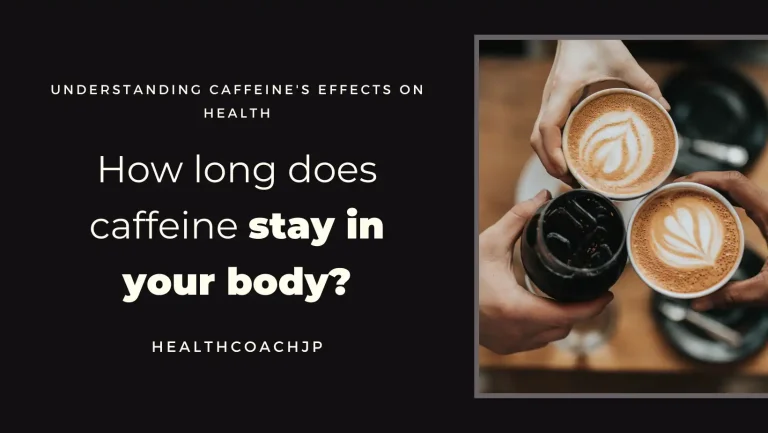
Are you one of those people who can’t function until they’ve had their morning cup of coffee? Or maybe you rely on energy drinks to power through a long day. If caffeine is part of your daily routine, you might be wondering just how long does caffeine stay in your system.
In this article, we will dive deep into the ins and outs of caffeine metabolism and uncover the truth about its duration in your body. Whether you’re a coffee lover, an energy drink enthusiast, or simply curious about caffeine’s effects, this article will provide you with the answers you need.
How long does caffeine stay in your body
We will explore the factors that influence how long caffeine stays in your system, including metabolism, age, and other individual factors. Additionally, we’ll debunk common misconceptions and reveal tips on managing your caffeine intake to avoid negative side effects.
So, if you’re ready to unravel the mysteries of caffeine and gain a better understanding of its impact on your body, keep reading. Whether you’re looking to optimize your caffeine consumption or simply satisfy your curiosity, this article has got you covered.
How does caffeine work in the body?
Caffeine is a naturally occurring stimulant found in various plants, including coffee beans, tea leaves, and cocoa beans. When consumed, caffeine is quickly absorbed into the bloodstream and travels to the brain, where it interacts with the body’s central nervous system.
Once in the brain, caffeine blocks the action of a neurotransmitter called adenosine, which normally binds to specific receptors and promotes feelings of sleepiness and relaxation. By blocking these adenosine receptors, caffeine prevents the buildup of adenosine, leading to an increase in neuronal firing and the release of other neurotransmitters, such as dopamine and norepinephrine.
This cascade of effects results in the well-known stimulant properties of caffeine, including increased alertness, improved mood, enhanced cognitive performance, and a temporary boost in energy levels. Caffeine also affects the cardiovascular system, causing a slight increase in heart rate and blood pressure, as well as the release of adrenaline, which can further contribute to the energizing effects of caffeine.
Factors Affecting Caffeine Metabolism
The rate at which caffeine is metabolized and cleared from the body can vary significantly from person to person, depending on a variety of factors. Understanding these factors can help individuals better manage their caffeine intake and minimize any unwanted side effects.
One of the primary factors influencing caffeine metabolism is the enzyme CYP1A2, which is responsible for breaking down caffeine in the liver. The activity of this enzyme can be affected by genetics, age, and certain medications or health conditions. For example, individuals with a genetic variant that results in faster CYP1A2 activity will metabolize caffeine more quickly, while those with slower enzyme activity may experience longer-lasting effects.
Factors Affecting Caffeine Metabolism
Additionally, age can play a role in caffeine metabolism. As people get older, their liver’s ability to metabolize caffeine can slow down, leading to a longer half-life of the stimulant in the body. Women may also experience variations in caffeine metabolism throughout their menstrual cycle or during pregnancy, as hormonal changes can impact the activity of the CYP1A2 enzyme.
Other factors that can influence caffeine metabolism include body weight, gender, smoking status, and the presence of certain medications or health conditions. For instance, smokers tend to metabolize caffeine more quickly than non-smokers, while certain medications, such as oral contraceptives or antidepressants, can slow down the breakdown of caffeine in the body.
How long does caffeine stay in your system?
The duration of caffeine’s effects on the body can vary widely depending on individual factors and the amount consumed. On average, the half-life of caffeine (the time it takes for the body to eliminate half of the caffeine consumed) is around 5-6 hours, but this can range from as little as 1.5 hours to as long as 9 hours or more.
This means that if you consume 200 mg of caffeine, after 5-6 hours, you will have approximately 100 mg remaining in your system. However, it’s important to note that the remaining caffeine will continue metabolizing and clearing from the body over the next several hours.
How long does caffeine stay in your system
The time it takes for caffeine to be eliminated from the body can be influenced by the same factors that affect its metabolism, such as age, genetics, and health conditions. It’s estimated that it takes around 12 hours for the body to eliminate 75-100% of the caffeine consumed, although this can vary significantly from person to person.
It’s worth noting that the perceived effects of caffeine may last longer than the actual presence of the stimulant in the body. This is because the initial surge of neurotransmitters and hormones triggered by caffeine can continue to have an impact on mood, alertness, and energy levels even after the caffeine has been metabolized and cleared from the system.
Caffeine sensitivity and tolerance
Individuals can have varying degrees of sensitivity to caffeine, influencing how they respond to and metabolize the stimulant. Some people may be more sensitive to the effects of caffeine, experiencing jitteriness, anxiety, or other unwanted side effects even at relatively low doses. In contrast, others may be able to consume larger amounts without experiencing significant adverse reactions.
Caffeine sensitivity is largely determined by genetic factors, particularly the activity of the CYP1A2 enzyme responsible for metabolizing caffeine. Individuals with a genetic variant that results in slower CYP1A2 activity are more likely to be caffeine-sensitive, as the stimulant remains in their system for longer.
Caffeine Sensitivity and Tolerance
In addition to genetic factors, caffeine sensitivity can also be influenced by individual differences in how the body responds to the stimulant. Some people may be more susceptible to caffeine’s jittery or anxious effects, while others may experience a more pronounced boost in energy and alertness.
Over time, regular caffeine consumption can lead to the development of tolerance, where the body becomes accustomed to the presence of the stimulant and requires higher doses to achieve the same effects. This is because the body’s neurotransmitter systems and receptors can adapt to caffeine, reducing the response to the same amount of the stimulant.
Health effects of excessive caffeine consumption
While moderate caffeine consumption is generally considered safe and beneficial for some individuals, excessive or prolonged caffeine intake can lead to various negative health effects.
One of the most well-known consequences of excessive caffeine consumption is disrupted sleep patterns. Caffeine is a stimulant that can interfere with the body’s natural sleep-wake cycle, making it harder to fall and stay asleep. This can lead to daytime fatigue, irritability, and reduced cognitive performance.
Excessive caffeine intake has also been linked to increased anxiety, restlessness, and even panic attacks in some individuals. The stimulant effects of caffeine can exacerbate underlying anxiety disorders or trigger anxiety-related symptoms, particularly in those who are more sensitive to the effects of the stimulant.
Excessive caffeine consumption can also impact cardiovascular health. Caffeine causes a temporary increase in heart rate and blood pressure, which can be problematic for individuals with pre-existing heart conditions or high blood pressure. Prolonged exposure to these effects may contribute to the development of cardiovascular problems over time.
Additionally, high doses of caffeine can lead to gastrointestinal issues, such as heartburn, stomach upset, and even diarrhea. Caffeine can stimulate the production of stomach acid and affect the digestive system, leading to discomfort and potential long-term problems if consumption remains excessive.
Managing caffeine intake for better sleep
Given the potential negative impacts of excessive caffeine consumption, it’s important to find a balance between enjoying the benefits of caffeine and managing its effects on your overall health, particularly regarding sleep quality.
One effective strategy is to be mindful of when you consume caffeine throughout the day. Experts recommend limiting caffeine intake to the morning or early afternoon, as the stimulant can take several hours to metabolize and clear from the body fully. Consuming caffeine too close to bedtime can significantly disrupt sleep patterns and make it more difficult to fall asleep.
Managing caffeine intake for better sleep
It’s also important to pay attention to the amount of caffeine you’re consuming. The recommended daily limit is generally considered to be around 400 mg for healthy adults. This equates to roughly 4 cups of coffee or 2 energy drinks, depending on the caffeine content of the specific products. Exceeding this limit can increase the risk of adverse effects.
In addition to timing and quantity, the source of caffeine can also impact sleep. For example, coffee and energy drinks often contain other stimulants, such as taurine or guarana, which can further disrupt sleep patterns. Opting for caffeine sources like black or green tea, which have lower caffeine content and fewer additional stimulants, maybe a better choice for those looking to manage their caffeine intake and improve sleep quality.
Ways to reduce caffeine dependency
If you find yourself relying on caffeine to get through the day, it may be time to consider ways to reduce your dependency on the stimulant. Cutting back on caffeine can be challenging, as it can lead to withdrawal symptoms like headaches, fatigue, and irritability, but with the right strategies, it’s possible to break the cycle of caffeine dependency.
One effective approach is to gradually reduce your caffeine intake over time rather than going “cold turkey.” This can involve cutting back on the number of caffeinated beverages you consume each day or opting for smaller serving sizes. Slowly decreasing your caffeine intake can help minimize the severity of withdrawal symptoms and make the process more manageable.
Incorporating alternative energy-boosting activities into your daily routine can also be helpful in reducing caffeine dependency. This could include things like regular exercise, meditation, or incorporating more nutrient-dense foods into your diet, all of which can provide natural energy boosts without the crash associated with caffeine.
It’s also important to be mindful of your caffeine triggers and find ways to replace them with healthier alternatives. For example, if you typically reach for a cup of coffee when you feel an afternoon slump, try taking a short walk or enjoying a healthy snack instead. By identifying and addressing the underlying reasons for your caffeine cravings, you can gradually break the habit and reduce your dependency on the stimulant.
Caffeine alternatives for energy boost
If you’re looking to reduce your caffeine intake but still want to maintain a boost in energy and alertness, there are several natural alternatives worth considering.
One option is to incorporate more nutrient-rich foods into your diet, such as fruits, vegetables, whole grains, and lean proteins. These foods can provide a sustained energy boost through the slow release of complex carbohydrates and the presence of essential vitamins and minerals without the crash associated with caffeine.
Another alternative is to try adaptogens, which are herbs and plants that can help the body better cope with stress and fatigue. Examples of adaptogenic herbs include ginseng, ashwagandha, and rhodiola, which have been shown to have a positive impact on energy levels, mood, and cognitive function.
Exercise is also a powerful natural energy booster, as it can increase the production of endorphins, dopamine, and other feel-good neurotransmitters that can provide a sustained energy boost. Regular physical activity, such as a brisk walk, yoga, or strength training, can effectively combat fatigue and improve overall energy levels.
Finally, getting enough quality sleep is essential for maintaining consistent energy throughout the day. Establishing a consistent sleep routine, practicing good sleep hygiene, and ensuring you’re getting the recommended 7-9 hours of sleep per night can help your body naturally recharge and provide the energy you need to power through your day.
Conclusion: Understanding caffeine’s impact on your body
Caffeine is a widely consumed stimulant that can have a significant impact on our bodies and overall well-being. By understanding how caffeine works, the factors that influence its metabolism, and the potential health effects of excessive consumption, we can make more informed decisions about our caffeine intake and find ways to manage it effectively.
Whether you’re a coffee lover, an energy drink enthusiast, or simply someone who wants to optimize their energy and sleep patterns, this article has provided you with the insights and strategies you need to navigate the world of caffeine. By being mindful of your caffeine consumption, exploring alternative energy-boosting options, and finding ways to reduce your dependency on the stimulant, you can achieve a healthier balance and enjoy the benefits of caffeine without the drawbacks.
Remember, everyone’s relationship with caffeine is unique, so it’s important to pay attention to your own body’s responses and adjust your intake accordingly. With the right approach, you can harness the power of caffeine while maintaining your overall health and well-being.
Discover how pressure points for weight loss can help you achieve your goals and improve your overall well-being. Our comprehensive guide explains effective techniques for using acupressure, an ancient Chinese practice, for weight loss. By applying pressure to specific points on your body, you can curb cravings, enhance digestion, reduce stress, and boost your metabolism. Incorporate this natural method into your weight loss routine for impressive results.
For centuries, the Chinese have used acupressure and weight loss techniques, focusing on energy flow (Qi) and life force (Chi). These methods have evolved and proved productive for weight management.
Instead of relying on conventional methods that may not guarantee results, why not try the powerful approach of acupressure points for weight loss? By stimulating the right points, you can achieve noticeable results and enhance your overall wellness.
What Are Acupressure Points for Weight Loss?
Acupressure for weight loss is a traditional Chinese therapy that involves applying pressure to various acupoints for weight loss with your fingers. This method has been shown to relieve ailments like headaches, insomnia, and digestive issues while promoting weight loss by stimulating the body’s metabolism.
acupressure point for weight loss
10 Proven Acupressure Points for Weight Loss
Stimulating these acupressure points for fat loss for 3-5 minutes daily can increase your metabolism and support your weight management efforts:
Ear Acupressure Points for Weight Loss: Press the point just below the earlobe to control appetite and reduce cravings. Regularly massaging this point will help you manage hunger.
Upper Lip Region: Also known as the Shuigou spot, this pressure point between your nose and upper lip can help burn calories and stimulate metabolism when massaged for five minutes.
Thumb Point: Located at the base of the thumb, this point supports thyroid function, a key player in metabolism. Massaging this acupressure point for weight loss in hand for one minute daily can improve your metabolic rate.
Inner Elbow Point: Found just below the elbow crease, this pressure point helps relieve stress and aids in weight loss. Regularly massage it to improve digestion and reduce fat accumulation.
Knee Joint Point: Situated two inches below the kneecap, this pressure point for weight loss boosts digestion and aids in burning calories. Stimulating this point can also help improve overall digestion and prevent bloating.
Abdomen Point: This pressure point to lose belly fat is located two centimeters below the belly button. Massaging this point helps to reduce fat, enhance digestion, and relieve constipation.
Ankle Point: Found two inches above the ankle bone, this point improves digestion and helps curb cravings, making it one of the best acupressure points for belly fat loss.
Yang Ling Quan Point: Located on the outer thigh, this point is effective for burning calories, reducing muscle pain, and relieving motor impairment. It’s one of the essential acupressure points for fat loss in the thigh region.
Outer Palm Point: Located between the thumb and index finger, this acupressure point for weight loss on hands regulates blood flow and metabolism, contributing to effective fat loss.
Xuehai Point: This point, located two inches above the knee, regulates blood pressure and supports overall weight loss efforts.
Benefits of Using Acupressure for Weight Loss
By stimulating these acupressure points for reducing weight, you can improve your metabolism, enhance blood circulation, and regulate the digestive system. These acupressure fat loss techniques provide a natural way to manage weight, reduce cravings, and promote overall wellness.
Effective acupressure points for weight loss and their benefits
The ear point: Located on the upper part of the ear, this point helps control cravings and reduce hunger pangs. Stimulating this point can also aid in digestion and promote a healthy metabolism.
The abdominal sorrow point: Found near the belly button, this point is effective in reducing abdominal bloating, promoting digestion, and aiding in weight loss.
The spleen point: Located on the inner ankle, this point can help regulate the digestive system and reduce sugar cravings, leading to weight loss.
The Shen Men point: Also known as the “heavenly gate,” this point is located in the upper part of the ear. Stimulating this point can help reduce stress and anxiety, which are often linked to emotional eating and weight gain.
How to Use Acupressure for Weight Loss
Acupressure is a non-invasive and natural way to manage weight loss. By applying pressure to specific points on the body, acupressure can help control appetite, improve digestion, and boost metabolism. For best results, follow these tips:
Acupressure point for weight loss
Find the Right Acupoints: Identifying the correct acupuncture points for weight loss is key to success. Consult a certified practitioner if needed.
Apply the Right Pressure: Firm but gentle pressure is essential. Hold the point for 2-3 minutes until you feel mild discomfort.
Consistency is Key: Practice acupressure daily for at least 20 minutes for optimal results. Regular use of acupressure and weight loss techniques can significantly boost metabolism.
Pair Acupressure with Healthy Habits: Combine acupressure points for fat loss with a healthy diet and regular exercise for faster, lasting results.
The Science Behind Acupressure for Weight Loss
Research has shown that pressure points for weight loss can regulate hormones like ghrelin and leptin, controlling hunger and satiety. Acupressure also boosts metabolism and reduces stress, which is crucial for weight loss. Acupressure is an ancient practice used for centuries to promote overall well-being. In recent years, research has been conducted to understand the science behind acupressure and its effectiveness for weight loss. Here’s what science says about acupressure points for weight loss:
Appetite control: Studies have shown that acupressure can help control appetite by regulating the release of hormones such as ghrelin and leptin, which are responsible for hunger and satiety.
Metabolism boost: Acupressure can also help boost metabolism by stimulating the nervous system and improving blood flow to the digestive organs.
Stress reduction: Chronic stress is often linked to weight gain and emotional eating. Acupressure can help reduce stress and anxiety, which can promote weight loss.
Digestion improvement: By stimulating specific acupressure points, digestion can be improved, leading to better absorption of nutrients and a healthier metabolism.
Conclusion
While some may doubt the effectiveness of acupressure points for weight loss, this ancient practice has shown results for many people. Stimulating specific pressure points to reduce weight improves metabolism, supports digestion, and helps control cravings naturally. However, it’s important to consult a professional if you’re unsure how to perform acupressure techniques correctly.
Frequently Asked Questions (FAQs)
Q. Does pressure points work for weight loss?
Ans- The Chinese have applied the method of acupressure for weight loss for many years. They have worked on both life functioning and energy flow (qi and chi) and, with time, have found something productive. Pressing gently on the appropriate points of your body indeed helps in losing weight and also improves body metabolism.
Q. How can I trigger weight loss faster?
Ans- Triggering weight loss is not an easy job at least if you are a foodie. You’re appetitive and craving nature provokes you to consume more food and often unhealthy junk. But pressing the acupressure points like the abdomen point helps you in controlling your appetite which automatically results in fat reduction.
Q. Can you lose belly fat by massaging?
Ans- Of course, you can lose belly fat by massaging. But you have to practice it in the right region of your belly. The lower abdomen area is one such point where massaging helps check belly fat.
In a world where convenience often trumps nutrition, we find ourselves reaching for quick snacks to satisfy our hunger pangs. Biscuits, with their myriad flavors and tempting packaging, have become a go-to choice for many. But here’s the burning question: are biscuits healthy or not?
In this article, we delve deep into the truths behind those scrumptious biscuits that grace our pantry shelves. We’ll uncover the nutritional value, ingredients, and potential health benefits or concerns that come along with indulging in these delectable treats. Whether you’re a steadfast biscuit enthusiast or someone in search of healthier snacking options, you’ll want to stick around as we demystify the biscuit debate. We’ll provide you with the unbiased facts and insights you need to make informed decisions about your snacking choices.
So, if you’ve ever found yourself wondering whether biscuits can truly be a guilt-free pleasure or just another unhealthy vice, prepare to uncover the truth finally. Challenge your assumptions, enlighten your taste buds, and let’s dive deep into the world of biscuits.
Nutritional Value of Biscuits
When it comes to the nutritional value of biscuits, the picture is a mixed one. Biscuits can vary significantly in their nutritional profile, depending on the ingredients used and the manufacturing process. Generally speaking, biscuits are primarily composed of refined flour, butter or shortening, and sugar. This combination can result in a high-calorie, high-fat, and high-carbohydrate snack that may not align with the principles of a healthy, balanced diet.
Nutritional Value of Biscuits
However, it’s important to note that not all biscuits are created equal. Some biscuit varieties, particularly those made with whole-wheat flour or other nutrient-dense ingredients, can provide a few redeeming nutritional benefits. These biscuits may offer a decent amount of fiber, which can aid in digestion and promote feelings of fullness. Additionally, some biscuits may contain small amounts of vitamins and minerals, depending on the specific recipe and ingredients used.
It’s crucial to read the nutrition labels and ingredient lists carefully when evaluating the nutritional value of biscuits. This will help you make informed decisions about which biscuit options are the healthiest choices. Remember, moderation is key when it comes to biscuit consumption, as even the most nutritious biscuit can contribute to weight gain and other health concerns if consumed in excess.
Different Types of Biscuits
Biscuits come in a wide variety of shapes, sizes, and flavors, each with its own unique characteristics. From the flaky, buttery biscuits often associated with Southern cuisine to the crunchy, savory biscuits found in many breakfast menus, the world of biscuits is truly diverse.
One of the most common types of biscuits is the classic buttermilk biscuit. These biscuits are characterized by their light, fluffy texture and tangy flavor, which comes from the use of buttermilk in the recipe. Buttermilk biscuits are often enjoyed as a side dish or as the base for dishes like biscuits and gravy.
Another popular biscuit variety is the whole-wheat biscuit. These biscuits are made with whole-wheat flour, which adds a heartier, nuttier flavor and a slightly denser texture compared to their refined flour counterparts. Whole-wheat biscuits can be a more nutritious option, as they typically contain more fiber and other beneficial nutrients.
Savory biscuits, such as cheddar biscuits or herb-infused biscuits, are also a common sight. These biscuits often incorporate cheese, herbs, or other savory ingredients, creating a flavorful and satisfying snack or accompaniment to meals. Savory biscuits can be a nice change of pace from the more traditional sweet biscuits.
It’s worth noting that the manufacturing process and ingredient choices can also significantly impact the nutritional profile of biscuits. Some biscuits may be made with healthier fats, such as plant-based oils, while others may rely on hydrogenated or trans fats, which can be detrimental to health. Paying attention to the ingredient list and nutrition facts can help you make informed decisions about the biscuit options that best suit your dietary needs and preferences.
Common Misconceptions about Biscuits
Despite their widespread popularity, biscuits are often misunderstood when it comes to their nutritional value and health implications. Here are some common misconceptions about biscuits that are worth addressing:
“Biscuits are always unhealthy.” While it’s true that many traditional biscuit recipes are high in calories, fat, and carbohydrates, not all biscuits are created equal. As mentioned earlier, there are healthier biscuit options, such as those made with whole-wheat flour or other nutrient-dense ingredients, that can provide some nutritional benefits.
“Biscuits are just empty calories.” This misconception oversimplifies the nutritional content of biscuits. While biscuits may not be the most nutrient-dense food, they can provide a source of energy and, in some cases, small amounts of vitamins, minerals, and fiber, depending on the specific recipe.
“Biscuits are only for breakfast.” Biscuits can be enjoyed at any time of the day, not just for breakfast. They can serve as a snack, a side dish, or even as a base for savory or sweet toppings throughout the day.
“Biscuits are too difficult to make at home.” Contrary to popular belief, biscuits can be relatively easy to prepare at home, especially with the abundance of simple recipes and techniques available. Homemade biscuits can be a more healthful and cost-effective option compared to store-bought varieties.
“All biscuits are the same.” As mentioned earlier, biscuits come in a wide range of varieties, each with its own unique characteristics and nutritional profile. Recognizing the diversity of biscuit options can help you make more informed choices about the biscuits you consume.
By addressing these common misconceptions, we can gain a more nuanced understanding of the role biscuits can play in a balanced diet, and how to incorporate them in a way that aligns with your health and wellness goals.
Health Benefits of Certain Types of Biscuits
While the overall nutritional profile of biscuits may not be the most favorable, there are certain types of biscuits that can offer some health benefits when consumed in moderation.
One of the standout options is the whole-wheat biscuit. As mentioned earlier, these biscuits are made with whole-wheat flour, which provides a richer source of fiber compared to their refined flour counterparts. Fiber is essential for maintaining a healthy digestive system, promoting feelings of fullness, and potentially reducing the risk of certain chronic diseases.
Health Benefits of Certain Types of Biscuits
In addition to fiber, whole-wheat biscuits may also contain small amounts of vitamins and minerals, such as B vitamins, iron, and magnesium. These nutrients can contribute to overall health and well-being, supporting functions like energy production, immune system function, and bone health.
Another potentially beneficial biscuit option is the oat biscuit. Oats are known for their rich content of soluble fiber, which can help lower cholesterol levels and support heart health. Oat biscuits may also provide a more sustained source of energy due to their complex carbohydrate composition, making them a more filling and satisfying snack option.
It’s important to note that the specific health benefits of biscuits will depend on the quality of the ingredients used and the overall nutritional profile of the biscuit. Biscuits made with whole-grain flour, minimal added sugars, and healthier fats are more likely to offer greater nutritional advantages compared to their more processed and refined counterparts.
Potential Drawbacks of Eating Too Many Biscuits
While biscuits can be a tasty and enjoyable treat, consuming them in excess can lead to some potential health drawbacks that are important to consider.
One of the primary concerns with excessive biscuit consumption is the high calorie and fat content. Biscuits, particularly those made with butter or shortening, can be high in saturated and trans fats, which have been linked to an increased risk of heart disease, high cholesterol, and other cardiovascular issues.
Additionally, the high carbohydrate content of biscuits, often derived from refined flour, can contribute to spikes in blood sugar levels. This can be especially problematic for individuals with diabetes or those trying to manage their blood sugar for overall health reasons. Frequent blood sugar fluctuations can lead to fatigue, mood swings, and an increased risk of developing type 2 diabetes over time.
Biscuits can also be a significant source of added sugars, which are known to contribute to weight gain, obesity, and a range of other health problems, such as fatty liver disease and tooth decay. Consuming too many biscuits can make it challenging to maintain a balanced and nutrient-dense diet, as the calories and carbohydrates from biscuits may displace more wholesome food choices.
Furthermore, the high sodium content found in some biscuit varieties can be a concern for individuals with high blood pressure or those at risk of developing hypertension. Excessive sodium intake has been linked to an increased risk of cardiovascular disease and other health issues.
While enjoying the occasional biscuit as part of a balanced diet is generally not a cause for concern, it’s important to be mindful of portion sizes and frequency of consumption to avoid the potential drawbacks associated with excessive biscuit intake.
7 Tips for Choosing Healthier Biscuit Options
Given the potential health implications of consuming biscuits, it’s essential to be discerning when selecting biscuit options. Here are some tips to help you choose healthier biscuit alternatives:
7 Tips for Choosing Healthier Biscuit Options
Look for whole-wheat or whole-grain biscuits: As mentioned earlier, biscuits made with whole-wheat or whole-grain flours tend to be more nutritious, providing more fiber, vitamins, and minerals compared to their refined flour counterparts.
Opt for biscuits with minimal added sugars: Check the ingredient list and nutrition label to find biscuit options that have little to no added sugars. Aim for biscuits that rely on natural sweeteners or have a lower overall sugar content.
Choose biscuits made with healthier fats: Avoid biscuits that contain hydrogenated or partially hydrogenated oils, as these can be sources of harmful trans fats. Instead, look for biscuits made with plant-based oils, such as olive oil or avocado oil, or those that use minimal amounts of butter or shortening.
Consider low-sodium biscuit varieties: Biscuits can be high in sodium, so seek out options that have lower sodium content, especially if you’re trying to manage your blood pressure or reduce your sodium intake.
Experiment with homemade biscuits: Making biscuits at home allows you to control the ingredients and customize the recipe to suit your dietary needs and preferences. This can be a great way to enjoy biscuits while ensuring a healthier nutritional profile.
Pair biscuits with nutrient-dense toppings: When enjoying biscuits, consider topping them with healthy options like fresh fruits, vegetables, lean proteins, or a small amount of nut butter to enhance the nutritional value of your snack or meal.
Practice portion control: Even with healthier biscuit options, it’s important to be mindful of your portion sizes to avoid overconsumption and the potential health drawbacks associated with it.
By following these tips, you can make more informed choices about the biscuits you incorporate into your diet, allowing you to enjoy the taste and texture of biscuits while minimizing the potential health risks.
How to Incorporate Biscuits into a Balanced Diet
Biscuits can be a delightful addition to a balanced diet when consumed in moderation and as part of a broader, nutritious eating plan. Here are some tips on how to incorporate biscuits into a healthy lifestyle:
7 Tips for Choosing Healthier Biscuit Options
Limit biscuit consumption to occasional treats: Rather than making biscuits a daily staple, aim to enjoy them as an occasional treat or indulgence. This can help prevent overconsumption and ensure that biscuits don’t displace more nutrient-dense foods in your diet.
Choose healthier biscuit options: As discussed earlier, opting for whole-wheat, low-sugar, and minimally processed biscuit varieties can help mitigate some of the potential health concerns associated with biscuit consumption.
Pair biscuits with nutrient-rich foods: When enjoying biscuits, try to balance them with other healthy components, such as lean proteins, fresh fruits or vegetables, and nutrient-dense toppings. This can help create a more well-rounded and satisfying meal or snack.
Incorporate biscuits into your meal planning: Biscuits can be a versatile addition to your diet, serving as a side dish, a breakfast option, or even as a base for savory or sweet toppings. Plan ahead and incorporate biscuits into your weekly meal prep to ensure they fit within your overall dietary goals.
Experiment with biscuit recipes: Trying out different biscuit recipes, whether homemade or from reliable sources, can help you find options that align with your taste preferences and nutritional needs. This can make it easier to enjoy biscuits in a way that supports your overall health.
Be mindful of portion sizes: Even with healthier biscuit options, it’s important to be mindful of your portion sizes to avoid overconsumption. Stick to recommended serving sizes and pay attention to how biscuits fit into your daily caloric and macronutrient needs.
By following these guidelines, you can find ways to incorporate biscuits into a balanced diet without compromising your overall health and wellness goals. Remember, the key is moderation and making informed choices about the biscuit options you choose to indulge in.
Alternatives to Traditional Biscuits
If you’re looking to reduce your biscuit consumption or explore healthier alternatives, there are several options worth considering. These alternatives can provide similar textures and flavors while offering more nutritional benefits.
Whole-grain crackers: Whole-grain crackers, such as those made with whole-wheat, oats, or other nutrient-dense grains, can be a satisfying alternative to traditional biscuits. They often provide more fiber, protein, and complex carbohydrates, making them a more filling and nutritious snack option.
Cauliflower biscuits: Cauliflower biscuits are a popular low-carb and gluten-free alternative to traditional biscuits. These biscuits are made by blending cauliflower with eggs, cheese, and other low-carb ingredients, creating a tender and flavorful biscuit-like option.
Almond flour biscuits: Biscuits made with almond flour can be a great choice for those following a low-carb or gluten-free diet. Almond flour is rich in healthy fats, fiber, and protein, making it a more nutritious alternative to refined flour.
Sweet potato biscuits: Sweet potato biscuits offer a unique twist on the traditional biscuit. These biscuits are made with mashed sweet potatoes, which provide a natural sweetness, as well as additional nutrients like vitamins A and C, and fiber.
Oat flour biscuits: Oat flour biscuits are another wholesome alternative to traditional biscuits. Oat flour is a good source of soluble fiber, which can help promote feelings of fullness and support heart health.
Vegetable-based biscuits: Biscuits made with vegetables, such as spinach, kale, or zucchini, can be a nutritious and flavorful option. These biscuits often incorporate the beneficial nutrients and fiber found in the vegetables, making them a more nutrient-dense choice.
Exploring these alternative biscuit options can allow you to satisfy your biscuit cravings while also supporting your overall health and wellness goals. Remember to experiment with different recipes and ingredients to find the alternatives that best suit your taste preferences and dietary needs.
Conclusion: Making Informed Choices about Biscuit Consumption
In the end, the debate surrounding the health implications of biscuits is a nuanced one. While it’s true that many traditional biscuit recipes are high in calories, fat, and carbohydrates, the nutritional landscape of biscuits is not entirely bleak. There are healthier biscuit options available that can be incorporated into a balanced diet in moderation.
By understanding the nutritional value of different biscuit varieties, addressing common misconceptions, and exploring alternative biscuit options, you can make more informed choices about your biscuit consumption. Remember, the key is to approach biscuits with a sense of balance and moderation, ensuring that they don’t overshadow the importance of a diverse, nutrient-rich diet.
Ultimately, the decision to indulge in biscuits should be a personal one, guided by your individual health needs, dietary preferences, and overall lifestyle. By being mindful of portion sizes, selecting healthier biscuit options, and finding ways to incorporate biscuits into a balanced routine, you can enjoy the delicious taste of biscuits while also prioritizing your long-term health and wellness.
So, the next time you reach for a biscuit, take a moment to consider the information presented in this article. Empower yourself with the knowledge to make choices that align with your personal health goals and preferences, allowing you to savor the pleasures of biscuits without compromising your overall well-being.
Ozempic For Weight Loss: In today’s digital time, everyone does almost all their work on the phone and computer, so they reduce the hard work due to which they are becoming lazy, and their weight is also increasing due to lack of money and laziness, on which people do not pay attention and keep their daily routine as it is.
But a day definitely comes when their weight increases so much that it becomes a problem. Later, people try a lot to reduce it. Some people lose weight, and some cannot lose weight, which frustrates them. It is similar to trying to overcome the problem related to heavyweight and reducing weight.
We will discuss a device that can help you lose weight and build a lean body. The name of that device is Ozempic, which people often associate with weight loss. We will explain in detail what it is and how it works.
What is ozempic?
Ozempic is an injection medicine. Its primary use is to control blood sugar in type 2 diabetes, but it is also used to reduce weight. It has related claims, like peptides and agonists, like glucogen.
When you eat, you reduce the amount of sugar in your body, which prevents diabetes and helps reduce weight because sugar is one of the main reasons for weight gain.
Ozempic foods to avoid
Ozempic lowers and controls the amount of sugar in your body. It is delivered inside the body with the help of an injection. But many people have the question: Are there any fruit or food items that should be avoided while using Ozempic? The simple answer is no.
If you use Ozempic, you do not need to avoid food. You can take Ozempic on an empty stomach or a full stomach, i.e., you do not need to be afraid. You can take it without fear before and after meals.
Dosage of Ozempic
When you start taking Ozempic, take 0.25 mg every single week. Remember that this is for the initial period. This will give you only a percentage of your body, after which you have to increase the dose of Ozempic after some time, and it should be taken to 0.5 mg.
If your blood sugar still isn’t under control after this, your Ozempic dose can be increased slightly every four weeks. Your sugar test is done every four weeks. If the sugar comes as much as it should, keep your dose of Ozempic low. If the sugar does not come right, increase the quantity.
Dosage of Ozempic
One Ozempic pen contains approximately six doses and six disposable injections. The second pen contains four doses and four injections.
Take Ozempic once a week and for the next week on the same day and at the same time as your first week. You can take it without food or even after food. If you want to change the dosage for a week, consider that the gap between two doses should be at least two days.
If you miss your dose due to any problem, then take that dose within 5 days and If it is more than five days, then do not take the dose. Take care that you do not miss any dose.
Is Ozempic Insulin?
Many people ask whether Ozempic is a type of insulin, and the simple answer is no. Ozempic is not insulin and is not related to it. However, it stimulates the pancreas to release insulin when sugar levels are high.
How does Ozempic Work?
As you all know, Ozempic works in two ways. One for diabetes and one for losing weight, which we will discuss in detail.
First of all, let’s talk about how it works for diabetes. It reduces the amount of sugar that goes with the food in your body after the meal and controls the amount of sugar. Due to this, one gets rid of diseases like sugar. If your sugar level is not normal even after 4 weeks of taking it, you can increase your dose of Ozempic by 1 gram.
Ozempic for weight loss
Now let’s talk about the ways how it can help reduce your weight. It accelerates the speed of digestion of food in your body, due to which food is digested quickly, and fat accumulates less in the body, and it also reduces the amount of sugar because sugar is one of the main reasons for weight gain.
Ozempic use for?
Ozempic is mainly for people who are suffering from diseases like sugar. At the same time, it reduces the risk of heart attack, stroke, or any problem related to the heart, which is at risk of death. It is also very beneficial in reducing weight.
How much does Ozempic cost?
The cost of the Ozempicof 2 mg is $941. But it is, according to the pharmacy. This price is only for those who pay cash, not for those who have insurance plans. There are also some offers on Ozempic in which Ozempic coupons, discounts, or savings cards are given.
In that case, the price of your ozempic is either reduced or available for free. Some of these offers are provided only through Ozempic’s website, and the rest are others. They require registration, solving the questionnaire, etc.
Ozempic for weight loss reviews
Ozempic is a medication that has been shown to help with weight loss in individuals with type 2 diabetes. However, it is also being used off-label for weight loss purposes in individuals without diabetes. Here are some reviews from individuals who have used Ozempic for weight loss:
Ozempic has been a game-changer for me in terms of weight loss. I have lost 30 pounds in 6 months and feel like I have more control over my eating habits. I have also noticed improvements in my blood sugar levels and overall health.
Michael
I have been using Ozempic for about a month now and have noticed a significant decrease in my appetite. However, I have also experienced some nausea and diarrhea, which has been a bit of a challenge.
Jen
I was hesitant to try Ozempic for weight loss, but my doctor recommended it and I am so glad that I did. I have lost 25 pounds in just a few months and feel like I have better control over my appetite and food cravings.
Mark
I started using Ozempic for weight loss about 3 months ago and have already lost 15 pounds. I have not experienced any negative side effects and feel like I have more energy throughout the day.
Sarah
Ozempic for weight loss review
Ozempic for weight loss reviews
It is important to note that while these reviews are positive, individual results may vary and it is important to talk to your healthcare provider about the potential risks and benefits of using Ozempic for weight loss.
Ozempic for weight loss side effects
While Ozempic is generally well-tolerated, there are some potential side effects that users should be aware of, including:
Nausea
Diarrhea
Constipation
Vomiting
Abdominal pain
Decreased appetite
Headache
Dizziness
Fatigue
Injection site reactions
It is important to note that some of these side effects, such as decreased appetite and nausea, can actually be beneficial for weight loss purposes. However, if you experience any of these side effects and they are severe or persistent, you should contact your healthcare provider. In rare cases, Ozempic can cause more serious side effects, such as pancreatitis or kidney problems. Be sure to discuss any concerns you may have with your healthcare provider before starting Ozempic for weight loss.
Frequently Asked Questions (FAQs) about Ozempic For Weight Loss
Q. What is Ozempic?
Ans. Ozempic (semaglutide) is a medication used to treat type 2 diabetes. It is an injectable medication that is taken once a week.
Q. How much weight can be lost with Ozempic?
Ans: The question of how much weight can be lost with Ozempic depends on how much Ozempic you take, at what time it is taken, and how you take it. According to one study, someone lost 33 pounds with the help of Ozempic. This was the result after 68 weeks.
People reduced their body parts by approximately 10%.To lose weight, claiming alone is not effective. Along with claiming to lose weight, exercise also needs a good diet. The use of excess claims can harm the body.
Q. How long does it take for Ozempic to lose weight?
Ans. Ozempic is a medicine that controls the sugar level in type 2 diabetes. According to a study, it is found that it is also beneficial for those who are struggling with heavy body weight.
Q. Does ozempic reduce appetite?
Ans. If we talk about its solution, the simple answer is yes. Ozempic helps reduce appetite.
Q. How does Ozempic help with weight loss?
Ans. Ozempic works by mimicking the effects of a hormone called glucagon-like peptide-1 (GLP-1). The body naturally produces GLP-1, which helps to regulate blood sugar levels and appetite. Increasing GLP-1 levels, Ozempic, can help reduce appetite and promote weight loss.
Q. How long does it take to see weight loss results with Ozempic?
Ans. Weight loss results with Ozempic can vary depending on the individual. Some people may see results within a few weeks, while others may take several months to see significant weight loss.
Q. What are the potential side effects of Ozempic?
Ans. Common side effects of Ozempic include nausea, vomiting, diarrhea, and constipation. More serious side effects may include pancreatitis, kidney problems, or allergic reactions. It is important to talk to your doctor about the potential risks and benefits of using Ozempic for weight loss.
Q. Can Ozempic be used for weight loss without having diabetes?
Ans. Ozempic is currently only approved by the FDA for use in treating type 2 diabetes. It is not recommended for weight loss in individuals who do not have diabetes.
Q. How is Ozempic administered?
Ans. Ozempic is administered by injection once a week. It is important to follow the instructions provided by your healthcare provider for proper administration.
Q. What is the recommended dosage of Ozempic for weight loss?
Ans. The recommended dosage of Ozempic for weight loss may vary depending on the individual. Your healthcare provider will determine the appropriate dosage based on your medical history and weight loss goals.
Q. Is Ozempic covered by insurance for weight loss purposes?
Ans. Insurance coverage for Ozempic may vary depending on your specific insurance plan and the reason for use. It is important to check with your insurance provider to determine coverage for weight loss purposes.
Often, increasing weight is a big problem for people, and it isn’t easy to reduce. People often follow new diet plans and workouts to lose weight. Even after adopting new methods, the weight is not reduced as much as they want. Many weight loss plans help people lose weight, and the GM plan is one of the same weight loss plans. The GM diet, which stands for Journal Motors Diet, is a weight loss plan. It helps people to lose some weight in just one week.
7 Day GM Diet plan for weight loss
This diet plan is very famous. There are many people who have lost weight with the help of this plan. This weight loss plan helps to lose weight very fast and it is designed to lose weight in a dietary way. This weight loss diet plan is made in America only. Today in this article, we will tell you what the Journal Motor Diet Plan is and how it works, as well as which foods are included in it.
What is the GM Diet?
The General Motors Diet is a seven-day eating regimen that focuses mostly on low-calorie fruits and vegetables. Additionally, it suggests that certain foods be consumed on the designated days and in a certain amount and format. The GM Diet does not eliminate or substitute any of the food groups, in contrast to other diets. It basically concentrates on specific food groups that should be consumed on designated days. It promises that a person who strictly adheres to the eating plan will be 10–17 pounds lighter at the conclusion of the first week, or roughly 4.5 — 7.5 kilograms. Repeating the technique is necessary if one wants to shed additional weight.
7-Day GM Diet Plan Chart for Weight Loss
The 7-day GM diet plan for weight loss shows very quick results. It includes all nutrient-rich foods, which are as follows.
Day 1
The first day includes all fruits like watermelon, and melon, and 6 to 8 glasses of water daily.
Day 2
Boiled potatoes, half raw, half cooked vegetables, 6 to 8 glasses of water.
Day 3
All fruits, half raw cooked vegetables, boiled potatoes, 6 to 8 glasses of water.
Day 4
6 to 8 glasses of water, 3 to 4 glasses of milk, 8 to 10 bananas, and 6 tomatoes daily.
Day 5
6 tomatoes, 10 glasses of water, vegetables, and brown rice.
Day 6
Brown rice, half raw half cooked vegetables, it is your wish whether you cook it in oil or not, 8 to 10 glasses of water.
Day 7
Brown rice, any vegetable, whatever you want to eat, you can eat any fruit which you like.
Sample 7-Day GM Diet Plan Chart
GM Diet Plan Chart – Day 1
On the first day of the GM diet plan, you have to consume plenty of fruits. You can eat other fruits except for bananas, mainly watermelon and cantaloupe. Along with this, you also have to consume water.
Day 1 Diet Plan:
Breakfast – 1 apple, 1 glass of water with it.
Middle morning – Papaya, 1 glass of water.
Lunch – 1 bowl of watermelon and cantaloupe with 1 glass of water.
Middle afternoon – 1 lime or orange, 1 glass of water with it.
Evening – Coconut water.
Night – 1 bowl of melon, 1 glass of water with it.
GM Diet Plan Chart – Day 2
The diet plan for the second day includes plenty of vegetables that you have to eat.
Day 2 Diet Plan:
Breakfast – Boiled potatoes with black pepper and salt, 2 glasses of water.
Middle morning – 1 bowl of cabbage soup, salad soup, and 2 glasses of water.
Lunch – 1 bowl salad containing cucumber, tomato, beetroot, and 2 glasses of water.
Afternoon – 1 bowl of tomato with 2 glasses of water.
Evening – 1 cup of broccoli soup and fried broccoli.
Dinner – 1 bowl of carrot and cucumber salad with 2 glasses of water
GM Diet Plan Chart – Day 3.
On the third day of the GM diet plan, fruits, like the diet plan of the first day, and vegetables, like the diet plan of the second day, are available on the third day. That is, both vegetables and fruits are included in it.
Day 3 diet plan
Breakfast – 1 apple, 1 bowl of melon, and 1 glass of water with salt.
Middle morning – 1 cup of watermelon, 2 glasses of water with it.
Lunch – 1 bowl of salad consisting of tomatoes, cucumber, and beetroot along with 1 glass of water.
Lunch – 1 bowl of tomato with 2 glasses of water.
Evening – Ripe mango, 2 glasses of water with it.
Dinner – 1 bowl of steamed broccoli with 2 glasses of water
GM Diet Plan Chart – Day 4
On day four of the GM diet program, here are some interesting diet options! You need to get your body ready for a diet of GM diet soup, bananas, and milk, which consists of three ingredients. Nothing else, not even fruits or vegetables, maybe snuck in. So, in a sense, you must mentally get ready for a little bit of “boring” in your diet.
On the other hand, you should not be concerned about the body’s reactivity. The foundation for an unexpected diet adjustment has already been laid on Days 1, 2, and 3. Consequently, on the fourth day, you can feel light and energized. Additionally, the lengthy meal preparation centered around bananas and milk is saved for you.
Day 4 diet plan
Breakfast – Make a milkshake of 2 bananas and drink 1 glass of milk with it, you can also add flavor to it. You can also take diet soup with it.
Lunch – 2 bowls of banana and 1 glass of low-fat milk with it.
Evening – 1 bowl full of cabbage soup, adding some black pepper and salt to it, you can drink the soup. With that, you have 1 glass of low-fat milk.
Evening snack – 2 bananas, 2 glasses of water with it. You can also have ice cream, you just have to avoid sugar.
Dinner: 2 bananas and hot milk with it.
GM Diet Plan Chart – Day 5
On the fourth day of the GM diet plan, you consume bananas and milk, on the contrary, on the fifth day of the GM diet plan you have to consume beef, tomatoes, meat, etc. If you are vegetarian, then you can eat cheese, tofu, brown rice, etc.
Day 5: Diet Plan:
Breakfast – 2 cups ripe tomatoes.
Afternoon – 200 grams of meat, whatever you want to eat, and 1 big tomato.
Evening – You do not have to eat anything in the evening.
Dinner – 1 bowl of tomato soup in which you have to use less oil, ghee, etc., and you have to use salt and chili in it.
GM Diet Plan Chart – Day 6
Day 6 of the GM diet plan includes beef as well as vegetables. This is a kind of cheat day of the GM diet plan, in which you can eat any meat and vegetables of your choice.
Day 6: Sample Diet Plan:
Breakfast – 1 bowl of sliced or sliced cucumber
Lunch – 250 grams of meat (of your choice) or paneer (boiled/sautéed/boiled)
Evening – nothing.
Dinner – One bowl of hot cabbage soup (boiled in very little oil/ghee + salt + black pepper).
GM Diet Plan Chart – Day 7
The seventh day is the last day of the GM diet plan, in which you cannot consume beef or any other meat.
Day 7: Sample Diet Plan:
Breakfast: 1 large bowl of watermelon
Mid-morning: 1 bowl of cabbage soup or salad soup + 1-2 glasses of water
Lunch: 1 plate of cooked brown rice + paneer + glass of fresh sweet lime juice
Evening: Nothing
Dinner: 1 plate of cooked brown rice + stir-fried low-calorie vegetable + glass of fresh juice.
Benefits of the GM Diet Plan
There are many benefits of a GM diet plan, so let us look at some of them.
1. It helps to clean your body.
The GM diet plan is full of fiber-rich food, including fruits, vegetables, and other vegetables. Eating more fiber-rich food cleanses your body.
2. Reduces the amount of sugar.
The main reason for weight gain is calories Consuming more calories leads to weight gain. When you consume foods with a lot of sugar, it increases the amount of sugar in your body. The Gm diet plan has no place for sugary foods so it reduces the amount of sugar in your body.
3. Green vegetables and fruits.
Vegetables and fruits are the biggest advantages of a GM diet plan, you know how important these two are for our bodies. By following this diet plan, your body gets the nutrients of these vegetables and fruits which are very good for you.
4. Improvement of the digestive system.
If you are troubled by your poor digestive system, a GM diet plan is very beneficial for you. The GM diet plan includes foods that are high in fiber, which improves your digestion. Better metabolism helps in good digestion. When your digestive system is right, you will feel lighter in yourself.
Side Effects of GM Diet Plan
Several people stand firm on the journal motor diet plan, believing that it is not based on natural lifestyle eating habits. It is also very difficult to follow, and if you do not follow it, your weight may increase again. This diet plan is very deficient in vitamins and does not include a balanced diet.
Frequently Asked Questions (FAQs) on GM Diet Plan
Q. Is the GM diet harmful?
Answer: The GM diet is alluring because it guarantees significant weight loss in as little as one week. Its emphasis on eating a lot of fruits and vegetables and avoiding added sweets are among its beneficial elements. However, it is not long-term maintainable and can lead to nutritional deficits.
Q. Does the 7-day general motor diet work?
Answer: Science is not used to support the claims made by the GM Diet. Additionally, it’s deficient in many essential nutrients, may encourage disordered eating patterns, and doesn’t prepare you for a long-term healthy eating pattern. It is a fad diet that has no lasting impact on one’s ability to lose weight or improve their health.
Q. Will a General motor diet reduce belly fat?
Answer: The simple answer is no, the GM diet does not reduce fat weight.
Q. Does a general motor diet work for everyone?
Answer: Due to the GM diet’s emphasis on consuming fewer calories than one expends, dieters are likely to experience weight loss. It is unlikely to be the healthiest method of weight loss, though. Because every person has a unique body, various people may have different experiences.
Conclusion
A general motor diet plan helps reduce weight a lot as it includes fiber-rich foods. Along with reducing weight, it strengthens and cleanses your digestive system. It is becoming very popular in India too. Even if you are a vegetarian, it includes many options for you. This means every type of person can follow this diet plan; in this, you are also given a cheat day so that you will not get bored of following this diet plan.
So friends, today, through this article, we have told you about GM, i.e., Journal Motor Diet Plan, what it is, and how it works. Also, what are its advantages and disadvantages?
I hope you have understood it well. If you have any other questions, you can ask them in the comment box. Thank you very much for reading the article.
Are you tired of living with lower back pain? Looking for a holistic approach to healing that goes beyond conventional treatments? In this article, we will explore how to heal lower back pain spiritually and naturally.
Back pain can be debilitating, affecting your daily life and overall well-being. Spiritual healing offers a unique perspective, looking at the mind-body connection and addressing the root cause of the pain. By incorporating natural remedies and practices, you can not only relieve your lower back pain but also find emotional and spiritual healing.
How to Heal Lower Back Pain Spiritually
From meditation and yoga to energy healing techniques and affirmations, we will uncover various spiritual remedies for lower back pain. These approaches aim to release trapped emotions, balance your energy, and restore harmony within your body.
Whether you are seeking alternative solutions to complement your existing treatments or exploring a new path to healing, this article will provide you with valuable insights and practical advice. Embrace the power of spirituality and let’s embark on a journey towards a pain-free and balanced life.
Understanding lower back pain and its spiritual connection
Lower back pain is a common ailment that affects millions of people worldwide. While the physical causes of lower back pain, such as injury, poor posture, or underlying medical conditions, are well-documented, the spiritual and emotional aspects of this condition are often overlooked.
From a spiritual perspective, the lower back is associated with the root chakra, which is the foundation of our energetic system. This chakra is responsible for our feelings of safety, security, and grounding. When the root chakra is out of balance, it can lead to physical manifestations, such as lower back pain, as well as emotional and mental imbalances.
The lower back is also connected to our sense of stability, our ability to stand firm in our beliefs, and our connection to the earth. Unresolved emotional issues, such as feelings of insecurity, fear, or lack of control, can contribute to the development and perpetuation of lower back pain. By addressing the spiritual and emotional aspects of this condition, we can unlock a deeper understanding of the root causes and find more effective and lasting solutions.
The power of the mind-body connection in healing lower back pain
The mind-body connection is a powerful tool in the healing process for lower back pain. Our thoughts, emotions, and beliefs can have a significant impact on our physical well-being, and vice versa.
When we experience lower back pain, it can trigger a stress response in the body, leading to muscle tension, inflammation, and a heightened perception of pain. Conversely, negative thought patterns, such as catastrophizing or feelings of helplessness, can exacerbate the pain experience.
power of the mind-body connection in healing lower back pain
By cultivating a more positive and empowered mindset, we can influence the body’s physiological responses and promote healing. Practices like visualization, affirmations, and mindfulness meditation can help us reframe our perception of pain, reduce stress, and activate the body’s natural healing mechanisms.
When we approach lower back pain with a holistic, mind-body perspective, we recognize that physical discomfort is often a manifestation of deeper emotional or spiritual imbalances. By addressing these underlying issues, we can unlock a more comprehensive and sustainable path to healing and pain relief.
Natural remedies for relieving lower back pain
In addition to the spiritual and emotional approaches to healing lower back pain, there are a variety of natural remedies that can provide relief and support the body’s healing process.
One of the most effective natural remedies for lower back pain is the use of essential oils. Oils like lavender, peppermint, and eucalyptus have potent anti-inflammatory and analgesic properties, which can help reduce muscle tension and alleviate pain. These oils can be applied topically to the affected area or used in a diffuser to promote relaxation and pain relief.
Natural remedies for relieving lower back pain
Herbal supplements, such as turmeric, ginger, and boswellia, are also known for their anti-inflammatory and pain-relieving benefits. These natural compounds can be taken orally or used in the form of topical ointments or creams to target the lower back area.
Another natural remedy for lower back pain is the application of heat or cold therapy. Heat can help relax and loosen tight muscles, while cold can reduce inflammation and numb the pain. Using a heating pad or hot water bottle or taking a warm bath can provide soothing relief, while ice packs or cold compresses can be used to target specific areas of discomfort.
By incorporating these natural remedies into your healing routine, you can complement the spiritual and emotional approaches to address lower back pain from a holistic perspective.
The role of meditation and mindfulness in healing lower back pain
Meditation and mindfulness practices can play a crucial role in the healing of lower back pain. These techniques help us cultivate a deeper awareness of our body, mind, and emotions, allowing us to better understand and address the root causes of our discomfort.
Through meditation, we can learn to observe our thoughts and feelings without judgment and to let go of the negative thought patterns and emotional baggage that may be contributing to our physical pain. By focusing on our breath and the sensations in our body, we can also reduce muscle tension and promote relaxation, which can alleviate lower back pain.
Mindfulness practices, such as body scans and gentle movements, can help us become more attuned to the subtle changes and imbalances in our body, enabling us to identify and address the underlying issues more effectively. By paying attention to the way our body moves and responds, we can make adjustments to our posture, movements, and daily habits to support the healing process.
Regular meditation and mindfulness practice can also help us cultivate a greater sense of self-awareness and self-compassion, which are essential for the healing journey. When we approach our lower back pain with kindness and understanding rather than judgment or frustration, we create a more supportive environment for our body to heal and recover.
Yoga and stretching exercises for strengthening the lower back
Yoga and stretching exercises can be powerful tools in the healing of lower back pain. By targeting the muscles, joints, and connective tissues in the lower back, these practices can help improve flexibility, strength, and stability, which are crucial for relieving and preventing lower back discomfort.
Gentle, restorative yoga poses, such as child’s pose, cat-cow, and supine twists, can help release tension and promote relaxation in the lower back area. These poses encourage the release of tight muscles, improve spinal mobility, and enhance the mind-body connection.
Strengthening exercises, such as bridges, planks, and back extensions, can help build the necessary core and lower back muscle support to alleviate pain and prevent future injuries. By engaging the stabilizing muscles, these exercises can improve posture, balance, and overall spinal health.
It’s important to approach yoga and stretching with care, especially if you are experiencing acute lower back pain. Start with gentle, low-impact movements and gradually increase the intensity and duration as your body becomes more accustomed to the practice. Working with a qualified yoga instructor or physical therapist can also help ensure that you are performing the exercises safely and effectively.
The importance of proper posture in preventing and healing lower back pain
Proper posture is a crucial aspect of both preventing and healing lower back pain. The way we hold and carry ourselves throughout the day can have a significant impact on the health and function of our lower back.
When we maintain good posture, with our shoulders back, our head balanced on top of our spine, and our weight evenly distributed, we create optimal alignment and support for the lower back. This helps reduce strain on the muscles, ligaments, and discs and promotes better spinal health.
On the other hand, poor posture, such as slouching, hunching over, or excessive sitting, can place undue stress on the lower back, leading to pain, muscle imbalances, and even long-term spinal issues. By being mindful of our posture and making adjustments throughout the day, we can alleviate existing lower back pain and prevent future occurrences.
Incorporating postural awareness exercises, such as shoulder rolls, neck stretches, and core-strengthening movements, can help us become more conscious of our body alignment and make the necessary corrections. Additionally, using ergonomic furniture, taking regular breaks from sitting, and practicing mindfulness during daily activities can all contribute to maintaining proper posture and supporting lower back health.
The healing properties of essential oils for lower back pain relief
Researchers have long recognized the therapeutic properties of essential oils, finding them particularly beneficial for treating lower back pain. These concentrated plant extracts possess potent anti-inflammatory, analgesic, and muscle-relaxing properties that can provide relief and support the body’s natural healing process.
Some of the most effective essential oils for lower back pain include:
Lavender: Known for its calming and soothing properties, lavender oil can help reduce muscle tension, promote relaxation, and alleviate pain.
Peppermint: With its cooling and analgesic effects, peppermint oil can help numb the pain and improve circulation in the lower back area.
Eucalyptus: Eucalyptus oil has powerful anti-inflammatory and pain-relieving properties, making it a valuable addition to any lower back pain treatment regimen.
Frankincense: Ancient oil is believed to ground and balance the body, making it particularly beneficial for addressing the emotional and spiritual aspects of lower back pain.
Ginger: Ginger oil is rich in compounds that can help reduce inflammation and improve blood flow, providing relief for sore and strained muscles in the lower back.
These essential oils can be used in a variety of ways, such as topical application, diffusion, or even added to a warm bath. It’s important to always dilute the oils in a carrier oil, such as coconut or jojoba, before applying them to the skin to avoid skin irritation.
Incorporating essential oils into your holistic approach to healing lower back pain can provide a natural and effective way to address the physical, emotional, and spiritual aspects of this condition.
The benefits of acupuncture and alternative therapies in treating lower back pain
Many people recognize the effectiveness of acupuncture and other alternative therapies in treating lower back pain. These ancient practices work by addressing the underlying imbalances in the body’s energy systems, promoting healing and restoring balance.
Acupuncture, in particular, has been shown to be a highly effective treatment for lower back pain. By strategically placing thin needles at specific points along the body’s meridians, acupuncturists can stimulate the flow of energy (qi) release muscle tension, reduce inflammation, and alleviate pain.
In addition to acupuncture, other alternative therapies, such as chiropractic adjustments, massage therapy, and energy healing techniques like Reiki, can also be beneficial in treating lower back pain. These modalities work by addressing the physical, emotional, and energetic imbalances that may be contributing to the discomfort.
One of the key benefits of these alternative therapies is their ability to address the root causes of lower back pain, rather than just treating the symptoms. By working with the body’s innate healing mechanisms and promoting a state of balance and harmony, these practices can provide long-lasting relief and prevent future recurrences of lower back pain.
It’s important to work with qualified and experienced practitioners when exploring alternative therapies for lower back pain, as they can help create a personalized treatment plan that addresses your specific needs and concerns.
Incorporating a balanced diet and lifestyle for long-term healing of lower back pain
While the spiritual, emotional, and natural remedies discussed earlier can provide significant relief for lower back pain, it’s also essential to consider the role of diet and lifestyle in the healing process. A balanced and nourishing approach to your overall well-being can support the body’s natural healing mechanisms and promote long-term relief from lower back discomfort.
Incorporating anti-inflammatory foods, such as leafy greens, fatty fish, turmeric, and berries, can help reduce inflammation and provide the necessary nutrients for tissue repair and muscle recovery. Staying hydrated and avoiding processed foods, sugary snacks, and excessive alcohol can also contribute to a healthier, more resilient body.
In addition to a balanced diet, incorporating regular physical activity, such as low-impact exercises, stretching, and gentle movement, can help strengthen the core and lower back muscles, improve flexibility, and promote better posture. Activities like walking, swimming, or gentle yoga can be especially beneficial for those with lower back pain.
Stress management and relaxation techniques, such as meditation, deep breathing, or mindfulness practices, can also play a crucial role in the long-term healing of lower back pain. By addressing the emotional and psychological factors that may be contributing to the discomfort, you can create a more supportive environment for your body to heal and thrive.
By adopting a holistic, lifestyle-based approach to lower back pain, you can not only find relief from your current discomfort but also build a foundation for long-term well-being and resilience.
Conclusion: Embracing a holistic approach to healing lower back pain spiritually
In conclusion, healing lower back pain from a spiritual and holistic perspective involves a multifaceted approach that addresses the physical, emotional, and energetic aspects of the condition. By understanding the mind-body connection, incorporating natural remedies, and embracing practices like meditation, yoga, and alternative therapies, you can unlock a deeper understanding of the root causes of your lower back pain and find lasting relief.
Remember, your journey to healing is unique, and what works for one person may not work for another. Be patient, compassionate, and open to exploring different approaches until you find the right combination that resonates with you. Trust your intuition, listen to your body, and embrace the power of a holistic, spiritual approach to heal your lower back pain and reclaim your overall well-being.
Embark on this journey with an open heart and a willingness to explore the deeper layers of your being. By addressing the emotional, mental, and spiritual aspects of your lower back pain, you can not only find relief but also cultivate a greater sense of self-awareness, balance, and resilience.
Remember, you have the power within you to heal and transform. Embrace the holistic approach, and let your lower back pain be the catalyst for a profound journey of self-discovery and healing.