
होम ब्लॉग पेज 29

Does Skipping Meals Help or Hinder Weight Loss?

0

Have you ever wondered whether skipping a meal or two would be your golden ticket to those extra pounds? One of the most common tactics many consider when on a weight loss spree is skipping meals. But are we that effective, or are we setting ourselves up for failure? Let’s go deep into meal-skipping and determine whether it helps or hinders your weight loss journey.

Understanding Weight Loss Basics

We must first ground our discussion on meal skipping into the fundamentals of weight loss. Essentially, weight loss is one simple concept: the caloric deficit. This is about consuming fewer calories than what your body burns. However, attaining this caloric deficit isn’t about eating less- it’s about keeping a balanced nutrition plan that makes your body function efficiently.

What Happens When You Skip Meals?

While it may seem like skipping a meal or two would quickly solve the problem, typically, it leads to slowing down your metabolism. Without the energy your body receives, it goes into survival mode, burning less food because that is how it tries to conserve energy. It also feels sluggish and moody and does not encourage being active.

What Happens When You Skip Meals

The Science Behind Skipping Meals

The scientific community does not agree on whether skipping meals benefits the human body. A few research works have shown that a structured version of meal-skipping called intermittent fasting brings about weight loss and improves metabolic health. Other studies conclude that the reduction in metabolism and weight gain arise from skipping meals.

Skipping Meals vs. Intermittent Fasting

There is a huge difference between meal skipping and intermittent fasting. Intermittent fasting involves scheduled periods of eating and fasting. Some people have demonstrated that this leads to benefits such as enhanced insulin sensitivity and weight loss. The idea, however, is not simply skipping meals. It has to do with timing and nutrient intake.

Skipping Meals vs. Intermittent Fasting

Short-term Effects of Skipping Meals

While skipping meals may, in the short term, cause immediate weight loss because of water weight and calorie intake, this quick fix may not always be healthy for the muscles and, in the long term, may be undesirable for health and fitness.

Long-term Effects of Skipping Meals

Skipping meals eventually results in nutritional deficiencies. If essential nutrients are missed, it will affect overall health and well-being. Moreover, skipping prolonged meals can slow your metabolism, making weight loss harder.

Psychological Impact of Skipping Meals

Not eating can also have consequences for your mental health. It can change the way you think about food and, eventually, may lead to undesirable eating behaviors or even to eating disorders. The cycle of restriction usually leads to a negative attitude towards food and eating.

Skipping Meals and Hunger Hormones

Hunger hormones, including ghrelin and leptin, control the human body and regulate hunger and satiety. Skipping meals causes hunger and may lead to overeating. Skipping meals is like holding back a tidal wave; it eventually crashes.

Real-life Experiences: Success Stories and Cautionary Tales

Many people have tried meal-skipping. Some get away with it for a while, while others experience rebound gain. It is very educational to read their individual stories and learn about some of their pitfalls and successes.

Alternatives to Skipping Meals

Rather than skip meals, it would be better to practice portioning and balanced nutrition. Such small, frequent meals ensure the body is energized and prevents overindulgence. If followed by regular exercise, one has a good recipe for sustainable weight loss.

Expert Opinions on Skipping Meals for Weight Loss

Nutritionists and dietitians generally advise against skipping meals. They always remind everyone that a balanced diet is important, with all food groups included. Their general recommendation? Long-term lifestyle changes rather than quick fixes.

Practical Tips for Healthy Weight Loss

Plan your meals, prepare them in advance, and have healthy options ready. Regular physical activity is also important because it boosts metabolism and helps to manage weight.

Conclusion

Skipping meals seems the easiest way to reduce calorie intake; however, this is never a sustainable and healthy way for weight loss. It brings about a slow metabolism and nutrient deficiencies, along with an aversion to food. Opt for balanced nutrition, proper portioning, and regular exercise for better and sustainable success.

Frequently Asked Questions about Skipping Meals for Weight Loss

Q. Is it okay to skip breakfast for weight loss?

Skipping breakfast is not advisable as a course of action because it may lead to a huge intake in the afternoon. Well-balanced breakfasts help start the metabolism and give all the required nutrients to the body.

Q. Can skipping meals lead to weight gain?

In general, yes, it does because skipping meals can result in metabolic slowdown and increase one’s hunger level, which often means one ends up overeating and gaining weight.

Q. How does skipping meals affect metabolism?

Skipping meals will make your metabolism slow down because your body is trying to reserve energy to burn fewer calories.

Q. Is intermittent fasting the same as skipping meals?

No. Intermittent fasting is an organized pattern of eating while skipping meals is not; instead, most people tend to skip with no plan, which will upset the flow of nutrient consumption.

Q. What are healthier alternatives to skipping meals?

Control portions, eating balanced meals, and being physically active are examples of the healthy ways by which sustainable weight loss occurs.

A Beginner’s Guide to Counting Calories for Weight Loss

0

Have you ever wondered why some people swear by counting calories for weight loss? For any newcomer to the field of weight management, the concept of calorie counting seems impossible. Don’t worry, it’s not! Here comes a guide that simplifies this for you. Let’s make it easy peasy, just like cutting into a slice of pie. Or should we say counting the calories within? Let’s see how counting calories can be your friend in weight loss.

Counting Calories for Weight Loss

What is Calorie?

First things first, what are calories? Think of calories as the fuel your body needs to function. Just like a car runs on gasoline, your body runs on calories. They provide the energy necessary for everything from breathing to running a marathon. Understanding this basic concept is the first step in mastering calorie counting.

Why Counting Calories Matters

But then you may ask, what is the point of counting calories? The most intuitive response is the fact that, generally, you lose weight by expelling more calories than you’re taking in; that’s more calories out than in. You are sure you are in a calorie deficit because you’re tracking your caloric levels, and it is impossible to do so without a corresponding loss in weight. This calorie awareness also helps with general healthy food choices.

Setting Your Caloric Goals

Before you start counting, you must know how many calories you require. The number depends on age, gender, weight, height, and activity level. You can find many online calculators that will help you figure out your daily caloric needs, giving you a personal target to aim for.

Tools and Apps for Counting Calories

With today’s technology, it has become the best companion for counting calories. This work is done efficiently with millions of apps at one’s disposal. Three popular apps include MyFitnessPal, Lose It!, and Cronometer. All these apps prove handy for logging meals, scanning barcodes, and keeping an eye on exercise.

Tools and Apps for Counting Calories

Reading Nutrition Labels

Have you ever stood in a grocery aisle, squinting at a nutrition label, unsure of what it all means? You’re not alone. Learning to read those labels is key to successful calorie counting. Pay attention to serving sizes, total calories, and the breakdown of macronutrients like carbohydrates, proteins, and fats.

Common Mistakes in Calorie Counting

Even the best of us make a mistake sometimes when it comes to counting calories. Most of the time, underestimation of portion size occurs. Most people are used to estimating the amount by looking at the food, which sometimes makes it incorrect. The other mistake is forgetting the liquid calories. All those fancy coffee drinks and sodas add up quickly before you know it.

Creating a Balanced Diet

Calorie counting is not a reduction; it is ensuring you take in the right nutrients. A balanced diet will consist of carbohydrates, proteins, and fats. Carrying all types of food products will ensure that not only do you lose weight, but your body will be nourished, too.

Meal Planning and Preparation

Have you ever heard the saying, “Fail to plan, plan to fail”? This couldn’t be truer when it comes to calorie counting. Planning and prepping your meals in advance can save you time and help you stay on track. It also reduces the temptation to grab unhealthy options on the go.

Eating Out and Counting Calories

One should never fear dining out. Since most restaurants now provide calorie counts, which are way easier to work with to determine the best choices in dieting, one just needs to make sure and choose grilled as opposed to fried and don’t be afraid to ask for dressings and sauces on the side.

The Psychological Aspect of Calorie Counting

Calorie counting is a helpful tool in this regard, but it can drive people mad to be overly obsessed with it. The anxiety developed over every little thing one eats is not a healthy relationship to develop with food. This, again, is a reminder that it’s progress and not perfection.

Success Stories: Real-Life Experiences

Sometimes, it is very encouraging to learn from other calorie counters who have trudged along this weight-loss route. So many can swear how one would succeed by sticking to the assigned calorie counts while choosing rightly. Their testaments give one the reality check: that this walk was indeed not light in the park, but fruits would come about.

Expert Opinions on Calorie Counting for Weight Loss

Nutritionists and dietitians usually provide a calorie count for weight loss. They teach you how to make wise choices regarding your needs and make you realize that anything related to long-term weight loss is only achieved through lifestyle adjustments and not by quick solutions.

Expert Opinions on Calorie Counting for Weight Loss

Practical Tips for Sustainable Weight Loss

Calorie counting is only part of the equation. Regular physical activity, hydration, and sleep also play important roles in weight loss that can be sustained. Be realistic, monitor your progress, and enjoy your successes.

Conclusion

At first, counting calories is a chore, but over time, it becomes a part of you. This is one of the strongest tools and, if used appropriately, will guide you towards your weight loss. Why not give it a go? You may just discover it’s that missing bit for you to start moving along in your weight loss process.

FAQs about Counting calories for weight loss

Q. How accurate are calorie counting apps?

While calorie-counting apps are accurate, they depend on your input and estimations, so double-checking portions and entries for accuracy is always a good idea.

Q. Can I lose weight without counting calories?

Yes, you do not have to count calories to lose weight. You can lose weight without counting calories in plenty of ways. You can lose weight if you focus on the portions, eat whole food, and maintain an active lifestyle.

Q. How do I avoid becoming obsessed with calorie counting?

Keep a balanced approach by allowing occasional treats and focusing on overall progress rather than daily numbers.

Q. Is calorie counting suitable for everyone?

Calorie counting can benefit many, but it’s not for everyone. Those with a history of eating disorders should consult a healthcare professional before starting.

Q. What should I do if I hit a weight loss plateau?

If you are on a plateau, recall calorie intake, increase physical activity, and check if you are getting enough and hydrating well.

References

  1. Academy of Nutrition and Dietetics. (n.d.). Calorie Counting: Getting Started.
  2. American Heart Association. (n.d.). Understanding Calories.

The Role of Fiber in Weight Loss: Why You Need It

0

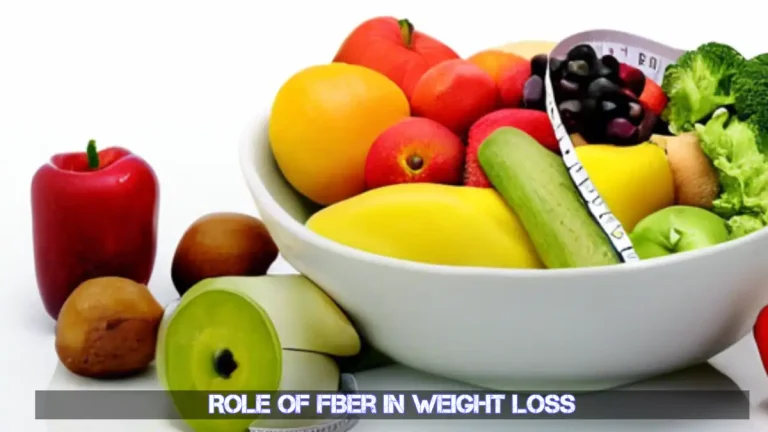
Let’s know in detail about Fiber in weight loss. It is one form of carbohydrate that the human body just can’t digest. Of all other nutrients, you might wonder how different – unlike them all, which get stripped through your system almost bare and empty for all its caloric effects on the body. They’re indispensable to weight as well as good health.

Role of Fiber in Weight Loss

2 Types of Dietary Fiber

  • Soluble fiber: The form that dissolves in water, thereby generating a type of gel product.
  • Insoluble fiber: Intact throughout digestion. Both are needed for weight loss and other health benefits.

How Fiber Works in Your Body

Fiber works in a variety of ways in your body. It slows the digestion process, keeps your gut bacteria healthy, and helps to eliminate waste properly. This complex interaction makes it a powerful tool for weight management.

How Fiiber Works in Your Body

The Connection Between Fiber and Weight Loss

Satiety and Appetite Control

One of the principal ways fiber contributes to weight loss is through heightened satiety. Since high-fiber foods are quite filling compared to their low-fiber counterparts, one tends to eat less than usual. It takes the body more time to feel full if you are on a diet that includes enough fiber, and it allows the digestive system more time to feel the need for food to be eaten since it will take more chewing and time for the system to process it.

Calorie Management

High-fiber foods, as a whole, typically have fewer calories per volume. Since the fiber is not digested, it will not increase calorie intake. Another important thing is that the USDA has advised people to have a 500-calorie caloric deficit daily to lose weight, which could easily be maintained by including high-fiber food items.

Blood Sugar Regulation

This is made possible by slowing the sugar absorption into your blood, which helps regulate blood sugar. It prevents hunger from increasing rapidly and then falling to extreme levels, hence keeping it constant for easy, frequent eating.

Health Benefits Beyond Weight Loss

Digestive Health 

Digestive Health feeds good gut bacteria, which keeps your gut healthy and might promote your well-being.
The past decade has witnessed studies showing the association of a good gut microbiome with managing weight and improving one’s health.

Heart Health

Consuming high-fiber foods helps to improve the state of cardiovascular health. It lowers the cholesterol level in your bloodstream and reduces the chances of getting heart disease through soluble fiber.

Blood Sugar Control

Regular fiber consumption increases insulin sensitivity and reduces the possibility of type 2 diabetes. This is vital for long-term weight management and metabolic health.

Recommended Fiber Intake

Daily Requirements

The standard recommendation for adults is 25-35 grams per day. Nevertheless, people consume an average of 19 grams. It is important to take fiber gradually to bring it into practice effectively.

Getting Started with Fiber

Begin by eating small portions of fiber over your meals. It makes introducing this portion of food to the human body easy and safe enough to digest without feeling discomfort.

Best Sources of Fiber

High-Fiber Foods

  • Fruits – Apples, Pears, Berries
  • Vegetables – Broccoli, Carrots, and Brussels sprouts
  • Legumes – Beans, lentils, chickpeas
  • Whole grains – oats, quinoa, Brown rice
  • Nuts and seeds – Chia seeds, almonds, and flaxseeds.

Meal Planning Tips

  • Beginning your day with High fibre breakfast
  • Vegetables rich in every meal
  • Ensure you are using the correct whole-grain alternatives
  • Keep healthy snack options on hand for easy reach

Sample High-Fiber Menu

  • Breakfast: Oatmeal with berries and chia seeds
  • Lunch: Quinoa bowl with roasted vegetables
  • Dinner: Bean and vegetable soup with whole-grain bread
  • Snacks: Apple with almonds

Tips for Increasing Fiber Intake

Tips for Increasing Fiber Intake

Gradual Implementation: Introduce fiber gradually over weeks. You don’t want to shock your system; otherwise, you will probably be uncomfortable. This means that your digestive system gets accustomed to the change.

Hydration Importance: Drink lots of water when you increase your fiber intake. Fiber intake is best absorbed with water to avoid constipation and reap its benefits.

Reference

Research studies have also revealed that people who adhered to a high-fiber diet lost substantial weight and maintained their losses. For example, for 12 months, the participants who participated in research studies in which they had an average of 19 grams per day of fiber intake showed a loss of 4.6 pounds without a change in any other aspect of their diet.

Conclusion

Fiber is an essential ingredient for successful weight loss and health. Once you understand the role of fiber, you can begin implementing strategies that will help increase your intake gradually, hence harnessing its benefits on your journey to weight loss.

FAQs about Fiber in Weight Loss

Q. How much fiber do I need daily for weight loss?

25-35 grams per day, gradually increasing intake.

Q. Can I take fiber supplements instead of eating high-fiber foods?

Supplements will certainly benefit; however, whole-natural foods are a better option due to their increased nutrition intake.

Q. Will increasing fiber intake cause digestive problems?

One should increase it slowly as well as increase his fluids. Digestive issues do not necessarily manifest quickly this way.

Q. How quickly can I expect to see weight loss results from increasing fiber?

That again may differ, but an amount of fiber ingested routinely will generally see positive weight outcomes in a short span, probably a week or more.

Q. Can I eat too much fiber?

Absolutely, Too much can induce gastrointestinal upset and impair nutrient absorption. So eat them in the recommended portions.

Sources:

  1. https://www.livestrong.com/article/13723001-fiber-for-weight-loss/
  2. https://www.verywellfit.com/high-fiber-foods-for-weight-loss-1087917
  3. https://www.ahaphysicianforum.org/health/role-of-fiber-in-weight-management/
  4. https://www.weightwatchers.com/us/blog/weight-loss/fiber-for-weight-loss
  5. https://www.health.harvard.edu/blog/making-one-change-getting-fiber-can-help-weight-loss-201502177721

7 Side Effects of Alli Weight Loss Pills You Must Know

0

Alli Weight Loss Pills: Nowadays, the problem of weight gain is increasing more and more in people than before. But not everyone wants to lose weight to look good. Sometimes such a disease becomes present in the body, and to overcome it, one has to reduce obesity. 

Generally, the main reason for gaining weight is that, nowadays, people lack time, which is why they are unable to pay attention to their bodies and keep using them as they wish. But one day, this obesity becomes a big problem, so you decide to reduce it. Some reduce their weight through hard work, some by surgery, and some by diet pills.

Today we will talk about one such weight loss pill called Alli. It is a drug that reduces the amount of fat in your body. We will also tell you about these pills: what they are, their advantages, and their disadvantages.

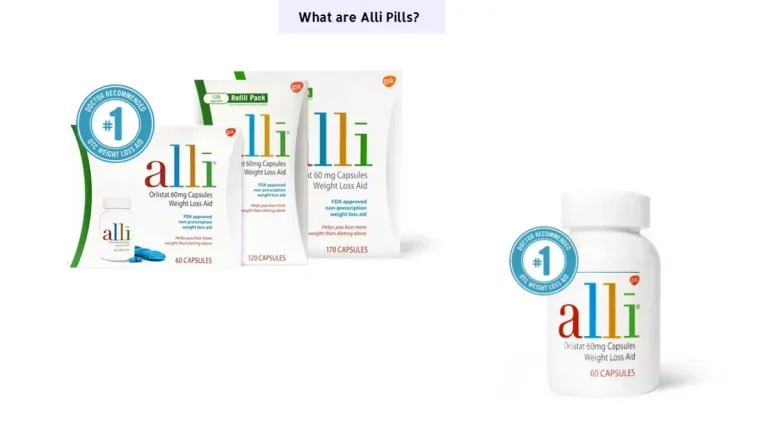
What are Alli Pills?

Alli is a weight loss pill that is a 120-mg prescription drug. It is used for weight loss along with low-fat and low-calorie diets. This pill can only be consumed by 18 years of age or older. It blocks the fat you eat and prevents it from being absorbed by your body.

what are alli pills weight loss

It is mainly used for reducing weight. At the same time, it reduces the potential risk of regaining the already lost weight. Therefore, it is better to use it with a calorie-rich diet.

How does Alli work?

It aids in the loss of body weight. This prevents excess fat from being absorbed by your body. Alli is one such weight loss pill that contains active ingredients. It absorbs and removes the fat stored in your body and gut. 

How does Alli work
How does Alli work

When you eat, 25% of the food is not broken down during that time, and it gets deposited in your intestines. Alli removes the same frozen fat from there.

How much weight loss can you expect on Alli?

If you take alli in the correct quantity with an adequate diet, you can quickly lose 1 to 2 pounds in a week. Everyone’s weight loss results can be different. If you take it in the right amount, you can drop 5 to 10 pounds in 5 months.

Take 6 Precautions Before Eating Alli

  1. If you are allergic to Alli, do not take it. 
  2. You should not take it if you have a problem with your gallbladder.
  3. If you’re pregnant, you can’t use it.
  4. You cannot use it if your weight is average or very low.
  5. If you have stones, gallbladder disease, liver disease, thyroid, or kidney disease, it is better not to take it.
  6. You should not use it even if your baby touches it when breastfeeding.

How to Take Alli Weight Loss Pills?

It is given on its label. You can use it if you want to take it after consulting your doctor. It is taken three times a day with food. You can take it during a meal or 1 hour after a meal. If you take it, then it is essential to bring healthy food. Please keep it away from light and in its bottle.

What if I miss a dose of Alli?

 If you have taken the food for more than one hour, do not take that dose, You can take it on next day.

What to Avoid While Taking Alli Pills?

  • Avoid eating food that contains a high amount of fat. It can also be fatal for your body.
  • If you take cyclosporine medication, wait for 2 to 3 hours before taking Alli pills.
  • If you take a medicine such as levothyroxine, do not take Alli pills 4 hours before or 4 hours after taking it.

7 Alli Side Effects

Alli Side Effects
Alli Side Effects
  • Difficulty in breathing
  • Swelling of the tongue, lips, and throat. 
  • Severe abdominal pain, low back pain, blood in the urine, difficulty urinating. 
  • Kidney problems, leg swelling, fatigue, and difficulty breathing characterize chronic kidney problems. 
  • Vomiting
  • Upper abdominal pain
  • Loss of appetite and jaundice

Are there any benefits of taking Alli?

Apart from weight loss, there are some benefits to taking Alli. 

  • It lowers the risk of diabetes in your body by 37 percent.
  • This is used to reduce the risk of type 2 diabetes.
  • It lowers the blood pressure problem in your body. 
  • It also reduces the amount of cholesterol.

Frequently Asked Questions (FAQs) about Alli Weight Loss

Q: Can Alli reduce belly fat?

Answer: Alli’s website claims that belly fat can be reduced by using it for just 12 weeks. And if you use it for 24 weeks, you can reduce belly fat by 2 to 3 inches.

Q: What are Alli’s side effects?

Answer: By the way, there are many side effects of Alli, of which this is the main one. Difficulty passing bowel movements, loose motions, upset stomach, abdominal pain, vomiting, leg swelling, and gas formation.

Q: Can everyone buy the Alli tablet?

Answer: Alli is an over-the-counter claim; you can buy it without a doctor’s prescription.

Q: When do Alli’s side effects start?

Answer: Gas-related problems initially occur within three months. After that, all these problems do not last for four weeks. Stomach problems can last for 5 to 6 weeks in a person.

Q: How many calories does Alli block from the body?

Answer: Alli prevents 25% of your calories from leaving your body if you consume 60 milligrams during your meal. It blocks extra calories from your body, removing the fat stored and preventing it from being absorbed.

Conclusion

Alli is a weight loss pill that you can easily buy online, but before using it, you must consult a doctor once, as it can also have some side effects. It removes the accumulated fat from your body and prevents the absorption of extra calories. Unfortunately, it has some harmful consequences and some good ones too. We’ve covered everything for you to know about Alli: what it is, how to use it, and how it works. Hope You like this information.

What is Mishti Dessert? What are 15 Types of Mishti Sweets?

0

In South Asia, any food remains incomplete without the Mishti dessert. Therefore, people like to eat mishti dessert at the end of every meal in South Asia. Although people of almost every region mostly want to eat mishti, i.e., sweets in India, especially in South Asia, they eat it more.

What is Mishti Dessert?

Mishti Dessert is a sweet that originated in Bengal, and it is prevalent in South Asia, i.e., Bengal and Bangladesh. For a long time, people in Bengal ate it and liked it a lot. It was first consumed in Bengal, India, where it was well-received, and its popularity spread throughout the country as a result. Soon it spread to Bangladesh as well and became a famous dessert there. 

What is Mishti Dessert

Any meal in South Asia is incomplete without it. People eat it after having dinner. Sweets are primarily consumed in a joyful atmosphere, such as on religious occasions, birthdays, someone’s birthdays, or festivals.

Where People Make Mishti Dessert at Home

As you all know, Mishti is eaten mainly in South Asia, where people make them at home. You will find it at almost every store in South Asia. If you want, you can also make it at home, any time.

15 Types of Mishti Sweets

There are many varieties of Mishti, such as frozen milk, besan barfi, rose barfi, Sandesh, gulab jamun, rasgulla, rasmalai, cham cham, motichoor laddu, barfi, almond pistachio barfi, rose coconut barfi, Kheer Kadam, 

Types of Mishti Sweets

Raj Bhog, Pantuwa, Kacha Golla, gulab jamun, etc. Some of its varieties are made by mixing gram flour with sugar. Let’s learn how these popular Indian dessert mishti recipes are made from.

1. Frozen milk (Thandai)

Thandai (Frozen Milk) is a cold drink consumed in the summer season in India. It is made by mixing almonds, milk, pistachios, sugar, cardamom, saffron, etc. It is specially made for the festivals of Holi and Shivratri.

2. Besan Barfi

Besan ki barfi is an Indian sweet. It is eaten in almost every state or city of India. It is made from gram flour, ghee, pistachios, milk, almonds, sugar, and sugar syrup. You can also use saffron for the taste.

3. Rose Barfi

Gulab ki barfi is a famous sweet that has the best of both smell and taste. This sweet is so delicious that everyone likes it. Another specialty of this sweet is that it is very easy to make. It takes less time to make. For making these, you need to add paneer, rose essence, sugar, khoya, pistachio, and silverwork according to your color and taste.

4. Sandesh

Sandesh is eaten in our country India, but especially in Bengal. In Bengal, it is called Sondesh. It is originated in Bengal itself. It is made from milk, paneer, chhena, and sugar, and saffron is sprinkled on top for flavor and garnishing. That’s too much of a taste to say.

5. Rasgulla

Rasgulla is a Bengali syrupy sweet that is now eaten in almost every region. In Bengal[1][1], people eat it with great fervor. Rasgulla is made from cottage cheese, sugar, or sugar syrup. You can also eat it by adding saffron to it for taste.

6. Pantuwa

Pantua is a famous Bengali sweet. In other regions, it is also called Gulab Jamun. It is very popular in Bengal and Bangladesh. It is made from semolina, chenna, and ghee. After that, its small balls are made, and they are fried in oil. Those balls are put in the syrup. People mostly like to eat it cold.

7. Raj Bhog

You must have learned about it from this name, as it is a royal sweet. It looks similar to Rasgulla except that its color is slightly yellow, and it is slightly larger than Rasgulla, and it is soft and spongy. It is made from paneer, milk, and chhena. After it is made, it is put in saffron syrup.

8. Barfi

Barfi is a sweet which is made from milk. It is named after the Indian word for barf which means ice. Barfi is made from milk and khoya. It has a lot of patterns, but the most famous one is white barfi.

9. Motichoor Laddu

Motichoor Laddu is a famous Indian dessert. It is delicious to eat and also very nice to look at. It is brought and made on festivals and auspicious occasions and is made from small boondis of gram flour and fried in ghee.

10. Besan Ladoo

Besan ladoo is a very delicious and mouth-watering Indian sweet. These Besan laddoos are simple to make by using gram flour. It is poured with ghee, and it has to be roasted. It is roasted till it becomes brown. By cooling that mixture, small balls are made from it. If you store them in a good place, they can last for long.

11. Cham-Cham

Cham-cham is a Bengali sweet. It is made from milk, curd, and khoya. In this sweet, milk is coagulated by pouring curd over it, and then, after cooling, it is given a cylindrical shape. After giving shape, it is put in a sugar syrup, due to which it remains soft and spongy. It is garnished with saffron, almonds, pistachios, and coconut and then served.

12. Rasmalai

Rasmalai is an Indian sweet that is eaten mostly in Bengal. This sweet originated in the country to the east of the Indian subcontinent. It is made from water, milk, paneer, lemon, etc., and is served with saffron for taste and decoration.

13. Coconut barfi

Coconut barfi This is a very famous sweet which is eaten in Bengal. It is made from sugar, milk, coconut, cardamom, etc. It tastes great to eat. Due to the presence of coconut in it, it feels a bit crunchy to eat. It is garnished with saffron, almonds, and pistachios.

14. Kheer Kadam

Kheer Kadam is a very fondly eaten dessert in Bengal, which is very tasty. It is made from khoya, milk, color, and cardamom powder. After it is made, it is decorated with saffron.

15. Kacha Gola

Kacha Gola is a famous sweet eaten in Bengal. It is made from paneer or chenna, and it is very easy to make. One must keep this in the fridge to store for a long time. There is less sugar in it, which is why people suffering from diabetes can also eat it. It is eaten by making rounds and khoya grades and adding saffron to it.

Frequently Asked Questions(FAQs)

What are Indian sweets (Mishti)?

Indian sweets, known as “Mishti” in Bengali, are a wide variety of sweet confections enjoyed throughout India. They come in various shapes, sizes, and flavors and are often made from ingredients like milk, sugar, flour, ghee (clarified butter), and nuts.

Are Indian sweets healthy?

While Indian sweets are undoubtedly delicious, many of them are high in sugar and fats, making them calorie-dense. Moderation is key. Some sweets, like those made from jaggery or with less sugar, can be healthier options. Always enjoy them in moderation as part of a balanced diet.

What are some popular types of Indian sweets (Mishti)?

Some popular Indian sweets include Gulab Jamun, Rasgulla, Jalebi, Barfi, and Ladoo. However, the variety is extensive, with each region having its own unique sweets and variations.

Are Indian sweets only for special occasions?

Indian sweets are often associated with celebrations and special occasions like festivals and weddings. However, they are also enjoyed as everyday treats and snacks. It’s common for people to indulge in a sweet after meals or with tea.

Can I make Indian sweets at home?

Yes, many Indian sweets can be made at home. There are numerous recipes and tutorials available online, and making sweets at home allows you to control the ingredients and customize flavors to your preference.

Dry Itchy Scalp and Dandruff: Causes, Treatment, and Remedy

0

Are you upset because you have dry skin, especially a dry scalp? Do you have to tolerate a lot of dandruff in your hair even after shampooing? Well! Let me make you aware that you are not the only one who is suffering from these problems of dry scalp & dandruff. It’s a prevalent issue about which many people complain every day. They even think that dry scalp & dandruff are the same & both can be treated with the same remedies. 

Dry Itchy Scalp and Dandruff

But, Guys! Do you know dry scalp & dandruff are not similar things & so their treatment procedures are also different? Dandruff occurs from the dry scalp but is not the same as a flaky scalp. Now feel interested to learn the causes & cures of both, right? Okay, let us give you an account of everything about these two conditions. Understand the distinction between dandruff & dry scalp. Just follow on:

What Dry Scalp Is?

Sometimes, some people’s scalp doesn’t comprise adequate oil. So, their scalp’s skin doesn’t feel lubricated. And this results in a dry scalp. Just like other sorts of dry skin conditions, it is a condition where you will feel itching, flaking, discomfort, or irritation. Also, your hair will look dry. 

The reason behind this is that the oil produced from our scalp conditions our hair & it will not happen if you are undergoing a flaky scalp problem. If you have dry skin, you are more inclined to develop this condition. 

What Dry Scalp Is
What Dry Scalp Is

Yes, indeed, dandruff may also cause your scalp to flake & these flakes are noticeable on your garments & hair. However, in contrast to that, a flaky scalp arises only when your scalp is not producing enough moisture. So, what causes dry scalp? 

The causes of dry skin are also the causes of your dry scalps. They are dry air, especially that blew in the wintertime, excessive washing of the area & other skin problems like eczema. 

What Dandruff Is?

We know that our skin sheds away its dead cells. And the same thing happens with our scalp. Our scalp also contains various dead skin cells that are gradually cleared away from it. When many such dead cells form on our scalp within a short period, they turn into dandruff. So, dandruff flakes are nothing but dead skin cells. 

However, as per AAD’s (American Academy of Dermatology) statement, the researchers could not find the actual cause of dandruff till now. Still, they believe that the causes of one’s dandruff may be fungal infections on his scalp, oil secretion by his scalp, or sensitivity to some hair products. And, if the reason is all three things in combination, he must face the worst dandruff problems.  

What Dandruff Is
What Dandruff Is

In most of our scalps, do you know that a fungus named Malassezia exists silently without causing any problems? However, the same fungus, if developed in the scalp of persons suffering from the pain of dandruff, causes irritation, discomfort & flakes. 

The fungus’s interaction with other factors causes this irritation. Besides, the researchers also did a study in 2016, which confirms that there’s an intimate connection between the existence of scalp-residing bacteria & dandruff. 

Dandruff Vs. Dry Scalp

It is problematic to sort out the exact differences between dandruff and a dry, itchy scalp. At least, most people think so. It is also possible that you are suffering from both dandruff and dry scalp. However, there are some differences between the two:

Dandruff Vs Dry Scalp
  • In the case of dandruff, you will feel the scalp more oily than when you have a dry scalp.
  • If your actual problem is dandruff, you will feel intense scalp itching without the scalp feeling dry. But, this won’t happen in the case of a dry scalp as in the case of a dry scalp; though you will experience itching, the itching will be due to the dryness of your scalp.
  • If your hair contains dandruff, it will look greasy, which is not the case with the problem of a dry scalp. 

Should You Consult A Doctor For Dandruff or Dry Scalp?

Both the problems of dandruff & dry scalp are manageable at home. You can treat these conditions with the help of some effective home remedies. But what if the problem is something else other than these two, say, Scalp psoriasis or Seborrheic dermatitis? Scalp psoriasis also causes redness, itching & flakes like these two conditions & is an autoimmune disorder. 

And Seborrheic dermatitis is also a form of dandruff that results in intense & painful inflammation. Consider visiting a doctor if you have a flaky scalp & feel other symptoms of redness & sores. Also, visit the doctor if the home treatments fail to work & you are experiencing open wounds over your head & face.

Suppose you are suffering from an autoimmune disorder or any other chronic illness. In that case, you should speak to the doctor about these ailments before asking for an effective dry scalp or dandruff treatment. Dandruff or flaky scalp resembling symptoms may be the result of another condition. And, you know, a vulnerable immune system usually makes the condition of your scalp worse more quickly. 

But, how to get rid of a dry scalp? And is there any dry scalp remedy available? Also, how to treat dandruff? Well! Yes, such remedies do exist. 

Dry Scalp Treatment & Dandruff Treatment

In the majority of cases, dandruff is easily treatable at home. Various anti-dandruff shampoos, medicated and non-medicated, are being sold in the market & these shampoos are enough for treating dandruff by removing it from your scalp. 

They also treat the underlying reasons for dandruff, such as small fungal infections. Many anti-dandruff shampoos comprise pyrithione, which is very effective in treating dandruff. Coar tar shampoo is also a good option, but blonde & gray hair people usually avoid it because of its hair color-changing nature, particularly the light hair. 

Also, some people dislike dandruff-treating shampoos because of their strong smell. So, in case you wish for a not-bad-smelling dandruff-treating shampoo, you may try using tea tree oil anti-dandruff shampoo.

Shampoo for Dry Scalp

As for a flaky scalp, you may also use anti-dandruff shampoos or shampoo for a dry scalp on your head. This is because most of the anti-dandruff shampoos available in the market contain medicines that have the power to slay the fungus residing on your scalp & eliminate the flaky skin from your scalp. Some good shampoos for Dry Itchy Scalp include Pyrithione Zinc antifungal shampoo, Selenium Sulfide Shampoo, Ketoconazole shampoo, Salicylic acid shampoo & Coal Tar shampoo.

Shampoo for Dry Scalp

Other Treatment

But, how to detect whether you are facing the issue of flaky scalp or dandruff? Well! For that, wash your hair & scalp using a gentle shampoo. After that, use any moisturizing conditioner on your hair. Do this before you go to bed. In case you have a flaky scalp, you will see that your flakes have disappeared immediately after your shower the next morning. 

Other than these, certain home remedies also help treat dry scalp in people. These include massaging with coconut oil, tea tree oil, aloe vera, apple cider vinegar, hazel, and baking soda with olive oil (mixed in equal quantities) on your hair & Dry Itchy Scalp. These home remedies are well known for treating dry scalp. 

How To Prevent Dry Itchy Scalp & Dandruff?

  • Regularly wash your hair using an anti-dandruff shampoo. Also, make sure that all the shampoos have been rinsed out from your hair.
  • Don’t use hair products comprising harsh chemicals such as bleach, alcohol, etc., or those which are oily. This is because the harsh chemical ingredients of the shampoo may further dry up your scalp & the oily products build up too much oil on your scalp, which will increase dandruff even more. 
  • Go out & take sunbathe for a few minutes every day & warm up yourself. Evidence indicates that the UV rays that the sun emits control dandruff. But, remember, too much exposure to the sun is dangerous as it may lead to skin cancer. 
  • Don’t take the stress. Manage it with yoga, medication, exercises, deep breathing, pranayama, or other relaxation methods. 

The Takeaway

So, if you are suffering from dry scalp or dandruff, don’t take any stress anymore. Just follow the above suggestions or take the help of a doctor. And you will see your problem vanish within no time.

Frequently Asked Questions (FAQs)

Q. How do you treat dry scalp?

Answer: 1. Use anti-dandruff shampoos on your scalp. Some good shampoos for dry, itchy scalp include Pyrithione Zinc antifungal shampoo, Selenium Sulfide Shampoo, Ketoconazole shampoo, Salicylic acid shampoo & Coal Tar shampoo.
2. Wash your hair & scalp using a gentle shampoo. After that, use any moisturizing conditioner on your hair. Do this before you go to bed. In case you have a flaky scalp, you will see that your flakes have disappeared immediately after your shower the next morning. 
3. Visit a hairstylist. The hairstylist will steam your hair and treat your scalp, producing more moisture. 
4. Apply any of these home remedies – massaging with coconut oil, tea tree oil, aloe vera, apple cider vinegar. These home remedies are well known for treating flaky scalps. 

Q. How do you moisturize your scalp?

Answer: Moisturize your scalp with any of these- moisturizing shampoo, post-shower hair tonic, jojoba[1][1] or tea tree essential oils, witch hazel or apple cider vinegar, exfoliating scalp masks, coconut oil, aloe vera gel, or products containing aloe vera.

Q. What does a dry scalp indicate?

Answer: Sometimes, some people’s scalp doesn’t contain sufficient oil. So the skin of their scalp doesn’t feel lubricated. And this results in a flaky scalp. Just like other sorts of dry skin conditions, it is a condition where you will feel itching, flaking, or irritation. Also, your hair may appear dry.

How Walking Can Help You Lose Weight: A Step-by-Step Guide

0

Of the simple exercises, walking is one of the easiest kinds, but it is very powerful for losing weight. If a gym membership and demanding exercise routines are not on the agenda, walking may be your new best friend. Why walk? It’s free, low-risk, and accessible to almost everybody.

How Walking Can Help You Lose Weight

The Science Behind Walking and Weight Loss

Walking will burn calories, but how many calories it will burn depends on several things, such as weight, walking speed, and duration. But you tell me, how does this all work? Walking increases your heart rate and metabolism, which are cardinal actions in burning calories and losing weight.

The Science Behind Walking and Weight Loss

Setting Realistic Goals

To begin with, one needs to have realistic goals set before tying shoelaces. First and foremost, determine your fitness level at present and set realistic goals about what you are capable of doing. A series of small, manageable milestones will help you maintain motivation and monitor your improvements.

Getting Started with Walking

Now, when it comes to footwear, the choices made should be appropriate. The best recommendation for footwear would be comfortable and supporting walking shoes. With a pair of supportive walking shoes in hand, locate an enjoyable walking path. Perhaps you have enjoyed the parks in your hometown, or you love the silent street for peace and comfort while taking long strides. Such environment matters and its suitability helps a lot in maintaining interest while walking.

Making Walking a Habit

You have to walk regularly to reap the benefits of walking. You may set a walking schedule in your daily routine, either in the morning or at night. Sometimes, it gets tough to stay motivated. However, if you get a walking buddy or join a walking group, you tend to be more accountable.

Enhancing Your Walking Routine

Interval walking can also increase the effectiveness of walks. In interval walking, you walk briskly for some time and then slow down to a casual walking pace. There are also pole or weighted vest aids that make it an intense workout.

The Importance of Nutrition

While walking is excellent for the loss of weight, that is not all; ensure you complement it with a proper diet. The diet, therefore, should consist of whole foods that will offer you energy for your walking, such as fruits and vegetables, whole grains, and lean proteins. Processed foods, which contain mostly sugars and unhealthy fats, should be avoided.

The Importance of Nutrition

Tracking Your Progress

Keep track of walks taken so you may have motivation and concentration by applying fitness apps or using a pedometer to count the steps or distance walked. Second is keeping a walking journal whereby you note your mood, progress, and experiences over time.

Overcoming Challenge

The weather may be another big challenge for walking every day. In case of rainfall or extreme heat, look for indoor places to walk, such as malls or a gym. Safety is a factor, too; opt for bright roads and observe your surroundings during the walk.

The Long-Term Benefits of Walking

For those who might be looking to lose weight, walking offers many benefits. It can reduce your chances of getting chronic diseases, improve your mood, and help you become fit. You can establish a practice that is lifelong and healthy by choosing walking as your regular activity.

Conclusion

Walking is one of the simplest yet most effective ways to trim down weight and achieve more healthiness. If you set attainable goals, make walking a habit, and supply appropriate nutrition support, you will surely reach your target weight without knowing how effortless the whole process has been.

FAQs about Walking for Weight Loss

Q. How much should I walk to lose weight?

At least 150 minutes of moderate-intensity walking per week and approximately 30 minutes every day, five days a week.

Q. Can I lose weight by just walking?

Yes, walking certainly is a great way, with a healthy diet also going hand in hand with it.

Q. What is the best time of day to walk?

Actually, it does not really matter. What matters the most is consistency.

Q. How can I make walking more enjoyable?

Keep changing the routes and variety. It is much more than you do while on that walk.
You could listen to music, podcasts, or audiobooks while walking or explore new routes to keep things interesting.

Q. What should I eat before and after walking?

Before walking, a light snack such as a banana or yogurt can provide energy, and afterward, a balanced meal helps you recover.

References:

  1. Healthline – Discusses the benefits of walking for weight loss, including calorie burning and developing lean muscle.
    https://www.healthline.com/nutrition/walking-for-weight-loss
  2. Medical News Today – Explains how walking can aid in weight loss and offers tips for maximizing calorie burn.
    https://www.medicalnewstoday.com/articles/325809
  3. AARP – Provides expert tips on how to effectively lose weight through walking as a low-impact workout.
    https://www.aarp.org/health/healthy-living/info-2024/lose-weight-walking.html
  4. Harvard T.H. Chan School of Public Health – Highlights research findings on brisk walking and its significant effects on weight loss and health.
    https://nutritionsource.hsph.harvard.edu/walking/
  5. Verywell Health – Offers a comprehensive overview of how walking can aid in weight loss and improve overall health.
    https://www.verywellhealth.com/walking-to-lose-weight-8424719

Dorsiflexion Definition: What is Dorsiflexion?

0

What is Dorsiflexion?

Dorsiflexion Definition_ What is Dorsiflexion_

Definition of Dorsiflexion

Dorsiflexion occurs when you draw the top of your foot up toward your shin, reducing the angle between your foot and leg. This motion is opposite to plantarflexion, where the foot points downward. Dorsiflexion is an important movement for walking and running, but also for balance and stability.

Importance of Dorsiflexion

Proper dorsiflexion range of motion is a basic requirement for the entire foot and ankle function. It ensures easy gait, enhanced balance, and proprioception, along with minimizing the risk of injury. It is significant for the activities in which the foot needs to push off from the ground, such as walking, running, and jumping.

Anatomy of Dorsiflexion

Joints Involved in Dorsiflexion

The talocrural joint is the most prominent in dorsiflexion. It is where the distal ends of the tibia and fibula articulate with the talus bone. The other contributing joints to dorsiflexion are the subtalar and midfoot joints: the tarsometatarsal and cuneonavicular.

Muscles responsible for dorsiflexion

The tibialis anterior, extensor digitorum longus, and extensor hallucis longus are the three anterior lower leg muscles that mainly lead to dorsiflexion. These muscles contract, pulling the foot upwards towards the shin.

Types of Dorsiflexion

Plantarflexion Vs. Dorsiflexion

The motion opposite to plantarflexion is dorsiflexion, where the foot is pointed upwards. The movement is necessary for functions such as standing on tiptoes, pushing off from the ground, and power in the propulsive phase of gait.

Active vs. Passive Dorsiflexion

An action that initiates a foot movement toward the shin without causing direct muscle contraction involves the use of gravity or an external force. For example, when a person sits on a chair with their legs hanging freely and leans their body backward, the weight of the leg can cause the foot to drop and subsequently move toward the shin as it shifts position. This movement occurs due to the pull of gravity rather than the active contraction of the dorsiflexor muscles. This might arise from action taken outside itself or may result from the action of the force of gravity and so many others.

Benefits of Dorsiflexion

Benefits of Dorsiflexion

Improved Mobility

Sufficient dorsiflexion should allow for pain-free and effective movement. It promotes the proper positioning of the foot, shifting of body weight, and balance during walking, running, and stair climbing.

Injury Prevention

Proper dorsiflexion can prevent compensation movements that overwork other joints and structures, leading to possible injuries such as Achilles tendinitis, plantar fasciitis, and shin splints. It also prevents such injuries.

Enhanced Athletic Performance

The optimal range of motion in dorsiflexion is important in every activity that requires one to push off the ground. Examples include jumping, sprinting, and changing direction. This allows for force transfer and power generation, leading to enhanced athletic performance.

Assessing Dorsiflexion

Measuring Dorsiflexion Range of Motion

The range of motion measured is usually dorsiflexion, which is measured using a goniometer, an instrument that measures the angle of a joint. A normal angle range between the tibia and the foot is usually 10-20 degrees.

Common Dorsiflexion Tests

The healthcare provider or the physical therapist can use various tests to assess dorsiflexion. These include weight-bearing lunge test, knee-to-wall test, or seated dorsiflexion test. These tests are useful in the establishment of limitations and help plan adequate treatment.

Dorsiflexion Limitations

Causes of Reduced Dorsiflexion

Some of the factors that contribute to this dorsiflexion restriction include muscle tightness, typically at the calf or sensitivity in the Achilles tendon, joint stiffness, impingement at the ankle, and neurological causes. Other factors that can similarly reduce dorsiflexion include poor flexibility, lack of strength, or some degree of immobility along the lower extremities.

Symptoms of Dorsiflexion Limitations

Some symptoms are related to dorsiflexion; these include pain and stiffness with activities that demand foot and ankle mobility, like walking, running, and climbing stairs. If dorsiflexion is restricted, it can lead to secondary patterns or increased stresses in other joints, making it a significant risk for more injuries.

Exercises to Improve Dorsiflexion

Stretching Exercises

Stretching the calf muscles, Achilles tendon, and the anterior lower leg will enhance the range of motion for the dorsiflexion. Examples include wall stretch, seated or standing calf stretches, and the seated plantar fascia stretch.

Strengthening Exercises

The exercises that work the dorsiflexor muscles, such as tibialis anterior raises, heel raises, and resistance band dorsiflexion, will improve the strength and control over the dorsiflexion movement.

Proprioceptive Exercises

Balance and proprioceptive exercises, like single-leg stands, bosu ball exercises, and balance board training, enhance neuromuscular control and coordination for maximal dorsiflexion.

Dorsiflexion in Sports and Activities

Importance in Running and Jumping

Adequate dorsiflexion is important in running for maximal efficiency without injury. It ensures the right positioning of the foot, absorption of shock, and propulsion during the gait cycle. It is also used in functions requiring jumping, including basketball, volleyball, and gymnastics.

Relevance in Daily Tasks

Dorsiflexion is required for walking, stepping upstairs, or uneven walks, as well as other common daily habits. Proper dorsiflexion can ensure balance and stability and make for better mobility in our everyday lives.

Dorsiflexion and Injury Prevention

Relationship to Ankle Sprains

Ankle sprains have been associated with a decreased range of motion during dorsiflexion. It might alter the mechanics of the foot and ankle as well as decrease stability during activities requiring sudden direction changes.

Implications for Foot and Leg Problems

It can also lead to secondary musculoskeletal conditions such as plantar fasciitis, Achilles tendinitis, and shin splints due to the stress it creates on adjacent tissues and structures.

Dorsiflexion and Rehabilitation

Role in Physical Therapy

The most frequent goal in the treatment plan of a physical therapist is improvement in the range of motion and strength of dorsiflexion in cases of most lower extremity injuries and conditions. Exercise and manual therapy techniques aim to achieve optimal restoration of dorsiflexion function.

Dorsiflexion Exercises for Injury Recovery

Specific dorsiflexion exercises include heel raises, theraband resistance training, and mobilization techniques. They are commonly used in rehabilitation programs to treat patients and restore proper foot and ankle function after injuries or surgeries.

Common Dorsiflexion-Related Conditions

Achilles Tendinitis

Impaired dorsiflexion can also place an individual at risk of developing Achilles tendinitis because excessive stress on the tendon could be placed when an individual performs activities requiring pushing off from the ground.

Plantar Fasciitis

It has been found that reduced dorsiflexion is one of the causative factors of plantar fasciitis since it results in greater tension of the plantar fascia and other foot structures.

Shin Splints

Decreased dorsiflexion mobility has been referred to as one of the causes leading to the occurrence of medial tibial stress syndrome, also called shin splints.

Improving Dorsiflexion: Tips and Strategies

Lifestyle Modifications

These activities can be carried out within the daily routines, and a healthy body weight would further enhance the proper functioning of dorsiflexion.

Equipment and Assistive Devices

Dorsiflexion-enhancing specialized footwear and orthotics and balance and proprioceptive training tools help enhance dorsiflexion and minimize the chances of associated injuries.

Conclusion

Importance of Maintaining Proper Dorsiflexion

It is a significant range of motion for movement with efficiency and without pain, injury prevention, and right athletic performance. Maintaining adequate dorsiflexion would become important for overall foot and ankle health and function.

Final Thoughts and Recommendations

Regular assessment and management of limitations in the dorsiflexion range of motion comprise key components in the overall maintenance of mobility, potential reduction in the risk for injury, and optimization of function across many activities. In many cases, a good health provider or a PT would help craft a customized plan for an individual to improve dorsiflexion and, for that matter, lower limb function.

FAQs about Dorsiflexion Definition

Q. What is the purpose of dorsiflexion?

The dorsiflexion is the upward motion of the foot along the shin, and in the case of running or even walking, balance with generating power would be imperative and thus would require full dorsiflexion for efficiency. It would further facilitate the proper placement of feet as well as the proper distribution of weight to avoid trauma on the lower limb.

Q. How do I know if I have limited dorsiflexion?

Limited dorsiflexion may be associated with pain in climbing stairs, walking on uneven terrain, or any activity that demands foot and ankle mobility. There may also be pain, stiffness, or even compensation in other joints. Your healthcare provider can measure the range of motion in dorsiflexion by testing you using various tests. These include the weight-bearing lunge test or the knee-to-wall test.

Q. What causes reduced dorsiflexion?

Some reasons for limited dorsiflexion are tightness of the calf or Achilles tendon, joint stiffness, and even impingement or neurological conditions. Decreased lower extremity flexibility, strength, or mobility can all contribute to the inability of a person to dorsiflex.

Q. How can I improve my dorsiflexion?

In addition to calf stretches to increase the length of the calf muscles and Achilles tendon, strengthening exercises for the muscles that dorsiflex the foot may also be helpful. Additional proprioceptive exercises, such as balance training, will improve neuromuscular control and the potential ability for optimal dorsiflexion. A physical therapist can help create an individualized plan to address any limitations.

Q. When should I see a healthcare provider about dorsiflexion issues?

You should consult a medical doctor if you have chronic pain, stiffness, or inability to move within your general range of activities. The healthcare provider could be a physical therapist or an orthopedic specialist who will assess your dorsiflexion ROM and identify any underlying causes to create a treatment plan to address any limitations or associated injuries.

References:

  • Smith, J., & Challis, J. (2019). The effect of joint angle on ankle dorsiflexion. Journal of Applied Biomechanics, 35(2), 143-149.
  • Denegar, C. R., & Hertel, J. (2002). Chronic ankle instability and dorsiflexion deficit: Effect on dynamic balance. Journal of Athletic Training, 37(4), 394-399.
  • Riddle, D. L., Pulisic, M., Pidcoe, P., & Johnson, R. E. (2003). Risk factors for Plantar fasciitis: a matched case-control study. The Journal of Bone and Joint Surgery, 85(5), 872-877.

Can You Lose Weight Without Exercise? Here’s the Truth

0

Many individuals associate weight loss with gym workouts or high-level exercises. The fact remains that you can lose weight without working out. This article explains why you can lose weight without exercise and how to help you lose weight.

Can You Lose Weight Without Exercise

Understanding Weight Loss

The Basics of Caloric Deficit

At the core of weight loss is the idea of caloric deficit. It simply means that you are taking fewer calories than the body requires to sustain your current weight. Therefore, this means that your body begins to burn the fat, which is stored for use as energy, thus leading to weight loss.

Metabolism and Its Role

It utilizes metabolism processes to break down food into energy to help in losing weight. A high metabolism burns calories even in a resting condition. In low metabolism, fewer calories are burnt. Not knowing your metabolic rate allows you to change your diet plan.

Diet: The Key Player in Weight Loss

Importance of Nutrition

Nutrition is the basis for weight loss. You can achieve weight loss success without exercise by just eating a balanced diet consisting of fruits, vegetables, lean proteins, and whole grains.

Types of Diets That Work

Several diets can work without exercise, including the Mediterranean diet, plant-based diets, and low-carb diets. They all focus on healthy, whole foods and can be adjusted according to your tastes and lifestyle.

Lifestyle Changes to Support Weight Loss

Lifestyle Changes to Support Weight Loss

Mindful Eating

Mindful eating is dedicating your full attention to the experience of eating. You will not overeat when you slow down and pay attention to each mouthful, and you can pay attention to the kinds of food you eat, which might lead to weight loss.

Stress Management

Stress will lead to weight gain as bad appetite habits will get triggered. Control over stress can be achieved through meditation, yoga, or deep breathing, which may help a person continue to follow healthy habits for keeping the weight in control.

Role of Sleep in Weight Management

How Sleep Affects Hormones

Sleep affects the hormones responsible for dealing with hunger and appetite. If one lacks enough sleep, they will find that levels of ghrelin increase also called the hunger hormone, and decrease levels of leptin, which gives the feeling of being full.

Tips for Better Sleep

To better sleep, one should establish a routine sleep schedule and create a soothing sleep routine. This would not include using any electronic screens before going to bed. Quality sleep will assist one in losing weight.

Hydration and Its Impact on Weight

Why Water is Essential

Water is good for one’s health and weight loss. It maintains the body at an appropriate temperature, aids in digestion, and can help suppress appetite since it keeps you feeling full.

How Much Water You Need

Drink at least eight glasses of water daily, depending on your activity level and the climate.

Common Myths About Weight Loss Without Exercise

Motivation and Goal Setting

Set achievable weight loss goals and continue your self-motivation. You could strategize smaller steps with potential milestones, so you better have some rewards along this train of progress.

Overcoming Mental Barriers

Identify some space in you that needs more weight loss through internal mind blocks, such as negative self-talk and even emotional eating.

The Importance of Consistency

Building Sustainable Habits

Consistency is the name of the game for weight loss. Focus on creating sustainable habits rather than looking for a quick fix. Small, consistent changes can make a massive difference over time.

Tracking Progress

Monitoring your progress is how you stay on track. Use a journal or app to monitor your food intake, weight changes, and any challenges you encounter.

Common Myths About Weight Loss Without Exercise

Debunking Popular Beliefs

Many myths surround weight loss and exercise, including the impossibility of it happening. This section will clear out the myths with evidence-based information.

When to Consider Professional Help

Consulting a Nutritionist

Get a nutritionist if you cannot lose weight yourself. A qualified nutritionist can help and guide you personally.

Medical Interventions

There may be medical interventions needed, so seek to discuss this with your physician if you have some conditions that are influencing your weight.

Conclusion

It is indeed possible to lose weight without any form of exercise, depending on diet changes, changes in lifestyle, and improvement of mental health. Know the concepts about weight loss and implement them to achieve results without ever getting into the gym.

FAQs about Lose Weight Without Exercise

Q: Is it possible to lose weight without any exercise?

Yes, because by having a caloric deficit due to diet and lifestyle changes, it is possible to lose weight even without exercise.

Q: How can I maintain my weight after losing it without exercise?

Keep in the habit of having a balanced diet, hydrating, managing stress, and getting enough sleep.

Q: What are some easy diet changes for weight loss?

Use more fruits, vegetables, and lean proteins to reduce processed foods and sugar.

Q: Can stress affect my weight loss journey?

Yes, stress may lead to gaining weight since it promotes craving for bad food. Controlling stress is fundamental in losing weight.

Q: How important is hydration in losing weight?

Hydration is an important factor because it ensures proper digestion, suppresses hunger, and supports good health, thus leading to losing weight.

References:

The Best Morning Habits to Kickstart Your Weight Loss Journey

0

One of the most essential ways to manage your weight is through proper morning habits. Mornings are indeed what set the tone for the rest of the day; you can have the appropriate kind of routines that are there to boost your metabolism, enhance your mood, and keep you on course to achieving your goals. Let us start with the best habits in the morning that might be able to kick off the weight loss journey properly.

The Best Morning Habits to Kickstart Your Weight Loss Journey

Understanding the Importance of Morning Habits

How Morning Routines Affect Weight Loss

While a morning routine is considerably more than just a checklist of habits, it lays the foundation for the full character of your day. As you build good behaviors in the morning, you set up the foundation by which you will make proper decisions for the rest of the day. Structured morning routines can, for this reason, influence good eating habits, higher-level physical activity, and sharper mental clarity.

The Science Behind Morning Habits

Research has proved that morning habits play a greater role in weight loss. For instance, one study proved that those who exercise during the morning are more consistent with performing their workouts and lose more weight than those who exercise at night. This is simply because a morning routine regulates the circadian rhythms, giving you a better level of metabolism and energy.

Nutrition: Starting Your Day Right

Benefits of a High-Protein Breakfast

There is no better way to wake up your metabolism in the morning than having a high-protein breakfast. Protein-rich foods such as eggs, Greek yogurt, and lean meats help keep one full for longer, making it less likely to grab unhealthy snacks later in the day. A protein-packed breakfast can stabilize blood sugar levels, preventing energy crashes and cravings.

Incorporating Fiber for Satiety

The other good ingredient of a healthy breakfast is fiber. Rich sources of fiber such as whole grains, fruits, and vegetables increase the bulk of your meals without calories. This makes you full for longer periods and helps you adhere to the calorie goals. Chia seeds, berries, and flaxseeds would add a good dose of fiber to your morning breakfast.

Hydration: The First Step Every Morning

Why Drinking Water is Crucial

The easiest, most impactful habit is starting the day with a glass of water. Hydration plays an essential role in one’s body system and is necessary for proper weight loss, which helps maintain your body temperature, improves your digestive system, and maybe even gives you that added kick from your metabolism. When you take water before eating, control over hunger may further help reduce high food intake by regulating portions taken.

How Much Water Do You Need?

A standard recommendation states that one should consume about eight 8-ounce glasses of water daily. However, the actual amount may vary for individual persons depending on several activity types and climate conditions. Probably, the best recommendation that can be given to many people is to consume so much water that they manage to keep their urine light yellowish instead of dark yellow. Thereby, it means someone is hydrated.

Morning Exercise: Boosting Your Metabolism

Types of Effective Morning Workouts

Morning exercise is a good way to boost your metabolism and energize you for the day. It makes for burning calories and, even more importantly, improves mood. Choose the activities that you’ll like, and do them every day to encourage adherence.

Benefits of Morning Exercise

Morning exercise sessions enhance arousal and mood and improve concentration for the day. For example, endorphin secretion stimulates a good feel or a mood. Another benefit is hormone regulation, which affects hunger and appetite.

Mindful Practices to Enhance Your Routine

Mindful Practices to Enhance Your Routine

Meditation and Its Benefits

Meditation is a powerful tool that has been proven to reduce stress levels and increase mental clarity. A few minutes of meditation at the start of your day will help you set your focus on what you want to achieve, help with anxiety, and end up having a better day.
Even a few minutes of mindfulness can make all the difference in your day.

Journaling for Mental Clarity

Writing down thoughts, goals, and progress helps motivate and keep one on track while moving toward success. The practice also entails reflection, ensuring adjustments are made accordingly.

Setting Realistic Goals and Tracking Progress

The Power of Small, Achievable Goals

Having a set of realistic goals for success is very important when the goal is to stay for long. Start with minimal goals that you can keep expanding on. This keeps away the feeling of overwhelm, and it helps keep you consistent, thus being in your weight loss program without drifting away.

Tools for Tracking Your Journey

The ability to track will mean being on course and track; therefore, it will involve tracking food intake, exercises, and weight changes. One would be able to identify those patterns that can aid in enhancing performance or areas for improvement. Therefore, they will take responsibility and become motivated and committed to change.

The Role of Consistency in Weight Loss

The Role of Consistency in Weight Loss

Building Sustainable Habits

It demands consistency to be upheld in the process of losing weight. Healthy habits will be created, which you may retain in the long term. Ensure you select routines that will work for you and that interest you. Avoid fad diets and extreme exercise programs as a method of losing weight.

Overcoming Common Challenges

Challenges are bound to arise while on any dieting trip, but this can easily be overcome when the correct mindset and tactics are taken. Identify potential problems and develop a plan that will help overcome such obstacles. This may be finding an exercise buddy, meal prep, or perhaps seeking support from your friends or family.

Debunking Myths About Morning Routines

Common Misconceptions

There are many myths surrounding morning routines, such as waking up at 4 am or taking ice-cold showers for success. These are not necessary for weight loss. Instead, focus on creating a routine that works for you and supports your goals.

Adjusting Your Routine for Long-term Success

Listening to Your Body

One must always listen to one’s body and make necessary adjustments. If your body feels tired or sore, you may need to modify your routine. This would ensure that your habits were sustainable and effective.

Making Necessary Changes

As you continue your weight-loss journey, be willing to adjust your life. You may have to try new exercises, switch to a new diet, or set new goals. This flexibility is essential in ensuring that the motivation remains alive and that success is sustained for the long haul.

Conclusion

The right morning habits will make all the difference to your weight loss journey. Focus on nutrition, hydration, exercise, mindfulness, and consistency to make a routine that will suit your goals and get you through the day successfully. Remember, the key is to find what works for you and stick with it.

FAQs about weight loss journey

Q. Can morning habits impact weight loss?

Yes, indeed, habits in the morning may be the ones that set the tone of the day, such as food intake, activities undertaken, and other related psychosocial changes that have a bearing on weight loss.

Q. What is the best breakfast for weight loss?

Optimal breakfast for weight loss: A high-protein breakfast with fiber-rich foods, such as eggs, Greek yogurt, and whole grains.

Q. How long should a morning workout be?

It is recommended to have at least 30 minutes of moderate exercise, but this would depend on your level and schedule.

Q. Why is hydration important in the morning?

Hydration helps digest food, boosts the metabolic rate, and keeps you fuller for longer, thus aiding in weight management.

Q. How can I stay consistent with my morning routine?

Set achievable goals, monitor your progress, and select habits appropriate for your lifestyle to help you maintain consistency.

How to Read Nutrition Labels to Make Smarter Food Choices

0

Knowing how to read your food’s labels is like having a secret decoder ring for your health in this world of processed foods and slick marketing. Whether you are trying to lose weight, maintain a healthy diet, or manage a condition that requires it, understanding nutrition labels is your first defense against misleading food choices.

How to Read Nutrition Labels

Why Nutrition Labels Matter

Did you know that most Americans consume far more sodium and added sugars than is recommended? Most of the time, we don’t even know it. That’s where nutrition labels come in. They are your nutritional GPS, guiding you toward healthier food choices and helping you understand exactly what you put into your body.

Basic Components of a Nutrition Label

Let’s break this nutrition label into bite-sized pieces (pun intended!). Think of a nutrition label as your food’s biography – it tells you everything you need to know about what’s inside the package.

Basic Components of a Nutrition Label

Serving Size and Servings Per Container

This is where most people get it wrong. Have you ever eaten an entire pack of something only to find out later that it contained two or three servings? The serving size is actually at the top of the label for a reason: to be the basis of all the information that follows.

Decoding Sugar Content

Amazing but true! Sugar can sneak into an ingredient list using more than 60 aliases. For reading labels, look for ingredients ending with “-ose” (fructose, dextrose, or any other variation ending in the “ose” suffix). Others include terms such as syrup, honey, or concentrate- all of these contribute to your daily intake of added sugars.

Calories and Calorie Sources

Of course, it’s nice to know the calorie content, but even better would be knowing where it came from. A 200-calorie snack from whole foods will have a different impact on your body than 200 calories worth of processed ingredients.

Key Elements to Focus On

How to Read Nutrition Labels to Make Smarter Food Choices

Understanding Macronutrients

Now, let’s look at the three big monkeys: proteins, carbohydrates, and fats. Each plays a vital role in your health, but the quality and quantity significantly matter.

Understanding Different Types of Fats

Not all fats are equal. Trans fats are villains, saturated fats must be decreased, and unsaturated fats (mono and poly) are fine in small quantities.

Sodium and Hidden Salt

Most processed foods are sodium bombs in disguise. The American Heart Association advises no more than 2,300mg of sodium daily, but most Americans intake far more.

Fiber Content Guidelines

Fiber is your digestive system’s best friend. Find a food that contains at least 3 grams of fiber per serving. The idea is to aim for 25-35 grams daily.

Vitamins and Minerals

Vitamins and minerals are the maintenance workers of your body. On a nutrition label, you will see several key nutrients most Americans do not get enough of.

Daily Value Percentages

Think of your % Daily Value as the nutrition budget planner. In general, less than 5% is low, and 20% or greater is high.

Making Informed Decisions

Reading the Ingredients List

Remember the old adage: you can lie to me; you can advertise to me but don’t lie to the scale of ingredients. Ingredients appear in the order of their weight, so the first three tell you the most about the product’s nutritional quality.

False and Misleading Label Claims

Don’t be fooled by marketing terms such as “natural,” “low-fat,” or “sugar-free.” These terms don’t mean what you might assume.

Tips for Quick Label Scanning

Short on time? Look for:

  • Serving size
  • Calories per serving
  • Sugar content
  • Sodium levels
  • Fiber content
  • First three ingredients

Special Dietary Considerations

Pay closer attention to ingredients that contain special dietary needs. For example, if gluten is a concern, you should always look for gluten. If you have an allergy or are preparing food for someone who may have an allergy, look for allergens. If you have a low sodium concern, you will want to pay more attention to sodium.

Putting Knowledge into Practice

Remember: reading nutrition labels is a skill that improves with practice. From beginning comparisons of side-by-side similar products, you’ll be making healthy choices with ease.

Conclusion

Understanding nutrition labels is your way to a healthy food choice. You might feel that it’s overwhelming, but if you keep your focus on the key points we have just discussed, you will make a better decision for your health. Remember that every healthy choice counts and the ability to read a nutrition label effectively puts you in control of your dietary destiny.

FAQs about Nutrition Labels

Q. How accurate are calorie counts on nutrition labels?

A: There is as much as a 20% margin of error in counting the calories on the nutrition labels according to FDA regulation.

Q. Should I focus more on calories or ingredients?

A: Of course, both are important; however, ingredients sometimes tell you more about how well the food is being produced.

Q: What’s the difference between total sugars and added sugars?

A: Total sugars include naturally occurring and added sugar, while added sugars are incorporated.

Q: How often do nutrition labels get updated?

A: The FDA updates labeling requirements from time to time. The last major update occurred in 2020.

Q: Can I trust “sugar-free” labels?

A: If a product is labeled as “sugar-free,” less than 0.5g of sugars per serving can be found in it, but sugar alcohols or artificial sweeteners might be present.

References

  1. FDA.gov – Food Labeling & Nutrition
  2. American Heart Association – Reading Food Nutrition Labels
  3. National Institutes of Health – Understanding Food Labels
  4. USDA – Nutrition Education Resources
  5. Academy of Nutrition and Dietetics – Label Reading Tips

Understanding Wimpy White Boy Syndrome: Myths & Awareness

0

In recent years, the medical community has made significant strides in understanding and treating various conditions affecting newborns. However, there remains a lingering issue surrounding the terminology used to describe certain conditions, particularly those that may carry racial connotations. One such term is “Wimpy White Boy Syndrome,” which has sparked controversy and raised questions about its legitimacy and implications. In this article, we delve into the background, definition, and myths surrounding Wimpy White Boy Syndrome while exploring its broader implications and ways to address it.

Background of Wimpy White Boy Syndrome

Before delving into the definition of Wimpy White Boy Syndrome, it’s crucial to understand the context in which this term has emerged. Wimpy White Boy Syndrome refers to a condition observed in premature Caucasian male infants who experience breathing difficulties due to underdeveloped lungs at birth. These infants often require monitoring and care in the Neonatal Intensive Care Unit[1][1] (NICU).

Understanding Wimpy White Boy Syndrome

Wimpy White Boy Syndrome is not a formal medical diagnosis but rather a colloquial term used to describe a set of symptoms experienced by premature Caucasian male infants. These symptoms include respiratory distress and difficulties in breathing, often resulting from underdeveloped lungs. While some clinical staff may use the term, it is essential to recognize that it lacks formal medical validation.

What is Wimpy White Boy Syndrome?

White boy syndrome is a term given to premature Caucasian white male babies because they face difficulty in breathing due to their underdeveloped lungs at the time of birth. Since their lungs do not function properly, they more often aspirate fluids into the lungs. 

What is Wimpy White Boy Syndrome

It has been found statistically that premature African American black female infants leave the NICU the fastest. But whatever the case, using a Caucasian boy white boi humiliation terminologies is another way of affixing to the mind that it’s common for them to spend a little longer in the NICU. 

The clinical faculty of any specific hospital can use Wimpy white boy syndrome as a reason for the delay in treatment. Stay rest assured that white boy syndrome is not a formal diagnosis anyway. Often, the opposite happens when the breathing of the newborn infant normalizes within a week or two. 

Debunking Myths and Misconceptions

One of the prevailing myths surrounding Wimpy White Boy Syndrome is the notion that it exclusively affects Caucasian male infants. However, studies have shown that premature infants of various ethnicities and genders may experience similar respiratory challenges. Therefore, it is crucial to avoid racial or gender-based assumptions when discussing neonatal health issues.

Exploring the Role of Race and Gender

The debate surrounding Wimpy White Boy Syndrome extends beyond medical circles, with sociologists questioning its implications and potential biases. Some clinicians have linked the syndrome with gender profiles, suggesting that male infants may be less robust during their early days. However, many neonatologists caution against attributing health outcomes to race or gender, emphasizing the need for individualized care based on clinical factors rather than non-modifiable identities.

Addressing Disparities in Care

Recent studies have shed light on disparities in neonatal care, particularly concerning minority infants. Research conducted by Stanford University School of Medicine has revealed significant disparities in the treatment of Latino and other minority infants compared to their Caucasian counterparts. These disparities highlight the need for greater awareness and advocacy to ensure equitable access to quality healthcare for all newborns.

Promoting Healthy Pregnancy and Birth

While the term Wimpy White Boy Syndrome may raise concerns, it’s essential to focus on promoting healthy pregnancies and reducing the risk of premature birth. Proper prenatal care, including regular check-ups and monitoring, can help identify and address potential risk factors early on. Additionally, maintaining a healthy lifestyle, including adequate nutrition and avoiding substance misuse, can contribute to healthier pregnancy and birth outcomes.

Is Wimpy White Boy Syndrome another way of maintaining racial biases? 

The topic of Wimpy White Boy Syndrome has become a contested matter not only for medical researchers but sociologists who are also concerned about it. 

Sociologists raised the question of whether the phenomenon is just a clinical concern or is misused for treating white infants better! Severe care disparity has been observed, according to researchers at Stanford University School of Medicine. 

Is-Wimpy-White-Boy-Syndrome-another-way-of-maintaining-racial-biases

In contrast, they have studied more than 18,000 records of Californian-born babies who are treated in the NICU. Their study has found intense care disparity among the Latino and “other” infants from the white Caucasians. Here’s what the study has found- 

  • Not only in the childcare units, but overall, the medical profession addresses the patient’s problem differently than whites. 
  • Such systematic discrimination is based on the assumption that black people are subjected to less physical pain. Such assumptions are, in extreme cases, found grounded on the belief that earlier medical experiments were carried forward on African slaves and immigrants were denied medical care even though how they had survived severities. Such systematic racial biases are then transferred to the babies. 
  • The Stanford study also found premature black newborns getting lesser steroid therapy for the development of the lungs. They don’t even arrange retinopathy for prematurity in a timely manner. 

Whatever the cases, such justified bias in the medical sector often leads to long-term consequences for black infants. They were not fed at the proper time, and often infections occur because of careless hospital treatment of Latinos and Asians than whites. 

Further, many hospitals also undergo unofficial diagnostic for WWBS, which complicates even white boys’ health. 

Precautions to avoid premature birth 

To avoid panicking, the concern for an expecting mom should not be about their racial affinities, but instead, they should focus on a healthy gestation period. Usually, a full-term pregnancy period happens to be for thirty-eight to forty weeks. 

Delivering before the completion of 40 weeks can be risky for your baby’s health regardless of whether they are black, white, Latino, etc. In case of premature delivery, organs like lungs, liver, and brain fail to develop fully. 

Here are some of the preventive measures to avoid premature birth- 

1. Proper prenatal care

Proper prenatal care is mandatory when you already have a history of miscarriage or premature delivery. Regularly visit the doctor’s clinic to check your baby’s growth and position in the womb. 

Other than that, if you have issues with your cervix or uterus or have past experiences with irregular menstruation, then be careful. 

2. Don’t overdose on the medicated drugs

Stay extra cautious about the dosage of the drugs that your gynecologist has prescribed you. Overdosage of drugs can have chemical reactions in your body and is not safe for new ones. Besides all, avoid consuming street drugs or misuse prescription drugs. 

3. Maintain healthy body weight

It’s essential to maintain a healthy body weight proportionate to your height. Both extreme cases of obesity and underweight are not healthy for safely delivering your child. You can do light yoga and exercise to maintain physical and mental fitness. 

4. An adequate supply of nutrients to the body

Make sure that you eat healthy green leafy vegetables and fruits adequately. In most cases, you would be required to eat extra nutritious food to ensure the healthy growth of your unborn fetus. 

One of the primary reasons for the delivery of premature babies is the lack of a proper supply of nutrition during the gestation period. So, to deliver a healthy baby, eat what your body demands. 

Is wimpy white boy syndrome real? 

Because the parameters to judge the practicality of Wimpy White Boy Syndrome are not set satisfactorily, it would not be easy to comment on the truth behind WWBS’ claims. 

Basically, it remained a tug of war between statistics and official diagnostics, due to which no proper medical theory can be developed, even though some statistics show that white boys are diagnosed with respiratory ailments due to uneven lung development. 

Still, such a view can become highly racist or offensive. Even the parents of newborn white boys often get psychologically affected by the claim of such unchangeable syndromes. 

In upcoming years, the question of whether WWBS is a legitimate medical issue or another way of practicing systematic racial and gender bias among NICUs will still worry medical researchers. 

Conclusion

In conclusion, Wimpy White Boy Syndrome represents a complex issue that extends beyond medical diagnosis to encompass broader societal implications and disparities in healthcare. By raising awareness, challenging myths, and advocating for equitable care, we can work towards ensuring better outcomes for all newborns, regardless of race or gender. Together, we can overcome Wimpy White Boy Syndrome and promote a healthier future for our children.

Frequently Asked Questions (FAQs) about Wimpy white Boy Syndrome

Q. What is Wimpy white Boy Syndrome? 

Answer- Wimpy white boy Syndrome is often found in the NICU childcare units. The Syndrome is based on the assumption that Caucasian white boys are the last ones to leave the NIC units because of their weak lungs and premature health conditions as compared to other racial and gender groupings. African female babies are assumed to go to the NICUs the fastest.

Q. Is Wimpy white Boy Syndrome formally diagnosed?

Answer— To this date, white boy syndrome has not been formally diagnosed by the medical field. Such syndromes have no formal diagnosis, like jaundice or other ailments. White Boy syndrome, if legitimate, is based on statistics and not on any official medical genealogy.

References-

  1. CDC – Racial and Ethnic Disparities in Infant Mortality
  2. Mayo Clinic – Premature Birth: symptom and Causes[2]
  3. Healthline – Premature Babies: Common Complications[3]