होम ब्लॉग पेज 28

Bang Energy Drink Nutrition Facts & Flavor Ingredients

0

Bang energy drink is a non-carbonated beverage with many flavors, such as strawberry, cola bang, and watermelon. The Bang energy drink is marketed as a high-energy alternative to sodas and sports drinks. Bang energy drink is fortified with caffeine, guarana, taurine, and B-complex vitamins. This article will explore the nutritional facts of different flavors of Bang Energy drinks.

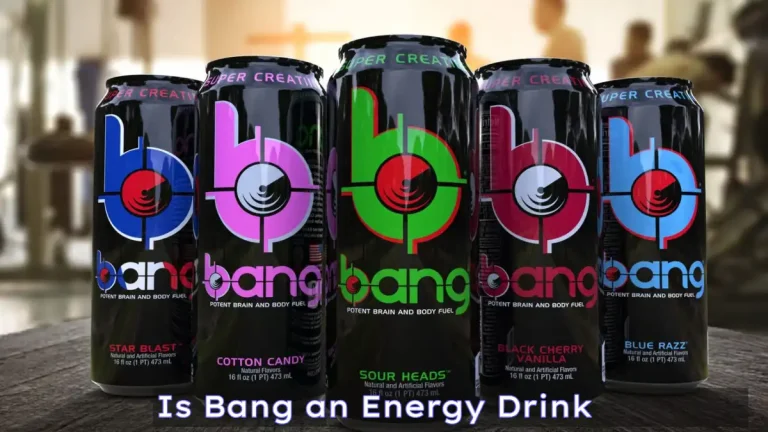
Is Bang an Energy Drink

Bang is a caffeinated beverage that is marketed as an energy drink. It contains caffeine, taurine, and B vitamins. Bang is produced by VPX Sports, specializing in sports nutrition products.

Is Bang an Energy Drink

Are Bangs Energy Drinks Good For You

The answer to this question is a bit complicated as Bangs energy drinks contain high levels of caffeine, which can have both positive and negative effects on the body. 

Some people may find that Bangs energy drinks give them an energy boost and help them focus, while others may experience side effects such as headaches, dehydration, and insomnia. Ultimately, the effects of Bangs energy drinks will vary from person to person.

Moreover, Bang drinks are low in sugar compared to other energy drink brands, making them healthier.

Are Bang Energy Drinks Bad For You

Many of you ask, is Bang energy drink bad for you? Bang energy drinks are a popular choice for people looking for an energy boost, but there are some concerns that they may not be good for you. 

Some experts and nutritionists say that the high levels of caffeine and other stimulants in Bang drinks can be dangerous for people with heartbeat problems or other health issues such as dehydration, nervousness, etc.

Bang Energy Drink Nutrition Facts

A Bang Energy Drink is a high-caffeine drink that comes in many different flavors. The nutrition facts for each of their popular flavor are provided below.

Bang Energy Drink Nutrition Facts

Bang Star Blast Flavor Energy Drink Nutrition Facts

Serving Size= 1 can

NutritionAmountDaily Values (%)
Calories0
Total Fat0 g0%
Saturated Fat0 g0%
Trans Fat0 g
Cholesterol0 mg0%
Sodium40 mg2%
Total Carbs0 g0%
Dietary Fiber0 g0%
Sugars0 g
Protein0 g
Vitamin D0mcg0%
Calcium5mg0%
Iron0mg0%
Potassium114mg2%
*Nutrition facts of Bang Star Blast Flavor

Bang Strawberry Blast Energy Drink Nutrition Facts

Serving Size= 1 can

NutritionAmountDaily Values (%)
Calories0
Total Fat0 g0%
Saturated Fat0 g0%
Trans Fat0 g
Cholesterol0 mg0%
Sodium40 mg2%
Total Carbs0 g0%
Dietary Fiber0 g0%
Sugars0 g
Protein0 g
Vitamin D0mcg0%
Calcium5mg0%
Iron0mg0%
Potassium114mg2%
*Nutrition Facts of Bang Strawberry Blast

Radical Skadattle Bang Flavor Energy Drink Nutrition Facts

Serving Size= 1 can

NutritionAmountDaily Values (%)
Calories0
Total Fat0 g0%
Saturated Fat0 g0%
Trans Fat0 g
Cholesterol0 mg0%
Sodium40 mg2%
Total Carbs0 g0%
Dietary Fiber0 g0%
Sugars0 g
Protein0 g
Vitamin D0mcg0%
Calcium5mg0%
Iron0mg0%
Potassium114mg2%
*Nutrition Facts of Radical Skadattle Bang Flavor Energy Drink

Miami Cola Bang Flavor Energy Drink Nutrition Facts

Serving Size= 1 can

NutritionAmountDaily Values (%)
Calories0
Total Fat0 g0%
Saturated Fat0 g0%
Trans Fat0 g
Cholesterol0 mg0%
Sodium40 mg2%
Total Carbs0 g0%
Dietary Fiber0 g0%
Sugars0 g
Protein0 g
Vitamin D0mcg0%
Calcium5mg0%
Iron0mg0%
Potassium114mg2%
*Nutrition Facts of Miami Cola Bang Flavor Energy Drink

Bang Unicorn Flavor Energy Drink Nutrition Facts

Serving Size= 1 can

NutritionAmountDaily Values (%)
Calories0
Total Fat0 g0%
Saturated Fat0 g0%
Trans Fat0 g
Cholesterol0 mg0%
Sodium40 mg2%
Potassium85 mg2%
Total Carbs0 g0%
Dietary Fiber0 g0%
Sugars0 g
Protein0 g
Vitamin C0mcg50%
*Bang Unicorn Flavor Energy Drink Nutrition Facts

Watermelon Bang Energy Drink Nutrition Facts

Serving Size= 1 can

NutritionAmountDaily Values (%)
Calories0
Total Fat0 g0%
Saturated Fat0 g0%
Trans Fat0 g
Cholesterol0 mg0%
Sodium40 mg2%
Total Carbs0 g0%
Dietary Fiber0 g0%
Sugars0 g
Protein0 g
Vitamin D0mcg0%
Calcium5mg0%
Iron0mg0%
Potassium85mg2%
*Watermelon Bang Energy Drink Nutrition Facts

Bang Blue Raspberry Energy Drink Nutrition Facts

Serving Size= 1 can

NutritionAmountDaily Values (%)
Calories0
Total Fat0 g0%
Saturated Fat0 g0%
Trans Fat0 g
Cholesterol0 mg0%
Sodium40 mg2%
Total Carbs0 g0%
Dietary Fiber0 g0%
Sugars0 g
Protein0 g
Vitamin D0mcg0%
Calcium5mg0%
Iron0mg0%
Potassium114mg2%
*Nutrition facts of Bang Blue Raspberry

How much Caffeine Content is in a Bang Energy Drink

Bang Energy drinks are known for their high caffeine content – some varieties contain up to 350 milligrams of caffeine per can. This makes them a popular choice for people looking for a quick pick-me-up, but it’s essential to be aware of the potential risks of consuming too much caffeine.

Bang Energy Drink Ingredients

The following are the primary ingredients in the Bang Star Blast energy drink.

Carbonated Water Potassium Citrate Monohydrate
Citric Acid AnhydrousSodium Benzoate (Preserves Freshness)
Natural and Artificial FlavorsAcesulfame Potassium
Caffeine AnhydrousCalcium Disodium EDTA
Vitamin B12 (MethylCobalamin)Vitamin B3 (Niacinamide)
*Bang Energy Drink Ingredients

Who Owns Bang Energy Drink

Bang Energy Drink is a popular beverage marketed as a high-energy drink. Vital Pharmaceuticals (VPX), a privately held company, owns it.

Bang Energy Drink Owner

Bang Energy Drink is a product of Bang Beverages, LLC. It is a high-caffeine drink in various flavors, including Blue Raspberry, Fruit Punch, and Watermelon. The Bang energy drink owner’s name is Jack Owoc.

How much amount of Creatine is in Bang Energy Drink

Often, people ask, does Bang drink have Creatine? Yes, bang drink uses super Creatine in its energy drink, also known as the world’s only water-stable Creatine. 

The creatine quantity in the Bang energy drink is around 4 to 32.5mg. However, please note that the FDA doesn’t verify super-creatine.

Best Bang Energy Drink Flavors

Are you looking for the best bang for your buck? Check out the top 10 best flavors of Bang energy drinks! These drinks are sure to give you a boost of energy that will keep you going all day long.

Cherry Blade LemonadeBangster Berry
Radical SkadattleKey Lime Pie
Purple Guava PearFrosé Rosé
Blue RazzStar Blast
Candy Apple CrispPurple Haze
*Best Bang Energy Drink Flavors

How Long Does Bang Energy Last

Bang Energy is a high-caffeine drink that promises to give users energy and focus for hours. But how long does it last? And is it worth the price? The quantity of caffeine in the Bang energy drink is enough to last for 10 to 12 hours and keeps the energy levels up.

FAQs about Bang Energy Drink Nutrition Facts

Q. Is Bang energy drink healthy?

Ans. Bang energy drinks contain large amounts of caffeine, which can be harmful if consumed excessively. However, Bang also includes a variety of other nutrients and minerals that could benefit your health. Moreover, there is no sugar in it, which is an additional plus point from the health point of view. Ultimately, whether or not Bang is healthy for you depends on your dietary needs and preferences.

Q. Is there sugar in Bang energy drink?

Ans. There is no sugar in the Bang energy drink, but it does contain caffeine and other ingredients that may boost energy.

Q. Is a Bang healthier than a monster?

Ans. Monster energy drinks are popular among young people for their high caffeine content, but Bang energy drinks may be a healthier alternative. Bang has more natural ingredients and less sugar, which benefits energy levels.

Q. How much sugar is in a Bang energy drink?

Ans. A Bang energy drink contains zero sugar, which can be beneficial from a health point of view.
BBW Weight Gain: Real-Life Stories to Inspire You

0

To be a woman who is considered a BBW or Big Beautiful Woman is not as easy as it sounds. We, the BBW, are often judged and scrutinized for our weight gain and body image, and we have to take extra precautions to make sure we can still feel confident about ourselves. 

In this blog post, I will discuss the struggles of being a BBW woman and how you should learn to love yourself regardless of size.

You’ve probably seen a lot of blogs and articles about losing weight, but have you ever read one on how to gain weight? A BBW Weight, Gain stories Healthcoachjp has published a blog. So, read exciting real-life stories and experience their feeling.

Weight Gain BBW

Weight Gain BBW
Weight Gain BBW

After the recent trend of women enhancing their bust-line, weight gain is becoming popular among women wanting to enhance other body parts.

Weight Gain can be used by an established woman who wants more mass in one specific area or all over. Most men love curves, and for some, it is just not there, no matter how many extra calories they eat. 

Weight Gain is commonly used in fitness modeling, where the women are judged solely by their curves and mass rather than muscles. This type of modeling has seen a significant increase in popularity in recent years, so it will continue increasing.

Another place where Weight Gain is popularly used for models is in print ads. These ads are often done by BBW (Big Beautiful Woman) model agencies that specialize exclusively in this sort of work. You might have even seen some familiar faces already without knowing it!

BBW Weight Gain Stories

Big, beautiful women are often seen as a symbol of beauty and power. This blog post will explore some of the challenges women who identify with larger bodies face in today’s society and how they try to overcome them, as mentioned in this BBW Weight Gain Stories Section.

Sarah Story

Sarah has always been interested in weight gain. She was the girl who would see someone with extra meat on their bones and say to herself, “I want that.” It wasn’t until she met her now-husband that things changed. Before her husband, she had never really found anyone who could handle her weight gain. He not only accepted it, but he encouraged it! Now, Sarah spends hours daily eating high-calorie food and documenting her gains on social media.

Ashley Story 

Hi, I’m Ashley, and I’m a plus-size woman who loves to gain weight. When people ask me why, I tell them that it’s because being fat is fun! Plus-sized women are less likely to be able to lose weight just by cutting calories. That means that if you’re already someone who struggles with your weight, the best way for you to get thin might be just to gain more.

And when you’re fat, all of life becomes so much easier! It doesn’t matter what kind of clothes you wear or whether or not there are any chairs in the room – because everyone will have one ready-made for you. No more worrying about looking too heavy on your driver’s license photo, either.

Patricia Story 

I’m Patricia, and I’ve always had a weight problem. It’s not like an unhealthy weight problem with bad habits or anything, but more of the “I don’t know what size I am” kind of problem. One day, I decided to stop trying to figure out my size and just start gaining pounds. And it felt great! All my problems disappeared with each pound that came on me!

Now, some people might say something about how this is not healthy, but hey… at least I have a plan for when things get tough again. Maybe it’s time you did, too? It’s not always easy, but feeling confident in my skin is worth it.

Barbara Story

Barbara is a woman who remains at home most of the time. She likes to watch Netflix and eat ice cream on the couch with her cat. However, she’s also been struggling with weight for years. Barbara thought that by eating more veggies and exercising, she could be skinny like all of her friends, but then one day, it hit her: “I don’t want to lose weight because I want to be healthy,” Barbara said. I’ve always wanted to have curves.” So she started following a new diet plan called BBW-friendly and has never looked back since. Now she’s happier than ever!

BBW Weight Gain Progression

It is a well-known fact that as we age, our body composition changes. We lose muscle mass and gain fat to varying degrees. This blog post will explore the progression of weight gain from the perspective of a woman between her 30s to 50s who has been experiencing gradual weight gain over time.

Throughout this blog post, we have shared real-life BBW weight gain stories and their experiences.

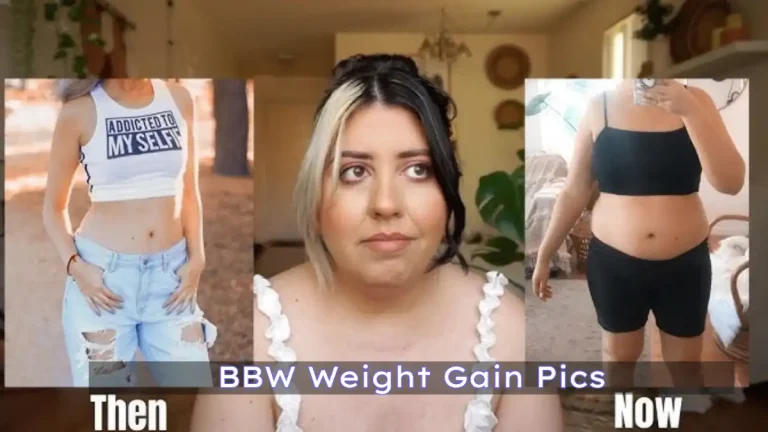
BBW Weight Gain Before and After

Many people have queries about BBW weight gain before and after images, and we have published them below.

Photos of BBW Weight Gain Before and After
BBW Weight Gain Before and After Images

BBW Belly Weight Gain

It’s hard to find the perfect balance regarding weight gain. The internet has made it easy for big, beautiful women (BBWs) to find advice and tips for healthily gaining weight, but this can also cause problems because sometimes we’re bombarded with conflicting information. Finding your way is the best way! 

So far, what we have witnessed is whenever a girl tries to put on weight like a big, beautiful woman, they got automatically on a path of BBW belly weight gain.

BBW Weight Gain Pics

Have you ever wanted to see what it’s like to gain weight? Well, this blog post is perfect for you, then. This blog has BBW weight gain pics.

BBW Weight Gain Pics

Frequently Asked Questions (FAQs)

Q. Why do women gain weight to be BBW models?

Ans. Most people think that being a BBW model is all about losing weight. But, in reality, many women who are already overweight become models because they feel more comfortable with their body size. The modeling world can be very competitive, and it’s not uncommon for the industry to only cater to one type of body type.

So, to get out of the rat race of zero-figure models, the healthy model turns into the BBW model and starts putting weight.

Q.2. How do you gain weight like a BBW?

Ans. We know that being a BBW is not always easy. You have to deal with all of the “mean” people who judge you and say things about your size, plus, finding clothes that fit is hard. However, we can advise you on how to gain weight like a BBW.

One thing you should do if you want to gain weight is to eat more calories than your body needs. Taking supplements like protein shakes or bars might be better if this sounds too hard. But remember that these will not provide as much nutrition as eating food. Another way to get more calories into your diet is by snacking!

Q. How do you intentionally gain weight and become a pear-shaped BBW?

Ans. Follow the steps to become a pear-shaped BBW.
1. The first step is to start eating more foods high in calories and fat content.
2. Eat three big meals daily with one snack in between at a minimum.
3. Avoid eating processed food; instead, focus on whole grains, vegetables, legumes, fruits, nuts, and seeds for your carbs.

Best Full Coverage Foundation for Dry & Sensitive Skin

0

Girls mostly love wearing makeup & looking beautiful. When it comes to wearing foundations on their faces, they just need a perfect one with a perfect texture compatible with their skin. Many people suffer from dry skin & while choosing foundation, they must keep it in mind. They leave no scope in finding the best foundation for dry skin available in the market. But how do you know which is the best one among so many? Come! Let us help you with the suggestions of some foundations that are best for dry skin:

Best Full Coverage Foundation

Best Full Coverage Foundation

If you are browsing for a full coverage foundation for your dry skin that is the nicest on the market, then Nars Cosmetics Weightless & All Day Luminous Foundation is the exact one for you. This foundation will lend you a natural finish & create a perfect & flawless base. This foundation from Nars Cosmetics is oil-free & ideal for those who have oily or combination varieties of skin. 

It will always keep oils at bay & your skin will never look dry & heavy. To get complete coverage, apply the foundation with your fingers & it will look natural on your skin. This Nars Cosmetics foundation has a highly pigmented formula. 

It is ultra-light & easily glides into one’s skin, thus providing her with full but natural-looking coverage. The best part is that this natural-looking coverage will stay with you all day. 

The Finest Full Coverage Foundation Made For Mature Skin

Suppose you are digging everywhere online & offline for a full-coverage foundation for mature skin, again the best in the market. In that case, Estee Lauder Futurist SPF 45 Foundation With Hydra Rescue Moisturizing feature will be satisfactory. There are a few foundations which, when applied without serum at the outset, make the mature or aging skin of an individual even more & uncomfortably dry. 

But, with Estee Lauder Foundation, you don’t have to worry about that anymore. With buildable coverage, this foundation will moisturize your skin & its double-duty formula will work overtime if needed for your complexion. This foundation cream is a part medium-to-full coverage type of makeup. It comprises an anti-aging serum. Also, it has SPF 45, which protects you & your skin from tanning, UV rays & photoaging.

Besides, the hyaluronic acid & Estee Lauder’s IonCharged Water Complex in this foundation hydrate your skin. Also, the product is sold in twenty-eight shades (Java, Porcelain, etc.). The foundation will instantly plump & address the redness of your skin even if it is matured & aged. So, it is one of the best foundations for aging skin. 

Also, it is one of the best foundations for wrinkles. It can very well hide your wrinkles. Simply apply this foundation on your aged & matured skin & relish the radiance & natural-looking glow of your skin that you have never basked before. The only downside of this merchandise is that it is costly. 

Best Lightweight Foundation

Best Lightweight Foundation

If you are searching for the best lightweight foundation of all, close your eyes & go for L’Oreal Paris Foundation (Infallible & Pro-Matte). It’s very much trustworthy for dry skin. Unlike most other foundations, this lightweight foundation will stay on your skin for hours. 

Want a product that will stand the tryout of rain, sun & sweat? Which foundation can it be other than L’Oreal Paris Foundation? It will make you appear like a million dollars. Its long-wear & waterproof feature will let you shine out at any precious event. Hey! After reading this, have you fallen in love with this cosmetic product just like us?

Best Hydrating Foundation

Lakme Absolute Foundation With Argan Oil Serum (SPF 45, W160 Warm Sand) may be picked as the best hydrating foundation of all. A dewy & luminous look is no longer a far-fetched dream with this foundation. It’s an argan oil replenished potion & also a kind of nourishing serum foundation. This foundation has various skincare benefits as well. The product comes with the attribute of SPF 45, which will protect your skin from the harmful & tanning rays of the sun & give your skin a glistening glow throughout the day. 

Best Drugstore Foundation For Dry Skin

If your priority is to buy the best drugstore foundation for dry skin, Revlon Colorstay Liquid Foundation, with a long-stay feature, will be perfect for you. The time-release technology of this foundation will give you hydration throughout the day. Also, it is oil-free & can balance moisture levels. Again, it is long staying in nature & it will remain on your skin for up to 24 hours. 

The broad-spectrum protection from sun damage is another impressive feature of this foundation. The SPF 20 of this foundation makes it possible. Furthermore, there is 4.4 percent titanium oxide & 2 percent zinc oxide in this foundation in blended form. Their function is to protect your skin from the harmful radiations of UVA & UVB. You will find this product gentle on your skin. 

Besides, your skin will get a natural finish & a medium-buildable coverage with the application of this foundation. Guessing, will it be hard to use it? No, not at all! It’s very easy to use this foundation. Pump out the foundation, take a small amount of it on a sponge, apply it on your skin in a proper way & you are done. 

If you are a choosy kind of person, then let us tell you that this foundation is available in twenty-four shades. Elect any one of those foundations based on your skin tone. There is one major downside of this product, which is that you may find it thin in consistency. That’s it. 

 Best Foundation For Sensitive Skin

Do you have sensitive skin? Do you remain tense while choosing any product that will suit your skin or not? Then, use the Pro Breathable Foundation from Dermacia. The Dermacia Foundation will provide you with brilliant coverage & will also rejuvenate your skin at the same time. 

Being an oxygenating foundation with a 3X silica gel-established formula, it will diffuse every fine line, blemish, & problem area of your skin with full coverage. Its hypoallergenic formula is suitable for every sensitive skin type. Through its breathable formula, air & moisture will permeate your skin. 

So, this foundation is also acceptable for those who have just undergone aesthetic/surgical procedures. 

Our Final Words

So, we hope you are pleased that we have informed you of the best foundation for dry skin in each category. And now that you have learned the names of those foundations, start searching for the foundation that will match your skin best & suit your purpose & priority. Are you still waiting? Don’t just sit & wait! Hurry! The stock of your selected foundation may get over soon! 

FAQs about Best Foundation for Dry Skin

Q.1. Is liquid foundation better for dry skin?

Answer: If your skin is dry & you want to apply foundation, sheer-medium coverage selections in liquid & lightweight format are the best. Even when the day ends, you will still feel your skin hydrated because of the water-based formula present in it. 

Q.2. Are matte foundations good for dry skin?

Answer: No, matte foundations are not good for your dry skin. Matte & powder finish foundations can make your already dehydrated & dry face appear more matte & flat. What the matte foundations do is cling to the dry patches of your skin. This will emphasize your skin’s texture even more. So, if you possess dry skin, a dewy/satin finish foundation will be best suited for you. 

Q.3 Why does my face look dry with makeup?

Answer: Your face will look dry by applying makeup if the application process of your makeup is wrong or the products’ combination of the makeup you are using is not perfect. If you apply a full-coverage makeup foundation on your dehydrated skin or use the wrong primer on your face, your foundation will appear flaky. 

The Science Behind Fat Burning: Key to Weight Loss Success

0

Whenever people mention fat loss, they probably refer to fat burning. What does “burning fat” mean, and what happens in the body? This simple guide looks closely at the science of burning fat and reveals some of the most important things to use in weight loss.

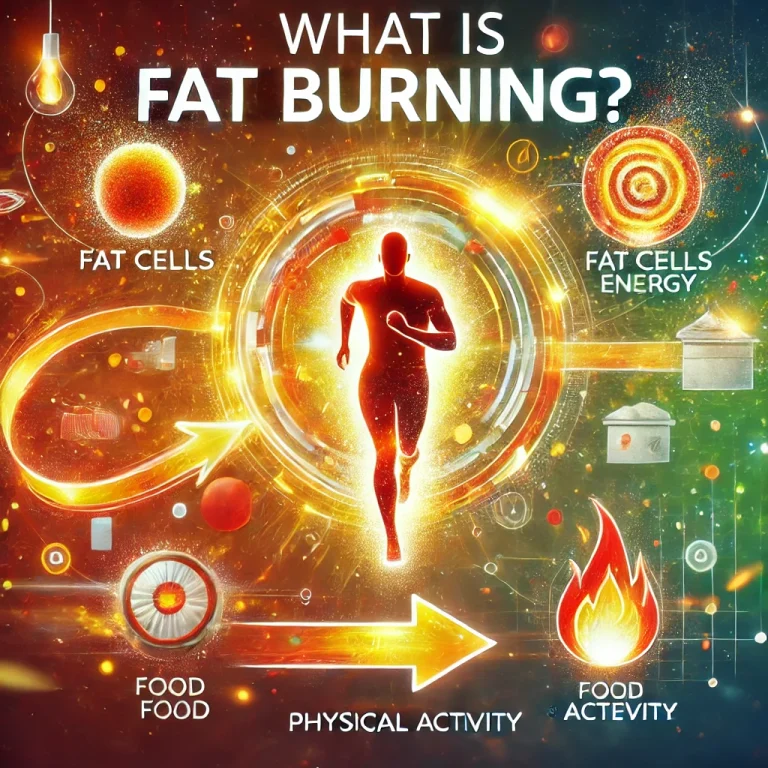
What is Fat Burning?

Understanding Fat Metabolism

Fat metabolism is the process where all the body fats are converted to energy. All fats, which are stored in our cells, act as a substitute source of fuel to be used when the body requires more fuel than what can be acquired from quick sources like carbohydrates.

The Role of Fat Cells in Energy Production

Adipocytes, or fat cells, are structures where fat is stored. When the body’s demand for energy arises, it breaks down its fat cells in a process known as lipolysis and releases fatty acids into the blood.

The Basics of Weight Loss

Caloric Deficit: The Key to Fat Loss

Since the principle of weight loss is literally having a caloric deficit in terms of burning more than taking, the body can’t run out of energy by using fat without it.

Energy Expenditure and Activity Levels

Physical activity leads to burning up more calories in the body. Therefore, calorie deficit comes easily. Therefore, all activities, like walking, jogging, and training, increase the expenditure rate of calorie burn.

Understanding Metabolism and Its Role in Fat Burning

Basal Metabolic Rate (BMR) Explained

Your BMR is simply the number of calories your body needs to maintain those very basic functions: breathing, heart rate, and regulating the temperature.

Factors That Influence Metabolism

Many things determine a person’s metabolism, including age, muscle mass, and genes. People with more muscle mass tend to have faster metabolisms because the body burns more calories in muscles than in fat.

The Role of Hormones in Fat Burning

Insulin and Fat Storage

Insulin is one hormone that helps regulate blood sugar. High levels of insulin encourage the body to store fat, thus making it more challenging to lose fat.

The Role of Hormones in Fat Burning

Cortisol and Weight Gain

The amount of cortisol, known as the stress hormone, that exceeds for too long tends to promote weight gain, especially in the abdominal area.

Growth Hormones and Fat Breakdown

The growth hormones assist in breaking down fat and preventing the buildup of fat, particularly during exercise and when not consuming anything.

How the Body Burns Fat for Energy

Lipolysis: The Breakdown of Fat

During this process, triglyceride is split into glycerol and fatty acid that are released into the bloodstream as energy while lipolysis is going on.

Fat Oxidation: How Fat Is Converted into Energy

Fat oxidation is the process whereby the cells’ mitochondrion breaks down fatty acids to produce the energy required to run the body.

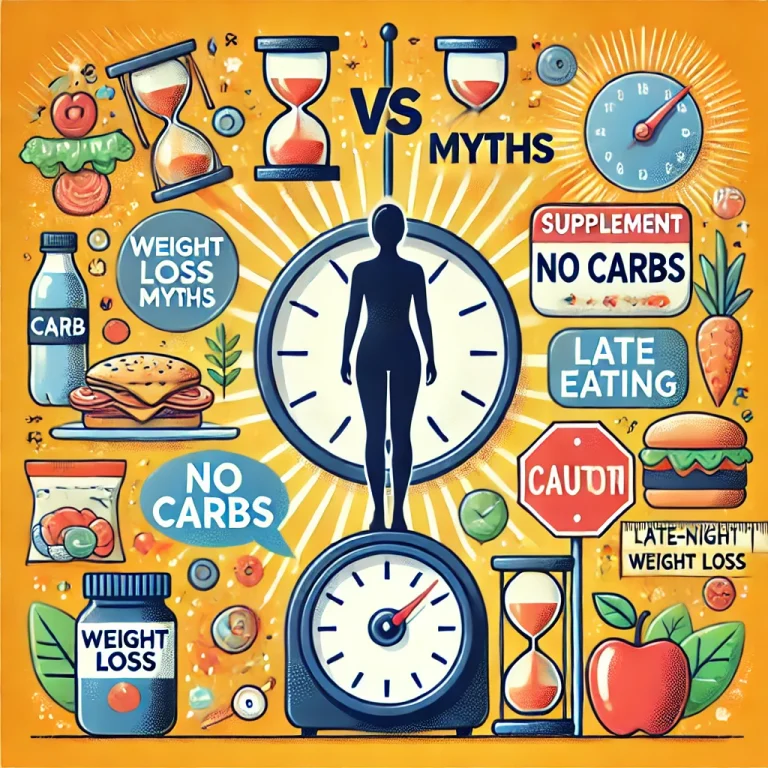
Fat-Burning Myths Debunked

Spot Reduction Myth

Some people believe that fat from a specific area of the body is burnt; this is not true. The fat loss occurs evenly all over the body.

Fat-Burning Supplements: What Works, What Doesn’t

Most claim to burn fat, while most of them lack scientific evidence about them. Diet and exercise are still the best tools.

The Role of Diet in Fat Burning

Macronutrients and Their Impact on Fat Loss

Macronutrients-carbohydrates, fats, and proteins-have particular functions in shedding excess fat. Optimal performance is attained by consuming a balanced quantity.

The Importance of Protein in Fat Loss

It will help to conserve lean body mass in case of weight loss because, instead of muscle, it would burn fat for energy.

The Impact of Exercise on Fat Burning

Cardio vs Strength Training: Which Is Better?

In truth, cardio does work towards losing fat, but strength training is great in developing muscles that further boost metabolic rate.

High-Intensity Interval Training (HIIT) and Fat Loss

HIIT is short periods of intense exercise followed by rest. Recently, it has been found that it burns fat more than regular cardio.

The Importance of Sleep and Recovery in Fat Loss

Sleep Deprivation and Weight Gain

This partly impacts certain hormones that regulate hunger and fullness. The regulation of leptin and ghrelin causes binge eating and, thus, weight gain.

Recovery: Why It Matters for Fat Loss

General rest days also permit excellent recovery of the muscles and an efficient body in terms of the amount of fat being burnt.

Hydration and Its Role in Fat Burning

Water’s Role in Metabolism

This implies maintaining hydration for metabolic processes and optimizing the metabolism of fat.

How Dehydration Affects Weight Loss

Dehydration causes deceleration of your metabolism, making it difficult to burn fat and lose weight.

The Psychological Aspects of Weight Loss

Motivation and Mindset in Fat Loss

The right attitude and motivation, therefore, go a long way in keeping the targets of weight loss up.

Emotional Eating and Its Impact on Weight

Many people struggle with emotional eating, which can hinder fat loss efforts.

Common Barriers to Fat Burning

Stress and Its Impact on Fat Loss

Common things that stop fat burning Stress and Its Effect on Fat Loss Stress permits the release of cortisol, which will aid in storing body fat.

Age and Metabolic Slowdown

As we grow older, our metabolism slows down, making weight loss even more difficult.

Tracking Fat Loss: Why the Scale Isn’t Everything

Measuring Progress Beyond the Scale

It’s Not All About the Scale Measuring Progress Beyond the Scale Monitoring body measurements, strength gains, and changes in energy levels gives a better view of the status of fat loss.

Body Composition vs Body Weight

Its weight on a scale will not increase much, but losing fat and gaining muscle is a very good result.

FAQs About Fat Burning and Weight Loss

Q. Can I lose fat without exercise?

Yes, although exercise does enhance the acceleration of the burning of fat through an increase in calorie burn.

Q. How long does it take to start burning body fat?

A week or so into a caloric deficit, they’ll begin burning fat.

Q. Does eating fat make me gain fat?

Eating too many calories, no matter where they come from, can cause fat gain.

Q. Is fasting effective for fat loss?

Intermittent fasting causes caloric deficit and, as such, may eventually lead to fat loss.

Q. Can I make my metabolism faster?

Building more muscle and being active can help speed up metabolism.

Q. Why am I not losing weight even in a calorie deficit?

Many things are stopping the loss, such as stress and lack of sleep.

Top 10 Myths About Weight Loss You Need to Stop Believing

0

When it comes to losing weight, I can assure you there is no short supply of bad advice floating around, and most of it is misleading. You’ve probably read statements about cutting out an entire food group or promises that certain exercises will magically melt that fat away. But have you seen how many of those statements are true? Living by those myths just does more harm than good and leads to frustration and even unhealthy habits in place of the right ones. Let’s break down the top 10 weight loss myths you must stop believing.

Top 10 Myths About Weight Loss

Top 10 Myths About Weight Loss

Myth #1: You Must Completely Cut Carbs

Carbohydrates are also highly maligned, especially in keto diets. But not all carbs are equal. Complex carbs- those found in whole grains, vegetables, and fruits – give you energy and important nutrients that your body requires. Limit it to simple carbohydrates like sugary snacks and processed foods. Eliminating all carbs is unnecessary when you’re losing weight, and it can leave you drained of energy for exercise and other daily activities.

Myth #2: You’re Fat Because You’re Eating Too Much Fat.

You might assume that consuming fats will be likely to cause weight gain. But this’s not true for all fats. Healthy fats, for instance, are in avocados, nuts, and olive oil, and they could support satiety- this is where you’ll feel fuller longer, preventing overeating. Fats are necessary for the good and healthy absorption of vitamins and even for a good brain. Instead of cutting fats out, avoid trans fats and limit saturated fats.

Myth #3: Skipping Meals is a Way to Lose Weight

Skipping meals might sound like the easy way to cut back on calories, but it often leads to a worse problem. When you don’t eat, your metabolism will drop significantly, and burning the calories will be much harder. Moreover, skipping meals often results in large portions eaten later in the day once hunger becomes unbearable. Instead, balance out your calorie intake through many small meals throughout the day to keep your metabolism running smoothly.

Myth #4: Cardio Is the Only Way to Lose Weight

Cardio does burn calories, but it’s far from the only exercise (or even the best) for weight loss. Lean muscle produced through strength training boosts your resting metabolism, which means you’ll burn more calories even when you are just going about your day. Cardio and strength training is ideal for effective, sustainable weight loss.

Myth #5: You Can Spot-Reduce Fat

Maybe you have seen targeted workouts promising to blast belly fat or slim down your thighs, but unfortunately, you can’t pick and choose where you lose fat. You will lose body fat in all areas of your body, which is often a genetically related matter. Focus on overall fat loss through balanced workouts and a healthy diet for best results.

Myths About Weight Loss

Myth #6: Diet Pills Are The Answer

“Those supplements promising rapid weight loss are tempting, but they are not the magic solution. Some can be added to your efforts; they give a little boost, but it’s very hard to replace the need for a balanced diet and exercise with a supplement alone.” Weight loss through lifestyle modification is the truth and sustainable; it will not come from a pill.

Myth #7: The Late-Night Snack Is the Cause of Weight Gain

This myth would make you believe that if you eat late at night, you will likely gain weight. Again, it’s not when you eat, but what and how much. Taking in calories over the body’s use will lead to gain. Eat a balanced number of calories throughout the day, regardless of the clock.

Myths #8: You Must Starve to See Results

Many think that the only way to lose weight is by starving themselves. This is very far from the truth. If you don’t eat enough, your body will go into starvation mode, slowing down the metabolism – nearly making weight loss unattainable. Starvation diets may lead to nutrient deficiencies and other health issues. To begin with, one needs balanced meals with portions that help in healthy, steady weight loss.

Myths #9: Water causes one to gain weight if consumed along with food.

Most believe drinking water with meals causes bloating or weight gain; really, it isn’t. However, being hydrated promotes a smooth digestion process that helps lose weight since you stay full and minimize the total calories you can consume. Avoid taking too much at once; sip it alongside the day and meals.

Myth #10: Losing Weight Quickly Is Better

Fast weight loss can be tempting, especially when achieved so quickly. But in a world of tight deadlines and instant everything, it’s often impossible to maintain weight loss that arrives too quickly, and muscle loss, nutritional deficiencies, and an unwanted metabolic slow-down often accompany it. Your goal is an “achievable” loss of 1-2 pounds per week; at this point, you’ll be more likely to retain the loss while protecting your overall health.

Conclusion

Weight loss becomes easier and helps by saying goodbye to these common myths and getting on track by using sustainable and evidence-based strategies. You will be much better prepared for weight loss and achieving your health goals when you recall that the best weight loss journey is about taking care of your mind and body.

FAQs on Myths About Weight Loss

Q. How do I plan a balanced diet to lose weight?

Emphasize having a variety of lean proteins, more complex carbs, healthier fats, and plenty of fruits and vegetables. Try to limit processed foods and high-sugar snacks as much as possible.

Q. Is there an ideal time for me to exercise and lose weight?

Of course. The best time is when you can manage to do it most energized. Just make sure you can do this at the same time consistently each day.

Q. Do I need to go to the gym to lose weight?

Absolutely. Exercise, such as walking, working out in the house, and other activities that increase heart rate, can contribute to weight loss.

Q. How does stress affect weight loss?

Stress influences emotional eating. It can even affect sleep. Stress management could be achieved through exercise or meditation, which might support a weight-loss program.

Q. Does detoxing and cleansing help with weight loss?

While they may help reduce water weight temporarily, they aren’t effective for sustainable weight loss. A balanced diet and regular exercise are more effective long-term solutions.

Is Otezla Weight Loss Claim True? Get the Facts

0

Otezla Weight Loss and Other Side Effects: Otezla is a medicine that is taken at least twice a day. This tablet is used to cure Arthritis, Plaque Psoriasis, and Behcet’s diseases. Apart from this, Otezla also reduces inflammation. Some people who took otezla came across weight loss, which we will discuss here.

Otezla inhibits enzymes in the immune system; it also affects cells. This reduces inflammation in the body and improves all skin symptoms, including nails.

Otezla Side Effects

Otezla has two types of side effects: a severe side effect and a common side effect. Some common side effects associated with Otexzla are mentioned below. 

Otezla Weight Loss and Other Side Effects
Otezla Side Effects

Otezla Side Effects

Common side effects

  • Feeling like vomiting
  • To vomit
  • Feeling like indigestion
  • fatigue
  • Back pain.
  • Headache
  • Joint pain
  • Cough, runny nose
  • Do not get sick
  • A rapid drop in weight

It is included in all the common side effects; most of them will go away in a week or less. If this does not happen and you are facing more problems, then you can consult your doctor immediately, and you should also take advice.

This also includes common side effects from Otezla

1: Weight loss

With the help of a report, it was found that the people who consumed Otezla lacked sleep. Apart from this, people experience weight loss after taking this medicine. 

The side effects of this medicine include vomiting and diarrhea, which may be the reason for losing weight.

2: Diarrhea

Problems like severe diarrhea, vomiting, nausea, etc., have also been observed in some people after consuming Otezla. It usually got treated by itself within a few days. Diarrhea is considered a very common side effect of Otezla.

If you suffer from all these problems after taking Otezla, immediately consult a doctor.

  • Diarrhea for more than 2 days.
  • Blood in the stool during diarrhea.
  • Black stools.
  • Fever more than 101 degrees.
  • Severe pain in the stomach.
  • Pain in the rectum.

Serious side effects

These are Otezla’s severe side effects. These consequences of Otezla can be fatal.

  • To be allergic
  • Severe diarrhea and non-stop vomiting.
  • Going into depression
  • Frequent thoughts of suicide.

Other Side Effects of Otezla

1: Allergic reaction

You may have an allergic reaction after taking certain medicines; similarly, Otezla can cause some allergic reactions.

If you are experiencing such allergies, consult a doctor immediately.

  • Skin rash
  • Itching
  • Flushing
  • Swelling on the skin due to allergies
  • Swelling in the mouth
  • Having trouble breathing

Experiencing such problems may be life-threatening, so you should immediately contact your nearest hospital or doctor.

2: Weight loss

Weight loss is a common side effect after consuming Otezla, but if you experience rapid weight loss, then it is harmful. 10 to 14 percent weight loss is normal. If you feel like losing more than 14%, it is harmful and fatal. After this, you do not have to consume otezla.

3: Cancer

People who have psoriasis have a higher risk of getting cancer. As you know, this drug diagnoses psoriasis, and it can also increase the risk of cancer.

4: Depression

Depression has also been observed in some people taking Otezla. But it is very rare, and it only happens to less than 2% of the people. Only 1 percent of people suffer its severe effects. 

If you experience sadness or mood swings while taking Otezla, consult your doctor immediately.

5: Headache

Headache is a very common side effect that occurs after taking Otezla. But this is a bit serious. This happens with the daily consumption of Otezla; it can also be cured if you consult your doctor.

Side Effects of Otezla in Children

Side Effects of Otezla in Children

Otezla is only for people over 18; it is strictly forbidden to take for children. If a child consumes it even after refusing, then they may have all these problems, as given in this article.

How long do the side effects of Otezla last?

Most of the side effects associated with Otezla get better in one to one and a half weeks. The rest have serious side effects: allergies, suicidal thoughts, etc.; you want to go to your nearest hospital and get yourself treated; otherwise, it can also cause death.

Otezla Contraindications and Warnings

Otezla cannot become a habit for anyone. If you stop its service, you may get back the problems that Otezla diagnosed.

A person should take only 60 kilograms of otezla a day. Individuals with kidney disease should not consume more than 30 mg of otezla. Overdose of Otezla may cause general problems. 

But if you consume it too much, you can get serious problems that can even lead to your death.

Precautions

1: A person suffering from kidney disease.

You should not take otezla if you have severe kidney disease.

2: Pregnant woman.

In pregnant women, there is a fetus in the stomach, and in such a situation, the death of the fetus can also occur due to the consumption of otezla.

3: The women who feed their children.

Moms who breastfeed babies should avoid consuming otezla as it is very dangerous for babies. Children below 18 years of age cannot take it.

In what quantity should you take Otezla?

The dosage of this dose may vary for each patient. Consult a doctor before consuming it once, or you can also consume it by reading the label. You have to do as your doctor tells you to do.

Apart from this, you need to know how much you take in a day, the time between doses, and how much you can tolerate it. All these things also affect the amount of its dosage.

What if I miss a dose of Otezla?

If you miss a dose of otezla, and later you remember, you can take it. But if you miss the missed dose at the time of the new dosage, then do not take your missed dose. This medicine has worked for a long time. But if you want good results, then don’t miss your dose.

FAQs about Otezla Weight Loss

Question: On Otezla, how much weight can you lose?

Answer: Otezla frequently causes adverse effects like hunger reduction and weight loss. 10% to 12% of those who take it may experience weight loss. Most people lose between 5% and 10% of their body weight, while others have lost more than 10%.

Conclusion

Otezla is a medication drug that is used to diagnose many diseases. This medicine is the right medicine, but if you consume it excessively, it harms you. If you take more of any medicine, then it will be harmful. 

How Drinking Water Affects Weight Loss: What the Experts Say

0

Drinking enough water must be one of the easiest things to do, but it is the most effective and sometimes overlooked means for managing weight. Hydration directly regulates the body’s functions and affects weight loss. So, how does drinking water make a difference in weight loss? Let’s delve into what the experts have said.

How Drinking Water Affects Weight Loss

Why Water Matters in Weight Loss

Most body processes are water-intensive, including digestion, circulation, and temperature regulation. Unless body fluids are at the right levels, the body cannot function efficiently, and weight loss efforts are often foiled. Drinking enough water supports fluid balance within the body and maintains metabolism, digestion, and fat utilization.

The Science Behind Water and Metabolism

One of the ways water works is by increasing the number of calories burned. Studies show that drinking water increases resting energy expenditure for a period, also known as calories burned while at rest. This process, called thermogenesis, is when the body heats the water up to match the body temperature, thereby burning off those extra calories.

Water as an Appetite Suppressant

Feeling a little hungry? It might be thirst. Drinking a glass of water before eating helps control the appetite, which can result in a lower intake of calories. Indeed, some studies have demonstrated that when people drink water before a meal, they consume fewer calories than those who do not drink water before meals; water fills the stomach and makes the brain realize sooner that the stomach is satiated.

The Role of Water in Fat Breakdown

Water is essential because it helps ensure lipolysis, a process in which the body breaks down the absorbed fats for energy. In cases where the body lacks sufficient water, the fat-burning rate falls; hence, it negatively influences weight loss. Water consumption ensures perfect lipolysis, thus making it easier for the body to burn its stored fats.

Water and Digestion

Water is essential in digestion, as it enables easy food movement in the intestines and aids in the body’s absorption of all the nutrients. With proper hydration, digestive systems also function correctly. Hence, there should be no bloating and gradual nutrient absorption to keep one in control for weight control.

Detoxification: Water’s Role in Cleansing the Body

Drinking water can flush out toxins in the body, and if most organs could function to their potential, then most organs, like kidneys, liver, etc., would be working at their best. Such toxins might have been caused by processed foods, pollution, or stressful conditions that might lead you to gain weight in due course. In the above context, proper hydration will thus help flush out such toxins in the body, which will eventually help lose some pounds indirectly.

Water and Workout Performance

Everyone who does exercise as part of their weight loss plan should drink lots of water. Hydration ensures that the muscles are well supplied with energy, and the possibilities of cramping and fatigue are reduced. That, in turn, might result in longer and more intensely exercised periods, calories that are on fire, and calories that help with losing weight. If it is inadequately hydrated, the performance suffers, and the burned calories decrease.

Replacing High-Calorie Beverages with Water

Switch out those sodas, sweetened juices, and other “flavorful” drinks for water. This fast-tracks calorie reduction during the day. Sodas, juices, and flavored drinks add empty calories to the body, bringing no nutritional benefit. Drinking water removes those extra unnecessary calories while giving the body the hydration it needs.

Water Timing: When to Drink for Optimal Weight Loss

Maximize the effect of water consumption on weight loss. Before meals, take a glassful of water; one will feel full because of an already partially filled stomach. However, for better hydration and maintaining metabolic rate, taking all the water consumed in one sitting is not advisable; spacing it throughout the day is advisable.

The Right Amount of Water for Weight Loss

About eight 8-ounce glasses per day, approximately 2 liters, serve as the general recommendation. However, each may require a different amount based on weight, activity, and climate issues. If it’s about losing some weight seriously, one must ensure that the correct amount of water intake supports the body in burning fat.

Common Myths About Water and Weight Loss

While water plays a very important role in weight management, there are a couple of myths. Some have an idea that if enough water is consumed, slimming may be induced since this should work together with a balanced diet and exercise to cause the effect. The other much more common myth is that cold water does burn more calories than water that is at room temperature. Although thermogenesis is indeed a mode of energy consumption, the difference is negligible.

Signs of Dehydration and Its Effect on Weight Loss

Dehydration can manifest in signs such as fatigue, dizziness, and dark-colored urine. All this can hinder weight loss, and when dehydrated, the body cannot burn fat as quickly. Metabolism slows down. Identifying these signs early on and keeping hydrated is a way to stay ahead of the game concerning weight loss.

How to Increase Water Intake Effectively

Have trouble getting in enough water? Check out these tips:

  • Carry a water bottle with you wherever you go.
  • Write reminders on your phone or an application to remind you to take in some water.
  • Add flavors such as lemon or cucumber to the water
  • Integrate some habits in your daily life. For example, you sit down to work, and you take a glass of water.

Conclusion

Water’s results in helping lose weight are multifaceted, from aiding in metabolisms and breaking down fats to curbing appetites. Water helps keep the body running in tip-top shape, helping it burn off calories and fat. Drinking more water throughout your day can be one of the simplest but most effective ways to achieve weight loss objectives.

Frequently Asked Questions about Water Affects Weight Loss

Q. How much water should I drink for weight loss?

About 2 liters a day is recommended, though individual requirements may vary.

Q. Does drinking water before meals help in weight loss?

Yes, drinking water before meals reduces appetite, and subsequently, fewer calories get consumed.

Q. May overconsumption of water be dangerous?

Yes, overhydration may result in hyponatremia. Still, it is safe to drink in moderation.

Q. Does water accelerate metabolism?

Water increases calorie burn, particularly through a process called thermogenesis. However, it occurs on a limited scale.

Q. Is flavored water effective in hydration and also weight loss?

Yes, as long as it doesn’t contain sugar, flavored water helps you hydrate your body and cut some calories.

Understanding the Role of Metabolism in Weight Loss

0

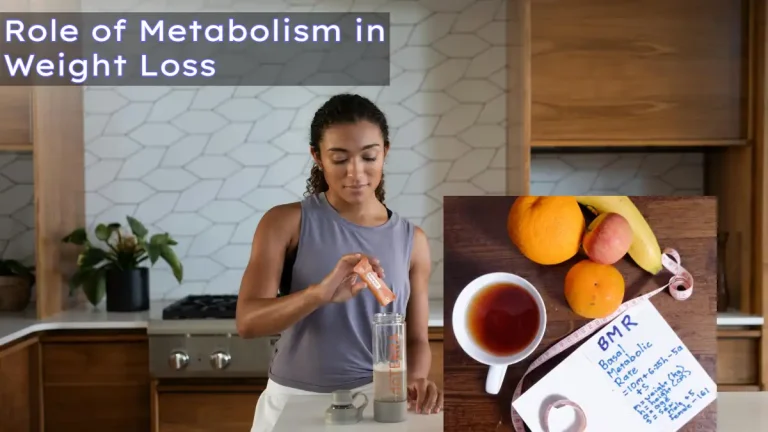
Metabolism is one of those words everyone throws around when talking about weight loss. What is it, and why does it matter when you are trying to lose a few pounds? Simply put, metabolism is how your body converts food and drink into energy. This very complex biochemical process is a basic function of keeping you alive, yet, at the same time, plays a very big role in your weight management. Let’s further explain metabolism and how it would affect your weight loss journey.

Role of Metabolism in Weight Loss

What is Metabolism?

Metabolism, in simple terms, means all the chemical reactions inside your body that keep you going. It’s an engine behind everything you do – breathing, moving, or digesting food. The metabolic rate determines how many calories your body needs to support basic life processes. Thus, it is often linked to weight gain or loss.

what is metabolism
what is metabolism

How Metabolism Affects Weight Loss

At the core of weight loss is the balance of energy, which you depend on your metabolism for. Weight loss requires an individual to burn more calories than consuming. In this case, metabolism steps in. Individuals with a fast metabolism burn more calories even at rest, increasing the chance of losing excess pounds. On the other hand, slow metabolisms will make it really hard to lose weight.

Basal Metabolic Rate (BMR)

One of the most basic elements of metabolism is the Basal Metabolic Rate or BMR. BMR is the number of calories your body needs to perform its simplest tasks, such as breathing and maintaining your heartbeat while resting. BMR accounts for about 60-75% of the calories an average day burns.

Factors that influence BMR:

  • Age: BMR tends to slow with age.
  • Gender: Male has a faster BMR due to more muscles
  • Genetics: A few people are born with a natural fast metabolism
Factors Influencing Metabolism

Factors that affect Metabolism

Metabolism is not a fixed state; it is also affected by many factors,

  • Physical Activity Level: Your metabolic rate increases with regular exercise.
  • Hormonal Balance and Stress: Metabolic rate is affected by hormones such as thyroid hormone and stress-related hormones

Types of Metabolism

Many people claim to have “fast” or “slow” metabolisms. While the individual with a “fast” metabolism will probably burn more calories at rest, thus losing or retaining weight with relative ease, the counterpart must work much harder to achieve similar results.

How Diet Impacts Metabolism

The metabolism of an individual is supported or hindered by the food consumed. For instance, proteins require a lot of energy to digest; thus, a little bit will boost the metabolic rate. Carbohydrates and fats play their parts, though metabolized differently.

Physical Activity and Metabolism

It’s a matter of fact that not every exercise is made equal to boosting metabolism. While this is true with cardio exercising, the key to creating more muscle mass is mainly strength training, which increases rest metabolic rate.

The Role of Muscle Mass in Metabolism

Muscle is metabolically more active than fat. It can burn calories even when a person isn’t exercising at all. That’s probably why people who have more muscles tend to have higher metabolisms and would be able to eat larger portions without having to worry much about getting fat. There is also an excellent approach to enhancing metabolism, including resistance training in your workout activities.

Common Myths About Metabolism

There are indeed a whole lot of misconceptions floating around about metabolism. Some of the biggest are:

  • “Slow metabolism is the reason for weight gain”: In fact, metabolism does hold its ground, but on most occasions, diet and lifestyle take the upper hand.
  • “Metabolism cannot be changed”: Your metabolism, in fact, can be controlled with diet, exercise, and other lifestyle measures.

Ways to Boost Metabolism Naturally

  • Become Physically Active: Most importantly, regular physical activity boosts your metabolism to the core.
  • Protein Diet: Protein requires a little more energy to digest, increasing a person’s metabolic rate slightly.
  • Hydration: Dehydration is one of the biggest slowdowns of metabolism, so drinking lots of water can benefit you.
Boosting Your Metabolism Naturally

Metabolic Disorders and Weight Loss

Some metabolic disorders also slow down the process of weight loss. For instance, hypothyroidism or diabetes always slows down the metabolic rate. Diabetes impacts the body in terms of glucose metabolism. For such disorders, one should consult the doctor and set realistic targets for weight loss.

Metabolism and Age

This occurs naturally due to muscle loss and hormone changes in older people that reduce caloric expenditure efficiency. Rebalance this with strength training and an equal amount of calorie expenditure with a rich diet full of proteins.

Tracking Your Metabolic Health

It is through this understanding of metabolic rate that one will set realistic goals to lose the extra weight. Those using devices like trackers or tests like this BMR will get a far clearer picture of how it works.

Conclusion

Metabolism is one of the most significant pieces of the weight loss puzzle. Though nothing can be controlled, diet and exercise are two factors that can be impacted. To truly be prepared to make choices that help your goals, it is helpful to understand what metabolism is and how it plays into weight loss.

FAQs about the Role of Metabolism in Weight Loss

Q. Can metabolism actually be changed?

Yes, to a certain extent. While genetic factors do indeed exist, lifestyle factors such as exercise and diet can also have an impact on the metabolic rate of an individual.

Q. Do skipping meals slow down metabolism?

Yes, skipping meals can slow your metabolism since your body may go into “conservation mode.”

Q. Why does metabolism slow down with age?

It happens because muscle mass is lost, and the hormones change with age.

Q. Does a high-protein diet boost metabolism?

Yes, a high-protein diet has been said to help enhance metabolism. Protein takes more energy to digest, which marginally increases your metabolism.

Q. Can I boost my metabolism without exercise?

Yes, you can keep your metabolism healthy with food, drinking enough water, and sufficient sleep, though exercising is a major factor.

The Complete Guide to Macronutrients and Weight Loss

0

Weight loss is more like a maze of contradictory and fad diets that lead nowhere. At its core, it lies in understanding macronutrients. They form the building blocks that our bodies use for energy. Let’s dig deeper into how macronutrients impact weight loss and find your right balance.

Macronutrients and Weight Loss

What are Macronutrients?

Macronutrients are nutrients that provide our bodies with energy and can be consumed in greater amounts than micronutrients, vitamins, and minerals. There are three primary categories of macronutrients: Carbohydrates, Proteins, and Fats. Each has a different role in the body and affects weight loss differently.

Why Are Macronutrients Important for Weight Loss?

Macronutrients are not just calories; they affect your body’s energy consumption. It is by knowing the purpose of each macronutrient that you can fine-tune your diet to lose fat, hold onto muscle, and fire up your metabolism.

Carbohydrates: The Body’s Primary Fuel

Carbohydrates, or carbs, are the body’s first fuel choice. They break down to glucose, which provides the quick energy the muscles and brain need.

Simple vs. Complex Carbohydrates

The simplest carbs, such as sugars, give energy quickly but cause spikes and crashes. More complex carbs, like whole grains, take longer to digest, helping to maintain steady energy levels.

Carbs and Weight Loss

Carbs aren’t necessarily the enemy. Choosing good carbs, such as whole grains, fruits, and vegetables, keeps hunger under control and energized.

Protein: The Building Block of Life

Protein is a good element in muscle repair and growth, making it a good ally in weight loss.

How Protein Helps in Weight Loss

Protein has a high “thermic effect,” as it digests more than carbs or fats. This means you burn more calories to digest it, which keeps you fuller.

Best Sources of Protein

Along with fatty fish, poultry, and beef, lean meats, eggs, dairy, legumes, and soy are other great protein sources in support of weight loss.

Fats: Not All Fats Are Created Equal

Healthy fats support many body functions, including hormone production and nutrient absorption.

Types of Fats

Fortunately, avocados and nuts contain unsaturated fats. The problem is trans fats and excessive saturated fats.

Fats for Weight Loss

Healthy fats can help you lose weight by making you feel fuller and decreasing sugar cravings.

Balancing Macronutrients for Weight Loss

The key to weight loss is to find the right balance of macronutrients. A balanced approach might look like this:

40% Carbohydrates, 30% Protein, and 30% Fat

This is a common ratio for people losing weight, but everyone’s needs can differ because of your body type, activity level, and goals.

How to Calculate Your Macronutrient Needs

Macronutrient needs vary with age, weight, height, and activity levels. Tools and apps like MyFitnessPal and Cronometer can provide accurate calculations.

Macronutrient Timing and Meal Planning

This type of intake schedule for macronutrients increases energy and fat burning. Here is one example of such timed intake for optimized intake:

  • Breakfast: High protein and healthy fats
  • Lunch: Balance carbohydrates and proteins
  • Dinner: Lean protein with veggies and healthy fats

The Role of Fiber in Weight Loss

Fiber is part of the family of carbohydrates, which helps facilitate digestion while leaving you feeling fuller. Food sources rich in fiber include oats, beans, and vegetables. All these help greatly in weight loss due to their ability to control hunger.

Common Myths About Macronutrients and Weight Loss

Common Myths About Macronutrients and Weight Loss

Myth: All Carbs Are Bad

Carbs aren’t bad; they’re just misunderstood! The quality and type of carbs matter more than the quantity.

Myth: High-Fat Diets Always Lead to Weight Gain

Healthy fats in moderation are essential and can even help with weight loss.

Tips for Adapting Macronutrients in Different Diets

Whether it is Keto, Paleo, or Mediterranean diet, macro possibilities are endless. Every diet is suitable in its manner, but the best one is that one which you can hold onto.

Mistakes to Avoid with Macronutrients and Weight Loss

Over-Restricting Macronutrients

Not being able to remove even one leads to deficiencies and burnout. What one wants in a diet is that kind of balance!

Relying on Processed Foods

Processed foods have unhealthy fats and hidden sugars. As much as possible, focus on whole foods.

How to Stay Consistent in Macronutrient Goals

Losing weight requires staying the course. Meal prep, tracking food intake, and reasonable goals will keep you in line.

Conclusion

Understanding macronutrients and finding the right balance can transform your weight loss journey. When you fuel your body with the right mix of carbs, protein, and fats, you’ll lose weight and be stronger, more energetic, and generally healthier. All is well if it’s all about balance!

FAQs about Macronutrients and Weight Loss

Q. What are macronutrients, and why are they important for weight loss?

Macronutrients provide energy for metabolism, muscle maintenance, and fat loss, which is crucial for effective weight loss.

Q. How many grams of macronutrients must I consume to lose weight?

This varies by age, weight, and activity level, but generally speaking, you want a ratio of 40% carbohydrates, 30% protein, and 30% fat.

Q. Are carbohydrates bad for weight loss?

No, quality carbs in moderation, such as whole grains and vegetables, are great sources of energy and satiety.

Q. How is protein helpful in weight reduction?

Protein has a high thermic effect and keeps one satiated, so he never tends to munch on the high-calorie food.

Q. Do I need to count macros if I want to lose some weight?

Yes, though it is a more defined way of knowing how one should control his energy

How Does Sleep Affect Weight Loss? The Definitive Answer

0

It is a powerful player in our health and wellness and is not only a rest period. Do you know that sleep also touches on the weight loss process? Those who seek to lose those extra pounds must be conscious of the way sleep interacts with their metabolism, appetite, and physical activity level. Thus, let us learn about the final reason for its importance in getting rid of those extra fats. Let’s know how Sleep Affect Weight Loss.

The Science of Sleep and Weight Loss

Sleep Affect Weight Loss
Science of Sleep and Weight Loss

Understanding the Sleep-Wake Cycle

Sleep is controlled by an internal 24-hour physiological process called the circadian rhythm. This cycle assists our bodies in knowing when it is wake-up time and when it is time to sleep. Patterns of sleep habit provide enough support for everything from mental acuity to physical energy, all very important in helping everyone achieve their coveted health goals, such as losing weight.

What is the Circadian Rhythm?

Physiological processes being controlled by the circadian rhythm include hormone and digestive function and metabolic activation, which would result in challenges of losing weight if your circadian rhythm is lost.

How Sleep Affects Metabolism

It spends much less energy during sleep compared to when it is awake. However, metabolism does not fully stop but rather turns into a “rest state” to allow the body to repair tissues and build memories. Metabolic processes disrupted by bad sleep lead to increased weight or resistance to losing weight.

Rest vs. Active Metabolic State

This contrasts the active metabolic state during the day with the restful sleep state. A balanced cycle between the two states optimizes the body’s ability to burn calories efficiently.

Hormones Affected by Sleep and Their Role in Weight Management

Cortisol and Stress: The Sleep Connection

Cortisol is often referred to as the stress hormone, but cortisol levels increase when we are deprived of sleep. Besides affecting mood, this elevated level of cortisol results in weight gain, especially in the abdominal area.

Ghrelin and Leptin: The Hunger Hormones

Sleep deprivation affects two key appetite-regulating hormones, ghrelin and leptin.

How Sleep Deprivation Alters Appetite

Sleep deprivation acts to increase ghrelin -the hunger hormone. At the same time, it decreases leptin, the fullness hormone. The combination of these factors can lead to the overeating of inappropriate food items.

The Impact of Sleep Deprivation on Diet Choices

Craving High-Calorie Foods When Tired

Lack of sleep may stimulate the desire for sweet and high-calorie foods. When sleepy, the brain looks for immediate energy that can be found through unhealthy consumption.

How Poor Sleep Affects Willpower and Food Cravings

Bad sleep decreases the will to resist junk food. People are more likely to indulge in high-fat and sweet foods when they feel tired; this undermines their efforts toward weight loss.

Exercise and Sleep: A Two-Way Street

Why Sleep Quality Affects Physical Performance

Good sleep improves performance and prolonged exercise endurance, while sleep loss contributes to fatigue and a lack of motivation to engage in workouts. A rested athlete is more likely to participate in calorie-burning activities and promote weight reduction.

The Role of Physical Activity in Sleep Quality

Exercise improves sleep, and better sleep enhances physical activity. It is a kind of virtuous feedback mechanism for effective weight loss.

Practical Tips to Improve Sleep and Boost Weight Loss

Exercise, especially aerobics exercises, improves deeper, refreshing sleep, which will be effective for someone trying to lose weight.

Practical Tips to Improve Sleep and Boost Weight Loss

Create a Consistent Sleep Schedule

Even on weekends, the body requires a fixed time to sleep and wake up. A daily routine enhances the body’s circadian rhythm, which is essential for good-quality sleep.

The Ideal Sleep Environment for Better Rest

Create your bedroom as a sleep-friendly haven. This is all about having a dark, silent room at a comfortable temperature that would allow the body to rest and rejuvenate.

Healthy Evening Habits to Improve Sleep Quality

Steer clear of coffee and large meals before your bedtime. Do some reading or meditation to keep your mind off the clock.

Common Myths About Sleep and Weight Loss

Myth vs. Fact: “I Can Catch Up on Sleep Over the Weekend”

Sleeping over the weekend may give you energy for a while, but sleep deprivation will always get ahead with its long-term anti-weight-loss approach.

Debunking “Sleep Isn’t Important for Weight Loss”

Sleep and exercise are integral components of a weight loss diet. Sustained quality sleep contributes positively to regulating one’s metabolism, hormones, and energy levels, which are crucial aspects of effective weight loss management.

Conclusion

In a nutshell, sleep has an essential role to play in weight loss. Quality sleep helps all other healthy activities involved in weight loss: it supports hunger hormones and helps people get energized to exercise. When you aim to lose weight, sleep must become something as valuable as dieting and exercise, which are the missing pieces that could change everything.

FAQs about Sleep Affect Weight Loss

Q. Can poor sleep prevent weight loss?

Yes, sleep deprivation can lead to hormonal imbalances that stimulate high appetite, low energy levels, and less motivation for a workout.

Q. How much sleep is ideal for weight loss?

Most professionals recommend 7-9 hours of quality sleep each night for their contribution to weight management.

Q. Do sleep supplements help with weight management?

While supplements like melatonin can aid in sleep, they are not a cure-all for weight loss. Quality sleep from a healthy sleep routine is helpful.

Q. Does the time you go to bed affect weight loss?

Yes, consistency in the sleep schedule helps regulate circadian rhythm, which might have a positive effect on metabolism and appetite.

Q. Can naps make up for lost sleep at night?

Naps can energize you but do not give you all the restorative benefits of nighttime sleep. So, expect a good weight-loss schedule by maintaining a regular sleep schedule.


Is Intermittent Fasting Good for Weight Loss? What Studies Show

0

Ever wonder if skipping all those meals would help cut down on that extra bulge? Intermittent fasting has been discussed everywhere, from health sites to fitness blogs, so is it the magic genie for weight loss? Find out what the research says to determine if such an eating pattern will catapult you toward your weight-loss goals.

Is Intermittent Fasting Good for Weight Loss

What is Intermittent Fasting?

It’s not what you eat but when you eat. It follows a cycle of alternating between periods of eating and fasting. Unlike a calorie-counting diet, it is more the timing of intermittent fasting. There are several techniques, each following different rules but working toward reducing eating time.

How Does Intermittent Fasting Work?

So, exactly how does it all happen? When you fast, your body undergoes so many changes. First off, the levels of insulin decrease, which helps one burn fat. Growth hormone may increase to help a person burn fat and grow muscles. In addition, fasting may make your body initiate cellular repairing mechanisms that make your body better.

Types of Intermittent Fasting

There are several popular techniques of intermittent fasting, every one of them with some unique approach:

16/8 Method

This is probably the most common and simple to understand. You will have 16 hours of fasting and eat in an 8-hour window. For instance, you might eat from noon to 8 PM, skipping breakfast.

5:2 Diet

Here, you will eat normally five days a week and limit your calorie intake to 500-600 calories for the remaining two days. It is flexible and can be adjusted according to your schedule.

Eat-Stop-Eat

This entails fasting for 24 hours once or twice a week. You eat dinner one day and do not eat again until dinner the following day. It can be tough, but it is very effective for some.

Benefits of Intermittent Fasting for Weight Loss

This form of fasting leads to weight loss because it reduces the number of calories you are consuming and enhances metabolic health. You tend to eat fewer calories by eating less frequently. In addition to this, intermittent fasting has the potential to increase the rate of metabolism in the body, thus burning off more calories. It feels like a win-win, doesn’t it?

Scientific Studies on Intermittent Fasting and Weight Loss

Many studies have looked at the impact of intermittent fasting on weight loss. Evidence indicates that it has a similar effect to the traditional reduction of calories. Intermittent fasting may sometimes be even better at eliminating fat in the belly area. Results may differ, and there is also a need to study more about the long-term impact on an organism.

Potential Risks and Side Effects

While effective, this method is not suitable for everyone. Side effects often include hunger, fatigue, and irritability. For people with specific medical conditions, such as diabetes, advice from a doctor must be sought before trying this.

Intermittent Fasting vs. Traditional Dieting

How does it compare to traditional dieting? Both can be effective, but intermittent fasting is much more flexible and does not have to count calories constantly. However, it might not be suitable for everyone, especially those who like the structure of meal plans.

effects of intermittent fasting vs traditional dieting on weight loss

Tips for Successful Intermittent Fasting

Are you ready to give it a shot? Start slowly, maybe with the 16/8 method, and increase your fasting window. Drink plenty of water, keep hunger at bay with low-calorie drinks, and listen to your body. Consistency is the key, after all.

Common Misconceptions About Intermittent Fasting

Let’s bust some myths. First off, intermittent fasting doesn’t mean you starve yourself. And for the record, it does not work as some sort of panacea for weight loss because it demands commitment and real lifestyle changes. Of course, you can indulge in your favorite foods. Yes, but only in modest portions.

Common Misconceptions About Intermittent Fasting

Who Should Try Intermittent Fasting?

One of the good options is intermittent fasting for those who want to lose weight without much pressure on dietary restrictions. Its usage cannot be recommended to pregnant women, children, and those having eating disorders. Consult a healthcare provider if you have a concern.

Intermittent Fasting and Exercise

One can work out when fasting. Many people will find that exercising when they are fasting is more beneficial in burning fats. However, one has to be very sensitive to the body’s signals so that appropriate adjustments can be made.

Personal Stories and Testimonials

Inspirational stories from people can motivate one to go on. Many people have achieved results with this diet, such as losing weight and becoming more energetic. These testimonials show that it is indeed possible for a diet like this to transform lives.

Conclusion

Intermittent fasting is more than a trend; it can be a lifestyle change. It can help with losing weight and improving health in many ways. Although this is not one-size-fits-all, it has proven to be a good, flexible, and effective approach for many. If you consider trying it, start slowly, stay informed, and talk to a healthcare professional to ensure it’s the right thing for you.

FAQs about Intermittent Fasting Good for Weight Loss

Q. What is the best type of intermittent fasting for beginners?

It is usually recommended for beginners because it is uncomplicated and easy to adopt.

Q. Can I drink coffee or tea while fasting?

Unless specified, yes, you can. You can drink black coffee or tea as they contain very low calories. You may feel a temporary reduction in hunger.

Q. How long does it take to see results with intermittent fasting?

This varies, but most people notice effects within some weeks if they are consistent.

Q. Is intermittent fasting suitable for everyone?

Not necessarily. Those with medical conditions or special dietary requirements should consult a healthcare professional before starting.

Q. What should I do if I feel unwell while fasting?

If you feel uncomfortable, you should break your fast and seek medical advice if necessary.

References

  1. Longo, V. D., & Panda, S. (2016). Fasting, Circadian Rhythms, and Time-Restricted Feeding in Healthy Lifespan. Cell Metabolism, 23(6), 1048-1059.
  2. Mattson, M. P., et al. (2017). Meal frequency and timing in health and disease. Proceedings of the National Academy of Sciences, 114(30), 7901-7908.
  3. Patterson, R. E., et al. (2015). Intermittent Fasting and Human Metabolic Health. Journal of the Academy of Nutrition and Dietetics, 115(8), 1203-1212.
  4. Varady, K. A., & Hellerstein, M. K. (2015). Alternate-day fasting and chronic disease prevention: A review of human and animal trials. The American Journal of Clinical Nutrition, 86(1), 7-13.
  5. Tinsley, G. M., & La Bounty, P. M. (2015). Effects of intermittent fasting on body composition and clinical health markers in humans. Nutrition Reviews, 73(10), 661-674.

How Stress Can Affect Your Weight and What to Do About It

0

Let’s face it: life is always stressful! Deadlines of work or personal commitments always seem to lurk in the background, and pressure accompanies it. You probably have never known that stress significantly affects one’s weight. The reasons for this relationship need to be understood to manage stress and the well-being of an individual properly. Let us dig deeper into how stress influences weight, both positively and negatively, and what can be done about it.

How Stress Can Affect Your Weight

What is Stress?

Stress is the body’s natural response to demands or challenges. It’s that feeling you get when you’re overwhelmed by work, family issues, or a global pandemic. There are two main types of stress: acute and chronic. Acute stress is short-term and often linked to specific events, like giving a presentation or taking a test. Chronic stress, however, endures over time and may be triggered by chronic problems, such as a stressful job or relationship.

How Stress Affects the Body

When you feel the pressure, your body assumes the “fight or flight” position. That simply means your brain will trigger the signals that release hormones like cortisol and adrenaline. Those hormones help your body in case of danger and rush into reacting, but they cause your metabolism and appetite to be affected. Increased hunger and unhealthy food cravings go hand in hand with cortisol levels.

The Link Between Stress and Weight Gain

Therefore, how does stress cause weight gain? The higher cortisol level will trigger the body’s need for ready-to-use energy sources. In most cases, it manifests as overeating food, especially sugary or fatty ones. Sometimes, you may need a chocolate bar whenever things get stressful.

Link Between Stress and Weight Gain

The storage of body fats increases during stress. However, it occurs primarily in the abdominal region. This may pose harm to your health.

Stress and Weight Loss: A Paradox

Curiously, however, this does not necessarily lead to weight gain. For example, several individuals will lose weight from stress. Most commonly, they simply stop eating, having lost their appetite. Sometimes, they forget to eat at all. It can be paradoxical, but this relationship is also very complex in that it affects all different kinds of individuals differently. Whereas some will take solace in food, others may not have the time or can’t stand its anxiety.

Behavioral Changes from Stress

Stress can impact you in so many ways. It may make you overeat for emotional comfort. You end up developing a craving for unhealthy foods high in calories. On the other hand, stress may reduce your physical activity level since you become too stressed to work out. These behaviors tend to make you lose or gain weight.

The Science Behind Stress and Weight

This article explores the relationship between stress and weight gain or loss. It examines the possible ways stress might lead to changes in body weight.

The Science Behind Stress and Weight

There has been clear research about stress and weight gain. A study has proven that chronic stress may affect metabolism to promote fat storage, impeding efforts toward losing weight. For example, in a study appearing in Obesity, researchers showed that subjects with higher stress levels are more likely to gain weight. Knowing these scientific discoveries helps you realize how you need to control your stress to achieve better control over your weight.

Coping Mechanism for Stress

Maintaining a Healthy Weight is directly proportional to the Control of Stress Management. In this regard, some simple coping mechanisms have been summarized below:

  • Mindfulness and Meditation: Through mindfulness, one will be saved from becoming anxious and restless.
  • Practicing Deep Breathing Technique: Deep breathing can be adopted as one of the quickest techniques to stabilize your nerves.
  • Journaling: Writing is one very good way of letting all your feelings off your breast.

Nutrition and stress management

What you eat also determines how you deal with stress. Nutrient-rich foods such as fruits, vegetables, whole grains, and lean proteins will stabilize your mood and energy. Foods high in omega-3 fatty acids, such as salmon and walnuts, are also known to lower the stress levels of individuals. On the other hand, caffeine and sugar are stress enhancers.

Exercise as a Stress Reliever

Physical activity would probably be the best means of removing stress. The human body allows a person to release endorphins, which are often considered mood-lifting chemicals. These are excellent for lowering feelings of tension and anxiety. Do that brisk walk, dance class, or yoga session that will always be a part of your routine.

Sleep and Stress: The Connection

Stress can be quite destructive to your sleep quality, creating a vicious cycle of fatigue and stress. Poor sleep can also affect your appetite-regulating hormones, making you more likely to overeat. To improve your sleep, establish a calming bedtime routine, limit screen time before bed, and create a comfortable sleep environment.

Building a Support System

A strong support system can help reduce stress a great deal. Friends and family members may be able to offer emotional support, and discussing your feelings can lighten the load. If you cannot cope, consider joining a support group or seeking professional help.

When to Seek Professional Help

If stress begins interfering with your health or well-being, it’s time to seek professional guidance. Signs that stress is invading your life include persistent uneasiness, changes in appetite, and an inability to focus. Support can be offered through therapists, dieticians, and medical professionals, among others.

Conclusion:

Stress is something with which everyone has had some interaction at one point in his life. However, this stress is not a precursor of weight gain. Knowing how stress works and properly dealing with it will, thus, help you develop control over your health. Remember that stress control is a process and that some small changes may, therefore, have a bigger impact on your health and well-being.

Frequently Asked Questions about Stress Affects Your Weight

Q. Can stress cause weight gain in everyone?

Not everyone responds to stress in the same manner. Many people experience weight gain, while others experience weight loss due to a lack of appetite.

Q. How can I tell if my weight changes are stress-related?

It might be related if you find that your weight is changing along with increasing stress. Keeping a journal will help you keep track of these changes.

Q. What are some quick stress relief techniques?

Some techniques that can be used quickly to reduce stress include deep breathing, walking for short walks, or listening to music.

Q. Is it possible to lose weight while under stress?

Some people will lose weight during these stress periods, but this is not a healthy or sustainable way to control weight.

Q. How long does it take to see changes in weight after managing stress?

Results can be different, but most are said to change in a few weeks since taking up stress management techniques.

References

  1. McEwen, B. S. (2007). Physiology and neurobiology of stress and adaptation: central role of the brain. Psychological Review, 114(3), 311-328.
  2. Adam, T. C., & Epel, E. S. (2007). Stress, eating, and the reward system. Physiology & Behavior, 91(5), 449-458.
  3. Dallman, M. F., et al. (2003). Stress-induced obesity and the hypothalamic-pituitary-adrenal axis: a role for leptin. Endocrinology, 144(3), 740-746.
  4. Chida, Y., & Steptoe, A. (2009). The association of anger and hostility with future coronary heart disease: a meta-analytic review. International Journal of Cardiology, 132(2), 179-188.
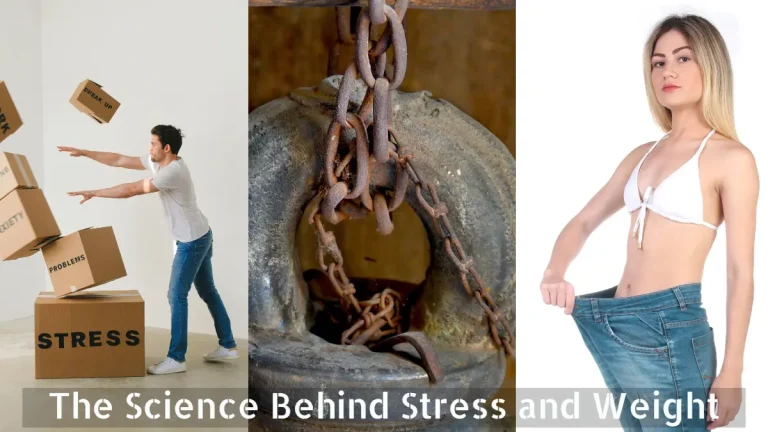
  5. Lattimore, P. J., & Kinnunen, P. M. (2018). Stress and weight management: the role of mindfulness and emotional eating. Health Psychology Review, 12(3), 257-278.