होम ब्लॉग पेज 16

White Claw Nutrition Facts and Its Ingredients

0

Are you marveling about the white claw nutrition & the ingredients of this product? Well, we are here to help you with all these facts.

Are you a lover of alcoholic beverages? Do you constantly crave it? Then you must have tried different alcoholic brands & products for yourself. But have you tried White Claw? The Mark Anthony Group manufactures this alcoholic seltzer water libation. It came into the market in 2016, and since then, many different flavors have been available for this beverage.

White Claw Nutrition Facts and Its Ingredients

So, are you marveling about the white claw nutrition & the ingredients of this product? Well, we are here to help you with all these facts. Here are they:

White Claw Hard Seltzer Nutrition Facts

This product is sold in many flavors- black cherry, mango, ruby grapefruit, raspberry natural lime, watermelon, tangerine, lemon, clementine & pineapple. Also, all of these flavors have the same nutrition facts in them. If you see the white claw nutrition facts label on a bottle of White Claw Hard Seltzer, you will find the following nutrition facts: This product’s 12 oz serving size comprises 100 calories, 0 grams of total fat & 20 milligrams of sodium. It also has 2 grams of total carbohydrates, 2 grams of sugars & 2 grams of added sugar. No protein is present in this product. 

White Claw Hard Seltzer Nutrition Facts

White Claw Hard Seltzer Nutrition ingredients:

  • Purified carbonated water
  • Natural flavours
  • Citric acid
  • sodium citrate
  • Alcohol
  • Cane sugar
  • Natural juice concentrate ( according to different flavors)

White Claw Lime Nutrition Facts

A 12 oz serving size of this product comprises 100 calories, 0 grams of total fat & 20 milligrams of sodium, 0 grams of saturated fats, trans fats, polyunsaturated fats & monounsaturated fats are present in it. It also has 2 grams of total carbohydrates, 2 grams of sugars & 2 grams of added sugar. No protein or dietary fiber is present in this product. Moreover, this product has 0 milligrams (0%) of cholesterol. Besides, this product comprises 0% of Vitamin D, calcium, iron, and potassium. Also, it has no Vitamin A or Vitamin C in it.

Ingredients Of White Claw Lime Nutrition:

  • Purified carbonated water
  • Natural flavours
  • Citric acid
  • Sodium citrate
  • Alcohol
  • Cane sugar
  • Natural juice concentrate of lime

White Claw Black Cherry Nutrition Facts

A 12 oz serving size of this product comprises 100 calories, 0 grams of total fat & 20 milligrams of sodium 0 grams of saturated fats, trans fats, polyunsaturated fats & monounsaturated fats are present in it. It also has 2 grams of total carbohydrates, 2 grams of sugars & 2 grams of added sugar. No protein or dietary fiber is present in this product. Moreover, this product has 0 milligrams (0%) of cholesterol. Besides, this product comprises 0% of Vitamin D, calcium, iron, and potassium. Also, it has no Vitamin A or Vitamin C in it.

Ingredients Of White Claw Black Cherry Nutrition:

  • Purified carbonated water
  • Natural flavours
  • Citric acid
  • Sodium citrate
  • Alcohol
  • Cane sugar
  • Natural juice concentrate of black cherry

White Claw Mango Nutrition Facts

A 12 oz serving size of this product comprises 100 calories, 0 grams of total fat & 20 milligrams of sodium 0 grams of saturated fats, trans fats, polyunsaturated fats & monounsaturated fats are present in it. It also has 2 grams of total carbohydrates, 2 grams of sugars & 2 grams of added sugar. Also, no protein or dietary fiber is present in this product. Moreover, this product has 0 milligrams (0%) of cholesterol. Besides, this product comprises 0% of Vitamin D, calcium, iron, and potassium. Also, it has no Vitamin A or Vitamin C in it.

White Claw Mango Nutrition Facts

Ingredients Of White Claw Mango Nutrition:

  • Purified carbonated water
  • Natural flavours
  • Citric acid
  • Sodium citrate
  • Alcohol
  • Cane sugar
  • Natural juice concentrate of mango pulps

White Claw Ruby Grapefruit Nutrition Facts

A 12 oz serving size of this product comprises 100 calories, 0 grams of total fat & 20 milligrams of sodium 0 grams of saturated fats, trans fats, polyunsaturated fats & monounsaturated fats are present in it. It also has 2 grams of total carbohydrates, 2 grams of sugars & 2 grams of added sugar. No protein or dietary fiber is present in this product. Moreover, this product has 0 milligrams (0%) of cholesterol. Besides, this product comprises 0% of Vitamin D, calcium, iron, and potassium. Also, it has no Vitamin A or Vitamin C in it.

Ingredients Of White Claw Ruby Grapefruit Nutrition:

  • Purified carbonated water
  • Natural flavours
  • Citric acid
  • Sodium citrate
  • Alcohol
  • Cane sugar
  • Natural juice concentrate of ruby grapefruit

White Claw Watermelon Nutrition Facts

A 12 oz serving size of this product comprises 100 calories, 0 grams of total fat & 20 milligrams of sodium.0 grams of saturated fats, trans fats, polyunsaturated fats & monounsaturated fats are present in it. It also has 2 grams of total carbohydrates, 2 grams of sugars & 2 grams of added sugar. Also, no protein or dietary fiber is present in this product. Moreover, this product has 0 milligrams (0%) of cholesterol. Besides, this product comprises 0% of Vitamin D, calcium, iron, and potassium. Also, it has no Vitamin A or Vitamin C in it.

Ingredients Of White Claw Watermelon Nutrition:

  • Purified carbonated water
  • Natural flavours
  • Citric acid
  • Sodium citrate
  • Alcohol
  • Cane sugar
  • Natural juice concentrate of watermelon

White Claw Pineapple Nutrition Facts

The 12 oz serving size of this product comprises 100 calories, 0 grams of total fat & 20 milligrams of sodium, and also 0 grams of saturated fats, trans fats, polyunsaturated fats & monounsaturated fats are present in it. It also has 2 grams of total carbohydrates, 2 grams of sugars & 2 grams of added sugar. No protein or dietary fiber is present in this product. Moreover, this product has 0 milligrams (0%) of cholesterol. Besides, this product comprises 0% of Vitamin D, calcium, iron, and potassium. Also, it has no Vitamin A or Vitamin C in it.

White Claw Pineapple Nutrition Facts

Ingredients Of White Claw Pineapple Nutrition:

  • Purified carbonated water
  • Natural flavours
  • Citric acid
  • Sodium citrate
  • Alcohol
  • Cane sugar
  • Natural juice concentrate of pineapple

Conclusion

Thus, we have gone through the white claw hard seltzer nutrition facts. We can conclude that though white claw has less sugar & calories, it still has some acidic content. Moreover, these acids are not good for our bodies. So, it is better to avoid this alcoholic beverage.

Frequently Asked Questions (FAQs) about white claw nutrition

Q. How much sugar is in a White Claw?

Ans. White Claw has 2 grams of sugar and 2 grams of added sugar in it.

Q. Is White Claw healthier than beer?

Ans. Though White Claw is not at all healthy, compared to beer, it is more nutritious. This is because it is a spiked seltzer and thus comprises fewer calories & carbs than most company’s beers.

Q. Is there a lot of sugar in White Claw?

Ans. No white claw doesn’t contain a lot of sugar, and it also has low calories in it. But, it is not sugar-free or free of calories.

Q. Why White Claw is bad for you?

Ans. White claws comprise citric acid, which many other carbonated beverages also have in them. According to health experts, Citric acid is a strong acid that damages the tooth enamel. This is why White Claw is bad for all of us.

Why Does Your LOWER BACK PAIN WHEN COUGHING?

0

When you cough, do you ever feel a sharp pain in your back? Do you know why it’s happening? Let’s understand why lower back pain when coughing.

Why Does Your LOWER BACK PAIN WHEN COUGHING

When you cough, do you ever feel a sharp pain in your back? Do you know why it’s happening? As you cough, you may notice acute pain in one or more areas of your back: the upper back between your shoulders, the middle, or the lower back. Is all of this pain going to be treated the same? Maybe. Or maybe not. Many factors could be involved since we have so many different parts in our backs (muscles, nerves, spine, lungs, kidneys, and more).

4 REASONS FOR THE WORSE LOWER BACK PAIN WHEN COUGHING

  1. Let’s look at a little bit of research over here. Our back contains our spine, whose vertebrae are divided into seven in our neck, twelve in our upper back, and five in our lower back. Each of our middle vertebrae has a set of twelve ribs attached by ligaments and joints. It is known as the “costovertebral joint” because it connects the vertebrae with the rib. Further, the upper back muscles are linked to the ribs.

  2. When the upper back muscles contract forcefully (while coughing), they can cause excessive pressure on the spine and ribs. It causes pain in the back that gets worse when you cough, sneeze, or laugh. 
  3. Back pain can be caused by increased pressure in the spinal canal caused by a forceful cough or sneeze since your back muscles hold your spine in place. This discomfort can even be caused by yawning, overextending, and laughing. 
  4. Repeated coughing, as a result, strains your muscles. In some cases, severe, forceful coughing can cause small hernias or even fractured ribs. But that is a rare occurrence. Muscles are usually responsible for back pain caused by coughing.

WHY DOES A COUGH LEAD TO BACK PAIN?

Coughing is a way to expel mucus, dust, smoke, or other unwanted substances from the lungs. By coughing, your body pushes air out of your lungs to help eliminate those irritants. A hard cough, for example, could cause pain when you breathe, move, or cough again. As a result, you feel pain in your back when you cough.

LOWER BACK PAIN WHEN COUGHING

CAUSES OF BACK PAIN WHEN COUGHING

Back pain can be caused by quite a few different factors when coughing. Find out how to determine when to visit a doctor by looking at these four common causes.

1. MUSCULAR STRAIN

As you cough, your entire body moves, including your back – your shoulders may hunch up, and you may start leaning forward. As a result, coughing can strain your back, resulting in lower back pain. In addition to taking NSAIDs, resting your back for one or two days, avoiding positions and postures that aggravate the pain, and using a cloth-covered ice pack, you can promote recovery. However, if the symptoms do not subside within 4–6 weeks, they should consult their doctor.

2. SLIPPED DISC

Herniated or a bulge of soft tissue between the bones in your spine causes slipped discs. Occasionally, disk herniation can cause tingling and numbness down the legs and in the lower back. When a disk herniation is severe, indulgence can occur both in the bowels and the bladder. It is often excruciating – you may not be able to stand up straight – and coughing usually makes it worse. 

3. TORN LIGAMENT

Sprains can sometimes be caused by a bad cough that causes a ligament (tissue that connects joints) in your back to stretch or tear. A sprain can cause your back to become swollen or bruised or your muscles to tighten on their own (cramp). 

4. MUSCLE SPASM

Coughing may cause the muscles in your back to tighten and not relax. Muscle spasms or cramps cause this condition.

PRECAUTIONS FOR LOWER BACK PAIN CAUSED BY COUGHING

Taking the appropriate precautions when you cough or sneeze can prevent lower back pain. Here are some tips to consider:

  • Maintain a straight back. Many people instinctively hunch forward while coughing or sneezing. This increases disc pressure inside the spine significantly. So, if you’re coughing or sneezing, take care to keep your back in its natural arch.
  • To decrease the compressive effect on the spine, you could also place your hand on a firm, flat surface while coughing or sneezing.
Source: youtube

Here are some more ways to reduce back pain when coughing or sneezing:

  • Take rest – Resting your back does not mean staying in bed for weeks. This simply means avoiding the activities that cause or intensify your back pain. You may experience worse back pain from too much bed rest. If you want to get the best results, don’t lie down for more than a few hours at a time. 
  • Maintain an active lifestyle– People suffering from lower back pain are the most likely to benefit from staying as active as possible. Active living keeps muscles, ligaments, and tendons strong and healthy due to increased blood flow. People suffering from back pain should consider walking and swimming as great exercises. In addition, you can do many great yoga poses to stretch your back muscles, such as the half-pigeon or legs up the wall.
  • Maintain a healthy weight- Overweight people are more likely to suffer from back pain. It makes sense if you think about it; carrying weight around makes your muscles weak and strained. The reason is that additional pressure is placed on spinal discs, muscles, and ligaments. Adding regular coughing and sneezing to the mix causes chronic back pain. The loss of excess pounds could make a significant difference in your back pain and overall health. To achieve this, exercise regularly and eat a balanced and portion-controlled diet.  
  • Lumbar Chair Support- In the lower spine, the lumbar region is naturally curved. Lower back pain occurs when the lumbar is pushed forward, frequently done when coughing and sneezing. To prevent long-term back pain, you can use lumbar chair support. By using these cushions, you minimize strain on your lower back and potential pain and stiffness. It may even correct your poor posture, which may be the cause of your back pain, with long-term use.
  • Cold therapy- It has long been known that ice can ease inflammation and pain. Cryotherapy, or cold treatment, constricts the blood vessels and contracts the muscles to reduce swelling and pain signals. After coughing, sneezing, or physical activity, you can ice your back when it’s actively hurting. The back will obtain the best results by applying an ice pack for fifteen to thirty minutes at a time.

The two most common causes of back pain:

1. Unsupportive mattress

You should probably replace your mattress if it’s older than five to seven years. Depending on how firm or soft you want your mattress to be, you should choose the right one. To keep your back strong and pain-free, it is imperative to sleep well at night. Having an old and unsupportive mattress can lead to back pain due to the inability to align your spine while you sleep. If you are not getting enough sleep, then there can be a negative impact on how you feel during the day.

2. Stress relief

Bodily stress is often caused by emotional or physical stress. The coughing itself can cause stress, so relax instead of worrying about it. As a result of stress and anxiety, many people become sedentary, practice lousy posture, and do not eat healthfully in ways that affect their back health. If you have emotional stress, try to reduce your stress levels by practicing breathing exercises, journaling, and other forms of self-care.

FREQUENTLY ASKED QUESTIONS ABOUT LOWER BACK PAIN WHILE COUGHING

Q. Why does my lower back hurt when I cough or sneeze?

ANS. While coughing, muscle contractions cause pressure in the spine and rib cage. Cough led to lower back pain.

Q. Can coughing cause lower back pain?

ANS. Yes, as many people hunch forward during coughing. So, disc pressure inside the spine increases significantly, which leads to lower back pain.

Q. Can coughing cause lower back pain in the kidney area?

ANS. No, as the kidney pain is more profound and more painful. The kidney causes pain in the sides of the upper back.

Conclusion –

To relieve and prevent further pain and distress, we recommend taking good care of your back, practicing good posture, and practicing good body mechanics daily. If you don’t experience any improvement within two weeks, make sure to see your doctor. For instance, if you suffer from numbness, weakness in your legs, or bowel or bladder problems on a long-term basis, you should seek immediate medical attention if you notice any of these symptoms.

In addition, if you have chronic coughing, you should see your doctor. Understanding and treating the cause of your cough can reduce discomfort and improve your overall health.

Cyanotic Congenital Heart Disease: Symptoms, Diagnosing

0

Cyanotic congenital heart disease (CCHD) is a condition that is present at the time of birth. CCHD is a cause of low levels of oxygen in the blood.

Cyanotic Congenital Heart Disease

Why cyanotic congenital heart disease Should Be Your First Focus? Let us know about CCHD first… cyanotic congenital heart disease (CCHD) is a condition that is present at the time of birth. CCHD is a cause of low levels of oxygen in the blood. A common symptom of this disease is a bluish tint on the skin which is known as cyanosis. 

Defects at the time of birth

Several defects at the time of birth can cause cyanotic heart disease, which includes-

  1. An interruption in the largest artery in the body or aorta.
  2. Abnormalities in the large blood vessels lead to or from the heart.
  3. Issues with the heart valves These are the flaps in the heart that ensure that the flow of blood is in the right direction.

In many cases, if only one defect is present, there is no cyanosis. Often more than one defect is present in cyanotic congenital heart disease. Doctors are trained in using imaging tests to confirm the presence of defects that lead to cyanotic congenital heart disease. The testing includes chest X-rays and echocardiograms. Medication helps in relieving the symptoms of cyanosis. Unavoidably, most infants need to have surgery done to correct the defects caused by the disease. The success of the surgery depends on the lethality of the defects.

WHAT ARE THE RISK FACTORS FOR CYANOTIC CONGENITAL HEART DISEASE?

Mostly, The newborn is more at risk for cyanotic congenital heart disease if there’s a family history of congenital heart diseases. A genetic factor is mostly responsible for the infant being born with this defect. Some of the genetic syndromes can be accompanied by defects that cause CCHD. These include four syndromes:

  1. Down syndrome
  2. Turner syndrome
  3. Marfan’s syndrome
  4. Noonan syndrome

Sometimes outside factors can also cause this disease. Taking the example of a pregnant woman, if exposed to toxic chemicals or certain drugs, her infant may have a higher risk of developing heart defects. Infections during the time of pregnancy are also a factor. Appallingly controlled gestational diabetes also leads to a higher risk of the infant developing cyanotic congenital heart disease.

DEFECTS ARE CAUSED BY CYANOTIC CONGENITAL HEART DISEASE

There are 4 cyanotic congenital heart disease defects which are Tetralogy of Fallot or TOF, Transposition of the Great Arteries or TGA, Tricuspid Atresia, and Total Anomalous Pulmonary Venous Connection or TAPVC. Let us know in detail about the defects below.

DEFECTS ARE CAUSED BY CYANOTIC CONGENITAL HEART DISEASE

Tricuspid Atresia- 

Tricuspid Atresia is the condition in which the tricuspid heart valve has developed abnormally or is entirely missing. This causes disturbance to the normal blood flow and thus low-oxygen blood is pumped out to the body as a result.

Total Anomalous Pulmonary Venous Connection or TAPVC

The Total Anomalous Pulmonary Venous Connection phenomenon occurs when veins that bring high-oxygen blood from the lungs to the heart are connected to the right atrium rather than being connected to the left atrium. This defect may also be followed by a blockage that may also follow in these veins which are between the lungs and the heart.

Tetralogy of Fallot or TOF

Tetralogy of Fallot is the most common explanation for a cyanotic congenital heart condition. It’s a combination of four different defects. Tetralogy of Fallot or TOF includes:

  • a hole between the left and right ventricles of the heart.
  • a narrow pulmonary valve.
  • a thickening of the right ventricle muscles.
  • a misplaced aortic valve.

TOF defect leads to the mixing of both oxygen-rich blood and oxygen meager blood which is further pumped throughout the body.

Transposition of the Great Arteries or TGA

Infants having TGA have the pulmonary and aortic valves switched positions with their arteries. This results in low-oxygen blood getting pumped out to the rest of the body through the aorta, the largest artery in the body but rather this blood should go to the lungs through the pulmonary artery.

What are the symptoms of cyanotic congenital heart disease?

The basic symptom of cyanotic congenital heart disease is cyanosis, which can be seen by the blue coloring of the skin. The common occurring area is the lips, toes, or fingers. Other common symptoms include difficulty breathing which especially can be seen after physical activity. Some infants also experience spells during which their oxygen levels are very low. As a result, they get nervous and anxious and thus exhibit blue skin and may even hyperventilate. Other symptoms of CCHD depend on the exact physical defect like-

Symptoms of tricuspid atresia-

The symptoms of tricuspid atresia are Cyanosis, Tiredness, Shortness of breath, Difficulty feeding, Heavy sweating, Slow growth, and Chronic respiratory infections.

TAPVC symptoms without a blockage-

Shortness of breath, Chronic respiratory infections, and Slow growth.

TAPVC with a blockage-

Cyanosis, Rapid heartbeat, Rapid breathing, and Breathing difficulty become very severe with time.

Symptoms of Tetralogy of Fallot-

Low birth weight, Cyanosis, Poor feeding, Clubbed, or rounded, large fingers, Delayed growth, and Rapid breathing.

Symptoms of Transposition of the Great Arteries-

Rapid heartbeat, Rapid breathing, Slow weight gain, and Heavy sweating.

DIAGNOSING CYANOTIC CONGENITAL HEART DISEASE

If you have symptoms such as cyanosis, rapid heartbeat, and abnormal heart sounds then contact a child’s doctor to suspect if any heart defects are present. The observation of these symptoms is not enough to make a diagnosis, though. To understand which defect is present, your child’s doctor will use respective tests to confirm a diagnosis.

What is the treatment for cyanotic congenital heart disease?

Treatment for cyanotic congenital heart disease may or may not be necessary depending on the lethality of the symptoms. In many cases, surgery is performed to correct the physical defects in the heart is eventually necessary. When the defect is very severe and life-threatening, the surgery may need to be performed soon after birth and sometimes more than one surgery is needed. If surgery is being delayed, a child may be given medications to treat the disease. The medications can help to eliminate extra fluids from the body, get the heart pumping better, keep blood vessels open, and regulate abnormal heart rhythms.

What is the treatment for cyanotic congenital heart disease_

That’s Why cyanotic congenital heart disease should be your first focus! Read more interesting articles on our website.

Frequently Asked Questions (FAQs) about cyanotic congenital heart disease

Q. What is Cyanotic Congenital Heart Disease?

Ans. Cyanotic congenital heart disease refers to a group of heart defects present at birth that lead to insufficient oxygen levels in the bloodstream. This often results in a bluish or cyanotic appearance of the skin and lips.

Q. What Causes Cyanotic Congenital Heart Disease?

Ans. The condition arises from abnormalities in the heart’s structure and function during fetal development. Genetic factors and certain prenatal conditions can contribute to its occurrence.

Q. What Are the Symptoms of Cyanotic Congenital Heart Disease?

Ans. Symptoms can include bluish skin (cyanosis), difficulty breathing, rapid breathing, poor growth, fatigue, and clubbing of fingers and toes. However, symptoms may vary depending on the specific heart defect.

Q. How Is Cyanotic Congenital Heart Disease Diagnosed?

Ans. Diagnosis involves physical exams, medical history review, and diagnostic tests like echocardiography, X-rays, and MRI. Accurate diagnosis is crucial for proper treatment planning.

Q. What Are the Treatment Options for Cyanotic Congenital Heart Disease?

Ans. Treatment varies based on the specific heart defect. It might involve medications, surgical interventions, or minimally invasive procedures. Early intervention is essential for improving long-term outcomes.

Unveiling Truth About Coronary Heart Disease (CHD): Facts

0

Having heart disease is neither a matter of gender nor age. A large number of people in the world are dealing with heart disease. 

Which of the following statements about coronary heart disease (CHD) is true?… Having heart disease is neither a matter of gender nor age. A large number of people in the world are dealing with heart disease. Most of them think that having high blood pressure or low blood pressure is a normal thing and there’s no need to worry much about it!

Unveiling Truth About Coronary Heart Disease (CHD)

On the other hand, there are people who lose their lives to high blood pressure. High blood pressure is a silent killer. It may not seem like a big fish, but the harm it can do to your body is so harmful that they are irreversible sometimes. Here, we will discuss, what is true about coronary heart disease and all the misconceptions. 

which of the following is true of coronary heart disease CHD?

Let’s first see what coronary heart disease is. It is a condition of the heart caused by high blood pressure. When the blood pressure becomes high, it narrows down the arteries, which are responsible for the transport of blood. When these arteries get narrowed down, it becomes very difficult for the blood to get pumped. Sometimes, these arteries get so narrowed that they get blocked, and do not pump the blood anymore. This condition can lead to stroke. 

which of the following is true of coronary heart disease CHD
Which of the following is true of coronary heart disease CHD

It’s so true that being overweight can increase your risk of getting heart disease. To control your weight, you need to exercise regularly and efficiently. Smoking is yet another cause of heart disease. As smoking narrows down the arteries, it can cause coronary heart disease. Similarly, eating food high in cholesterol can also harm your heart. 

Misconception about coronary heart disease

Apart from this, there are many misconceptions about coronary heart disease. People have many beliefs that are not true. This leads them to ignore their diseases or in some cases, make them worse. 

People think that, if they have smoked for years, there’s no benefit in quitting smoking now. But that’s not true. As discussed above, smoking increases the risk of coronary heart disease, and quitting smoking will start benefitting from the very first minute. The more you keep on smoking, the more you are taking yourself towards coronary heart disease. 

Misconception about coronary heart disease

Another misconception is, that taking 0 fat in your diet will help with heart disease. This is also not true, the truth is that not all oils are harmful. Only saturated fat is harmful to your heart. The unsaturated fat in vegetable oil is rather beneficial for you and can help treat heart disease. 

Biggest misconception about coronary heart disease

The biggest misconception about coronary heart disease is that, if you are young, you are not at its risk! The truth is that this disease can affect anybody, irrespective of their gender or age. So, if you think that you cannot have a heart problem because your age is less, you may be ignoring your disease. If you have the wrong living style and wrong eating habits, you can be affected by coronary heart disease at any age. 

The most dangerous misconception about coronary heart disease

Another most dangerous misconception about coronary heart disease is that if you don’t have any symptoms, that means you are healthy. It’s not always the case though. Sometimes, you would have no symptoms but still have high blood pressure. So, keep a check on your blood pressure regularly. Do not wait for symptoms to develop.

So, these are some things that you need to take care of. Knowing a disease is the main step in preventing or treating it. We will keep you updated about all the important things. Stay tuned!

FAQs about coronary heart disease (CHD)

Q. What is coronary heart disease (CHD)?

Ans. CHD, also known as coronary artery disease, occurs when the arteries that supply blood to the heart muscle become narrowed due to the buildup of plaque. This restricts blood flow and can lead to chest pain (angina) or a heart attack.

Q. What are the risk factors for CHD?

Ans. Common risk factors include high blood pressure, high cholesterol levels, smoking, diabetes, obesity, a sedentary lifestyle, family history of heart disease, and age.

Q. How can I prevent CHD?

Ans. To reduce the risk of CHD, focus on maintaining a healthy lifestyle. This includes eating a balanced diet, staying physically active, managing stress, quitting smoking, controlling blood pressure and cholesterol levels, and maintaining a healthy weight.

Q. What are the symptoms of CHD?

Ans. Symptoms can vary, but they often include chest pain or discomfort (angina), shortness of breath, fatigue, rapid heartbeat, and pain in the neck, jaw, throat, back, or upper abdomen. It’s important to note that some people with CHD may have no symptoms at all.

Q. How is CHD diagnosed and treated?

Ans. Diagnosis typically involves a combination of medical history assessment, physical examination, blood tests, electrocardiogram (ECG), stress tests, and imaging studies like angiography. Treatment may involve lifestyle changes, medications to control risk factors, angioplasty or stent placement to improve blood flow, or bypass surgery in more severe cases.

Golden Child Syndrome: Explore All You Need to Know

0

We all know that parents play crucial roles in shaping their children’s lives, thoughts, etc., from early childhood. They praise their children when they achieve something. They also support their children in overcoming their failures. 

But, what if that very parents turn out to be selfish and use their children only to earn their respect? What if they applaud their achievements but continuously bully them for their failure instead of assisting them in subduing their failure? 

What Is The Golden Child Syndrome

The answer is quite simple. They drive their child towards golden child syndrome. Now, what is the golden child syndrome? And what is the golden child? Also, how can you know that you are suffering from golden child syndrome? Keep on reading, and you will learn everything about this syndrome. 

What Is The Golden Child?

The child in a family is given all the faculties while growing up.

 In exchange, he expected to bring respect to their parents as well as family members by performing the best all the time in his academics, and everything else is termed as the golden child of that family. 

The child is expected to excel in everything. They can never make any fault and must be highly obliged to fulfill the desires and aspirations of their parents. 

In other words, a family that attains success utilizes the talent of the golden child and depends on it. The parents continually appreciate and adore their golden child and reinforce them to become better in almost everything. The parents of a golden child want their child to become an idol for others to follow. The child should bring name, fame, respect, and money. 

Even the golden child’s siblings are compared with them. They are pressured to improve their performance and bring fame to them, just as the golden child has done for the family. They are taught not to fail in anything in their life, be it education, finding a good job, or showing good behavior and accomplishments in front of others. 

What Do Golden Child Parents Call?

The parents of a golden child are called narcissistic. They are mainly controlling and authoritarian in nature. Though golden children excel in everything in life, they may feel the deprivation of their parents’ true and unselfish love. 

Also, the strictness of the parents of these children may make them feel unsafe in front of them to voice their personal opinions. They usually fear going against their homes’ rules, even if they know the rules are not morally right. 

What Do Golden Child Parents Call_

These children are so trained by their parents from early childhood that they think that the only goal of their lives is to fulfill their parents’ needs and desires and procure fame, prosperity, and success for their family. 

The parents of these children think that they are an asset to them and present them as superior to others in front of everyone. They force their children to obey them and follow their discipline and rules. 

A golden child grows up as an exceptional being in one or more ways (for example, they tend to be exceptionally beautiful, intelligent, athletic, etc.) and gradually becomes a family possession. 

They feel dutiful about satiating the ambitions of their parents and always cross their boundaries to find something that their parents command them to achieve even if they personally don’t like it. Gradually, under the pressure of the parents, a golden child may acquire some psychological problems in the future.

What Is Golden Child Syndrome?

Golden Child Syndrome is an ailment where a child who is the asset of their narcissist and dominating parents suffers from some mental disorders. 

These psychological or mental disorders are the result of their parents’ continuous building pressure on them. The child’s effort to live up to their perfectionist parents’ image burdens them so much that they start suffering from this syndrome. 

Though it sounds trivial, the golden child syndrome is, in reality, not a joke. Unfortunately, being such a child in one’s own family can carry a steep cost for them. The disease possesses the ability to cripple a child for life and is extremely dangerous if left untreated. The scapegoat children are said to be just the opposite of the golden children in a family. 

Where the golden children bring success to their family and are thus admired by their parents in front of everyone all the time, the scapegoat children cannot satisfy their parents regarding name, fame, success, and prosperity. This is because they possess developmental problems, behavioral crises, academic concerns, and health issues. 

The scapegoat children are bullied by their parents every now and then because they fail in life. Their parents don’t want to understand that it’s not their fault. The truth is that they are born with some health issues that are hindering their success. 

Do I Have Golden Child Syndrome?

Now, the question arises, how can you know that you are suffering from golden child syndrome? What are its signs and symptoms? Well! Here are they:

The Child Worships Authority

As the golden child grows up in an authoritarian family where their parents impose strict rules on them, the child tends to idolize and worship authority. They would always support any autocratic rules, even outside their home. 

In the future, the authority figures in their workplace can take advantage of this weakness to promote their own needs, which is not always good. 

The Child Possesses An Endless Fear Of Failure

Being taught from an inexperienced age to accept that their worth is greater than others, but with the condition that they must never fail, a pressure of success is built in them. 

This pressure of success always plays on in the golden child’s mind and becomes crippling anxiety for failure. When this child becomes an adult, the same fear never leaves them and continuously creates problems in their life. 

These children only recognize them by their identity and popularity. Outside of their recognition, they have no idea who they are. They fail to discover that their parents actually raised them as objects instead of people for their own benefit. They spend their entire lives achieving success, pleasing others, and fearing failure. 

 Can’t Adjust To Romantic Relationships 

When they become adults, these types of children don’t do well in loving or romantic relationships. The main reason for this is that love and romantic relationships are unconditional, but the golden child has always learned that everything has to be transactional. 

They have less time for love-like matters and believe that they have come to this world only to achieve success, and in exchange for success, they will get validation and praise. 

If their partner fails to praise them continually for their achievement, the love relationship breaks up. The egotism of the golden child that he/she has acquired for so long stands in the way of his/her romantic relationship. 

Expects Endless Promotion At Their Workplace

It’s very tough to work with a golden child. When they become adults, these children want instant recognition at their workplace in the form of praise and endless promotions. 

The reason is that they believe that they are magnificently talented and special and possess the right to get what they want. So, when the promotion is not given to them, they start working poorly, sometimes betray the team members, self-sabotages, and gradually lose interest in their job. 

Belittles Others

The golden children receive their parents’ attention and special treatment at home. Their parents talk about them in front of others, pointing out their children as superior to others. 

This creates a feeling of pride within the children. They, out of their ego and pride, try to belittle others because of their inferiority compared to them. 

Becomes Prey To Overconfidence

There’s a saying that “overconfidence is not always a good thing”. However, golden children fall prey to this very overconfidence. Since they never saw the face of failure and always received praise, applause, and honor from their parents, these type of children usually develops overconfidence in them. And this overconfidence ultimately leads them toward failure. 

Can’t Tolerate Their Strong Rivals

A golden child’s worst nightmare is the arrival of someone who can beat them with their more special talent. So, their rivals become their worst enemies, especially if they succeed in defeating the Golden Child. In a hot temper, they can even harm their rivals who have broken their record as well as their identity.  

Finds It Hard To Recognise Other’s Achievements

The golden child’s perfectionist and obsessive nature hinder them from recognizing others’ achievements, including their siblings. Being in a habit from childhood to getting recognition of themself, they find it hard to give credit to others for their accomplishments. Such children feel jealousy and thus restrain themselves from giving compliments to others. 

Ways To Survive Golden Child Syndrome 

  • Accept the murky corners of yourself where pride and honors have nestled themselves 
  • Overcome this syndrome by considering therapy
  • The golden child must set boundaries for themselves and learn to say 
  • “No”, when required. Counseling must be done so that they can manage and control shame in case of their failure. 
  • Pay a visit to the psychiatrist. 
Ways To Survive Golden Child Syndrome

Wrapping Up: 

So, if you feel all the above symptoms every now and then, you have the golden child syndrome. Also, remember that possessing some of the above golden child traits doesn’t automatically make you a golden child as well. Again, it doesn’t always mean that your parents were extremely tough narcissists

However, if you are sure you are also a victim of this syndrome, visit a psychiatrist. They will help you in getting out of that. Also, you have to acknowledge your mistake as a golden child. Last but not least, remember that this syndrome of the golden child is definitely curable. Pursue the ways mentioned above for withstanding the golden child disorder

FAQs about Golden Child Syndrome

Q.1. What causes golden child syndrome?

Answer: The golden child syndrome is mainly caused by the narcissistic parents’ domineering behavior toward their intelligent and genius child for whom they spend money and whatever they want in exchange for fame, name, and loyalty. 

Q.2. Is the golden child jealous of the scapegoat?

Answer: No, the reality is that the scapegoat children actually feel jealous of the golden child’s connection with their parents. The golden child’s parents respect and praise them every now and then. This makes them envious of the golden child. However, the golden child is satisfied with their parents and doesn’t complain or feel jealous of the scapegoat child. 

Q.3. Who has it, a worse golden child or the scapegoat?

Answer: Both the golden child and the scapegoat suffer in their family because of their family member’s behavior. However, the burden and pain of unfailing success worsen the golden child syndrome. It comprises the most domineering behavior of the parents, even more than that of the parents in the case of the scapegoat children.

What Muscles Does the Bench Press Work?

0

The main work of BENCH PRESS exercise is the growth of chest muscles and size but because it’s a compound exercise it also enhances…

Are you hitting a gym? Right? Then you must hear about bench press exercises. But the main thing comes here why we’re doing this exercise? what are its benefits?

What is BENCH PRESS?

A bench press is a compound exercise in which a person lies on the bench with their feet on the floor and raises the barbell loaded with weights with both arms. The main work of this exercise is the growth of chest muscles and size but because it’s a compound exercise it also enhances strength and stamina. The bench press has two types: the barbell bench press, which uses a barbell, and the dumbbell bench press, which uses dumbbells. The barbell bench press is UNILATERAL EXERCISE as the lifter uses both hands to lift the same weight.

What is BENCH PRESS
What is BENCH PRESS

3 types of variations in BARBELL BENCH PRESS

  1. FLAT BARBELL BENCH PRESS- In the flat bench press, lie down on a flat bench with your feet on the ground and raise the barbell by extending both your arms all the way then bring back the barbell down slowly parallel to your chest. The flat barbell bench press is one of the three exercises from powerlifting.
  2. INCLINE BARBELL BENCH PRESS- In the incline bench press, the bench is set at a 30-degree angle. By exercising at this angle you are targeting your upper chest and anterior deltoids. This exercise is famous for growing the upper chest.
  3. DECLINE BARBELL BENCH PRESS- In the decline bench press the bench is positioned at a -15-degree angle. When you lie down on the bench your body goes on a downward slope which targets the lower pectoral muscles or lower chest.

8 Benefits of doing BARBELL BENCH PRESS:

There are lots of benefits of doing bench press, which are-

  1. Enhances your upper body Strength
  2. Enhance your stamina
  3. Helps to improve your posture
  4. Growth in chest muscles and size
  5. Improvement in delts
  6. Strong triceps
  7. Helps improve bone health
  8. You can go as heavy as you want.

What are DUMBELL BENCH PRESSES?

The Dumbell bench press is the same as the barbell bench press the only difference is we use dumbells instead of a barbell. The dumbbell bench press is a bilateral exercise as both hands have their weights but push the dumbbells up simultaneously. The dumbell bench press also has three variations same as the barbell bench press which is-

What are DUMBELL BENCH PRESSES_
  1. INCLINE DUMBELL PRESS
  2. FLAT DUMBELL PRESS
  3. DECLINE DUMBELL PRESS

3 MUSCLES INVOLVED IN ALL VARIATIONS EXPLAINED:

The muscles involved in all three bench variations are-

  1. FLAT BENCH PRESS- The flat bench press primarily engages the triceps brachii, pectoralis major, and anterior deltoids. The traps and back serve as secondary muscles involved in the exercise.
  2. INCLINE BENCH PRESS- The muscles involved in the incline bench press are the clavicular ( collarbone ) head of the chest or upper chest with anterior deltoids and triceps.
  3. DECLINE BENCH PRESS- The muscles involved in the decline bench press are the sternal head or lower pecs ( lower chest ) with triceps brachii.

5 BENEFITS OF DUMBELL BENCH PRESS

  1. You can control your range of motion in the dumbbell bench press.
  2. Contraction past your chest.
  3. Dumbell presses are not too heavy on joints.
  4. More muscular tension.
  5. Can do different variations with dumbells.

BENEFITS OF DOING BENCH PRESSES FOR WOMEN

There are lots of benefits of doing bench press for women. Most of the girls and women are struggling with weight loss or weight gain, with proper nutrition any woman can achieve their goal. The bench press is the best start for them by doing bench press 2 times a week they will see changes in their upper body strength, primarily in the chest, shoulder, and triceps.

BENEFITS OF DOING BENCH PRESSES FOR WOMEN

Increasing core strength, more proper body posture, and also fat loss or weight gain depend on the diet they are taking. 

What’s the proper technique?

First, you must determine what your goal is if you are a powerlifter and looking to lift as much weight as possible, your bench press form will look very different from that of a bodybuilder.

Keep Yourself Ready

  • Lie down on the bench your eyes should be under the bar. Your feet should be flat on the floor and a bit wider.
  • Ensure that the bar is positioned at a comfortable height for lifting. If the bar is too high, it will become uncomfortable to lift. Adjusting the height appropriately will help maintain comfort during your lift.
  • Grab the bar by using the true grip and wider than shoulder-width, hold the bar as tight as possible so there will be no chance of the bar slipping.
  • Take a deep breath. Stiffen your core and keep your glute muscles tight. And unrack the bar; once the bar is unracked, it should be just up your chest.
  • Now, lower the bar down in a controlled manner. The bar should touch between your sternum and mid-chest.
  • Once the bar touches your sternum and mid-chest, press the bar away from your body to the starting point which is up to your chest.
  • Now take a rest of 2 seconds. And rack the bar back where it was positioned.
  • Make sure your back is not excessively arched. A slightly arched back is okay.
  • Repeat for the desired number of repetitions.

THIS IS THE PROPER TECHNIQUE OF BENCH PRESS. CHOOSE THE WEIGHT ACCORDING TO YOUR STRENGTH. DON’T GO TOO HEAVY OR YOU’LL GET INJURED. DO BENCH PRESS 2 TIMES A WEEK AND SEE THE RESULTS IN YOUR UPPER BODY STRENGTH AND STAMINA.

I HOPE YOU’LL GET THE KNOWLEDGE YOU’RE SEEKING WITH THE HELP OF THIS ARTICLE.

THANK YOU!

Wheel Yoga Pose – 5 Amazing Benefits of Urdhva Dhanurasana

0

When you think of the wheel yoga pose or urdhva dhanurasana, do you cringe at the thought of trying to master it? Your first thought is maybe I can’t do that! 

But the truth is that anyone can try the wheel yoga pose and get the hang of it with some practice and dedication. Though it requires quite a bit of flexibility and strength to even attempt it, if you’re new to yoga and have never tried this pose before, don’t give up immediately. 

Unlock the Power of Wheel Yoga Pose

You’ll need to practice stretching your legs, hips, and upper body regularly to get into this position. 

With these tips on how to master the wheel yoga pose, you can learn how to hold this challenging yoga pose long enough to enjoy all its benefits in your daily life.

What is Wheel Yoga Pose?

The wheel pose is a backbend yoga posture that strengthens and stretches your body, particularly your spine. When you practice Urdhva Dhanurasana regularly, you’ll notice improvements in both your posture and flexibility. 

The wheel pose opens up your chest and shoulders, making it a good posture for those who spend long hours at their desk. 

It’s an advanced asana, though—you should definitely be proficient in backbends before attempting it. Don’t let its difficulty intimidate you.

Urdhva Dhanurasana Benefits

The Urdhva Dhanurasana, or wheel pose, is a challenging backbend that stretches and strengthens your entire body. 

When practicing wheel pose, you can expect to stretch and strengthen your shoulders, hips, chest, and spine. 

You’ll also receive an increased blood flow throughout your body. Urdhva Dhanurasana is particularly helpful for relieving tension in your lower back. 

Urdhva Dhanurasana Benefits

If you regularly suffer from lower back pain or discomfort, consider adding Urdhva Dhanurasana into your yoga routine. 

The prolonged traction of Urdhva Dhanurasana will help reduce swelling in your lower back area while improving your spine’s mobility and elasticity of muscle tissue surrounding joints in your pelvis and lower back area.

5 Wheel Yoga Pose Benefits You Must Know

Wheel pose, which is also called Urdhva Dhanurasana in Sanskrit, can be categorized as one of the back-bending poses of yoga. The Wheel Pose helps you strengthen your back, shoulders, and arms. 

wheel yoga pose benefits

It also improves flexibility and aids in developing core strength that can help you maintain an erect posture. 

Apart from all these benefits, many other lesser-known advantages of this difficult yoga pose are important to know before trying it. 

Following are the top five benefits of the Wheel Yoga Pose that will help you perform it with perfection

1. Improves Blood Glucose Levels

This yoga pose is known to prevent and cure blood glucose. Diabetes is a major problem in most of today’s countries. Patients with Type 2 diabetes found relief if they regularly practiced wheel pose yoga.

2. Aids in Digestion

The wheel pose, also known as chakrasana, is a great way to gain flexibility in your spine. The flexibility you get from practicing yoga can help aid digestion and relieve pressure in your gut. 

If you have trouble with frequent bouts of constipation or feel bloated after eating, try doing a few easy stretches each day.

3. Strengthens Core Muscles

It is an excellent exercise to tone your core muscles and abdomen, making it ideal for weight loss and general toning. 

Practicing these poses is also perfect if you want to develop strong abs that you can be proud of. 

Another advantage of doing these asanas is that they help improve your body’s flexibility and build strength in the upper arms, shoulders, back, and abdominal muscles.

4. Works on Spinal Flexibility

The wheel pose, also known as Urdhva Dhanurasana, is a really hard yoga asana. It involves balance and strength and stretches your spinal column. 

Its most significant benefit is that it helps improve your spine’s flexibility and strengthen it. Being flexible has its own advantages. 

Nowadays, many people have such stiff backs that even after reaching a certain age, they cannot touch their toes without bending their knees or helping their children climb onto their laps.

The wheel pose will help stretch out your back muscles and greatly reduce pain in them while you sleep at night, which will allow you to wake up fresher and healthier every morning, which would significantly improve your quality of life

5. Provide Strength In Arms and Wrists

While most of us have heard about yoga’s benefits for flexibility and muscle toning, we may not be aware that it is also good for building strength. 

The wheel pose benefits people by strengthening their arms and wrists. The muscles at work are in your forearms, wrists, biceps, triceps, and shoulders. 

As you hold a proper wheel pose while breathing smoothly, these muscles work hard to maintain your position against gravity. 

Since your hands are on the floor while holding a wheel pose position, they develop a better grip over time as well.

12 Steps To Do Wheel Yoga Pose

  1. Lie down on your back, separate your feet, and keep your knees bent. 
  2. Then you have to place both your feet on the floor so they are near you.
  3. Now place both palms just below the shoulders so that your fingertips will point in your shoulder direction. During this, both your elbows will remain shoulder-width apart.
  4. Inhale deeply and push your palms down to the floor.
  5. Start lifting your elbows and shoulders off the floor.
  6. Your feet should be pressed firmly against the ground.
  7. Inhale, then raise your hips up.
  8. The spine should be arched to appear like a semicircular arch or wheel.
  9. Extend your arms and legs as much as you can so that you can push up the hips and chest.
  10. Hold this pose for a minimum of 30 seconds or until it feels natural.
  11. To revert back to the original pose, first bend both your elbows so that they start lowering your head and shoulders onto the ground.
  12. At last, Bend your knees, bringing yourself back down to the ground and relaxing.

Precautions While Doing Wheel Posture

While performing the Wheel pose, or Urdhva Dhanurasana, try not to overstretch your neck. Don’t attempt it if you have high blood pressure. 

In case of carpal tunnel syndrome and wrist injury, avoid placing weight on your hands. People with irregular heartbeats or hypertension should also avoid practicing Wheel pose inversions. 

Those who suffer from a painful back should avoid urdhva dhanurasana. If you are pregnant or menstruating, do not perform any inversion poses until you get the go-ahead from your yoga instructor and doctor.

Which Muscles Are Stretched in Wheel Yoga Pose?

The wheel pose—or urdhva dhanurasana, in Sanskrit—stretches many of your major muscles. These include your shoulders, upper back, triceps, hips, and thighs. 

Additionally, because it takes considerable concentration and balance, urdhva dhanurasana stretches your mental focus as well. 

Overall, it’s a demanding yet rewarding yoga pose that helps improve strength and flexibility while promoting relaxation. 

Before trying wheel poses for yourself, though, make sure you’re physically ready for its intensity.

FAQs about Wheel Yoga Pose

Q.1. What is Wheel Pose good for?

Ans. One of yoga’s most accessible backbends, wheel posture, is also great for building strength and flexibility in your spine. It stretches and strengthens your upper back, shoulders, arms, abdomen, and legs—a great way to relieve stress.

Q.2. Why is wheel Pose so difficult?

Ans. The wheel pose is one of yoga’s most challenging poses, making it one of its most rewarding. Many students never master it and drop out, feeling defeated and frustrated.
The reason is this requires immense flexibility along with strength in arms to maintain body weight and balance. People with stiff back muscles won’t get into wheel posture comfortably.

Q.3. Who should not do a wheel pose?

Ans. If you have a recent or chronic injury, it’s best to avoid Urdhva Dhanurasana. This includes your arms, shoulders, neck, or lower back injuries.
Avoid wheel pose if you have low blood pressure or an irregular heartbeat. It can also increase your blood pressure and heart rate, so if you take medications for high blood pressure, it’s best not to do wheel pose, either.

Q.4. Can everyone do a wheel pose?

Ans. No. Some people have particular injuries that prevent them from doing wheel pose. If you are trying to master the wheel yoga pose and can’t seem to get it, consider seeing a physical therapist who is certified in working with yogis.

A good PT can pinpoint whether your inability is due to a specific injury or limitation and then guide you on how best to move forward safely in your practice.

Where did Vanilla Flavoring come from and why it went viral?

0

One of the most searched topics where does vanilla flavoring comes from is published in this post. Read the article to know why it went viral.

A few months back, the internet was taken up as a storm with one viral TikTok video. As soon as the video went viral, a common question started flooding on Google. “Where does vanilla flavoring come from“. In addition to this few more questions were also searched on Google like “What is a vanilla flavouring made from” or “Where does real vanilla flavoring come from”.

vanilla flavoring come from
Vanilla flavoring comes from

The prime reason is the National Geographic article which they published in October 2013. In that article, they have discovered that it could come from the beaver’s anal excretions.

Still, today if you type “Where does”, Google will do the rest by auto-completing the query as to where vanilla flavoring comes from. And, the same national geographic article will pop up as the first result.

Where does real vanilla flavoring come from?

Feeling yucked after reading the above revelations. Right! The vanilla flavoring has been made from various additives, and as per the National Geographic report, vanilla flavoring does contain a component named castoreum. Moreover, Beavers often use this compound to mark their territory.

However, the United States Food and Drug Administration, a.k.a FDA, lists castoreum as a safe additive. The manufacturers have used them for over 80 years for use in food and perfumes.

People challenge their friends and colleagues to search “where does vanilla flavoring come from” on Google. As soon as they read the National Geographic article, many swear not to eat vanilla for the rest of their lives.

However, the vanilla flavor which we found in food and drinks is synthetic. We will also give you details on what is an artificial vanilla flavoring made from.

What is artificial vanilla flavoring made from?

So far, you have read one of the most searched terms on the internet, “What is a vanilla flavor made from”. Now, learn about artificial vanilla flavor.

What is artificial vanilla flavoring made from

The artificial vanillin has been prepared using two substances- either lignin or guaiacol.

What is imitation vanilla made from?

The imitation vanilla is made from synthetic vanillin, which has been extracted from the bark or wood pulp.

Most bakery food items use imitation vanilla these days.

4 Uses of Vanilla flavoring

Vanilla needs no introduction as it is one of the most popular flavors among kids and adults. You can also find the taste of vanilla in sweets, beverages, smoothies, desserts, cakes, and pastries. Some of the names are:

  1. Yogurt
  2. Ice-Cream
  3. Bakery Items
  4. Smoothies

Conclusion

Though the US Food and Drug Administration declares that castoreum is safe to use as an additive, the artificial vanilla flavor is used in food and beverages.

However, these ḍays castoreum are used for scent purposes in the manufacturing of perfumes and candles. We can assume that vanilla flavors do not use castoreum. So you can safely have vanilla in your food items without overthinking.

Frequently Asked Questions (FAQs) about vanilla flavoring

Q.1. Where does artificial vanilla flavoring come from?

Ans. The artificial vanilla flavoring comes from vanillin. This compound is present in vanilla beans. Nowadays, vanilla flavors are prepared synthetically in laboratories.

Q.2. How is a natural vanilla flavor made?

Ans. The natural vanilla flavor is made from the tropical orchid as vanilla grows on a vine. It takes a lot of time to grow naturally, and intense labor techniques are used for preparing natural vanilla flavors.
These tropical orchids are native to Mexico; however, they are cultivated in equatorial regions that include Africa, the South Pacific, and Central America. Madagascar produces a total of more than 80% of the world’s vanilla alone.

Q.3 Why there is alcohol in vanilla extract?

Ans. Vanilla extracts are prepared by combining pure vanilla beans along with a mixture of alcohol and water. However, this alcohol is sugarcane-derived ethanol. This forms the best and pure vanilla extract. Moreover, the FDA made it compulsory to have a minimum of 35% alcohol in pure vanilla extract.
Furthermore, the alcohol works as a carrier for flavor, thus keeping the flavor intact for a more extended period.

White Castle Menu Nutrition Info: Near Me and Menu Calories

0

Do you know everything about white castle nutrition? If your answer is no, then keep reading this article about the white castle nutrition.

Who doesn’t like eating burgers? And when it’s of White Castle, one can’t wait to eat it & satisfy his gastronomical appetite. But, do you know everything about white castle nutrition? If your answer is no, then keep reading this article and learn about the nutritional facts of the white castle burgers. You can decide if it is healthy for you or not.

White Castle Nutrition

White castle near me

Where is the closest white castle from me? I have shared google map location of white castle near you. Click on the below map and get direction. There is directions button on the map, on clicking on that you get directions to white castle near me.

White castle nutrition information

White Castle provides comprehensive nutrition information for its menu items, allowing customers to make informed choices based on their dietary preferences and health goals. The nutritional content can vary depending on the specific menu item and any modifications made to the standard recipe. Below we shared White castle nutrition information.


White Castle Menu Nutrition

The White Castle serves different flavored burgers that are very tasty to eat. Here are some of the menus of white castle burgers & their nutrition facts:

White Castle Menu Nutrition

White Castle Impossible Burger Nutrition Facts

1 serving size of this product from white castle comprises 300 calories, 17 grams of total fat & 10 grams of saturated fats. It has zero trans fat, 10 milligrams of cholesterol & 870 milligrams of sodium. 18 grams of total carbohydrates, 0 grams of dietary fiber, 2 grams of sugar, & 18 grams of protein are also present in it. Also, it has 50 milligrams of calcium, 2 milligrams of iron, 9 mcg of Vitamin A, & 2 milligrams of Vitamin C.

White Castle Frozen Burgers Nutrition Facts

2 serving sizes of this product from white castle comprise 260 calories, 13 grams of total fat & 5 grams of saturated fats. It has zero trans fat, 25 milligrams of cholesterol & 350 milligrams of sodium. 25 grams of total carbohydrates, 1 gram of dietary fiber, 3 grams of sugar, & 12 grams of protein are also present in it. Also, it has 4 percent of calcium, 10 percent of iron, 0 percent of Vitamin A, & 0 percent of Vitamin C.

White Castle Cheeseburger Nutrition Facts

One serving size of this derivative from white castle comprises 170 calories, 9 grams of total fat & 4 grams of saturated fats. It has 0.5 grams of trans fat, 15 milligrams of cholesterol & 510 milligrams of sodium. Sixteen grams of total carbohydrates, 1 gram of dietary fiber, 2 grams of sugar, & 8 grams of protein are also present in it. Moreover, it has 60 milligrams of calcium, 1 milligram of iron, 100 milligrams of Vitamin A, & 0 milligrams of Vitamin C.

Calories in white castle cheeseburger

170 calories in white castle cheeseburger. The calorie content of a White Castle cheeseburger can vary based on specific ingredients and variations.

White Castle Sloppy Joe Nutrition Facts

1 serving size of this product from white castle comprises 149.05 calories & 9.23 grams of total fat. It has 42.18 milligrams of cholesterol & 149.14 milligrams of sodium. 3.34 grams of total carbohydrates, 0.48 grams of dietary fiber, 0.48 grams of sugar, & 13.32 grams of protein are also present in it. Also, it has 19.7 milligrams of calcium, 1.5 milligrams of iron, & 0.8 milligrams of Vitamin C.

White Castle Vs McDonald’s Nutrition

Note the difference in the nutrition facts between white castle burgers & McDonald’s burgers:

White Castle Vs McDonald

White Castle Hamburger Nutrition Facts

1 serving size of a white castle Hamburger comprises 161 calories, 8.3 grams of total fat & 3.6 grams of saturated fats. It has 0.3 grams of trans fat, 27 milligrams of cholesterol & 250 milligrams of sodium. 13 grams of total carbohydrates, 0.9 grams of dietary fiber, 2.4 grams of sugar, & 9 grams of protein are also present in it. Also, it has 4.6 percent of calcium, 7.4 percent of iron, 2.9 percent of Vitamin A, & 0 percent of Vitamin C.

White Castle Hamburger Nutrition

McDonald’s Hamburgers Nutrition Facts

100 grams of McDonald’s HamBurger comprises 264 calories, 10 grams of total fat & 3.5 grams of saturated fats. It has 0.4 grams of trans fat, 27 milligrams of cholesterol & 494 milligrams of sodium. 30 grams of total carbohydrates, 1.3 grams of dietary fiber, 6 grams of sugar, & 13 grams of protein are also present in it. Also, it has 12 percent of calcium, 16 percent of iron, 1 percent of Vitamin C & 5 percent of magnesium. Besides, 13 percent of Cobalamin is also present in it.

White Castle Slider Nutrition Facts

Some of the details of the white castle slider nutrition are given below. Read them and know the nutrition facts about them:

The Original Slider of White Castle comprises 140 Calories, 60 Fat Calories & 7 grams of Total Fat. It also has 2.5 grams of Saturated Fats, 0 grams of trans fat, and 10 milligrams of Cholesterol in it. Besides, 380 milligrams of sodium & 16 grams of total carbohydrates are there in it. Also, it comprises 1 gram of dietary fiber, 2 grams of sugar & 6 grams of protein.

White Castle Slider Nutrition

The Original Slider ( NY/NJ) of White Castle comprises 150 Calories, 60 Fat Calories & 7 grams of Total Fat. It also has 2.5 grams of Saturated Fats, 0 grams of trans fat, and 10 milligrams of Cholesterol in it. Besides, 420 milligrams of sodium & 17 grams of total carbohydrates are there in it. Also, it comprises 1 gram of dietary fiber, 3 grams of sugar & 6 grams of protein.

Double Original Slider Nutrition Facts:

The Double Original Slider ( NY/NJ) of White Castle comprises 260 Calories, 110 Fat Calories & 13 grams of Total Fat. It also has 4.5 grams of Saturated Fats, 1 gram of trans fat, and 20 milligrams of Cholesterol in it. Besides, 770 milligrams of sodium & 27 grams of total carbohydrates are there. Also, it comprises 2 grams of dietary fiber, 5 grams of sugar & 11 grams of protein.

Double Slider White Castle Nutrition:

The Double Original Slider of White Castle comprises 250 Calories, 110 Fat Calories & 13 grams of Total Fat. It also has 4.5 grams of Saturated Fats, 1 gram of trans fat, and 20 milligrams of Cholesterol. Besides, 690 milligrams of sodium & 24 grams of total carbohydrates are there. Also, it comprises 2 grams of dietary fiber, 3 grams of sugar & 11 grams of protein.

2 serving sizes of the Jalapeno Cheese Slider of White Castle comprise 340 Calories & 18 grams of Total Fat. It also has 8 grams of Saturated Fats, 1 gram of trans fat, and 30 milligrams of Cholesterol in it. Besides, 630 milligrams of sodium & 29 grams of total carbohydrates are there in it. Also, it comprises 1 gram of dietary fiber, 3 grams of sugar & 16 grams of protein. Other than that, 8 percent of calcium, 0 percent of Vitamin D & 3 milligrams of iron are also in it. Moreover, it is a source of 219 milligrams of potassium.

Conclusion

So, after reading the above details about white castle burgers, you have surely realized that White Castle burgers are very tasty to eat. And, they are available in different flavors & tastes. But, eating them regularly might affect your health, as it is not at all healthy for you. It comprises a large number of calories, that is not at all good to consume on a daily basis. While having it occasionally will not affect your health much. So, enjoy the mouthwatering taste of these burgers from white castle to celebrate some special moments or days.

Frequently Asked Questions (FAQs) about white castle nutrition

Q. Where can you buy white castle jalapeno cheeseburger nutrition?

Ans. You can buy them online at www.BJs.com or www.heb.com.

Q. Is White Castle really bad for you?

Ans. Regular consumption of White Castle burgers is not good & healthful. This is because it contains many calories. But, you can have them once in a while.

Q. How many calories are in White Castle hamburgers?

Ans. 1 serving size of a white castle Hamburger comprises 161 calories.

Q. How many calories in a white castle hamburger?

Ans. On average, a classic White Castle hamburger typically contains around 140 calories. However, it’s important to note that variations may occur, and factors such as additional toppings or customized orders can influence the overall calorie count.

Q. How many calories are in the white castle slider?

Ans. White Castle slider typically contains approximately 140 calories.

Q: How many carbs are in a White Castle cheeseburger?

A: The carbohydrate content in a White Castle cheeseburger can vary, but on average, it contains around 11 grams of carbs. Keep in mind that specific ingredients and customizations may influence this value.

Q: How many calories in a White Castle burger?

A: A standard White Castle burger typically contains approximately 140 calories. However, variations may occur based on ingredients and any modifications.

Q: How many calories are in a White Castle double cheeseburger?

A: A White Castle double cheeseburger typically contains around 270 calories. Keep in mind that this value can vary based on specific ingredients and customizations.

Q: How many calories are in a White Castle burger?

A: On average, a White Castle burger contains about 140 calories. However, variations may occur based on specific ingredients and customizations.

Q: How much is a sack of 10 White Castle burgers?

A: The cost of a sack containing 10 White Castle burgers may vary by location and promotions. For the most accurate pricing information, it’s best to check with your local White Castle or visit their official website.

Q: How many calories in a White Castle double cheeseburger?

A: A White Castle double cheeseburger usually contains around 270 calories. Keep in mind that this value can vary based on specific ingredients and variations.

Q: How many calories in a White Castle cheeseburger?

A: On average, a White Castle cheeseburger contains approximately 170 calories. However, this value may change depending on additional toppings or customizations.

Q: How much sodium in a White Castle hamburger?

A: The sodium content in a White Castle hamburger can vary, but on average, it contains around 380 milligrams. Specific ingredients and customizations may influence this value.

Q: How many calories in a White Castle cheeseburger slider?

A: A White Castle cheeseburger slider typically has around 180 calories. This value may vary based on specific ingredients and any modifications.

Q: How many calories in a White Castle slider?

A: A standard White Castle slider usually contains about 140 calories. However, the actual calorie count may vary depending on specific ingredients and customizations.

Q: How many calories in a White Castle burger?

A: On average, a White Castle burger contains approximately 140 calories. Please note that this value may change based on specific ingredients and customizations.

Q: How many carbs are in a White Castle cheeseburger?

A: A White Castle cheeseburger generally contains around 11 grams of carbs. However, this value can vary depending on specific ingredients and customizations.

Q: How many carbs in a White Castle cheeseburger?

A: The carbohydrate content in a White Castle cheeseburger is typically around 11 grams. Remember that this value may vary based on specific ingredients and customizations.

Q: How many calories are in a White Castle cheeseburger?

A: A White Castle cheeseburger usually contains approximately 170 calories. This value may change depending on additional toppings or customizations.

Q: How many calories are in a White Castle hamburger?

A: On average, a White Castle hamburger contains around 140 calories. However, variations may occur based on specific ingredients and customizations.

Q: How many calories in one White Castle cheeseburger?

A: One White Castle cheeseburger typically contains around 170 calories. This value may vary based on specific ingredients and customizations.

Q: How many calories in a White Castle cheeseburger?

A: A White Castle cheeseburger usually contains approximately 170 calories. However, this value may change depending on additional toppings or customizations.

Q: How many calories in a White Castle double cheeseburger?

A: A White Castle double cheeseburger generally contains around 270 calories. Keep in mind that this value can vary based on specific ingredients and customizations.

Q: How many calories are in a White Castle slider?

A: A standard White Castle slider usually contains about 140 calories. However, the actual calorie count may vary depending on specific ingredients and customizations.

Q: How many calories White Castle slider?

A: The calorie content in a White Castle slider is typically around 140 calories. This value may vary based on specific ingredients and customizations.

Q: How many carbs in a White Castle hamburger?

A: A White Castle hamburger generally contains about 8 grams of carbs. Keep in mind that this value may vary based on specific ingredients and customizations.

Q: How many calories in White Castle onion rings?

A: The calorie content in White Castle onion rings can vary, but on average, a serving contains approximately 170 calories. Actual values may differ based on specific recipes.

Q: How many ounces is a White Castle burger?

A: The weight of a White Castle burger is typically around 2 ounces. This may vary slightly depending on specific recipes and preparations.

Q: How much sodium in a White Castle burger?

A: The sodium content in a White Castle burger can vary, but on average, it contains around 380 milligrams. Specific ingredients and customizations may influence this value.

Q: How many calories is a White Castle slider?

A: A standard White Castle slider typically contains about 140 calories. Keep in mind that this value may vary based on specific ingredients and customizations.

Q: How many calories in a White Castle?

A: On average, a single White Castle slider contains approximately 140 calories. However, specific recipes and customizations may influence this value.

Q: How many calories is a White Castle cheeseburger?

A: A White Castle cheeseburger usually contains around 170 calories. This value may vary based on specific ingredients and customizations.

What is Utthita Paschimottanasana: Mastering the Yoga Pose

0

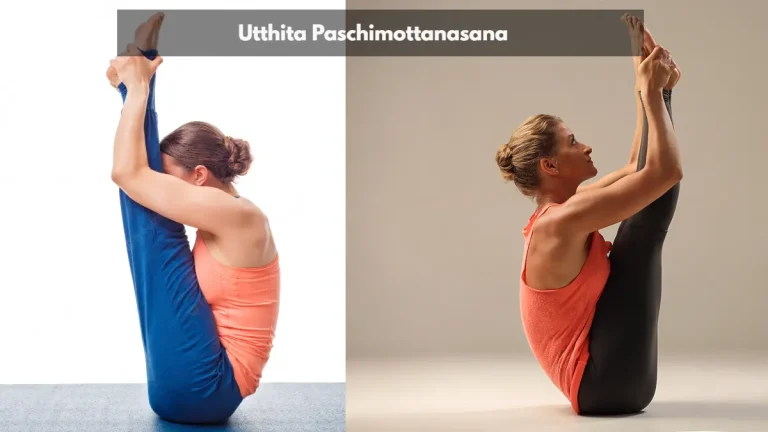
The Utthita Paschimottanasana, or Extended Forward Bend Pose, is an intermediate backbend posture in hatha yoga that lengthens the entire backside of the body while strengthening the arms and hands, chest, shoulders, and legs. In this article, you’ll learn all about this asana’s benefits, how to perform it safely and effectively, and tips on how to get the maximum help from this pose.

Utthita Paschimottanasana

What Muscles Are Engaged in Utthita Paschimottanasana?

The primary muscles engaged in utthita paschimottanasana are rectus abdominis, erector spinae, latissimus dorsi, and iliopsoas. In addition, external oblique, internal oblique, serratus anterior, rectus femoris, vastus intermedius & vastus lateralis are also used.

7 Benefits of Utthita Paschimottanasana

Benefits of Utthita Paschimottanasana
  1. First, Utthita Paschimottanasana stretches your shoulders, hamstrings, spine, lower back, and hips. It also strengthens your upper body.
  2. This pose can ease tension in your shoulders due to repetitive computer use or other physical activity like heavy lifting.
  3. Your hamstrings will be stretched as well, which can relieve pain in your legs and knees caused by running or cycling.
  4. A tight lower back often leads to a stiff neck, so stretching your spine will help alleviate neck pain.
  5. If you have an injury that causes joint inflammation, such as arthritis, stretching helps reduce swelling that causes pain.
  6. And if you’re suffering from low back pain caused by obesity, Utthita Paschimottanasana may provide relief.
  7. It also strengthens your hamstrings, quadriceps, calves, and ankles while stretching and lengthening muscles throughout your torso, including those in your shoulders, upper back, chest, and neck area.

Things to Consider

If you have never done yoga before, then start with simple stretches that target all of your major muscle groups. For example, get on all fours (hands and knees) and do a few deep knee bends.

The exercise will stretch out your back muscles as well as loosen up your hamstrings—muscles in your upper legs. After a few repetitions of this, stretch out your arms forward so that they are straight in front of you.

How To Do Utthita Paschimottanasana?

This yogasana totally depends on your stability and back bending, and here are the steps to perform this asana. Those who know how to do paschimottanasana perfectly can easily perform this asana.

How To Do Utthita Paschimottanasana
  • First, perform paschimottanasana and keep your back straight.
  • Now, come in the naukasana pose by joining both legs and then lifting them up. Bring both your hands near to the shin bone and maintain balance.
  • The above poses will help you to warm up and maintain stability.
  • Now, put a towel or a piece of broadcloth behind your hips to maintain balance.
  • Then take both your hands in a cross position under your hamstrings, just like you are giving a hug to your hamstrings.
  • Now straighten your legs up keep your spine erect, and do not allow it to sag downwards.
  • This will prevent you from falling in the backward direction.
  • Hold for five seconds or more and relax.
  • Do two sets of 10 repetitions daily for best results.

Precautions While Doing Utthita Paschimottanasana

  • Uttitha Paschimottanasana should be avoided if you have high blood pressure or a hernia.
  • If you suffer from asthma, avoid taking deep breaths while in this pose.
  • People with neck issues should keep their heads lowered during an initial practice of Utthita Paschimottanasana.
  • Avoid Uttithasna if you are pregnant because it may put pressure on your abdomen.

Who Should Avoid Doing Utthita Paschimottanasana?

Pregnant women, people with lower back problems, and those with serious health conditions like heart disease should avoid practicing utthita paschimottanasana.

To ensure that you have a safe practice, ask your physician before attempting utthita paschimottanasana. In addition, if you have any neck or spine injuries, be careful in performing utthita paschimottanasana.

And lastly, do not force yourself into doing it if you find it challenging to perform at first. Beginners may use props like wall supports or even a chair for support until they master their poses.

What is Swai Fish? Discover Its Health Benefits and Risks

0

Swai fish is one of the most favorite and popular types of fish in Vietnam, and they can be found throughout Asian stores worldwide. They are also incredibly cheap to buy, making them an excellent choice if you’re on a budget but still want to enjoy a high-quality meal with your family or friends.

If you’re new to eating swai fish, you may be wondering what it is exactly and where it comes from, as well as what type of recipes you can prepare with this delicious and affordable fish meat. Read on to learn more about swai fish!

What is Swai Fish?

Swai fishes, which you may also hear called basa fish, are catfish that are native to Southeast Asia. They tend to be fairly inexpensive and make for some fantastic catfish recipes.

What is Swai Fish
What is Swai Fish

Is Swai Fish Good and Healthy For You?

The most important thing to know about fish—for both nutrition and sustainability reasons—is whether it’s farmed or wild-caught. Unfortunately, sometimes even stores with high-quality standards can be confused by seafood labels.

Is Swai Fish Good and Healthy For You

However, if we look at its nutritional value, then it is not the best option for Omega-3 fat but has a good amount of protein. Additionally, it contains vital minerals and vitamins such as vitamin B12, niacin, and selenium.

Swai Fish Nutrition

The following table has information on uncooked Sawai fish nutrition facts. Here we have taken 4 ounces (113 g) to display its nutrition facts.

NutritionAmount
Calories70
Protein15 grams
Fat1.5 g
Omega-3 Fat11 mg
Cholesterol45 g
Carbs0 g
Sodium350 mg
Niacin14% of the RDI
Vitamin B1219% of the RDI
Selenium26% of the RDI
*Swai Fish Calories

As mentioned in the above table, if you intake the same serving of this fish in the uncooked form, you will be more likely to consume 70 calories.

Where does Swai Fishes Come From?

The swai fishes come from Southeast Asia, particularly Vietnam. They were originally introduced to Europe and North America as an alternative for people looking for new fish to eat. However, swai fish farming has become an expanding industry in many parts of Asia; it is now being farmed extensively in China, Taiwan, and Vietnam for both commercial sale and domestic consumption.

In addition to these three countries, many farms specialize in raising swai fish located in Russia and Thailand.

Swai Fishes Recipes

There is no doubt that a foodie or a food lover is competent enough to prepare infinite dishes from swai fish. In the following table, we have named three popular recipes.

Recipe NameIngredientsCooking Time
Lemon Butter Swai FishSwai Fishes, oil, white wine, lemon juice, black pepper20 minutes
Seasoned Swai Fish FilletBlack pepper, white wine, swai, lemon juice25 minutes
Lemon Garlic Butter Swai FishLemon, Swai, ginger root, capers, red pepper flakes25 minutes
*Swai Fishes Recipes

How to Cook Swai Fishes

The white fish, called Swai in many parts of Southeast Asia and in some regions of India, has firm-textured flesh that turns flaky when cooked. It is recommended to prepare the fish on medium flame. Then add a small amount of vegetable oil and spices as per your taste.

How to Cook Swai Fishes

The texture and flavor are somewhat comparable to cod or haddock but without as much fat. Use caution when cooking it because it can dry out quickly if overcooked. A properly cooked swai fillet will be firm to slightly resilient with a temperature of 145 degrees Fahrenheit or higher.

Swai Fishes Picture

Swai Fishes
Swai Fishes
Swai Fishe picture
Swai Fishe picture

The following section will present a picture of Swai fishes which help you to identify the same whenever you see a new fish coming up in front of you.

Is Swai Fish Kosher

Though swai fish are not kosher, they’re still safe to eat if they’re adequately prepared. The key is to remove any blood vessels that may be present, as these may contain blood. This can be done easily with a clean pair of tweezers.

Since swai fish are generally farmed for consumption, it’s not common to have any blood in their bodies. They should also be well-gutted before cooking and cleaned thoroughly before being stored or cooked.

Does Swai Fishes Have Scales

The swai fishes do not have scales all over their body, unlike other popular types of fishes. Neither of these fish has bones or fins at all. In most cases, people feel like they’re eating a piece of soft, tender chicken when they enjoy Swai from home-cooked meals.

Frequently Asked Questions(FAQs)

Q.1. Is swai fish the same as tilapia?

Ans. Answering that question depends on where you live. Outside of Vietnam, tilapia and Swai are both often referred to as aquatic chicken or freshwater prawns because they tend to taste similar. They’re usually lightly salted and packed in ice, so they’re commonly sold as frozen fillets at supermarkets. Moreover, Swai is less fatty than tilapia.
But if you live in Vietnam or other Southeast Asian countries, Swai can be found fresh in your local market, whereas in North America, Swai is sold as frozen, and tilapia can be found fresh there.

Q.2. Is Swai a clean fish?

Ans. The Vietnamese imported fish are often inconsistent in quality, and Swai is no exception. This is why it is widely called “Unclean Fish,” which may be responsible for many health risks.

Q.3. Is swai fish the same as catfish?

Ans. Yes, both are considered the same because Swai is often called South Asian Catfish, usually found in Laos, Vietnam, and Thailand. It has many different names.

Q.4. Is swai fish a bottom feeder?

Ans. Yes, Swai fishes are bottom feeders, often called iridescent sharks. Vietnam is very popular for Swai fish. Generally, these fishes live in the Mekong River.

5 Benefits and Aims of Hatha Yoga Poses: Unlocking the Power

0

Performing yoga not only supports a healthy lifestyle but also assists you in releasing additional life stresses. Before you perform any Yoga, choosing the right one counts as per the professionals. With this line, Hatha Yoga helps the performer set himself free from several life challenges, both directly and indirectly. 

So, if you are a daily yoga practitioner or even a beginner, then stay with us to learn in detail about: What is Hatha Yoga, the postures of this yoga, and more. 

What is Hatha Yoga? 

Hatha Yoga is not about any singular posture-based yoga; rather, it’s an all-encompassing term that includes both asanas and breathing exercises. The use of Hatha as a yoga term has been maintained for centuries. 

what is hatha yoga
what is hatha yoga?

While Ha means sun and Tha implies moon, hatha yoga balances the sun and moon energies in the body. In this line, all Western or mainstream Yoga schools consider Hatha as a means of balancing the body and mind all at the same time. 

Technically, Hatha using force supports different body formations or what is known as Pranayama, Asana, Mantra, Mudra, or the Shatkarmas and Shat Kriyas. 

What is The Aim of Hatha Yoga? 

Hatha Yoga Pradipika, also known as an ancient text detailing the Hatha Yoga poses, describes the purposes of such yoga postures

The core objective of this yoga is to combine those physical practices in the form of asanas with meditation, the absolute goal of life. When you perform hatha yoga, you will be able to control your mind towards positive energy, thus segmenting them from the negative ones. 

what is the aim of hatha yoga
what is the aim of hatha yoga?

And ultimately, an individual with such performances can set himself free from the physical, environmental, or mental daily pressures. 

6 Key Hatha Yoga Benefits 

You must have guessed the power of Hatha Yoga since it enables you to attain self-consciousness. So, let’s explore some of the Hatha Yoga benefits as pointed out by the professionals. 

hatha yoga benefits
hatha yoga benefits

1. Stress Relaxation

The most productive means of relaxing everyday anxiety or stress is activating Hatha yoga. It promotes smooth blood circulation, oxygen mobility, and respiration. To the most, it also discharges hormonal production like cortisol and ensures that you can relax at nighttime. 

2. Maximizes Human Patience

Some of the body poses require utmost concentration and patience to achieve perfection. Hatha yoga acts are slow and stable, thereby building your power of tolerance and endurance. 

3. Sound Sleep

When you have insomnia or irregular hours of sleep, then with hatha yoga, you can treat such concerns. One of the significant Hatha Yoga benefits is that it increasingly produces melatonin, which regulates sleep. 

4. It Says No To Chronic or Inflammatory Diseases

( In case you are not sure, inflammatory diseases occur when the body’s immune system damages the tissues, ultimately resulting in body inflammation). Especially in the West, you can observe rising interest in Hatha Yoga because of its potential to curb diabetes, arthritis, or, at the most, cancer. 

5. Healthy Immune System

Hatha yoga benefits in easy flow of lymph and fluids such as blood. Therefore, body cells work efficiently in clearing the body’s waste and it promotes the growth of white blood cells and other antibodies. 

The presence of antibodies would defend from any infection caused by the invading outdoor germs. 

6. Ensures Body Flexibility and No Joint Pains

Most of the important hatha yoga poses require you to stretch your body to the maximum capacity. And gradually, you won’t have to face a hard time stretching your body, and that’s what flexibility implies. 

Adding to this point, your body tightness would give you a hard time with joint pains. To address such body issues, Hatha yoga would work on the muscles of your back and legs. 

5 Hatha Yoga Poses

It is said that with different hatha yoga poses, the performer would eventually find a way to connect his body system with the cosmos. 

All your temporal life sufferings would be evaded by knowing the art of mastering both the body and mind. Here are the main Hatha poses which would also suit beginners. 

1. Overbridge Posture /Setu Bandhasana

If you face lower back rigidness or pain in your spine, then Setu Bandhasana works the best. With this asana, you would acquire lower body strength with a strong and lengthy spine. 

Bridge posture disseminates equal energy to different body parts and helps in boosting the endocrine system. Know how to perform- 

  • Step 1. Lie down on a flat floor with both your legs straight. Gradually start bending your knees with the feet at hip-width. 
  • Step 2. Your arms should remain near your body where the palms would confront the floor. Extend your fingertips to touch both your heels lightly. 
  • Step 3. By adjusting the hip-width in between the knees, start inhaling and then uplift your hips with your feet pressing the ground. You should also roll your spine from the floor. 
  • Step 4. Elevate your chest with your shoulders and arms pressed down. Then, by seeking the assistance of your buttocks and legs, start lifting the hips as much as possible. 
  • Step 5. Hold on to the posture for 5-6 breaths. After that, release your breath and allow the spine to roll back to the floor slowly. 

2. Tree Posture /Vrikshasana 

The tree posture is the most popular Hatha posture in maintaining equilibrium between body and mind. With this pose, you only have to physically stretch your legs, back, and arms rather than acquiring mind concentration. Some of the plus sides of this asana are strengthening your legs, reducing sciatica, and overall working on your body balance. Here’s how – 

  • Step 1. Stand straight with both your arms on your body’s sides. Then bend your right foot so that it can touch the left thigh inwardly. Also, make sure that the left leg stands straight. 
  • Step 2. Work on your balance and see if you can breathe easily. Gradually lift your arms over your head and make the namaste gesture. ( you can make such a gesture by joining your two palms upward). 
  • Step 3. Look straight at a single frontal point to retain your body balance. Now with your stretched body, take an extended deep breath. And after one minute, relax the breath. Followed by that release of your hands and legs. 
  • Step 4. Follow the same process with the alternate leg after a few moments of relaxing. 

3. The Mountain posture /Tadasana

This particular among the Hatha asana poses would work as a base for all other remaining standing yoga poses. It’s suggested that tadasana prevents different muscle injuries when performed on an empty stomach. Here’s how to complete the posture- 

  • Step 1. Stand with your spine straight and feet together so that both toes touch each other, but the heels are barely apart. 
  • Step 2. Keep your hands gently near your body. Now, start elevating the kneecaps without pressuring the lower stomach. At that time, the inner ankle arches should remain straight while you uplift them. 
  • Step 3. Firmly place your upper thigh inward and then stretch the tailbone in the direction of the ground. Raise the pubis, which would face the naval. 
  • Step 4. Look straight at a single frontal point to retain your body balance. Inhale while you lift the arms upward and allow your entire body to stretch.
  • Step 5. After one minute, exhale and release from the posture. Repeat the asana again and again till you feel weary. 

4. The Locust posture /Salabhasana

This type of asana would regulate your body from acidity-related issues and also help your legs, shoulders, hips, and thighs stay strong. Such asana types also serve as an essential means for losing belly weight. 

  • Step 1. Lie down facing your abdomen on a flat floor. Your hands should be kept by your side. 
  • Step 2. Start inhaling and slowly lift your upper body and legs. Make sure you won’t bend your knees while raising the legs. You can take the support of your inner thighs for that. 
  • Step 3. Allow your body weight to lay on your lower ribs and abdomen. For extra support, use your hands. 
  • Step 4. Retain in this pose for 60-70 seconds and then release slowly.  

5. The Bow Posture /Dhanurasana

The bow posture strengthens the lower back and abdomen muscles. It’s beneficial for women, especially as it stimulates the female reproductive organs. Particularly menstrual discomforts are well answered through this posture. Know-how:-

  • Step 1. Lie down facing your stomach on a flat floor. Then slowly try to bend the knees and stretch your hands in a way so that you can hold your ankles. 
  • Step 2. Take an intense breath and raise the legs from the ground. 
  • Step 3. Concentrate your eyesight on a particular point straight ahead without allowing any stress on your face. 
  • Step 4. Hold on to your breath while maintaining the bow posture. 
  • Step 5. After half a minute, exhale and release your body slowly from the posture. 

Hatha vs Vinyasa Yoga 

Most of the poses formed while performing Hatha and Vinyasa Yoga may appear similar. However, the main goals behind the two Yogas are different. Vinyasa yoga is continual, where one shifts to the next pose directly based on the instructor’s discretion. 

Hatha vs Vinyasa Yoga

Unlike Hatha yoga, which is practiced in gradual paces, the shift from one Vinyasa pose to another depends on various paces of flow. 

The key Hatha vs. Vinyasa yoga differences are- 

  • Firstly, slow-paced yoga, such as Hatha, focuses on body flexibility, thereby enhancing body stretchiness. But Vinyasa yoga is more fast-paced and requires body endurance, which can sometimes be physically challenging.
  • Secondly, Vinyasa yoga allows either a similar pattern of yoga poses (ashtanga) or can move to altogether different body poses. On the contrary, Hatha yoga is about stretching the body to the maximum limit. 
  • Thirdly, as a fast-paced yoga, Vinyasa would need more breathing control capacity than Hatha yoga. 

In the West particularly, Hatha yoga benefits are identified more than any other yoga type. Its unique technique for attending mindfulness and self-control through meditation along with body balance is recognized worldwide. 

End of words and start of postures! 

These Hatha yoga benefits are well discussed above. However, what most performers should consider is that yoga is not about competing. 

So, for hatha yoga, there’s no need to fast your pace to impress someone. Focus your mind while patiently performing, and with time, try enduring more to get the most out of any Hatha poses. 

Frequently Asked Questions (FAQs)

Q.1. How is Hatha yoga different from other yoga?

Answer- Unlike other Yogas, particularly Vinyasa or Ashtanga poses with Hatha, the body supports more static and slow postures. On the contrary, Vinyasa yoga focuses more on a continual series of fast-paced poses requiring more body endurance.

Q.2. What is Hatha Yoga Used For? 

Answer- Hatha yoga is mainly used for balancing both the body and mind at the same time by performing several asanas, pranayama, and other acts. An individual enacting hatha yoga can set himself free from the physical, environmental, or mental daily pressures.

Q.3. What’s the difference between Hatha and Vinyasa yoga?

Answer- Vinyasa yoga is mainly a fast-paced yoga that asks for more breathing control capacity, which is physically challenging sometimes. But Hatha yoga emphasizes body flexibility along with the attainment of mind concentration.