होम ब्लॉग पेज 17

Discover 10 Powerful Health Benefits of Brown Bread

0

In this fast-paced world where everyone is super busy with their work schedule, people rarely any time to prepare any dish for their breakfast. And, when they have the choice of eating a readymade baked food product, bread, which they can have any time with jam or a piece of boiled egg/omelet, why should they think of any other alternative option? 

10 Powerful Health Benefits of Brown Bread to Elevate Your Diet

After all, bread is healthy to eat and it can be converted into various tasty snacks like sandwiches, French toast, etc! But, since bread is available in various types such as white bread, multigrain bread, brown bread, etc., people usually go through some confusion like- What is Brown Bread? What is the difference between brown bread and white bread? What are the benefits of brown bread?… and so on…

To quench your thirst for knowledge regarding bread, especially brown bread, we are here today with detailed information on brown bread and its difference from white bread. Curious to know all this information about bread? Then, keep reading and we promise, we will not disappoint you. 

What is Brown Bread?

It’s a distinguished kind of bread, different from all other types of bread, that is healthy and is a perfect choice for those who are health conscious. This bread is eaten all over the world. It comprises a substantial quantity of whole grains such as wheat/rye within it. The brown color of this bread comes from the coloring of certain ingredients such as molasses, coffee, caramel, etc. 

What is Brown Bread_

Available in several forms ( ranging from bread buns and loaves to bread rolls), this bread is sold everywhere in the world. It has all the vital nutrients as well as fiber that are present in the wheat flour’s bran and germ. This is because the flour’s bran and germ are not thrown away while preparing the brown bread. On the contrary, it’s added to the mixture of the brown bread before giving the bread the final shape. 

5 major components of brown bread are:

  1. Wheat/Rye flour
  2. Yeast
  3. Water
  4. Salt
  5. Sugar

For making brown bread, these ingredients have to be used in reasonable proportion, that is, neither in insufficient quantity nor in excessive quantity. For that, the scaling and weighing of the components are very critical. Once the measurement is done, it’s now time to begin the preparation of the dough. The bread makers ferment the dough for a sufficient period. It’s done so that the dough gets properly aerated. 

The process of fermentation includes the acting of the yeast cells upon the sugars to generate carbon dioxide gas and alcohol. Gas retention happens in fermentation, which allows the dough to rise in volume. The bread maker then punches the risen dough so that the gas gets released from it. Now, the final dough is given the desired shape by rolling or flattening it. The newly shaped dough is then baked in an oven to get the final product.  

The different shapes, designs, and sizes of the brown bread depend upon the bakers. Some bakers keep the bread in the form of loaves and pack them while others make sweet buns from the dough and roll them into individual pieces of buns before packing them on. Still, some like to keep them in the form of bread rolls. Some bakers like to keep the bread small while others keep them medium-sized. Still, other bakers keep them of large size.

Many bakers use various supplements (bread improvers) in their bread to improve their tastes, properties, texture, hardness, and flavor. These bread improvers include Demerara sugar, yeast foods or other enriching agents, malt sugar, mineral additives, and so on. The bread makers also use anti-staling agents in their bread so that it doesn’t get staled easily. 

The anti-staling agents include lecithin, GMS, etc. These agents also improve the texture of your bread and enhance its volume. People from different regions prepare different dishes with brown bread or crumbs. For example, some people make croutons from this type of bread, whereas others make burgers, sandwiches, or French toast from it. Whenever you are at a store to select brown bread, choose it fresh by inspecting its smell and texture. It’s also important that you should purchase brown bread only after examining its packaging, manufacturing, and expiry dates. 

Brown Bread Nutrition and Calories

As you have already got the answer to the question – “What is Brown Bread?”, the next question that can come to your mind is – ” Is brown bread nutritious?” Well! Yes, brown bread is a nutritious addition to your diet. Brown bread’s calories are less than white bread’s. One slice (29 grams) of brown bread comprises:

  • 77 Calories
  • 8.5 – Calories from Fat
  • 0.9 grams of Total Fat (1 percent)
  • 0.2 grams of Saturated Fat (1 percent)
  • 0 grams of Trans Fat (0 percent)
  • 0.4 grams of Polyunsaturated Fat 
  • 0.2 grams of Monounsaturated Fat 
  • 0 milligrams of Cholesterol (0 percent)
  • 147 milligrams of Sodium (6 percent)
  • 51 milligrams of Potassium (1 percent)
  • 14 grams of Total Carbohydrates (5 percent)
  • 1.2 grams of dietary fiber (5 percent)
  • 1.7 grams of Sugar 
  • 3.1 grams of Protein
  • 0 percent of Vitamin A
  • 0 percent of Vitamin C
  • 3 percent of Calcium 
  • 5.6 percent of iron

From the above points about brown bread nutrition, you can see how good brown bread is from its nutritional context. The low brown bread calories as compared to white bread also make it suitable for the breakfast of those people who are health conscious and are running on a diet. Besides, brown bread is also full of Vitamin E, K, and B and other nutrients such as Riboflavin, Niacin, Folic Acid, Thiamine, folate, and magnesium. Now, let us proceed further to know about the different benefits of brown bread. 

Top 10 Brown Bread Benefits

The benefits of brown bread regarding our health are immense. It’s the brown bread nutrition that gives it so many health-related beneficiary properties. Here are some of the usefulness of brown bread: 

Top 10 Brown Bread Benefits

1. Brown Bread Gives Your Body Several Vitamins And Minerals

As already discussed above in the brown bread nutrition section, brown bread provides us with several vitamins and minerals such as Vitamin E, Vitamin C, Vitamin B, iron, manganese, dietary fiber, calcium, potassium, sodium, carbohydrates, etc. So, eating brown bread in your breakfast every day or adding it to your other meals will give you a lot of stamina and keep you going for the entire day. These vitamins and minerals will also ensure the overall healthfulness of your body. 

2. Brown Bread Saves You From Cancer

Some studies suggest that brown bread has cancer-fighting properties so, eating it daily will keep you away from cancer. However many more researchers are needed to confirm this statement about brown bread. So, it’s too early to come to any conclusion. 

3. Brown Bread Will Assist You In Your Bodybuilding Effort

Brown bread comprises a high quantity of protein and carbohydrates in it. So, eating brown bread regularly will give your body a significant amount of strength as well as energy, which are vital for your bodybuilding. 

4. Brown Bread Will Save You From Heart Attack And Various Heart-Related Ailments

One of the significant benefits of brown bread is its prevention of heart disease. Whole grains are known for preventing heart ailments and brown bread is made of whole grains. So, it’s obvious that it can be associated with lowering the stake of heart attack or other heart-related ailments. Research confirms that if you eat 28 grams of whole grains, your heart attack risk will be lessened by 22 percent. Whole grains brown bread works by ameliorating your blood cholesterol and regulating your blood pressure, thus safeguarding you from disorders related to the heart.  

5. Brown Bread Will Save You From Strokes

Among the various benefits of brown bread, another important benefit is its stroke-preventing properties. As stated above, brown bread comprises whole grains, fiber, and vitamin K. It also contains antioxidants. All these brown bread components help prevent strokes or at least decrease the risk of attack. As per research, the whole grains present in brown bread lessen the chance of strokes occurring by 14 percent. 

6. Brown Bread Helps You Lead A Stress-free Life

According to reports from various studies, brown bread can fight stress or hypertension. As you eat 1 or 2 slices of brown bread, your brain starts releasing happy hormones. These hormones are known for making you happy by alleviating your stress. Also, eating brown bread discharges a neurotransmitter named serotonin, which is known for giving you pleasure and making your body well by recovering it from the distress of stress. As a result, you also get rid of hypertension and have a sound sleep at night.  

7. Brown Breads Regulates The Glucose Levels Of Your Blood

Though normal bread is known for encompassing a large number of carbohydrates and thus elevating one’s blood sugar level, it’s not true with brown bread. This is because brown bread is a healthy alternative made of whole grains. 

The same has been confirmed with the ADA (American Diabetes Association) as well. The reason why whole grain diets don’t increase blood sugar levels is that such kind of foods contain a lower glycemic index. So, with whole grains or whole grain-containing foods, your blood sugar level remains controlled. 

8. Brown Breads Relieves You From Constipation And Thus Saves You From Piles, Fissures, Etc

Brown bread comprises a lot of fiber in it. These fibers heighten your stool’s weight and speed up its flow so that it is excreted from your body quickly. So, brown bread works like laxatives in fostering your daily bowel movements and saves you from various hemorrhoid issues like piles, fissures, abscesses, etc., that happen due to long-term constipation in a person. 

9. Brown Breads Boosts Your Metabolism By Prompting Digestion

Do you know what’s the thing that healthily induces the process of digestion? Well! It’s none other than fibers. Add a lot of fiber to your diet ,and you will see a great improvement in your digestion process. Since brown bread is full of healthy fibers, eating it is a great way to prompt digestion and thus improve the metabolism of your body. The fibers present in brown bread give nutrition to the profitable bacteria inside your gut, which are very useful in improving your digestive health and thus behave like probiotics. Besides, many people also use brown bread for weight loss as it comprises fewer calories than white bread. 

10. Brown Breads Saves You From Death Through Chronic Inflammation

We all know that many times inflammation results in chronic diseases, especially in women, and if these diseases are not treated properly in time, it may lead to the diseased person’s death. However, a few proofs from the past indicate that whole grains bread or brown bread are very helpful in reducing this inflammation, thus saving the diseased person from death. It’s the power of the whole grains and the fibers in the brown bread that heals the inflammation in the person a lot and gives him/her a new life. 

Brown Bread for Weight Gain

Brown bread is a whole-grain bread that comprises a reasonable amount of carbohydrates and carbohydrates help gain weight. However, brown bread alone cannot help you gain weight. If you want to intake brown bread for weight gain, convert it into a yummy and tasty breakfast in combination with eggs, meat, potato, or cheese. Prepare items like sandwiches, burgers, French toast, etc by frying them in oil. This will not only make your dishes savory but also increase the calories of the foods. So, using brown bread for weight gain is a good idea but make it possible by acting on your idea wisely.  

Brown Bread for Weight Loss

Brown bread has a lot of fiber, and eating it suppresses your appetite for eating more. This saves you from unnecessary overeating and cuts your obesity from the root. So, health experts and dietitians often recommend brown bread for weight loss. 

Brown Bread for Weight Loss

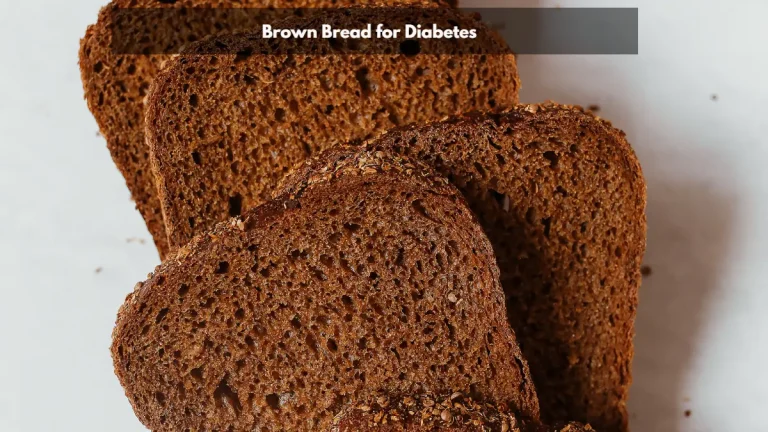
Brown Bread for Diabetes

It is a good source of fiber that keeps diabetes under control. The use of brown bread for Diabetes is very common today. Brown bread reduces diabetes status in a person as it keeps one’s blood sugar level in restraint. ADA has also supported the use of brown bread for Diabetes by confirming its usefulness and stating that the food product manages the blood sugar levels in a person’s body very well due to its low glycemic index. So, using brown bread for Diabetes is recommended by various experts in this field. 

Brown Bread for Diabetes

White Bread vs. Brown Bread

There are a lot of differences between white bread and brown bread. Among them, here are some of the important comparisons between white bread vs brown bread:

White Bread vs. Brown Bread
  • Brown bread is prepared from bran, endosperm, or germ of the grains of wheat, whereas white bread is only prepared from the wheat grains’ endosperms. 
  • White bread is white, whereas brown bread is brown. 
  • In the preparation of brown bread, the wheat grains have not undergone any process of expulsion of the bran or germ. However, in the preparation of white bread, refined wheat flour is used, which is attained after undergoing a method of the expulsion of the bran or germ from the wheat. 
  • The bran in brown bread makes it slightly harder than the white bread.
  • White bread is obtained after undergoing a lot of processes. However, this does not apply to brown bread. Also, white bread generally encompasses starch in it. 
  • Brown bread naturally comprises plenty of nutrients, and so no extra vitamins and minerals are required to add to it. However, white bread is not naturally nutritious, so it is made more nutritious by adding essential vitamins and minerals to it.

FAQ on Health Benefits of Brown Bread

What are the side effects of brown bread?

Ans. The side effects of brown bread include:
Eating Brown bread may cause extreme stomach pain, gas, gastrointestinal issues, bloating, etc. 
IBS (Irritable Bowel Syndrome) patients may find it difficult to tolerate because of the presence of Fructans in it.

Can I Eat Brown Bread Every Day?

Ans. Of course, you can have brown bread regularly unless you overconsume it. Only 4 – 4.5 brown bread slices must be consumed per day and not more than that. It will produce no harm or side effects to bread-eating people and keep them healthy. This choice for people is healthy because of the different types of vitamins, minerals, and other nutrients available in it.

Is brown bread sugar-free?

Ans. No, brown bread is not sugar-free. However, it is comprised of less sugar. Thus, brown bread is usually used to combat diabetes.

Can diabetics eat brown bread?

Ans. Yes, diabetic people can, without any doubt, eat brown bread because it comprises a lot of fiber and whole grains necessary to control the level of diabetes. Whole grain food products comprise a low glycemic index, which helps maintain diabetes.
5 Powerful Benefits of Isokinetic Exercise: How to Do It?

0

Isokinetic exercises are specifically assistive in ensuring swift limb movement. These types of exercises are mainly conducted with the support of isokinetic equipment only. Though there are many confusing definitions out there about what isokinetic exercise is, its benefits, and how to perform them! Learn about this particular exercise concisely and in a more comprehensive manner below. 

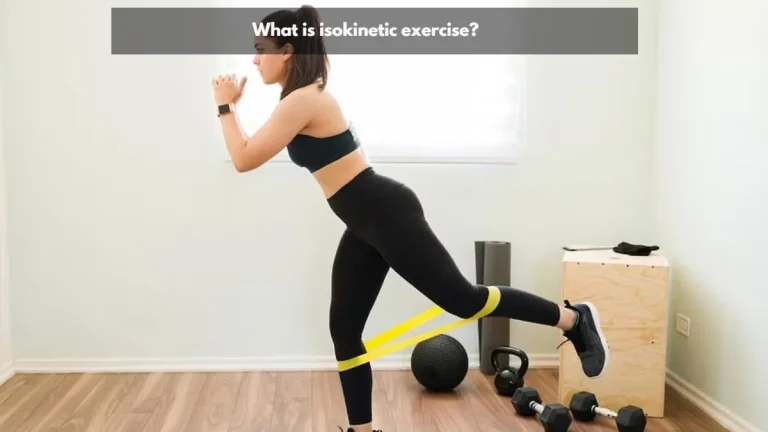
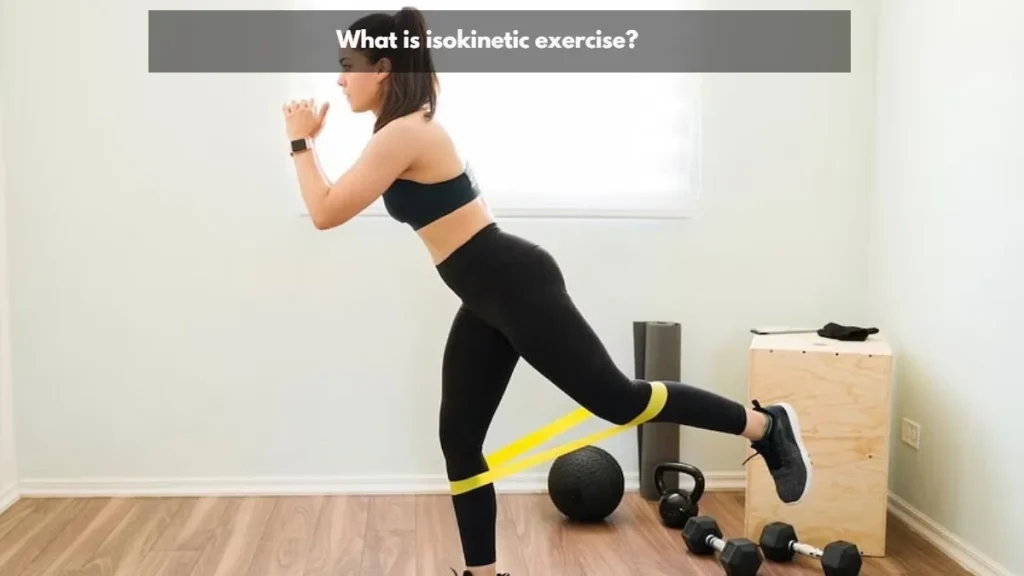
What is isokinetic exercise?

Isokinetic exercise definition as mentioned earlier, is a form of physical workout, helping in maximizing muscle contraction along with complete joint movement. The purpose of these full-range exercises is to enhance the strength of the muscles, make the limbs more strong, and increase the motion range of the joints. The term ‘isokinetic’ is commonly used in the field of medicine and sports science. 

What is isokinetic exercise

How does isokinetic muscle contraction help? One of the main points where the isokinetic exercise would differ from isotonic exercise is as follows-

In the case of isokinetic exercises, the body movement occurs at a constant speed, resulting in isokinetic contraction. However, the isotonic exercise would shorten the continuous rate of the motion. Thus, it impacts dynamic contraction. The muscle connection through an isokinetic workout would gather more strength, and build muscle mass, and overall endurance. In addition, individuals suffering from physiological or neurological injuries also heal with isokinetic muscle contraction. 

Who can start performing isokinetic training? 

As of now, it must be clear that isokinetic exercises require immense strength as well as endurance capacity. Therefore, the athletes are mainly advised to perform different types of isokinetic exercises. When you are experiencing any kind of muscle or limb injury, it’s best to avoid isokinetic exercise. There can be body exhaustion as well as fatigue. So, don’t take any drastic steps, and even if you are an athlete, then also take the consultation of a doctor and physiotherapist. 

Who can start performing isokinetic training
Who can start performing isokinetic training?

Isokinetic exercise examples 

Those workouts that are performed in the presence of varied resistance to the limb at a constant motion are isokinetic training exercises. So, a classic isokinetic training example is when you use a stationary bike and successfully make numerous revolutions per minute. In this case, the resistance band permits performing the exercise along with the usage of specialized equipment. 

Are dynamometers useful for isokinetic contraction exercises?

The dynamometer is a kind of equipment that checks or measures the muscle strains of different movements. Therefore, a dynamometer would help provide feedback for modifying the patterns of exercises in fulfilling the fitness goals. 

Other than that, a simple isokinetic exercise would be walking on a treadmill for a specified period. Hourly it would be best if you practised walking for more than two to three miles. But again, it depends on your body’s capacity and health conditions. 

Secondly, you can also follow the regular squats. Maintain a steady posture at the beginning with both hands behind your head. Then start squatting for five to seven minutes without allowing any kind of interruption. At regular intervals, repeat performing squats at least ten to fifteen times. 

3 Isokinetic exercise benefits

Doctors and physiotherapists particularly suggest these drastic strength-building exercises for recovering from any kind of injury. This sort of isokinetic exercise example assists in healing from stroke, bone treatment, and further medical complications. Some of the most known benefits of isokinetic workouts are-

1. Strengthens muscle tone

It helps in strengthening the muscle tone and builds endurance capacity for the body. It equally balances the body smoothly along with coordinating the body for good. Growing strength would mean better performance in fields like weight lifting, javelin throwing, and more for a sportsperson. 

2. Addresses the joint pain

The joint regions of our body also recover by practicing these forms of exercise. It would help in the discharge of the synovial fluid. Further, athletes also train themselves to bear more weight by nourishing the joint surfaces. 

3. The overall safety of the individuals

Unlike many other kinds of exercises, isokinetic exercises help maintain a safe and controlled environment and balance the resistance phenomenon. You won’t have to think about the initial inertia moment. Besides that, if you have injuries, then your muscles are less likely to pull and sore. 

7 Generic Tips about Isokinetic Exercise

No matter how beneficial an exercise may appear to you, it’s always better to follow some safety advice smartly. In the case of isokinetic training, make sure you are following the below tips- 

7 Generic Tips about Isokinetic Exercise
  1. Choose those isokinetic activities that will promote the flexibility of your physique. 
  2. Cardiovascular health also remains fit.
  3. Before practicing heavy workouts, it’s always better, to begin, with simple warm-ups. For instance, you can perform stretches ensuring flexibility, walking, or jogging. 
  4. Hydrate yourself by drinking plenty of water. However, don’t overfill yourself before starting with the exercise. Otherwise, you may feel exhausted. 
  5. In evening practice, the inhale and exhale respiratory exercise. It helps you build more endurance for the next day. 
  6. Take time if you are not immediately ready to perform drastic exercises. 
  7. Take rest in case you are feeling discomfort or are experiencing some immediate injury. 

Lastly, for a better impact on the next day’s isokinetic exercise, you should have a nutritious meal at both your lunch and dinner. Avoid junkies and excessive oily food, which otherwise would impact your health. To get sound results from isokinetic exercises, you should maintain discipline and consistency. 

Isokinetic contraction shortcomings

Iso kinetic exercises are among the safest exercises any fit individual can think of. But unfortunately, what prevents many from performing such workouts is its technicality. Many such examples of isokinetic contraction would include hardcore exercises which therefore require the advice of trainers. 

Further, it’s not everyone’s cup of tea to afford such costly equipment required for isokinetic workouts. Other than that, it’s a big yes to continue these types of exercises. 

Are you a beginner? 

Before buying such isokinetic devices, you should at first get accustomed to that equipment. For starters, they have to begin such exercises along with setting personal goals and dependable situations. Don’t overdo the isokinetic contractions and, therefore, begin with a half or one-hour session each day. 

are you beginner on Isokinetic Exercise
are you a beginner in Isokinetic Exercise

Additionally, take two to three-day breaks each week to avoid body exhaustion. If you are lifting weights, then you should carry a heavy weight to end the fatigue of muscle strains. These bulky weights are also impactful in enhancing the body’s resistance power and thus gaining strength. 

Health conditions demanding isokinetic workouts

As discussed earlier, isokinetic training overall helps to recover from diseases and injuries. But you may not be aware that these exercises also treat certain natural health conditions, particularly the 

  • Obesity.
  • Stroke. 
  • Cardio attacks and related diseases. 
  • Osteoporosis or arthritis.  
  • Based on medical prescriptions, it also heals medically complicated procedures. 

Summing up! 

The above entire discussion clears the point of what a great boon isokinetic exercise are! Not only does it help in recovering an injured person, but it overall builds the strength of his body. Critical health conditions like obesity, stroke, and cardio attacks can be addressed by working on isokinetic training. However, one should also consult a doctor or work with a trainer to practice iso-kinetic workouts. Overall, fitness enthusiasts are becoming more aware day by day of these exercises due to their safe nature and resistance-building characteristics.

Frequently Asked Questions (FAQs)

Q.1. What is isokinetic exercise? How does it differ from isotonic exercises? 

Answer- An isokinetic exercise is a form of physical workout that maximizes muscle contraction and complete joint movement. The goal of these full-range exercises is to enhance the strength of the muscles, make the limbs more strong, and increase the motion range of the joints.

In the case of isokinetic exercises, the body movement occurs at a constant speed, resulting in isokinetic contraction. However, the isotonic exercise would shorten the constant rate of the motion. Thus, it impacts dynamic contraction.

Q.2. What are isokinetic exercise examples? 

Answer- The examples of isokinetic exercises are further complicated. It is equipment that would measure the muscle strains for various movements. For efficiency, it would require the use of a dynamometer.
 
Some of the simple isokinetic workout examples can be walking on a treadmill, basic squats, and similar ones. 

Q.3. How different are isometric exercises from isokinetic exercises?

Answer- The concept of both types of exercise is entirely different. In contrast, isometric exercises would mean the same length exercises to prevent the muscle from becoming longer or shorter by joint bends. On the contrary, the isokinetic is the same speed exercise to help the muscles contract. 

Exploring Masago in Sushi: 5 Benefits and 2 Drawbacks

0

Are you a foodie who loves especially Asian dishes like Pho, Ramen, sushi, etc., but is health-conscious at the same time? But what if health meets your love? Feeling surprised, how is it possible? Yes, it’s possible with Masago sushi. Now, again, I was startled to hear that, right? Might be thinking, what is this Masago in sushi? Then, let us explain everything about masago to you. So, let’s begin:

What Is Masago?

Masago, also known as smelt roe, are nothing but the capelin fish’s edible eggs. Such fish belong to the family of smelt & are regarded as forage fish, which means that they are a significant source of food for codfish, whales, seabirds & seal types of larger predators. It’s not that the capelin’s flesh is not edible.

Still, the fishermen mostly sought to create other products like masago from the flesh of the capelins. Nearly eighty percent of capelin is utilized for producing fishmeal & oil products. The remaining twenty percent is utilized to produce masago. Female capelin, when full of eggs gives masago, before spawning.

What Is Masago_
What Is Masago_

Many sushi rolls use masago (pale yellow but often dyed orange/green/red) as its ingredient for its mild flavor. Also, it is occasionally mixed with other ingredients such as wasabi, ginger, ink & squid. Other than masago sushi, there are many other dishes in which masago is used as an ingredient.

Comparison Among Masago & Tobiko

Masago/smelt roe are the capelin fish’s edible eggs. In contrast, tobiko is the flying fish’s roe/eggs. Though they look identical, there are some key differences between tobiko & masago. Tobiko is bigger than Masago & is more costly. This is why masago is a famous substitute for tobiko, particularly in sushi rolls.

Comparison Among Masago & Tobiko

Another distinction between them is that tobiko is commonly bright red, whereas Masago’s biological color is dull yellow. For visual interest, they are dyed. Furthermore, tobiko retains a better crunchy texture & outstanding quality than masago.

Why Masago Is Considered Healthful? What Are Its Nutritional Facts?

Masago is considered very much healthful, mainly because of its low calories & high nutrient value.

1 ounce or 28 GMS of fish roe, from which masago is harvested, comprises 40 calories & 2 gms of fat. It also has 6 gms of protein, >1 gm of carbohydrates & 7 percent DV (Daily Value) of Vitamin C. Besides, 10 percent DV (Daily Value) of Vitamin E & 12 percent DV of Riboflavin B2 are also present in it. Furthermore, it is also a source of 47 percent DV of Vitamin B12 & 6 percent DV of Folate B9. Besides that, masago also contains 11 percent DV of Phosphorus & 16 percent DV of Selenium.

So, from the above, we can see that fish roe has a high percentage of the water-soluble Vitamin B12. Our body requires that, and we have to get that from various foods/supplements. It is because our body cannot produce such vitamins on its own.

And we know that Our body critically requires vitamin B12 for performing many functions like RBC development, nerve transmission, DNA synthesis, & cell development. So, you can understand how healthful masago is for our body.

Besides, masago has low carbohydrates & high protein & healthy fat content. Such fats“>healthy fats include omega-3 type fatty acids that are polyunsaturated type fats & help to regulate inflammation. Also, such fats are crucial for your heart’s proper functioning & also for the normal functioning of your hormones, lungs & immune system

In addition to that, another important nutrient that is available in masago is amino acids, which are present in high quantities in fish roe and, hence, in masago. The amino acids in masago are valine, leucine, phenylalanine, histidine, isoleucine & lysine, all of which are the protein’s building blocks. Also, leucine & lysine helps in protein synthesis & muscle repair of your body.

10 Benefits (Upsides) of Masago

  1. It is a rich source of great-quality protein
  2. It is a biological source of Vitamin B12 and selenium
  3. Masago has a low mercury content
  4. It has a significant quantity of Omega-3 fatty acids
  5. Keeps your heart health good
  6. Keeps your eye health good
  7. Will reduce your arthritis symptoms
  8. Keeps your bone health good
  9. It will increase your muscle strength
  10. It will improve your blood pressure & also cholesterol

5 Downsides of Masago

  1. Capelin is an Endangered species of fish & hence, eating masago may lead to the extinction of this species in the future.
  2. High sodium content in Masago
  3. Allergy-related risks
  4. The other ingredients commonly combined with masago, like MSG, high fructose syrup of corn, etc., are unsuitable for our health. This is because the high fructose syrup of corn is linked to insulin resistance, inflammation & disrupted metabolism.
  5. Also, MSG consumption may lead to headaches, skin flushing & weakness.

In what form of diet will Masago be added?

You may make use of Masago in a variety of ways. The semi-crunchy texture & salty flavor of masago give perfection to most Asian-inspired appetizers/dishes. Also, you can use the different flavors of Masago according to your taste need for various foods like ginger flavor, wasabi flavor & squid ink flavor.

So, you can add masago to a variety of dishes & that too in several ways. They are :

  • Homemade masago sushi (by adding some teaspoons of masago to sushi rolls)
  • Make a tasty appetizer by mixing a portion of masago, fruits & cheese on a plate
  • Masago-flavored rice dishes
  • Unique masago topping over poke bowls
  • Spread masago over Asian noodle dishes
  • Make a flavorful twisted recipe with top fish & masago
  • Flavored sushi rolls with a mixture of masago, wasabi & spicy mayonnaise.

#Note- Only a tiny quantity of masago is needed for flavoring food as it is high in salt.

How To Prepare Masago Sushi?

Ingredients required In Masago Sushi

  • 1 cup short-grain type sushi rice
  • 1 & 1/2 tbsp of sushi vinegar (optional)
  • Half a teaspoon of salt
  • 1 cup water
  • Half tbsp sugar
  • 4 oz imitation category of crab
  • 2 sheets of nori seaweed
  • Thin slices of an avocado
  • 1 tbsp masago

Process For Making Masago Sushi:

Process For Making Masago Sushi
  • Rinse the rice & add it with water inside the rice cooker
  • After cooking, put the rice inside a large bowl. Now add salt, sugar & sushi vinegar to it.
  • Start making the rolls by starting the bamboo mat layout & putting on the top plastic wrap paper.
  • Fold the sheets of nori in half & using scissors, split them.
  • Put the half nori sheets over the bamboo
  • Spread the nori evenly over the cooked rice cup & using your hands, press them gently
  • The rice must face downwards while the nori must face upwards.
  • Put crab & slices of avocado over the nori
  • Place your thumbs underneath the bamboo mat & lift the edge & over the filling.
  • Roll away the bamboo mat from you & tighten it up by applying some pressure.
  • The roll must be placed over a cutting board, where each roll must be cut into 10 pieces.
  • Sprinkle the masago on each piece of sushi’s top.
  • Use your hands & flatten them out evenly.

Various Side Dishes That Goes Well With Masago Sushi

  • Surimono soup
  • Ohashi
  • Wakame salad
  • Edamame
  • Dango
  • Kani salad
  • Miso soup
  • Tsukemono (Pickles, made in Japan)
  • Tempura
  • Eggplant
  • Green tea
  • Gyoza
  • Tamagoyaki

Final Words

We hope we have answered all the questions regarding masago; that was a few minutes hovering over your mind. So, if you can withstand seafood & are not allergic to it & if you crave to relish a healthy, much more flavorful & less-calorie-based diet, then masago is an excellent selection. Just have any dish with masago in it & you will be addicted to consuming it again & again. After all, who can ignore the magic of its flavor?

Frequently Asked Questions (FAQs) about Masago Sushi

Q.1. What is masago in sushi?

Answer: Masago, also known as smelt roe, are nothing but the capelin fish’s edible eggs. Such fish belong to the family of smelt & are regarded as forage fish, which means that they are a significant source of food for codfish, whales, seabirds & seal types of larger predators. It’s not that the capelin’s flesh is not edible.
Still, the fishermen mostly sought to create other products like masago from the flesh of the capelins. Many sushi rolls use masago (pale yellow but often dyed orange/green/red) for their mild flavor.

Q2. Is masago safe to eat?

Answer: Yes, masago is safe to eat if consumed moderately. Masago is considered very much healthful, particularly because of its low calories & high nutrient value.
1 ounce or 28 GMS of fish roe, from which masago is harvested, comprises 40 calories & 2 gms of fat. It also has 6 gms of protein, >1 gm of carbohydrates & 7 percent DV (Daily Value) of Vitamin C. Besides, 10 percent DV (Daily Value) of Vitamin E & 12 percent DV of Riboflavin B2 are also present in it. Furthermore, it is also a source of 47 percent DV of Vitamin B12 & 6 percent DV of Folate B9. Besides that, masago also contains 11 percent DV of Phosphorus & 16 percent DV of Selenium.

Q.3. Is masago a caviar?

Answer: No, if said technically, it is not caviar. Though both are fish roe eggs, they are from the fish’s different species. Only a sturgeon fish’s roe is called Cavier.

Q4. Is masago eaten raw?

Answer: Yes, masago can be eaten raw.

Naukasana Yoga Boat Pose: 5 Benefits and How to Do It

0

Naukasana Yoga or Boat Pose, also known as Navasana, requires both strength and flexibility to complete its full set of benefits. The boat pose (naukasana) isn’t only one of the most challenging balancing poses, but it also has many physical and mental health benefits.

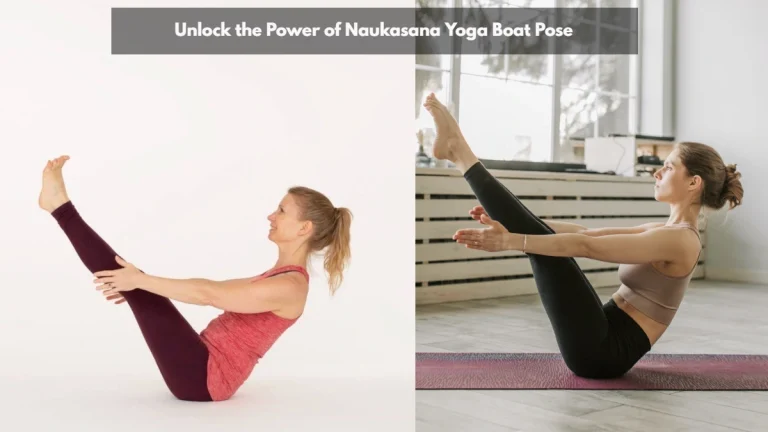
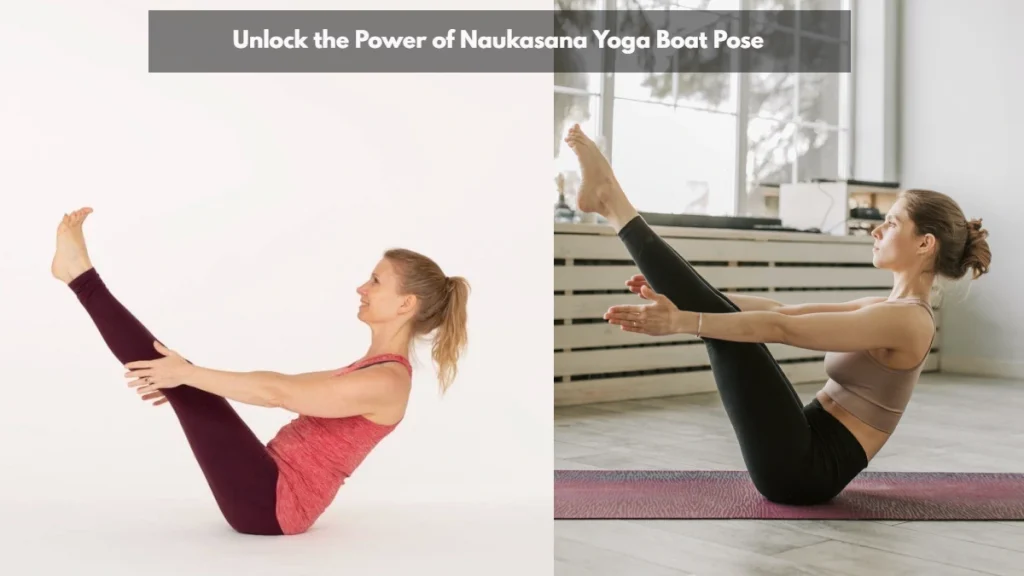
Unlock the Power of Naukasana Yoga Boat Pose

It’s important to know what Naukasana is before you start your practice to ensure that you perform it correctly to achieve the maximum benefits and avoid injury while practicing this pose. Here’s all the information you need to know about this challenging yoga pose.

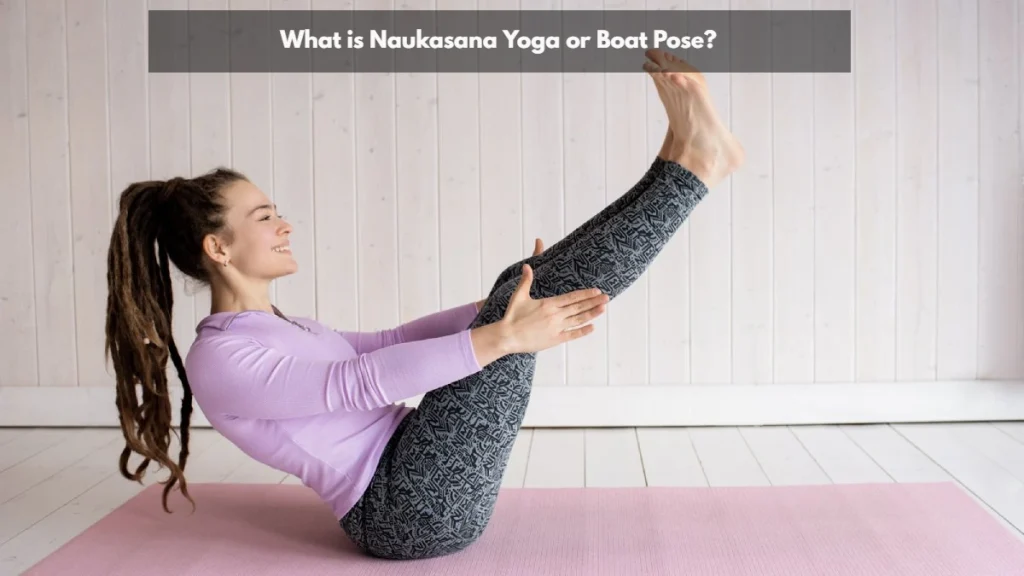
What is Naukasana Yoga or Boat Pose?

The Naukasana yoga pose is translated as a boat pose in English. This yoga posture gives stability, strengthens your back muscles, and improves your digestion. Many people suffering from chronic pain in their lower back will find comfort in performing Naukasana yoga asanas.

As they strengthen their core abdominal muscles, they experience relief from pain and tension created by lower back muscle imbalance. In Sanskrit, Nauka means boat or ship, giving a name to boat pose because it resembles a boat floating on water.

What is Naukasana Yoga or Boat Pose_

If you sit straight with your legs stretched out in front of you, it resembles a small wooden boat floating on the water, thus giving it the name of Nauka or boat pose.

The other terms many people use for the naukasana yoga pose are Noukasana and Navasana Yoga.

History of Naukasana Yoga

There was a treatise named Sritattvanidhi written in Karnataka in the 19th century. The naukasana yoga pose was also mentioned in this treatise in the 19th century.

Health Benefits of Naukasana Yoga

The boat pose is the best way to strengthen your core, build upper body muscle, relieve back pain, decrease cholesterol levels, and improve digestion.

How To Do Naukasana Steps

The boat pose or navasana has several health benefits, including burning abdominal fat, improving digestion, and stimulating abdominal organs. For maximum benefits, it’s crucial to perform navasana with proper form. Here are instructions on how to do naukasana in four steps:

  1. Lie down on your back with your arms at your sides. Bend both of your knees to keep your feet flat on the floor.
  2. Lift both legs up from hip level to perpendicular to create a 90-degree angle between both legs and your torso. This will be your starting position.
  3. Now raise both arms above your head as you exhale, then bring your hands near to your knees or try to touch your feet.
  4. Balance your leg and back and hold for five breaths before lowering them again.

Naukasana Precautions and Contraindications

  • Naukasana (boat pose) can be practiced only when one is physically fit.
  • Naukasana should also be avoided by people who have undergone surgery in their abdomen or neck region.
  • Do not practice navasana yoga on a full stomach, as it may cause nausea and vomiting.
  • Avoid practicing naukasana if you are menstruating or pregnant.

Naukasana Images

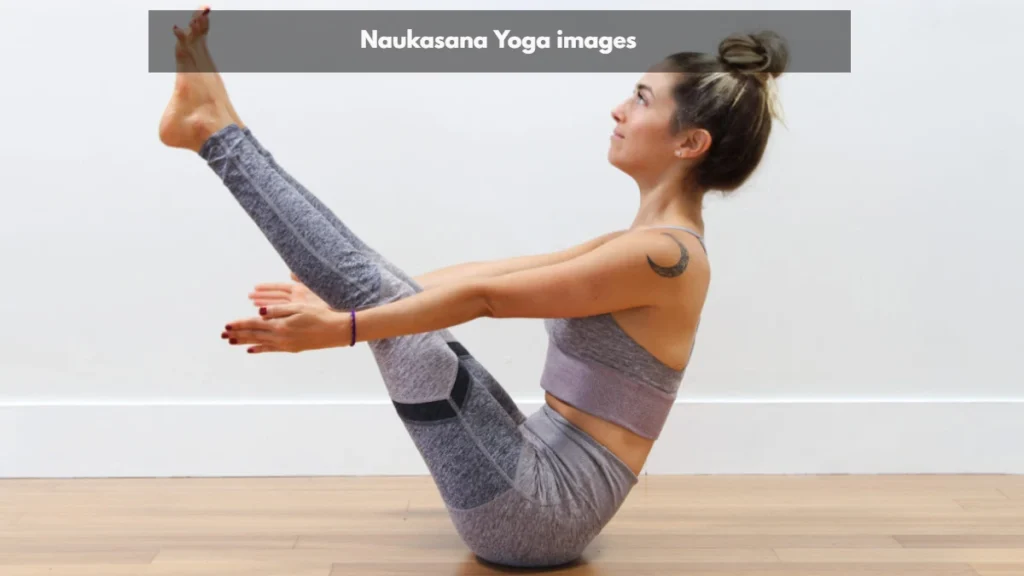
Naukasana Yoga images
Naukasana Yoga image

How To Know You Did It Right?

You can check out naukasana images and compare them to see whether you are in the same position as shown in the naukasana images.

Check whether you can control your legs and back to maintain balance and stability during the naukasana yoga pose.

If you can hold the boat pose for more than 10 seconds, then there are chances that you did it right. For further confirmation, try to perform the boat pose steps before a yoga expert.

Frequently Asked Questions (FAQs)

Q.1. What is the use of Naukasana?

Ans. One of a few different variations of naukasana, boat pose, also called navasana yoga, comes with various health benefits. Though it does not require any special props or equipment to practice, it may help beginners to sit on a block or pillow to raise their legs higher and maintain proper balance. The use of naukasana strengthens the core muscles and gives relief from stress.

Q.2. What does Naukasana mean?

Ans. The Sanskrit word Nauka means boat or ship, which serves as a metaphor for creating stability in our lives. Doing naukasana creates an inner stillness that allows us to maintain balance in all areas of our lives, especially regarding work and family. The English translation of the boat pose makes it seem more relaxing than challenging, but you’ll soon discover that doing naukasana properly is more complicated than you may think.

Q.3. How do you do Naukasana?

Ans. 1. Lie on a yoga mat or at any wide cloth on your back.
2. Keep both hands beside your body and bring the feet together.
3. Keep your toes, fingers, and eyes all in a straight line.
4. Once your abdominal muscles start to contract, you will experience tension in the navel area.
5. Start deep breathing while maintaining this pose.
6. Try to hold this position for 8 to 10 seconds.
7. Start exhaling to come back to the relaxed position.
8. Try to perform 2 repetitions every day during the initial days.

Chunkz Weight Loss: Before & After Amazing Results Revealed

0

Healthcoachjp will throw light on the weight loss journey of Chunkz, a well-known rapper and a youtube personality. Obesity is the main threat of dangerous diseases, and if you want to lose weight, then you have to follow a proper diet and do a proper workout session. 

Youtuber Chunkz Weight Loss Transformation

Who is Chunkz?

The real name of Chunkz is Amin Mohammed, who was a well-known rapper and YouTuber. Chunkz has 2.29 million subscribers and 142 million views on its videos on YouTube. 

who is chunkz weight loss
who is chunkz?

He has 3 million followers on Instagram; Chunkz was making fantastic videos of sports commentary, quizzes, challenges, and pranks. Rather than that, he was also making rapping videos for their YouTube channel. He was posting videos of rap battles regularly. 

Why did Chunkz join the Gym?

One day chunkz was looking at himself in the mirror and feeling bad and upset about himself. And then he wants to change his figure in front of the world. He was taking the help of his personal trainer friend, Kyle. 

He was saying you can take a good diet and a proper workout plan, but the main thing is to maintain motivation all the time. And his friend Kyle was giving adequate motivation. 

He was taking all the essential diets.

Chunkz Youtube

In the year 2015, on 23rd July, Chunky created his own YouTube channel. His friend Sharkey supported him in this. Initially, he made funny, challenging vlogs and many other videos on his YouTube channel. He contributed to YouTube together with Yung Philly.

After this, Chunks became a member of a YouTube community called Beta Squad, along with Sharkey, Nico, Shabreel, Kenny, etc.

Chunkz Weight Loss Diet Plan

A good diet plan is crucial for weight loss. It helps a lot in losing weight. Chunky used to wake up in the morning and eat three eggs for breakfast. Throughout the day, he used to drink a lot of water once in a while.

He used to eat chicken for lunch. Eventually, he used to eat rice and veg food for dinner. Chunkz loves to eat junk food and spicy food. This was the reason why he was finding it a little challenging to follow this diet plan.

How Chunkz Lost Weight?

Chunkz thinks he can easily able to lose weight. But he has to work hard to cut the weight. His weight has been reduced only because of his hard work. Whatever a person works hard to get, he can quickly get it.

Chunks told his fans that losing weight is a long process. If you do not work hard, this process can be challenging. If you spend time thinking about what people are thinking about you, then you will not be able to lose weight. But it will be easy for you if you really want to lose weight.

Chunkz also took a look at his diet to lose weight. He stopped eating late dinner. He started taking high-calorie food and drinks within the limit. 

Chunkz used to eat sugar and fatty food in significantly fewer quantities. He used to eat green vegetables instead of all this.

He set a goal to eat less food. Chunky used to drink water throughout the day and used to do a lot of work. He used to take very little rest while working. He made a lot of changes in his lifestyle, due to which he was able to lose weight.

Chunkz Weight Loss Exercise

Be it weight loss or staying healthy, exercise is essential in a person’s life. Workout helps in reducing body diseases and weight. Chunkz initially started doing high-intensity exercises and cardio exercises to lose weight.

When he got used to working out completely, he took some tips from his trainer. His trainer suggested that he do some test programs. This program of his was to strengthen his body parts like legs, arms, chest, etc. He used to do cardio to lose weight fast.

Chunkz Before and After Weight Loss

Youtuber Chunkz Before and After Weight Loss

Chunkz Has Changed His Body Over The Past Year

He puts photos of his weight loss on Instagram. He is seen in a new avatar in these photos. Chunkz is very happy with this change. Now he feels much better and healthier than before. 

This weight loss journey was a bit difficult for him. He always liked junk and spicy food, so he had some trouble.

He made some changes in his diet. Chunkz preferred to eat healthy food instead of high-calorie food. He started exercising and spent most of his day in it. He hired a trainer and followed his suggestions.

Frequently Asked Questions (FAQs) about Chunkz Weight Loss

Q: What is Chunkz’s real name?

Ans: Chunkz’s real name is Amin Mohammed.

Q: How old is chunkz?

Ans: Chunkz was born on 21 February 1996. Now he is 26 years old.

Q: How has Chunkz lost so much weight?

Ans: Chunky did a lot of high-intensity exercises. As he became proficient in working out, he hired a trainer. His trainer used to give him some workout tips. He used to do workouts to strengthen his legs, chest, arms, etc.

Q: Where does Chunkz live?

Ans: He lived in London, England.

Q: How much weight has chunkz lost?

Ans: Famous YouTube star Chunkz has successfully lost 42kg weight.

Conclusion

Chunkz is a famous personality, everything was fine in his life. He was always worried about his weight, so he decided to reduce his weight. Losing weight is not as easy as it seems. Chunkz worked hard to lose weight, which is reflected in his results. He loves to eat junk and spicy food, but for his weight loss, he stopped eating all this to lose weight. If you are also troubled by your heavy weight then Chunkz Weight Loss Journey is an inspiration for you.

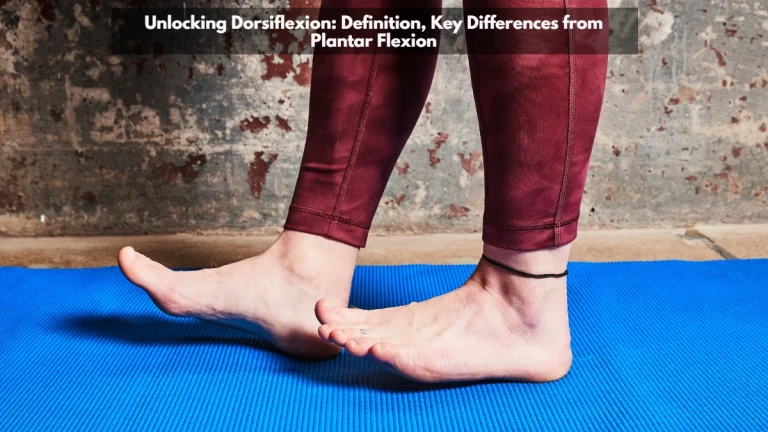
What is Dorsiflexion: Key Differences from Plantar Flexion

0

Are you an individual who gives importance to fitness over everything? Do you want to stay super active & run faster than others? Then, you must learn the art of Dorsiflexion. I’m startled to hear about that, right? It’s undoubtedly a new term you have never heard before. 

Okay! We can assure you that there is nothing complex in it, and it’s as simple as that. It’s just a better practice of the daily hand and foot movements (backward movements) that we do. Want to know about its benefits? 

Unlocking Dorsiflexion_ Definition, Key Differences from Plantar Flexion

Well! Dorsiflexion will help your foot & hand muscles to remain active by tensing them to spring in the forward direction into the next stride & help you to run or work faster. It puts your feet in a perfect position for absorbing the shock of getting down as you run. Due to this, the ground contact time for each stride while running is reduced.

Feeling interested to know more about Dorsiflexion & its process? No need to worry! We will help you with that. After all, that’s why we are here! So, let’s proceed:

What Is Dorsiflexion Definition?

Dorsiflexion may be defined as one’s hand’s or foot’s backward bending or contraction. If you extend your foot at your ankle & your hand at your wrist, then you have done the movements of Dorsiflexion. As a normal individual, you are capable of dorsiflexing your fingers & toes.

You can do your ankle dorsiflexion if you move your toes backward towards your shins. Your shinbones get contracted & your ankle joint will be flexed as you do Dorsiflexion of the foot. Also, you can dorsiflex your foot by lifting your foot’s ball off the ground as you stand by keeping your heel rooted into the ground. 

Dorsiflexion
Dorsiflexion

You can do wrist dorsiflexion or Dorsiflexion of your hand if you bend your wrist joint backward towards your arm (lower). Do it by broadening your arm & hand on a horizontal surface at your front. Now, lift your hand backward, and your fingers steer the motion by holding your arm still. Besides that, if you move your hands’ palms jointly in front of the chest, imitating a prayer pose, Dorsiflexion happens.

What Are The Conditions That Limit Dorsiflexion?

Ankle dorsiflexion is limited by numerous conditions, for example, tight calves. Also, a flat foot is a condition that limits the Dorsiflexion of one’s foot, and these conditions negatively affect Dorsiflexion by limiting one’s range of motion. 

Besides that, an impaired ankle is also, in some way, an inhibition of Dorsiflexion. It happens because of the excessive tightness of one’s ankle or due to some injury. Yes, a restricted ankle may be hereditary. However, it commonly occurs because of an injury. This is because an injury often induces scar tissue formation, which in turn tightens the ankle.

The Dorsiflexion of your wrist may be limited by arthritis or wounds. Apart from that, ganglion cysts, Kienbock’s disease, or carpal tunnel syndrome may also be the reason behind it. Also, if you have gone through trauma in any of your other body parts, it may inhibit Dorsiflexion.

Dorsiflexion And Plantar Flexion Difference

Dorsiflexion means one’s hand’s or foot’s backward bending or contraction. If you extend your foot at your ankle & your hand at your wrist, then you have done the movements of Dorsiflexion. On the other hand, Plantar Flexion is it’s just the opposite. It is the movement of your foot or hand downwards (forward bending), away from your body. 

The muscle involved with Dorsiflexion is the tibialis anterior, whereas muscles involved with Plantar Flexion are gastrocnemius, plantaris & soleus. Besides that, the Peroneus Brevis muscles (of the lateral compartment) in our leg work for the eversion of our ankle joint. An example of Dorsiflexion is when you walk on your heels. Examples of Plantar Flexion are the movement that occurs on the depression of your car pedal or when you are standing on your tiptoes. 

How Can You Improve Dorsiflexion?

Here are the techniques through which Dorsiflexion can be improved:

How Can You Improve Dorsiflexion

For Improving Ankle Dorsiflexion:

You may go for certain yoga poses like camel pose, Child’s pose, or chair pose.

Besides that, you can also improve the mobility of your ankle by stretching your calves. It will loosen up & stretch your body’s larger muscles which are responsible for affecting your ankle movement. 

Also, apart from that, you may roll your calf over a foam-made roller in a back-and-forth movement. 

Furthermore, you can also choose to do various ankle mobility exercises. For example, with both of your ankles, try to make circles & that too in both directions. After that, you move your ankles side to side & then forward & backward. 

For Improving Dorsiflexion Of Foot Muscles & Toes:

Stretch your foot’s connective tissues by rolling it over a small ball, such as a tennis ball. Do this on each of the sides for some minutes.

For toe dorsiflexion, You Can Do Toe Stretches:

  • Pull your toes backward towards your foot’s top while you are barefoot.
  • Now face a wall & stand there
  • Position your one foot’s toes against the wall & the foot at an >(angle)
  • Now shift your weight slowly toward the back 
  • Pull your heels closer & attempt to lift the toes of your foot a bit higher.
  • Again do the same stretches for the opposite side.

Leg Extension

  • As you are in a seated position, intertwine your fingers surrounding your foot’s bottom. 
  • Lengthen your leg in your front 
  • Using your hands, move back your foot’s toes toward your shins.
  • Reiterate the same steps for the opposite side

For Increasing Wrist Dorsiflexion

1. Rotation Of Wrist:

  • Extend your arms towards your front & make fists with your hands
  • Swivel your hands (both directions) 
  • Move your wrists both up & down & after that, from side to side.

2. Stretching Of Wrist:

  • Position yourself in a Cat-Cow yoga posture: lower yourself (bend) onto all fours.
  • Now, put your hands underneath the shoulders & your palms horizontally on the floor. 
  • Slowly, crouch your weight in the forward direction. Keep yourself conscious of the quantity of your applied pressure.
  • Counter the stretch. Do it by placing your hands back on the floor & your fingers confronting you.
  • Slowly stretch your wrist but not in the same direction. Stretch it in the direction opposite to it.

3. Arm Extension:

  • Extend the arms of your body in your front by interlacing your fingers.
  • Now, press your hands’ palms off from your body. 
  • To deepen this stretch, remove one hand to use it for gently pressing your other hand back in the direction of your arm.
  • Repeat the same stretch for your fingers.
  • Then, repeat for the opposite side.

4. Pressing Of Palm

  • Position your hands as if you are in a prayer pose.
  • Now, press the palms of both hands together & after that, lower down the hands.
  • After lowering them, flip your hands’ position such that the fingers are facing downwards. 
  • Gently & gradually lift back the hands to the place from where you started.
  • Do the above same steps a few times.

Whom Should You Consult If It’s Not Happening?

If you feel that even after doing the dorsiflexion-improving steps at your home, nothing is improving, you may seek the help of a trained professional. A movement therapist can also help you regarding this problem by making you familiar with yoga therapy, massage therapy & myofascial therapy for improving your Dorsiflexion.

Whom Should You Consult If Its Not Happening
Whom Should You Consult If It’s Not Happening

The Final Words

Thus, you have undoubtedly got a clear idea about Dorsiflexion from the above write-up. So, now use that knowledge & try to excel in it for keeping your hands & feet active. 

Frequently Asked Questions(FAQs)

Q.1. What are Dorsiflexion and Plantarflexion?

Answer: Dorsiflexion means one’s hand’s or foot’s backward bending or contraction. If you extend your foot at your ankle & your hand at your wrist, then you have done the movements of Dorsiflexion. Or, if you move your hands’ palms jointly in front of the chest, imitating a prayer pose, Dorsiflexion happens. 
You can do your ankle dorsiflexion if you move your toes backward towards your shins. Also, may dorsiflex your foot by lifting your foot’s ball off the ground as you stand by keeping your heel rooted into the ground. 
On the other hand, Plantar Flexion is it’s just the opposite. It is the movement of your foot or hand downwards (forward bending), away from your body. 
The muscle involved with Dorsiflexion is the tibialis anterior, whereas muscles involved with Plantar Flexion are gastrocnemius, plantaris & soleus.
An example of Dorsiflexion is when you walk on your heels. Examples of Plantar Flexion are the movement that occurs on the depression of your car pedal or when you are standing on your tiptoes. 

Q.2. What muscles do Dorsiflexion?

Answer: The Muscle involved with Dorsiflexion is the tibialis anterior muscle, just like the muscles engaged in Plantar Flexion are gastrocnemius, plantaris & soleus. Besides that, the Peroneus Brevis muscles (of the lateral compartment) in our leg work for the eversion of our ankle joint.

Q.3. What does Dorsiflexion help with?

Answer: Dorsiflexion will help your foot & hand muscles to remain active by tensing them to spring in the forward direction into the next stride & help you to run or work faster. It puts your feet in a perfect position for absorbing the shock of getting down as you run. Due to Dorsiflexion, the ground contact time for each stride while running is reduced.

7 Nutrition Facts and Health Benefits of Cottage Cheese

0

Cottage cheese has always been known as an inexpensive, healthy food option. However, more and more research has surfaced in recent years about the true health benefits and nutrition facts of cottage cheese.

Cottage cheese’s soft texture, versatility, and classic taste have made it an all-time favorite since the early 20th century, but there are other reasons why you should consider adding this food to your diet.

Cottage cheese can be found in many health food stores and local grocery stores, and it comes in both low-fat and full-fat varieties. Here are some of the most common health benefits of cottage cheese so you can start including it in your diet today!

What is Cottage Cheese?

For those who don’t know, cottage cheese is a soft white cheese produced by curdling fresh or fermented milk with rennet. This slightly tangy and sour dairy product has been eaten for centuries. While its popularity has declined in recent years, cottage cheese is still available and consumed all over America.

What is Cottage Cheese

To learn more about cottage cheese and its hidden benefits, first read on nutrition facts of cottage cheese which you might not have known about one of America’s favorite foods.

Cottage Cheese Nutrition Facts

Serving Size= 100 g

NutritionAmountDaily Values (%)
Calories98
Calories from fat39
Total fat4.3 g7%
Saturated Fat1.7 g9%
Polyunsaturated Fat0.1 g
Monounsaturated Fat0.8 g
Cholesterol17 mg6%
Sodium364 mg15%
Potassium104 mg3%
Total Carbohydrates3.4 g1%
Fiber0 g0%
Sugars2.7 g
Protein11 g
Vitamin A2.8%
Vitamin C0%
Calcium6.4%
Iron0.4%
*Cottage Cheese Nutrition Facts

Cottage Cheese Fat-Free Nutrition Facts

Above, we have provided regular cottage cheese nutrition facts, but here, we will provide you with fat-free cottage cheese nutrition facts.

Serving Size= 145 g

NutritionAmountDaily Values (%)
Calories104
Calories from fat3.8
Total fat0.4 g1%
Saturated Fat0.3 g1%
Polyunsaturated Fat0 g
Monounsaturated Fat0.1 g
Cholesterol10 mg3%
Sodium539 mg22%
Potassium199 mg6%
Total Carbohydrates9.7 g3%
Fiber0 g0%
Sugars2.7 g
Protein15 g
Vitamin A0.2%
Vitamin C0%
Calcium9.6%
Iron1.2%
*Fat-Free Cottage Cheese Nutrition Facts

Is Cottage Cheese Healthy?

Despite being low in calories and fat, cottage cheese is high in protein, making it a healthy addition to your diet. Unlike other cheeses that are full of saturated fats, cottage cheese is low in cholesterol and sodium.

It also helps keep your bones strong and protects against cardiovascular disease. If you’re eating cottage cheese as part of a healthy diet plan, make sure to buy low-fat varieties. Regular cottage cheese has similar nutrients as fat-free varieties but contains more calories—about 200 more calories per serving when compared to ounce for ounce.

Is Cottage Cheese Healthy_

If you need to lose weight or watch your carb intake but still want all the benefits of cottage cheese, choose a reduced-fat version instead.

Is Cottage Cheese Good For You?

Cottage cheese is an excellent source of calcium and a good source of protein. It also contains many essential vitamins and minerals. Calcium-rich foods like cottage cheese may help prevent osteoporosis, colon cancer, hypertension, and high cholesterol levels. For best results when eating cottage cheese, use it as a main course in place of a high-fat snack or dessert.

Is Cottage Cheese Bad For You?

A common misconception about cottage cheese is that it’s bad for you, but contrary to popular belief, there are many health benefits to eating cottage cheese. Most people don’t realize that cottage cheese packs in a protein punch with only one-third of its calories coming from fat and zero added sugar.

Is Cottage Cheese Bad For You

So if you want to increase your protein intake without adding too much fat or carbs to your diet, try reaching for some cottage cheese! This delicious dairy product also helps lower cholesterol and regulate blood sugar levels, which makes it an excellent option for anyone struggling with diabetes or hypoglycemia.

Is Cottage Cheese Fattening?

Despite being high in protein and low in calories, cottage cheese has a bad reputation for being fattening. The truth is that it’s one of the best foods you can eat if you’re trying to lose weight or prevent weight gain because it keeps you feeling full.

Cottage cheese also contains conjugated linoleic acid (CLA), which helps fight fat and burn calories. There are plenty of delicious ways to incorporate cottage cheese into your diet, whether you’re eating it plain or with fruit or cereal, so add it to your grocery list today!

Is Cottage Cheese Good For Weight Loss?

When you’re trying to shed pounds, every calorie counts. But not all calories are created equal—some pack a stronger nutritional punch than others. Cottage cheese is a versatile food that can be part of any weight-loss diet, but what is cottage cheese good for? Keep reading for our guide to everything you need to know about cottage cheese and weight loss. You might just find that cottage cheese becomes your new favorite fat burner!

Is Cottage Cheese Good For Weight Loss

In addition to being high in protein, calcium, and vitamins A and B12, cottage cheese has two hidden benefits: It’s filling without being fattening. Plus, it contains high levels of casein protein which helps curb appetite by releasing amino acids into your bloodstream when digested slowly over time.

This effect makes it easier to eat less overall throughout the day without feeling hungry or deprived—which means more weight loss with less effort! The bottom line: Cottage cheese makes an excellent addition to your meal plan if you’re trying to lose weight!

Is Cottage Cheese Protein or Fat?

Cottage cheese is low in fat and high in protein—which means that it’s very good for you! This calcium-rich dairy product also has a moderate amount of carbohydrates and virtually no sodium, so if you are watching your sodium intake (or if you have any sodium sensitivities), cottage cheese can be one of your best sources of that mineral.

On top of all these great nutritional benefits, cottage cheese is packed with probiotics that keep your gut healthy!

Health Benefits of Cottage Cheese

Although it’s low in calories, cottage cheese provides a wide range of health benefits. It’s an excellent source of calcium and protein, making it a great food for post-workout meals or snacks. Cottage cheese is also high in omega-3 fatty acids and vitamin B12, which are essential for brain development and overall body health.

Health Benefits of Cottage Cheese

Dairy products like cottage cheese have been proven to help weight loss as well; research shows that participants who consumed a dairy-rich diet lost more belly fat than those who did not. And as if that wasn’t enough good news, research also shows that people who eat high amounts of calcium may live longer than those who do not consume dairy products.

Cottage Cheese Calories

Fat-free cottage cheese and regular cottage cheese have different calories. A piece of 100 grams of fat-free cottage cheese has 60 to 70 calories, whereas a regular one has 100 calories in 100 grams.

Protein in Cottage Cheese

Cottage cheese protein content depends on its serving size but usually, there is 10 to 15 grams of protein in 100 g serving.

Frequently Asked Questions(FAQs)

Q.1. Is cottage cheese good for dieting?

Ans. While most dieters stay away from cottage cheese because they think it’s fattening, there are actually several benefits that make it a delicious, nutritious option for dieting. For example, cottage cheese provides protein, calcium, and vitamin B12 in an easy-to-digest form. Vitamin B12 is essential to overall health and can help maintain healthy nerve function and blood pressure.

Calcium is important for maintaining bone health and preventing osteoporosis. In addition to these benefits, cottage cheese is packed with riboflavin (vitamin B2), magnesium, and zinc, which may help you feel less fatigued while dieting.

Q.2. Is cottage cheese healthier than yogurt?

Ans. While most yogurts have been praised for their countless health benefits, cottage cheese has always remained somewhat underrated. But if we compare both of them from a caloric point of view, then Greek yogurt is slightly healthy because it has fewer calories than cottage cheese.

Q.3. What are the benefits of cottage cheese?

Ans. Cottage cheese is a healthy snack, but it also makes for an excellent meal option. Packed with vitamins and minerals like calcium, vitamin B12, zinc, and phosphorus, it’s no wonder that cottage cheese is one of America’s favorite cheese products. The trick to losing weight while still enjoying your meals? Enjoy healthier options like cottage cheese. Here are three benefits of cottage cheese:

1) Helps Control Blood Sugar Levels
2) Supports Digestive Health
3) Improves Bone Health

Q.4. Is cottage cheese carb or protein?

Ans. For so many people, cottage cheese is a great snack any time during the day. It has only 15 grams of carbs per cup, which makes it low-carb. However, many people are surprised to learn that it’s protein and not carbs that make up most of its nutritional value.

Anorexia Nervosa: Definition, Side Effects, Symptoms

0

Many in this modern world are concerned about maintaining their body weight, and that’s normal. The extreme is the case when someone getting over-conscious about body weight chooses the path of self-starvation. The continuance of anorexia nervosa as an eating disorder can become life-threatening and needs immediate treatment. 

So are you confused about whether you or your close ones are suffering from the disorder? How to come out of anorexia and related information! Well, stay in touch with this article till the end. 

What is Anorexia Nervosa Definition? 

Defining Anorexia Nervosa is not easy. But simply, it is referred to as a kind of eating and psychological disorder that gets life-threatening with time. 

Anorexia creates an unreliable overweight body image in the subject’s mind, due to which they get critical about taking a stable diet. 

What is Anorexia Nervosa Definition

To purge the gained calories, they compulsively exercise or vomit frequently. If not addressed appropriately, this can result in severe health problems or ultimately can cause death. 

Though life-threatening, such disorders can be overcome in the initial stages with nutritional counseling or psychological therapy. 

Anorexia Diet Refers To: 

When someone you know tries to restrict extreme calories from their food intake desperately, then that’s called an Anorexia diet. Such situations are found mainly in the case of women who impatiently try to restrict their food choices. As an outcome, they stay denied the daily needed body nutrients.

Such restrictions in food habits are often associated with Ana’s boot camp diet, where a person sustains nearly two months of fasting. 

Each day apparently, they consume even less than a thousand calories and complement it with excessive water consumption. 

Who are the usual victims of Anorexia Nervosa? 

Teenagers within the range of 14-16 years of age are more likely to be affected by anorexia in developed and developing countries. Over the years, the targeted group suffering from Nervosa has widened and requires immediate handling. 

Earlier, women from rich and middle-class family backgrounds were only suspected. However, now even men and women from all age groups are becoming victims of such psychological disorders. The diagnosis has become common in the last two decades. 

What Causes Anorexia? 

The reason for suffering from anorexia can be interconnected and based on multiple factors. Here are some of the usual Anorexia Nervosa causes: 

1. Family Background 

Most behavioral ailments or eating disorders are determined based on family history. Though anorexia cannot be inherited through genes, the possible exposures to anorexia can be transferred across generations. 

The research from twin studies revealed that there are more than sixty percent chances of hereditary transfer of the vulnerabilities of Anorexia Nervosa. 

2. Psychological Problem

Often people with Nervosa face the spillover effect of confronting other mental disorders or vice versa. 

Due to co-occurring disorders, more than one disorder contributes to subsequent mental complexities. 

3. Societal Factors

It has been found that most teenagers, with their obsession with trendy looks and keeping themselves updated with modern fashion, get trapped with such disorder. 

Other than that, peer pressure and picturizing success with thin body types also contribute to Anorexia Nervosa. 

Can Trauma Lead To Anorexia? 

Trauma is a result of witnessing or experiencing undesirable past incidence that primarily leads to eating disorders. As earlier mentioned, people may choose Nervosa as a self-harming behavior where such a self-destructive attitude can be a direct or indirect result of any trauma.

Other than that, distorted body image can also be related to body shaming trauma. So, the severity of anorexia is directly dependent on how long a particularly traumatic incident resides on the individual’s psyche. 

Early Signs of Anorexia Nervosa 

It’s a fact that prevention is better than remedying later; therefore, be aware of the premature signs of anorexia. From this point, you should prevent anyone you know from having anorexia. 

Early Signs of Anorexia Nervosa
  • Gradually starting to lose weight. 
  • When someone hesitates to say about what they have eaten or feels shame in saying how much they weigh. 
  • To hide how much they had eaten, they would slowly eat.
  • Breaking their meals numerous times a day. 

Many of these signs may look normal, but such ignorance would delay puberty in cases of children. For adults, further complexities like osteoporosis or menstrual problems arise. 

Some Anorexia Symptoms

From a layman’s viewpoint, anyone can identify a person with anorexia based on their physical appearance. However, such is not the case for any individual having anorexia undergoing behavioral or mental challenges.

So, it leaves out the only chances of an underweight person having Nervosa. Some of the identified Anorexia symptoms can be clubbed into three categories: mental, behavioral, and physical. 

Some Anorexia Symptoms

Physical Anorexia Symptoms 

The physical symptoms are easily traceable with their weight compared to their age, sex, and height. Other than the weight-related consideration, other symptoms one can notice are- 

  1. Unfamiliar transformation of Body Mass Index (BMI) in a lesser amount of time with changes in the growth of curve for children. 
  2. Unusual shedding of weight over a month for adults or teens.
  3. Easily get tired. 
  4. Dizziness or fainting. 
  5. Lack of concentration. 
  6. Excessive pain in the abdominal region. 
  7. Lack of strength or weakening muscles. 
  8. Thin hair or brittle nails. 
  9. Scratchy skin. 
  10. Hypotension is known as low blood pressure. 
  11. Uneasiness while breathing. 
  12. Shivering or feeling cold at normal temperature. 
  13. Amenorrhea or irregular menstrual cycle. 
  14. Often becoming ill or when it takes extra time to heal any wound. 
  15. Pale skin or purplish texture to limbs or hands. 
  16. An unreasonable amount of exercising daily to purge the food intake. 

Note that experiencing dehydration, dizziness, dry skin type, and hypotension as side effects of anorexia can also occur due to starvation or malnutrition. 

Behavioral Anorexia Symptoms 

If you are unsure whether your known one is facing Anorexia Nervosa, you should closely observe their behavior. If any one of the symptoms matches, they should seek treatment. 

  1. Not enjoying the usual company of family and friends while eating. 
  2. Maintaining their diet even in the case of known body weight. 
  3. Take appetite supplements or dietary pills.
  4. Intentionally vomiting after intake of food to cleanse it out. 
  5. A drastic change in food preferences and compromising of particular dishes from their diet. 
  6. Irregular eating habits. 
  7. Frequently visiting the washroom after a meal. 
  8. Often complaining about being obese or overweight. 
  9. Facing the mirror and making comments on feeling fat. 
  10. When they choose to wear loose clothes to hide their body weight. 

Psychological Symptoms

Other than the other two categories, these are the most difficult ones for detecting someone with anorexia. To get some help, look at those common mental symptoms that a patient with such an eating disorder goes through. 

  1. Being apprehensive about extra body weight. 
  2. Suffering from self-destructive or suicidal thoughts. 
  3. Being ignorant about being underweight compared to height, sex, age, etc.  
  4. Tries to skip meals regularly. 
  5. Suffering from anxiety or depression
  6. Critical about specific food types. 
  7. Confronting other psychological disorders such as Obsessive-Compulsive Disorder, etc. 

Most of the symptoms mentioned above are traceable except for a few. Remember that many of the symptoms are interconnected with other stated ones. So, while observing someone, you should carefully consider them. 

Tests To Diagnose Anorexia Nervosa 

Some of the tests that can potentially diagnose anorexia are- 

  • CBC or Complete Blood Count for assessing the overall health. 
  • Bone density test. 
  • Electrocardiogram. 
  • Liver and kidney function tests. 
  • Pregnancy tests. 

As published by the American Psychiatric Association, the DSM-5 (Diagnostic and Statistical Manual for Mental Disorders) also underlines how a health professional can diagnose anorexia based on analyzing an individual’s fear of gaining weight. 

Anorexia Nervosa Treatments

The primary aim of treating patients with such disorders is to restore their already lost body weight. Along with that, the main aim is to address complex emotional issues such as rectifying the abrupt thinking style or building confidence in the individual’s body image. So, treatment for Anorexia Nervosa is a blend of these methods- 

Anorexia Nervosa Treatments

1. Nutrition Counseling

A counselor specializing in the field would treat anorexia by making the individual aware of normal patterns. 

The professional counselor would properly educate the sufferer about the necessity of a balanced and nutritional diet. Gradually, a healthy connection between food and eating would build. 

2. Psychotherapy

An appointment with a psychiatrist is useful to treat Nervosa. Their counseling would transform the thinking and behavioral style of the person with an eating disorder. 

They use several practical therapies which develop an accepting attitude toward food and body weight. Some of the identified therapies are – Dialectical behavior therapy, Cognitive Behavioral Therapy, Acceptance and Commitment Therapy, and more. 

3. Group Therapies

In group therapy, more than five to six members gather in a place and share their thoughts about the eating disorder. It’s one of the helpful therapies because people in a group get open up and try to find a way from the raised concerns. 

4. Through Medication

Doctors prescribe antidepressant medications like SSRIs or serotonin reuptake inhibitors and olanzapine, which control depression or anxiety associated with anorexia. 

Some Medicated sleeping pills also boost appetite. Doctors may also suggest weight-gaining supplements to restore a healthy weight. 

5. Admitted To Hospitals

Severe cases from malnutrition, starvation, or other physical complications would need immediate hospitalization to cure the individual. Often, mental concerns such as preventing suicidal thoughts and depression require admission to hospitals. 

6. The Need For Family Support 

Any kind of eating or psychological disorder mainly needs family support to overcome the crisis. Members of a family should closely observe the signs and symptoms of the disorder and take measures accordingly. 

A Better Future 

Just like any other eating or mental disorder, Anorexia Nervosa is life-threatening if not addressed in time. Therefore, anyone suffering from such a disorder needs to work on their self-esteem and should accept what they are. The role of the friends or family members of such patients is to support them by trying to build confidence in them.

Frequently Asked Questions (FAQs) 

Q.1. What are the 5 symptoms of anorexia? 

Answer- The symptoms of anorexia can be categorized into three groups, mainly physical, mental, and behavioral. Among the five main symptoms are – excessive weight loss in a short period, vomiting after food intake, depression, frequent visiting the bathroom after having a meal, and skipping meals regularly.

Q.2. What causes anorexia? 

Answer- Anorexia can be a result of some traumatic experiences or can be because of hereditary transformation of the vulnerabilities of such a disorder. Peer pressure can also cause anorexia. 

Q.3. What is an example of anorexia?

Answer- An example of anorexia can be long-term fasting or restricting food intake. Or maybe when someone tries to get rid of the food by vomiting frequently. 

Q.4. What happens when anorexic?

Answer- When someone suffers from anorexia then, they frequently lose weight and get involved in complex health issues such as abdominal pain, cardiac diseases, or lack of bone strength due to osteoporosis.

7 Amazing Benefits of Sweet Potatoes and Nutrition Facts

0

In this article, we give a walkthrough of sweet potato nutrition facts. We will discuss all the factors related to sweet potatoes, and how they will impact our health. 

Sweet Potato Nutrition Facts

About Sweet Potato

Sweet potato is also known as Ipomoea batatas because it is an underground tuber. It is rich with antioxidants that help maintain human blood levels. 

Sweet potatoes are also rich in fiber, carbs, and various nutritious components. It is healthy as well as delicious in taste. We can eat sweet potatoes boiled, fried, baked, and steamed.

Sweet Potato
Sweet Potato

Usually, sweet potatoes are available in orange color. But it is also found in other colors like red, pink, yellow, and purple. 

In North America, people call sweet potatoes “Yams.” 

Yams have various species around the world. Sweet potatoes are also nutritionally different from regular potatoes. Read this article completely if you want more information about sweet potatoes.

Nutrition Facts of Sweet Potato 

The sweet potato nutrition facts are displayed in the following table.

Components Quantity
Sugar 4.2 grams
Fat 0.1 grams
Fiber 3.0 grams
Carbs 20.1 grams
Water 77%
Calories 86 calories
Protein 1.6 grams
*Nutrition Facts of Sweet Potato 

Protein

A medium-sized sweet potato contains only 2 grams of protein, which means it is not a good source of protein. Sweet potato has sporamins, a unique protein, and it is present in 80% of its total protein. 

Sweet potato has various other nutritious components in high weight. 

However, it is not a good source of protein. According to research, sweet potatoes consist of antioxidants.

Fiber 

Fibre is the main nutritious component of sweet potato. The Sweet potato has a high amount of fiber in medium-sized sweet potatoes. 

It’s approx 4 grams. The fiber is present in lignin, cellulose, and hemicellulose forms. 

Fibre is also present in soluble forms like pectin. It will reduce blood and sugar levels. It will also impact the digestion of humans. If you take insoluble fiber in adequate amounts, it will help reduce the risk of diabetes.
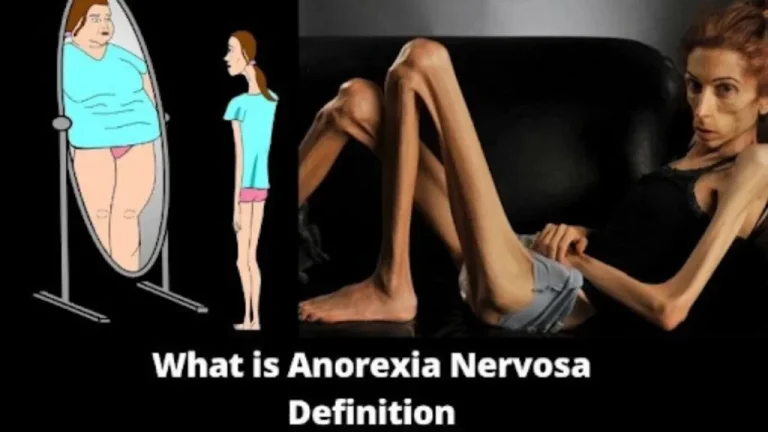
Carbs 

Carbs are also the main nutritious component of the sweet potato. The normal-sized sweet potato contains 27 grams of carbs. Sweet potatoes are carbs rich in vegetables. 

There are also sugars present in the sweet potato. Glucose, fructose, maltose, and sucrose are present in sweet potatoes’ carbs’ content. Sweet potato has a medium to high Glycemic index, which is responsible for measuring the blood sugar level rising just after we take a meal. We can consume sweet potatoes by roasting, frying, and baking as well.

Vitamins 

The sweet potato is the best source of vitamin C and potassium so we can discuss the vitamins present in the sweet potato. Most of the vitamins are present in an adequate amount. 

  1. Vitamin A: sweet potato consists of beta carotene, which converts into vitamin A. 100 grams of vitamin A present in your body daily if you eat sweet potato daily.
  2. Vitamin B5: This vitamin is also called pantothenic acid. This vitamin is present in every food to some extent.
  3. Vitamin B6: Vitamin B6 is also present in sweet potatoes. Generally, this vitamin plays a vital role in converting food into energy.
  4. Vitamin C: Sweet potatoes also consist of Vitamin C. This vitamin is an antioxidant that improves the common cold and skin health.
  5. Vitamin E: vitamin E is the fat-soluble antioxidant present in the sweet potato. It will protect the human body from oxidative damage.

Minerals

Sweet potato is also a good source of minerals like potassium. Most minerals are present in an adequate amount in the sweet potato. Let’s discuss the minerals that are present in the sweet potato.

Potassium

Potassium is the essential mineral present in sweet potatoes in high amounts. This mineral helps maintain blood pressure control and decreases the risk of a heart attack.

Manganese

Manganese is also present in the sweet potato. These minerals are responsible for the development, growth, and metabolism of the human body.

4 Sweet Potato Health Benefits  

Sweet potato consumption has many different health benefits. Let’s discuss some of them.

4 Sweet Potato Health Benefits

1. Healthy immunity

Sweet potato consists of vitamin A, which is responsible for the development and growth of the body’s cellular functions. According to research, vitamin A also improves humans’ immunity.

2. Reduce bad cholesterol

Sweet potato is a fiber-rich and plant-based vegetable. So, it has an adequate amount of fibre, which helps reduce bad cholesterol and keeps our bodies healthy. It is also useful to cure type 2 diabetes, heart problems, and obesity. 

3. Reduce blood pressure

Sweet potatoes contain minerals like potassium and manganese, useful for blood pressure support. Potassium-rich diets always promote blood pressure reduction and keep your heart healthy.

4. Healthy vision

Vitamin A also promotes healthy vision in humans. According to research, vitamin A is a good source for maintaining healthy vision and improving our eyesight.

Sweet potato to gain weight

Sweet potatoes, often celebrated for their health benefits, can be a valuable ally for those seeking weight gain. Packed with complex carbohydrates, these vibrant tubers offer a calorie-rich and nutritious option. They’re an excellent source of energy, promoting gradual weight gain without compromising health. The natural sugars in sweet potatoes, along with their fiber content, contribute to a stable increase in weight.

Sweet potato to gain weight

Plus, they’re loaded with essential nutrients like vitamins A and C, promoting overall well-being. Whether mashed, roasted, or in a hearty stew, sweet potatoes are a delicious and versatile way to support your weight gain journey while nourishing your body.

Do white sweet potatoes taste the same as orange?

White sweet potatoes have a distinct flavor compared to their orange counterparts. While both offer a naturally sweet taste, white sweet potatoes tend to be milder and less sugary than their orange cousins. The flavor of white sweet potatoes can be described as nutty or earthy, and they’re often praised for their subtle, creamy texture.

Do white sweet potatoes taste the same as orange

The slight variation in taste allows for more versatility in the kitchen, making them a delightful addition to both sweet and savory dishes. So, while they share the same family roots, white and orange sweet potatoes offer unique taste experiences that cater to different culinary preferences.

Conclusion 

Sweet potatoes are the underground tuber, which is a very nutritious vegetable for those people who want to keep themselves healthy. Sweet potatoes contain vitamins, minerals, carbs, fiber, fat, and various nutritional components. This is the root vegetable, and there are many health benefits to consuming sweet potatoes. 

This is the cheapest vegetable that gives you more benefits than expensive products. If anyone wants to keep themself healthy without investing too much money, then consume sweet potatoes. We listed all the nutrition facts in this article; I hope you like it.

Frequently Asked Questions (FAQs)

Q. Is sweet potato best for weight loss?

Ans. Yes, sweet potato is a low-calorie vegetable. So you can take this when you are hungry; it promotes weight loss.

Q. What health benefits do sweet potatoes have?

Ans. Sweet potatoes have many health benefits – reducing the risk of cancer, diabetes, obesity, healthy vision, healthy immunity, longevity, controlling blood pressure, and many more.

Q. Is a sweet potato a superfood?

Ans. Yes, sweet potato is a superfood because it is highly nutritious and an antioxidant that prevents your body from free radicals.

Q. Is sweet potato low or high carb?

Ans. Sweet potato is a high-carb vegetable that is healthy for the human body.

How dangerous is stable ischemic heart disease?

0

Stable Ischemic heart disease basically develops due to the inability of the heart to pump blood in a proper and efficient way. This has many symptoms, which we will be talking about now. 

Taking care of your heart is a necessary thing to do as it is what keeps our bodies functioning. But still, many people get diagnosed with heart disease. Some of them are severe and some of these diseases are stable. These heart diseases may occur due to eating diets with either inadequate amounts of minerals or extreme amounts of something.

Keeping your diet healthy is a must. Stable Ischemic heart disease basically develops due to the inability of the heart to pump blood in a proper and efficient way. This has many symptoms, which we will be talking about now. 

What is Stable Ischemic heart disease?

Stable Ischemic heart disease happens due to blockage of arteries that are responsible for transporting blood. When these arteries get blocked, the blood is unable to flow effectively throughout the body and hence, it retards the functioning of the heart. This condition can lead to heart attack or stroke sometimes. To keep this in check, you need to keep checking your blood pressure. Because of high blood pressure, stable ischemic heart diseases are caused.

What is Stable Ischemic heart disease
What is Stable Ischemic heart disease?

And the problem with high blood pressure is that there are not always many symptoms for this. It may even be asymptomatic sometimes. This is why high blood pressure is called a ‘silent killer’. To keep your blood pressure in check, you need to get it checked often. 

When the blood pressure is high, the arteries get narrowed which doesn’t let the blood get pumped properly. Due to this, the heart has to work even more than usual. When the heart works harder, the heart muscles grow and become thick. This mainly affects the left ventricle of the heart, which is the main chamber used for pumping. 

Is Ischemic heart disease curable?

Stable ischemic heart disease is a condition when there has not been any change in the symptoms or conditions of a patient for around a year. These patients need not worry more but need to keep up with the schedule they have been following for the last year. The patients need to keep a check on their weights. This is because obesity is one of the main causes of heart disease. This can be ensured by exercising regularly.

Stable ischemic heart disease treatment

Regular exercise keeps you fit and doesn’t let you deal with any heart disease. Also, the patients need to keep a check on their cholesterol intake. If the levels of cholesterol in the body are high, this may lead to blocked arteries which again, will push you down the lane with ischemic heart disease

Stable ischemic heart disease treatment

Patients with stable ischemic heart disease are diagnosed based on their daily routines. For example, whether or not they need deep breaths after walking two blocks on the plain ground. Also, whether or not their lipid profile test shows the lipids in range.

Is Ischemic heart disease curable
Is Ischemic heart disease curable?

This lipid profile test is done at regular intervals, and if for more than one year, the person has not shown any signs of an increase in heart disease, they are said to be in the category of stable ischemic heart disease patients.

It’s very important to take care of your heart. You must never take your heart disease lightly. You must never think that if you have a stable heart condition, you can take it lightly. Because by doing this, you might increase the risk of increment. 

Let’s promise ourselves to take care of ourselves, to exercise daily, to keep our weight in check, and to keep our calorie intake in check!

5 Watermelon Nutrition Facts and Its Health Benefits

0

Healthcoachjp has furnished nutrition facts about watermelon. We will discuss risks, health benefits, nutritional content, and much more information related to watermelon nutrition facts. 

Most of the nutritional components like vitamins, minerals, carbs, and antioxidants are present in watermelon. So if you want to read complete information about the nutrition facts of watermelon, then read this article thoroughly.

What is Watermelon?

Watermelon is the most amazing and iconic summer fruit, containing low calories and is rich in water. It is a sweet fruit that is the best source of vitamin C and vitamin A. Additionally, watermelon is a very delicious fruit with a lot of health benefits for human beings.

What is Watermelon
What is Watermelon

5 Nutrition Facts of Watermelon

Let’s discuss all the nutritional components that are present in one cup of diced watermelon. We have listed in the table the appropriate content of the nutritional components and their quantity.

Nutritional componentsQuantity
Lycopene6890 mcg
Sodium1.5 mg
Fiber0.6 gram
Protein0.9 gram
Vitamin A42.6 mcg
Vitamin C12.3 mg
Sugar9.4 gram
Carbs11.5 gram
Fat0.2 gram
Calories46
*Nutrition Facts of Watermelon
Nutrition Facts of Watermelon

1. Fat 

Watermelon does not contain much fat. It is a very nutritious fruit for our health. The fat that is mainly present in the watermelon is a small amount of monounsaturated, polyunsaturated, and saturated fatty acids. 

Watermelon is one of the best fat-free foods you can add to your diet plan. But watermelon seeds are one of the sources of Omega-3 fatty acids.

2. Carbs

The carbs are mainly present in the form of sugar with an adequate amount of fiber. Sugar is present in the watermelon in different forms. 

Half of that sugar is known as fructose, one-quarter of sugar is known as glucose, and less than one-quarter of sugar is known as sucrose. Carbs are the main nutrients that are present in the watermelon.

3. Vitamins and Minerals

The fully ripe and red watermelon is available in the market. So a very high amount of nutrients are present in the fully ripped watermelon. Watermelon is a very rich source of vitamin A and vitamin C. It will fulfill the daily requirement of vitamins in the human body. 

Vitamin C is beneficial in healing your wounds quickly. It will also be helpful for your immune system and anti-aging properties. 

Vitamin A is the best source for your eye health, and you have to consume vitamin A as much as you want. 

Apart from that, various minerals, like pantothenic acid, biotin, and copper, are present in the watermelon.

4. Protein

Protein is rarely present in watermelon; if you have one cup of watermelon, then it contains only 1 gram of protein. However, some companies are available that produce watermelon seed protein by shelling the seeds and sprouting method. 

But naturally, we cannot get a sufficient amount of protein from the watermelon. 

5. Calories

If you have one cup of diced watermelon, then it contains 46 calories. So consume the watermelon accordingly. If you consume a double cup of watermelon, that means you consume 86 calories.

Health Benefits of Watermelon

There are various health benefits if you add watermelon to your diet plan. So we are listing out some crucial health benefits of watermelon.

Health Benefits of Watermelon

1. Improves Digestion

Watermelon contains an adequate amount of water and fiber, which are responsible for healthy digestion. Fiber is the source that will help you in your bowels regularly. 

Water is responsible for removing wastes with the help of the digestive tract, which is more efficient. According to a survey, if you consume less fiber, you have a chance of constipation.

2. Improves Skin Health

Vitamins are responsible for maintaining your skin health. And watermelon contains vitamins A and C. When you intake vitamin C in a sufficient amount, then it will reduce wrinkles and dry skin. 

Vitamin A is very essential for the skin because it reduces the spots and repairs our skin cells.

3. Lower Blood Pressure

Higher blood pressure is a major threat to heart disease and chronic diseases. Watermelon should be beneficial in reducing blood pressure because it contains citrulline, which is converted into arginine in the human body. 

It produces nitric oxide, which is responsible for making tiny muscles around the vessels. These muscles can help to reduce blood pressure.

4. Keeps You Hydrated

Staying hydrated is an essential mechanism in our body. If our body should be hydrated, it will function properly. Watermelon contains a large amount of water, which is very beneficial for our bodies; watermelon has approximately 92% water content. 

It means the consumption of watermelon can keep you hydrated and fulfill your daily water intake requirement.

Conclusion

In this article, we provide proper information related to watermelon nutrition. Watermelon is an exceptionally phenomenal fruit. It is loaded with two potent plant compounds, lycopene and citrulline. Watermelon boosts our metabolic rate also. Watermelon is the sweetest, most delicious, and water-rich fruit. If you want to keep yourself healthy, then add these fruits to your diet plan. We are trying to make people aware of their health. 

Frequently Asked Questions (FAQs)

Q. What are the benefits of eating the watermelon?

Ans. There are various health benefits of eating watermelon, as it keeps you hydrated, improves skin health, improves digestion, lowers blood pressure, and many more prestigious health benefits.

Q. Why is watermelon not good for you?

Ans. Consumption of a high amount of watermelon can cause a high water level in your body. It may increase blood volume, cause swelling in the legs, weak kidneys, and many more diseases.

Q. Is it okay to eat watermelon every day?

Ans. Eating watermelon daily causes complications like excess lycopene, water, and potassium in your body. But you can eat watermelon every day in a limited quantity.

What is a Cossack Squat | Steps and Benefits?

0

Have you ever seen an athlete performing a deep squat with a single leg, and the other leg is in the posture of the one-half split? Well, that’s how you should begin for a cossack squat. 

These squats help you regain your body flexibility or acquire a significant amount of strength in the lower body. 

As per trivia knowledge information, Cossack squats are inspired by cultural folk dance steps performed by the Cossacks of Eastern Europe. 

If you are interested in learning more about cossack squat’s benefits, tips on how to perform, and more, follow this article until the end. 

What is a Cossack Squat? 

Deviating from the traditional squat forms, the Cossack squat is a deep squatting type where the barbell is not on your back. 

Rather, this kind of squatting is done with the help of your whole body weight or with the support of a kettlebell or dumbbell for regular lifters. The single-leg variation is followed by cossack squats, where any one leg upholds the weight of your body at a time. 

What is a Cossack Squat

The Cossack squat is different from the lateral lunge. In the case of Cossack squats, the individual performing it has to maintain a wide stance throughout the exercise. 

But such is not true for lateral lunges, where the performer can step their legs in and out in between reps. 

Which Muscles Are Involved While Performing Cossack Squat? 

Mainly Cossack squats are considered a leg warm-up exercise, but several other body muscles are also worked out side by side. This one-leg variant squat tries to activate more of your quads, obliques, hamstrings, Gluteus medius, calves, and side abs. 

While doing cossack, the flexible movement of your knees is primarily feasible because of the active involvement of the quads. The main role of obliques in such squats is to restrict twisting your body to avoid injury during the exercise. 

6 Cossack Squats Benefits

The posture for cossack squats is interesting. Every time you would try these side-to-side squats, you would be reminded of dancing to the tunes of Cossacks from Eastern Europe

6 Cossack Squats Benefits

In case you are curious about learning some of the common benefits of such side squatting, check here – 

1. Improves Joint Health 

Often in your thirties, you may feel the problem of weakening bones and joint strength. But cossack single-leg variant squatting would make poor joints feel better.

While squatting, you have to bend your alternative legs, which go deep to the knee, hip, and ankles. And the other straight leg would realize the real stretch in the abductors and hams. 

While repeating the legs in and out pose, you comfort yourself from the chances of soft tissue injuries connected with the joints. 

2. Acts as a warm-up for other variants of exercises 

During sports events, many athletes and weight lifters choose cossacks as a warm-up variant to their field of sport. 

Working out cossack as a warm-up exercise also stimulates smaller muscle groups like the glute medius in activating the major prime movers. 

For example, it ensures the knees remain on track and do not curve inward while sprinting. 

Side-to-side squats help weight lifters vigorously stretch the lower body muscles, which otherwise remain stiff and give them a hard time in performances. 

3. Increase in jump heights

Practicing the Cossack exercise often resolves the problem of short vertical jump height. Specifically, for athletes, such a squatting exercise is a pure blessing that reassures them from their height insecurities. However, excessive practice for teens can lead to excessive muscle cramps or tissue injuries which may prevent the natural growth of their height. 

4. Be more flexible

Regularly training your body with cossack squats would boost the flexibility of the lower body, particularly of your ankles, hips, and knees. 

Eventually, you won’t face any difficulty in sitting with your opened-up hips, and you can experience the extra stretchiness of your legs. Having a flexible lower body would benefit you in your day-to-day lifestyle activities and easy mobility to outdoor spaces. 

You would also possess the ability to motor control which is purposefully directing your body. You gain such ability after consistent Cossack squat training where you no longer can afford movement deficiencies as it would make the squatting process harder to complete.  

5. Fixes imbalances between the right and left legs

Physiotherapists and health enthusiasts identify the cossack squat as a unilateral exercise that significantly fixes left and right leg imbalances. The lower body movements would improve when you bent one leg and slope the other leg. 

6. Acquire extra strength

Unlike any regular traditional squats, one of the Cossack squat’s benefits lies in their potential strength-building capacity. While doing Cossacks, you are expected to flex your hips, knees, and ankles more intensely in comparison to two legs regular squatting. 

So, it, by default, tests your strength when you complete the Cossack side-step squat. Further, you would gain more strength when you add weights along with the Cossack squats. 

These six cossack squats’ benefits are convincing enough to inspire you with your daily side-by-side squats. Besides that, with Cossacks, you can add variety to your daily exercise schedule, so why not? 

Adding variations to Cossack Squats

Cossack squat is a form of side-to-side squats, but you can make it extra special by adding variations while performing. 

Adding variations to Cossack Squats
  1. Side bent with lifting extra weight. When you master the basic cossack squats, you can take them to a higher level by lifting extra weight. Try weighing a dumbbell or kettlebell with both hands while continuing with the basic movements. For both your arms, excess weight lifting adds isometric contraction. 
  2. TRX cossack squat. For those who can’t endure cossack squats with your present mobility level of strength, TRX assistance may help you. Try to fix the trx straps at the chest level and extend both your arms to complete the movement. With this, you can achieve greater depth. 
  3. Overhead single-arm cossack squats. You can also try one, or two-arm varieties of such side-step squats. Try lifting a light dumbbell with the arm opposite to the squatting leg for one arm. And then reach the overhead position to finish the cossack squat movement. You can swap the weight to another arm once you complete the reps. 

Cossack Squats: How To Begin? 

Cossack Squat exercises can be a little bit extra challenging for beginners because they require more body endurance and strength than other lower-body squats. 

Cossack Squats_ How To Begin

So, take the threshold step by only lifting your body weight. You can advance with different mediums when you are comfortable with the exercise. 

Step 1. Stand in such a way that it relatively makes a wider stance. The recommended opening position should be standing with your heels at 3-4 feet at a distance, and your toes should point straight or inwardly. 

Tip: whatever the stance is, make sure that you are comfortable with it and, at the same time, are confident that you can finish the exercise without movement compensations. 

Step 2. Stand with your body in an upright position with your hands at a significant distance from your body, easing your movement. 

Step 3. To start the squatting, rely on your body weight on any of the legs, lunge sideways, and maintain the knee over the toe. Your heels on both legs should remain in contact with the floor throughout the leg movements. 

Step 4. Straighten the other leg and try to rotate it externally. This would enable your toes to come off the floor while the heels are in touch with the floor. 

Step 5. By testing your maximum strength, try to reach as much as possible for you. Then, retain the posture for 5-10 seconds. 

Step 6. After that, you can press onto the floor with the help of your bent leg and then try to relax the posture and compose yourself to the starting position. 

Step 7. After a few seconds, continue the exercise by following the same procedure with the other leg. 

3 Common Mistakes While Doing Cossack Squat

A few common mistakes are better to avoid while performing the side-step squat cossack. Those are- 

1. Trying to make quick moves 

Always note in your mind that performing cossack is not about the competition that you would have to finish in the specified period. Instead, any squatting workouts need patience. 

You should patiently observe and correct your posture while doing it and try your best to prevent any injury. Slow moves work the best with cossacks. 

2. Always center the heels on the ground

While you bend the legs or even if you make movements, the heels and the foot should stick around the ground. In the beginning, you will find it hard to root your legs always in the ground, but as soon as your lower body becomes flexible, there won’t be an issue for you. 

Tip: if you are a beginner, then, in that case, you can lower the body to the maximum possible without raising your heel from the ground. 

3. Avoid leaning forward

To correctly maintain the posture, you should not lean forward; instead, keep your back upright while performing side-to-side squats. 

Tip: imagine that you are sitting with the support behind the wall while exercising. Balance with your weight on your back while doing movements. 

Be Patient! 

To sum up, it became apparent that, unlike traditional squats, performing Cossack squats is not done overnight. It takes time for a learner to become comfortable with Cossack squats. So, the keyword here is to have patience. Continue practicing, and side by side, engage with other workouts to enhance your hip, knee, and ankle mobility. Besides that, try to hold an object or wall before you while doing such an exercise. Remember, mastering the Cossack squat takes time, so don’t lose hope. 

Frequently Asked Questions (FAQs)

Q.1. What is a Cossack Squat good for? 

Answer- Cossack squats enhance your lower body flexibility, mainly your knees and ankles. Having a flexible lower body would benefit you in your day-to-day lifestyle activities and easy mobility to outdoor spaces. 

Q.2. Are cossack squats effective? 

Answer – Cossack squats are effective for the motor control ability of your body with which you can purposefully direct your body. Other than that, cossack squats are also good for gaining extra body strength, boosting lower body flexibility, giving you healthy joints, and helping to maintain the balance between your two legs. 

Q.3. Why are cossack squats so hard? 

Answer – Compared to other traditional squats where you don’t need to move the legs laterally, Cossack squats are difficult to perform. In this form of exercise, you have to move your legs vigorously sideways to each rep. In this situation, the glute medius performs its best to facilitate the particular movement pattern. These lateral movements make Cossack squat a lot tougher. 

Q.4. Is there a difference between a Cossack squat and a lateral lunge? 

Answer- With Cossack squats, you have to maintain a wide stance during the whole exercise. But in the case of the lateral lunge, the leg can be positioned in and out in between the reps.