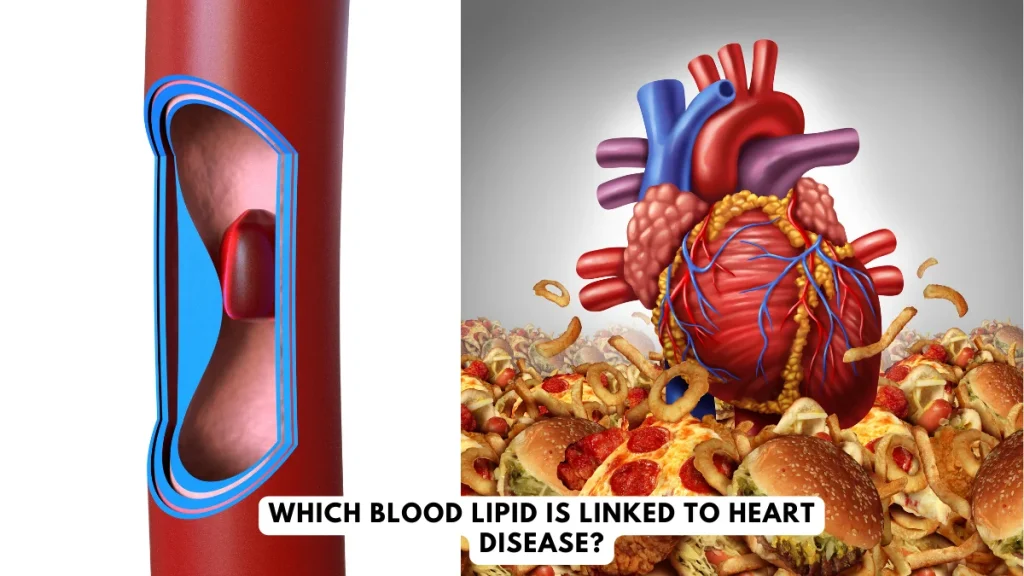
Blood lipids contain two of these lipids which include a type of fat called triglycerides and a waxy substance called cholesterol. Have you thought about which blood lipid is linked most directly to heart disease? Let’s know in this article about it. Blood lipids contain two of these lipids which include a type of fat called triglycerides and a waxy substance called cholesterol. Further cholesterol has two components that are low-density lipoprotein or LDL and high-density lipoprotein or HDH. The combo of High levels of LDL cholesterol and triglycerides and low levels of HDL cholesterol is linked to heart disease.
Link Between Heart Disease and Blood Lipids
High levels of LDL cholesterol which is often called the “bad” cholesterol, are associated with heart disease. LDL cholesterol can stick to the artery walls which encourages the formation of blockages or plaques. As the plaque builds up (a condition known as atherosclerosis) it reduces and ultimately blocks the flow of blood to the heart, which can result in chest pain and is a reason for a heart attack.
Low levels of HDL cholesterol or you may call them the “good” or “healthy” cholesterol, may also increase your risk of heart disease if not controlled properly. HDL cholesterol removes the “bad” LDL cholesterol from your body. If these HDL cholesterol levels are not quite high enough, then less of the “bad” cholesterol is removed.
Another reason associated with heart disease can be high levels of triglycerides because they are also a cause for abuildup of plaques. Triglycerides are stored in fat cells and their job is to supply your body with energy between meals.
What are triglycerides?
Triglycerides are a type of fat (lipid) found in blood composition. When you eat, your body converts any of the calories it doesn’t need to use right away into triglycerides. The triglycerides are stored in the fat cells and later, these hormones release triglycerides for energy between meals. Try to burn more calories than you eat regularly, particularly from high-carbohydrate food otherwise, you will have high triglycerides or hypertriglyceridemia.
What does it mean when your triglycerides are high?
High triglycerides mainly contribute to hardening or thickening artery walls also known as arteriosclerosis which also increases the risk of stroke and heart disease. Extremely high triglyceride levels can also cause acute inflammation in the pancreas commonly known as pancreatitis.
High triglycerides are often a sign of some conditions that increase the risk of heart disease and stroke and are the reason for obesity and metabolic syndrome which are many of the conditions that include very much fat around the waist.
High triglycerides can also be a sign of:
Type 2 diabetes or prediabetes.
Metabolic syndrome, which is a condition having high blood pressure, obesity, and high blood sugar, occurs altogether simultaneously, increasing your risk of heart disease.
Low levels of thyroid hormones or hypothyroidism.
Certain rare genetic conditions at birth affect how your body converts body fat to energy.
Sometimes, it is seen that high triglycerides are a side effect of taking certain medications such as:
Exercise regularly. Aim for a minimum of 30 minutes of physical activity on most or all days for a week. Regular exercise can lower triglycerides and boost “good” cholesterol. Try to inculcate more physical activity into your daily work.
Avoid sugar and refined carbohydrates as much as possible. It is seen that simple carbohydrates, like sugar and foods made with white flour or fructose, can increase triglycerides.
Lose weight. If you have mild to moderate hypertriglyceridemia then try to focus on cutting your calories. Extra calories are converted to triglycerides and stored in the body as fat. Thus it would be best if you reduced your calories to reduce triglycerides.
Choose healthier fats. Exchange your food habit of eating saturated fat found in meats for a healthier fat found in plants, such as olive and canola oils. Avoid consuming trans fats or foods with hydrogenated oils or fats.
Limiting how much alcohol you drink also helps control triglycerides. Alcohol is high in calories and sugar and has a particularly major effect on triglycerides. If you have severe hypertriglyceridemia then totally avoid drinking any alcohol.
Which blood lipid is linked to heart disease?
You must have often heard about good cholesterol and bad cholesterol. Cholesterol is one of the main lipids which is linked to heart disease. By link, we mean, its different levels may treat it, or make it worse. What you eat affects a lot of how healthy or unhealthy you get. Similarly, cholesterol is a blood lipid that contributes a lot to heart disease. By the term good and bad cholesterol, it must have been very clear that our body needs less amount of bad cholesterol and more amount of good cholesterol. Let’s dive deeper into this.
Good cholesterol, also called HDL cholesterol removes bad cholesterol from our body. If this is not done, this bad cholesterol can affect our hearts adversely. If the amount of good cholesterol in our body is low, less lousy cholesterol will be removed and we definitely don’t want that. So, levels of good cholesterol in our body should be high if we need to prevent ourselves from heart disease. There are many foods that are rich in good cholesterol. Including them in your diet can help you deal with heart problems very easily.
Which blood lipid is linked to heart disease
Olive oil is proven to be very beneficial in reducing the LDL cholesterol (bad cholesterol) in your body. Having a rich olive diet can help your heart remain healthy. Also, some people feel they should eat as littleoil as possible because they are heart patients. But here is good news for them. Olive oil has monounsaturated fat, which is very healthy for your heart. If some oils are bad for your heart, they are saturated fats. You can include olives in your breakfast. Or you may opt to use extra virgin olive oil in your diet, rather than any other refined oil.
Another eatable that is rich in HDL cholesterol is beans and legumes. These are foods rich in soluble fiber. Proven soluble fiber helps to reduce LDL cholesterol in your body. You can opt to eat kidney beans as your breakfast and can include lentils in your lunch. This will give a noticeable boost to your good cholesterol levels. And hence a noticeable reduction in your LDL cholesterol levels.
Not only foods, but regular exercise can also help in increasing the levels of HDL cholesterol in your body. Don’t jump into heavy exercises all at once. Start with walking. Set a time span for yourself and then, gradually keep on increasing it according to your comfort.
Stop smoking! You must have heard many people say that smoking is bad for health. And that smoking kills. But most of us ignore it completely. This can throw us into a lot of problems. Studies show that people who smoke have a very low level of HDL cholesterol in their bodies, which keeps decreasing as and when they smoke. So, if you want the HDL levels of your body to boost up, stop smoking right away and you will see the results.
To keep a check on your cholesterol levels, you can get a lipid profile test done. It would tell you the levels of all the important lipids in your body, and according to the reports, you can change or continue your eating and exercise schedules.
It’s not so difficult to keep your heart in good shape. And we, are always here to help you with it.
As we all know that heart diseases or cardiovascular diseases are causing death all over the world and if we take proper precautions or prevention steps then we would be able to save many lives. The good news is that there are many measures you can take to prevent heart disease, which is the leading cause of death globally. You can substantially reduce your risk of heart disease and live a longer, healthier life by making simple lifestyle changes. Prevention has a vital role when it comes to heart disease.
Heart disease prevention
Let us discuss the topic of heart disease preventionin detail.
Secondary prevention of heart disease:
In secondary prevention of heart diseases, the main focus is on the identification of the disease before there are any symptoms so that the effect of that disease on a patient’s life can be reduced. Here we will mainly focus on two heart disease preventionmeasures:
Medical interventions – Dyslipidemia, which means that there is an abnormal amount of lipids in a person’s blood, is considered to be one of the causes that leads to atherosclerotic cardiovascular disease or heart disease. In order to manage the number of lipids in the blood, doctors opt for statin therapy. This therapy is used in both primary prevention and secondary prevention. According to statistics and studies, it can be concluded that statin therapy can lower the mortality rate by 15-20%. Hypertension is another element that causes cardiovascular disease and beta-blockers can treat this. Beta-blockers help lower the effect of adrenaline, which ultimately lowers the heart rate of the patient.
Non-medical interventions – These consist of weight reduction, dietary reduction, and light alcohol consumption. Weight reduction is the most common non-medical intervention, and this is the reason why people are advised to keep their BMI between 18.5 to 24.9. Restrictions on diet are also important. A patient who is in danger because of their blood lipid are advised to consume fruits, vegetables, whole grains, poultry, fish, and low-fat dairy. Similarly, people having high blood pressure are advised to consume the same thing but with low levels of sodium in their diet. When it comes to the consumption of alcohol, consuming light to moderate amounts of alcohol will increase the chances of mortality in people who are in danger of developing cardiovascular disease.
Tertiary prevention of heart disease:
The main object of tertiary prevention is to help the person who is suffering from a long-term disease by improving the quality of life, ability to function, and expectancy of their life. In the discussion process of heart disease prevention, we will focus on two interventions that come under tertiary prevention and these two interventions are percutaneous coronary intervention and coronary bypass grafting.
Percutaneous coronary intervention is a process that does not involve any kind of surgery and is used to facilitate the condition of coronary arteries which get narrowed down in patients suffering from heart disease. Stenting is combined with coronary angioplasty, which basically means that a permanent wire-meshed tube that is either drug-eluting also known as DES, or made up of bare metal which is also known as BMS is inserted. Then the stent delivery balloon is inflated and this widens up the blood vessel.
Patients suffering from heart diseases can have their arteries blocked by plaque and in this scenario, coronary artery bypass grafting can be performed. In this surgical procedure, a healthy vein or artery is taken from the patient’s body and grafted to the blocked artery, this grafted artery or vein goes around the blocked artery. This results in the supply of oxygen-rich blood through the new passage to the heart.
Secondary prevention of Coronary Heart Disease:
Patients who have survived myocardial infarction or been through revascularization procedure are the perfect candidates to go through secondary prevention of coronary heart diseases because it will improve their quality of life and reduces mortality. These heart disease prevention consists of therapeutic lifestyle changes which include the management of weight, focusing on physical activity, and following a healthy diet. Treating the condition of high blood pressure and dyslipidemia also helps in reducing the mortality rate. Studies have shown that patients who have already been through myocardial infarction can reduce the occurrence of cardiac events if they take aspirin, angiotensin-converting enzymes, and beta-blockers.
Prevention of Congenital heart disease:
The heart condition where a newborn baby has an abnormal heart is known as congenital heart disease. This heart abnormality can have abnormal heart walls, abnormal heart valves, and abnormal blood vessels. In order to prevent this disease, women who are planning to get pregnant should take some heart disease prevention measures like conversing with their doctor regarding medications they are consuming, women who have diabetes should have a controlled sugar level before they become pregnant, if some women have a family history of congenital heart disease then they should ask for genetic screening and lastly, women should stop consuming alcohol and illegal drugs during their pregnancy.
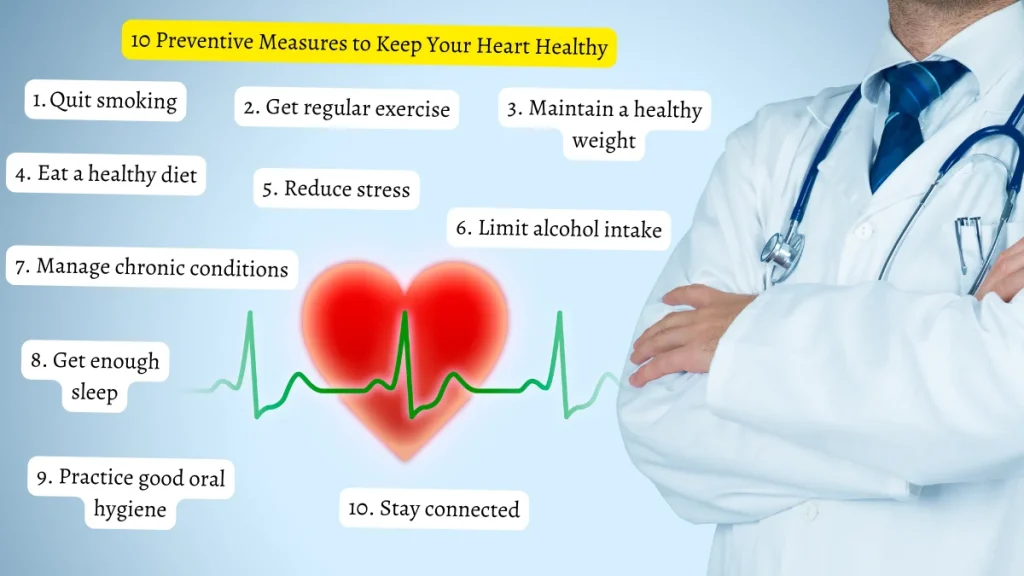
10 Preventive Measures to Keep Your Heart Healthy: Tips for a Stronger and Happier Life
Here are 10 precautions you can take to maintain a healthy heart:
10 Preventive Measures to Keep Your Heart Healthy
Quit smoking: Smoking is one of the most significant risk factors for heart disease; therefore, you should quit. The most essential thing you can do to protect your heart is to quit smoking.
Get regular exercise: Regular exercise can help lower blood pressure and reduce the risk of cardiovascular disease. Most days of the week, aim for at least 30 minutes of moderate-intensity exercise.
Maintain a healthy weight: Being overweight or obese can increase the risk of cardiac disease. Focus on maintaining a healthy weight by consuming a balanced diet and engaging in regular exercise.
Eat a healthy diet: A diet that promotes cardiac health should be rich in fruits, vegetables, whole grains, lean proteins, and healthy fats.
Reduce stress: Chronic tension can contribute to cardiovascular disease. To manage tension, try techniques such as deep breathing, meditation, and yoga.
Limit alcohol intake: Drinking excessive amounts of alcohol can raise blood pressure and contribute to cardiac disease. Limit your daily alcohol consumption to no more than one drink for women and two drinks for men.
Manage chronic conditions: If you have high blood pressure, high cholesterol, or diabetes, you should work with your healthcare provider to manage and keep these conditions under control.
Get enough sleep: Insufficient sleep can contribute to elevated blood pressure and other cardiovascular disease risk factors. Seven to eight hours of sleep per night is optimal.
Practice good oral hygiene: Inadequate oral health has been associated with an increased risk of cardiovascular disease. Regularly brush and floss, and see your dentist for exams.
Stay connected: Maintaining social connections and having a solid support system can aid in reducing stress and protecting heart health.
By adhering to these ten preventative measures, you can significantly lower your risk of heart disease and live a healthier, more fulfilling existence. Remember that it is never too late to make improvements to your heart health.
Frequently Asked Questions (FAQs) about heart disease prevention
Q. What are 10 ways to prevent heart disease?
Ans. There are many ways to prevent heart disease, including: 1. Quit smoking 2. Maintain a healthy weight 3. Eat a balanced diet 4. Exercise regularly 5. Manage stress levels 6. Control high blood pressure 7. Manage diabetes 8. Control high cholesterol levels 9. Limit alcohol intake 10. Get enough sleep By following these preventive measures, you can reduce your risk of developing heart disease.
Q. What are 5 ways to prevent heart disease?
Ans. Here are five ways to prevent heart disease: 1. Quit smoking 2. Exercise regularly 3. Eat a balanced diet 4. Maintain a healthy weight 5. Control high blood pressure By following these five simple steps, you can lower your risk of developing heart disease and improve your overall health.
Q. What are the 4 ways to prevent heart disease?
Ans. Here are four ways to prevent heart disease: 1. Eat a healthy diet 2. Exercise regularly 3. Manage stress levels 4. Quit smoking By incorporating these healthy habits into your lifestyle, you can reduce your risk of developing heart disease and improve your heart health.
Q. How is heart disease prevented?
Ans. Heart disease can be prevented by making lifestyle changes such as: 1. Eating a healthy diet 2. Maintaining a healthy weight 3. Exercising regularly 4. Quitting smoking 5. Managing stress levels 6. Controlling high blood pressure 7. Managing diabetes 8. Controlling high cholesterol levels 9. Limiting alcohol intake 10. Getting enough sleep By following these preventive measures, you can reduce your risk of developing heart disease and improve your heart health.
How Depression and Anxiety are Linked? If you’re wandering around and seeking how can heart disease cause depression? Then you landed in the right place. Actually, Depression is the cause of a number of health problems in the patient.
If you’re wandering around and seeking how can heart diseases cause depression? Then you landed in the right place. Actually, Depression is the cause of a number of health problems in the patient. When your mind isn’t there in the correct place, your heart can definitely not be happy. Depression is a leading cause of suicides all over the world. Not only this, a depressed person lacks self-confidence and finds it difficult to go hand in hand with the world. He feels incapable of doing anything on his own and also, creates a blurred life in his vision.
how heart disease causes depression and anxiety
Depression doesn’t let one think clearly and this is the main reason why people with depression can neither take care of themselves nor of anyone else.
Does heart disease cause depression?
On the other hand, heart diseases are quite common among the population of the world. Have you ever thought that both of these could be related? Yes. The truth is that both of them are very much responsible for each other. A person with heart disease can often feel himself in depression and similarly, a person with depression may push himself toward heart disease. To keep your mind healthy, you need to keep your heart healthy and this is true the other way around also. Hope you get your answer about how can heart diseases cause depression. If not, then keep reading. We explained it in a better way.
This is how heart diseases cause depression
The heart is one of the main organs that keep your body functioning. An unwell heart can put your life in danger. So, when a person encounters any heart disease, he sometimes starts to get afraid of it. He starts to feel insecure about life and his actions. This leads him to blurry thoughts and forces him to feel that he is in danger. Apart from this, people who have survived a heart attack are also likely to fall into depression. They feel least confident about whatever they do and hence, find themselves in an unclear space.
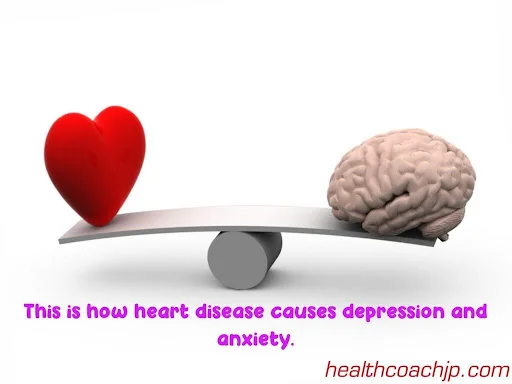
This is how heart disease causes depression and anxiety
Heart diseases can have an irreversible effect on the minds of people. These people need to be assured that they can be fit and fine again if they follow some basic life rules which include exercising regularly, eating healthy, etc.
This is how depression causes heart disease
You must have experienced that whenever you feel low, eating your favorite food brings you back to normal and you are happy again! Similarly, a depressed person may eat all sorts of unhealthy food to keep up with his mood, and these unhealthy things can put him in danger of heart disease.
Also, a person who is depressed is unable to think and act clearly, and hence, it becomes very difficult for him to take care of himself and his health. He is unable to figure out the things that will affect his health adversely and the ones that will help him become healthy. in this case, it is very likely that people with depression may develop heart diseases due to unhealthy eating and an unhealthy lifestyle.
The need of the hour is to educate people about the positivity they should surround themselves with. These positive vibes can keep them away from all the bad thoughts they encounter. These vibes help them cope with the difficulties of life and let them keep their hopes high. The person develops faith in themselves and becomes confident in themselves.
Can heart disease cause depression and anxiety?
Both depression and anxiety disorders are associated with the development and progression of heart failure including rates of mortality, likely mediated through both physiologic and behavioral mechanisms.
Can heart disease cause depression and anxiety?
The mechanism linking depression/ anxiety and adverse health outcomes in heart failure
Both physiologic and behavioral mechanisms may help to explain the association between negative psychological states and outcomes in patients with Heart Failure.
heart disease causes depression and anxiety outcomes in heart failure
Management of Depression and Anxiety disorders in Heart Failure
Both Psychotherapeutic and Mediation treatments are available for depression and activity disorders in patients with heart failure.
Psychotherapy offers several advantages over pharmacotherapy.
First, it can be customized for individual patients.
Secondly, it has no known side effects or interactions with patients in cardiac medications.
Cognitive Behavioural Therapy (CBT) is the only psychotherapeutic treatment that has been tested systematically in heart failure patients with beneficial effects.
Regarding Medications for major depression, GAD, PTSD, and Panic disorder, Antidepressants particularly selective serotonin reuptake inhibitors (SSRIs) are the first treatment.
How can coronary heart disease cause depression?
Depression and Coronary Heart Disease are common conditions that often occur together. Evidence shows that the co-occurrence of these illnesses is not random but driven by depression as a risk factor for the occurrence and progression of coronary heart disease. This link is due, in part to the impact that depression has on neuron endocrine pathwaysleading to increased platelet activation, cortical and catecholamine excess, and altered autonomic nervous system function that influences the pathogenesis and progression of coronary atherosclerosis and subsequent Heart diseases.
In-developed expression is a risk factor for the development and progression of coronary heart disease. Depression affects neuron endocrine pathways, leading to increased platelet activation, cortisol and catecholamine excess, and altered autonomic nervous system function. Treatment of depression includes education, counseling, antidepressants, and referral, when indicated, improves symptoms of depression and may improve the chemical course of Coronary Heart disease.
In the case when a heart attack which is often when a person is first diagnosed with heart disease– it’s completely normal to feel moody, distressed, or irritable. Anxiety, which often goes hand in hand with depression, is common as well. People who undergo bypass surgery or a heart valve operation can take months to fully recover physically, and this stress also can take a toll on their mental health. People often have trouble sleeping and feel fatigued. But if those symptoms don’t gradually improve over time, they could be signs of depression.
It’s very important to keep your heart and mind healthy. as this is what keeps you going. Also, it’s not even so difficult to do so. We are here to guide you through. Stay tuned!
Frequently Asked Questions (FAQs) about heart disease causes depression
Q: Can heart disease cause depression and anxiety?
A: Yes, heart disease can cause depression and anxiety. People with heart disease are more likely to experience mental health issues.
Q: How does heart disease cause anxiety?
A: Heart disease can cause anxiety by disrupting the normal functioning of the heart and causing physical symptoms like chest pain, shortness of breath, and palpitations. These symptoms can lead to fear and anxiety.
Q: Can heart disease make you depressed?
A: Yes, heart disease can make you depressed. People with heart disease may feel a sense of loss of control, fear, and uncertainty about the future, which can contribute to depression.
Q: What do heart disease and depression have in common?
A: Heart disease and depression are linked because they both affect the body’s cardiovascular system. Depression can also increase the risk of heart disease, and people with heart disease are more likely to experience depression.
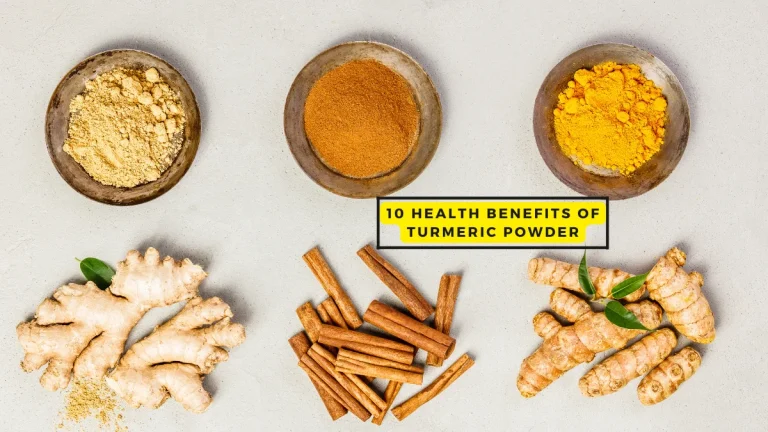
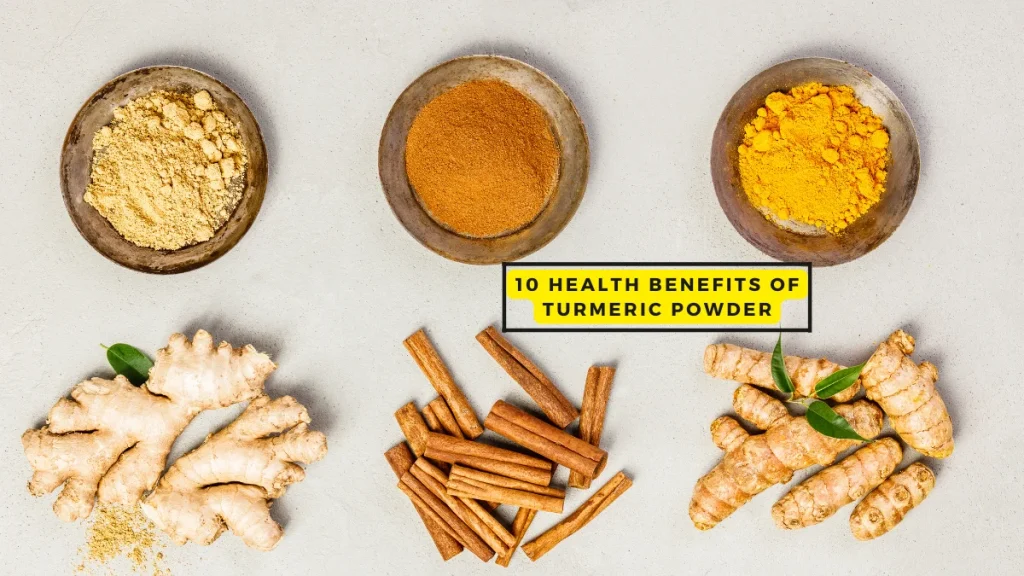
Turmeric, or the golden spice, also known as Indian saffron, is a plant grown mainly in the central part of America and Asia. You will find it on the kitchen shelves/cabinets of nearly every Asian house in the form of turmeric powder.
The turmeric powder’s bright yellow color has stimulated people to use it as a dye. This spice powder is also used to cook different curries, mainly in Asian countries.
Today, turmeric is sold commercially as capsules, powders, extracts, and teas.
Benefits of Turmeric Powder
But, what’s most important about turmeric that we have not discussed till now is turmeric curcumin. It’s an active turmeric ingredient that encompasses powerful biological properties.
The curcumin in turmeric makes it an extremely effective and beneficial nutritious supplement.
Curious to learn more about turmeric powder and the health benefits of its curcumin?
Wanna know what turmeric is good for? Then, keep reading on, and we promise we will give you all the details about the health benefits of turmeric.
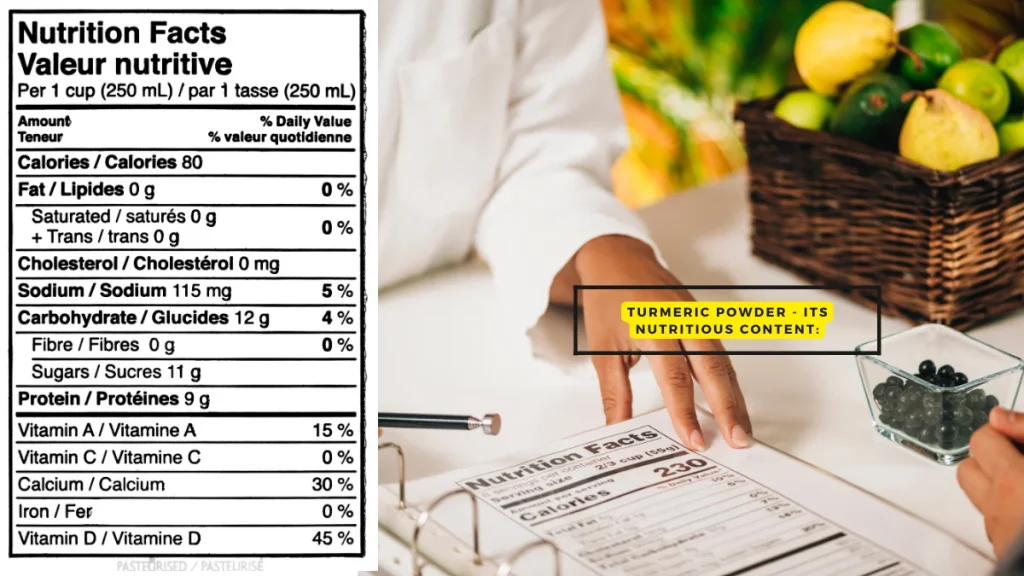
Turmeric Powder – Its Nutritious Content:
As per the National Nutrient Database of USDA (United States Department of Agriculture), 1 tbsp (tablespoon) of this spice comprises 29 calories. Also, it encompasses 0.31 grams of fat, 2.1 grams of fiber, 0.91 grams of protein, and 6.31 grams of carbohydrates.
Nutrition Facts about Turmeric Powder
Besides, turmeric powder also has 0.3 grams of sugar, 26 percent of manganese, and 5 percent of potassium. In addition to these, 16 percent of iron and 3 percent of Vitamin C have also been found in turmeric.
How To Use Turmeric Powder? What Does Turmeric Do?
Since turmeric is an extremely versatile spice, you can use it in various ways to cook your food or for other purposes. Turmeric helps in cooking, dressing, preparing medicine, formulating supplements, etc. Here’s how to use turmeric powder for various purposes:
Mix turmeric powder with other spices and add the mixture to your curry/barbecue rub.
Turmeric helps you make a homemade dressing. Just prepare a mixture by stirring part oil, different seasonings, turmeric, and part vinegar within a container and apply it to your wounded area.
Transform your go-to marinades just with the use of turmeric.
You can also prepare some delicious as well as healthy recipes, as recommended by dieticians, with the help of turmeric. They are mason jar lentil salad, mango turmeric smoothie, gold rush soup, cumin-lime turmeric vinaigrette, and turmeric milk.
Turmeric powder is also used for making turmeric supplements, turmeric pills (capsules), fluid turmeric, turmeric extracts, and turmeric tinctures. These products are combined with pineapple-derived protein extracts to make the effects of turmeric and its absorption more productive. You can purchase turmeric supplements from online stores, but only with a doctor’s recommendation, guaranteeing you that it’s safe for your use.
Is Turmeric Good For You? 10 Health Benefits Of Turmeric:
A strong biological ingredient exists in turmeric that is very good for your health and has many beneficial effects on the human body. Its name is turmeric curcumin. The health benefits of turmeric curcumin are as follows:
10 Health Benefits Of Turmeric Powder
1. The Bioactive Compounds In Turmeric Powder Will Function Like Medicine In Myriad Conditions:
Turmeric contains about 3 percent of turmeric curcumin in it, which is not very high. When various studies are done on this herb, turmeric extracts are taken for the research with curcumin in a dosage of more than 1 gram/day.
However, when you use turmeric in the form of spice within your foods, you will find it very difficult to catch those levels. It’s the reason why a few people prefer to consume turmeric in the form of supplements.
Nevertheless, your bloodstream absorbs turmeric curcumin very poorly, and so to get turmeric curcumin’s full effects, you have to improve its bioavailability.
Bioavailability refers to the rate at which one’s body consumes a substance. Consuming turmeric and black pepper (containing piperine) enhances curcumin absorption in your body by 2000 percent.
If you see the wrapper of the best turmeric curcumin supplements, you will find in the ingredients list that they comprise piperine, making them considerably more beneficial.
Being fat soluble, curcumin also breaks down fat/oil and dissolves in it. So, if you take the supplements of curcumin along with a high-fat meal, it will be best for you.
2. The Curcumin In Turmeric Will Help You By Acting As A Biological Anti-inflammatory Compound:
Among various turmeric benefits for men as well as women, the biological anti-inflammatory property of turmeric curcumin is very important.
Acute short-term inflammation in a person’s body is crucial because it helps combat the foreign invaders of his body and repairs the body’s damage.
However, when the same inflammation turns chronic, it becomes a matter of concern as it will attack the tissues of your body.
According to Scientists, chronic low-level inflammation results in a few health conditions or diseases such as heart ailment, cancer, Alzheimer’s disease, several degenerative conditions, and metabolic syndrome.
The bioactive substance of turmeric curcumin fights chronic inflammation, thereby preventing and treating this condition. However, only if you can consume high doses of curcumin you will see medicinal effects.
3. Turmeric Curcumin Has The Power To Increase Your Body’s Antioxidant Capacity:
Aging and other diseases happen because of many reasons. One of them is oxidative damage to your body. It encompasses highly reactive free radical molecules with electrons of unpaired types.
These free radicals usually react with vital organic substances, such as fatty acids, DNA, and proteins. Turmeric powder consumption enhances your body’s antioxidant potential, which, in turn, defends your body from independent radicals.
Curcumin, being a potent antioxidant, neutralizes free radicals because of its chemical configuration. Researchers, after researching animals and cells, have found that there’s a chance that curcumin may obstruct the movement of independent radicals and promote the activities of other antioxidants. However, the same research is still pending on human beings.
4. Turmeric Curcumin Facilitates The Improvement Of Brain-derived Neurotrophic Factors:
There was a time when scientists were not as knowledgeable about neurons as they are today. Then, it was assumed that they were incapable of doing proper division or multiplication after their early childhood.
However, everyone, as well as they are now sure that this was not the case. Neurons have the power to form new connections and are capable of increasing in number through multiplication within certain brain areas.
And BDNF, or Brain-Derived Neurotrophic Factor, is one of the fundamental drivers of this method.
This gene creates a protein that is liable for stimulating the neurons’ life. The protein of BDNF boosts your memory and learning ability and is found in different brain areas that are responsible for your body weight, drinking, and eating.
If the BDNF protein level decreases, many brain disorders, like depression, Alzheimer’s disease, etc., may take place.
An interesting fact (as founded after scientific research on animals) about turmeric curcumin is that it has the capability of increasing BDNF’s brain levels. Committing this results in delayed or reversed brain diseases or age-related drops in brain functions.
However, it is very hard to assert if it will do the same for humans or not since no study has been performed on humans up til now. Turmeric curcumin is also helpful in improving memory and attention.
5. With The Consumption Of Turmeric Powder, You Can Lower Your Heart Disease Risk:
A lot of people in this world are dying every day. And one of the primary reasons for such deaths is heart disease. Heart diseases happen in some processes, and curcumin has the power to reverse the steps of those processes.
Secondly, heart disease also happens due to endothelial dysfunction, which is a leading driver of heart ailment. It happens when your endothelium fails to regulate blood coagulation, blood pressure, or other factors.
The curcumin present in turmeric powder improves the endothelium’s (your blood vessels’ lining) functions. Also, many other studies imply that turmeric curcumin is good for heart health. It benefits in the same manner as exercise benefits in the case of post-menopausal women.
Besides, turmeric powder also lessens inflammation and oxidation, the two processes involved in the emergence of heart diseases. As per research, with the consumption of curcumin decreases your heart attack risk by 65 percent.
6. Turmeric Powder May Save You From Cancer:
Curcumin, being a beneficial herb, also helps in the treatment of cancer (as found by some studies). Also, it impacts the growth and development of the cancer cells and thus saves you from cancer.
According to various research and studies, turmeric curcumin kills cancerous cells, reduces angiogenesis (the expansion of new and unique blood vessels within different tumors), and reduces metastasis or cancer spread. However, scientists are still researching whether or not curcumin, if given in high doses along with piperine, can treat cancerous cells in humans.
Nevertheless, evidence shows that curcumin has prevented cancer cells (especially colorectal cancer cells) from multiplying further.
7. Turmeric Curcumin May Treat Alzheimer’s Disease:
Being one of the most popular kinds of dementia, Alzheimer’s disease contributes to up to seventy percent of dementia cases. Though there’s no cure for this ailment, you can prevent it from happening in the future. Wanna know how? Through the consumption of turmeric curcumin. Thanks to the curcumin’s property of crossing a human’s blood-brain barrier.
Alzheimer’s disease usually happens because of inflammation and oxidative trauma, and we now know that curcumin is beneficial for curing both of them.
Curcumin also assists in clearing the amyloid plaques (protein tangles buildup). Now, one can’t surely state if curcumin is able to slow or reverse Alzheimer’s disease or not because the studies have not confirmed it until now.
8. The Turmeric Supplements Work Well On Arthritis Patients:
Being a strong anti-inflammatory compound, curcumin helps in fighting arthritis. Also, as per studies, people who have rheumatoid arthritis consume curcumin, which becomes more effective than any anti-inflammatory drug.
9. The Curcumin Of Turmeric Frees Out Your Depression:
Evidence shows that curcumin has treated depression for some people just as Prozac does. This component of turmeric is as useful as any antidepressant. Besides, depression happens when the BDNF level of a person gets reduced or the hippocampus (an area of your brain that helps retain memory and continue learning) gets shrunk.
And, with the consumption of turmeric curcumin, the changes get reversed potentially. Moreover, evidence has been found that curcumin also assists in boosting serotonin and dopamine (the two neurotransmitters of your brain).
10. Turmeric Powder Helps You Stay Young:
Turmeric powder greatly helps prolong your youthful beauty. This is because it comprises the potential of an anti-aging supplement.
Besides, it is believed that both inflammation and oxidation help in aging, and turmeric powder curbs these processes from happening, thereby preventing your age-related issues.
Turmeric Powder – 3 Side Effects:
Though turmeric’s side effects are a few as compared to its health benefits, still the stakes of its side effects are worth considering.
1. Your Stomach May Get Upset:
There are some agents in turmeric powder that support your digestive health. However, if absorbed in huge proportions, the same agents may result in stomach irritation.
A few researchers who were studying the health benefits of turmeric regarding the treatment of cancer have ceased their studies because they have found that the consumption of turmeric may negatively affect the digestion of cancer patients.
The spice, if consumed in excess quantity, may stimulate gastric acid production within your stomach. Though this is good for some people’s digestion, chances are there that it negatively affects other people’s health.
2. Your Blood May Get Thinned:
Turmeric powder encompasses purifying properties and may thus result in easier bleeding frequently. Though there’s no clear reason to support this statement, it is believed that there’s some relation between the function of turmeric within your blood and its other benefits of lower cholesterol and lower blood pressure.
So, are you someone who uses warfarin (Coumadin) type blood-thinning drugs? Then, immediately stop taking large portions of turmeric in your diet or in other forms.
3. Turmeric Powder May Stimulate Contractions:
Though it has not been proved (through enough evidence) yet that turmeric can induce labor, many still believe so. So, it is safe for pregnant women to avoid eating foods seasoned with this spice.
Also, they should avoid ingesting turmeric supplements for their blood-thinning properties. However, if you add a small quantity of this spice to your food, it will not give you any health issues at all.
Wrapping Up:
Though turmeric curcumin of turmeric encompasses several benefits, it has side effects too, so you should consume turmeric powder with restrain, that is, in small quantities. By doing so, you will get the benefits of turmeric and can avoid its side effects at the same time.
Frequently Asked Questions (FAQs) about the health benefits of turmeric
Q. What is turmeric good for?
Ans. Turmeric is mainly good for treating skin disorders and disorders of the upper respiratory tract, joints, digestive system, etc. It’s nowadays used in the form of dietary supplements for dealing with a variety of ailments like arthritis, respiratory infections, liver disease, digestive issues, allergies, depression, etc.
Q. Who should not use turmeric?
Ans. Those people who have issues with their liver should not consume turmeric in any form. Also, consuming turmeric powder, turmeric supplements, etc, during or after surgery is strictly prohibited. This is because turmeric slows down blood clotting. Besides, turmeric might induce extra bleeding during the time of surgery or after it is done. So, it’s better to stop the intake of turmeric powder or turmeric in any other form from 2 weeks before the scheduled date of your surgery.
Q. Is it good to take turmeric every day?
Ans. You can consume up to a maximum of 8 gm of turmeric each day. However, according to Hopsecger, in general, it will be better if you keep the intake of this spice limited to 500-1000mg/day. For optimal absorption of turmeric powder, you should try devouring heart-healthy fats such as oils, nuts, seeds, avocados, etc.
Q. Can turmeric burn belly fat?
Ans. As per Tufts University’s conducted study, the curcumin present in turmeric can suppress the growth of the fat tissue in your body. Besides, turmeric is known for regulating sugar levels and preventing insulin resistance. As a result, excess fat is produced, and your body doesn’t retain it. So, turmeric helps you lose weight.
In winter, the skin often becomes dry and lifeless, which causes many skin problems to arise. By the way, there are many good moisturizers and lotions in the market that can provide a lot of benefits for the skin in winter. These moisturizers can be very expensive, and a common man cannot buy them. But people often have the same question: how do you take care of your skin in winter? This question is very natural in winter because the skin becomes very dry and lifeless in winter.
10 Essential Winter Skincare Tips for a Healthy Glow
Everyone’s skin type is different, according to which moisturizers will be available in the market. But along with moisturizer, lotions, and cream, there are many such things in the house, with the help of which you can take care of your skin in winter. If you also want to know homemade tips for winter skin care, then this article is for you only. Today, we will tell you in this article how to take care of yourskin naturally in winter.
Know the Top 10 Healthy Winter Skincare Tips
The skin becomes very dry in winter, although there are many products in the market that take care of the friendship. But as you said, a common man cannot buy such expensive products for his screen. Below, we will give you some tips for healthy winter skin that you can use at home in winter.
Top 10 Healthy Winter Skincare Tips
1. Take a good diet
Like everyone, you would also want your skin to glow in winter, but if you want your skin to glow, then you have to take a good diet daily. What you eat has a direct effect on your body and skin. You have to eat foods that are rich in antioxidants. There are many green vegetables in the winter season, which you have to consume daily. Green vegetables contain many nutrients which help a lot in making your skin glow.
In the winter season, you can take vegetables like Bathua, Fenugreek, Mustard, Spinach, etc. We should also consume foods with little fat in winter as it helps in keeping our skin soft. For fatty foods, you can take fish, almonds, and peanuts.
2. Use coconut oil
Coconut oil is easily available in every household. This oil is very pure; there is no adulteration in it. This is the reason why people use it for their screens, no chemicals are used in it. Coconut oil is very good for the body; it heals the damage caused to the skin and prevents skin infections. Coconut oil can be applied anywhere on the skin, such as under the eyes, on the lips, and anywhere on the skin, because it does not cause any harm to the skin.
3. Use almond oil
You all know how good almond oil is for skin and hair. Almond oil contains nutrients like vitamins A and E, as well as zinc, which are very good for the skin. Applying almond oil under the eyes reduces dark circles; apart from this, it also reduces pimples on the face. It acts as a perfect sun cream; it prevents the skin from drying while protecting it from the harmful rays of the sun.
4. Use rose water and cream
You know how good laxative water is for the skin; you can use it anywhere on the lips and face. Even our elders always say how beneficial the cream is for the skin and lips. When rose water and cream mix together, how much benefit they can give to the skin? You can experiment by making a face pack of both of these; rose water will help in improving the skin. Make a paste by mixing cream and rose water and apply it on the skin; you can apply it 3 to 4 times a week.
5. Use a banana
Bananas contain many nutrients which are very beneficial for the skin and body. It helps to remove acne from the skin. You can also use neem and turmeric in bananas to apply to the face. It prevents your skin from drying; you can apply it by making a face pack. For this, you have to mash a little banana in a bowl and make it like a paste. Mix a little honey in it and mix it well. Apply this pack to the face and leave it for 15 minutes.
6. Use milk and almonds
Milk and almonds contain different nutrients which are beneficial for the skin. A mixture of milk and almonds removes the problem of freckles occurring in the winter season. Apart from this, it plays the most important role in keeping the skin hydrated. It is also very beneficial in removing unwanted stains and spots.
7. Glycerin is very beneficial
Glycerin is one of the oldest and most valuable things used on the face and skin. It protects the first and main layer of our skin. Apart from this, you can also use glycerin by mixing it in creams and lotions, which also relieve skin rashes and wounds. You can also use glycerin by mixing it in rose water, etc.
8. Papaya keeps the skin good in winter
Papaya contains many nutrients that are very beneficial to the body. Papaya is mainly eaten in summer; it kills the heat in the stomach. Papaya can be used on the face in winter; it provides many benefits to your skin. To use it, you have to take ripe papaya and wash it thoroughly. Now, you have to mash the papaya well but apply its paste on the whole face. You have to leave the papaya paste on the face for at least 15 to 20 minutes. After 15 to 20 minutes, wash the face thoroughly with cold water. If you want to get quick results, you can also add a little milk to the papaya paste. It helps rejuvenate your skin and removes the spots present on it.
9. Sandalwood powder is beneficial
Along with sandalwood, sandalwood powder is also very beneficial for the skin. The effect of sandalwood is cool, applying it on the face removes the problem of your skin. To apply sandalwood powder on the face, you can prepare a paste by mixing a little gram of flour and rose water in sandalwood powder. Please mix the paste well; you can leave this paste on the face for 15 to 20 minutes. After this, you have to clean your skin properly with water. That’s why you can use it two to three times a week; it will bring a glow to your face and nourish your skin.
10. Aloe vera gel
Aloe vera gel is very beneficial for the body; by using it on the skin, the skin always remains hydrated and moisturized. Apart from this, you can use aloe vera gel to keep your skin moist during the winter season. Many facial problems end with aloe vera gel. If you have any kind of rash on your skin, then you can use aloe vera gel.
Winter skincare routine Home Remedies
As you all know, your skin needs extra care in winter. If you do not take care of the skin, then your skin can get damaged. How to take care of your face in winter? You skate by following a winter skincare routine with the things you have on hand.
Winter skincare routine Home Remedies
1. Clean the face with face wash
First thing in the morning, you must wash your face with face wash. It is very important to wash your face daily, it removes the dirt present on the face. You have to take any face wash according to your skin type and wash your face thoroughly with it in the morning and before going to bed. If you do not have a face wash, you can wash your face with milk.
2. Massage the skin
Many people think that aloe vera is used only in summer. The question that also comes to your mind is, Can aloe vera gel be used in winter? The simple answer is yes: aloe vera benefits the skin. After washing your face and skin, you have to massage the skin well, for which you can use Aloe Vera. You have to apply aloe vera gel on the face and massage it well, after that clean the face.
3. Moisturise the skin
The problem of dryness of the skin is very common in winter; due to dry skin, your skin can also deteriorate further. That’s why it is your duty not to let your skin dry, but to moisturize it. The most important step in the skincare routine is to keep the skin moisturized. The same thing is often seen in women. They always take care of their faces and forget their hands and feet. You also need to moisturize the skin of your hands and feet. If you can’t buy moisturizer, then you can also use coconut oil instead.
Take-Home Points
It is very important to take care of the skin in winter, as compared to other seasons, the skin becomes more lifeless in winter. Our skin always protects us from many dust particles, so we must keep our skin safe. Skin needs our care the most in winter; many moisturizers, creams, cleansers, etc, are available in the market that help keep your skin safe in the winter season.
But it can be a bit difficult and expensive for a common man to buy all this. But there are many such home remedies, too, with the help of which you can keep your skin safe in the winter. Today, we told you about some home remedies that will save you from dry skin in winter and keep your skin glowing. Apart from this, we also told you about this good winter skincare routine. You can keep your skin glowing and moisturized in winter by following it daily. I hope you like this information very much. If you have any questions in your mind, then you can ask them directly in the comment box. Thanks for reading the article.
Frequently Asked Questions (FAQ) on Healthy Winter Skincare Tips
Q. How to protect the skin in the winter season?
Answer: To protect your skin in winter, you should moisturize daily, wash your face with clean water daily, and avoid using hot water and soap as much as possible to wash your face. Apart from this, protect your face from the sun’s rays, for which you can use sun cream. If you do not have a moisturizer, use coconut oil instead.
Q. Which oil is best for the skin in winter?
Answer: Almond oil and coconut oil are the best oils to apply on the screen during winter.
Q. Can aloe vera gel be used in winter?
Answer: Yes, aloe vera gel can be used in winter, it protects your skin from dryness and keeps skin moisturized in winter.
Q. How can I glow my face in winter?
Answer: You can apply honey mixed with rose water to make your face glow in winter. Apart from this, by adding a little butter and honey alone, you can apply it to your face by making flesh.
Q. How to take care of your face in winter naturally?
Answer: You have to use coconut oil for skin care in winter, apart from this you have to drink a lot of water. You can also apply honey, aloe vera, curd, milk, and laxative water on your face.
Q. Best moisturizer for skin in the winter season?
Answer: Here is the list of some best moisturizers for skin in the winter season. Vaseline deep moisturizer, Nivea body milk, parachute deep moisturizer, ponds Triple vitamin, and Lakme peach milk moisturizer.
Q. Best facewash for skin in the winter season?
Answer: Patanjali honey orange face wash, clean and care natural bright face wash, Lakme blush and glow face wash Himalaya aloe vera face wash, etc. These are the best face wash for the skin, which you can easily find in any store.
Fiber is essential for our body, a nutrient we get from many fruits and vegetables. Including high-fiber foods in your diet helps your intestine convert and remove waste from your digestive system.
Fiber is easily obtained from the foods you eat daily, such as fruits, plants, and vegetables. It is an essential nutrient and can benefit your body.
Top 10 High-Fiber Foods
Fiber is very important for the body. It removes constipation and reduces cholesterol. It also helps prevent deadly diseases like cancer and heart disease.
Would you like to know more about fiber? If so, then stay tuned because this article is for you. Here, we can help you if we provide you with some vital information related to fiber.
What is fiber?
Fiber is a nutrient that we get from many foods, such as fruits and vegetables. Fiber is divided into two types based on its solubility:
Soluble fiber dissolves easily in water.
Insoluble fiber – This type of fiber does not dissolve in water.
There is a lot of overlap between these two fibers. Good bacteria can digest soluble fiber in your gut.
There are many types of foods that contain soluble and insoluble fiber.
10 Best High-Fiber Foods
You must be consuming essential high-fiber foods daily, which you may not even be aware of. Let us tell you about all those foods for your knowledge.
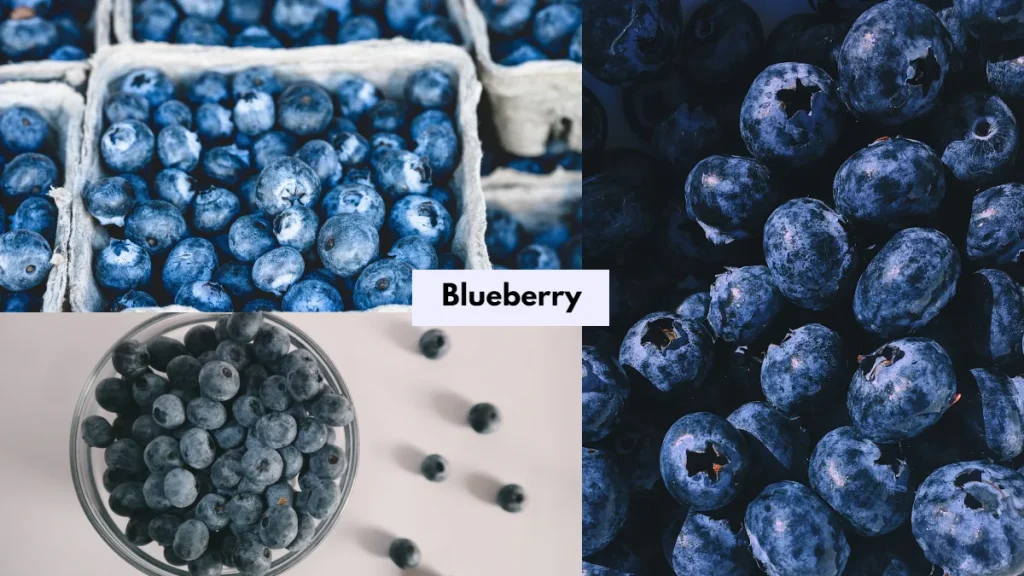
1. Blueberry
Blueberries are a fruit that contains many nutrients and is rich in fiber. One cup of berries contains at least 4 grams of fiber, and one cup of frozen blueberries has as much fiber as seven blueberries and strawberries.
Blueberry- High-Fiber Foods
Overall, blueberries are a good source of fiber. One benefit of blueberries is that they reduce the calories in your body to a great extent.
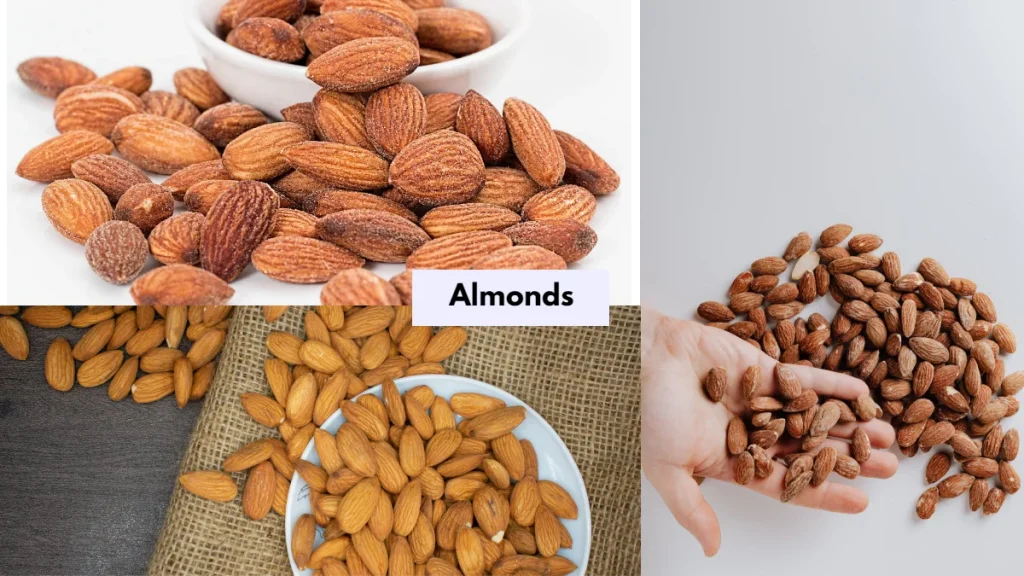
2. Almonds
Almonds are a dry fruit that is a high source of fiber. Along with fiber, almonds contain many nutrients, including Vitamin E, Magnesium, and Manganese.
Almonds- High-Fiber Foods
All these nutrients are very beneficial for the body and the bones. If your body’s cholesterol is very high or you have any heart problems, then you can consume almonds regularly.
3. Broccoli
Broccoli is a heavy vegetable that contains many nutrients. It is rich in antioxidants and high in fiber and vitamin E. It has high amounts of inorganic nitrates, making it a pre-workout food; it promotes exercise and helps control sugar. One broccoli contains 3 grams of fiber.
Broccoli
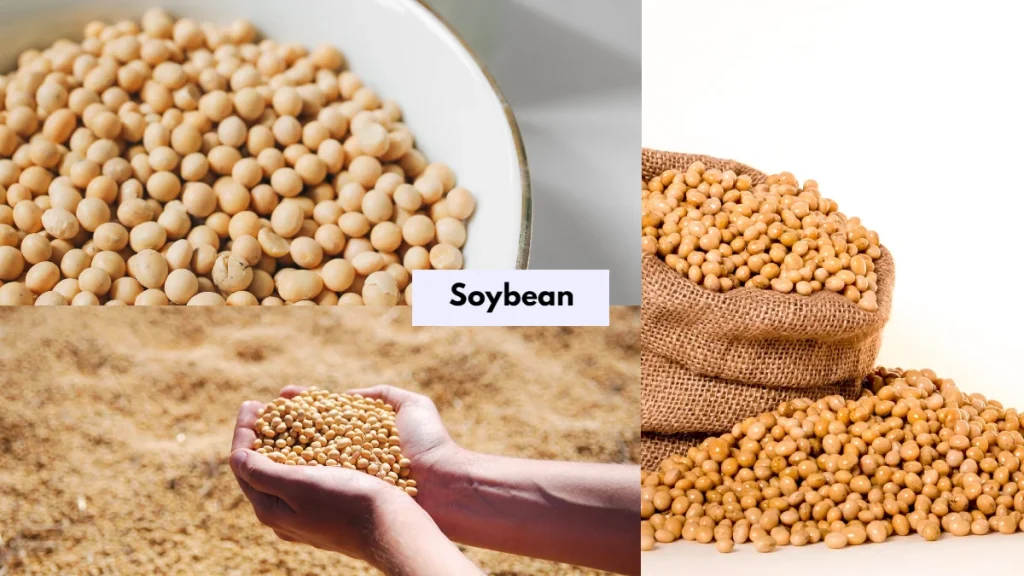
4. Soybean
Soybean is one such food item that contains high amounts of protein. It includes a moderate amount of dietary fiber, which can benefit your diet.
Soybean
Additionally, because soybeans can be prepared in various ways, you have several options for cooking them. Soy flour, tofu, soy milk, and soybean oil are some examples of products made from soybeans.
These ingredients can be employed in various ways and will quickly increase your dish’s fiber and nutritional content.
5. Pumpkin
Pumpkin is a well-known vegetable. It is also an excellent source of fiber, adequate levels of vitamins A and K, and minerals like calcium.
Pumpkin
Pumpkins are certainly good for digestive health. Consuming them regularly can provide 10.7% of the daily recommended amount of fiber.
Its calcium and vitamin richness also elevate it to the status of a superior food that can act as an antioxidant and benefit your bone density.
6. Apple
The doctor always recommends that we eat an apple every day. It fulfills the daily fiber intake in your body. Apples should be a staple in any diet that aims to lose weight as they improve digestion.
Apple
This fruit is a powerful antioxidant that can reduce the concentration of free radicals in your bloodstream, reducing the risk of oxidative damage. It also contains additional essential nutrients like vitamins C and A.
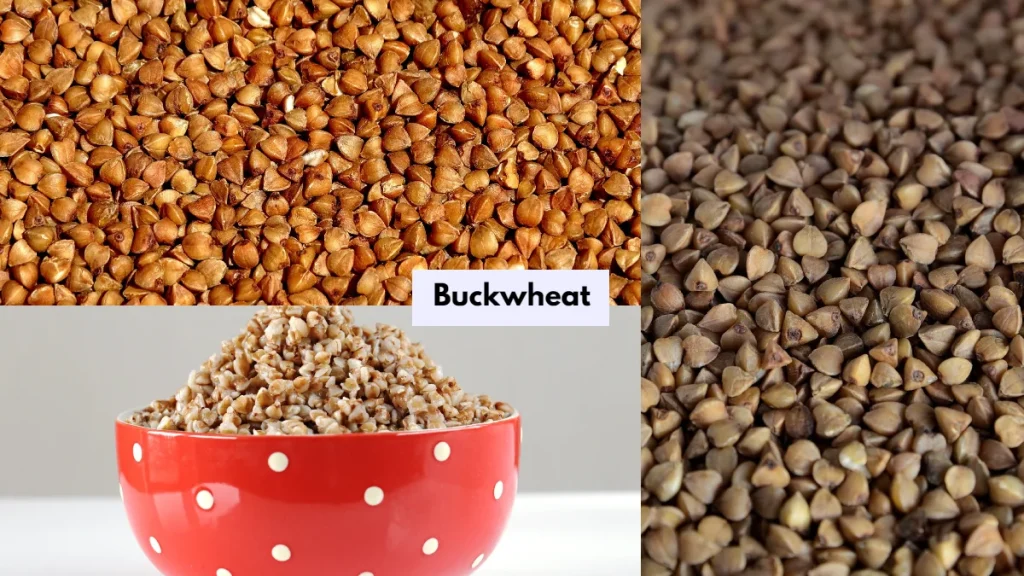
7. Buckwheat
A gluten-free grain with a significant amount of dietary fiber, buckwheat is similar to quinoa in that it will support your healthy lifestyle.
Buckwheat
A 100-gram portion of buckwheat can meet 25% of your recommended daily fiber intake. These plant grains are a fantastic food choice for building muscle and can be a part of your post-workout routine because they contain other plant-based proteins.
8. Chia seeds
Chia seeds are very beneficial—just a tablespoon will do. According to nutritionists, they provide a decent protein punch and are extremely high in fiber and omega-3 fatty acids. They can be added to smoothies, cereal, salads, yogurt, pudding, and oatmeal.
Chia seeds
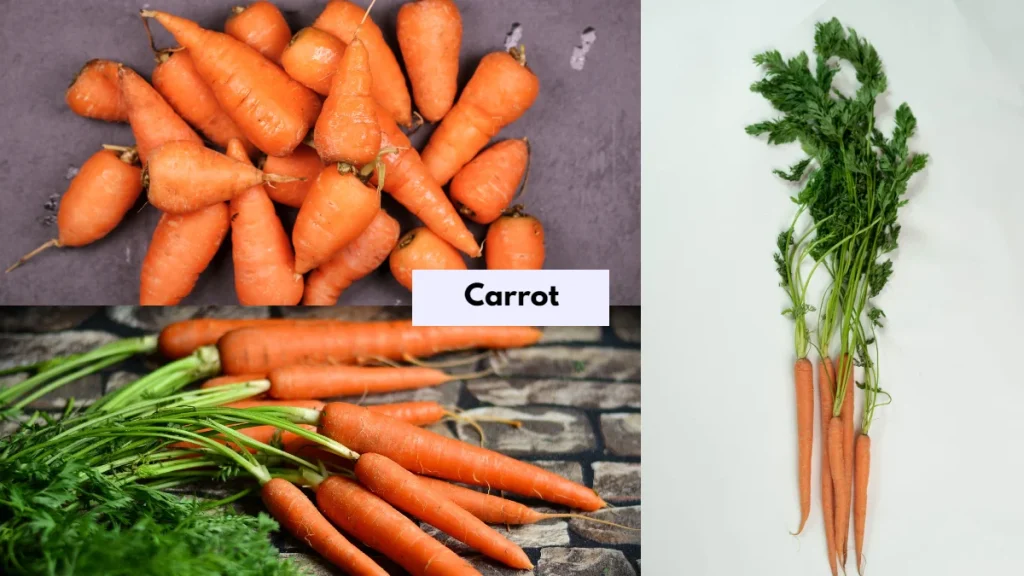
9. Carrot
Root vegetables such as carrots are high in fiber and are recognized mostly for their beta-carotene content. To fulfill the recommended daily intake of carrots, it takes about 6 cups.
Carrot
10. Popcorn
The “king of snack foods” is also referred to as popcorn. Air-popped popcorn has a lot of fiber. To improve the flavor, sprinkle some of your favorite herbs and spices.
Popcorn
Final Words
You should always have fiber in your body because it is a vital vitamin. You should exercise caution even if it can seem preferable to have too much than not enough. When changing your diet, it’s crucial to start slowly and pay attention to your body. Now, you all must understand how important fiber is for the body.
Frequently Asked Questions (FAQs) about High-Fiber Foods
Q: What food has the highest fiber content?
Answer: Broccoli, peas, beans, pumpkin, soybean, etc.
Q: What fruit is high in fiber?
Answer: Raspberry, blueberry, apple, banana, Avocado, etc.
Q: How can I increase my fiber?
Answer: ● Start your day with your high-fiber breakfast. ● Include protein grains in your diet. ● Include foods that are rich in fiber throughout your day.
All about Skin Rashes: A rash is a group of skin sores that spread over a large area. It’s a very broad term in medical science. Skin rashes can look very different and can have many different causes. Because there are so many kinds, there are also many different ways to treat them.
A rash can be small and only affect one small part of the body, or it can be large and affect the whole body.
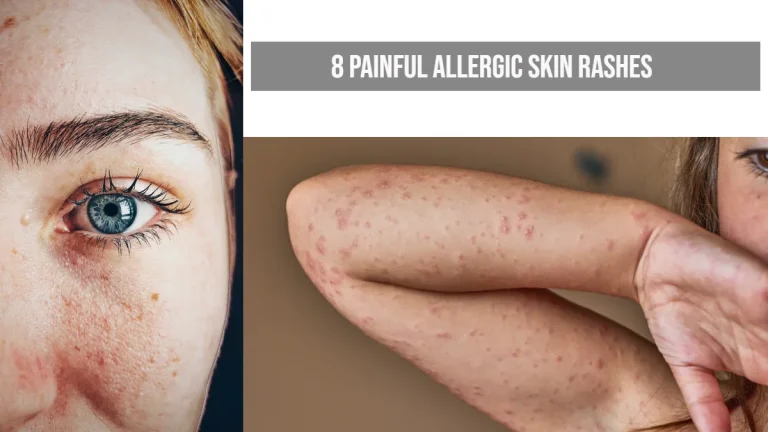
8 Painful Allergic Skin Rashes
There are many kinds of rashes; some of the most common causes are contact dermatitis, infections, and allergic reactions to medications. They can be dry, wet, bumpy, smooth, cracked, or blistered. They can hurt, itch, and even change color.
3 Common Causes of Skin Rashes
A rash can be caused by many things, such as allergies, diseases, reactions, and medicines. They can also be caused by infections with bacteria, fungi, viruses, or parasites.
1. Medications
Some medicines can make some people break out in skin rashes. This could be a side effect or a sign of an allergy. Also, some medications, like some antibiotics, can cause photosensitivity, making a person more sensitive to sunlight. The reaction to photosensitivity looks like sunburn.
2. Infections
A rash can also be caused by a bacterial, viral, or fungal infection. Depending on the type of infection, these rashes will look different. For example, candidiasis is a common fungal infection that causes a rash that usually appears in skin folds and is very itchy.
3. Autoimmune conditions
An autoimmune condition is when a person’s immune system starts to attack healthy tissue, this is called a Trusted Source. There are many autoimmune diseases, and some of them can cause rashes.
For example, lupus is a disease that affects many parts of the body, such as the skin. It makes a rash on the face that looks like a butterfly.
How Skin Rashes Break Out on Kids’ Skin?
Children are more prone to get rashes compared to adults when they are sick:
The virus that causes chickenpox causes a rash that looks like small, itchy bumps and blisters all over the body.
Measles is a respiratory virus that causes red rashes, and itchy bumps all over the body.
Scarlet fever is an infection caused by group A Streptococcus bacteria that make a toxin that produces a rash that looks like sandpaper and is bright red or the same color as the skin.
A viral infection that causes a flat, red rash on the torso, arms, and legs.
Kawasaki disease is a rare but severe illness that starts with a rash and fever and can cause heart problems.
Impetigo is a bacterial infection that spreads easily. It causes an itchy, crusty rash and yellow, fluid-filled sores on the face, neck, or hands.
6 Tips To Follow At Home When Having Skin Rashes
Most simple rashes will get better if you gently take care of your skin and avoid things that make it worse. Keep these general rules in mind:
Try not to scrub your skin.
Use mild cleaning products.
Don’t put lotions or ointments for beauty directly on the rash.
Use warm water to clean, not hot water. Don’t rub; just pat dry.
Stop using any new lotions or cosmetics that you just bought.
As much as possible, leave the hurt area open to the air.
Hydrocortisone cream (1%), which can be bought without a prescription, can help many rashes feel better. You can get stronger cortisone creams with a prescription.
Use moisturizers on your skin if you have eczema. You can get oatmeal bath products at drugstores to help with eczema or psoriasis. Antihistamines taken by mouth may help relieve skin that itches.
When to Talk to a Doctor or Nurse
When to Talk to a Doctor or Nurse regarding Allergic Skin Rashes
You have trouble breathing, a sore throat, or a swollen face.
Your child has a bruise-looking purple rash.
You have a sore throat, fever, or joint pain.
You have red spots, swelling, or places that hurt a lot, as these could be signs of an infection.
You are starting a new medicine. DO NOT change or stop your other medication without talking to your provider.
There may be a tick on you.
Home treatment doesn’t work.
8 Painful Common Skin Rashes
1. Eczema: skin that is red, dry, and itchy anywhere on the body.
Dermatitis, an inflammation of the skin, is another name for eczema. Skin with eczema is red, cracked, itchy, and sometimes oozes. Eczema is not contagious; some of the most common causes are soaps, detergents, dry skin, wool, and synthetic fibers.
skin rashes – eczema
Eczema is common in babies and young kids, but anyone can get it. The best way of treating it is to avoid things that make your skin react and to take care of it regularly by moisturizing it.
Some medicines you put on your skin or take by mouth can help ease symptoms.
2. Chickenpox: A rash of bumps on the skin
Varicella zoster, or “chickenpox,” is a virus that causes a rash of itchy blisters on the face that spreads to the chest, back, and the rest of the body. It usually comes with a fever and a headache.
chickenpox skin rashes
Chickenpox is less common now that there is a vaccine, but it still happens, especially in children under the age of 12. The primary goal of treatment is to take control of symptoms, like fever, with pain relievers that don’t contain aspirin, like acetaminophen (Tylenol) or ibuprofen (Motrin, Advil), and to relieve itching with an oatmeal bath.
People with chickenpox should stay away from babies, pregnant women, and people with weak immune systems because chickenpox is very contagious for people who have never had it or haven’t had the vaccine.
3. Rubella: The skin is covered with small, red spots
Rubella, also called German measles, is another skin rash caused by a virus that affects children and young adults. It causes a rash of red spots that spread from the face down, just like chickenpox.
rubella skin rashes
The rash on the skin can itch. A sore throat, fever, swollen glands, headache, and a runny nose are also signs of the flu. Rubella can be prevented with a vaccine, and the Centers for Disease Control say that the virus has been wiped out in the U.S., but it is still common in other countries.
Rubella can cause birth defects, which can be very dangerous for pregnant women. For pain relief, the treatment includes rest and acetaminophen.
4. Hives: sudden, itchy bumps and welts on the skin
Urticaria, which is also called “hives,” is a sudden skin rash that causes itchy, pale pink, or red welts that sometimes burn or sting. This skin problem can happen on any part of the body. Up to 20% of the population may get hives at least once.
hives skin rashes
Hives can last for some days or a few weeks. They are usually caused by an allergic reaction to a food or medicine, but they can also be caused by a cold or illness you just got over.
The most common way to treat it is to avoid what’s making it happen and take an antihistamine to treat the symptoms. Talk to a doctor if a welt or hive lasts for more than 24 hours and hurts or makes you feverish.
5. Prickly Heat: A rash that happens when sweat clogs your pores
Prickly heat also called heat rash, is red, itchy, and painful skin. There may also be small bumps appear on the skin. Heat rash happens when your pores get clogged up with sweat.
prickly heat skin rashes
These skin rashes are common in babies, but they can happen to anyone at any age. This skin condition usually shows up in places where skin rubs against other skin or clothing, like the neck, breasts, groin, and underarms.
The best way of treating it is to cool it down, dry it off, and make it move less.
6. Intertrigo: A rash that appears in the skin folds and causes itching
Intertrigo is a skin condition that happens in folds of skin, like under the breasts, on the inner thighs, under the armpits, or the belly folds. The rash on the skin might ooze and itch.
Intertrigo-skin-rashes
People who are overweight or have diabetes are more likely to get this rash. The areas need to be kept dry, infections must be treated, and antibiotic, antifungal, or steroid creams must be used.
7. Impetigo: A rash on the skin that bacteria cause
Impetigo is a skin infection that causes skin rashes. The disease is usually caused by either group A streptococcus or Staphylococcus aureus bacteria.
Impetigo skin rashes
This rash shows up as brown blisters or sores around the nose or mouth. The rash is very itchy and easy to spread to other people.
The rash will spread if you scratch it and then touch other parts of your body or other people. Impetigo can be treated by applying antibiotic creams or lotions; in more severe cases, antibiotics can be taken by mouth.
8. Psoriasis: a disease that affects the way skin cells grow and divide
It is thought to happen when a problem with the immune system speeds up the growth cycle of skin cells. Up to a third of people with the disease also have psoriatic arthritis, which causes joint pain and swelling.
It’s unclear what causes psoriasis, but genes may play a role. Psoriasis symptoms can be controlled with treatments like topical creams, light therapy, and medicines.
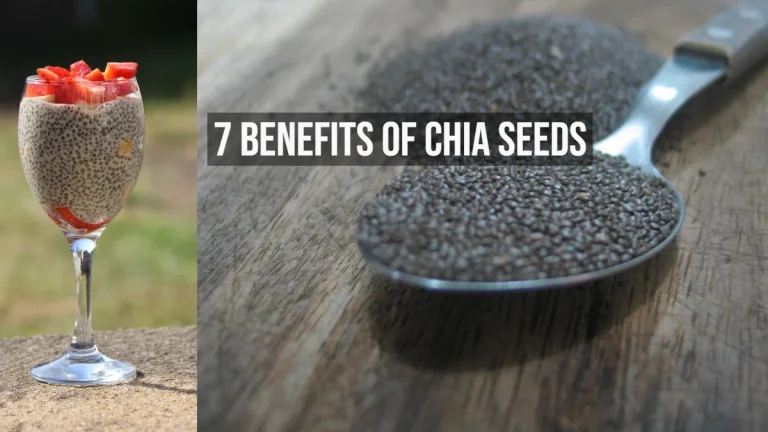
Often, we do not realize the nutritious benefits of the tiniest things growing around us. Chia seeds’ benefits have been known to us since the late 1980s, thanks to the marketing power that convinced us about mini seeds as a superfood.
Even though, as of the present day, the nutritious content of the small seed has not been proven precisely. But we tried to dedicate this article to help you to know what chia seeds are, their benefits, side effects, and more.
What are Chia Seeds?
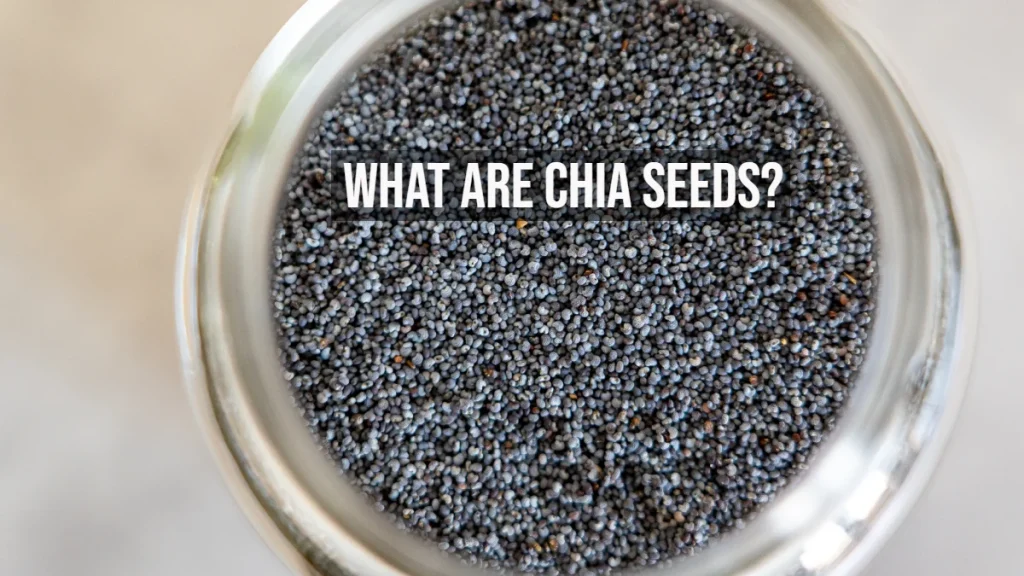
Ever seen the desert plant Salvia Hispanica? Well, chia seeds are the result of harvesting of the flowering plant. They are round and smaller in size and often can be seen either in white, black, or brown color. Mainly the seeds of Salvia hispanica are founded in Latin American states, Mexico and Guatemala.
what are chia seeds
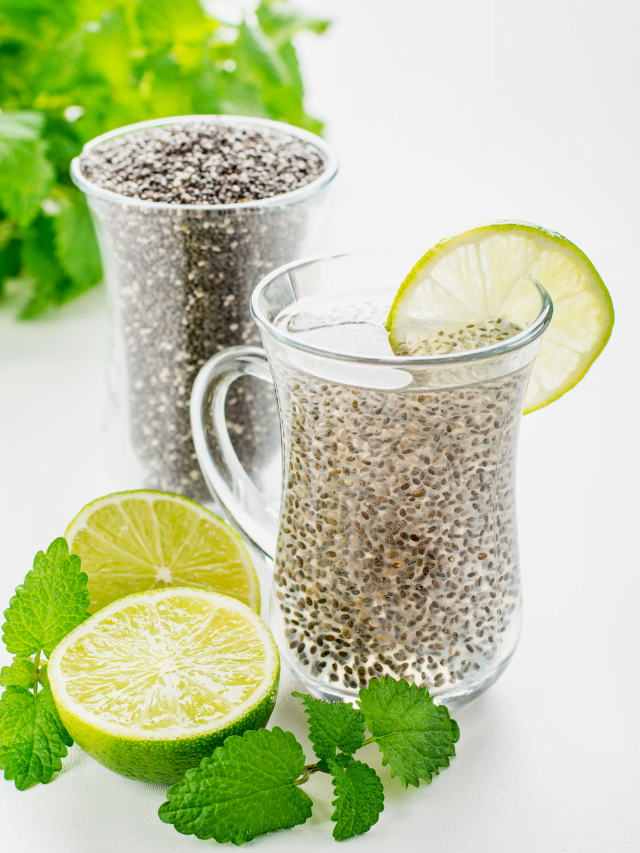
Chia seeds’ benefits are known because they are hygroscopic and absorb the weight in liquid up to 12 times. So, when they are added to any beverage, a special mucilaginous coating with a gel texture develops.
What are the 7 benefits of Chia Seeds?
7 Benefits of Chia Seeds
Without beating around the bush, we would like to inform you of some of the inherent benefits of chia seeds. Check out what chia seeds are good for below.
1. Helps in reducing weight
Among our long list of the benefits of chia seeds, the immediate one that comes to our mind is that chia seeds help stimulate weight loss. The fiber content within each tiny seed aids in reducing belly fat. How? Because the seed absorbs water in the stomach, and while it expands, the strong appetite narrows down.
Some nutritionists also consider chia seeds beneficial in losing weight because of their rich protein content. You must consume about 25-38 grams of chia seeds a day to shed kilos of weight.
2. Control Blood Sugar Levels and Prevent Diabetes
Most importantly, the outer gelatinous coating of chia seeds controls any spikes in blood sugar levels. Due to its slow digestion ability, it acts as insulin and prevents diabetes. We can also add that regulating blood pressure levels is a significant benefit of chia seeds.
3. Keeps a check on constipation
Chia seeds have higher fiber content, which smoothens the digestion process. Not only that, but the insoluble chia seeds would transform into a gel when coming in contact with water. Such gel eases bowel movements and adds to your stools.
4. Promotes good cholesterol and boosts healthy blood lipid levels
These are among some of the rarest seeds that are richest in Omega 3 fatty acids. Such fatty acids are a great source of lowering the blood cholesterol level and reducing the chances of coronary cardiac diseases.
The presence of monosaturated fats in chia seeds minimizes the possibility of LDL (harmful) cholesterol levels, reducing the chances of heart-related ailments overall.
5. Adds extra energy and stimulates metabolism
Some of the ingrained chia seed nutrients include zinc, iron, vitamins, and magnesium. And each of these components is great for boosting overall energy. You can take chia seeds as a workout drink, which sustains extra energy and inspires you to perform heavy workouts daily.
It would help if you took chia seeds with some smoothies a few hours before the hardcore workout routine to burn off the carbs. The benefits of chia seeds also include the boosting of overall body metabolism.
6. Gives you stronger bones and prevents osteoporosis
The calcium factor within chia seeds is also higher, so you can take them if you require to improve the calcium content. Intake of chia seeds has proved effective in making both your bones and teeth stronger.
Chia seeds protect bone health from future diseases like osteoporosis. Phosphorus and other minerals in chia seeds help strengthen bones. Chia seeds’ anti-inflammatory properties also help prevent arthritis and limit the chances of skin raging.
7. Healthy sleep cycle
The two particular hormones, melatonin and serotonin, are good for maintaining a healthy sleep cycle. The secretion of such hormones occurs with adequate tryptophan ( an amino acid) in the body. Chia seeds contain higher tryptophan, which helps relax and is good for sleeping.
Do Chia Seeds Help You Lose Weight?
Even though not medically proven, several assertions claim the curb or frequent appetite-suppressing potential of chia seeds. The logic behind such assertions is that chia seeds contain a rich share of fiber, making you stay full for longer hours a day.
So, it, in a way, rescues you from overeating. If one tablespoon of chia seeds contains five grams of fiber, then you should take at least six spoonfuls of chia seeds daily.
Do Chia Seeds Help You Lose Weight
This is because any strict weight loss diet plan would require you to consume at least 30 grams of fiber daily to reduce your appetite.
So, partially or indirectly, chia seeds help in weight loss by making you feel less likely to eat too much. However, surpassing your daily calorie limit won’t help much.
4 Chia Seeds Nutrition Facts
Well, now you are aware of the long list of benefits of chia seeds, so all credit goes to their inherent nutrition properties. Check out the list below.
It is suggested that you take a minimum of 25-28 grams of chia seeds a day. They contain nearly 138 calories per ounce. Other than calories, some effective chia seeds nutrients include 6% water, carbs, fiber, protein, and fat. Let’s look into all that individually.
1. Fat:
Chia seeds contain all types of friendly body fat. Omega-3 fatty acids, which are heart-healthy and prevent sudden cardiac attacks, play a vital role among all the important nutrients in chia seeds.
The omega-3 fatty acids have their source in plants and are better than flaxseed. When you consume omega-3 fatty acids, other than coronary cardiac ailments, the chances of cancer and body inflammation also reduce.
Chia seeds nutrition facts encompass not only Omega 3 and 6 but also saturated, polyunsaturated, trans, and monosaturated fats.
2. Protein:
Chia seeds comprise nearly 19-20% protein, which is typical of all other seeds but certainly better than most grains and cereals.
Maximum protein intake would reduce the possibility of unwanted cravings and appetites and assures fullness after meals. Even though chia seeds have a good protein share, they should not be taken as the sole protein source for any individual.
3. Carb and fiber:
Approximately 80% of chia seeds’ carb content comes from fiber. Both soluble and insoluble fibers are present in the chia seeds. Eventually, the fermented chia seeds would formulate short-chain fatty acids (SCFAs). For those who are not aware, SCFAs improve your colon health.
4. Minerals:
Even though the vitamin content of chia seeds is not high, many minerals are present in them. Some of the chia seeds benefits would include the
Manganese to improve body metabolism, growth, and systems improvement.
It contains iron, which transports oxygen throughout the body, and enriched hemoglobin content in red blood cells.
A fair share of phosphorus strengthens bone health. It also looks after the proper tissue growth.
Calcium improves bones and teeth.
Other crucial minerals are copper, selenium, and magnesium. Why copper? It contributes to good heart health. The other two minerals also play a crucial role in bodily processes.
Leaving the known minerals, fiber, protein, and fat components aside, within chia seeds nutrients, you will also find herbal compounds such as caffeic acids, quercetin, chlorogenic acid, and antioxidants like kaempferol.
5 Side-effects: Are chia seeds good for you?
After discussing what chia seeds are good for, you must also know the side effects of eating too many chia seeds daily. See below.
Though not for all, medical records show some individuals’ severe allergic reactions to chia seeds. Serious allergic reactions like anaphylaxis can occur after consuming extra chia seeds regularly. For your relief, those with a medical history of cat dander or grass pollen are more likely to be allergic to chia seeds.
Overeating chia seeds may act the opposite. It can cause lower blood pressure because it contains many omega-3 fatty acids. Such components work like blood thinners and decrease blood pressure.
A diabetic patient with regular consumption of chia seeds may face a steep blood sugar decrease and end up with insulin dosage adjustment.
Chia seed oil also helps in tumor growth in the body. Though chia seeds may work on interacting with anticancer agents, no adequate evidence has been recorded about it.
Chia seeds often react when taken with powerful antiplatelet or anticoagulant drugs. The rich amount of omega-3 fatty acids may enhance the chances of bleeding. Even antioxidants like Vitamin C, E, or A supplements might have additive or competing effects.
Go, Go, Chia!
If you have read the entire article, then you can’t doubt chia seeds’ benefits. The tiny seeds help reduce weight and control blood sugar levels, cholesterol prevents cardiac diseases, and guarantees a healthy sleep cycle. However, our only take is not to overconsume the seeds, as that will react oppositely.
Don’t eat chia seeds daily while taking medications or antioxidant supplements. As a precaution, ask your doctor if it’s safe to eat chia seeds with supplements. Besides, it is safer to avoid such herbal seeds daily for women who are conceiving or breastfeeding because their effects have not been recorded yet.
Frequently Asked Questions (FAQs) about chia seeds
Q. What are chia seeds?
Answer— Chia seeds are harvested from the mint flowering plant Salvia hispanica. They are flat white, brown, or black seeds mostly found in Latin America, Mexico, and Guatemala.
Q. How chia seeds can be eaten?
Answer- The mild-tasted seeds are generally added to baked food, desserts, or beverages. You may commonly prepare smoothies and pudding and make granola or chia drinks with the seeds.
Weight gain is a big problem that worries most people. Often, people follow different diet plans to lose weight. An elaborate diet plan can help greatly reduce weight, so people want a good diet plan. However, some healthy snacks for weight loss can reduce weight. These snacks can make you feel less hungry and help you lose weight faster. A healthy snack can also satiate a person’s appetite.
Many such snacks will help you stay healthy and keep your appetite in balance. These snacks are delicious and will help you lose weight very quickly.
If you are looking for snacks to lose weight, this is the right place. Here we will introduce you to all those snacks and give you a list of them that help you lose weight. This snack will be very beneficial for your health and tasty, too.
What are snacks?
Snacks refer to the foods that you eat during the day in addition to meals. These are small portions between meals during the day. A study shows that snacks also help reduce weight to some extent.
Snacks will quench your slight hunger pangs during the day. It provides you with more nutrients than vegetables and other foods.
To lose weight, you need to target snacks containing fiber and health, keeping you calm throughout the day and helping you lose weight.
20 Healthy Snacks For Weight Loss
20 Healthy Snacks For Weight Loss
1. Roasted chickpeas
According to a report, it is found that consuming 3 or 4 cups of roasted chickpeas can help you lose 1 pound in 2 months without any change in your diet.
You can eat roasted gram by adding salt, paprika, and olive oil. It will enhance the taste of your gram by 10 times and help you reduce weight.
2. Apple and peanut butter
How beneficial is an apple for the body? You know that even doctors recommend eating an apple every day. It builds blood in your body and keeps you healthy.
And if you serve peanut butter with apples, it can help reduce your weight. You have to consume peanut butter, which has no salt, sugar, or oil; such butter will improve your health quickly. You must consume only 2 spoons of butter and apples in your snacks.
3. Almonds
Nuts are very beneficial for the body, and they are also delicious. Almonds are such a nut that they are easily present in the house; they are beneficial for anyone in both winter and summer.
Along with improving your health, it also balances your appetite. Almonds provide fiber and protein to the body, so whenever you eat almonds, eat them either with apple or with peanut butter.
4. Pomegranate
Pomegranate is also a fruit that is good for health and helps increase blood. Often overweight women consume pomegranates, which helps in reducing their weight. Consuming 1 or 4 cups of pomegranate seeds daily will help you a lot in reducing your weight.
5. Pistachio
Do you want to eat something nice and salty in your snacks? If yes, then Pistachio is a perfect option for you. Pistachio is rich in protein and other nutrients.
According to a report, it can be known that people who used to consume pistachios lost 1 or 2 pounds in just four weeks.
6. Chia pudding
These seeds are not loaded with protein and other nutrients, but they can be beneficial for your body. According to a study, it can help you shed a few pounds from your body.
It helps to a great extent in balancing your hunger while fulfilling the lack of food in your body. Eat chia pudding with milk, walnuts, and blueberries and see the benefits.
7. Green smoothie
Like green vegetables, heavy green smoothies can also provide many properties and nutrients to your body. This smoothie can go a long way in helping you lose a few pounds from your body.
8. Pea Soup
You have never heard of this breakfast, so you may find it a bit strange to hear. But have you considered how much it can be of benefit to you? Pea soup can reduce your appetite to a great extent compared to other foods.
Reduction in appetite automatically lowers body weight and is found helpful in weight loss.
9. Blueberry Toast
Scrape almond butter on bread with a spoon, add blueberries, and eat it as a snack. It will provide very few calories compared to food and provide you with nutrients like protein, good fat, and fiber. Anthocyanins in blueberries help in weight loss to a great extent.
10. Green Tea Latte
You can also make it a decoction of grass; this green tea decoction is completely full of anti-oxides, which has been found in many reports. It helps a lot in burning calories in your body.
To make this, prepare a mixture by mixing green tea in low-fat milk and mixing it well. If you feel very bad about drinking it, then you can drink it by adding 1 or 2 teaspoons of honey.
11. Cheese and fruit with it
Cottage Cheese is a complete source of protein; 25 to 30 grams of cottage cheese is enough daily. And you already know how beneficial the fruit is for your body.
And when fruit and cottage cheese come together, it provides protein and fiber to your body. If you eat fruits like papaya, watermelon, and pineapple with cottage cheese, then it will help in keeping your hunger calm.
12. Dark chocolate and almonds
Almonds and dark chocolate together make an excellent pairing. When you have crunchy almonds with silky chocolate, the crunchiness of almonds enhances the taste.
This pair is rich in antioxidants that provide many nutrients to your health. Both of these can be satisfying for your health and appetite. You have to put a handful of almonds in some dark chocolate and consume it.
13. Mozzarella and Cherry Tomatoes
Tomatoes and cheese provide the same amount of protein and fiber in your diet as vegetables. It would be best to consume it by putting mozzarella cheese, vinegar, and olive oil on tomatoes. It is delicious and helps to make you feel very fresh. It acts as a salad.
14. Porridge
You know how good porridge is for your health because it is made of wheat, which has the power to win a roti. You can enjoy porridge in many ways sweet, salty, cold, hot, etc.
It is a nutritious cereal that provides fiber and protein. You can eat porridge by making it with cocoa powder, chocolate chips, etc.
15. Boiled eggs
Eggs provide health with protein as well as many other nutrients. It helps reduce weight, which you can eat to lose weight. A study found that by consuming 2 to 3 eggs daily, heart disease can also be cured or reduced. Apart from this, boiled eggs work very well as a good snack.
16. Turkey Roll Up
Turkey roll-ups are delicious and healthy too. It is a very high-quality Turkish food item that many people include in their weight loss plan.
This will work to a great extent in satisfying your hunger and will put a restriction on your weight gain. To enhance the taste of it, you can also use cottage cheese in it and add some pieces of vegetables to it.
17. Cheese and Olive
Olive provides many nutrients to the body, and it is very beneficial. It removes many heart diseases, and it helps a lot in burning fat.
This protein-rich food item can give many benefits to your body. It is a powerful snack that will work to a great extent in reducing your fat, thereby reducing your weight faster.
18. Avocados
Avocado helps reduce high-fat food cravings and is rich in fiber. It is one of the most nutritious and delicious fruits. After cutting the avocado, sprinkle salt on it, and eat red chili and water with it.
19. Popcorn
Popcorn must have made you think that whether this snack will really help you lose weight, you will be a little skeptical. But it’s not like it’s not popcorn wrapped in salt and butter.
Popcorn is a generous snack that provides the body with only 100 calories. You can taste just a little bit of olive oil on simple popcorn and eat it.
20. Muskmelon
Melon is a liquid fruit that is very nutritious and tasty and is completely rich in fiber and vitamin A. It has less than 180 calories and is excellent for breakfast. Cut it into thin slices and eat it after adding salt and pepper to it.
Healthy Snacks To Buy
We can lose weight by just adding certain snacks to our diet. If we want to lose some inches from our bodies, we must add some snacks to our diet. Below is the list of some snacks.
20 Healthy Snacks For Weight Loss
1. Gram
Gram is such a snack that you can eat it anytime or anywhere. It is completely rich in protein; you can eat gram by roasting or soaking it.
Apart from that, if you do not want to work hard, you can eat roasted gram, hot gram, etc. by asking for it from the market; you will easily get roasted gram packed in the market.
2. Nuts
Nuts are rich in protein and contain many vitamins and minerals. If you do not like to eat nuts or you feel tasteless, you can buy spicy nuts from the market. It includes spicy nuts like cashew nuts, almonds, peanuts, etc., full of excellent and tasty spices.
Best Healthy Snacks
1. Avocado
This green fruit is packed with many nutrients and is incredibly adaptable. Avocado is one of the healthiest foods you can consume throughout the day as it is filled with many vitamins and minerals.
Simply cut them in half and add a little lemon juice on top for convenience. Sprinkle sea salt and enjoy.
2. Dry fruit
If you don’t like eating fruits and do not want to eat them under any circumstances, then dry fruits are a good option. Dried fruits are another quick, nutritious snack, whether you eat them at home or buy them from the market.
Best Healthy Snacks To Lose Weight
Best Healthy Snacks To Lose Weight
1. Lemon and Blueberry Muffins
This is very beneficial and helps reduce body weight fast; it reduces your belly tummy and many more. You can prepare muffins by adding lemon to blueberries and consume them daily. it will help keep your appetite calm and will help a lot in reducing weight.
2. Blueberry and Pineapple Oats
We told you earlier how oatmeal benefits your body. It is made from wheat, so you can guess the health benefits it provides. You can prepare oats by adding blueberries and pineapple and eating them for breakfast, dinner, or lunch.
Conclusion
Losing excessive weight is undoubtedly a challenging task, but it is not impossible. However, achieving weight loss goals by changing your daily life and focusing on yourself. You have to believe in yourself and work hard; you don’t have to get attracted to junk food.
You must have realized that when you are trying to lose weight, you feel hungry, which distracts you from your weight loss goal. At that time, eating healthy snacks for weight loss come in handy.
Best Fruits for Weight Loss: For most people, losing weight and getting in shape is a top priority for the new year. But with so many diet plans and programs out there, finding something to stick with can be difficult. Luckily, several of the best lowest-calorie fruits will help you achieve weight loss goals if eaten in moderation throughout the day.
What Fruits Are Good For Weight Loss?
There are so many wonderful, healthy fruits out there that can help you lose weight if eaten in moderation throughout the day. Remember that there is no magic fruit or secret pill when it comes to building muscle or losing fat.
What Fruits Are Good For Weight Loss
It all comes down to calories in vs. calories out: if your body takes more energy from food than you’re giving it, you’ll gain weight; if the opposite occurs, and your body burns more energy than you’ve consumed, you’ll lose pounds.
So, choose a few of your favorite low-calorie fruits, and start eating them every day to help reach your weight loss goals!
16 Best Fruits for Weight Loss
Check out the list of fruits good for weight loss below.
16 Best Fruits for Weight Loss
1. Apples
One medium apple has about 95 calories and is a great source of fiber, which helps keep you feeling full throughout the day. Apples also contain antioxidants, which can help fight disease.
2. Grapefruit
Grapefruits are a great choice for breakfast or snacks due to their low-calorie count and high fiber content. One grapefruit has only 52 calories but provides over 3 grams of fiber. The antioxidants present in grapefruit may also help reduce the risk of cancer and heart disease.
3. Bananas
Bananas are another great fruit for weight loss because they provide a decent amount of fiber and only have about 105 calories each. They also contain potassium which helps regulate blood pressure, as well as B vitamins for energy production.
4. Blueberries
Blueberries are nutrient-rich fruits low in calories but high in fiber and antioxidants. Just one cup of blueberries contains only 84 calories but provides 3 grams of fiber and 24 grams of antioxidants. These nutrients can help reduce the risk of heart disease, cancer, and Alzheimer’s disease.
5. Strawberries
Like blueberries, strawberries are nutrient-rich fruit that is low in calories and high in fiber and antioxidants. One cup of strawberries has only 46 calories but provides 3 grams of fiber and 11 grams of antioxidants. Strawberries can help protect against heart disease, cancer, and age-related memory decline.
6. Peaches
Peaches are loaded with antioxidants and fiber and have a moderate amount of calories at 99 per cup. They contain vitamin C, which may help reduce the risk of cancer, as well as B vitamins for energy production. Just remember to remove the stone before eating.
7. Cherries
Cherries are a great choice for snacking because they have low calories but high fiber and antioxidant content. One cup of cherries has only 62 calories, 3 grams of fiber, and 13 grams of antioxidants. Antioxidants assist in preventing heart disease, cancer, and age-related memory decline.
8. Tomatoes
Tomatoes are a fruit that is commonly eaten as a vegetable because it’s considered a berry by botanists. They contain about 20 calories per ounce or 16 tomatoes (about 100g) and provide vitamin C, potassium, and lycopene antioxidants, which may reduce cancer risk.
9. Kiwifruit
Kiwifruit is a great source of vitamin C, potassium, and fiber. One kiwifruit has about 46 calories and 2 grams of fiber. Additionally, kiwifruit may help improve heart health by reducing blood pressure and harmful cholesterol levels.
10. Watermelon
Watermelon is another fruit that is high in antioxidants and contains about 92% water, making it a great choice for rehydration. One cup of watermelon has only 47 calories and provides 1 gram of fiber. Watermelon may help reduce the risk of cancer, heart disease, and joint pain.
11. Cantaloupe
The Cantaloupe is a nutrient-rich fruit that is low in calories but loaded with vitamins A and C, potassium, and fiber. One cup of cantaloupe has only 50 calories and provides 2 grams of fiber and over 1000 IU (international units) of vitamin A (about 200% of the recommended daily allowance). Vitamin A can help reduce the risk of heart disease, while potassium may help protect against hypertension.
12. Raspberries
Raspberries are another delicious fruit that contains about 52 calories per cup and 1 gram of fiber. They contain antioxidants that protect against cancer as well as B-vitamins for energy production.
13. Cranberries
Cranberries are tart fruit that is loaded with antioxidants and vitamin C. One cup of cranberries has about 80 calories and 3 grams of fiber. The antioxidants present in cranberries may help protect against heart disease, cancer, and urinary tract infections.
14. Pears
Pears are a sweet fruit that is low in calories but high in fiber. One pear has only 98 calories but provides 5 grams of fiber. The high fiber content in pears may help with weight management and regularity.
15. Tangerines
Tangerines are low in calories but rich in both vitamin C and A, as well as 6 grams of fiber per fruit (about 80g). They’re great for natural energy production and can aid in weight loss by increasing satiety levels after eating and decreasing overall calorie intake at each meal.
16. Oranges
The Oranges are loaded with both vitamin C and A as well as potassium, making them a nutritious fruit choice for everyone to enjoy. They’re also very low in calories. One orange contains only about 60 calories but provides 4 grams of fiber and almost 700 IU (international units) of vitamin A (over 100% of the daily recommended intake).
Summing Up
Eating fruits such as blueberries, blackberries, strawberries, oranges, tangerines, watermelon, cantaloupe, kiwifruit, and raspberries on a regular basis may help reduce the risk of heart disease, cancer, and age-related memory decline. Additionally, these fruits are low in calories but provide high levels of vitamins and minerals, which are essential to our bodies’ daily functions.
Frequently Asked Questions (FAQs) about the 16 Best Fruits for Weight Loss
Q. Can fruits make you fat?
Ans. The answer to this question is a little more complicated than a simple yes or no. Fruits are packed with nutrients, including fiber, vitamins, and minerals, and they also contain natural sugars, which can raise blood sugar levels. Consuming too many sugary foods – whether they’re fruits or not – can lead to weight gain.
Q. What is the best fruit for weight loss?
Ans. There are many benefits to incorporating fruit into your diet, including weight loss. However, not all fruits are created equal in terms of their ability to help you lose weight. Here is a list of the best fruits for weight loss:
1. Apples An apple a day may keep the doctor away, but it can also help you lose weight. Apples are loaded with fiber, enabling you to feel full longer and prevent overeating. They’re also a good source of antioxidants, which can help boost your metabolism.
2. Blueberries Blueberries are another great fruit for weight loss. They’re high in fiber and antioxidants and contain compounds that help burn fat.
3. Grapefruit Grapefruit is a citrus fruit that’s full of vitamin C, fiber, and a compound called naringenin, which can boost your metabolism. Research has shown that eating half a grapefruit before each meal helped overweight participants lose an average of 3 pounds for 12 weeks.
4. Raspberries Berries, in general, are great for weight loss because they’re low in calories but contain plenty of filling fiber. Raspberries are especially good at promoting weight loss thanks to their abundance of vitamin C, folic acid, and phytochemicals like kaempferol and quercetin. They also help keep blood sugar levels steady and thus prevent cravings.
Everyone loves fast food; you must have also eaten fast food at one time or another. It may sound harmful, but it is still available and sold everywhere in the world. There are hundreds and thousands of restaurants around the world where people eat fast food every day, you can count yourself in that count too. The most famous fast food restaurants, such as McDonald’s and Domino’s, etc., have such a number worldwide that it is difficult to count.
10 Shocking Facts You Didn’t Know About Fast Foods
The fast food industry has grown further in the past few years, with fast food worth $120 billion. All of you are fond of eating fast food but do you know some things about it?
Have you not only eaten fast food but never known or tried to know about it? Through today’s article, let us tell you some things about fast food that you have never heard of.
Opinion About Fast Food
Fast food has undoubtedly become an integral part of American culture. But how much do we know about these meals? Some surprising facts about fast food will surprise even the most seasoned consumer.
McDonald’s has been around since 1940.
In 1940, Ray Kroc opened his first restaurant, the McDonald’s Hamburger Shop. He sold hamburgers made with ground beef patties and served them on white buns. Today, McDonald’s serves more than 30 million hamburgers every day.
The first McDonald’s was a coffee shop named after its owner, Richard McDonald. It was located at 815 North LaSalle Street in Chicago, Illinois.
The original menu consisted of coffee, sandwiches, and soft drinks.
Let’s dive into ten surprising facts about fast foods that you may not know about earlier.
10 Things You Didn’t Know About Fast Foods
1: Excess consumption of fast food can keep you unhappy.
This may sound strange to you, but it is true. According to a report, it has been found that people who consume fast food daily may be at increased risk of depression. People who consume fast food like burgers and pizza every day have a 50 percent chance of developing depression.
If you love your health, then leave your daily fast food habit ahead of time or reduce its consumption. You have to consume fast at least 1 or 2 times a month, so you have to make every effort to stop yourself.
2: It provides you with a lot of calories
If fast food is consumed in excess amounts, it harms your body. Excess consumption of fast food can give your body more calories. Ordinary people do not know how high-calorie the fast food they consume with passion can be for you.
Although this question is common and may be asked by many children and youth how many calories it provides, no one has been able to answer it. If you eat a package of fast food from the shop, the number of calories is written on it.
Each slice of a typical pizza contains about 200 to 300 calories. At least 375 calories are found in a burger. Also, a Regular French Freeze Pack Contains 311 calories. If you consume these calories daily, how harmful can it be for you?
Fast food is sold openly, and people like to eat it with passion. As you know, it is prepared with the help of solid spices and more oil. Due to this, it increases cholesterol, fat, and calories in your body.
Apart from this, it can also damage your body parts. More recently, due to the habit of eating fast food daily, many people’s liver disease was found to be very high, which is called fatty liver.
Additionally, fast food contains many calories, which can increase your blood pressure, and some restaurants use unhealthy food items for their sale, which can worsen your health.
4: It is costly
Perhaps you, in your desire to eat fast food, ignore how much fast food costs. If you eat fast food in a good and clean restaurant, then it can be costly. A family would spend up to $30 on their dinner fast food.
Have you ever wondered how the burgers and sandwiches you eat so fondly look so delicious and fresh? The griller smoke they produced is fake smoke that a person created. You will easily find such fake-smoke burgers in big food restaurants. Apart from this, many fake and harmful spices are used in it.
6: It can dry out your mind
This is a very shocking fact about fast food you might not know. Burgers, chips, etc., have fatty content, which can increase the amount of sugar in your body.
Fast food can have a pretty bad effect on the human body. If you consume fast food daily, then it can stop the flow of blood to your brain, which can also lead to your death.
The sandwich you eat very fondly but do you know that there is a lot of soap in it. And understand what effect you can have on your body by eating soap.
The breakfast you eat in an egg sandwich is a fake egg prepared with glycerin and soap, moisturizer, or shaving cream that can go into your body and damage your organs.
8: Soda is deadly for your body
Eating soda with a burger or pizza is very bad for your health. Bacteria are found in very high quantities in most soda machines.
Its quantity is found in 50 percent of soda machines. When you drink soda, bacteria enter your body, making you ill.
9: Fountain drinks are bad for you
Everyone loves fountain drinks, but do you know how they are prepared? The ice machine that is there is a bit difficult to clean, due to which it takes the form of a petri dish. A 12-year-old Florida student noticed similarities between toilet water and ice water.
10: Coffee can spoil your mood
Many restaurants utilize styrofoam cups to serve your morning espresso. However, these cups can leech styrene. This is because it is a neurotoxin that can lead to depression and attention deficit disorder.
Coffee or other hot, highly acidic liquids are better than cold water at removing the plastic compound.
5 Shocking Facts about Fast Food
Fast food contains a lot of food dyes. It can damage your body, causing severe itching.
Most soda machines contain fecal bacteria that are found in the stool. You can imagine for yourself how harmful it is to your health.
More than 50 different chemicals are used to make the Strawberry Milk that you all happily drink.
Chemical and fake flowers are used in any dish in which cottage cheese is used.
You must be thinking that the salad you eat in the restaurant is very healthy for you. But did you know that salad is made by adding propylene glycol? It is used to keep green vegetables and leaves fresh.
5 Shocking Facts about Fast Food
4 Bad Facts about Fast Food
Fast food contains a lot of calories, which is the main reason for weight gain. Apart from this, it can make you a diabetic patient.
Fast food is very harmful to the health of small children; it increases their weight very quickly.
You eat fast food with great fervor, but do you know how harmful it is to your health? It is very cheap, and there is a lot of negligence in its quality.
The more you eat fast food, the more you will become addicted to it. It is also harmful to your body, like intoxication.
Frequently Asked Questions(FAQs) about Fast Foods
Q: What is an interesting fact about fast food?
Answer: A few years ago today, a 913.54 Kg bugger was made at a resort in Minnesota City. This burger was the most significant and heaviest in the world.
Q: What are the five major problems associated with eating fast food?
Answer: Consuming fast food in large quantities can cause many harmful diseases to your body. Due to this, you can get obesity, depression, and liver-related problems like problems in digestion. Due to its excessive consumption, you can get cancer, diabetes, stroke, etc.
Q: Do you know any good facts about junk food?
Answer: There are many disadvantages of eating fast food if one talks about its benefits or good facts. So, fast food can be easily obtained, is delicious, and can be prepared quickly.
Q: Is fast food healthy?
Answer: The benefits of fast food are negligible; it harms your health from all sides. Many such substances in fast food are detrimental to your health.
Q: Which age group eats the most fast food?
Answer: Most people in the age group of 20 to 40 years have seen excessive consumption of fast food. In this, women account for 24 percent, and people aged 30 to 60 eat 37 percent of fast food. 20% of people over the age of 60 consume fast food.
Yakult nutrition facts: Yakult is a probiotic yogurt drink produced by fermenting Lactobacillus casei Shirota. It was created in the 1930s to help Japanese children suffering from digestive issues such as diarrhea. Today, this product can be found worldwide, and it continues to help people of all ages with digestion.
Yakult has many health benefits, including helping with digestion, increasing immune system function, aiding in weight loss, and lowering cholesterol levels.
Yakult Nutrition Facts
It is a probiotic drink that has been around for decades. Research has been done about the health benefits of Yakult, but there are also some negative effects. The purpose of this article is to discuss both sides and make individuals aware of what they’re putting into their bodies when drinking Yakult daily.
What is Yakult?
Yakult is a probiotic drink that has been around since the early 1930s and is available in over 40 countries. It is marketed to help maintain a healthy digestive system and strengthen your immune system. The drink can be found in fruit flavors such as orange or green apple but also comes in an original flavor for those who prefer it unadulterated. Yakult contains 6.5 billion LCS per bottle and should be taken once daily before or after meals.
What Does Yakult Do?
Yakult is a probiotic drink that can help with digestion, yeast infections, and immune system support. This article will cover its benefits and how to take it.
Yakult is an effervescent drink that contains Lactobacillus casei Shirota, which has been clinically shown to improve intestinal health in adults.
It also helps maintain healthy levels of good bacteria in your intestines while reducing bad bacteria that cause diarrhea or other gastrointestinal discomforts. The company says this probiotic beverage should be taken at least twice per day for best results.
What is Yakult Good For?
Is Yakult good? Is Yakult good for you? Such questions are never-ending when we talk about what is Yakult good for.
Yakult is a probiotic beverage that contains over 6.5 billion LcS per bottle and can be taken as a dietary supplement to help maintain the balance of good bacteria in your digestive system.
Yakult offers an excellent way to battle bad gut health.
Is Yakult Good For Health?
Is Yakult healthy? You must be thinking this Right!!
Yakult is a probiotic drink that claims to aid in digestion and increase the immune system. I decided to try this product for myself, see if it actually works, and share my results with you all!
As for me, it worked fine for my gut, and I found my digestion to be better.
Yakult contains over six billion live cultures of Lactobacillus casei Shirota strain, which are said to be good for our health.
9 Yakult Drink Benefits
The benefits of Yakult drink are unlimited, and we have listed them all in this section. If you consume Yakult at regular intervals then you will get the benefits of Yakult for sure.
9 Yakult Drink Benefits
It helps in supporting the immune system.
Yakult contains live bacteria known as Lactobacillus casei strain Shirota (LcS). Once ingested, LcS replaces bad bacteria in your intestines, helping you stay healthy.
Prevents Diabetes.
Affordable drink to improve digestion.
It improves metabolism and thus saves us from obesity.
This keeps constipation away.
The drink also contains prebiotics – indigestible carbohydrates that stimulate the good bacteria in your gut!
This enzyme can dissolve certain kinds of harmful bacteria, stopping them from growing and causing infections such as ulcers.
It contains Calcium & Vitamin B12, and these 2 nutrients are essential for building strong bones and teeth.
Yakult Pros and Cons
Yakult is a type of probiotic drink that has become popular in the last few years because of its health benefits. However, it does have some drawbacks that are worth considering before you buy your next bottle. We will examine both the pros and cons of drinking Yakult to help you decide if you want to try it out.
2. Homogenization process destroys molecules of milk.
3. Protect us from ulcers.
3. Usage of sugar.
4. Good for our metabolism.
4. It has skim milk powder.
*Yakult Pros and Cons
Yakult Light Nutrition Fact
Yakult is a great source of probiotics, which are live bacteria that help your digestive system. It comes in many different flavors, and we have published Yakult’s light nutrition facts below.
A probiotic drink like Yakult is a delicious way to keep our gut health and digestion smooth. However, it’s important that you check with your physician before drinking this fermented milk product if you have any allergies or sensitivities. If not, try adding Yakult to your diet after the advice of your doctor for optimal digestive wellness!
Frequently Asked Questions (FAQs) about Yakult nutrition facts
Q. Is Yakult really good for you?
Ans. Yakult is a probiotic drink advertised as beneficial to your digestive system and overall health. It has some ingredients that are better for our gut health. However, there are no scientific studies that prove this claim. In this article, we will review Yakult’s science and see if there’s any evidence behind the company’s claims. We also have a list of pros and cons so you can decide for yourself if it’s worth buying or not!
Q. Is Yakult safe to drink every day?
Ans. Yakult is a probiotic drink that contains good bacteria. It has been around since 1935 and is said to help with digestive health. The company that makes Yakult claims it can be consumed daily without any side effects.
Q. How does Yakult help your body?
Ans. Yakult is a probiotic drink that contains billions of good bacteria for your digestive system. People of all ages and genders can enjoy it, and it has been around since the 1930s. All you have to do is take one bottle daily or as directed by your physician.
Q. When should I drink Yakult?
Ans. Yakult is a delicious probiotic drink that can be enjoyed at any time of the day. It’s also safe to take on an empty stomach, and many people prefer drinking it in the morning, so they have their breakfast with Yakult for extra good gut bacteria action!